 English
 中文简体
 Español
 عربى


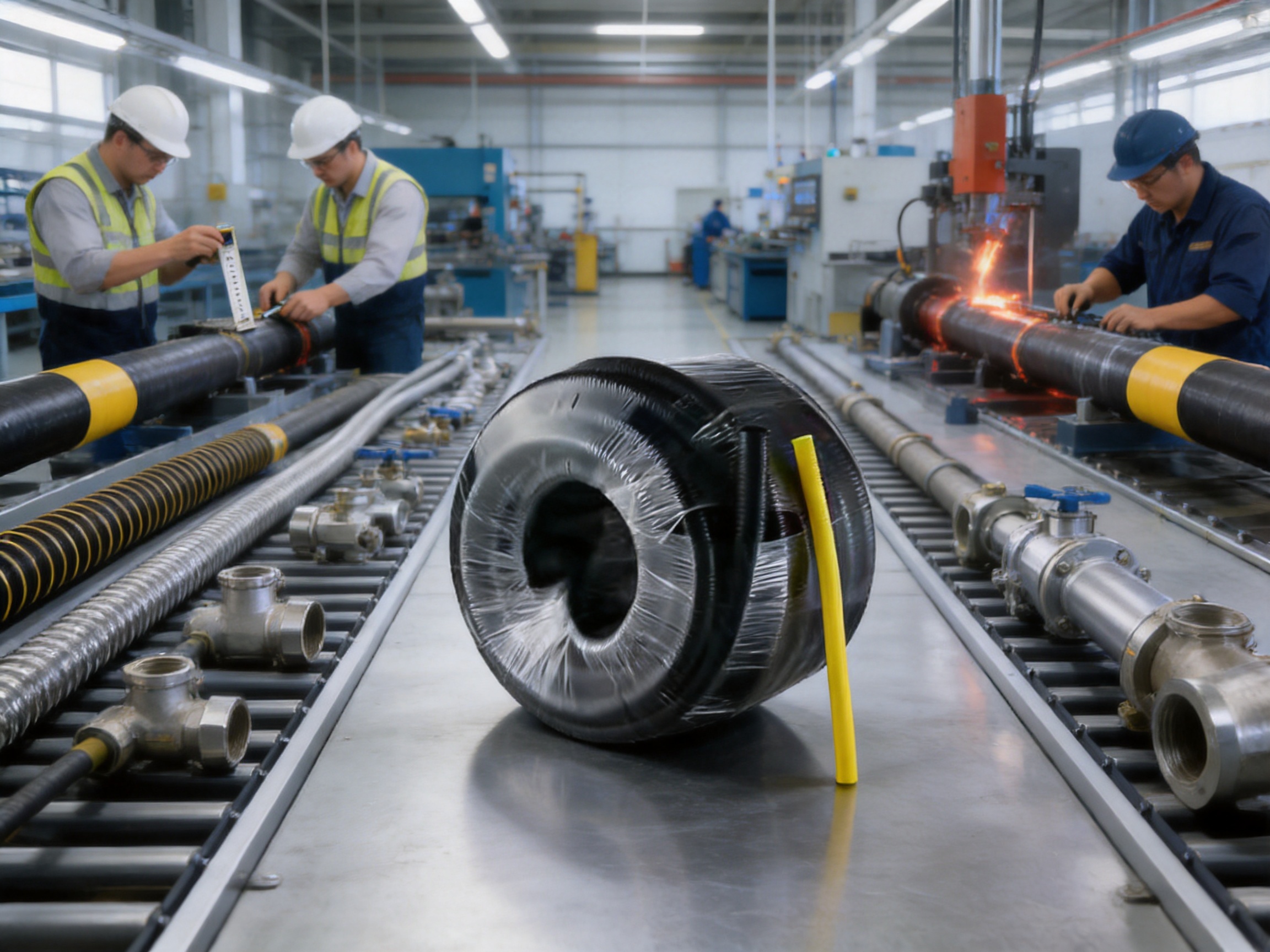
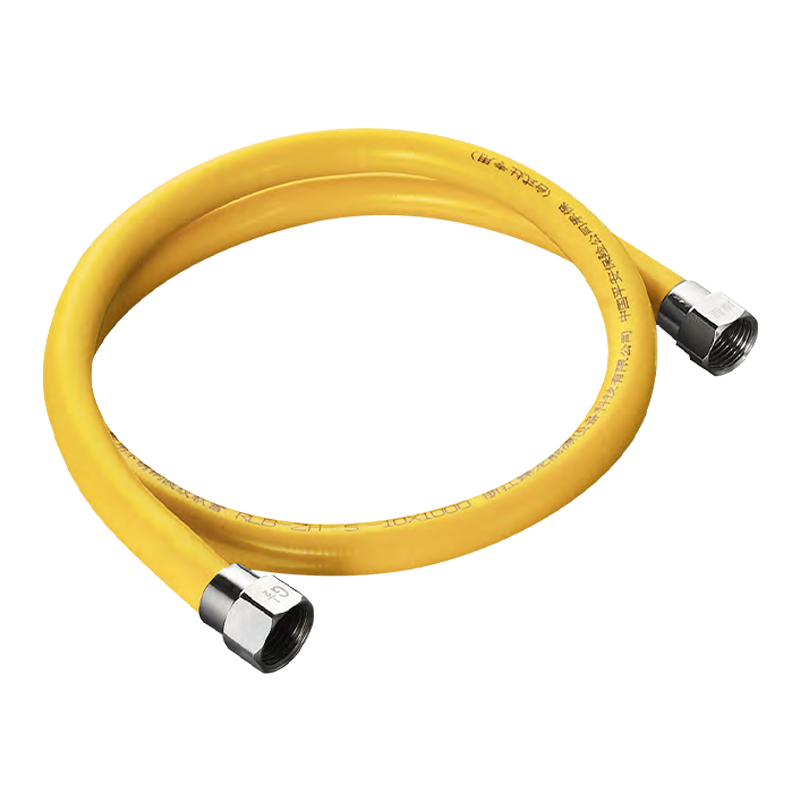
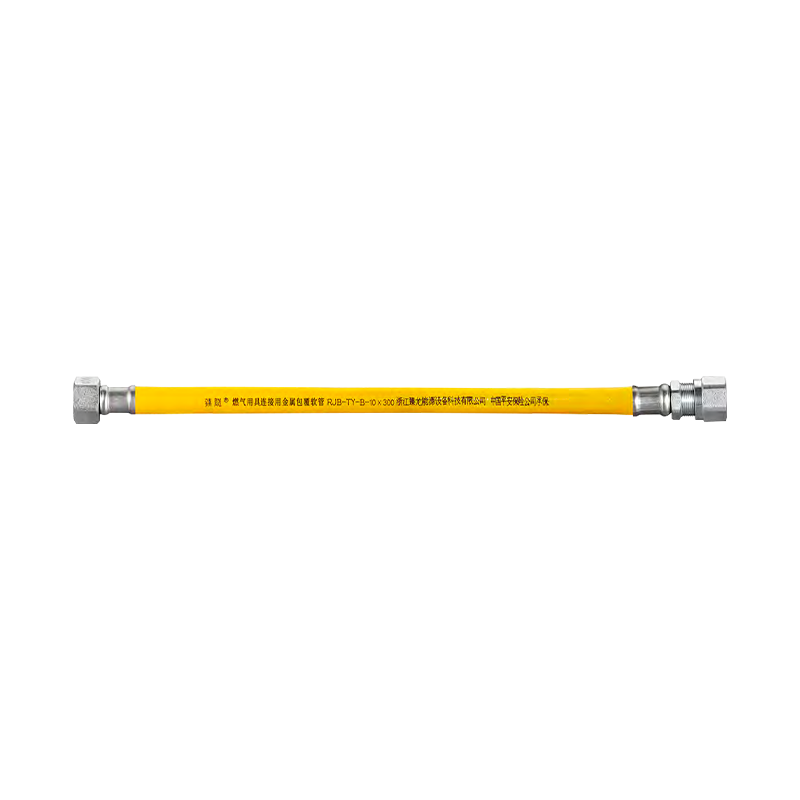
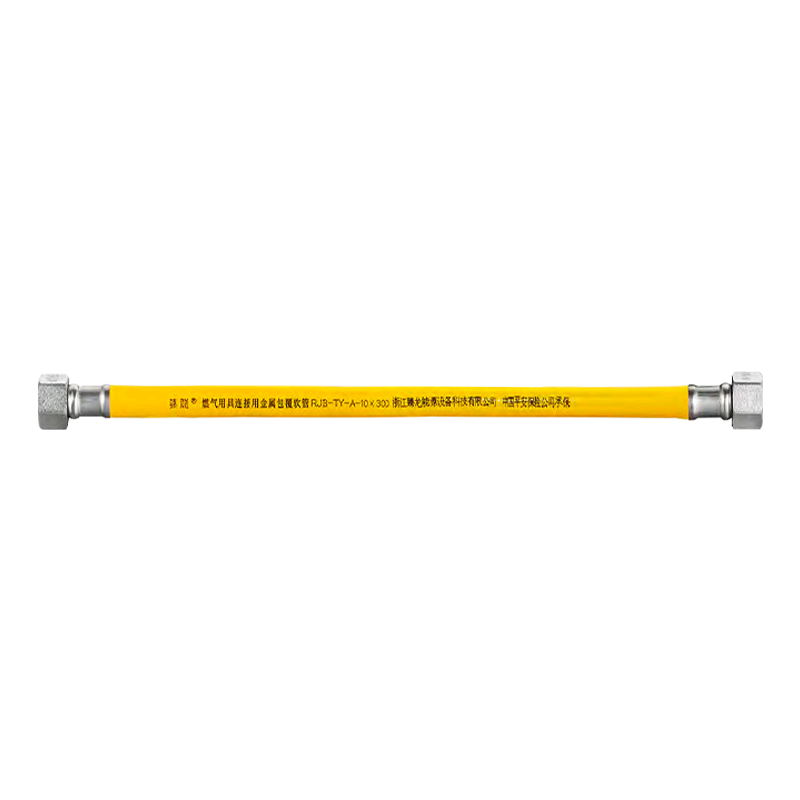
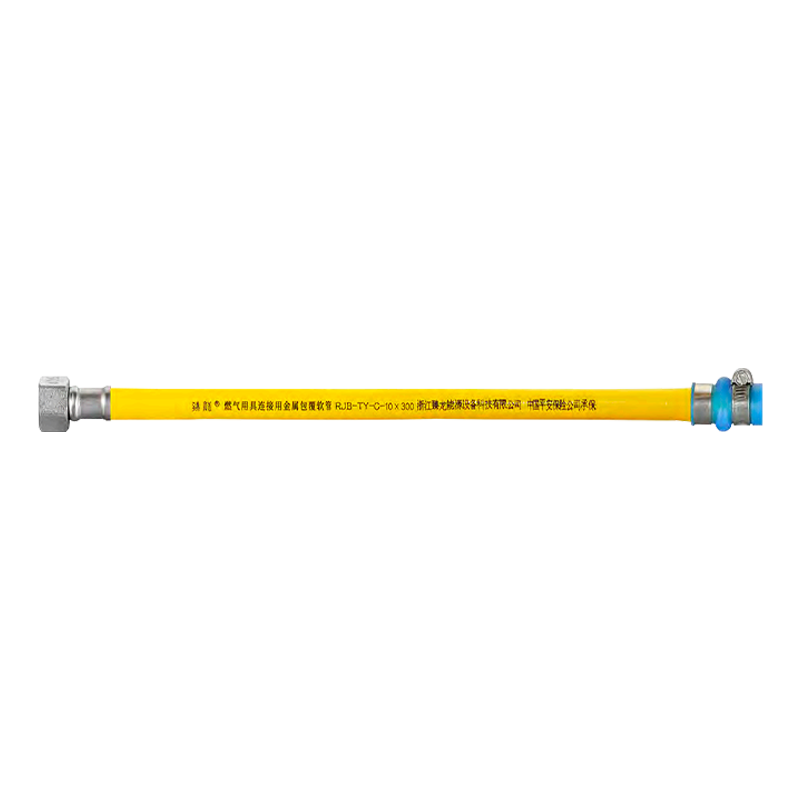
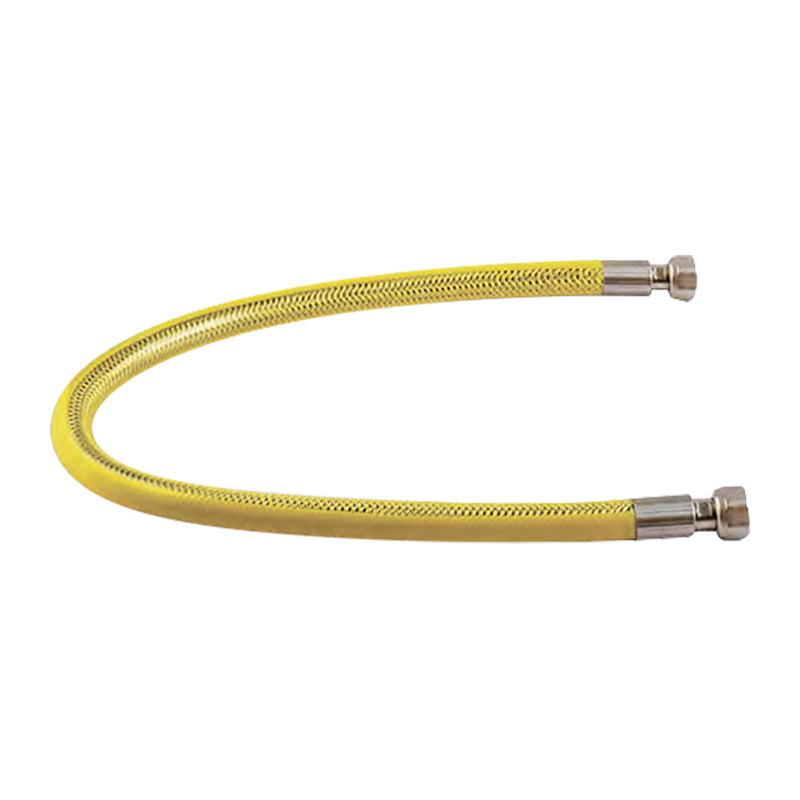
Gas pipeline systems depend on reliable components that protect the pipe, preserve operating stability, and support safe installation in demanding environments. While valves, hoses, fittings, and connectors often receive the most attention, pipe insulation accessories also play an important role in the long-term performance of a gas installation. The Pipe Insulation Sleeve (Black, Yellow) is designed to provide a practical layer of protection around gas pipelines, helping reduce unwanted heat transfer while shielding the pipe surface from common external conditions.
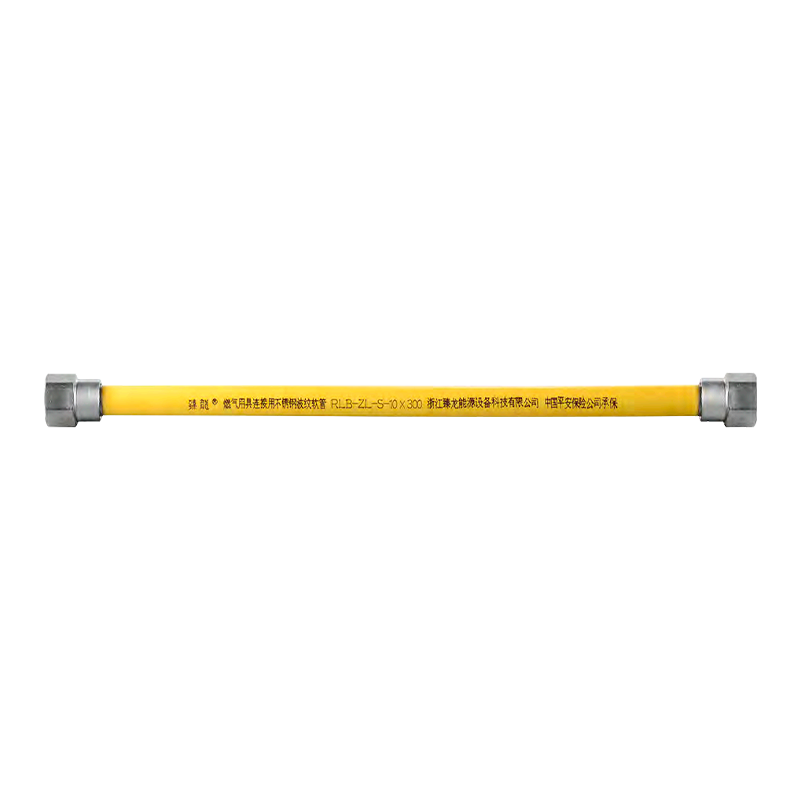
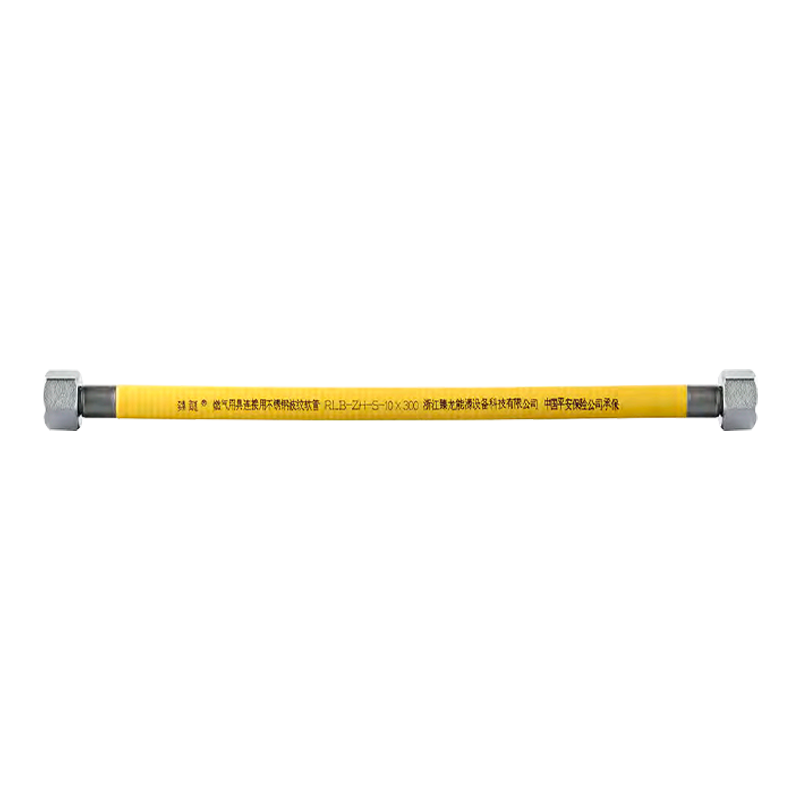
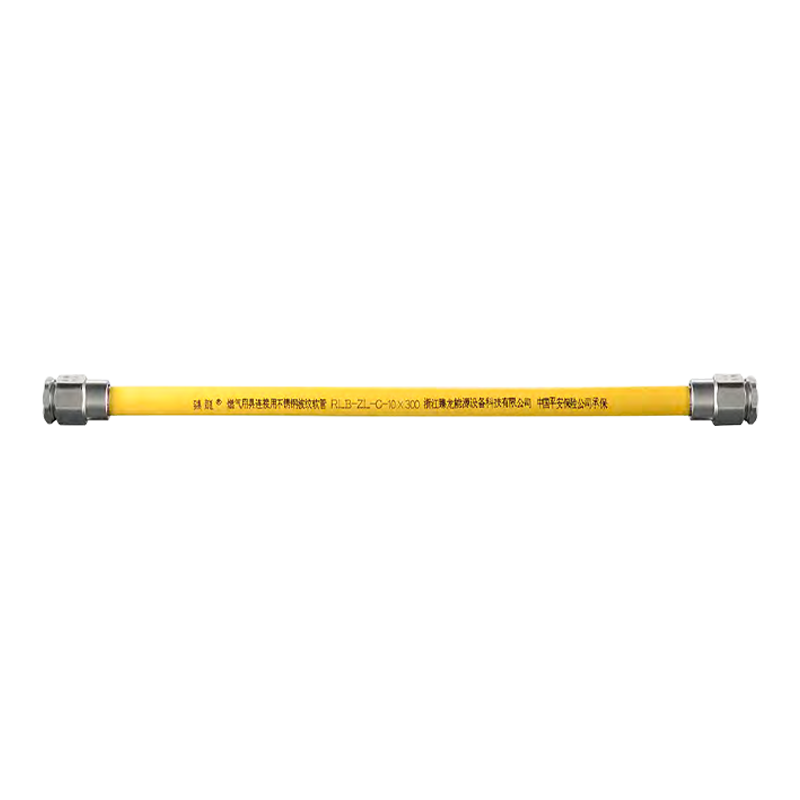
Manufactured by Zhejiang Zhenlong Energy Equipment Technology Co., Ltd., the sleeve is intended for use with selected pipe sizes and is available in black and yellow. Its flexible structure supports convenient installation around pipe sections, while the visible color options assist with identification in residential, commercial, and industrial pipeline networks. The standard specification listed for this product is DN15×300 and DN20×300, making it suitable for compact pipeline sections, connection areas, and other applications where a protective insulating sleeve is required.
The product is part of a broader portfolio that includes metal hoses, corrugated hoses, gas pipelines, plumbing fittings, valves, sanitary ware, plastic products, and hardware. This wider manufacturing background is important because a pipe insulation sleeve is most effective when selected, installed, and used as part of a properly designed pipeline system. Experience with gas transmission components, forming processes, welding, material analysis, and flow-tightness testing gives the manufacturer a strong foundation for producing accessories intended to work alongside modern gas piping assemblies.
Content
- 1 What Is a Pipe Insulation Sleeve?
- 2 Product Overview and Standard Specification
- 3 Thermal Insulation Benefits for Gas Pipelines
- 4 Protection Against Moisture, Dust, and Abrasion
- 5 Flexible Design for Efficient Installation
- 6 Black and Yellow Color Options
- 7 Advantages Compared with Basic or Improvised Insulation
- 8 Integration with Gas Pipeline Components
- 9 Manufacturing Capabilities Behind the Product
- 10 Testing and Quality Management
- 11 Suitability for Residential Applications
- 12 Suitability for Industrial and Commercial Applications
- 13 Recommended Installation Considerations
- 14 Why an Integrated Manufacturer Matters
- 15 Comparison of Key Product Strengths
- 16 Ordering and Custom Production Support
- 17 Maintenance and Service Life Considerations
- 18 Safety and Compliance Responsibilities
- 19 Q&A
- 19.1 What is the main purpose of the Pipe Insulation Sleeve?
- 19.2 What product sizes are available?
- 19.3 Why is the sleeve available in black and yellow?
- 19.4 Can the sleeve be used outdoors?
- 19.5 Can the sleeve be installed over valves or fittings?
- 19.6 Can the sleeve repair a leaking gas pipe?
- 19.7 Is the sleeve suitable for industrial hose applications?
- 19.8 What advantages does the product have over improvised wrapping?
- 19.9 Does the sleeve replace a complete pipeline insulation system?
- 19.10 What manufacturing strengths support this product?
- 19.11 Can custom orders be discussed?
- 19.12 How should buyers verify suitability?
- 20 Conclusion
- 21 References
- 22 Product: Pipe insulation sleeve (black, yellow)
What Is a Pipe Insulation Sleeve?
A pipe insulation sleeve is a protective covering fitted around a pipe or pipeline section. Its primary purpose is to reduce the impact of temperature changes and provide a barrier against external elements. Depending on the system design and the operating environment, an insulation sleeve may help limit heat loss, reduce heat gain, minimize surface temperature variation, and protect the pipe from moisture, dust, and abrasion.
In gas pipeline applications, temperature stability can be important for both operational consistency and component protection. Pipes installed outdoors may be exposed to sunlight, cold air, rain, and rapid temperature changes. Indoor installations may pass through unheated areas, equipment rooms, service corridors, or locations where the surrounding temperature differs significantly from the gas temperature inside the pipe. A suitable sleeve helps create a more controlled thermal environment around the pipe.
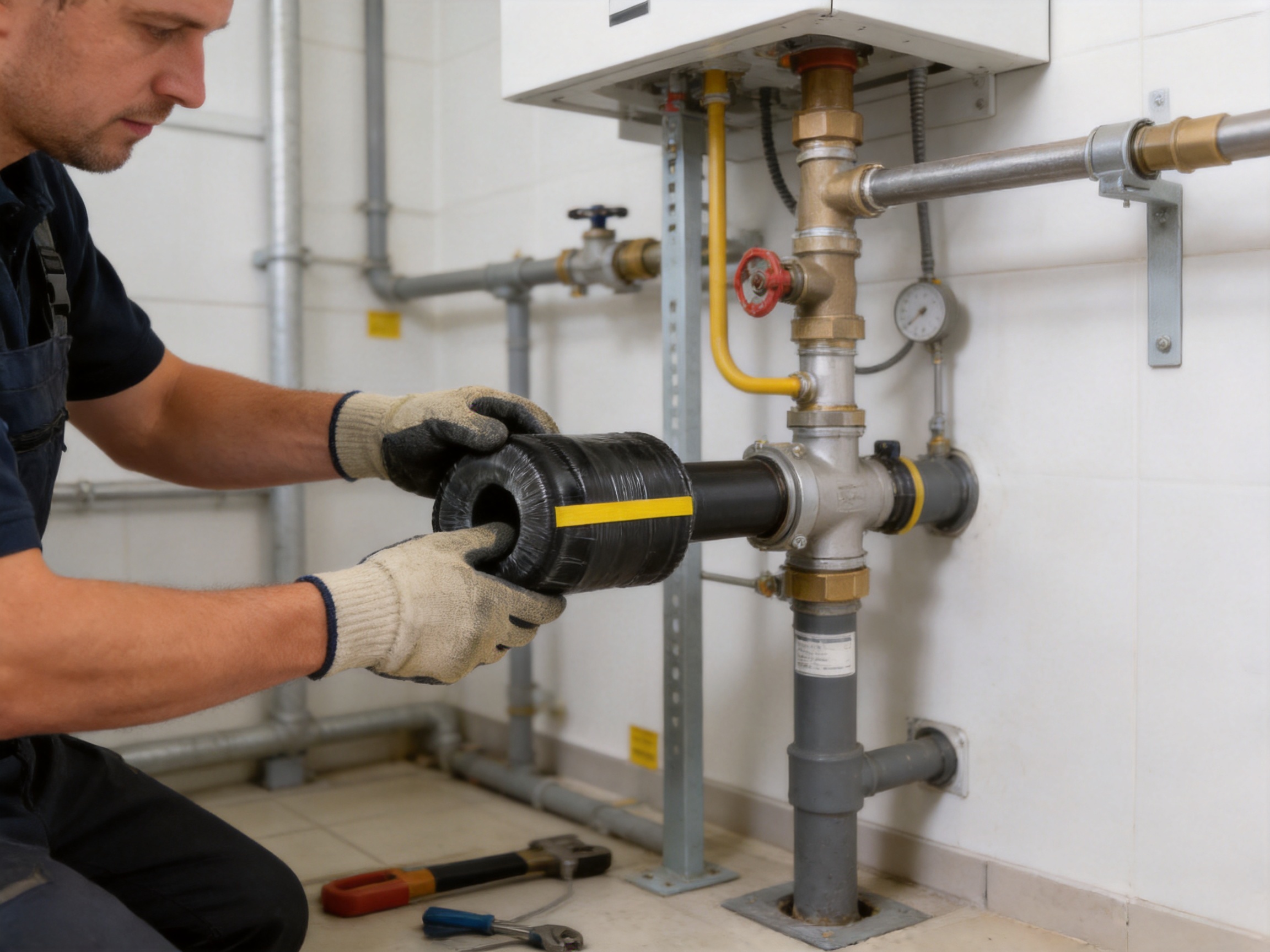
The Pipe Insulation Sleeve (Black, Yellow) is designed as a flexible, easy-to-apply covering rather than a rigid shell. This form allows the sleeve to conform to the pipe surface and accommodate common installation conditions. It can be used on compatible pipe diameters without requiring complex fabrication at the installation site. The result is a practical accessory that can be incorporated into pipeline construction, maintenance, and protection work.
Although insulation is a primary function, the sleeve also serves as a surface protection layer. It can help reduce contact between the pipe and airborne dust, minor abrasion sources, and moisture in the surrounding environment. This additional protection is valuable in locations where pipes may be exposed to construction activity, equipment movement, condensation, or general industrial contamination.
Product Overview and Standard Specification
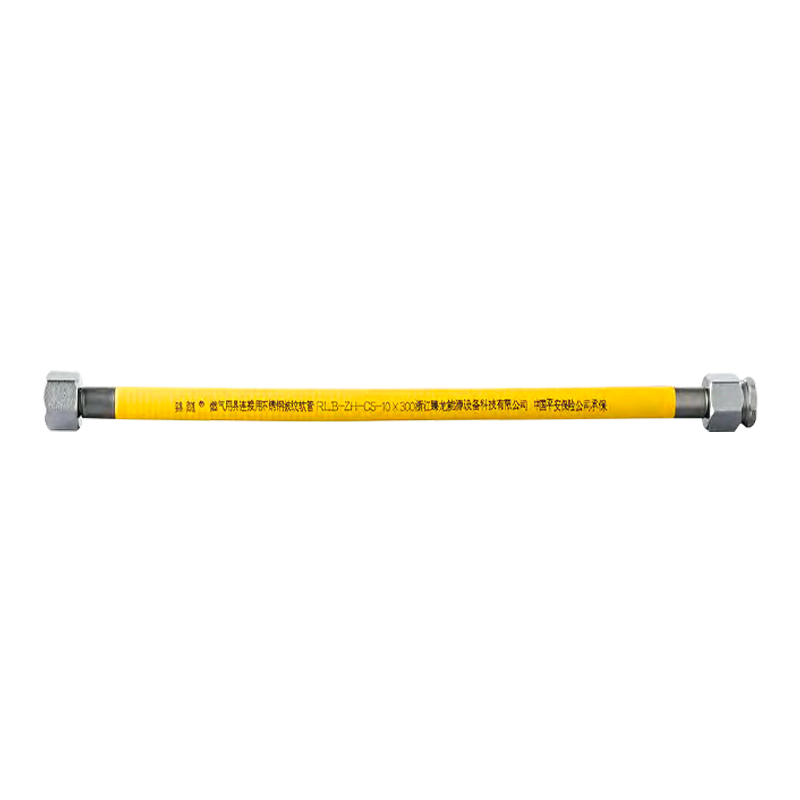
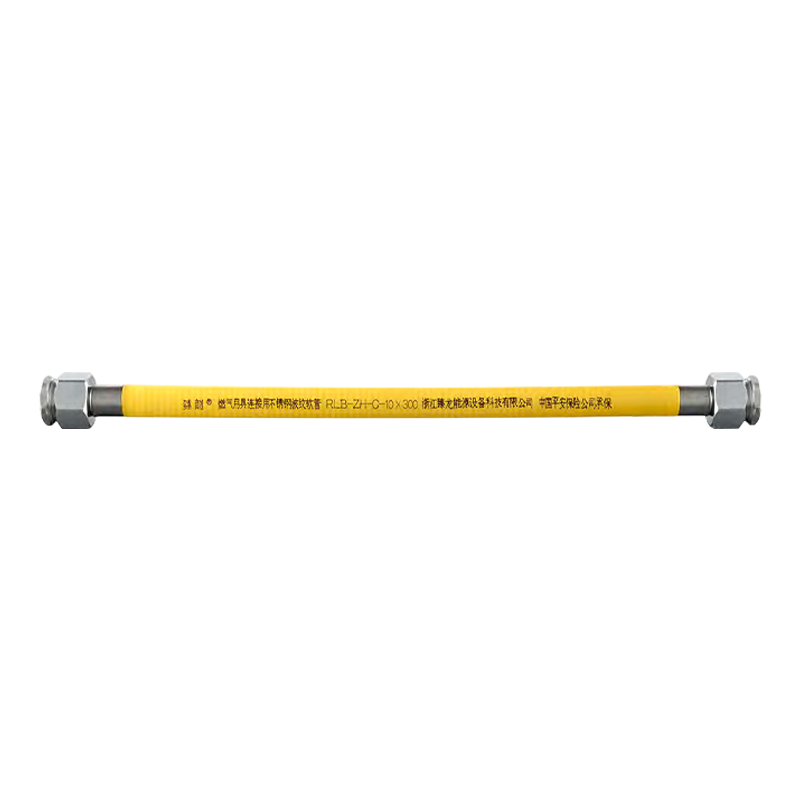
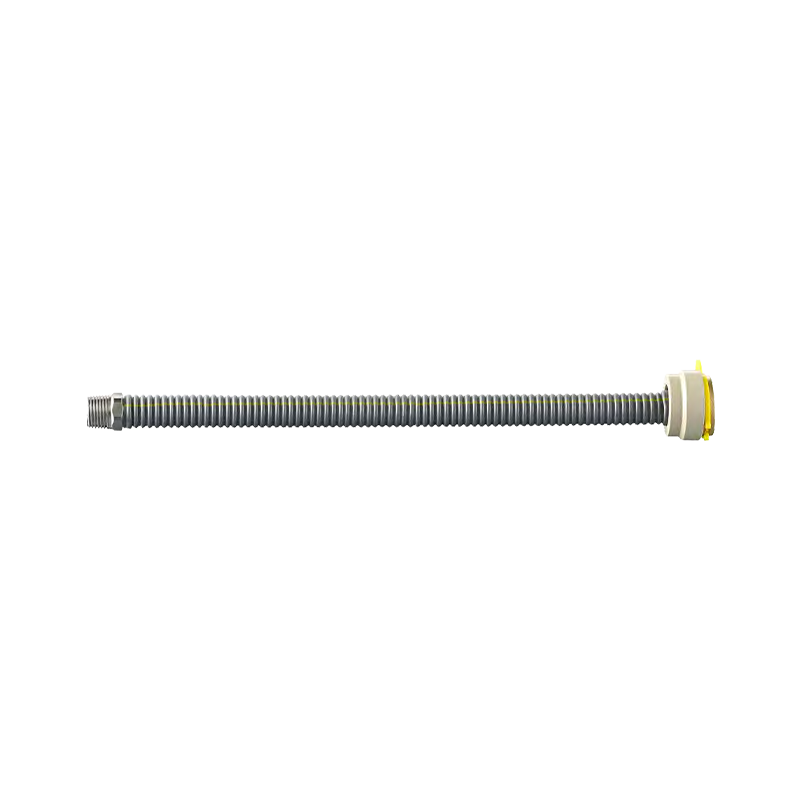
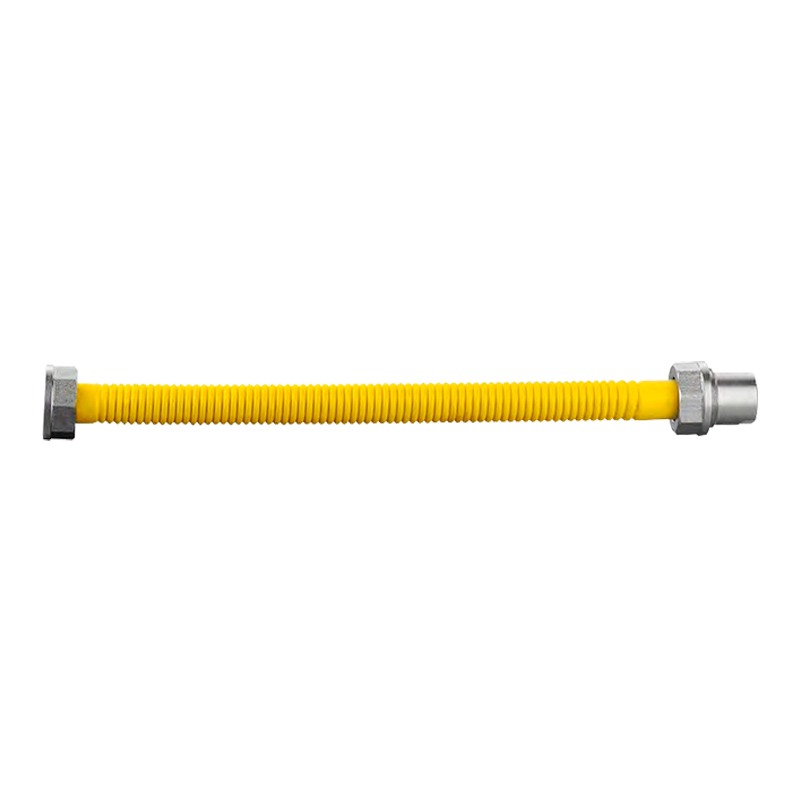
The product is identified as ZLP-023 and is supplied as a black and yellow sleeve. The listed specifications are DN15×300 and DN20×300. The DN designation refers to the nominal diameter category of the compatible pipe, while the 300 measurement indicates the listed sleeve length in millimeters. Buyers should confirm the actual outside diameter, pipe construction, installation method, and required coverage before placing an order.
| Item | Product Details |
|---|---|
| Product name | Pipe Insulation Sleeve, black and yellow |
| Product number | ZLP-023 |
| Standard specifications | DN15×300 and DN20×300 |
| Product type | Flexible pipe insulation and protection sleeve |
| Primary application | Gas pipeline insulation and external protection |
| Color options | Black and yellow |
| Installation format | Applied around compatible pipe sections |
| Suitable environments | Residential, commercial, industrial, indoor, and outdoor installations |
The black and yellow options provide a practical identification advantage. In a complex pipeline network, different colors can help workers distinguish insulated sections, installation stages, or specific service arrangements. Color coding should always be coordinated with the project’s safety procedures and local regulations, but the availability of two visible options gives installers greater flexibility during planning and maintenance.
Because the product is supplied in defined sizes, proper selection remains essential. The sleeve should fit securely around the pipe without excessive looseness or excessive compression. A sleeve that is too loose may provide incomplete contact and may move during service. A sleeve that is too small may be difficult to install and could become damaged during fitting. Checking the pipe size and sleeve specification in advance supports a cleaner and more dependable installation.
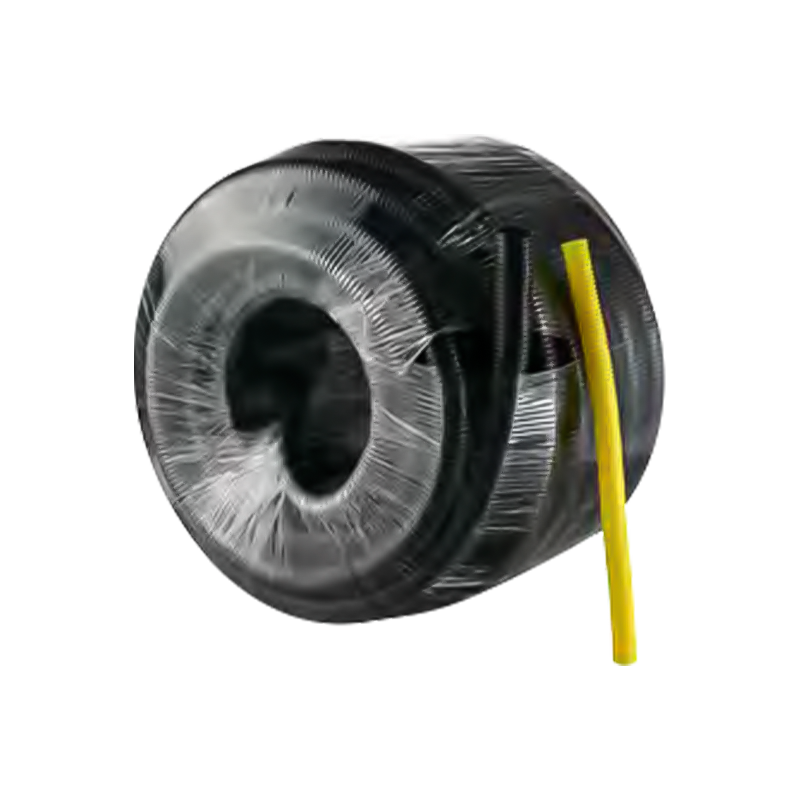
Pipe insulation sleeve (black, yellow)
Thermal Insulation Benefits for Gas Pipelines
One of the main advantages of the Pipe Insulation Sleeve is its ability to support thermal management. Gas pipelines can experience temperature changes as a result of weather, nearby equipment, building conditions, and the movement of gas through the system. The sleeve creates an additional insulating layer around the pipe, helping slow the transfer of heat between the pipe surface and the surrounding environment.
Reducing heat transfer can help limit unnecessary heat loss during cold conditions and reduce heat gain during hot conditions. This is particularly useful where pipeline temperature consistency is important to the overall operation of the installation. A stable external environment may also help reduce sudden expansion and contraction of the pipe surface, although the sleeve should be regarded as one component of a complete engineering design rather than a substitute for expansion planning.
Thermal insulation can also contribute to energy efficiency. When less heat is exchanged between the pipeline and its surroundings, the system may require less energy to maintain a desired temperature in applications where heating or cooling is part of the process. The exact energy benefit depends on numerous factors, including ambient temperature, pipe material, pipe diameter, gas temperature, sleeve coverage, installation quality, and air movement.
For gas installations in residential buildings, a sleeve can improve the protection of pipe sections that pass through garages, service rooms, balconies, utility spaces, or partially exposed areas. In industrial settings, it may be used around selected sections of a gas pipeline where temperature variation, surface exposure, or mechanical contact creates additional concerns.
The sleeve may also help improve user confidence by providing a visible and organized finish. A properly insulated pipeline looks more deliberate and easier to maintain than an exposed pipe in a busy service area. This visual order can support routine inspection and help maintenance personnel identify which sections have received insulation protection.
Protection Against Moisture, Dust, and Abrasion
Gas pipes may be exposed to more than temperature fluctuations. Moisture can develop through condensation, rain, cleaning activities, or humid air. Dust may settle on the surface, particularly in workshops, factories, construction sites, and equipment rooms. Pipes may also experience light abrasion from nearby materials, tools, packaging, or routine service work.
The Pipe Insulation Sleeve provides a protective layer between the pipe and these external factors. By covering the pipe surface, it can reduce direct contact with airborne contaminants and minor sources of rubbing or impact. This can help preserve the external condition of the pipe and contribute to a longer service life when used correctly.
Protection from moisture is especially relevant for systems installed in areas with condensation or changing temperatures. The sleeve can reduce the direct exposure of the pipe surface to the surrounding environment, but it should not be treated as a complete waterproofing system unless the installation design specifically provides that function. Joints, ends, penetrations, and connection points must be considered separately.
In an industrial environment, the protective value of the sleeve can be combined with good routing and support practices. Pipes should be positioned away from sharp edges, moving equipment, chemical exposure, and areas of frequent impact wherever possible. The sleeve is most effective when it forms part of a coordinated protection strategy that includes suitable brackets, clearances, inspection access, and maintenance procedures.
External protection also helps improve the appearance of a pipeline. A clean, consistent covering can reduce the visual effect of surface dust and minor marks. For commercial and residential projects, this may be an important consideration because exposed service pipes are often located in visible areas.
Flexible Design for Efficient Installation
Installation efficiency is a major consideration when selecting a pipe accessory. A product that is difficult to fit may increase labor time, require special tools, and create a greater risk of uneven coverage. The Pipe Insulation Sleeve is designed with flexibility so it can be applied around compatible pipe sections with fewer installation complications.
A flexible sleeve can be particularly useful in retrofit work. Existing gas pipelines may already be connected to valves, fittings, supports, and appliances, leaving limited space for rigid insulation components. A flexible covering can be positioned around the pipe while accommodating the practical constraints of the installation area. This makes it suitable for maintenance projects as well as new construction.
The sleeve can also help installers work more efficiently around short pipe sections. The DN15×300 and DN20×300 specifications are suited to compact pipe sizes and defined coverage lengths. This allows the installer to plan the required quantity more accurately and reduce unnecessary cutting or material waste.
Before installation, the pipe surface should be clean, dry, and free from sharp projections that could damage the sleeve. The installer should examine the pipe route and determine whether the sleeve can be fitted without interfering with valves, connectors, inspection points, or required clearances. Where the sleeve is cut or terminated, the ends should be finished in a way that avoids tearing, separation, or exposure to avoidable mechanical damage.
Installation procedures should follow the project design, applicable gas safety rules, and the instructions supplied for the specific application. The sleeve should never conceal a leak, damaged fitting, corroded section, or unapproved modification. Existing pipe defects should be corrected before the insulation is installed.
Black and Yellow Color Options
The black and yellow color options are more than a visual choice. They can support organization and identification during installation and maintenance. In a complex pipeline network containing gas pipes, water pipes, industrial hoses, and other services, clear visual differentiation can reduce confusion and help workers understand the arrangement of the system.
Black is a widely used industrial color and can provide a discreet appearance in mechanical rooms, service areas, and outdoor installations. It may be selected where the installation requires a neutral appearance or where the sleeve must blend with surrounding equipment.
Yellow provides higher visual distinction and may be useful in areas where the insulated pipe needs to be identified quickly. It can assist with visual inspection and help maintenance teams locate a particular service line. However, color selection must be coordinated with established site identification practices. The sleeve’s color should not replace required labels, warning signs, flow arrows, or formal pipeline marking systems.
Using different colors for different installation phases or pipe groups can also support project management. For example, a contractor may use one color for completed insulation work and another for sections requiring inspection. Such practices should be agreed upon before installation so that all workers interpret the color scheme consistently.
Advantages Compared with Basic or Improvised Insulation
Compared with improvised wrapping materials, a purpose-designed pipe insulation sleeve offers several practical advantages. It is produced in defined specifications, intended for pipe application, and available in consistent color options. This makes it easier to plan, order, install, and inspect than materials that are not designed for gas pipeline use.
Improvised materials may have uneven thickness, inconsistent flexibility, poor resistance to handling, or an uncertain fit. They may also require multiple layers, temporary fasteners, or additional finishing work. These factors can increase labor time and make the final installation less uniform. A manufactured sleeve gives installers a more predictable starting point.
Compared with rigid insulation shells, a flexible sleeve can be easier to apply around short sections, existing lines, and areas with restricted access. Rigid components may need careful measurement, multiple pieces, and additional joining work. The flexible design of the ZLP-023 sleeve supports faster application while reducing the number of hard components that must be carried to the work area.
Compared with unprotected pipe, the sleeve provides a dedicated barrier against temperature fluctuation, dust, moisture exposure, and minor abrasion. It also gives the installation a more finished appearance and may simplify visual identification during future service work.
Compared with generic protective covers, a product developed within a company that also manufactures gas pipelines, metal hoses, corrugated hoses, fittings, valves, and related equipment benefits from a more relevant application background. This does not remove the need for proper system design, but it means the product is associated with a manufacturer familiar with the dimensional, operational, and installation needs of pipeline components.
Integration with Gas Pipeline Components
A pipe insulation sleeve must work as part of a larger gas pipeline assembly. Gas systems may include corrugated metal hoses, hose fittings, rigid pipe sections, valves, regulators, connectors, brackets, and appliance connections. Each component has a specific role, and the sleeve should be installed without obstructing the operation or inspection of those components.
On straight pipe sections, the sleeve can provide continuous coverage where the selected dimensions are compatible. Around fittings and valves, the installer should confirm whether the sleeve needs to stop short of the component, overlap a protective section, or be fitted according to a special arrangement. Operating handles, threaded connections, inspection points, and identification labels should remain accessible.
Where a flexible gas hose connects to a rigid pipe, the sleeve should not create a bending condition that exceeds the hose’s permitted radius. It should also not place stress on the connection or prevent the hose from moving as intended. The insulation sleeve is a protective accessory and should never be used to support, suspend, bend, or restrain a gas hose.
In a system that uses stainless steel corrugated hose fittings for gas transmission, the sleeve may be selected for nearby compatible pipe sections, but the installation must account for the different functions and dimensions of the hose and the sleeve. Corrugated hoses and their fittings require their own connection, bending, and inspection procedures. The sleeve should not cover areas that need routine examination or conceal the condition of a flexible connection.
For water pipes and industrial hose networks located near gas lines, color differentiation can help prevent accidental confusion. However, all services should remain clearly labeled, properly separated, and installed according to relevant safety requirements.
Manufacturing Capabilities Behind the Product
The quality of a pipe accessory depends not only on its design but also on the manufacturing system that supports it. Zhejiang Zhenlong Energy Equipment Technology Co., Ltd. integrates research, development, manufacturing, processing, and trading activities. This structure allows the company to work across several related product categories and coordinate technical knowledge between pipeline components.
The company operates in Yuyao, Ningbo, Zhejiang, and has a factory area covering approximately 40 acres with a 30,000-square-meter production building. Its manufacturing resources include 30 welding and forming production lines. These lines support the production of metal hoses, gas pipelines, fittings, and other energy equipment components that require controlled forming and joining operations.
The company also operates two uninterrupted solid melting hydrogen furnace production lines. Furnace-based processing can support the preparation and treatment of metal materials used in relevant product manufacturing. Controlled material processing is important for consistency, especially when products must meet dimensional, surface, and performance expectations across repeated production batches.
Although the Pipe Insulation Sleeve is a flexible accessory rather than a welded metal assembly, the manufacturer’s broader pipeline production capabilities remain relevant. A company that understands pipe dimensions, connection arrangements, installation conditions, and gas system requirements is better positioned to develop accessories that fit into real-world pipeline projects.
Research and development is another important strength. The company maintains a dedicated R&D, design, and production team. This supports product improvement, custom production, and coordination between standard products and customer requirements. For buyers who need sleeves in specific colors, sizes, packaging formats, or project quantities, an integrated manufacturer may offer a more direct path to technical communication than a general-purpose distributor.
Testing and Quality Management
Quality control is essential for products used around gas pipelines. A sleeve may not carry gas pressure itself, but it is installed in an environment where the condition of the surrounding pipeline must remain visible, accessible, and protected. Consistent material, dimensions, flexibility, color, and finish all contribute to the usability of the final product.
The company uses testing equipment including metal material analysis direct-reading spectrometers and flow tightness testers. Material analysis equipment supports the verification of metal composition for applicable metal products, while flow tightness testing is relevant to pipeline and hose assemblies where leakage prevention is critical.
The company states that it implements the ISO9000:2008 quality management system. A quality management system provides a framework for documented procedures, process control, inspection, corrective action, and continual improvement. Buyers should request the specific quality documents and current certificates applicable to the product and order being considered.
The company also holds a Special Equipment Manufacturing License of the People’s Republic of China for pressure pipelines and has EU CE certification testing reports. These credentials demonstrate experience with regulated equipment and formal product assessment. They should not be interpreted as automatically certifying every product for every market or application; purchasers should verify the exact scope, validity, and applicability of each document.
For the Pipe Insulation Sleeve, quality checks may include confirmation of the specified size, sleeve length, color consistency, surface condition, flexibility, and packaging integrity. Project buyers can strengthen incoming inspection by checking that the delivered product matches the purchase specification and that no damage occurred during storage or transport.
Suitability for Residential Applications
Residential gas installations often contain relatively compact pipe sizes and may include indoor service areas, kitchens, utility rooms, balconies, garages, and external appliance connections. The DN15 and DN20 specifications listed for the sleeve correspond to common compact pipeline categories, subject to confirmation of the actual pipe dimensions used in the project.
In a home, insulation can help improve the finish of exposed pipework and protect selected sections from dust, contact, and temperature variation. The black or yellow covering may also make the pipe route easier to distinguish from water, electrical, or other building services.
Residential installation requires particular attention to access and ventilation. The sleeve should not block inspection points, ventilation openings, shut-off valves, appliance controls, or required clearances. It should also be installed only after the pipe has been tested and approved according to the applicable local requirements.
Homeowners should not install or modify gas pipeline components without qualified professional support. A sleeve cannot correct incorrect pipe sizing, poor connections, inadequate supports, or a gas leak. Its function is to provide insulation and external protection after the underlying pipeline has been properly installed and inspected.
Suitability for Industrial and Commercial Applications
Industrial and commercial sites often contain larger and more complex networks than residential buildings. Gas pipelines may run through production spaces, mechanical rooms, warehouses, service corridors, outdoor equipment areas, and utility stations. These locations may expose piping to temperature changes, airborne contaminants, maintenance traffic, and repeated handling.
The sleeve can be useful for selected compatible pipe sections where a flexible insulating layer is needed. It may help organize visible piping, protect short runs near equipment, and support identification through color selection. Its relatively compact listed specifications make it particularly relevant to smaller-diameter branch lines, service connections, and defined pipe sections.
Industrial users should assess the surrounding environment before selecting the product. Factors such as chemical exposure, ultraviolet radiation, high temperatures, open flames, vibration, pressure, and mechanical impact may require additional protective measures or a different insulation system. The sleeve should be used within its confirmed material and environmental limits.
Commercial building operators may value the sleeve because it can support easier maintenance planning. A visible, consistent covering allows staff to identify insulated sections during inspections. If black and yellow options are assigned to specific areas or services, maintenance records can refer to the color scheme while still using formal labels and documentation.
For larger projects, buyers should discuss quantity, packaging, color distribution, dimensional tolerances, and delivery schedules with the manufacturer. Coordinating these details in advance helps avoid shortages and ensures that the selected sleeve is available for each installation phase.
Recommended Installation Considerations
Confirm the Pipe Dimensions
Start by checking the pipe’s nominal size and actual outside diameter. The standard product information lists DN15×300 and DN20×300, but nominal diameter designations can vary according to pipe material, standard, and regional practice. Confirmation is especially important where the sleeve is being used with non-standard pipe, coated pipe, or a pipe with an unusual external profile.
Inspect and Prepare the Pipe Surface
The pipe should be clean, dry, and free of oil, loose scale, sharp burrs, or objects that could puncture the sleeve. Any leak, corrosion, deformation, or damaged fitting should be addressed before insulation work begins. Installing a sleeve over a defect can make future inspection more difficult and may conceal a condition that requires immediate repair.
Plan the Coverage Area
Determine which pipe sections require insulation and where the sleeve should begin and end. Keep valves, joints, labels, supports, and inspection points accessible unless the project design specifically allows coverage. Avoid unnecessary overlap that could make the installation bulky or interfere with nearby equipment.
Apply the Sleeve Carefully
Fit the sleeve evenly around the pipe and avoid excessive stretching. The sleeve should sit securely without folds that create unnecessary gaps or pressure points. If cutting is required, use an appropriate method that produces a clean edge and does not cause tearing. Any fastening or finishing method should be compatible with the sleeve material and the installation environment.
Inspect the Completed Installation
After installation, check that the sleeve is continuous, stable, and free from visible damage. Confirm that the pipe remains properly supported and that no valve, fitting, or connection has been placed under unwanted stress. The completed work should be recorded as part of the project’s installation and inspection documentation.
Why an Integrated Manufacturer Matters
Choosing an integrated manufacturer can simplify procurement for customers who require more than one pipeline product. Zhejiang Zhenlong Energy Equipment Technology Co., Ltd. produces metal hoses, corrugated hoses, natural gas pipelines, plumbing fittings, sanitary ware, valves, plastic products, and hardware. This broad product range allows buyers to coordinate related components through one manufacturing source.
An integrated source may also improve communication. Product dimensions, color requirements, packaging, private-label arrangements, and project schedules can be discussed with a company familiar with both the technical and commercial aspects of pipeline equipment. The company describes itself as combining industry and trade, which supports both manufacturing and customer service activities.
For OEM and ODM buyers, the ability to work with a manufacturer that has its own production facilities, engineering team, testing equipment, and quality procedures can be valuable. Custom requirements can be reviewed from the perspective of manufacturing feasibility rather than handled only as a resale request. This may help customers develop practical solutions for different markets and installation environments.
The company also provides pre-sales and after-sales services. For a product such as a pipe insulation sleeve, service may include specification confirmation, application guidance, quantity planning, packaging coordination, and support with related gas pipeline components. Buyers should communicate the intended application clearly so that the selected product is appropriate for the project.
Comparison of Key Product Strengths
| Evaluation Area | Pipe Insulation Sleeve (Black, Yellow) | Basic Unspecified Covering |
|---|---|---|
| Product definition | Dedicated pipe insulation and protection accessory | May not be designed for pipe applications |
| Size planning | Listed DN15×300 and DN20×300 specifications | Size and coverage may be uncertain |
| Installation | Flexible format designed for convenient application | May require improvised cutting or fastening |
| Thermal function | Designed to help reduce heat transfer | Thermal performance may be unknown |
| External protection | Helps shield against moisture, dust, and minor abrasion | Protection may be inconsistent |
| Identification | Available in black and yellow | Color and visibility may not be consistent |
| Manufacturing support | Produced by a pipeline equipment manufacturer | May come from a non-specialized source |
| Related product access | Can be coordinated with hoses, fittings, valves, and pipelines | May require multiple suppliers |
This comparison does not mean that every competing product is unsuitable. Other insulation systems may offer different material properties, thicknesses, temperature ranges, or installation methods. The advantage of the ZLP-023 sleeve is its practical combination of defined sizing, flexible application, visible color options, pipeline-oriented manufacturing experience, and compatibility with a broader product portfolio.
Ordering and Custom Production Support
When ordering the Pipe Insulation Sleeve, customers should provide the intended pipe size, quantity, color preference, installation environment, and required delivery schedule. If the product will be used outdoors, in an industrial area, or near heat-producing equipment, the environmental conditions should be communicated before purchase.
For large projects, customers may require consistent color, packaging, labeling, or product identification. These details can be discussed with the manufacturer as part of an OEM or ODM arrangement. The company’s engineering and production capabilities support communication about custom production requirements, although the final feasibility depends on the material, dimensions, order quantity, and technical specifications requested.
Buyers should also request current product documentation, including applicable specifications, inspection information, packaging details, and any available material or quality records. For regulated projects, the purchasing team should confirm the documentation required by the project owner, local authority, gas utility, or end market.
Good procurement practice includes reviewing samples before placing a large order. A sample allows the customer to assess fit, color, flexibility, surface finish, and installation behavior. It also provides an opportunity to confirm that the sleeve works with the selected pipe and does not interfere with fittings or supports.
Maintenance and Service Life Considerations
A pipe insulation sleeve should be included in routine pipeline inspection. Maintenance personnel should look for tearing, splitting, displacement, excessive compression, contamination, moisture accumulation, or exposure caused by mechanical damage. Damaged sections should be repaired or replaced according to the project’s maintenance procedures.
The sleeve should not be painted, glued, or modified unless the material and manufacturer’s instructions permit such treatment. Unapproved coatings or adhesives may affect flexibility, surface condition, or future removal. Where labels or markings are required, they should be applied in a way that preserves the sleeve and keeps important safety information visible.
Outdoor installations may require more frequent inspection because of sunlight, weather, wind, and temperature variation. Industrial installations should also be reviewed after equipment relocation, maintenance work, or construction activity near the pipeline. A sleeve that has been pulled, cut, crushed, or exposed to a sharp edge may no longer provide the intended protection.
Service life depends on the material, environment, installation quality, and level of exposure. The sleeve should therefore be selected based on the actual conditions of use rather than assumed to be suitable for every temperature or chemical environment. The manufacturer or project engineer should be consulted when the application involves unusually high temperatures, aggressive chemicals, continuous outdoor exposure, or severe mechanical risk.
Safety and Compliance Responsibilities
Gas pipeline safety begins with correct engineering, approved materials, qualified installation, pressure testing, leak testing, ventilation, and regular inspection. A pipe insulation sleeve supports protection and thermal management, but it does not replace any of these essential measures.
The sleeve should not be installed over an untested pipeline or used to hide a connection. Gas leaks can create serious hazards, and any suspected leak must be handled according to emergency procedures by qualified personnel. Shut-off devices, regulators, valves, and appliance connections must remain accessible and functional.
Project owners should verify that the product and installation method comply with applicable national and local regulations. Requirements may differ according to pipe material, building type, gas service, pressure class, fire safety rules, and installation location. The manufacturer’s technical information should be reviewed together with the project’s engineering documentation.
Where the sleeve is used in a system containing pressure-bearing components, the sleeve should be treated as a secondary accessory. It does not increase the pressure rating of the pipe, hose, or fitting. It should not be used as a structural support or as a substitute for approved pressure-rated components.
Q&A
What is the main purpose of the Pipe Insulation Sleeve?
Its main purpose is to provide thermal insulation and external protection around compatible gas pipeline sections. It helps reduce heat transfer and shields the pipe from moisture, dust, and minor abrasion.
What product sizes are available?
The listed specifications are DN15×300 and DN20×300. Customers should confirm the actual pipe outside diameter and application conditions before ordering.
Why is the sleeve available in black and yellow?
The two color options provide installation flexibility and can support visual identification in complex pipeline networks. They should be used consistently with the project’s formal labeling and safety procedures.
Can the sleeve be used outdoors?
It is described as suitable for indoor and outdoor gas installations. However, the exact outdoor suitability depends on exposure to sunlight, rain, temperature, chemicals, and mechanical damage. The project team should confirm the environmental limits before use.
Can the sleeve be installed over valves or fittings?
It may be possible to cover selected areas near fittings, but valves, connections, handles, labels, and inspection points should generally remain accessible. The installation must not interfere with operation, testing, or maintenance.
Can the sleeve repair a leaking gas pipe?
No. The sleeve is an insulation and protection accessory, not a leak repair product. Any leaking, damaged, or corroded pipe must be repaired or replaced by qualified personnel before the sleeve is installed.
Is the sleeve suitable for industrial hose applications?
It may be used around compatible pipe sections in an industrial installation, but it should not be used to support, restrain, or bend an industrial hose. Flexible hoses and their fittings require separate installation and inspection procedures.
What advantages does the product have over improvised wrapping?
It provides defined specifications, a flexible design, consistent color options, and a purpose-oriented form for pipe insulation and protection. These features can make installation and inspection more predictable than using unspecified wrapping materials.
Does the sleeve replace a complete pipeline insulation system?
Not necessarily. It is a defined accessory for selected pipe sections. If a project requires a specific thermal resistance, fire rating, chemical resistance, or high-temperature performance, the full insulation design should be reviewed by the responsible engineer.
What manufacturing strengths support this product?
The manufacturer has experience in energy equipment and produces metal hoses, corrugated hoses, gas pipelines, fittings, valves, and related products. Its facilities include welding and forming production lines, furnace production lines, material analysis equipment, flow tightness testers, and an R&D and production team.
Can custom orders be discussed?
Yes. The company provides OEM and ODM manufacturing services and can discuss requirements such as quantities, colors, packaging, dimensions, and related pipeline products. Custom feasibility depends on the requested specifications and order conditions.
How should buyers verify suitability?
Buyers should provide the pipe dimensions, operating environment, installation location, temperature conditions, color requirements, and applicable regulatory requirements. Reviewing a sample and requesting current technical documentation are also recommended.
Conclusion
The Pipe Insulation Sleeve (Black, Yellow) is a practical accessory for gas pipeline systems that require improved thermal control, external protection, and visual organization. Its flexible design supports convenient application around compatible pipe sections, while the DN15×300 and DN20×300 specifications provide a clear starting point for product selection. Black and yellow color options give installers additional flexibility for identification and project organization.
The sleeve can help reduce heat loss or gain, protect against moisture, dust, and minor abrasion, and improve the finished appearance of exposed pipework. These benefits are particularly relevant in residential, commercial, and industrial installations where gas pipelines may be exposed to changing temperatures or busy service environments.
Its value is strengthened by the manufacturing capabilities of Zhejiang Zhenlong Energy Equipment Technology Co., Ltd. The company combines product development, manufacturing, processing, testing, and trade services, with experience across metal hoses, corrugated hoses, gas pipelines, fittings, valves, and other energy equipment. Its production lines, material analysis resources, flow tightness testing equipment, quality management framework, certifications, and technical team support a broader approach to pipeline product manufacturing.
For the best results, the sleeve should be selected according to actual pipe dimensions and environmental conditions, installed only after the pipeline has been inspected and tested, and maintained as part of the complete gas system. When properly specified and applied, it offers a straightforward way to improve the protection, appearance, and thermal stability of compatible gas pipeline sections.
References
1. Product specification record for ZLP-023 Pipe Insulation Sleeve, including DN15×300 and DN20×300 dimensions.
2. Manufacturer-provided company information for Zhejiang Zhenlong Energy Equipment Technology Co., Ltd., including facility size, production lines, testing equipment, and product portfolio.
3. General principles of thermal insulation for industrial and building service pipelines.
4. General installation and maintenance practices for gas pipelines, valves, fittings, and flexible hose assemblies.
5. Quality management principles associated with ISO9000-series systems.
6. General material verification and flow-tightness testing practices for pipeline equipment.