 English
 中文简体
中文简体 Español
 عربى
عربى
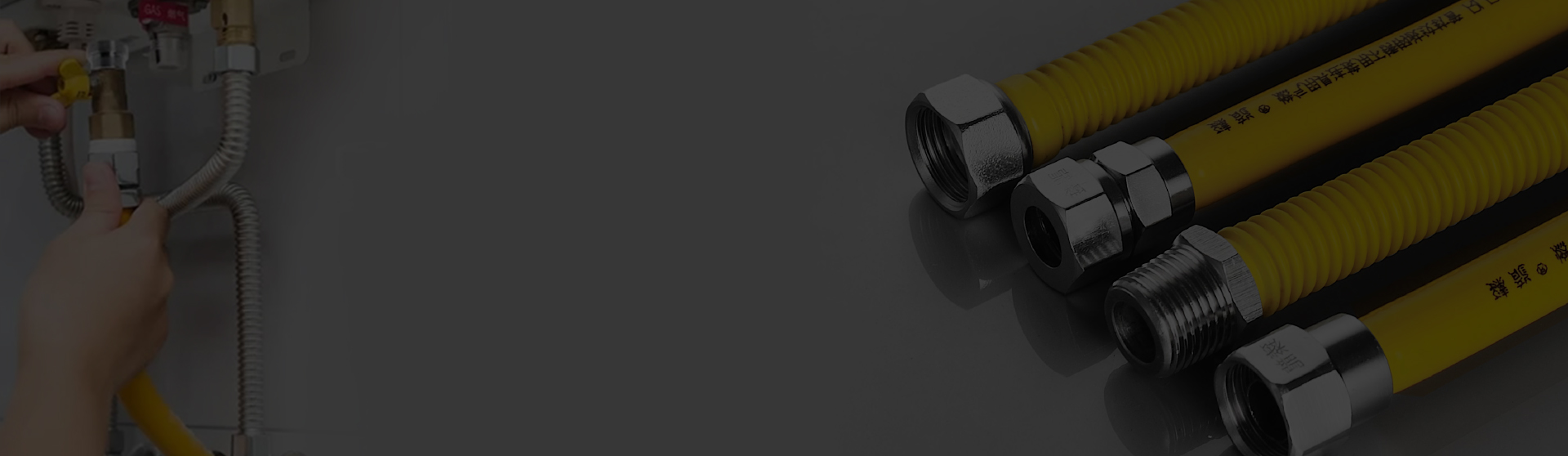

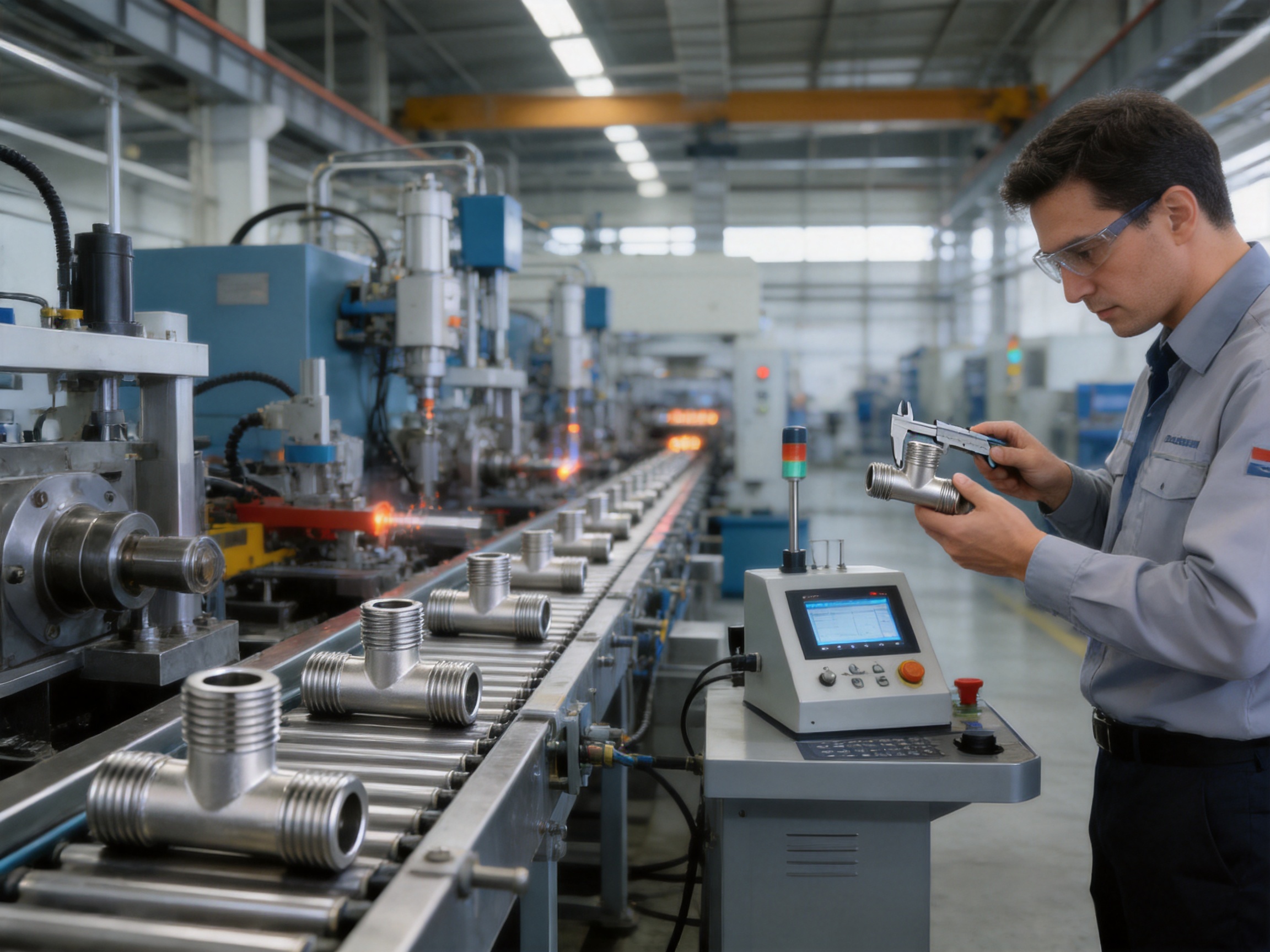
Gas distribution systems depend on a large number of small but critical components. Among them, the tee fitting plays an essential role because it allows one pipeline to divide into two flow paths. The External Thread Tee is designed specifically for this purpose. It provides a practical and secure way to create a branch connection in gas transmission and distribution systems while maintaining the integrity of the pipeline network.
With its external threaded connection, compact tee-shaped structure, and durable construction, the External Thread Tee is suitable for residential gas installations, commercial utility systems, industrial gas lines, and other applications that require controlled and reliable gas flow. The product identified as model RBG-IT15X15-GB/T 26002, numbering ZLP-018, has a DN15 specification and is manufactured for use with stainless steel corrugated hose fitting systems for gas transmission.
A properly selected tee fitting contributes much more than simple directional change. It can help installers create an orderly pipeline layout, simplify maintenance, reduce installation time, and support long-term leak prevention. When the fitting is manufactured with corrosion-resistant and heat-resistant materials, it can also perform reliably in demanding environments where temperature, pressure, humidity, and exposure to contaminants may affect ordinary components.
This article examines the design, working principles, installation value, manufacturing strengths, quality considerations, and application advantages of the External Thread Tee. It also explains how Zhejiang Zhenlong Energy Equipment Technology Co., Ltd. supports the product through integrated research, manufacturing, testing, certification, and customer service capabilities.
Content
- 1 Product Overview
- 2 How the External Thread Tee Works
- 3 Advantages of the External Thread Design
- 4 Material and Performance Characteristics
- 5 Advantages Compared with Less Specialized Alternatives
- 6 Applications in Residential Gas Systems
- 7 Applications in Commercial and Industrial Systems
- 8 Manufacturing Strengths of the Producer
- 9 Quality Management and Compliance
- 10 Design and Production Process
- 11 Installation Guidance
- 12 Maintenance and Service Considerations
- 13 Why Manufacturer Capability Matters to Buyers
- 14 OEM and ODM Opportunities
- 15 Selection Checklist for the External Thread Tee
- 16 Frequently Asked Questions
- 16.1 What is an External Thread Tee?
- 16.2 What is the size of model ZLP-018?
- 16.3 What does “Outside Wire Tee” mean?
- 16.4 Where can this tee be used?
- 16.5 Can the tee regulate gas pressure?
- 16.6 Can the tee be installed by an untrained person?
- 16.7 Does the external thread require sealing material?
- 16.8 How can leakage be checked?
- 16.9 What materials are used in the fitting?
- 16.10 What makes this product different from a general plumbing tee?
- 16.11 Can the product be customized?
- 16.12 How should the fitting be stored before installation?
- 16.13 What should be done if the thread does not engage smoothly?
- 16.14 Is the tee suitable for every gas pressure?
- 17 Conclusion
- 18 References
- 19 Product: External Thread Tee
Product Overview
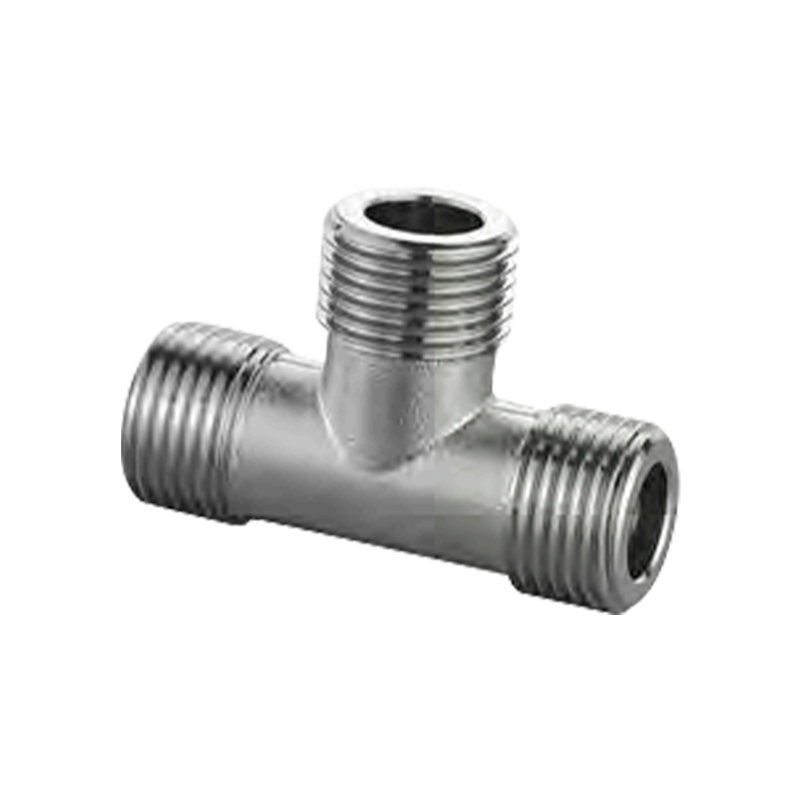
The External Thread Tee is a three-way pipe fitting used to divide or combine gas flow. Two openings are arranged along the main passage, while the third opening forms a branch at approximately a right angle. The external-thread design means that the threaded portion is located on the outside of the fitting. This configuration allows the tee to connect with a compatible female-threaded component, adapter, valve, hose assembly, or pipeline accessory.
In gas pipeline systems, a tee is often required when one supply line must serve several appliances or when a main line must be connected to a secondary branch. Typical examples include a gas supply line feeding both a cooking appliance and a water heater, a commercial kitchen pipeline supplying multiple operating areas, or an industrial gas network distributing fuel to separate equipment zones.
The tee must provide a dependable connection at every opening. A poor-quality fitting can create problems such as thread damage, misalignment, excessive installation force, leakage, premature corrosion, or difficult maintenance. The External Thread Tee is developed to address these concerns through a robust body design, precise thread formation, corrosion-resistant materials, and compatibility with gas transmission fitting systems.
| Item | Specification |
| Product name | External Thread Tee |
| Alternative product description | Outside Wire Tee |
| Numbering | ZLP-018 |
| Model number | RBG-IT15X15-GB/T 26002 |
| Nominal size | DN15 |
| Product category | Stainless steel corrugated hose fittings for gas transmission |
| Primary function | Branching, splitting, or combining gas flow |
| Connection type | External thread connection |
| Typical application | Residential, commercial, and industrial gas pipeline systems |
How the External Thread Tee Works
The operating principle of the External Thread Tee is straightforward. Gas enters through one opening and can continue through the main passage or move through the branch outlet. Depending on the system layout, the same fitting can also be used to combine flow from two sources into a single downstream line. The tee does not independently regulate pressure or shut off gas; instead, it provides a mechanically secure path through which other control and distribution components can operate.
The external threads provide the connection interface. During installation, the threaded portion is inserted into a compatible internally threaded component. The installer applies an approved sealing method where required by the system design and tightens the connection according to accepted gas installation procedures. Once assembled correctly, the connection creates a continuous pressure boundary around the gas passage.
Thread precision is particularly important in this application. Threads that are poorly formed, uneven, or damaged can prevent proper engagement and make it difficult to achieve a reliable seal. Excessive looseness may result in movement or leakage, while excessive tightness may damage the fitting, the mating component, or the thread crest. For this reason, manufacturing accuracy and installation discipline must work together.
The internal passage should also be formed with care. A smooth, properly aligned flow path helps reduce unnecessary turbulence and limits the possibility of internal obstruction. A correctly manufactured tee supports consistent gas distribution while minimizing the risk that burrs, fragments, or irregular surfaces will interfere with system performance.
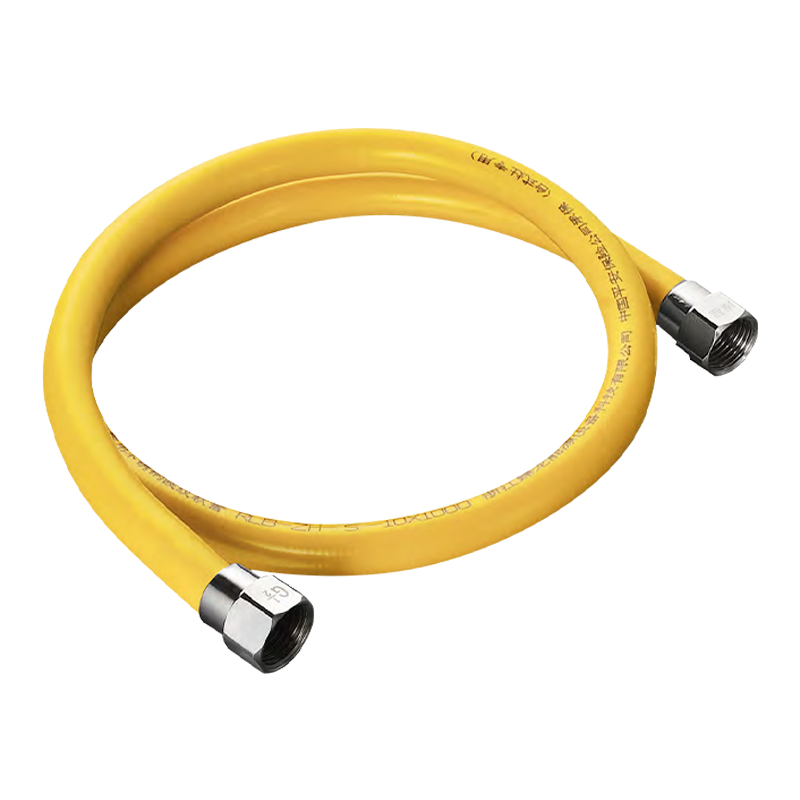
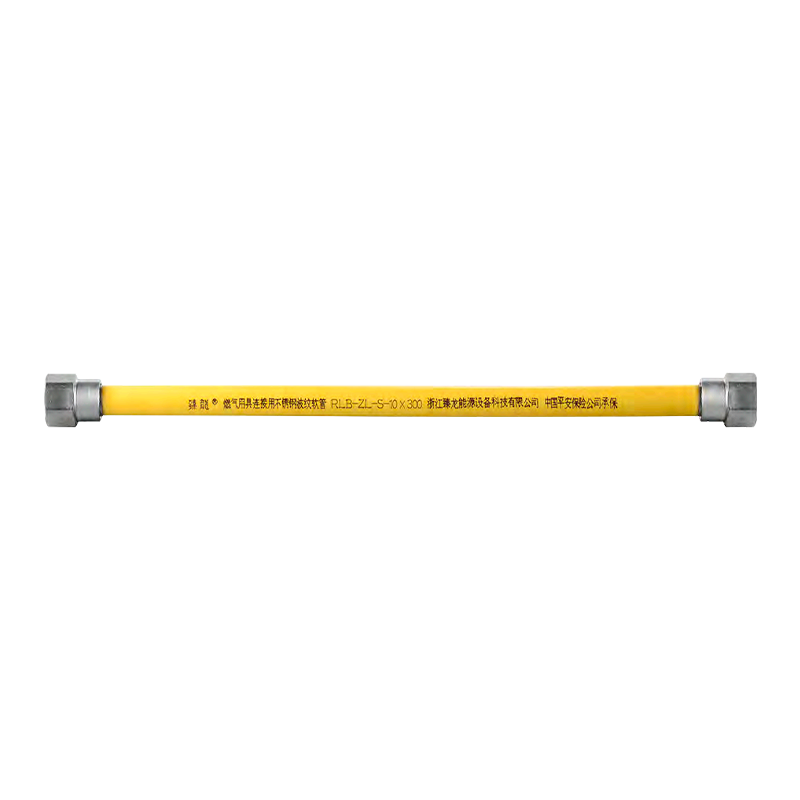
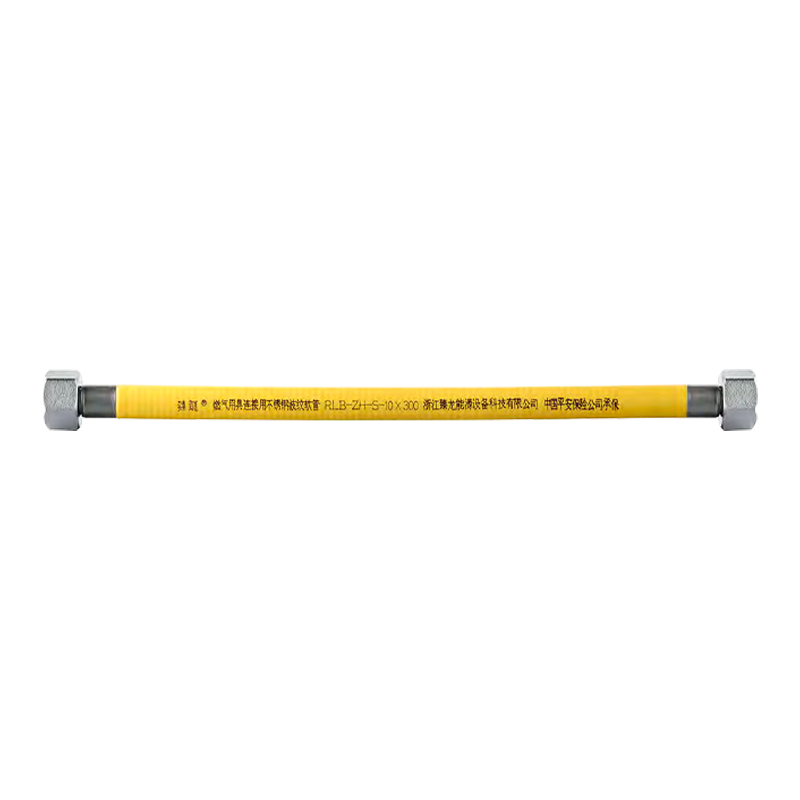
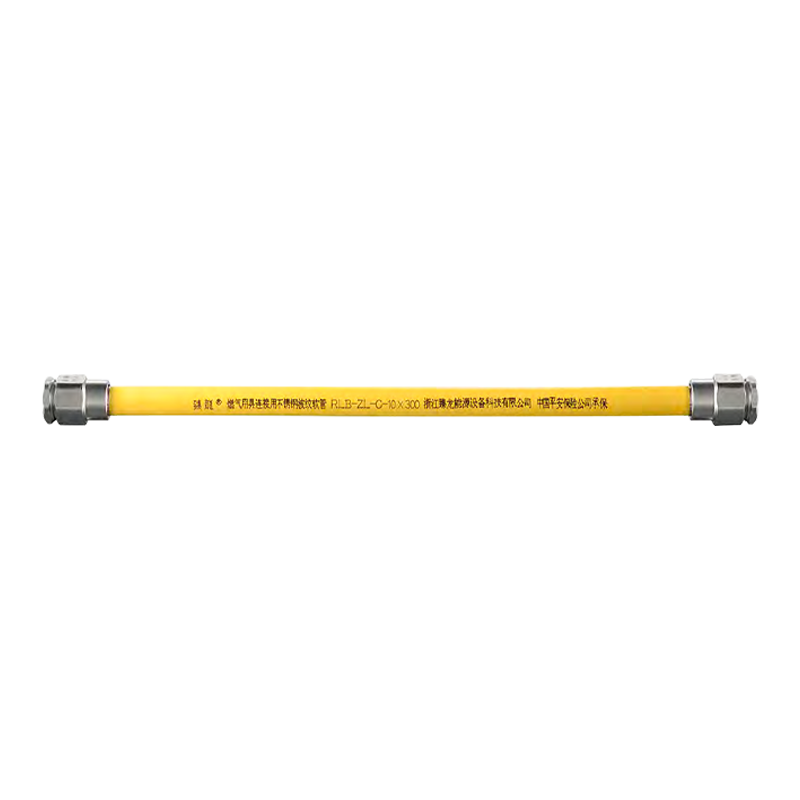
Because the product is intended for use with gas transmission and stainless steel corrugated hose fitting systems, it can serve as an important transition point between flexible hose assemblies and fixed pipe sections. This combination is useful where a pipeline requires some flexibility near appliances, equipment connections, building movement points, or areas that need easier installation access.
Advantages of the External Thread Design
Secure Mechanical Engagement
An external thread allows the tee to engage directly with a compatible female-threaded fitting. This creates a positive mechanical connection rather than relying only on compression or friction. When the threads are properly matched and tightened, the assembled joint resists ordinary vibration and movement in the pipeline.
Mechanical engagement is valuable in gas systems because the connection must remain stable over time. Household appliances may experience repeated connection and disconnection during replacement or servicing. Commercial and industrial equipment can also generate vibration during operation. A properly designed threaded tee helps maintain joint stability in these conditions.
Convenient Installation
The external-thread configuration is familiar to professional plumbers, gas technicians, and pipeline installers. It can be connected using standard compatible components and does not normally require complex specialized equipment at the installation site. This can reduce labor time and make the product suitable for both new construction and repair work.
A convenient connection also helps installers work in restricted spaces. The compact form of a tee allows branch lines to be organized without adding unnecessary length to the system. In many applications, the fitting can be positioned near the point where a secondary appliance or pipeline must be connected.
Adaptability to Branching Layouts
Gas distribution networks rarely follow a single straight path. They must serve equipment located in different rooms, production areas, floors, or service zones. The tee provides an orderly method of introducing a branch while maintaining the principal line. This can reduce the need for improvised arrangements and help create a more maintainable layout.
The branch connection can be used for a downstream appliance, a pressure-control assembly, a monitoring point, or an extension to another pipeline section, provided that the complete system is designed and approved for the intended service. The tee itself is a passive distribution component, but its placement can have a major effect on system organization.
Support for Leak Prevention
Leak prevention begins with the choice of an appropriate fitting. A tee made from durable material, with accurately formed threads and a well-controlled internal passage, gives installers a better foundation for creating a gas-tight assembly. The product’s corrosion-resistant and heat-resistant construction is intended to help preserve connection integrity during long-term use.
No fitting can compensate for incorrect installation, incompatible thread dimensions, unsuitable sealing compounds, over-tightening, or inadequate inspection. However, a precision-manufactured tee reduces the likelihood of defects originating from the component itself. It also makes the installation process more predictable for trained professionals.
Long-Term Durability
Gas pipeline components may be exposed to humidity, condensation, cleaning chemicals, temperature changes, airborne pollutants, and mechanical stress. Corrosion-resistant materials help the tee withstand these influences more effectively than ordinary materials that are not selected for demanding pipeline conditions.
Heat resistance is also beneficial when the fitting is installed near appliances or equipment that generate warmth. The fitting must still be installed with appropriate clearance from heat sources and within the limits of the complete system. Nevertheless, material performance under elevated temperatures is an important factor in the reliability of gas infrastructure.
External Thread Tee
Material and Performance Characteristics
The External Thread Tee is constructed from materials selected for resistance to corrosion and heat. These characteristics are especially relevant to gas transmission fittings because the product may remain in service for many years and may be installed in environments where access for replacement is limited.
Corrosion Resistance
Corrosion can reduce wall thickness, damage threads, weaken the fitting, and compromise sealing surfaces. In a gas pipeline, even small surface deterioration can make future maintenance more difficult. Corrosion-resistant construction helps preserve the external form of the tee and supports stable performance throughout its service life.
Resistance to corrosion is useful in kitchens, utility rooms, outdoor equipment areas, workshops, factories, and other places where moisture or chemicals may be present. It is also valuable in locations subject to temperature cycling, because repeated heating and cooling can encourage condensation and accelerate surface deterioration.
Heat Resistance
Gas fittings are frequently installed close to burners, boilers, furnaces, water heaters, and other heat-producing equipment. The fitting must be able to tolerate the temperature conditions anticipated in the application without losing its mechanical strength or connection stability.
The heat-resistant design of the External Thread Tee contributes to safe operation in appropriate installations. It remains necessary to follow local codes, equipment instructions, spacing requirements, and professional installation practices. Heat resistance is a performance advantage, not permission to install the tee directly against an uncontrolled flame or in conditions outside its approved service range.
Mechanical Strength
A tee fitting must withstand the forces created during installation, operation, and maintenance. These forces can include wrench loads, pressure fluctuations, vibration, thermal expansion, and the weight of connected hoses or pipes. A strong body and properly formed threads help the fitting resist deformation under normal service conditions.
Mechanical strength also supports safer maintenance. When a compatible component must be removed or replaced, a durable tee is less likely to suffer thread stripping or body damage when handled correctly. This can reduce the chance that a simple service task will require replacement of a larger section of the pipeline.
Dimensional Consistency
Dimensional consistency is essential for interchangeable pipeline components. A DN15 tee must correspond to the expected nominal size and thread geometry of compatible products. Consistent dimensions support easier procurement, installation, inspection, and replacement.
Manufacturing control helps ensure that batches remain consistent. This is especially important for distributors and engineering contractors who need to install the same product across multiple projects. Consistency reduces uncertainty and supports repeatable installation procedures.
Advantages Compared with Less Specialized Alternatives
The External Thread Tee offers several practical advantages over generic or poorly matched alternatives. These advantages come from its intended use in gas transmission systems, its external-thread structure, its material selection, and the manufacturing capabilities behind the product.
Purpose-Built for Gas Distribution
A general-purpose plumbing tee may not be appropriate for gas service. Gas applications require attention to sealing, material compatibility, pressure conditions, cleanliness, and regulatory requirements. A tee developed for gas pipeline systems is more likely to address these requirements during design and production.
The External Thread Tee is positioned as a dedicated component for gas transmission and stainless steel corrugated hose fitting systems. This application focus gives it an advantage over fittings selected only because they have a similar shape. The correct product should always be chosen according to the gas type, pressure, temperature, connection standard, local regulations, and complete system design.
More Organized Than Improvised Branch Connections
Improvised branch connections can create unnecessary joints, awkward alignment, and difficult maintenance conditions. A purpose-designed tee provides a clean three-way connection in one compact body. Fewer unnecessary adapters can simplify the layout and reduce the number of potential leakage points.
A well-organized branch also makes future inspection easier. Technicians can identify the main flow path and branch connection quickly. This is beneficial in residential systems as well as larger commercial and industrial networks where maintenance personnel may need to isolate or inspect individual sections.
More Practical Than Permanent Welded Branching in Some Installations
Welded branch connections can be highly effective in suitable industrial systems, but they generally require welding equipment, skilled personnel, surface preparation, inspection, and sometimes hot-work controls. They may not be the most efficient option for appliance connections, renovation projects, or locations where installation access is limited.
An external threaded tee can provide a more convenient alternative in applications designed for threaded connections. It can be assembled without performing a field weld, which may reduce installation complexity and shorten project time. The selected connection method must still comply with the applicable gas code and project specifications.
More Adaptable Than Single-Path Fittings
A straight coupling or elbow cannot provide a branch connection without additional components. The tee combines the branch function into one fitting, reducing the number of parts required for a typical split-flow arrangement. This can help control material cost, simplify inventory, and improve layout flexibility.
More Durable Than Inadequately Protected Low-Cost Fittings
Low-cost fittings may appear attractive during initial purchasing, but premature corrosion, damaged threads, inconsistent dimensions, or poor surface quality can increase total ownership cost. A durable fitting can offer better value by reducing the likelihood of early replacement, rework, and service interruptions.
The most meaningful comparison is not simply the purchase price. It includes installation labor, inspection time, expected service life, maintenance access, failure risk, and compatibility with the rest of the pipeline system. The External Thread Tee is designed to provide dependable performance across these broader considerations.
Applications in Residential Gas Systems
Residential gas systems often require branching from one supply line to several appliances. A home may have a gas stove, water heater, boiler, dryer, or outdoor appliance. The External Thread Tee can be used as part of a professionally designed distribution arrangement where a branch is required and the connection dimensions are compatible.
In a kitchen, the tee may help connect a main gas line to a cooking appliance while maintaining a continuation to another approved branch. In a utility room, it may support a layout serving both a water heater and a heating appliance. In each case, the fitting should be installed where it remains accessible for inspection and maintenance.
Residential installations require particular attention to ventilation, appliance shutoff valves, flexible hose routing, support, and leak testing. The tee is only one part of the system. It should not be buried or enclosed in a way that prevents inspection unless the applicable regulations specifically permit that arrangement and provide an approved method of access.
The compact design can be useful in renovation projects. Existing buildings often have limited space and irregular pipeline routes. A tee can provide a controlled branch point without requiring a major redesign of the entire line. Its external thread can also simplify connection to compatible valves and hose assemblies used at appliances.
Applications in Commercial and Industrial Systems
Commercial kitchens, restaurants, hotels, workshops, heating plants, and manufacturing facilities may require multiple gas branches. In these environments, reliability and maintainability are particularly important because a pipeline interruption can affect production, customer service, heating, or equipment operation.
The External Thread Tee can be used in selected low- and medium-complexity branch arrangements where its size and pressure rating are suitable. It may connect a fixed pipeline to a flexible stainless steel corrugated hose, provide a branch to a control valve, or organize a service connection near equipment.
Industrial gas systems often include additional requirements such as pressure regulation, emergency shutoff, gas detection, filtration, flow measurement, and scheduled inspection. The tee must be integrated into this broader safety architecture. It should never be treated as an independent pressure-control device or as a substitute for required isolation and protection equipment.
In commercial projects, consistent component quality can improve construction efficiency. Contractors can use a standardized fitting across multiple branches, reducing installation variation. Distributors can also maintain a more manageable stock of commonly used parts when the product is manufactured consistently and supplied with clear identification.
Industrial users may value the tee’s resistance to corrosion and heat because factory environments can expose components to moisture, dust, chemicals, vibration, and temperature changes. Correct material selection helps the fitting remain dependable, although the precise chemical and thermal conditions must always be reviewed before use.
Manufacturing Strengths of the Producer
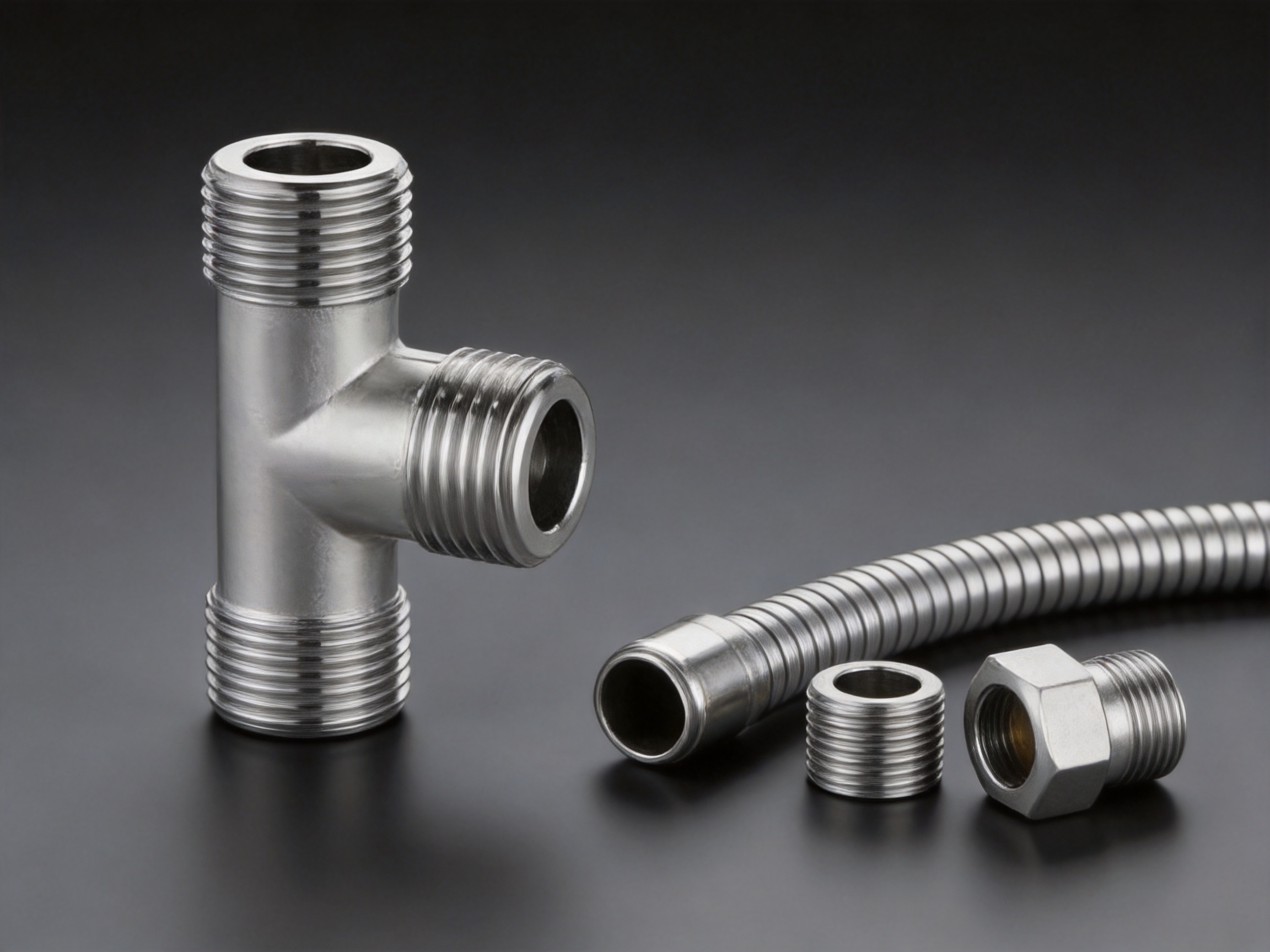
The performance of a gas fitting depends heavily on the capabilities of the manufacturer. Zhejiang Zhenlong Energy Equipment Technology Co., Ltd. integrates research and development, manufacturing, processing, and trade. This integrated structure allows the company to coordinate product design, raw material management, forming, welding, inspection, packaging, and customer support.
The company is located in Yuyao, Ningbo, Zhejiang, and operates a substantial production facility covering approximately 40 acres with a factory building of about 30,000 square meters. This scale provides space for organized production areas, equipment deployment, material storage, quality inspection, and order fulfillment.
For customers purchasing gas fittings, a large and structured manufacturing base can provide several benefits. It may support more stable production capacity, improved process coordination, better batch management, and more efficient response to OEM and ODM requirements. It also enables the manufacturer to invest in specialized equipment and dedicated quality-control procedures.
Multiple Welding and Forming Production Lines
The company has 30 welding and forming production lines. Welding and forming are important processes in the production of metal hoses, pipeline components, and related energy equipment. A broad production-line base can help separate product families, improve scheduling, and maintain a steady output for different specifications.
Forming quality affects the dimensional accuracy, geometry, and mechanical behavior of a fitting. Controlled forming helps ensure that the tee body retains the intended shape and that the connection points remain aligned. Welding capability is also important for products and assemblies that require permanent metal joining or integrated hose construction.
For the External Thread Tee, manufacturing discipline is required at several stages. The body must be formed accurately, the branch must align correctly with the main passage, thread sections must be machined or formed consistently, and finished surfaces must be checked for defects. Each stage contributes to the final reliability of the connection.
Hydrogen Furnace Production Capability
The company also operates two uninterrupted solid melting hydrogen furnace production lines. Furnace processes can influence the cleanliness, composition, and structural properties of metal materials. A controlled hydrogen furnace environment may support stable material processing and help the manufacturer produce metal products with consistent characteristics.
Material quality is particularly important for gas fittings because the body must maintain strength and dimensional stability while resisting corrosion and temperature-related stress. The ability to manage important material-processing steps in-house can strengthen production traceability and reduce dependence on uncontrolled external processing.
Material Analysis Equipment
The factory uses testing equipment including metal material analysis direct-reading spectrometers. Material analysis equipment helps verify the composition of metal inputs and supports quality control during manufacturing. Confirming material composition is a significant part of ensuring that the selected alloy or metal grade is appropriate for the intended product.
Material analysis can also help identify deviations between incoming raw materials and production requirements. If a material does not meet the specified composition, it can be held for review before it enters the manufacturing process. This preventive approach is more effective than relying only on final-product inspection.
Flow Tightness Testing
Flow tightness testers are used to assess whether products or assemblies maintain the required level of sealing under defined test conditions. For gas pipeline fittings, tightness is a central performance concern. Testing helps identify leakage paths associated with body defects, connection surfaces, assembly conditions, or manufacturing irregularities.
A systematic tightness-testing process provides confidence that products are being evaluated according to controlled procedures. It can also support process improvement by revealing recurring problems, allowing production teams to investigate tooling, forming, threading, cleaning, or assembly conditions.
Quality Management and Compliance
Zhejiang Zhenlong Energy Equipment Technology Co., Ltd. states that it strictly implements the ISO9000:2008 quality management system. A quality management framework helps organize responsibilities, process controls, documentation, inspection, corrective action, and continual improvement.
Quality management is not limited to examining finished goods. It begins with product requirements and extends through supplier control, incoming-material inspection, production planning, equipment maintenance, process monitoring, final testing, packaging, and customer feedback. This comprehensive approach is important for components used in safety-sensitive gas applications.
The company also holds a Special Equipment Manufacturing License of the People’s Republic of China for pressure pipelines. This type of qualification reflects the importance of controlled manufacturing for pressure-related pipeline products. It can be especially relevant to customers seeking suppliers with experience in regulated energy equipment.
The company further reports EU CE certification testing reports. CE-related documentation may support product evaluation for applicable European-market requirements, although buyers must confirm the exact scope, product model, applicable directives, and documentation needed for their individual project. Certification and testing reports should always be reviewed against the intended use and local regulatory framework.
As a member of the China Urban Gas Association, the company participates in a sector connected with urban gas development and infrastructure. Industry participation can help a manufacturer remain aware of market needs, technical developments, installation concerns, and evolving expectations for gas equipment.
Design and Production Process
Requirement Definition
Manufacturing begins with the definition of product requirements. For an External Thread Tee, these requirements include nominal size, thread configuration, body geometry, intended gas service, material characteristics, pressure conditions, surface requirements, inspection criteria, and packaging needs.
Clear requirements reduce ambiguity between design, production, quality control, and customers. They also make it easier to evaluate whether a product is suitable for a particular pipeline system. The model identification RBG-IT15X15-GB/T 26002 and product numbering ZLP-018 provide a foundation for product recognition and order management.
Material Preparation
Suitable metal material is selected and prepared according to the product specification. Incoming materials may be checked for dimensions, surface condition, identification, and chemical composition. Material analysis equipment can support verification of composition before production begins.
Good material preparation reduces downstream risks. Contaminated, incorrectly identified, or dimensionally inconsistent material can affect forming, threading, corrosion performance, and final inspection. Controlled storage also helps prevent mix-ups between different materials or product grades.
Forming and Body Production
The tee body must be shaped so that the main passage and branch passage meet accurately. Forming processes may include specialized tooling and controlled force application. The objective is to produce a body with consistent dimensions, smooth transitions, and sufficient wall strength.
Variation in body geometry can affect installation alignment and flow behavior. A well-controlled forming process supports repeatability across production batches. It also helps maintain a consistent appearance, which makes visual inspection and quality identification easier.
Thread Processing
Thread processing creates the external connection surface. The thread must be dimensionally accurate, clean, and free from damage. Thread crests, roots, and lead-in areas should be produced consistently so that compatible female-threaded parts can engage smoothly.
Thread inspection may include visual examination, dimensional checks, and fit verification with approved gauges or mating components. Any burrs or particles that could interfere with sealing or contaminate the gas line should be removed through appropriate finishing and cleaning procedures.
Surface Treatment and Cleaning
Surface treatment is selected according to the material and product requirements. The goal may include improving corrosion resistance, removing contaminants, protecting the surface during storage, or providing a consistent finished appearance.
Cleaning is especially important for gas fittings. Oils, metal chips, dust, and processing residues should not remain in the internal passage or on the sealing interface. Clean components support safer installation and reduce the risk of contamination entering valves, regulators, or appliances.
Inspection and Testing
Finished products undergo inspection according to the applicable quality plan. Inspection may cover dimensions, thread condition, body appearance, material identification, and tightness. Flow tightness testing is particularly relevant because the component is intended for gas transmission applications.
Products that meet the required criteria can proceed to packaging and shipment. Nonconforming products should be identified and handled through a controlled process. Corrective action can then be taken when a problem indicates a process issue rather than an isolated defect.
Installation Guidance
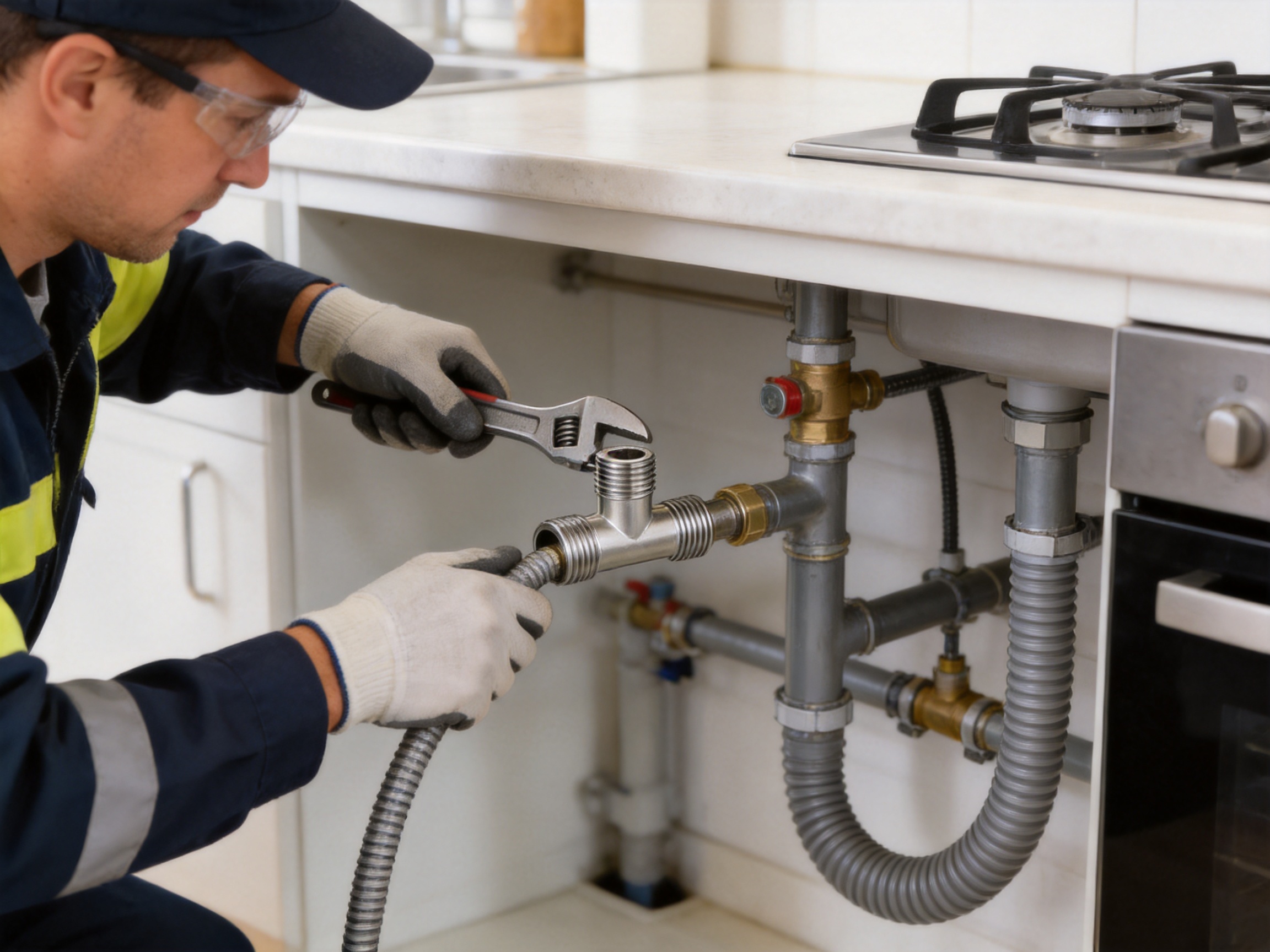
The External Thread Tee should be installed only by qualified personnel who understand the applicable gas codes, local regulations, and system requirements. Before installation, verify the model, nominal size, thread type, material compatibility, pressure range, gas type, and temperature conditions.
Pre-Installation Inspection
Inspect the tee for visible damage, cracks, deformation, corrosion, contamination, or damaged threads. Confirm that the fitting has not been dropped or mishandled during transportation. Check that the mating component has a compatible internal thread and that the connection is neither excessively worn nor contaminated.
Do not force mismatched threads together. A connection that appears to engage only after significant resistance may have incorrect dimensions, cross-threading, or foreign material in the thread. Stop the installation and resolve the compatibility problem before applying additional torque.
System Preparation
Ensure that the gas supply is isolated and that the pipeline has been depressurized according to safe work procedures. The pipe or hose should be properly supported so that its weight is not transferred to the tee. Excessive side loading can place stress on the threaded joint and may contribute to premature failure.
Prepare the pipe ends, hose assembly, valves, and adapters so that they are clean and correctly aligned. The pipeline should not be bent into position by using the tee as a lever. If alignment is incorrect, adjust the supporting components or use an appropriate adapter rather than forcing the fitting.
Thread Sealing
Use only a thread-sealing material approved for the specific gas service and connection type. The sealing method must be applied according to the manufacturer’s instructions and applicable regulations. Excess sealant should not be allowed to enter the internal passage, where it could move downstream and interfere with valves or appliance components.
Some gas systems use specialized thread compounds, while others may use approved sealing tape or alternative sealing arrangements. The correct choice depends on the thread design, gas type, pressure, temperature, and local code. Sealant compatibility should be confirmed before use.
Tightening
Engage the threads by hand as far as practical to reduce the risk of cross-threading. Use the correct tool on the fitting’s designated surfaces, and avoid gripping or damaging areas that are not intended for wrench contact. Tighten the joint sufficiently to create the required connection without excessive force.
Over-tightening can damage threads, distort sealing surfaces, or create stress in the tee body. Under-tightening can leave the connection insufficiently engaged. If a torque requirement is provided for the specific installation, follow it. Otherwise, use accepted professional practice and the requirements of the applicable standard.
Testing After Installation
After assembly, the complete system must be tested for leakage before it is placed into service. The test method should comply with local gas regulations and the project’s commissioning procedures. Never use an open flame to search for a gas leak.
Qualified technicians may use an approved leak-detection solution, pressure test, electronic detector, or other authorized method. If a leak is detected, isolate the supply, depressurize the affected section, correct the connection, and repeat the test. The system should not be operated until it passes the required inspection.
Maintenance and Service Considerations
A properly installed External Thread Tee generally requires limited routine maintenance, but it should remain part of the pipeline inspection program. Regular checks can identify early signs of corrosion, mechanical damage, movement, contamination, or leakage.
Inspect accessible surfaces for discoloration, pitting, cracks, deformation, and evidence of moisture accumulation. Pay special attention to areas near appliances, outdoor installations, condensate sources, and locations exposed to cleaning chemicals. If the tee is connected to a flexible hose, inspect the hose and its supports at the same time.
Do not paint over identification markings, threads, or inspection points in a way that prevents future evaluation. If surface protection is required, use a method compatible with the material and gas installation requirements. Any coating should not conceal a defect or interfere with disassembly.
If a connection must be removed, first isolate and depressurize the pipeline. Do not reuse damaged sealing materials. Examine both the tee and the mating component before reassembly. If the threads are worn, distorted, or corroded, replacement is normally safer than attempting to force the old connection back into service.
When a tee is installed in a system that experiences vibration, check whether the connected pipe or hose is adequately supported. Repeated movement can transfer stress to the threaded joint. Additional support, a flexible connection, or a layout adjustment may be required to protect the fitting.
Why Manufacturer Capability Matters to Buyers
Purchasing a gas fitting is not only a matter of selecting a shape and size. Buyers also need confidence in the manufacturer’s production control, raw material management, testing practices, documentation, delivery capability, and after-sales support.
An integrated manufacturer can often respond more effectively to technical questions because design, production, and quality teams operate within the same organization. This can make it easier to discuss special packaging, labeling, batch requirements, dimensional preferences, OEM identification, or project-specific documentation.
For distributors, stable manufacturing capacity is important because stock availability affects customer service. For engineering contractors, consistent dimensions and reliable quality reduce installation uncertainty. For equipment manufacturers, OEM and ODM support can help integrate the fitting into a larger gas appliance or pipeline assembly.
Zhejiang Zhenlong Energy Equipment Technology Co., Ltd. presents itself as a manufacturer and supplier of metal hoses, corrugated hoses, pipe fittings, natural gas pipelines, valves, plumbing fittings, sanitary ware, plastic products, and hardware. This broad product scope gives the company experience across related components rather than a narrow focus on a single fitting category.
The company’s research, design, and production team supports product development and customization. This capability can be valuable when customers need more than a standard catalog item. Technical cooperation may include product selection, fitting compatibility, packaging, production scheduling, documentation, and after-sales assistance.
OEM and ODM Opportunities
OEM and ODM customers may require fittings with specific identification, packaging, surface finishes, production quantities, or application combinations. A manufacturer with its own production lines and engineering resources can evaluate these requirements and develop a practical manufacturing plan.
For private-label distribution, product identification must remain clear and traceable. Model number, size, batch information, applicable standard, and inspection records should be managed in a way that supports customer confidence. Packaging should also protect the threads and finished surfaces during transportation and storage.
For equipment manufacturers, the tee may be integrated into a larger hose or pipeline assembly. In such cases, dimensional tolerances, connection sequence, sealing method, flow direction, and testing requirements should be agreed before mass production. Early technical communication can prevent incompatibility and reduce the need for later modifications.
Customization does not remove the need to comply with safety requirements. Any modified product should be evaluated against its intended service conditions, applicable standards, and required testing. The manufacturer and buyer should clearly define responsibility for design approval, validation, labeling, and final system certification.
Selection Checklist for the External Thread Tee
Before ordering or installing the product, buyers should confirm several technical and commercial factors. First, verify that DN15 is the correct nominal size for the pipeline and mating components. Nominal size alone may not identify every dimensional detail, so thread form and connection standard must also be confirmed.
Second, confirm that the fitting is suitable for the actual gas medium. Natural gas, liquefied petroleum gas, air, inert gas, and other media may have different compatibility requirements. The sealant and connected hose must also be suitable for the selected medium.
Third, review operating pressure and temperature. The tee should not be used beyond the limits established for the product and complete system. If the installation is near a high-temperature source, verify clearances and thermal conditions.
Fourth, consider the surrounding environment. Outdoor, coastal, humid, chemical, dusty, or high-vibration locations may require additional protection or a different material selection. Corrosion resistance is helpful, but the installation environment should still be assessed professionally.
Fifth, check access for inspection and maintenance. A tee hidden behind permanent construction may be difficult to test or replace. The layout should provide sufficient room for tools and allow technicians to examine the connection.
Finally, confirm documentation, packaging, delivery requirements, and after-sales support with the supplier. For larger projects, buyers may request quality certificates, material information, inspection records, samples, or pre-shipment verification.
Frequently Asked Questions
What is an External Thread Tee?
An External Thread Tee is a three-way pipe fitting with threaded connection sections located on the outside of the fitting. It is used to branch, split, or combine gas flow in a compatible pipeline system.
What is the size of model ZLP-018?
Model ZLP-018, identified as RBG-IT15X15-GB/T 26002, is specified as DN15. Buyers should confirm the complete thread dimensions and compatibility requirements before installation.
What does “Outside Wire Tee” mean?
“Outside Wire Tee” is an alternative translation of “External Thread Tee.” In this context, “wire” refers to the thread on the outside of the fitting, not to an electrical wire.
Where can this tee be used?
It can be used in suitable residential, commercial, and industrial gas pipeline systems, including systems connected to stainless steel corrugated hose assemblies. The application must match the product’s size, pressure, temperature, material, and regulatory requirements.
Can the tee regulate gas pressure?
No. The tee is a passive branching component. Pressure regulation must be performed by an approved regulator or control assembly designed for that purpose.
Can the tee be installed by an untrained person?
Gas pipeline installation should be performed by qualified personnel familiar with local regulations and approved testing methods. Incorrect assembly can result in leakage, fire, explosion, injury, or property damage.
Does the external thread require sealing material?
The required sealing method depends on the thread design, mating component, gas service, and applicable regulations. Use only an approved sealing material and follow professional installation instructions. Do not allow excess sealant to enter the gas passage.
How can leakage be checked?
Leakage must be checked using an approved professional method, such as a pressure test, authorized leak-detection solution, or suitable electronic detector. An open flame must never be used to locate a gas leak.
What materials are used in the fitting?
The product is described as being constructed with corrosion-resistant and heat-resistant materials. The exact material grade and finish should be confirmed with the supplier for the specific order and application.
What makes this product different from a general plumbing tee?
The External Thread Tee is intended for gas transmission and stainless steel corrugated hose fitting applications. Its design, material selection, testing, and manufacturing controls are directed toward reliable gas pipeline connections rather than general-purpose water service alone.
Can the product be customized?
The manufacturer provides OEM and ODM production capabilities. Customers can discuss dimensions, labeling, packaging, quantity, documentation, and other requirements with the technical and sales teams. Any customized version must be evaluated for its intended service conditions.
How should the fitting be stored before installation?
Store the tee in a clean, dry location protected from impact, excessive humidity, corrosive chemicals, and contamination. Keep the threaded portions protected and retain product identification so that size and model information remain traceable.
What should be done if the thread does not engage smoothly?
Stop installation and inspect the thread, mating component, alignment, and cleanliness. Do not force the connection. If the parts are mismatched or damaged, replace them with compatible components.
Is the tee suitable for every gas pressure?
No. Suitability depends on the product rating and complete system design. The required operating and test pressures must be compared with the approved specifications before use.
Conclusion
The External Thread Tee is a compact but important component for gas pipeline branching. Its three-way configuration supports organized distribution, while the external-thread design provides a familiar and mechanically secure connection method for compatible components. Its corrosion-resistant and heat-resistant construction contributes to durability in demanding residential, commercial, and industrial environments.
The product offers practical advantages over improvised branch arrangements, poorly matched generic fittings, and connection methods that require more complex field work. Its value is increased by precise dimensional control, reliable thread formation, clean internal passages, and appropriate tightness testing.
The manufacturing strengths of Zhejiang Zhenlong Energy Equipment Technology Co., Ltd. further support the product. The company combines research and development, manufacturing, processing, industry and trade, multiple welding and forming lines, hydrogen furnace production capability, material analysis equipment, flow tightness testing, quality management, pressure-pipeline manufacturing qualifications, and related certification experience.
For buyers, contractors, distributors, and equipment manufacturers, the most important step is to match the tee with the complete application. Size, thread standard, gas medium, pressure, temperature, environment, sealing method, support, inspection access, and local regulations must all be considered. When properly selected, installed, and tested, the External Thread Tee can provide a dependable branch connection for efficient and safe gas transport systems.
References
1. GB/T 26002, applicable requirements for gas pipeline fittings and related connection products.
2. ISO 9000 quality management principles and terminology.
3. General professional practices for the installation, pressure testing, and leak detection of gas piping systems.
4. Manufacturer-provided product information for model RBG-IT15X15-GB/T 26002, product number ZLP-018.
5. Manufacturer-provided information regarding metal material analysis, flow tightness testing, welding and forming production, and pressure-pipeline manufacturing qualifications.
6. Technical guidance for stainless steel corrugated hose assemblies and gas appliance connection systems.