 English
 中文简体
 Español
 عربى

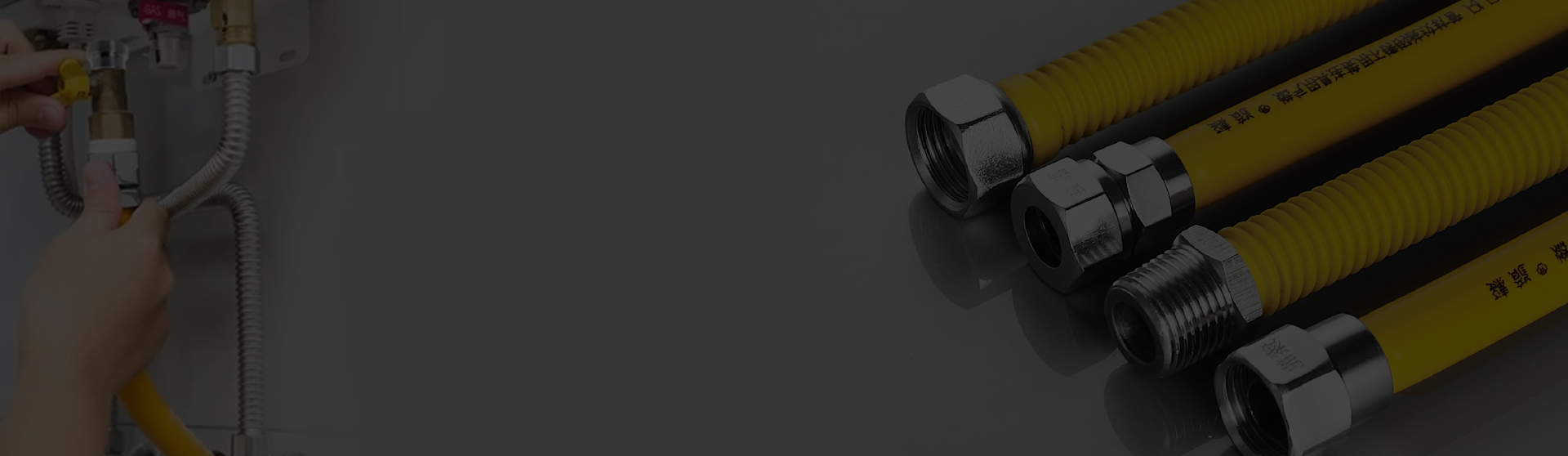

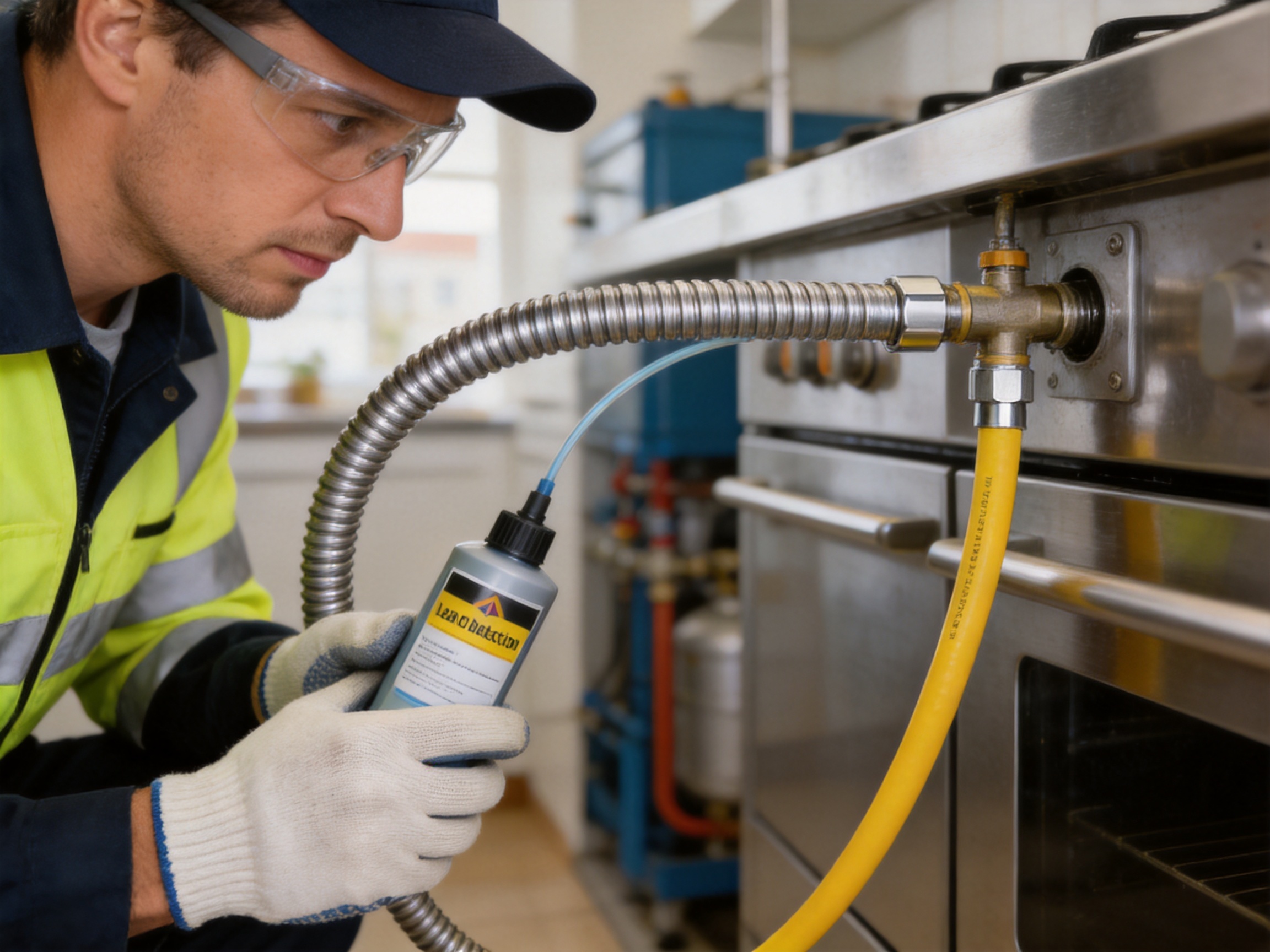
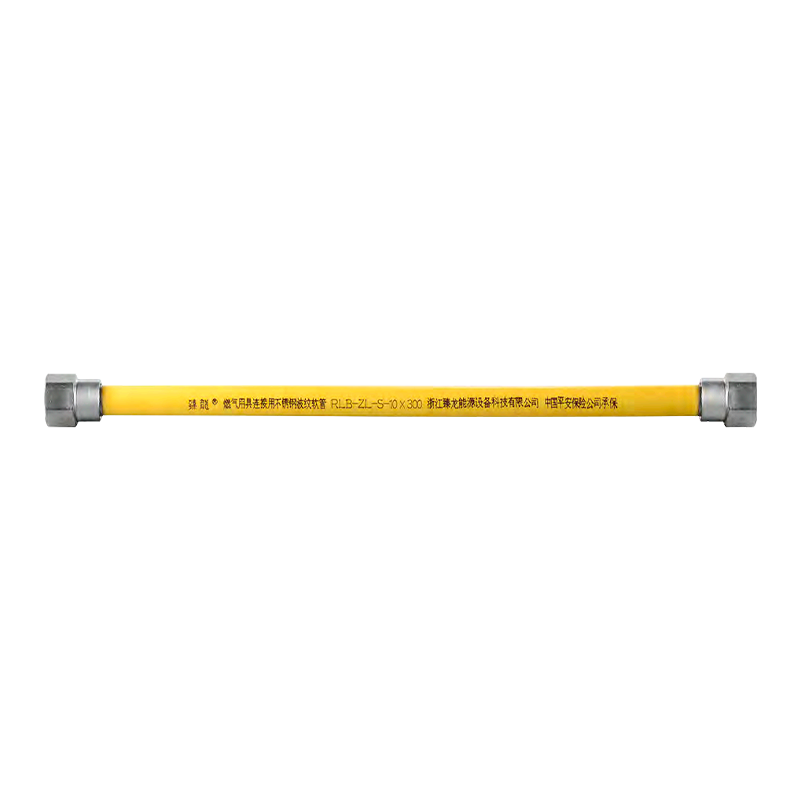
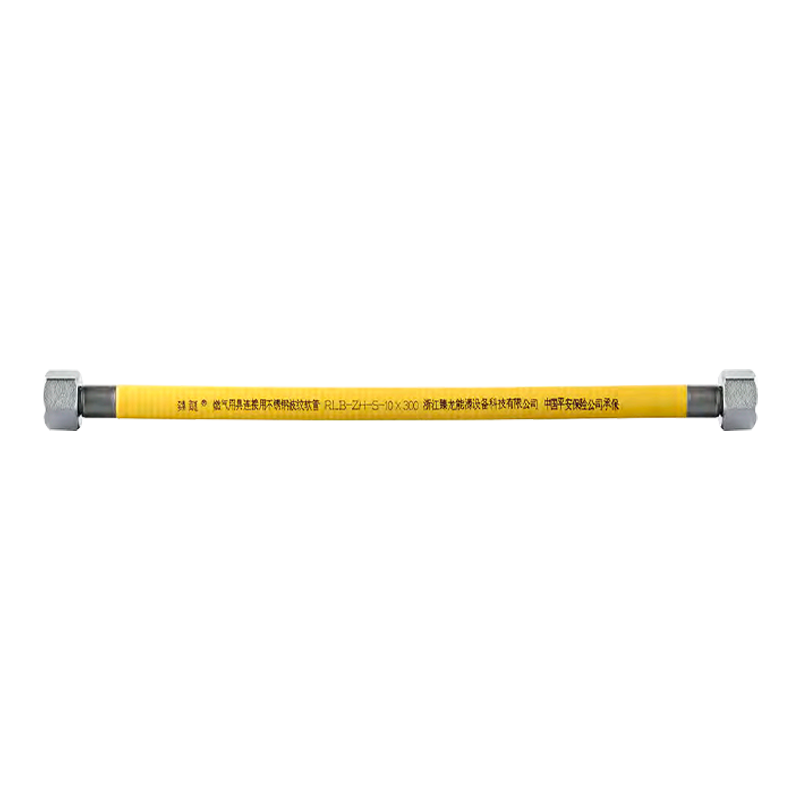
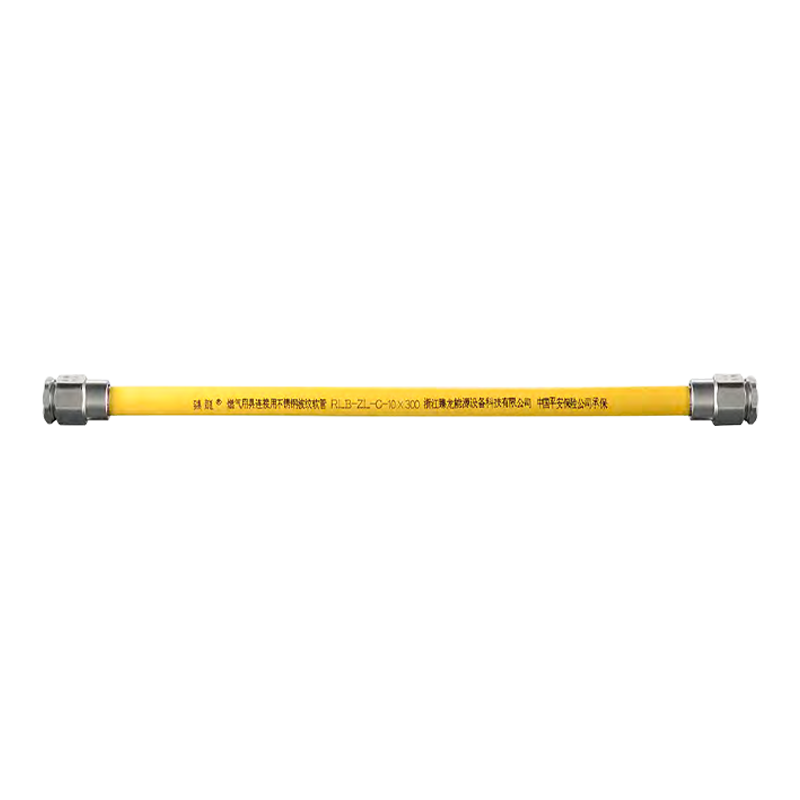
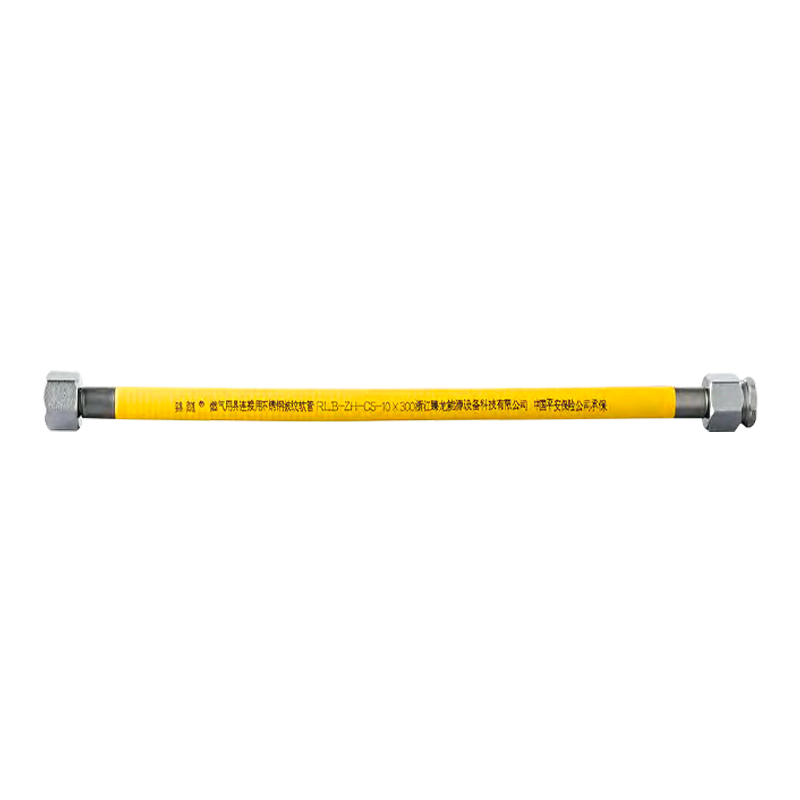
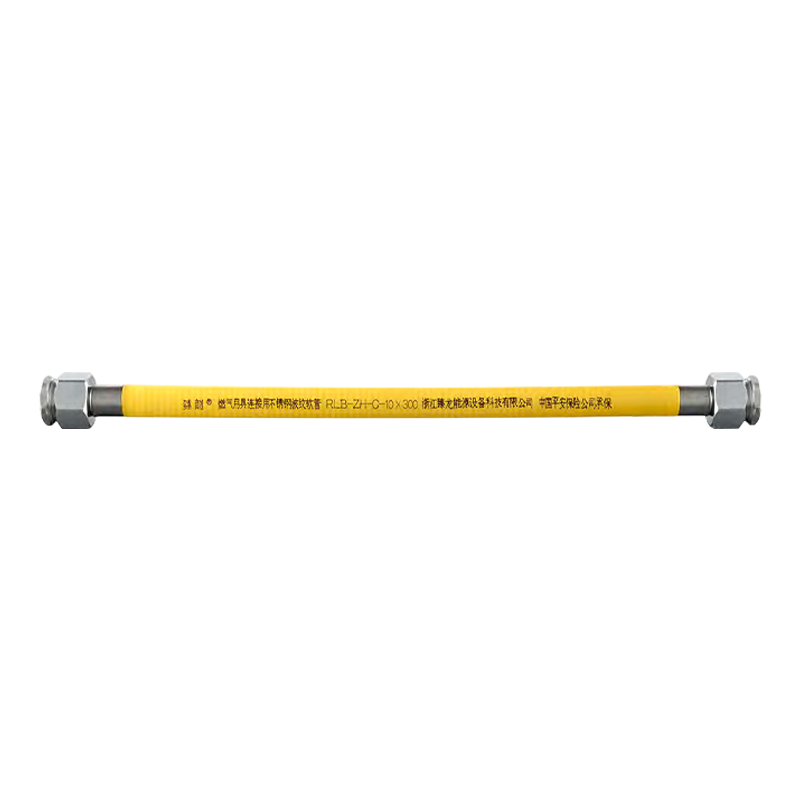
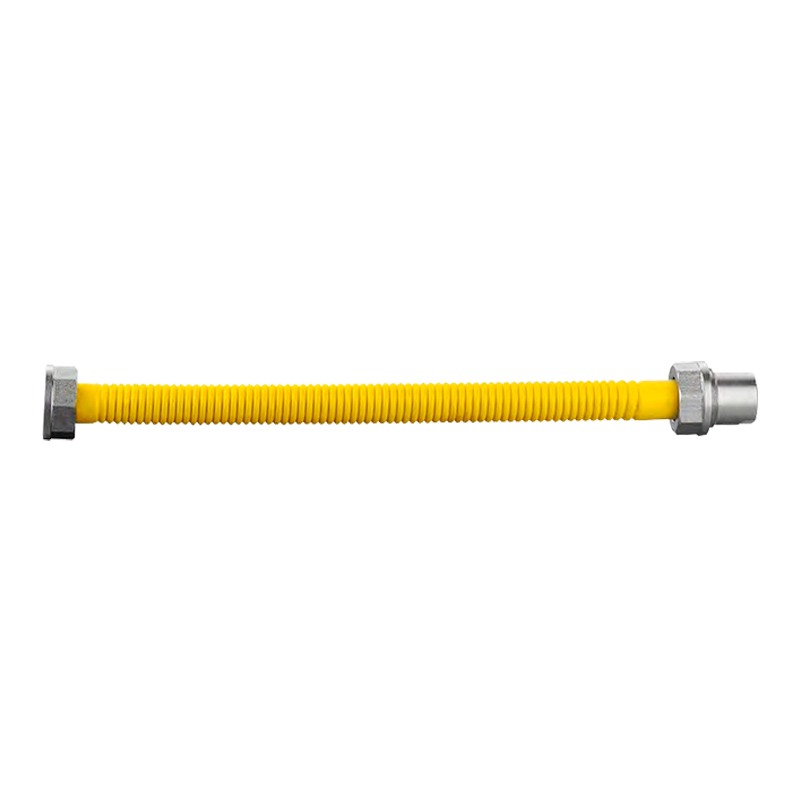
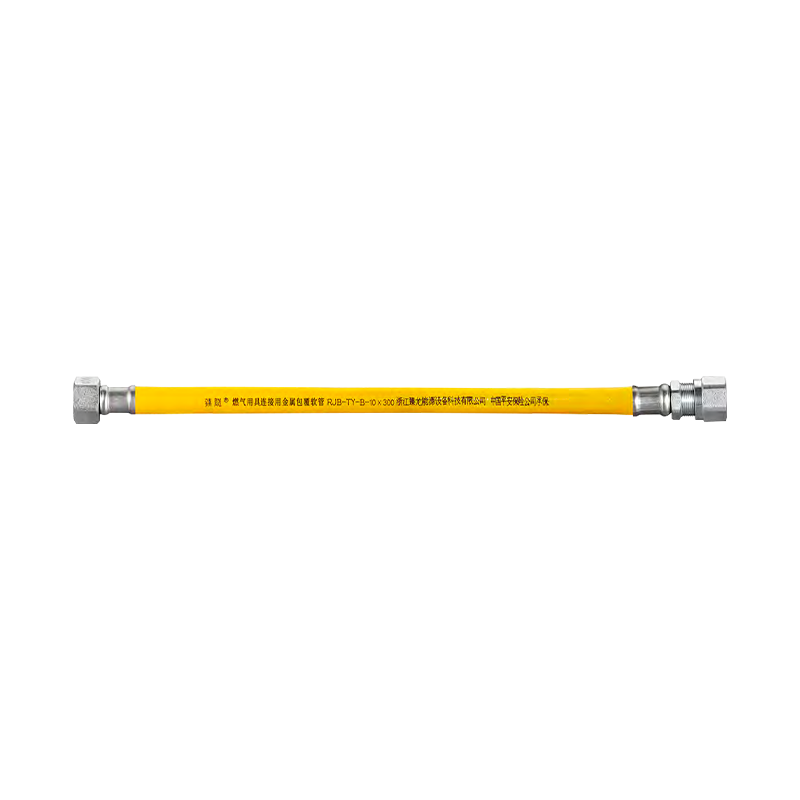
Stainless steel corrugated gas hoses are essential connection components in residential, commercial, and industrial gas systems. They provide a flexible link between fixed gas pipelines and appliances while helping accommodate movement, installation tolerances, vibration, and changes in equipment position. The Stainless Steel Corrugated Gas Hose with Strong Pressure Resistance ZLR-04 is designed for applications where flexibility, sealing reliability, mechanical protection, and pressure resistance must work together in one compact assembly.
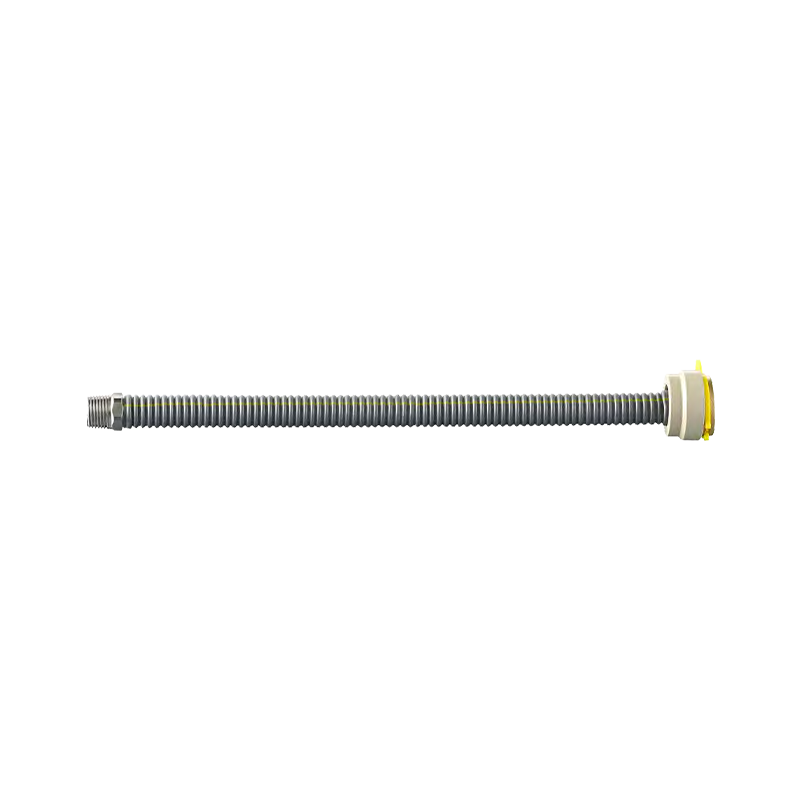
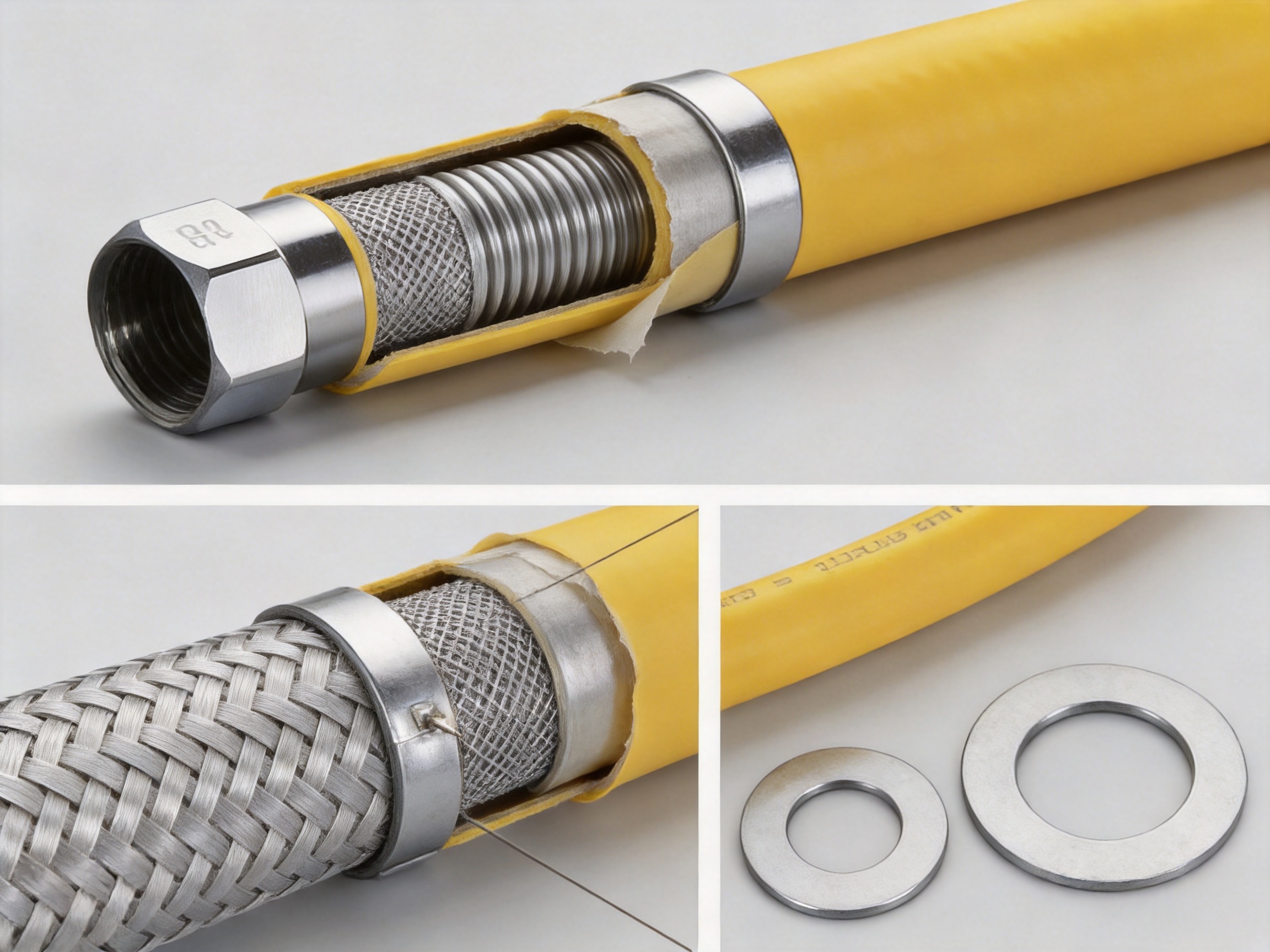
Unlike a basic flexible tube, the ZLR-04 uses a multi-layered construction. Its main pressure-bearing element is a 304 stainless steel corrugated bellows, reinforced by a tightly woven stainless steel wire mesh and protected by a PVC outer cover. Precision-welded joints connect the corrugated body with flanges or other pipeline components, while flat gaskets support sealing at the connection points. This layered design provides a practical balance between flexibility and structural strength.
The product is categorized as a stainless steel corrugated tube for connecting gas appliances. It is available in the listed DN10 configuration, with an outside diameter of 16 mm and standard lengths from 300 mm to 2,000 mm. The model is identified as ZLR-04, while the listed specification is RLB-ZH-S-10X1000. Depending on the installation requirement, the hose can be selected or configured to suit different connection distances and appliance layouts.
This article examines the ZLR-04’s construction, technical features, advantages over simpler flexible connections, production capabilities, quality considerations, application areas, installation principles, maintenance requirements, and frequently asked questions.
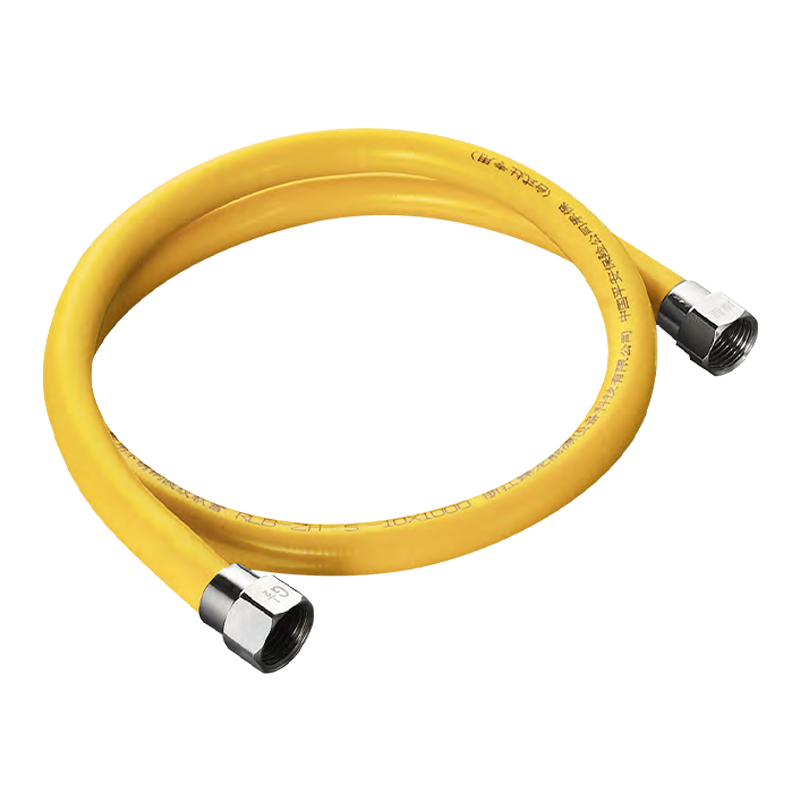
Stainless steel corrugated gas hose with strong pressure resistance ZLR-04
Content
- 1 1. The Role of Corrugated Gas Hoses in Modern Gas Systems
- 2 2. Product Overview of the ZLR-04
- 3 3. Multi-Layer Construction and Functional Advantages
- 4 4. Pressure Resistance and Anti-Burst Performance
- 5 5. Flexibility Without Sacrificing Structural Integrity
- 6 6. Advantages Compared with Simpler Flexible Connections
- 7 7. Manufacturing Process and Engineering Capabilities
- 8 8. Quality Management and Certification Strengths
- 9 9. Application Areas
- 10 10. Installation Principles
- 11 11. Inspection, Maintenance, and Replacement
- 12 12. Procurement Considerations for Distributors and Project Buyers
- 13 13. Why Manufacturing Integration Matters
- 14 14. Environmental and Service-Life Considerations
- 15 15. Technical Questions and Answers
- 15.1 Q1: What is the primary purpose of the ZLR-04?
- 15.2 Q2: What material is used for the corrugated bellows?
- 15.3 Q3: Why does the hose include stainless steel wire mesh?
- 15.4 Q4: What does the PVC cover do?
- 15.5 Q5: What is the listed size of the product?
- 15.6 Q6: What lengths are available?
- 15.7 Q7: Can the hose be used for every gas application?
- 15.8 Q8: Can the hose be installed near a flame?
- 15.9 Q9: Can a damaged hose be repaired?
- 15.10 Q10: How should leakage be checked?
- 15.11 Q11: What manufacturing resources support this product?
- 15.12 Q12: Is the product suitable for OEM or ODM projects?
- 16 16. Conclusion
- 17 References
- 18 Product: Stainless steel corrugated gas hose with strong pressure resistance ZLR-04
1. The Role of Corrugated Gas Hoses in Modern Gas Systems
Gas appliances are often installed near walls, cabinets, floors, or other fixed structures. Although the gas supply pipe may be rigid, the appliance connection must usually accommodate a short distance, a change in direction, or limited movement during installation and servicing. A rigid connection can create unnecessary stress if the appliance and pipeline are not perfectly aligned. A flexible gas hose solves this problem by providing controlled movement without requiring the entire pipeline system to be repositioned.
A high-quality gas hose must do more than bend. It must maintain a secure gas passage, resist external damage, provide reliable end connections, and prevent leakage during the expected service life. The hose must also remain stable under changes in pressure, vibration, temperature, and installation conditions. For these reasons, a corrugated stainless steel structure is often preferred over a simple smooth-wall tube.
The corrugations allow the metal body to flex along its length while retaining a continuous metallic gas passage. The geometry distributes bending movement across multiple corrugations instead of concentrating stress at one point. This helps reduce the risk of sharp kinks and supports more controlled installation around corners or confined spaces.
When the corrugated tube is combined with an outer wire mesh, the assembly gains additional mechanical reinforcement. The mesh helps limit excessive expansion and supports the bellows when the hose is exposed to internal pressure or external movement. The PVC cover then provides an additional protective layer against contact, abrasion, dirt, and incidental environmental exposure.
2. Product Overview of the ZLR-04
The ZLR-04 is a stainless steel corrugated gas hose developed for connecting gas appliances to gas pipeline systems. It is intended to provide a flexible and reinforced connection while maintaining dependable sealing at the ends. The product combines several components that perform different functions rather than relying on a single material to provide all forms of protection.
| Item | Specification |
|---|---|
| Model | ZLR-04 |
| Listed product specification | RLB-ZH-S-10X1000 |
| Nominal size | DN10 |
| Outside diameter | 16 mm |
| Connection description | G1/2 rayon connection, as listed in the product information |
| Main bellows material | 304 stainless steel |
| Reinforcement | Stainless steel wire mesh |
| Outer protection | PVC cover |
| Sealing component | Flat gasket |
| Joint construction | Welded joints |
| Available length range | 300 mm to 2,000 mm |
The listed components are arranged to create a complete connection assembly. The 304 stainless steel bellows form the flexible inner body. The stainless steel wire mesh surrounds the bellows and contributes to pressure resistance and anti-burst performance. The PVC cover forms the outer protective surface. The welded joints connect the bellows to flanges or other fittings, while flat gaskets support sealing at the interfaces.
Because the product is offered in multiple lengths, installers can select a hose that matches the actual distance between the gas outlet and the appliance. Correct length selection is important. A hose should not be stretched, sharply bent, twisted, or installed with unnecessary slack. The available range gives users flexibility while still requiring the final installation to follow the applicable gas safety requirements.
3. Multi-Layer Construction and Functional Advantages
3.1 304 Stainless Steel Corrugated Bellows
The 304 stainless steel bellows are the central functional component of the ZLR-04. Stainless steel is widely used in demanding piping applications because it offers a useful combination of strength, durability, corrosion resistance, and formability. The corrugated shape enables the metal tube to accommodate controlled bending while preserving the continuity of the internal gas passage.
A smooth rigid tube may resist pressure effectively, but it does not easily adapt to changes in alignment. A corrugated tube provides greater flexibility without depending on a rubber or plastic wall as the primary gas barrier. The metallic bellows can therefore serve as a durable inner passage when correctly designed, formed, welded, and installed.
The use of 304 stainless steel also supports consistent manufacturing. The material can be formed into repeatable corrugation patterns and welded to compatible connection components. Its established industrial use makes it suitable for manufacturers that have the required forming, welding, heat treatment, and inspection capabilities.
3.2 Stainless Steel Wire Mesh Reinforcement
The tightly woven stainless steel wire mesh is one of the most important differentiating features of the ZLR-04. It is positioned between the corrugated stainless steel hose and the PVC outer cover. The mesh increases the assembly’s resistance to external mechanical forces and helps support the bellows under internal pressure.
When a flexible metal tube is pressurized, the wall may experience forces that tend to expand the tube. A properly fitted wire braid or mesh can help control this movement. In the ZLR-04, the reinforcement is intended to improve pressure resistance and anti-burst performance. It also contributes to the hose’s ability to tolerate handling and moderate external contact during installation.
The wire mesh does not replace correct installation or pressure testing. It is a reinforcement layer, not a justification for exceeding the product’s approved operating conditions. Users should always confirm the applicable pressure, temperature, gas-medium, and installation requirements before placing the hose into service.
3.3 PVC Outer Cover
The PVC cover provides an additional barrier around the stainless steel reinforcement. It helps protect the underlying metal layers from incidental abrasion, dust, contact with nearby surfaces, and handling damage. A covered hose is also easier to identify and handle during installation than an exposed wire mesh assembly.
The outer cover is particularly useful in appliance connection areas where the hose may pass near cabinets, panels, flooring, or other household and industrial structures. It can reduce direct contact between the wire mesh and surrounding surfaces. However, the cover should still be inspected for cuts, crushing, excessive heat exposure, or other visible damage.
The PVC layer should not be treated as the primary gas barrier unless the product design and certification specifically state otherwise. The metallic bellows and its sealed end connections remain central to the gas-tight construction.
3.4 Precision-Welded Joints
End connections are often the most critical areas of a flexible hose. A high-quality bellows can still fail as a gas connection if the end fitting is poorly attached or inadequately sealed. The ZLR-04 uses welded joints to connect the corrugated hose with flanges and other pipeline systems.
Welding creates a permanent connection between compatible metal components. When the process is properly controlled, the joint can provide a stable transition from the flexible bellows to the end fitting. Consistent welding requires suitable equipment, correct heat input, clean surfaces, accurate positioning, and inspection of the finished joint.
Welded joints also help avoid dependence on a loose mechanical attachment between the bellows and fitting. This supports assembly integrity and contributes to long-term stability. The actual suitability of a joint depends on the welding method, material compatibility, design, inspection process, and applicable product standards.
3.5 Flat Gaskets and Sealing Performance
Flat gaskets are employed at flange and welded interface locations to reinforce sealing. A gasket fills small surface irregularities between mating components and helps create a dependable seal when the connection is properly aligned and tightened.
Gasket selection and installation are important. The gasket must be compatible with the gas medium, pressure, temperature, flange material, and connection design. It should be clean, undamaged, correctly positioned, and replaced when required. Reusing a compressed or damaged gasket can compromise sealing performance.
A gasket cannot compensate for severe misalignment, damaged threads, an uneven flange face, or insufficient tightening. The connection surfaces must be prepared correctly, and any leak test should be completed in accordance with the relevant installation procedure.
4. Pressure Resistance and Anti-Burst Performance
The ZLR-04 is specifically developed for strong pressure resistance. Its pressure-related performance comes from the interaction of the corrugated 304 stainless steel bellows, stainless steel wire mesh, welded end joints, and sealing components. Each layer contributes to the overall integrity of the hose assembly.
The bellows provide a continuous metal passage and the flexibility needed for appliance connections. The wire mesh helps limit deformation and supports the bellows under internal pressure. The welded joints provide a stable connection between the flexible body and the terminal fittings. Flat gaskets help prevent leakage at the interface between components.
This multi-layer design offers an advantage over basic flexible tubing that uses only one thin wall or a comparatively exposed construction. If the outer surface of a simple tube is damaged, its pressure-bearing and sealing functions may be affected directly. With the ZLR-04, the functions are distributed among several layers, creating additional mechanical protection.
Nevertheless, pressure resistance is not unlimited. Every hose must be operated within its rated pressure and temperature range. The actual allowable pressure may depend on hose length, connection type, gas medium, temperature, bending condition, and applicable certification. Product documentation and local regulations should be consulted before use.
For professional applications, pressure testing should be performed using an approved procedure after installation. The test should verify the complete assembly, including the pipeline, hose, fittings, gasket, appliance connection, and shutoff components. A hose should never be considered safe solely because it appears intact from the outside.
5. Flexibility Without Sacrificing Structural Integrity
Flexibility is a major reason to use a corrugated gas hose. Appliances may need to be moved slightly for cleaning, inspection, replacement, or adjustment. A rigid pipe connection can make such work difficult and can transfer movement into the pipeline or appliance inlet. The corrugated structure provides a controlled degree of flexibility that simplifies alignment and installation.
The ZLR-04 is designed to flex through its corrugations rather than through uncontrolled deformation of a smooth tube. This enables the hose to follow a practical route while maintaining its internal passage. The stainless steel wire mesh reinforces the body and helps prevent excessive expansion during pressurization.
Proper flexibility depends on the installation method. The hose should be bent gradually, not folded sharply. It should not be twisted around its axis, crushed beneath equipment, used as a support for the appliance, or forced into a radius smaller than the permitted minimum. Repeated movement should also be limited to the type and frequency anticipated by the product design.
The product’s length range of 300 mm to 2,000 mm enables selection for short appliance connections as well as longer routing requirements. A suitable length is generally one that reaches the connection points without tension and without forming unnecessary loops. Excessive length can create snagging and movement hazards, while insufficient length can place stress on the end fittings.
6. Advantages Compared with Simpler Flexible Connections
6.1 Reinforced Construction
The ZLR-04 uses a stainless steel mesh reinforcement layer in addition to the corrugated bellows. This provides a structural advantage over a simple single-wall flexible connection. The mesh contributes to pressure resistance, helps control deformation, and adds mechanical support around the bellows.
6.2 Metal Gas Passage
The 304 stainless steel bellows provide a metallic gas passage. This can offer greater resistance to certain environmental and mechanical stresses than an unreinforced polymer tube, subject to compatibility with the specific gas and operating conditions.
6.3 Protection Against External Contact
The PVC cover protects the mesh and bellows from incidental abrasion and contact with nearby structures. A covered construction can be more suitable for appliance connection areas where the hose may be exposed to routine handling or restricted installation spaces.
6.4 Stable End Connections
The use of welded joints creates a secure transition between the corrugated body and end components. This is an important advantage over assemblies that rely on less robust attachment methods. The welded construction can improve consistency when produced under controlled factory conditions.
6.5 Sealing Support
Flat gaskets at flange and interface locations support leak prevention. The combination of precision-welded joints and correctly installed gaskets provides a more complete sealing strategy than relying on a single threaded connection alone.
6.6 Configuration Flexibility
The available length range allows the hose to be selected for different appliance positions. This reduces the need for improvised extensions or awkward routing. The listed DN10 specification and 16 mm outside diameter also provide a defined configuration for design and procurement purposes.
6.7 Suitability for Professional Procurement
Because the product is manufactured as an engineered assembly with identified materials and components, it can be evaluated more systematically by wholesalers, appliance manufacturers, construction contractors, gas installers, and industrial equipment integrators. Buyers can review the bellows material, reinforcement, cover, joints, gasket arrangement, and length before placing an order.
7. Manufacturing Process and Engineering Capabilities
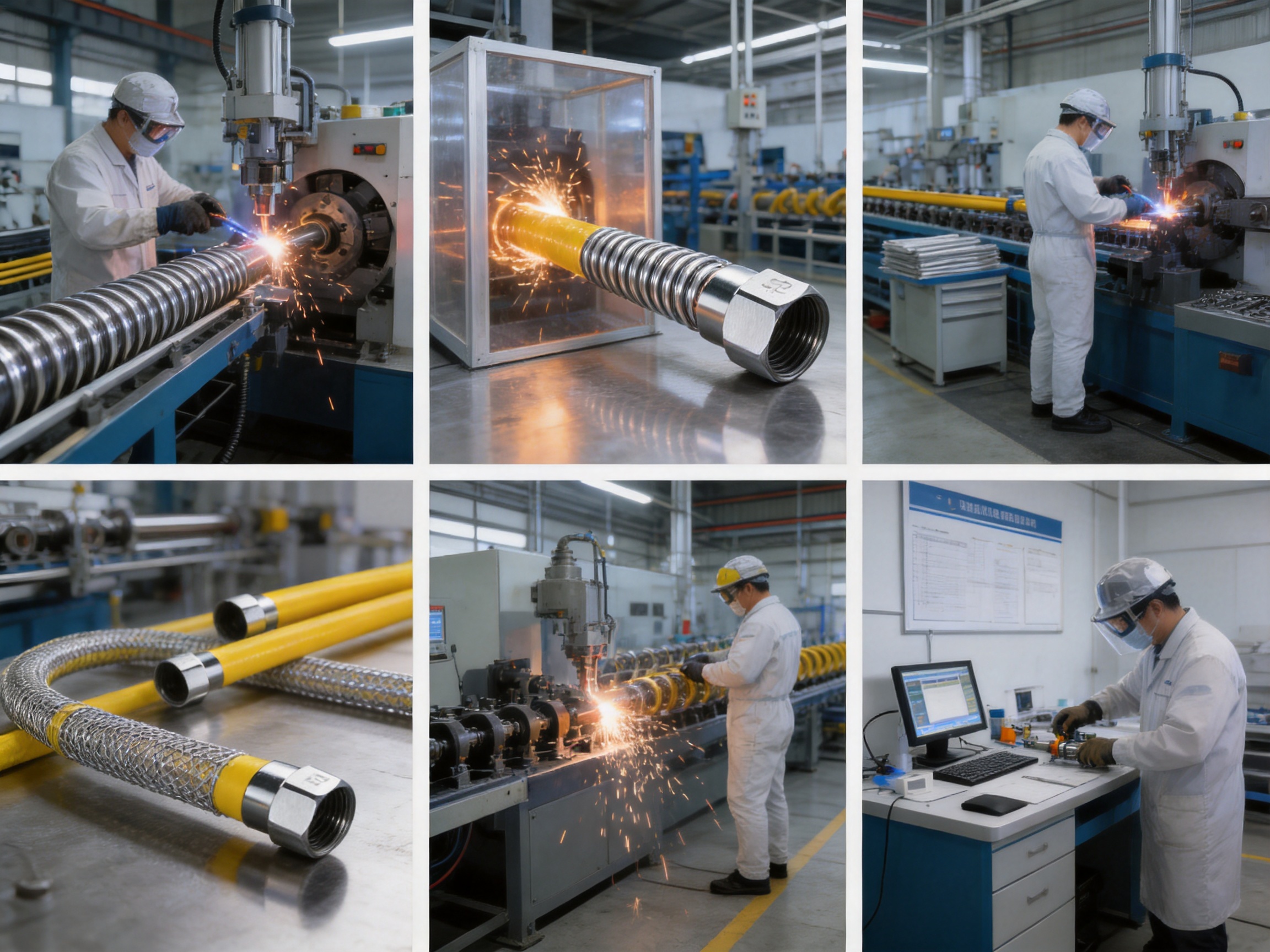
The quality of a corrugated gas hose depends heavily on manufacturing control. A product may contain the correct materials on paper but still perform poorly if forming, welding, assembly, or testing is inconsistent. Zhejiang Zhenlong Energy Equipment Technology Co., Ltd. combines research, development, manufacturing, and processing activities for energy equipment and related pipe products.
The company operates a factory covering approximately 40 acres, with a 30,000-square-meter factory building. Its production resources include 30 welding and forming production lines. This scale supports organized manufacturing of metal hoses, corrugated tubes, pipe fittings, plumbing products, valves, hardware, and related components.
The company also operates two uninterrupted solid melting hydrogen furnace production lines. Furnace capabilities can support controlled material processing and production requirements where thermal treatment or metal-related manufacturing processes are necessary. Stable thermal processing is important for achieving consistent material properties and repeatable product quality.
7.1 Material Control
Material control begins with selecting appropriate stainless steel and compatible components. For the ZLR-04, 304 stainless steel is specified for the bellows. Material identification, incoming inspection, storage conditions, and traceability all contribute to consistent production.
The company has testing equipment such as metal material analysis direct-reading spectrometers. This type of equipment can assist with verifying the composition of metal materials and distinguishing approved grades from unsuitable alternatives. Material analysis is particularly valuable for products where corrosion resistance, formability, weldability, and mechanical performance depend on the selected alloy.
7.2 Corrugation Forming
Forming the bellows requires controlled shaping of the stainless steel tube or strip into a consistent corrugated profile. The corrugation depth, pitch, wall condition, and dimensional accuracy affect flexibility and pressure behavior. Forming equipment must apply repeatable force without creating cracks, excessive thinning, wrinkles, or irregular geometry.
Production personnel should inspect the formed bellows for visual defects, dimensional variation, surface damage, and signs of incomplete forming. Consistency is important because a localized defect can become a stress concentration during bending or pressurization.
7.3 Welding and Joint Assembly
Welding is used to attach the corrugated body to flanges and other connection parts. The process must control alignment, heat input, penetration, cleanliness, and joint appearance. Excessive heat can distort thin metal components, while insufficient heat can create an incomplete or weak joint.
After welding, the joint area should be checked for visible cracks, pinholes, undercut, distortion, contamination, or other discontinuities. Depending on the intended application and governing standard, additional non-destructive or pressure-related inspections may be appropriate.
7.4 Mesh and Cover Installation
The stainless steel wire mesh must be positioned evenly around the bellows. An irregular or loose mesh can reduce reinforcement effectiveness, while excessive tension may restrict flexibility or damage the underlying component. The PVC cover must then be applied without cutting, tearing, or exposing the mesh unnecessarily.
Controlled assembly ensures that the different layers remain correctly positioned. The cover should not obstruct the end connections, interfere with gasket seating, or conceal defects that should have been corrected before final packaging.
7.5 Leak and Flow Tightness Testing
The company has flow tightness testing equipment. Tightness testing is a fundamental quality activity for gas hose assemblies because visual inspection alone cannot confirm gas sealing. Testing can help identify leakage at the bellows, welded joints, connection interfaces, or gasket locations.
The exact test medium, pressure, duration, acceptance criteria, and test sequence should be determined by the relevant product standard and customer specification. Professional testing records can support quality traceability and provide confidence to distributors and end users.
8. Quality Management and Certification Strengths
Zhejiang Zhenlong Energy Equipment Technology Co., Ltd. states that it strictly implements the ISO9000:2008 quality management system. A structured quality management approach helps define responsibilities, document procedures, control production stages, and manage corrective actions. For a safety-related product such as a gas hose, consistent process management is as important as the final visual appearance.
The company also holds a Special Equipment Manufacturing License for pressure pipelines issued by the People’s Republic of China and has EU CE certification testing reports. These credentials and reports indicate that the company has developed capabilities related to regulated pressure equipment and export-oriented product evaluation. Buyers should review the specific scope, validity, product model, and applicable testing basis for any certificate or report before using it for a particular project.
Membership in the China Urban Gas Association further connects the company with the professional gas infrastructure sector. Industry participation can support awareness of technical trends, installation requirements, safety expectations, and market needs.
A capable manufacturer should be evaluated through several factors rather than one certificate alone. Important considerations include material traceability, production equipment, welding competence, inspection procedures, pressure testing, packaging, technical support, and after-sales service. The company’s integrated industry-and-trade model allows it to coordinate manufacturing, product communication, customer requirements, and service support within one organization.
9. Application Areas
9.1 Residential Gas Appliances
The ZLR-04 can be used as a connection hose for suitable residential gas appliances when the hose specification, connection type, pressure rating, and local code requirements are compatible. Typical environments may include kitchens, utility areas, and other household locations where a fixed gas outlet must be connected to an appliance.
Residential installation requires special attention because gas appliances are often located in confined cabinets or near combustible materials. The hose should remain accessible for inspection and should not be hidden behind permanent construction unless local regulations expressly permit that arrangement.
9.2 Commercial Kitchens
Commercial kitchens commonly require flexible connections because appliances may need servicing, repositioning, or replacement. The reinforced construction and available lengths can help simplify connections to suitable gas cooking equipment. Commercial environments may expose hoses to more frequent movement, heat, grease, cleaning chemicals, and mechanical contact, so the installation must be carefully planned.
The hose should be routed away from direct flame, excessive radiant heat, sharp edges, and areas where carts or equipment can strike it. A separate appliance restraint or support system may be necessary so that the hose is not used to resist appliance movement.
9.3 Industrial and Energy Equipment
Industrial equipment often includes vibration, thermal movement, and alignment differences between fixed pipelines and machines. A corrugated metal hose can help accommodate these conditions when selected for the correct gas, pressure, temperature, and motion profile.
Industrial users should conduct a detailed engineering review before installation. The review should consider gas composition, operating pressure, temperature range, vibration frequency, bend radius, cycle count, connection loads, accessibility, and inspection intervals.
9.4 Pipeline and Appliance Integration
Manufacturers and system integrators may use the ZLR-04 as part of a broader gas appliance or pipeline assembly. The defined model, nominal size, outside diameter, materials, and length range make it easier to include the hose in a bill of materials and installation plan.
For original equipment applications, buyers may request additional technical information, packaging specifications, labeling, custom lengths, connection configurations, inspection records, and production documentation. The manufacturer’s research and development resources can support product adaptation where the requested design remains technically and legally appropriate.
10. Installation Principles
Installation should be performed by qualified personnel familiar with gas systems and the applicable local regulations. Before installation, verify that the hose model, size, length, connection type, gasket, and operating conditions match the system requirements.
Inspect the hose before use. The PVC cover should be free from cuts, deep abrasions, burns, and severe deformation. The mesh should not be exposed or significantly displaced. The corrugated body and end fittings should not show dents, cracks, corrosion, or other damage. Gaskets should be clean, correctly sized, and undamaged.
Route the hose using broad, smooth bends. Avoid sharp corners, twisting, loops that can catch on nearby objects, and contact with moving mechanisms. Do not stretch the hose to reach a connection. Do not allow the hose to carry the weight of an appliance or pipeline.
Keep the hose away from direct flame and excessive heat. If the hose passes near a hot surface, the installation should include suitable spacing or approved thermal protection. The PVC cover should not be exposed to conditions beyond its intended temperature range.
Tighten connections according to the applicable instructions. Over-tightening can damage threads, distort fittings, crush gaskets, or place excessive stress on the hose. Under-tightening can allow leakage. Thread sealants should only be used when compatible with the connection design and gas system.
After installation, perform an approved leak test. Never use an open flame to check for leaks. If a leak is detected, shut off the gas supply, ventilate the area safely, and correct the installation before operating the appliance.
11. Inspection, Maintenance, and Replacement
Routine inspection helps identify problems before they become serious. The inspection frequency should reflect the application, operating environment, local regulations, and manufacturer recommendations. Residential users should inspect visible sections periodically, while commercial and industrial operators may require documented inspection programs.
Look for cracked or discolored PVC, exposed wire mesh, crushed corrugations, corrosion, damaged fittings, gasket deterioration, abnormal movement, or signs of contact with sharp surfaces. Odor, hissing sounds, unexplained pressure loss, or appliance performance changes may indicate a gas-system problem and require immediate professional attention.
Do not repair a damaged corrugated gas hose with tape, adhesive, clamps, or makeshift sleeves. The hose is a pressure and gas-sealing component, and repairs that are not approved by the manufacturer can create hidden risks. Replace the complete assembly when damage, leakage, severe deformation, or end-of-life conditions are identified.
During appliance servicing, avoid pulling or twisting the hose. If the appliance must be moved, shut off the gas supply and use a qualified technician when disconnection is required. After reconnection, the system must be checked for leaks before returning to service.
12. Procurement Considerations for Distributors and Project Buyers
Purchasers should begin by defining the application. Important information includes the gas medium, nominal size, connection type, operating pressure, temperature, required length, installation environment, movement requirements, and applicable standards. A hose should not be selected solely by outside diameter or price.
For the ZLR-04, buyers can review the stated DN10 size, 16 mm outside diameter, 300 mm to 2,000 mm length range, 304 stainless steel bellows, stainless steel wire mesh, PVC cover, welded joints, and flat gasket arrangement. These details provide a useful starting point for technical comparison.
Documentation should be requested for larger projects. Depending on the application, this may include material information, inspection records, pressure or tightness test results, certificates, packaging details, installation instructions, and product identification. Buyers should also confirm whether the listed G1/2 connection description matches the actual mating fitting and regional terminology required for the project.
Packaging is another consideration. The hose should be protected from crushing, contamination, moisture, and unnecessary bending during transport. Product labels should identify the model, size, length, batch information, and other required data where applicable.
13. Why Manufacturing Integration Matters
An integrated manufacturer can coordinate design, material purchasing, forming, welding, assembly, testing, packaging, and customer support. This can reduce communication gaps that sometimes occur when each stage is handled by a different supplier.
For the ZLR-04, integrated production is valuable because performance depends on the relationship between the bellows, mesh, cover, joints, and gasket. A change in one component may affect the complete assembly. For example, a different bellows dimension can influence flexibility, while a different mesh structure can affect reinforcement and bending behavior. Welding parameters and end-fitting geometry must also be compatible with the bellows design.
The company’s combination of production lines, material analysis equipment, flow tightness testers, research and development personnel, and quality management practices supports a complete manufacturing process. This is especially useful for OEM and ODM customers that require recurring supply, product customization, private labeling, or technical coordination.
Manufacturing scale can also improve supply stability. Multiple welding and forming lines provide production capacity for different products and orders, while dedicated inspection resources help maintain consistency as volumes increase. Capacity alone does not guarantee quality, but capacity supported by process control can make procurement more reliable.
14. Environmental and Service-Life Considerations
Stainless steel corrugated gas hoses are durable components, but service life depends on the environment and installation quality. Moisture, salt, corrosive chemicals, high heat, mechanical abrasion, vibration, and repeated movement may affect the hose over time.
The 304 stainless steel bellows provide corrosion resistance suitable for many ordinary environments, but no stainless steel grade is immune to every chemical condition. Industrial buyers should evaluate the atmosphere and gas composition before approving the material. If the hose will be exposed to chlorides, acidic vapors, cleaning agents, or other aggressive substances, a specific compatibility review may be necessary.
The PVC cover can reduce external contact, but it should not be exposed to incompatible chemicals or excessive heat. Cleaning procedures should avoid solvents or chemicals that can degrade the cover. The hose should be kept free from accumulated grease, dust, and contaminants that could conceal damage.
Replacing a hose at an appropriate interval is an important preventive measure. The replacement schedule should follow the manufacturer’s instructions, local regulations, and the operating conditions. Even when no visible damage is present, a hose that has exceeded its approved service period should be evaluated or replaced according to the applicable requirements.
15. Technical Questions and Answers
Q1: What is the primary purpose of the ZLR-04?
The ZLR-04 is designed to connect gas appliances with gas pipeline systems. It provides a flexible, reinforced connection that can accommodate installation alignment and limited movement while supporting pressure resistance and leak prevention.
Q2: What material is used for the corrugated bellows?
The listed product information identifies the bellows as 304 stainless steel. This material provides a combination of formability, durability, strength, and corrosion resistance suitable for many gas connection applications.
Q3: Why does the hose include stainless steel wire mesh?
The stainless steel wire mesh reinforces the corrugated bellows. It helps improve pressure resistance, control deformation, and support anti-burst performance. It also provides additional mechanical protection beneath the PVC cover.
Q4: What does the PVC cover do?
The PVC cover protects the stainless steel mesh and bellows from incidental abrasion, dust, handling damage, and contact with nearby surfaces. It is an outer protective layer and should not be assumed to replace the metallic gas-sealing structure.
Q5: What is the listed size of the product?
The listed configuration is DN10, with an outside diameter of 16 mm. The product information also identifies a G1/2 connection description and a listed specification of RLB-ZH-S-10X1000. Connection details should be confirmed before ordering.
Q6: What lengths are available?
The stated length range is 300 mm to 2,000 mm. The correct length should reach the connection points without stretching, sharp bending, twisting, or excessive looping.
Q7: Can the hose be used for every gas application?
No. The hose must be selected according to the gas medium, pressure, temperature, connection type, local regulations, and applicable product approvals. Users should obtain technical confirmation for any application outside the stated design conditions.
Q8: Can the hose be installed near a flame?
The hose should not be exposed to direct flame or excessive heat. It must be routed at a safe distance from burners, hot exhaust surfaces, and other heat sources. The actual installation must comply with local gas and appliance requirements.
Q9: Can a damaged hose be repaired?
A damaged gas hose should not be repaired with tape, glue, clamps, or other improvised methods. The complete hose assembly should be inspected by qualified personnel and replaced when damage or leakage is found.
Q10: How should leakage be checked?
Leakage should be checked using an approved gas-system testing procedure. Open flames must never be used. Testing should cover the complete installation, including the hose, welded joints, gaskets, fittings, pipeline, and appliance connection.
Q11: What manufacturing resources support this product?
The manufacturer operates a factory with approximately 30,000 square meters of building space, 30 welding and forming production lines, two uninterrupted solid melting hydrogen furnace production lines, metal material analysis equipment, and flow tightness testing equipment.
Q12: Is the product suitable for OEM or ODM projects?
The manufacturer provides research, development, manufacturing, and processing services and identifies itself as an OEM and ODM supplier of metal hoses, corrugated hoses, and pipe fittings. Project buyers should discuss customized dimensions, connections, packaging, testing, labeling, and certification requirements in advance.
16. Conclusion
The Stainless Steel Corrugated Gas Hose with Strong Pressure Resistance ZLR-04 is designed as a reinforced gas appliance connection rather than a basic flexible tube. Its 304 stainless steel corrugated bellows provide the flexible metallic gas passage, while the stainless steel wire mesh strengthens the assembly and supports pressure resistance. The PVC cover adds external protection, precision-welded joints support structural integrity, and flat gaskets reinforce sealing at the connection interfaces.
The product’s listed DN10 size, 16 mm outside diameter, and 300 mm to 2,000 mm length range make it adaptable to a variety of appliance connection layouts. Its multi-layer structure offers practical advantages over simpler single-wall or inadequately protected flexible connections, provided that the hose is correctly selected, installed, inspected, and operated within its approved conditions.
The manufacturer’s production strengths include extensive welding and forming capacity, metal material analysis, flow tightness testing, furnace production resources, quality management practices, pressure-pipeline manufacturing credentials, and experience in energy equipment and pipe products. These capabilities are important because gas hose performance depends not only on raw materials but also on forming accuracy, welding quality, assembly control, sealing, and final testing.
For residential, commercial, industrial, and OEM applications, the ZLR-04 can provide a dependable connection solution when its technical specifications match the system requirements. Professional installation, correct gasket use, controlled routing, leak testing, and periodic inspection remain essential to achieving the intended safety and service performance.
References
1. Product specification information for the Stainless Steel Corrugated Gas Hose with Strong Pressure Resistance ZLR-04.
2. Manufacturer-provided technical information for 304 stainless steel corrugated bellows, stainless steel wire mesh, PVC covers, welded joints, and flat gaskets.
3. Manufacturer-provided information regarding welding and forming production lines, furnace production lines, material analysis, and flow tightness testing.
4. General principles for the selection, installation, inspection, and maintenance of flexible gas appliance connectors.
5. General quality management principles for pressure-containing metal hose assemblies.
6. General technical guidance for stainless steel material identification, welded joint inspection, gasket installation, and gas-system leak testing.
7. Manufacturer-provided company information concerning pressure-pipeline manufacturing licensing, CE certification testing reports, and quality management practices.