 English
 中文简体
 Español
 عربى


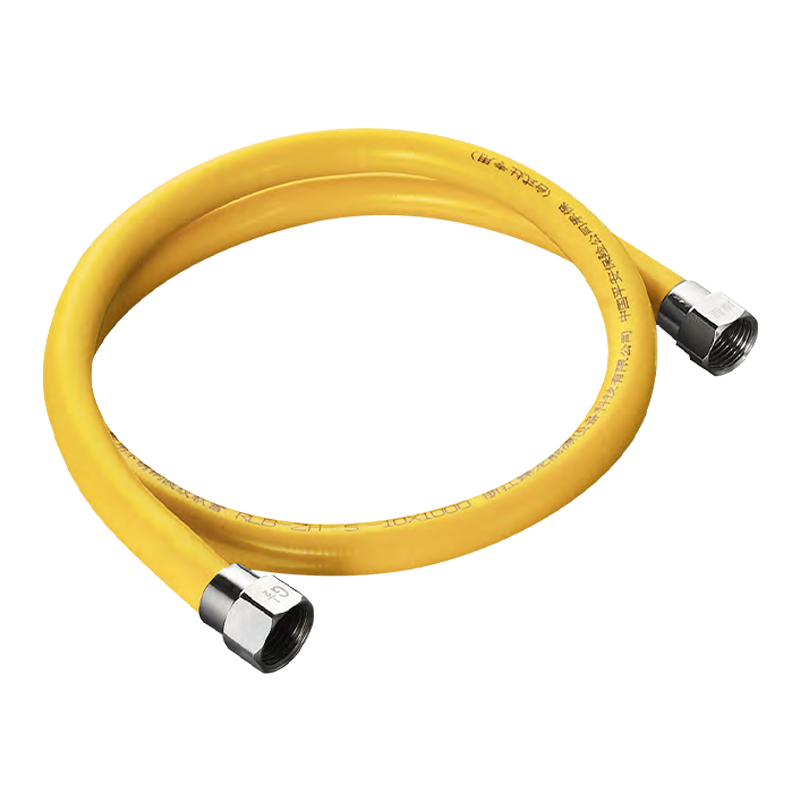
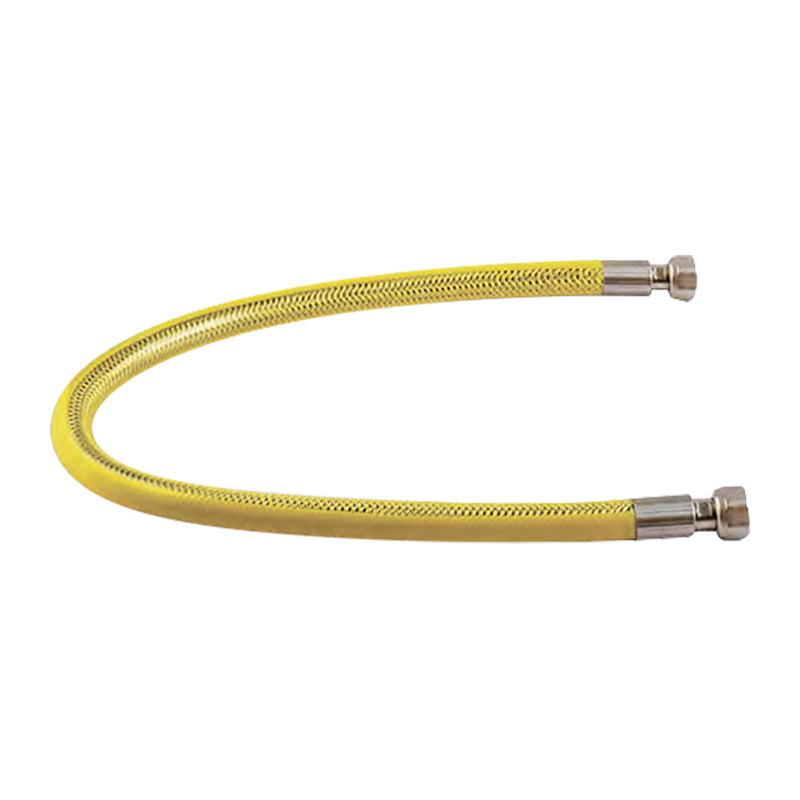
Gas appliance connections require more than simple flexibility. A suitable hose must withstand pressure, vibration, repeated movement, temperature changes, corrosion, and the mechanical stresses created during installation and daily use. It must also provide a dependable seal at both ends while remaining practical for manufacturers, installers, maintenance teams, and end users. The Stainless Steel Corrugated Braided Gas Hose ZLR-16 is designed to address these requirements through a combination of stainless steel corrugated tubing, reinforcing braid, polyethylene covering, threaded connectors, and sealing washers.
Developed for connecting gas appliances, the ZLR-16 belongs to the category of stainless steel corrugated tubes for gas appliance connections. Its construction combines the flexibility of a corrugated metal tube with the strength of a braided reinforcement layer. A PE outer covering adds another level of protection against abrasion, environmental exposure, and surface damage. Together, these elements create a compact and durable connection solution for applications in which rigid piping may be difficult to install or unable to absorb movement effectively.
The product is manufactured by Zhejiang Zhenlong Energy Equipment Technology Co., Ltd., a company focused on the research, development, manufacturing, and processing of energy equipment, metal hoses, natural gas pipelines, plumbing fittings, valves, sanitary ware, plastic products, and hardware. Its integrated industry-and-trade structure supports product development, production, quality control, and customer service within one organization.
This article examines the ZLR-16 in detail, including its construction, operating advantages, connection design, manufacturing capabilities, quality considerations, installation factors, and potential applications. It also explains why a corrugated and braided stainless steel hose can offer important benefits compared with less reinforced or less comprehensively protected alternatives.
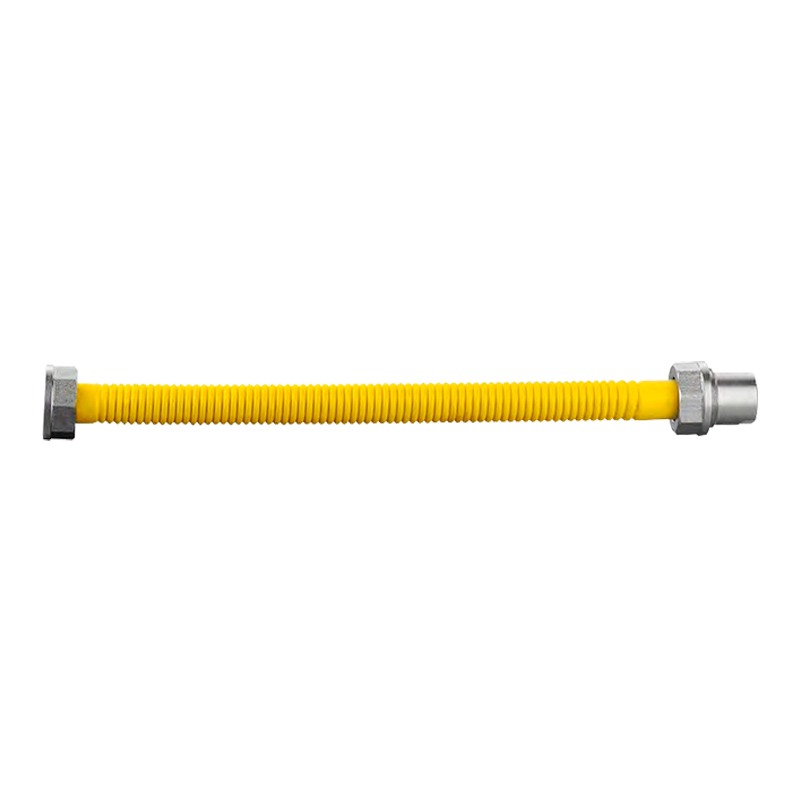
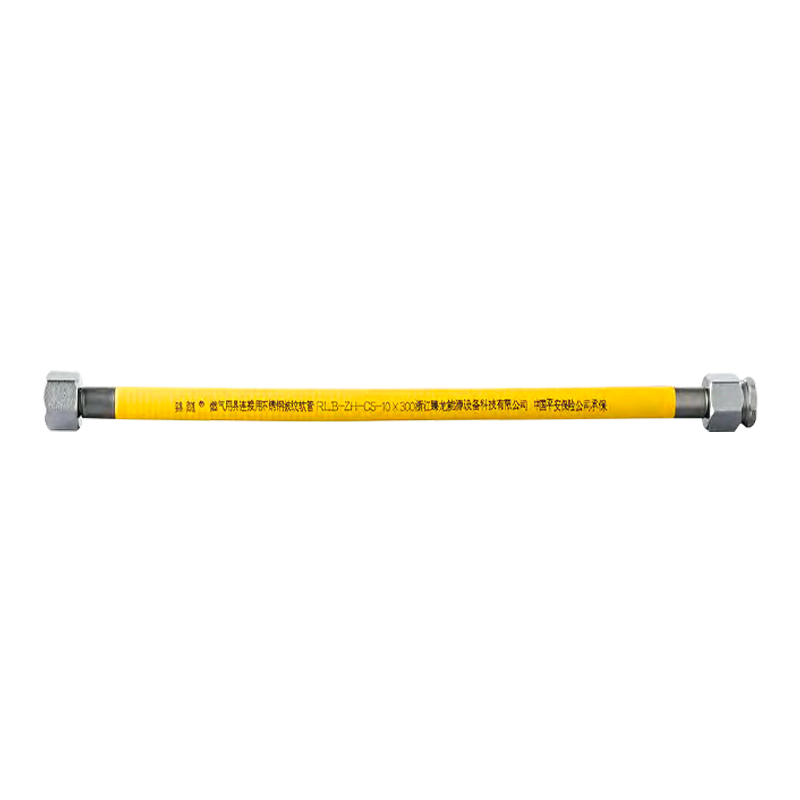
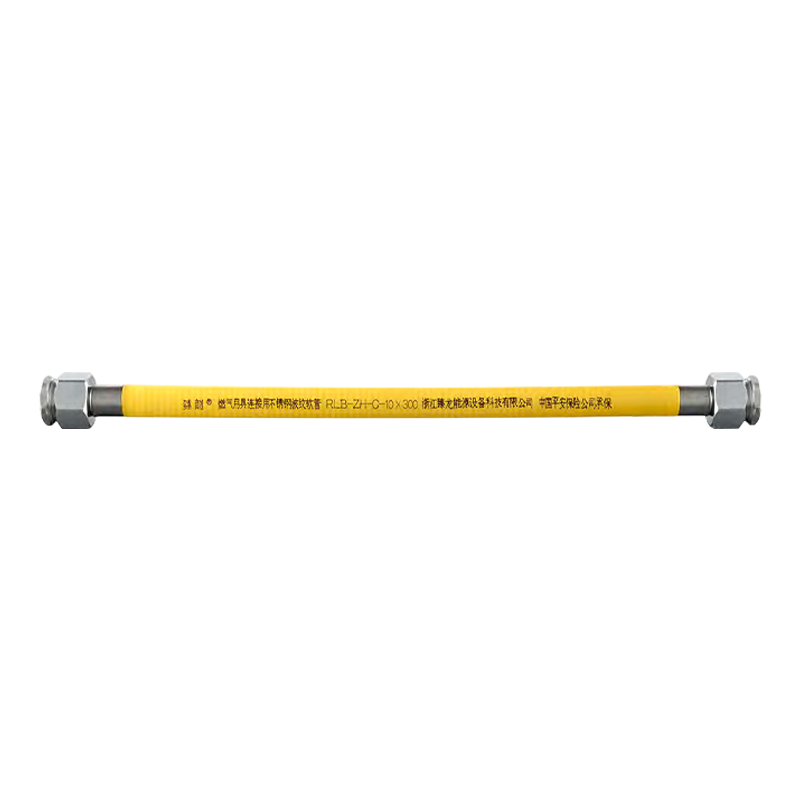
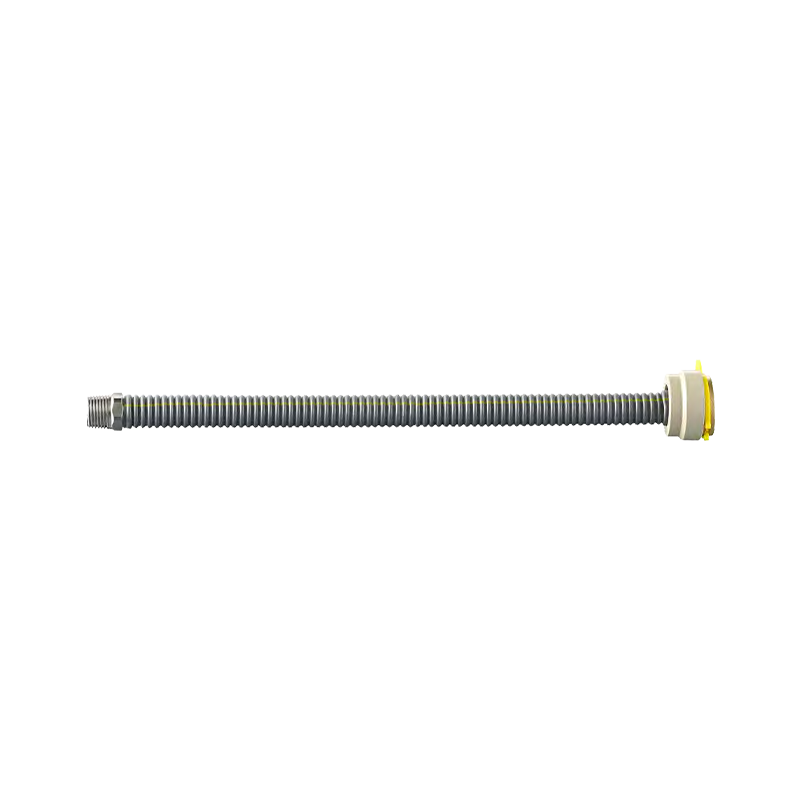
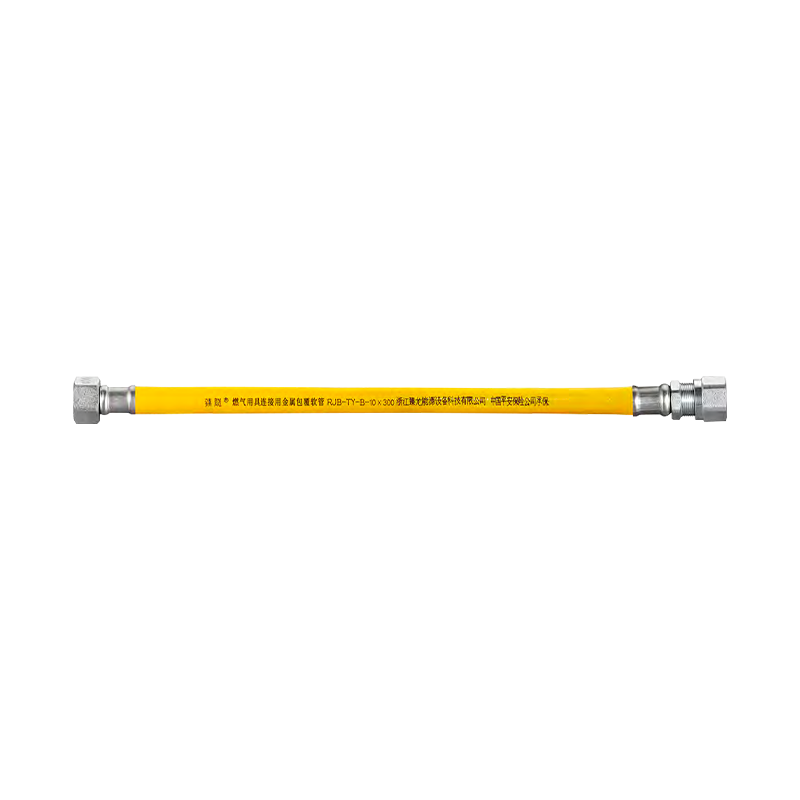
Stainless steel corrugated hose braided gas hose ZLR-16
Content
- 1 Product Overview
- 2 Construction of the ZLR-16
- 3 Main Advantages Compared with Conventional Alternatives
- 4 Performance in Gas Appliance Connections
- 5 Manufacturing Strengths and Production Capabilities
- 6 Production Process for a Corrugated Braided Hose
- 7 Installation and Handling Recommendations
- 8 Maintenance and Service Considerations
- 9 Applications and Purchasing Considerations
- 10 Why Manufacturing Integration Matters to Buyers
- 11 Quality Control Points for the ZLR-16
- 12 Frequently Asked Questions
- 12.1 What is the primary purpose of the ZLR-16?
- 12.2 What material is used for the corrugated bellows?
- 12.3 Does the hose include reinforcement?
- 12.4 What is the function of the PE covering?
- 12.5 What are the listed dimensions?
- 12.6 What type of connector is identified?
- 12.7 Why are washers or gaskets important?
- 12.8 Can the hose be bent sharply to fit a small space?
- 12.9 Can the ZLR-16 support every gas pressure and temperature?
- 12.10 What manufacturing capabilities support this product?
- 12.11 Does the manufacturer support customized products?
- 12.12 How should the hose be checked after installation?
- 13 Conclusion
- 14 References
- 15 Product: Stainless steel corrugated hose braided gas hose ZLR-16
Product Overview
The Stainless Steel Corrugated Hose Braided Gas Hose ZLR-16 is intended primarily for the connection of gas appliances. It uses a stainless steel spiral corrugated bellows as the main flexible pressure-containing element. The corrugations allow the tube to bend within its designed limits, helping installers route the connection around obstacles and align the appliance with the supply line without relying on excessive force.
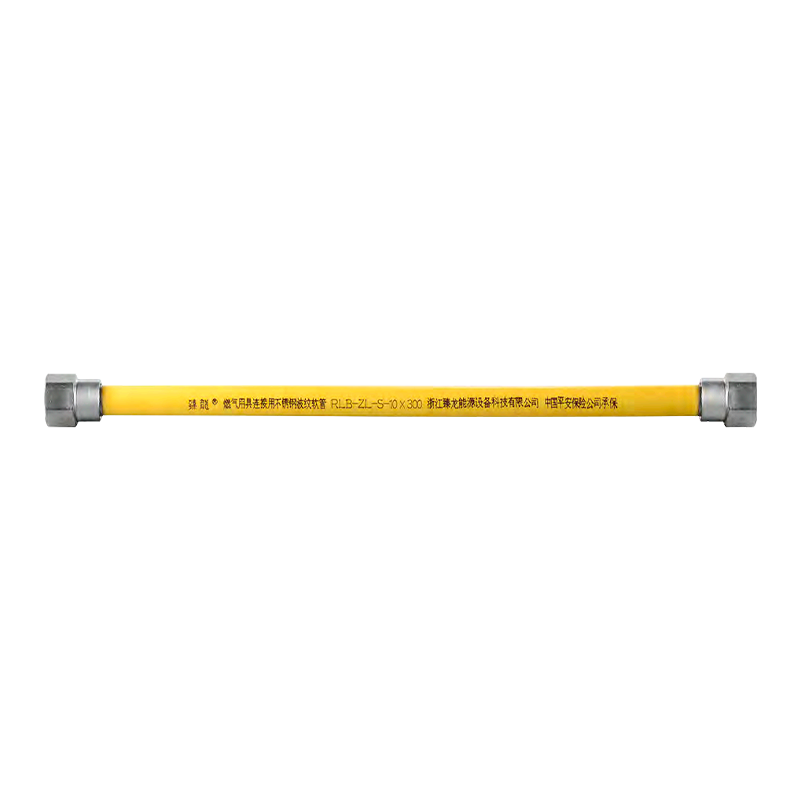
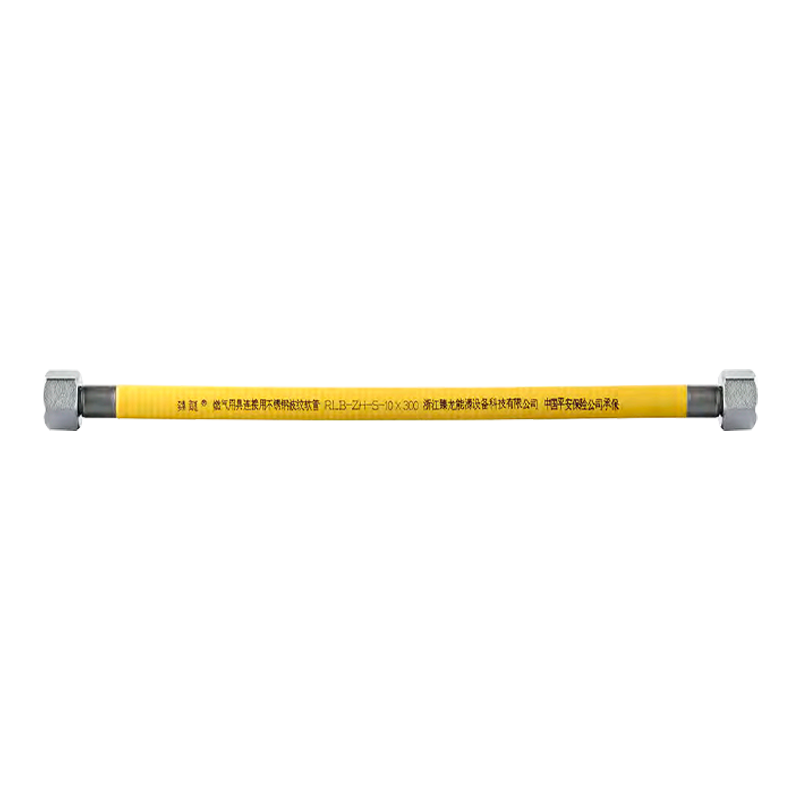
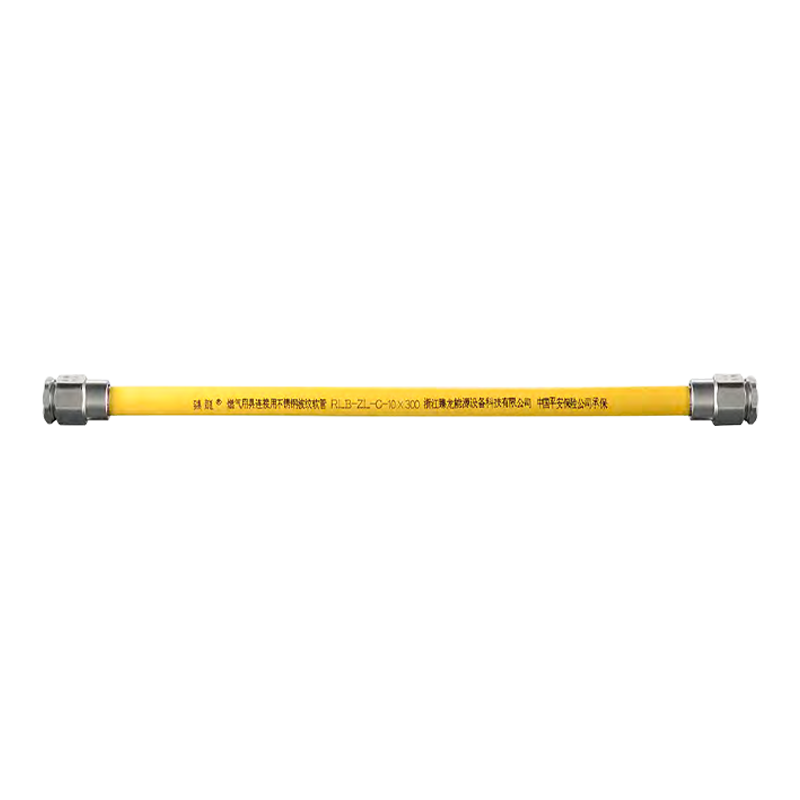
The model information identifies the basic size as DN15. The listed outside diameter is 20 mm, while the listed inside diameter is 18 mm. The standard length range provided for this product is 30 cm to 60 cm. The product description identifies a female threaded gauge tube connector with an M30 x 2 thread, an adapter, a gasket, an SS304 stainless steel spiral bellows, and a PE covering.
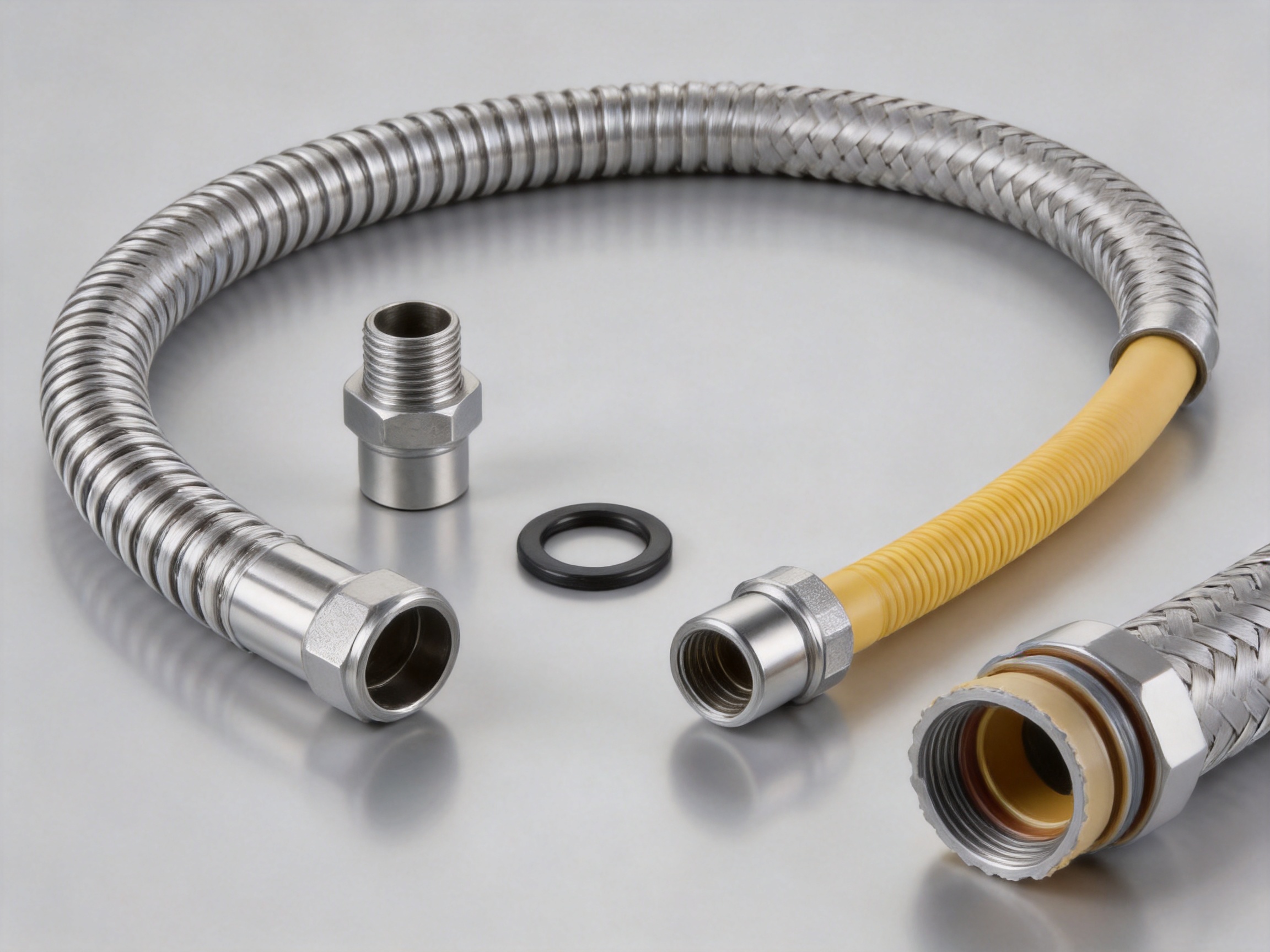
These components are arranged to support a practical connection sequence. The stainless steel bellows provides the flexible metallic passage. The external braid reinforces the structure and helps limit unwanted deformation. The PE covering protects the exterior surface. The end connector and adapter provide compatibility with the intended appliance or supply connection, while the gasket or washer supports sealing at the joint.
| Item | Specification | Available Information |
| Product model | ZLR-16 | Stainless steel corrugated braided gas hose |
| Application category | Connection tubing | Stainless steel corrugated tubes for connecting gas appliances |
| Nominal size | DN | DN15 |
| Outside diameter | OD | 20 mm |
| Inside diameter | ID | 18 mm |
| Standard length range | Overall hose length | 30 cm to 60 cm |
| Main bellows material | Metal construction | SS304 stainless steel |
| Outer protection | Covering material | Polyethylene, or PE |
| Connection component | Threaded connector | M30 x 2 female threaded gauge tube connector |
| Sealing component | Joint sealing | Gasket or washer |
The supplied specification also references DN32, DN40, and DN50 in the remarks field. Because these sizes may relate to additional product configurations, adapters, or a broader product range rather than the standard DN15 ZLR-16 configuration, purchasers should confirm the required diameter, thread, end fitting, and length before ordering.
Construction of the ZLR-16
SS304 Stainless Steel Corrugated Bellows
The core of the hose is an SS304 stainless steel spiral corrugated bellows. Stainless steel is widely selected for metal hose construction because it offers a useful balance of corrosion resistance, strength, formability, and durability. The corrugated profile increases flexibility by allowing controlled movement along the hose axis and through gentle bends.
Unlike a plain rigid tube, a corrugated tube can accommodate routing changes and limited movement without requiring a large number of elbows or rigid fittings. This is valuable when an appliance must be positioned near a wall, cabinet, countertop, or other fixed structure. The flexible profile also helps reduce the installation stress that can occur when a rigid pipe is forced into alignment.
The bellows must nevertheless be handled as an engineered pressure component rather than as an ordinary flexible tube. Bending should remain within the manufacturer’s recommended limits, and the hose should not be twisted around its axis. Correct installation preserves the shape of the corrugations and helps maintain consistent flow and sealing performance.
Braided Reinforcement
The braided layer surrounds the corrugated tube and provides mechanical reinforcement. Braiding distributes external forces over a larger area and helps limit the amount of expansion or deformation that could occur when the hose is exposed to internal pressure. It can also improve resistance to pulling forces, vibration, and accidental contact during installation.
A corrugated hose without reinforcement may still be flexible, but its pressure resistance and dimensional stability can be more limited depending on the design. The ZLR-16’s braided structure provides an additional protective barrier and strengthens the assembly without eliminating the flexibility that makes a metal hose useful.
The braid is particularly valuable in locations where the hose may experience minor vibration from appliances, pressure fluctuations within the system, or incidental contact with nearby components. It does not make the hose immune to misuse, sharp bending, crushing, or abrasion, but it improves the assembly’s ability to withstand normal service conditions when correctly installed.
PE Outer Covering
The external polyethylene covering adds protection to the metallic hose assembly. PE is commonly used as a protective material because it is lightweight, electrically insulating, and resistant to many forms of ordinary environmental wear. In the ZLR-16, the covering helps protect the hose surface from abrasion, dirt, moisture, and incidental contact with surrounding surfaces.
A covered hose can be easier to handle during installation because the outer layer reduces direct contact between the metal braid and adjacent components. The covering can also contribute to a cleaner appearance, which is useful in visible appliance installations. Its insulation properties may provide an additional barrier against incidental electrical contact, although the hose should never be treated as a substitute for a dedicated electrical safety system.
The PE covering should be inspected for cuts, deep scratches, melting, or other damage. If the product is installed in an environment with unusual chemical exposure, high temperatures, direct flame, ultraviolet radiation, or other severe conditions, compatibility should be confirmed before use.
Connectors, Adapters, and Washers
The ZLR-16 includes connection hardware designed to create a secure transition between the hose and the connected appliance or pipeline. The listed construction includes an M30 x 2 female threaded gauge tube connector, an adapter, and a gasket. These parts support alignment and sealing at the end of the hose.
The washer or gasket is an important part of the joint. A metal hose may be structurally strong, but a connection can still leak if the sealing surface is damaged, contaminated, incorrectly aligned, or tightened improperly. The gasket fills small surface irregularities and helps prevent gas from escaping through microscopic gaps between mating surfaces.
Washers also help stabilize the connection. By providing a defined sealing interface, they can reduce direct friction between mating components and help maintain the joint under ordinary vibration and pressure changes. The washer must match the connection design and should be replaced if it has been compressed, damaged, contaminated, or removed during maintenance.
Main Advantages Compared with Conventional Alternatives
Greater Flexibility than Rigid Pipe Connections
Rigid pipe systems can provide excellent long-term stability, but they require accurate measurement, careful alignment, and sufficient space for fittings. Every change in direction may require an elbow, union, or additional connection. In a confined appliance installation, these requirements can increase labor and create more potential leakage points.
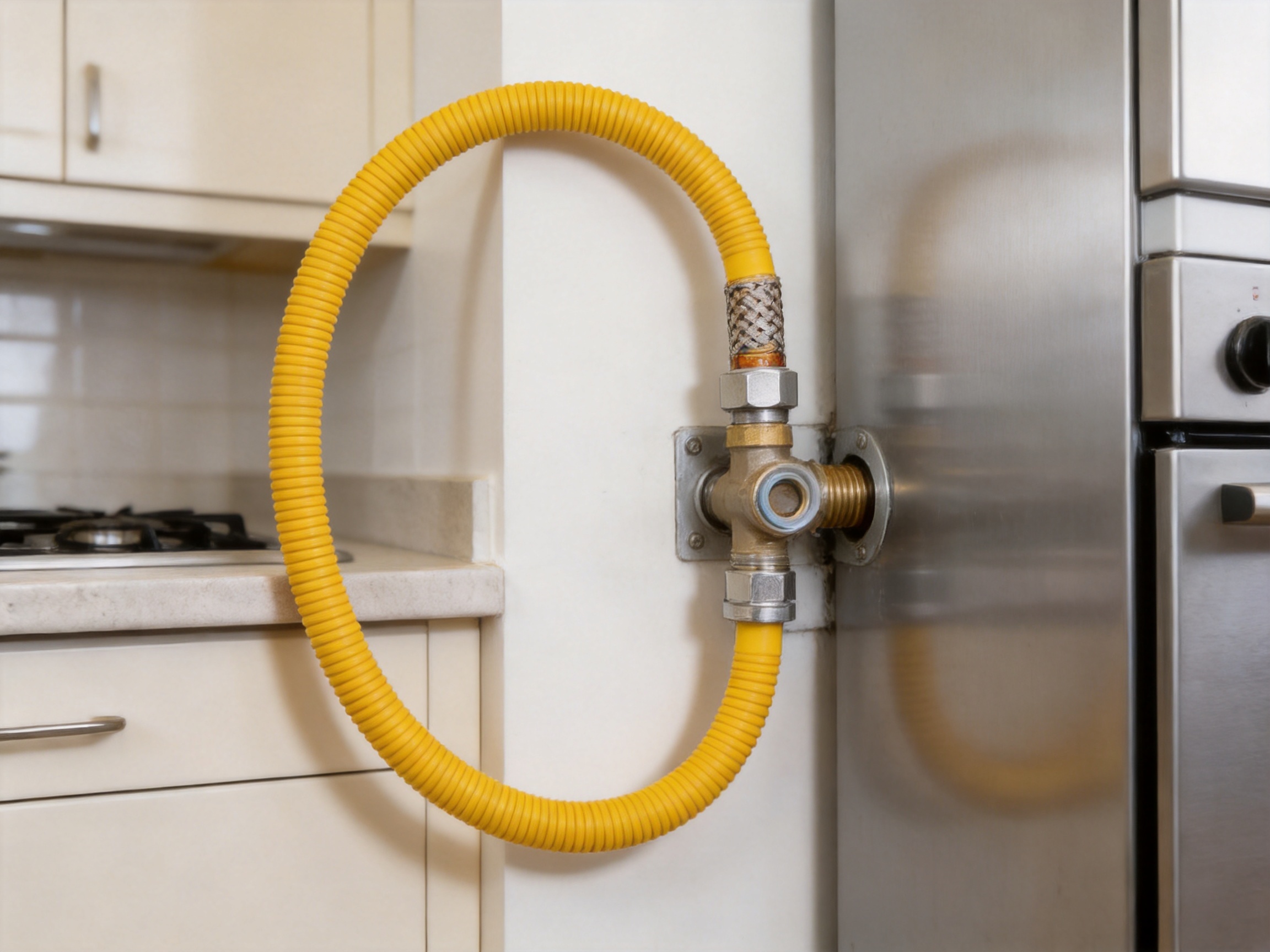
The ZLR-16 offers a flexible alternative for the final connection to a gas appliance. Its corrugated structure allows the hose to follow a practical route while reducing the need for multiple rigid directional fittings. This can simplify installation and make it easier to accommodate small changes in appliance position.
Flexibility is especially useful in kitchens, utility rooms, equipment cabinets, and other locations where the supply point and appliance inlet are not perfectly aligned. The installer can form a suitable route while keeping the hose away from sharp edges, heat sources, moving parts, and areas where it could be crushed.
More Reinforcement than an Unbraided Flexible Tube
The external braid gives the ZLR-16 a structural advantage over many basic unbraided flexible tubes. It helps control the movement of the corrugated wall and improves resistance to pressure-related deformation. This reinforcement is useful when the hose must tolerate ordinary vibration or minor mechanical contact.
A braided design can also improve the perceived stability of the assembly during installation. The hose remains flexible, but it is less likely to behave like a thin unsupported tube. This balance between flexibility and reinforcement is one of the product’s key performance characteristics.
Improved Surface Protection through PE Covering
Uncovered metallic hose may be more exposed to scratches, dirt, moisture, and contact with other components. The PE outer covering helps protect the underlying braid and bellows from common environmental effects. It also provides a smoother exterior surface that can be easier to clean and inspect.
The covering gives the product a more finished appearance for visible installations. This can be an advantage where the hose is located behind or beside a household appliance and remains partially visible to the user.
Corrosion Resistance of Stainless Steel
SS304 stainless steel provides resistance to many common atmospheric and service-related corrosion conditions. This is an important advantage over ordinary unprotected carbon steel, especially in kitchens, utility spaces, and areas where condensation or occasional moisture may occur.
Corrosion resistance does not mean that the hose can be exposed indefinitely to every chemical or environmental condition. Chloride-rich environments, aggressive cleaning agents, strong acids, high-temperature deposits, and other unusual exposures may affect stainless steel or the covering. Product selection should therefore consider the actual installation environment.
Integrated Sealing Components
The inclusion of gaskets or washers supports a more complete connection solution. Instead of treating the hose as a bare tube that requires separate sealing materials, the assembly incorporates components intended to work together at the joint.
This can reduce installation uncertainty, provided the installer uses the correct washer, checks the threaded connection, and follows the applicable installation procedure. Integrated components also make it easier to define the expected connection structure during purchasing and quality inspection.
Compact Length Options
The listed standard length range of 30 cm to 60 cm is suitable for many appliance connection layouts. Short, preselected lengths can reduce unnecessary coiling behind the appliance and help prevent excess hose from being trapped in a cabinet or pressed against a wall.
Correct length selection is important. A hose that is too short may be pulled tight, while a hose that is too long may form unnecessary loops or come into contact with hot surfaces and moving equipment. The available length range provides practical flexibility, but the final selection should be based on the measured installation route rather than convenience alone.
Performance in Gas Appliance Connections
In a gas appliance connection, the hose must perform several functions simultaneously. It must convey the gas through a controlled internal passage, resist the pressure generated by the system, remain sealed at the ends, tolerate limited movement, and withstand the surrounding environment. The ZLR-16 addresses these functions through a layered construction rather than relying on a single material.
The SS304 corrugated bellows provides the primary metallic passage. Its corrugations allow controlled bending, while the braid helps support the hose under pressure and mechanical stress. The PE covering protects the outside. The connectors and gaskets complete the connection interface.
This layered design is beneficial because each component has a distinct role. The bellows is not expected to provide all mechanical strength by itself. The braid is not expected to provide the gas seal at the threaded joint. The PE covering is not expected to contain pressure. By assigning different responsibilities to different parts, the assembly can achieve a more balanced combination of flexibility, strength, protection, and sealing.
For safe operation, the hose must be used only within its intended service conditions. The product description identifies it for connecting gas appliances, but exact gas type, operating pressure, temperature range, certification requirements, and regional installation rules should be verified for every project. Technical suitability must be confirmed before the hose is connected to a specific gas system.
Manufacturing Strengths and Production Capabilities
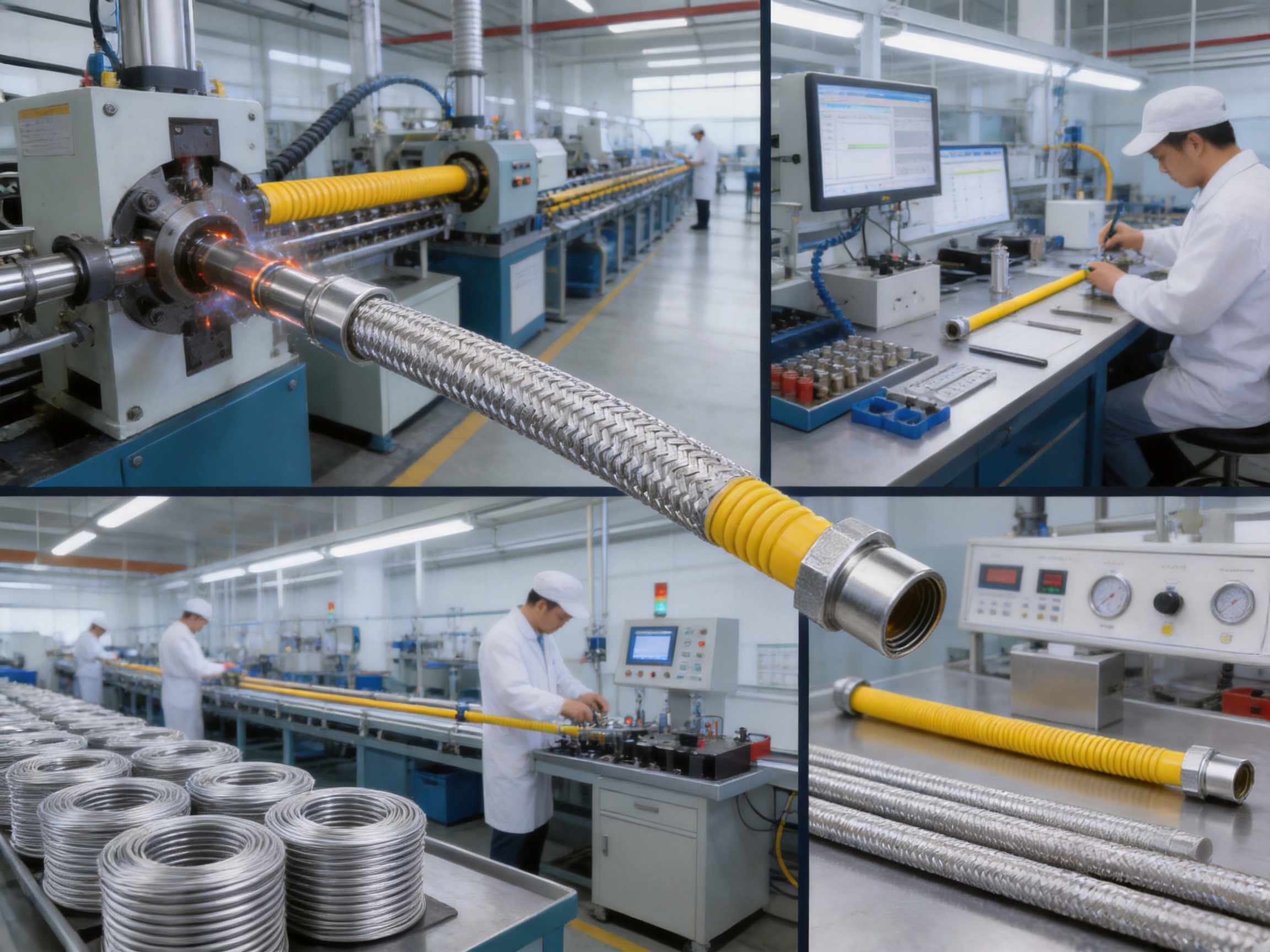
The manufacturer operates an integrated business covering research and development, manufacturing, processing, and trade. This structure can support better coordination between product design, production scheduling, customer communication, and after-sales service. For buyers requiring repeated orders or customized configurations, direct access to the manufacturing organization can simplify technical discussions.
Large-Scale Production Facility
The company is located in Yuyao, Ningbo, Zhejiang, and operates a facility covering approximately 40 acres with a factory building of about 30,000 square meters. A substantial production site provides room for forming, welding, assembly, inspection, storage, and order fulfillment activities.
For a product such as the ZLR-16, manufacturing capacity matters because consistent quality depends on repeatable processes. Corrugation geometry, braid placement, connector assembly, washer positioning, and covering quality must remain stable from one production batch to the next. An organized factory environment can help separate these operations into controlled stages.
Multiple Welding and Forming Lines
The company has 30 welding and forming production lines. Welding and forming are central technologies for metal hose and pipe fitting production. Forming determines the geometry of the corrugated bellows, while welding supports the fabrication and joining of metallic components where required.
A broad production-line base can provide several advantages. It may support higher output, improve scheduling flexibility, allow different specifications to be processed simultaneously, and reduce dependence on a single production line. It can also help the manufacturer respond to orders requiring different hose sizes, end connections, lengths, or related fitting configurations.
For corrugated hose production, forming quality is especially important. The corrugations need consistent spacing, depth, and shape so that the hose bends predictably and maintains its intended mechanical performance. Process control at this stage contributes directly to product consistency.
Hydrogen Furnace Resources
The company also operates two uninterrupted solid melting hydrogen furnace production lines. Furnace technology supports the processing and melting of metallic materials and can contribute to controlled material preparation for suitable product applications.
Consistent thermal processing is important in metal manufacturing because variations in material condition can influence forming behavior, weldability, strength, and surface quality. The availability of dedicated furnace lines demonstrates the company’s investment in upstream manufacturing capability rather than relying exclusively on external processing.
Material selection remains essential. The ZLR-16 specification identifies SS304 stainless steel for the spiral bellows. Buyers should ensure that the material grade, component traceability, and any project-specific documentation are confirmed when required for regulated or critical applications.
Testing and Inspection Equipment
The company’s listed testing resources include direct-reading spectrometers for metal material analysis and flow tightness testers. These capabilities are relevant to the production of metal hoses and pipe fittings.
A direct-reading spectrometer can be used to analyze the composition of metallic materials. Material analysis helps verify whether incoming or processed metal corresponds to the required grade. For a stainless steel hose, material verification supports confidence that the component has been produced from the specified stainless steel rather than an unsuitable substitute.
Flow tightness testing is directly related to leakage prevention. A hose assembly may appear visually acceptable but still contain a small leak caused by an imperfect weld, damaged corrugation, misaligned connector, or defective gasket interface. Tightness testing provides a practical method of identifying leakage problems before products leave the factory.
Testing should be conducted according to suitable internal procedures and applicable standards. The exact test pressure, medium, duration, acceptance criteria, and sampling method should be documented for the relevant product and market.
Quality Management and Compliance Experience
The company states that it implements the ISO9000:2008 quality management system. It also reports holding a Special Equipment Manufacturing License for pressure pipelines in the People’s Republic of China and EU CE certification testing reports. In addition, it is identified as a member of the China Urban Gas Association.
These qualifications and industry affiliations indicate experience with controlled manufacturing and gas-related equipment. However, certifications and regulatory documents can apply to particular products, factories, or configurations. Buyers should request current documentation and confirm that it covers the exact ZLR-16 version, end fittings, material specification, and intended market.
A reliable quality system should cover more than final inspection. It should address supplier control, incoming material verification, production process control, equipment maintenance, identification and traceability, nonconforming product management, final testing, packaging, and customer feedback. These controls help turn manufacturing capability into consistent field performance.
Production Process for a Corrugated Braided Hose
The precise production sequence may vary according to the selected configuration, but a corrugated braided hose generally requires several coordinated manufacturing stages.
Material Preparation
Production begins with the preparation and verification of stainless steel and other required materials. The metal should be inspected for dimensions, surface condition, and grade. When material analysis is required, spectrometric testing can support confirmation of the alloy composition.
Corrugation and Forming
The stainless steel tube is formed into a spiral or annular corrugated profile. The forming operation creates the flexible bellows geometry. Dimensional control at this stage is essential because uneven corrugation depth or spacing can affect bending behavior, pressure performance, and the connection between the bellows and the end fittings.
Welding and End Preparation
Depending on the assembly design, welding may be used to join components, prepare end sections, or connect the bellows to fitting elements. Weld quality must be controlled to prevent porosity, incomplete fusion, cracking, or other defects that could compromise tightness or strength.
Braiding
A metallic braid is applied around the corrugated bellows. The braid angle, coverage, tension, and placement influence the mechanical behavior of the finished hose. Properly controlled braiding helps reinforce the assembly while allowing the required flexibility.
Connector and Adapter Assembly
The specified connector, adapter, and related components are installed at the hose ends. Thread quality, dimensional compatibility, alignment, and locking or securing methods must be checked. The M30 x 2 female threaded connector listed for the ZLR-16 should be matched with the appropriate mating component.
PE Covering
The polyethylene covering is applied over the external structure. The covering should be continuous and free from defects that could expose the braid unnecessarily. Particular attention should be paid to transitions near the fittings, where the covering may need to terminate cleanly without interfering with the connection or gasket.
Sealing and Final Testing
Washers or gaskets are installed as specified, and the completed hose is inspected for appearance, dimensions, connection quality, and surface damage. Flow tightness testing can then be used to identify leakage. Products that meet the required criteria can be packaged for shipment with the appropriate identification and documentation.
Installation and Handling Recommendations
Although the ZLR-16 is designed for practical installation, correct handling is essential to preserve its performance. The hose should be routed using smooth bends and should never be folded sharply. Excessive bending can permanently deform the corrugations, reduce the internal passage, damage the braid, or place stress on the end connections.
The hose should not be twisted while the threaded connectors are being tightened. A connector should be held with the appropriate tool while the mating component is tightened according to the applicable procedure. Twisting the entire hose can transfer torsional stress into the bellows and braid.
The selected length should allow the hose to connect naturally without being stretched, compressed, or forced into a tight loop. The hose should not carry the weight of the appliance, and it should not be used as a structural support. Appliances should remain properly supported by their own mounting or positioning arrangements.
Installers should keep the hose away from direct flame, high-temperature surfaces, sharp edges, moving components, and locations where it may be crushed by doors, drawers, cabinets, or the appliance itself. Contact with incompatible chemicals, solvents, or aggressive cleaning materials should be avoided unless compatibility has been verified.
Before commissioning, the complete connection should be inspected and tested according to local gas safety requirements. Leak detection must be performed with an approved method. Open flames should never be used to search for leaks. If any leakage, damage, abnormal odor, or deformation is observed, the gas supply should be isolated and the installation inspected by a qualified professional.
Maintenance and Service Considerations
Routine inspection can help identify problems before they develop into a safety issue. The PE covering should be checked for cuts, melting, excessive abrasion, or discoloration. The exposed ends and connection areas should be inspected for corrosion, deformation, looseness, or signs of leakage.
The hose should also be checked for unusual kinks, crushed sections, stretched areas, or permanent twisting. A corrugated hose that no longer follows its intended shape may have been subjected to excessive mechanical stress. Such a hose should not be returned to service without professional evaluation.
Gaskets and washers are consumable sealing components in many connection systems. They should be replaced when recommended by the applicable maintenance procedure or whenever the connection is disassembled and the original seal is no longer suitable. Reusing a damaged or permanently compressed washer can compromise joint tightness.
Cleaning should be performed with materials compatible with PE, stainless steel, and the fitting components. Harsh chemicals and abrasive tools may damage the covering or surface finish. If the installation is exposed to unusual moisture, salt, industrial chemicals, or high temperatures, inspection intervals may need to be shortened.
Applications and Purchasing Considerations
The ZLR-16 is primarily intended for gas appliance connections. Its compact dimensions and flexible construction make it suitable for applications where a short connection is required between a gas supply point and an appliance inlet. Potential installation environments may include residential kitchens, commercial food preparation areas, utility spaces, equipment cabinets, and other approved locations.
Before purchasing, the buyer should confirm the gas type, working pressure, operating temperature, required length, nominal size, internal and external diameter, thread specification, fitting orientation, gasket type, and applicable regulatory requirements. The listed DN15, 20 mm outside diameter, and 18 mm inside diameter should be checked against the actual system design.
Buyers should also clarify whether the required product needs a particular braid material, PE color, connector configuration, certification marking, packaging format, or private-label specification. The manufacturer’s integrated production capabilities may support discussions concerning customized lengths, fittings, or related pipe products, subject to technical review and minimum order requirements.
For projects involving unusual pressures, high temperatures, corrosive atmospheres, buried installation, continuous movement, or safety-critical equipment, a detailed engineering assessment should be completed. A flexible gas hose should not be selected solely because its dimensions appear compatible.
Why Manufacturing Integration Matters to Buyers
Manufacturing integration can provide benefits that are difficult to obtain from a purely trading-based supply chain. When design, forming, welding, braiding, covering, fitting assembly, and testing are managed within an established production organization, technical feedback can move more quickly between departments.
This can be particularly valuable when a customer needs a modified connector, a different hose length, a special packaging requirement, or documentation for a particular market. Engineers and production teams can evaluate whether the requested change affects corrugation, braid coverage, end fitting strength, sealing, or test requirements.
Integrated production may also improve accountability. If a quality issue occurs, the manufacturer can investigate material records, production parameters, inspection results, and final testing data through a more connected internal system. This does not eliminate the need for customer inspection, but it can support more effective corrective action.
The company’s factory scale, numerous welding and forming lines, furnace resources, material analysis equipment, and tightness testing capability provide a foundation for serving both standard and customized product requirements. These strengths are relevant to buyers seeking a long-term supplier rather than a one-time source of generic hose assemblies.
Quality Control Points for the ZLR-16
Several quality checkpoints are especially important for this product:
First, the stainless steel grade should correspond to the specified SS304 material. Material identification supports corrosion resistance and ensures that forming and welding processes are based on the expected alloy characteristics.
Second, the corrugated bellows should have consistent geometry. Uneven or damaged corrugations can affect flexibility, pressure behavior, and fatigue resistance.
Third, the braid should be continuous, correctly positioned, and free from broken wires or severe deformation. The braid must reinforce the bellows without cutting into the underlying metal.
Fourth, the PE covering should be complete and properly finished around the assembly. It should not show deep cuts, exposed braid, melting, or poor adhesion where covering protection is required.
Fifth, threaded connectors and adapters should be dimensionally correct and clean. Thread damage, contamination, or misalignment can prevent proper tightening and sealing.
Sixth, gaskets or washers should be suitable for the joint and free from visible defects. Their material and dimensions should correspond to the connection design.
Finally, the completed hose should pass the required tightness and visual inspections. Testing should be documented according to the manufacturer’s quality procedures and the requirements of the destination market.
Frequently Asked Questions
What is the primary purpose of the ZLR-16?
The ZLR-16 is designed primarily as a flexible connection hose for gas appliances. It connects an appliance to an approved gas supply connection while allowing limited routing flexibility.
What material is used for the corrugated bellows?
The listed bellows material is SS304 stainless steel. The stainless steel forms the main corrugated metallic passage of the hose.
Does the hose include reinforcement?
Yes. The product is described as a braided gas hose. The external braided layer reinforces the corrugated bellows and helps improve resistance to pressure-related deformation and mechanical stress.
What is the function of the PE covering?
The PE covering protects the exterior from ordinary abrasion, environmental wear, dirt, and incidental contact. It also provides insulation properties and a clean outer appearance. It should not be considered a replacement for correct installation or for protection against every possible chemical or temperature condition.
What are the listed dimensions?
The supplied information identifies the product as DN15, with a listed outside diameter of 20 mm and inside diameter of 18 mm. The listed length range is 30 cm to 60 cm. Dimensions and fitting details should be confirmed before ordering.
What type of connector is identified?
The product description lists an M30 x 2 female threaded gauge tube connector, together with an adapter and gasket. The exact mating connection should be checked against the appliance and supply-side specifications.
Why are washers or gaskets important?
Washers and gaskets help seal the joint between mating components. They reduce the possibility of leakage through small gaps and support joint stability. A correct gasket must be used, and damaged or compressed sealing components should be replaced.
Can the hose be bent sharply to fit a small space?
No. The hose should be routed with smooth bends within the manufacturer’s permitted bending limits. Sharp bending, crushing, or twisting may damage the corrugations, braid, covering, or end connections.
Can the ZLR-16 support every gas pressure and temperature?
No product should be assumed to support every pressure or temperature condition. The operating pressure, gas type, temperature range, certification, and installation environment must be confirmed for the specific application and market.
What manufacturing capabilities support this product?
The manufacturer reports 30 welding and forming production lines, two uninterrupted solid melting hydrogen furnace production lines, metal material analysis spectrometers, and flow tightness testing equipment. These resources support material verification, forming, joining, production capacity, and leakage inspection.
Does the manufacturer support customized products?
The company is engaged in research, development, manufacturing, and processing and produces a range of metal hoses, gas pipelines, fittings, valves, plastic products, and hardware. Customized lengths, connectors, packaging, or related configurations may be possible after technical confirmation.
How should the hose be checked after installation?
The hose should be inspected for correct routing, smooth bends, proper connection alignment, undamaged covering, and secure sealing. The completed installation must be checked for leakage using an approved method and in accordance with local regulations. Qualified professionals should perform gas system work where required.
Conclusion
The Stainless Steel Corrugated Braided Gas Hose ZLR-16 combines a flexible SS304 corrugated bellows with braided reinforcement, PE outer protection, threaded connection hardware, and sealing washers. This construction gives the product a balanced set of characteristics: flexibility for installation, reinforcement for mechanical stability, corrosion resistance for ordinary service environments, exterior protection against abrasion, and a defined sealing interface at the joints.
Compared with rigid connection arrangements, the ZLR-16 can simplify routing and accommodate limited movement. Compared with unreinforced or unprotected flexible tubes, its braid and PE covering provide additional structural and environmental protection. These advantages make it a practical option for approved gas appliance connection applications when the size, pressure, temperature, gas type, fittings, and certification requirements are correctly matched.
The manufacturer’s production strengths further support the product. Its large factory site, 30 welding and forming lines, hydrogen furnace resources, material analysis equipment, tightness testing capability, quality management experience, and gas industry involvement provide a substantial manufacturing foundation. These capabilities are important for maintaining consistency in materials, corrugation, welding, braiding, covering, assembly, and final inspection.
For best results, purchasers and installers should treat the ZLR-16 as an engineered gas connection assembly. Correct specification, professional installation, suitable gasket selection, careful routing, regular inspection, and compliance with local regulations are essential. When these conditions are met, the ZLR-16 offers a durable and flexible approach to connecting gas appliances in demanding everyday environments.
References
1. Product specification for Stainless Steel Corrugated Hose Braided Gas Hose ZLR-16, including dimensional, material, fitting, and length information.
2. Manufacturer-provided company profile and production capability information for Zhejiang Zhenlong Energy Equipment Technology Co., Ltd.
3. General principles of stainless steel corrugated metal hose design, forming, reinforcement, installation, and inspection.
4. General guidance on gas appliance connection safety, threaded fittings, sealing washers, leak testing, and professional installation practices.
5. ISO 9000 family principles concerning quality management systems, process control, documentation, and continual improvement.
6. General technical literature on SS304 stainless steel composition, corrosion resistance, forming behavior, and industrial applications.