 English
 中文简体
 Español
 عربى

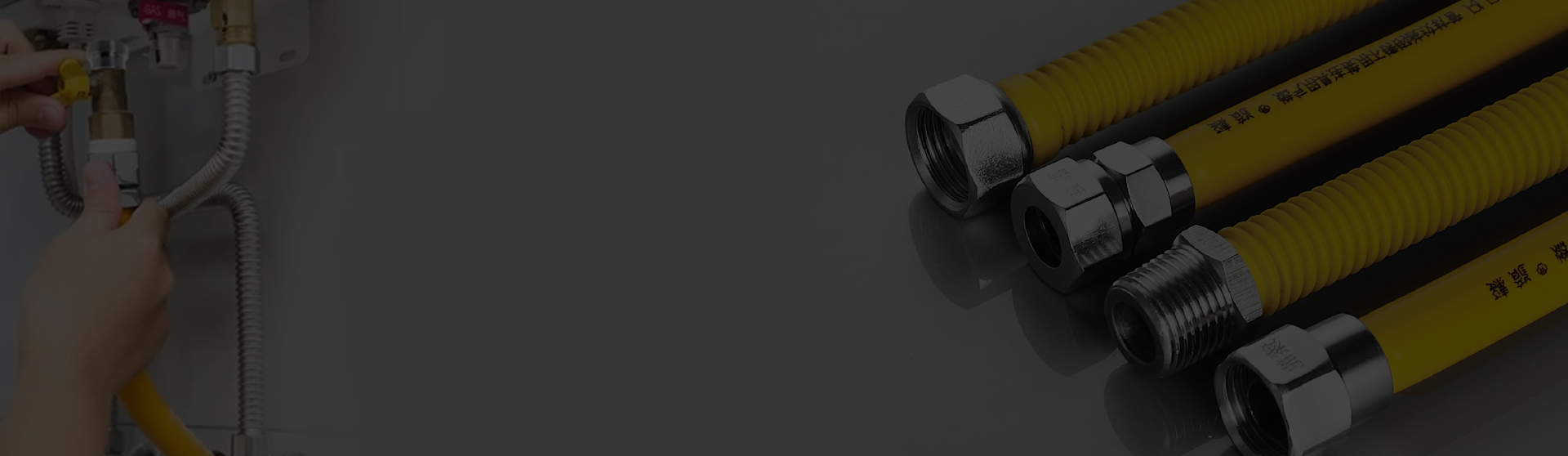

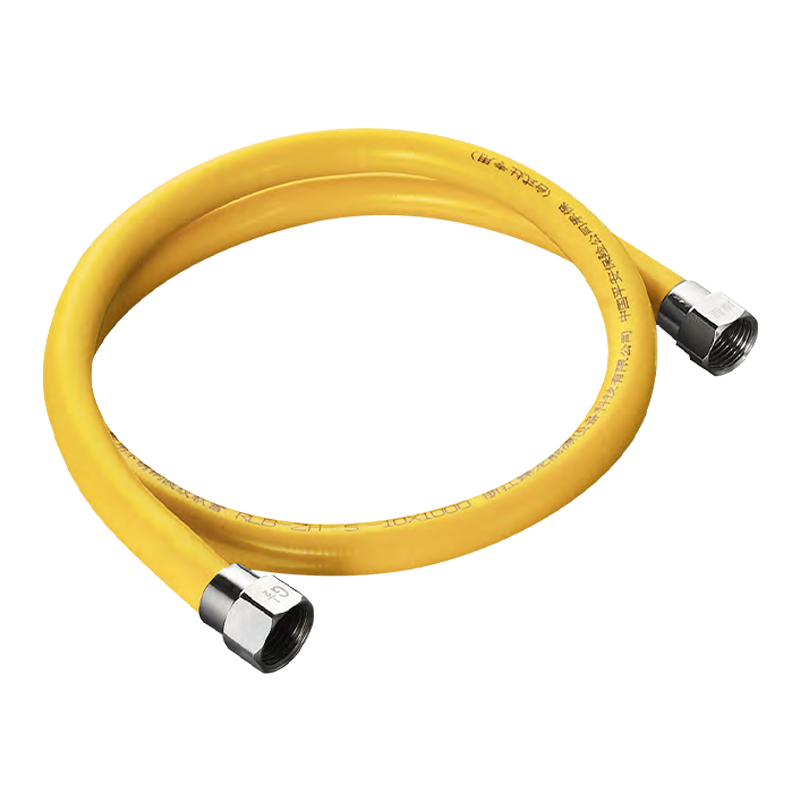
Reliable connections are essential wherever gas, water, hydraulic fluid, or compressed air must move safely through a piping system. Even when a hose, pipe, or valve is manufactured to a high standard, the complete installation can still be compromised by an unsuitable fitting. Leakage, vibration, difficult maintenance, corrosion, and poor alignment can reduce service life and create significant safety risks. The Plug-in Swivel Joint is designed to address these challenges through a compact connection structure, a carefully machined sealing interface, and a convenient plug-in installation method.
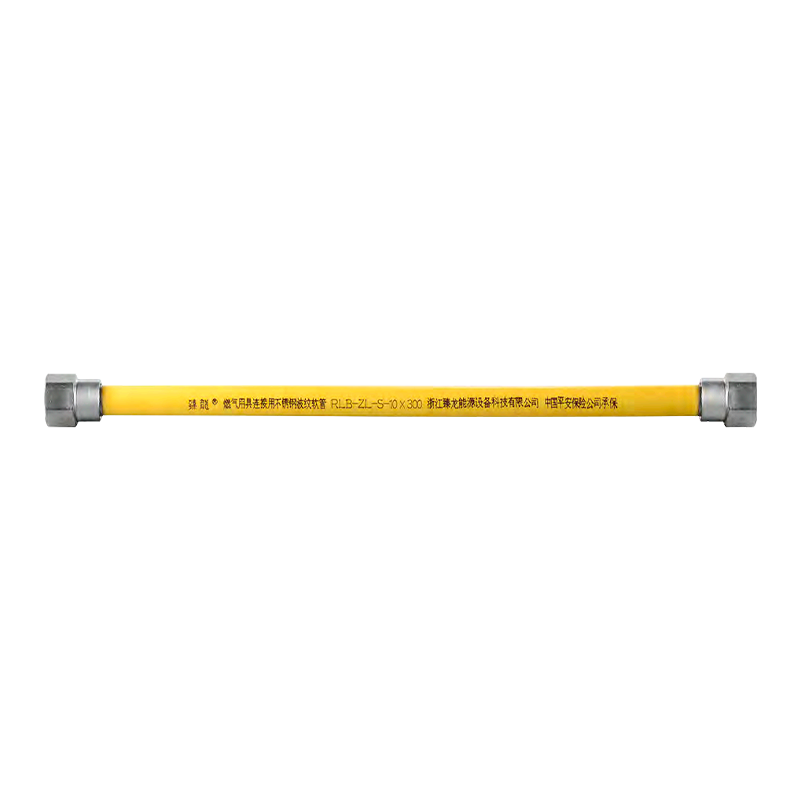
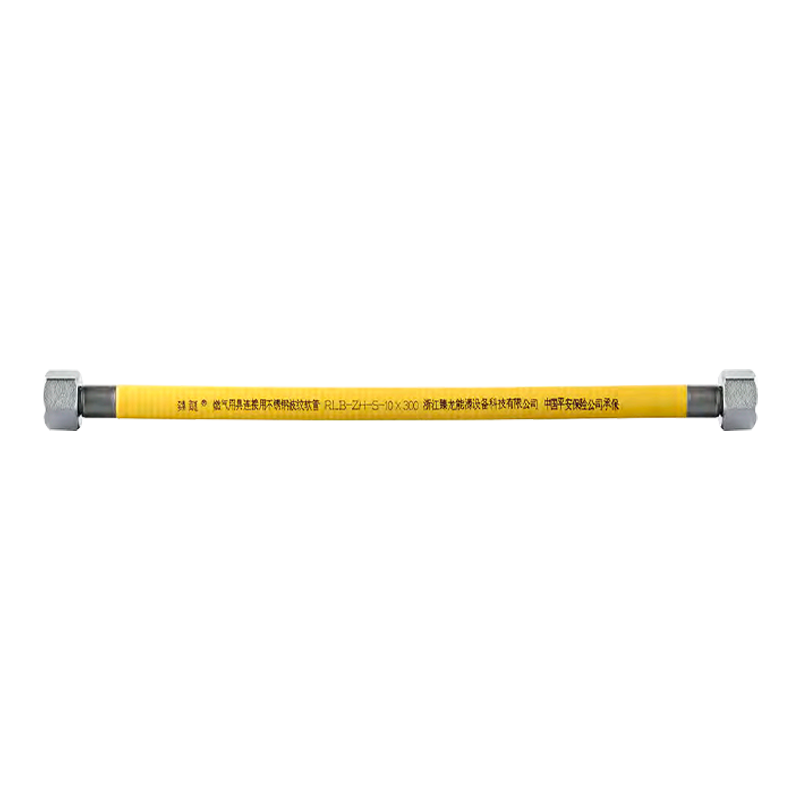
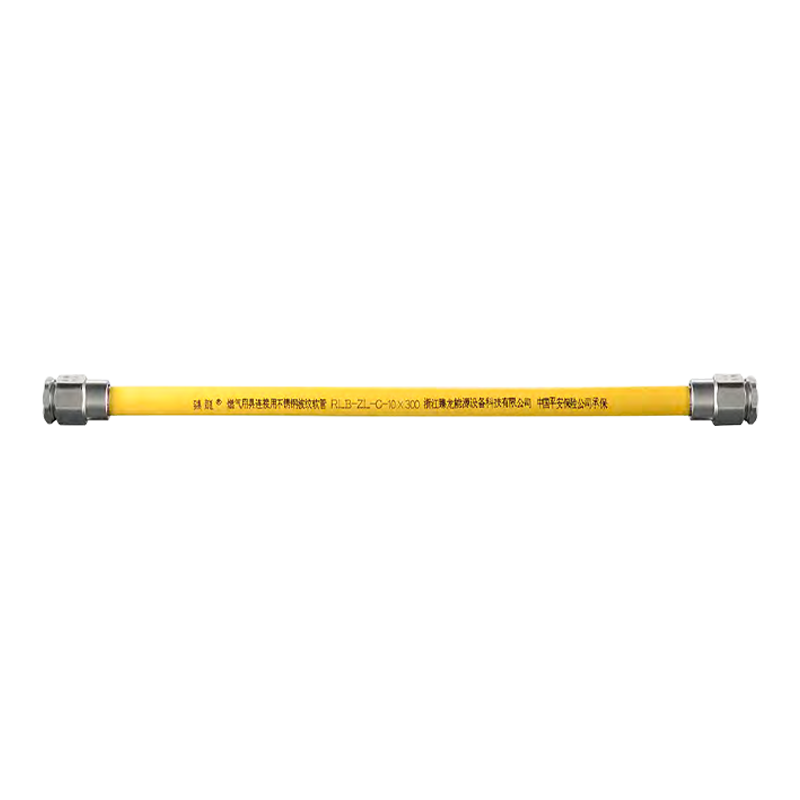
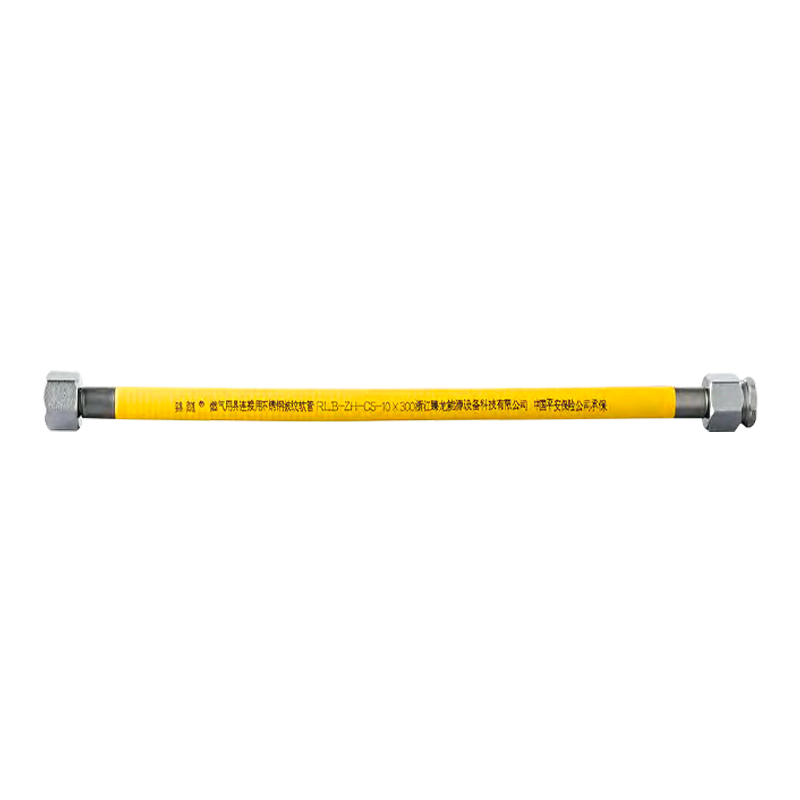
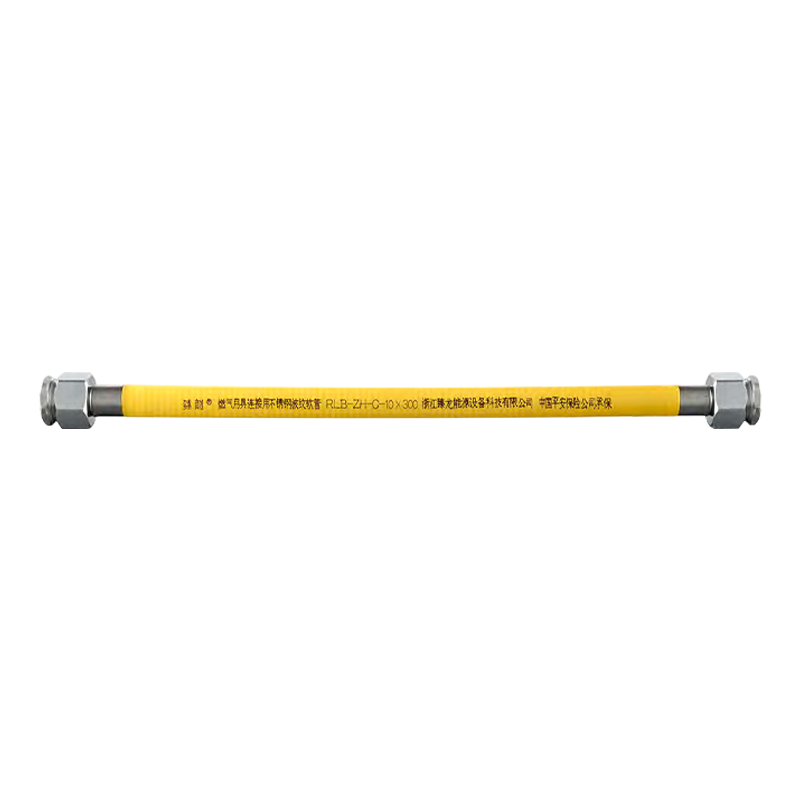
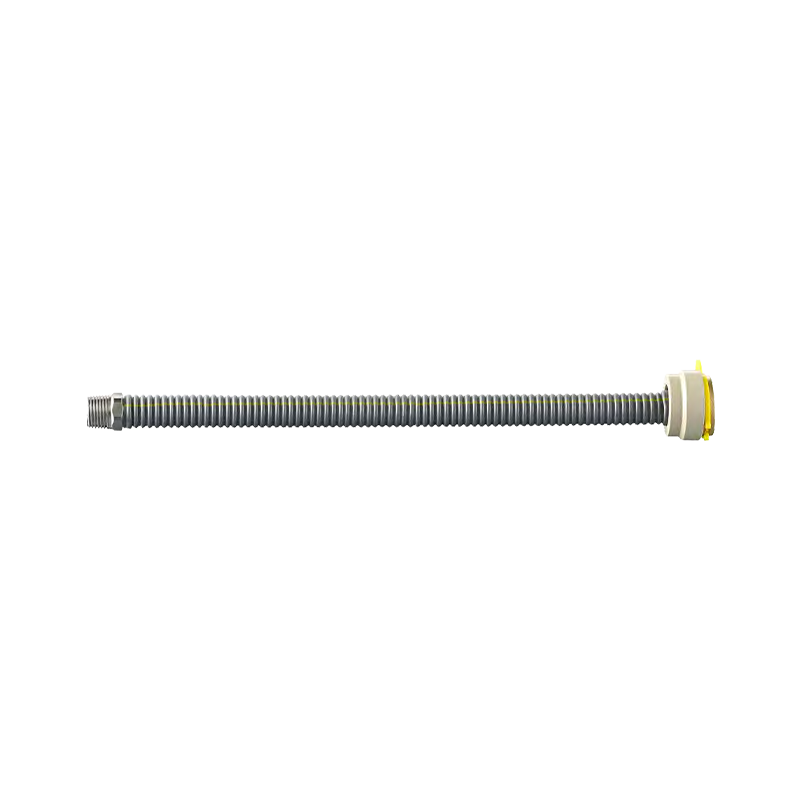
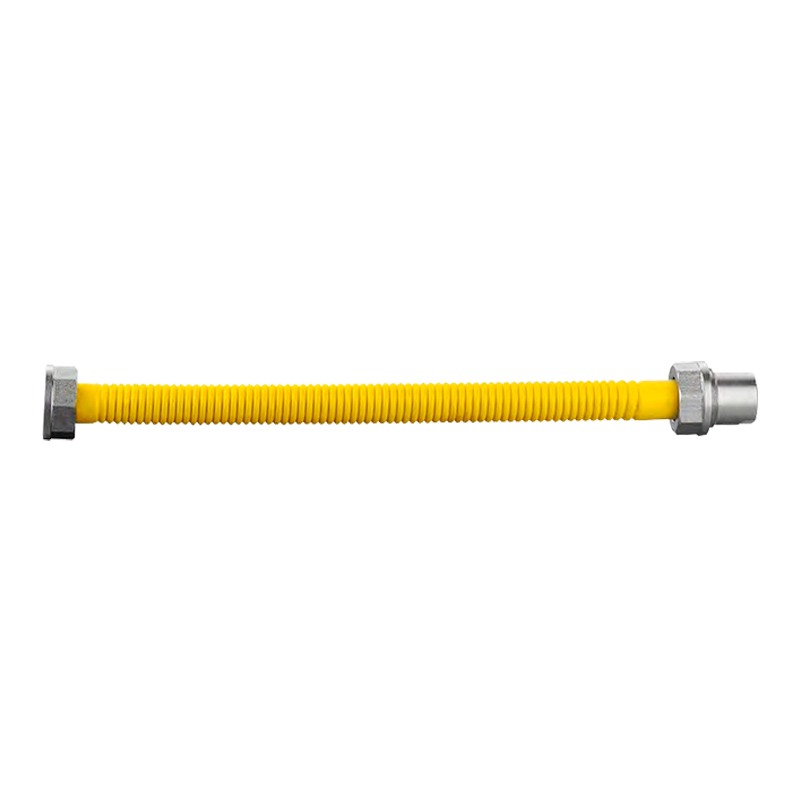
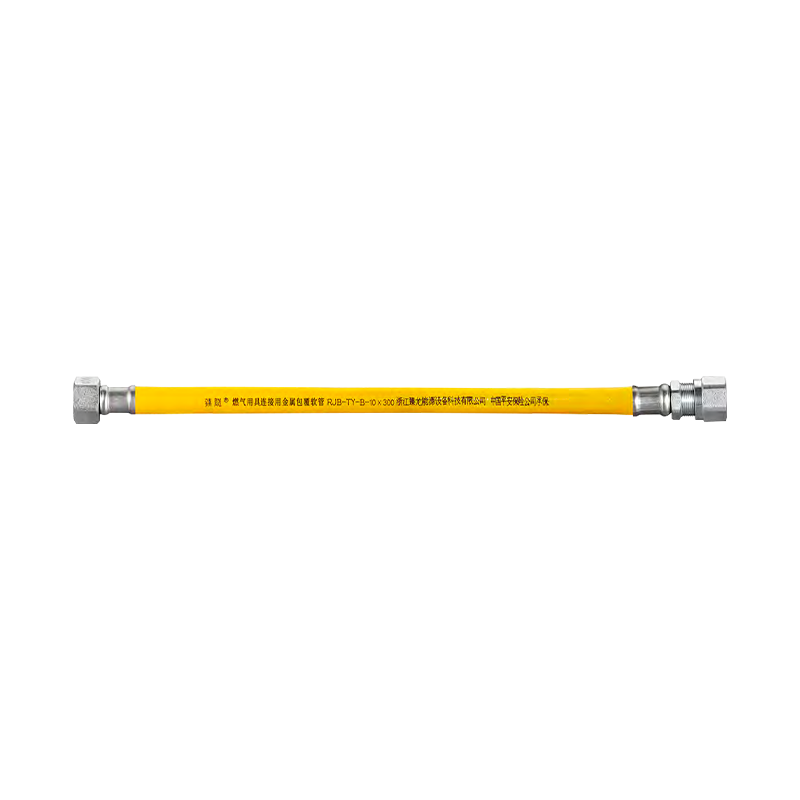
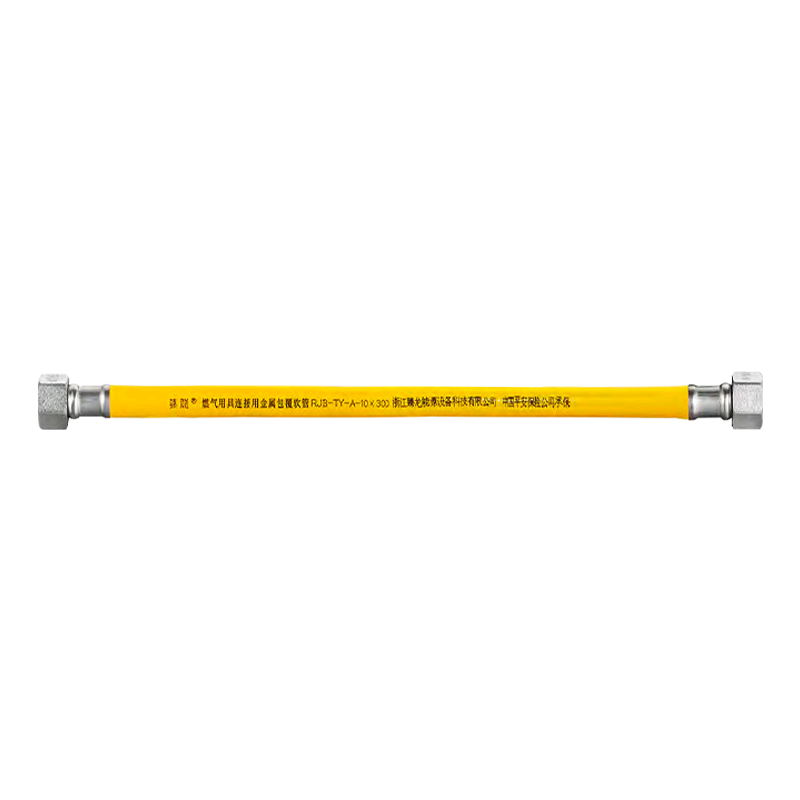
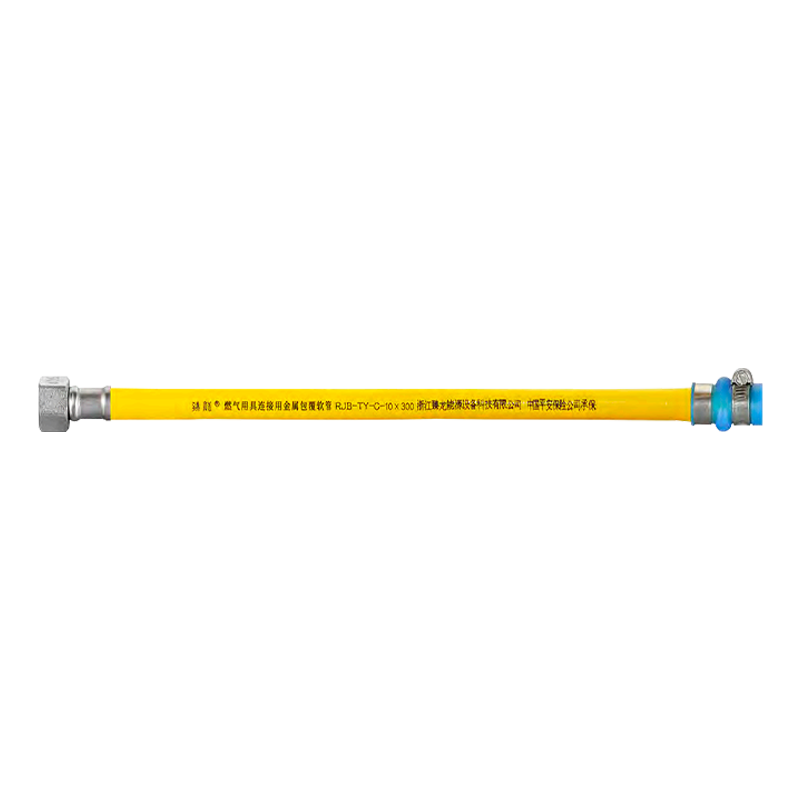
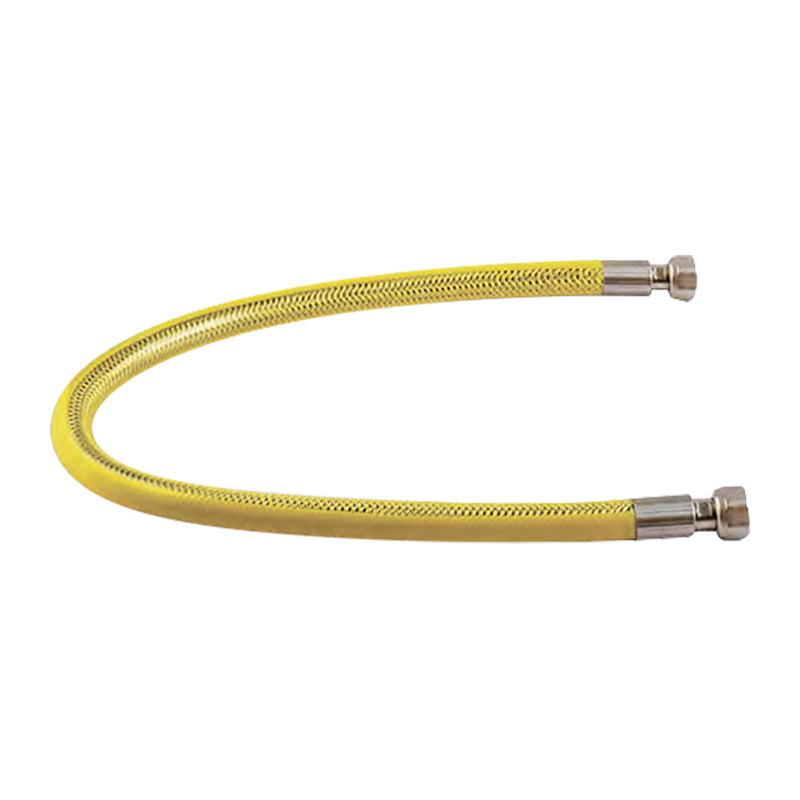
Developed for stainless steel corrugated hose fittings used in gas transmission, this joint combines connection security with practical installation flexibility. Its swivel function helps accommodate movement and alignment requirements, while its plug-in structure can reduce the time needed to assemble or service a system. The product is listed as model RBG-IS10X10-GB/T 26002, with a stated specification of DN10/Φ13.5 and product numbering ZLP-007.
The joint is suitable for applications that require dependable connections in industrial gas, hydraulic, and pneumatic environments. Its corrosion-resistant construction is intended to support operation in demanding conditions, and its high-precision sealing system is engineered to help prevent gas or fluid leakage under high-pressure conditions. In combination with controlled manufacturing processes, testing capabilities, and technical experience in metal hoses and pipe fittings, the product offers a practical solution for engineers, equipment manufacturers, installers, and maintenance teams.
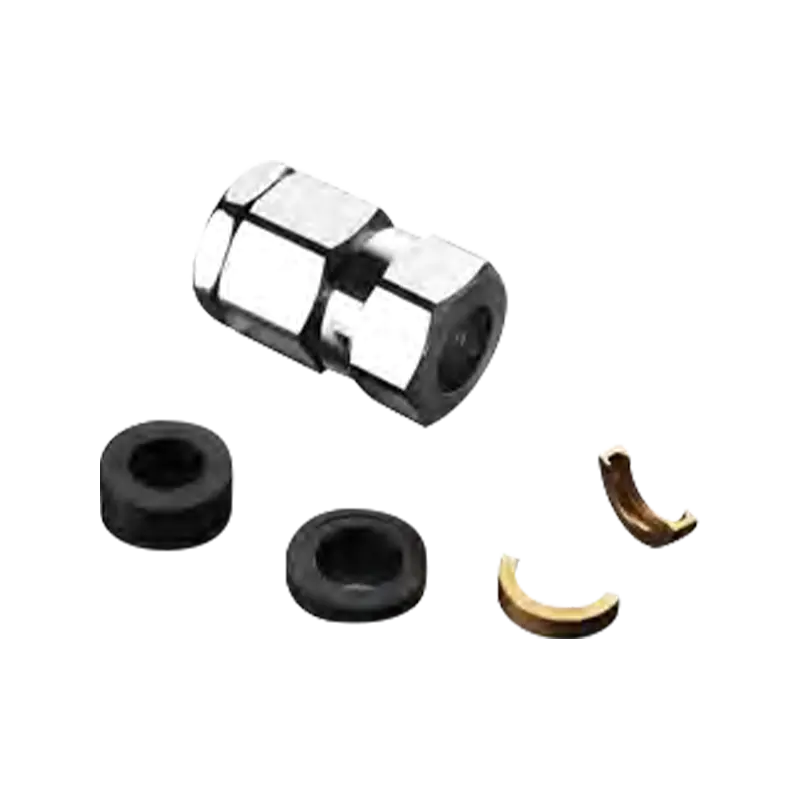
Plug-in Swivel Joint
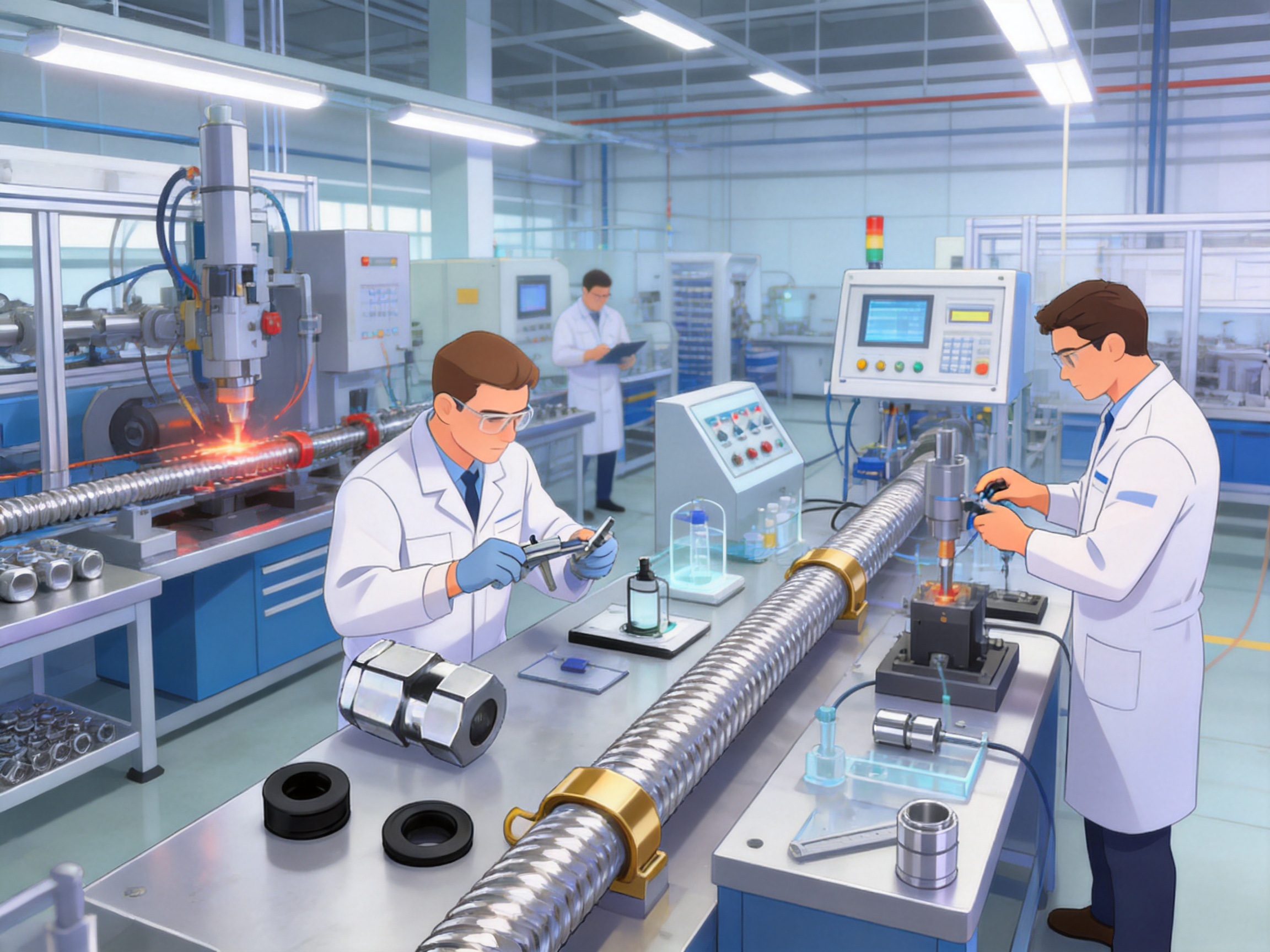
Content
- 1 1. The Role of a High-Quality Swivel Joint in Modern Piping Systems
- 2 2. Product Overview and Identification
- 3 3. High-Precision Sealing for Leakage Control
- 4 4. Plug-in Installation and Maintenance Efficiency
- 5 5. Swivel Function and Mechanical Flexibility
- 6 6. Corrosion Resistance for Demanding Environments
- 7 7. Advantages Compared with Conventional Connection Options
- 7.1 7.1 Faster assembly than complex multi-step fittings
- 7.2 7.2 Better alignment control than fixed rigid connectors
- 7.3 7.3 More dependable sealing than poorly matched generic fittings
- 7.4 7.4 Improved maintenance access
- 7.5 7.5 Better suitability for vibration-prone systems
- 7.6 7.6 Corrosion-resistant construction
- 8 8. Manufacturing Capability and Process Strengths
- 9 9. Quality Management and Compliance Support
- 10 10. Research, Development, and Engineering Support
- 11 11. Applications in Industrial Gas Systems
- 12 12. Applications in Hydraulic and Pneumatic Equipment
- 13 13. Installation Best Practices
- 13.1 13.1 Verify the specification before assembly
- 13.2 13.2 Inspect all components
- 13.3 13.3 Keep the sealing area clean
- 13.4 13.4 Align before insertion
- 13.5 13.5 Complete the connection according to the approved procedure
- 13.6 13.6 Conduct a leak and functional check
- 13.7 13.7 Record installation information
- 14 14. Inspection, Maintenance, and Service Life
- 15 15. Procurement Considerations for OEM and Industrial Buyers
- 16 16. Why Manufacturing Integration Matters to Customers
- 17 17. Frequently Asked Questions
- 17.1 Q1: What is the Plug-in Swivel Joint used for?
- 17.2 Q2: What is the model number?
- 17.3 Q3: What does the swivel function provide?
- 17.4 Q4: How does the plug-in design improve installation?
- 17.5 Q5: Is the joint suitable for high-pressure service?
- 17.6 Q6: Is the joint corrosion-resistant?
- 17.7 Q7: Can the joint be used with any corrugated hose?
- 17.8 Q8: What testing should be performed after installation?
- 17.9 Q9: What manufacturing equipment does the supplier report?
- 17.10 Q10: What quality and compliance credentials are reported?
- 17.11 Q11: Can the manufacturer support OEM or ODM requirements?
- 17.12 Q12: What should be avoided during installation?
- 18 18. Conclusion
- 19 References
- 20 Product: Plug-in Swivel Joint
1. The Role of a High-Quality Swivel Joint in Modern Piping Systems
A fitting is more than a simple connector between two sections of hose or pipe. It forms part of the pressure boundary, transfers mechanical forces, influences flow continuity, and determines how easily equipment can be installed and maintained. In gas transmission systems, these responsibilities become even more important because a small sealing defect can lead to leakage, service interruption, or a hazardous operating condition.
Corrugated metal hoses are valued for their flexibility, vibration absorption, and ability to accommodate movement. However, their performance depends heavily on the connection at each end. A rigid, poorly aligned, or inaccurately machined fitting may place unnecessary stress on the hose. Over time, cyclic movement, pressure changes, thermal expansion, and external vibration can affect the seal and the connection body. A swivel joint helps address these installation and movement challenges by allowing controlled rotational adjustment during assembly and operation.
The Plug-in Swivel Joint is designed around this principle. Rather than requiring a complicated connection process, its plug-in structure is intended to provide a direct and efficient assembly method. The installer can position the joint, insert the compatible hose or connection end, and secure the assembly according to the applicable installation procedure. This arrangement can be especially valuable in confined spaces, equipment skids, gas appliance connections, distribution systems, and industrial machinery where access is limited.
The product also contributes to system integrity through its precision-machined interface. A connection must maintain consistent contact between the mating components, while the sealing elements must remain properly positioned during assembly and service. By controlling the geometry of the connection, the joint is designed to reduce the likelihood of uneven contact, incomplete insertion, or local stress concentration.
2. Product Overview and Identification
The Plug-in Swivel Joint is categorized as a stainless steel corrugated hose fitting for gas transmission. It is identified by the following product information:
| Item | Specification |
|---|---|
| Product name | Plug-in Swivel Joint |
| Product numbering | ZLP-007 |
| Model number | RBG-IS10X10-GB/T 26002 |
| Product name in specification record | Plug-in connectors |
| Stated size | DN10/Φ13.5 |
| Primary product category | Stainless steel corrugated hose fittings for gas transmission |
| Potential application fields | Industrial gas, hydraulic, and pneumatic systems |
The stated DN10/Φ13.5 specification should be checked against the hose, pipe, valve, appliance, or equipment connection before ordering. System designers should also verify the required medium, operating pressure, temperature range, connection arrangement, applicable regulations, and installation procedure. Product compatibility must always be confirmed for the specific application rather than assumed solely from nominal size.
The model reference includes GB/T 26002, indicating that the product information is associated with a Chinese standard designation. Customers should confirm the exact edition, scope, testing requirements, and conformity documentation relevant to their project. For export projects, additional requirements may apply depending on the destination market and the type of gas or fluid being conveyed.
3. High-Precision Sealing for Leakage Control
The most important function of any pressure connection is to maintain a reliable seal. The Plug-in Swivel Joint uses a high-precision sealing system intended to prevent fluid or gas leakage, including under high-pressure operating conditions. The tightly machined interface supports a secure fit between the joint and its mating components.
Leakage prevention depends on several factors working together. These include dimensional accuracy, surface quality, correct sealing-element placement, sufficient insertion depth, appropriate material selection, and proper installation. A fitting may have a strong body but still fail if the mating surfaces are inconsistent or if the sealing area is not accurately formed. For this reason, precision machining and controlled assembly are central to the product’s design value.
A precise interface can provide more uniform contact around the connection circumference. This helps reduce localized gaps that may become leakage paths. It can also support more predictable installation, because the connection is less dependent on excessive force or improvised adjustment. In a professional installation, predictable assembly is important because it allows technicians to follow a repeatable procedure and inspect the completed connection efficiently.
The sealing system is also relevant to long-term operating stability. Industrial gas and pneumatic systems can experience pressure cycling, vibration, and temperature variation. Hydraulic equipment may produce pulsation and mechanical movement. When a connection is accurately manufactured and correctly installed, it is better positioned to maintain its sealing performance through these normal operating conditions.
It is important to distinguish between a fitting’s engineered capability and an unconditional guarantee for every installation. Actual pressure and temperature limits depend on the complete assembly, including the hose, sealing materials, connection method, medium, installation quality, and applicable regulations. Users should obtain the technical data and qualification documents required for their project before putting the joint into service.
4. Plug-in Installation and Maintenance Efficiency
Traditional connection methods can require several tools, multiple operations, or significant working space. In some installations, the technician must rotate a complete hose or pipe assembly to tighten a threaded connection. This may be difficult when the hose is already connected to equipment or when surrounding components prevent free movement. A swivel connection can reduce this problem by allowing the joint to rotate during positioning and alignment.
The plug-in design of the ZLP-007 is intended to simplify installation. A direct insertion structure can reduce the number of assembly steps and help shorten the time required to connect compatible components. Faster installation can be especially valuable in production environments, emergency maintenance, equipment commissioning, and projects involving many repeated connection points.
Reduced installation complexity may also improve consistency. When a connection is simple to position and secure, technicians have fewer opportunities to introduce cross-threading, misalignment, excessive tightening, or damage to the sealing surface. A clear assembly method supports easier training and more uniform installation practices across different work teams.
Maintenance teams can benefit from the same characteristics. If a connection can be accessed and released without dismantling a large section of piping, inspection and replacement may be completed more efficiently. Shorter maintenance operations can reduce equipment downtime and limit the disruption to a production line, gas distribution branch, or hydraulic system.
The plug-in structure does not eliminate the need for correct installation. The mating hose or pipe must be compatible, clean, properly prepared, and inserted to the required position. The installer should inspect the joint for damage, confirm that the retaining and sealing elements are correctly arranged, and perform a suitable leak test before operation. Any manufacturer-provided instructions should take priority over general installation practices.
5. Swivel Function and Mechanical Flexibility
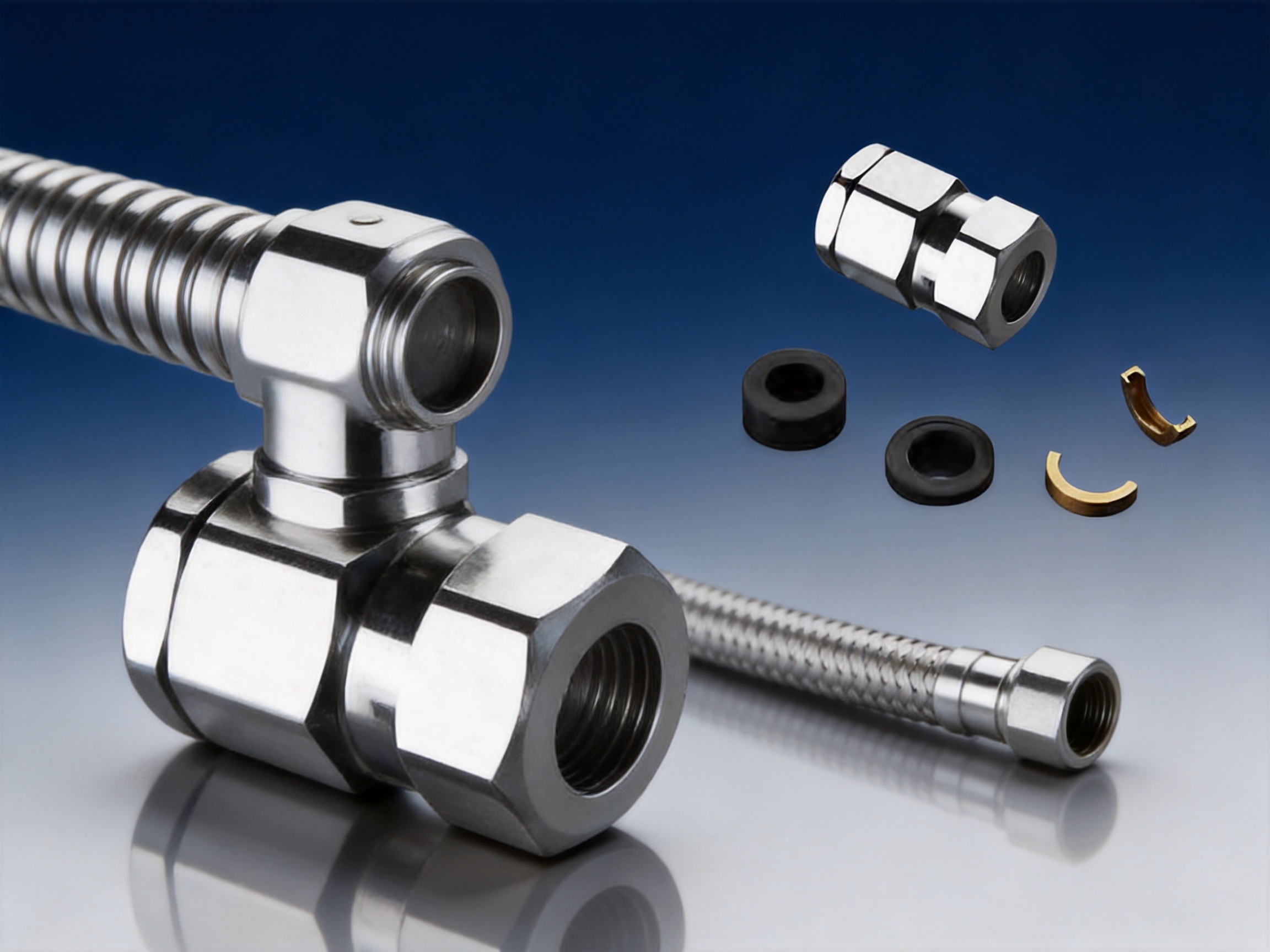
Hose systems frequently need to accommodate changes in orientation. Equipment may move during operation, an appliance may need to be repositioned, or a hose may need to pass through a restricted area without being twisted. A swivel joint can help manage these conditions by allowing rotational adjustment at the connection point.
The swivel function is particularly useful during installation. The hose can be aligned with the equipment connection without forcing the entire hose assembly to rotate. This helps reduce torsional stress in the corrugated hose. A connection that is installed without twisting is more likely to maintain its intended geometry and service performance.
Swivel capability can also support a cleaner system layout. Engineers may be able to route hoses more directly, reduce unnecessary bends, and simplify access around valves or machinery. A more orderly installation can improve inspection visibility and reduce the chance that the hose will contact sharp edges, hot surfaces, or moving equipment.
However, a swivel joint should not be treated as a substitute for correct hose routing. It should not be used to compensate for excessive bending, unsupported weight, continuous forced rotation, or movement beyond the design intent. The completed system should prevent the hose from being pulled, kinked, crushed, or exposed to avoidable abrasion. Appropriate clamps, supports, and bend-radius controls remain important.
6. Corrosion Resistance for Demanding Environments
Industrial piping systems may be exposed to humidity, condensation, cleaning chemicals, salts, outdoor weather, process vapors, or dissimilar metals. Corrosion can reduce wall thickness, damage threads, roughen sealing surfaces, and eventually weaken a pressure connection. The Plug-in Swivel Joint is made from corrosion-resistant materials to support use in harsh environmental conditions.
Corrosion resistance offers several practical advantages. It can help preserve the geometry of the sealing interface, maintain the appearance and integrity of the fitting, and reduce the risk of premature replacement caused by surface deterioration. It is also beneficial in installations where routine access is difficult or where equipment must operate for long periods between maintenance intervals.
Material compatibility must still be evaluated for each application. Corrosion behavior depends on the conveyed medium, external environment, temperature, concentration of chemicals, electrical potential between dissimilar metals, and the presence of contaminants. A material described as corrosion-resistant is not automatically suitable for every chemical or atmospheric condition. Project engineers should review the complete material specification and, when necessary, request compatibility confirmation.
Stainless steel hose assemblies and fittings are commonly selected where cleanliness, durability, and environmental resistance are important. In gas, hydraulic, and pneumatic systems, the fitting must also be compatible with the pressure, temperature, and connection materials used elsewhere in the assembly. Correct material selection helps ensure that the advantages of the joint are not limited by a weaker component.
7. Advantages Compared with Conventional Connection Options
7.1 Faster assembly than complex multi-step fittings
Compared with connection systems that require several separate components or lengthy tightening procedures, a plug-in fitting can provide a more direct installation route. This may reduce labor time and simplify work in locations where tools cannot be positioned easily. For high-volume assembly, even a small reduction in the time required per connection can produce meaningful productivity gains.
7.2 Better alignment control than fixed rigid connectors
A fixed connector may force the hose or pipe to approach from a precise angle. If the equipment position changes or the installation area is constrained, the hose may be twisted or bent to compensate. The swivel function of the Plug-in Swivel Joint provides greater alignment flexibility and can help reduce installation stress.
7.3 More dependable sealing than poorly matched generic fittings
Generic fittings may not provide the dimensional consistency or mating accuracy required for a high-integrity gas connection. The Plug-in Swivel Joint is designed around a tightly machined interface and a high-precision sealing system. When used with compatible components and installed correctly, this design can provide a more dependable connection than an improvised or poorly matched alternative.
7.4 Improved maintenance access
Maintenance work is often performed under time pressure. A connection that can be released and replaced with fewer operations can help technicians restore equipment more quickly. The plug-in structure may reduce the need to remove adjacent piping or rotate the entire hose assembly, making inspection and replacement more manageable.
7.5 Better suitability for vibration-prone systems
Industrial machinery, compressors, pumps, burners, and pneumatic equipment can transmit vibration through connected pipework. Flexible hoses help absorb movement, but connection points must be correctly aligned and securely sealed. The joint’s swivel arrangement and precision fit can support a more stable hose installation, provided that the system is designed with suitable supports and movement allowances.
7.6 Corrosion-resistant construction
Compared with fittings made from less resistant materials, a corrosion-resistant joint is better suited to humid, outdoor, or industrial environments. It can help reduce maintenance caused by rust, surface degradation, and seizure. This advantage is particularly relevant when the fitting is used near water, in utility rooms, or in facilities where cleaning and condensation are common.
| Performance consideration | Potential benefit of the Plug-in Swivel Joint | Installation or design note |
|---|---|---|
| Connection speed | Plug-in structure can reduce assembly steps | Use only with compatible hose and connection components |
| Alignment | Swivel action helps position the hose without unnecessary twisting | Do not exceed the permitted movement or bend radius |
| Leakage control | Precision interface and sealing system support a secure connection | Inspect and test the completed assembly before service |
| Environmental durability | Corrosion-resistant materials support demanding conditions | Confirm chemical and temperature compatibility |
| Maintenance | Accessible connection design can help shorten replacement work | Follow safe isolation and depressurization procedures |
| System integrity | Accurate construction supports consistent assembly quality | Verify pressure, medium, and regulatory requirements |
8. Manufacturing Capability and Process Strengths
The performance of a precision fitting depends not only on its design but also on the manufacturing system used to produce it. Zhejiang Zhenlong Energy Equipment Technology Co., Ltd. integrates research and development, manufacturing, processing, and trade. Its product range includes metal hoses, natural gas pipelines, plumbing fittings, sanitary ware, valves, plastic products, and hardware.
The company operates in Yuyao, Ningbo, Zhejiang, with a stated factory building area of approximately 30,000 square meters on a site covering about 40 acres. This scale provides room for production organization, material handling, equipment installation, quality control, and product development. For customers sourcing fittings and related hose products, an integrated manufacturing base can simplify communication and support coordinated supply.
The company reports 30 welding and forming production lines. Welding and forming are particularly important for metal hose and fitting production because they influence dimensional stability, joint strength, appearance, and repeatability. A broad production-line structure can support different product families and help organize specialized operations according to size, material, and design requirements.
The company also reports two uninterrupted solid melting hydrogen furnace production lines. Melting and heat-related processes influence the consistency of metallic materials and components. Controlled furnace operations can support stable processing conditions, while continuous production capability may help maintain a more consistent manufacturing rhythm. Customers requiring detailed material traceability or process records should request the documentation appropriate to their order.
In addition to production equipment, the company has testing resources including direct-reading spectrometers for metal material analysis and flow tightness testers. A direct-reading spectrometer can assist in analyzing metallic composition, helping verify that materials conform to the required grade or internal specification. Flow tightness testing is directly relevant to hose and fitting products because it helps identify leakage or sealing problems before shipment.
Testing equipment alone does not guarantee product performance, but it is an important part of a controlled quality system. The value comes from using the equipment according to documented procedures, maintaining calibration, defining acceptance criteria, recording results, and linking inspection outcomes to production batches. These practices help transform quality control from a visual check into a repeatable manufacturing discipline.
9. Quality Management and Compliance Support
The company states that it strictly implements an ISO9000:2008 quality management system. A structured quality management approach can help control purchasing, incoming materials, manufacturing operations, inspection, nonconforming products, corrective actions, and customer feedback. For a fitting used in gas or pressure applications, these controls are relevant because performance depends on consistency at every stage.
The company also reports holding a Special Equipment Manufacturing License for pressure pipelines issued by the People’s Republic of China. This type of qualification is significant for a manufacturer involved in pressure-related pipe and fitting products. Customers should confirm the current validity, scope, product category, and applicable license information for the specific order.
In addition, the company reports EU CE certification testing reports. A testing report and a formal conformity assessment are not always identical, so customers should request the relevant documentation and verify whether the product configuration, intended use, and destination market are covered. Export buyers may require additional declarations, material certificates, pressure-test records, or third-party inspection.
The company is also identified as a member of the China Urban Gas Association. Participation in an industry association can provide exposure to sector practices, market requirements, and technical discussions. It may also reflect the company’s involvement in the urban gas and energy equipment field.
For professional procurement, a qualification review should include more than certificates. Buyers should assess sample approval, dimensional inspection, material verification, pressure or leak testing, packaging, traceability, production capacity, delivery performance, technical communication, and after-sales support. The Plug-in Swivel Joint is best evaluated as part of this complete manufacturing and service capability.
10. Research, Development, and Engineering Support
A fitting used in a gas or industrial system must often satisfy more than a standard size requirement. The customer may need a particular hose interface, sealing material, surface treatment, pressure rating, installation method, or packaging arrangement. A manufacturer with its own research and development, design, and production team is better positioned to discuss these requirements at an early stage.
Zhejiang Zhenlong Energy Equipment Technology Co., Ltd. states that it has a strong research, development, design, and production team. This combination supports an engineering-oriented approach in which product design is connected to manufacturing feasibility and quality control. It can also make communication more direct when a customer needs a custom configuration or a coordinated hose-and-fitting assembly.
Technical cooperation should begin by defining the operating conditions. Important information includes the conveyed gas or fluid, working and peak pressure, operating and ambient temperature, hose size, connection dimensions, installation orientation, movement pattern, exposure to chemicals or weather, expected service life, and applicable standard. Providing complete information enables the manufacturer to evaluate whether the standard ZLP-007 configuration is suitable or whether another design is required.
For OEM and ODM customers, the development process may include drawing review, prototype production, sample testing, installation trials, design modification, pilot production, and final approval. A clear approval process reduces the risk of differences between the customer’s expected interface and the production version. It also helps define inspection points before mass manufacturing begins.
11. Applications in Industrial Gas Systems
The Plug-in Swivel Joint is primarily associated with stainless steel corrugated hose fittings for gas transmission. Industrial gas systems can include equipment connections, low- and medium-pressure distribution branches, burners, gas control assemblies, process equipment, and machinery requiring flexible connection points.
In these applications, the fitting must support a secure gas-tight connection while allowing practical routing of the corrugated hose. The swivel feature can help position the hose without applying unnecessary torsion. The plug-in installation method may also reduce assembly time when many similar connection points are installed.
Gas systems require strict attention to safety. Before installation, the supply must be isolated and the line must be depressurized according to the site’s safety procedures. The joint and hose should be inspected for damage, contamination, deformation, and dimensional mismatch. After installation, a suitable leak test must be carried out using an approved method for the gas system and jurisdiction.
The joint should not be installed in a location where it is exposed to direct flame, excessive radiant heat, sharp edges, vehicle impact, or unsupported mechanical loading unless the complete assembly has been specifically designed for those conditions. Protective guards, supports, and routing controls may be necessary depending on the installation environment.
12. Applications in Hydraulic and Pneumatic Equipment
Although the product category emphasizes gas transmission, the stated product description also identifies hydraulic and pneumatic applications. Hydraulic systems use pressurized liquid and may generate pulsation, vibration, and high mechanical loads. Pneumatic systems use compressed air or gas and often contain many compact connection points around valves, cylinders, actuators, and control panels.
In pneumatic equipment, compact plug-in connections can support efficient assembly and convenient servicing. In hydraulic equipment, the selection process must be more rigorous because pressure levels, fluid compatibility, impulse conditions, and mechanical loads may be substantially higher. The fitting should only be used where the complete product documentation confirms suitability for the actual hydraulic service.
For either application, the joint should be installed without twisting the hose. The hose must be supported so that its weight and movement are not transferred directly to the fitting. The connection should also be protected from abrasion and excessive bending. A swivel joint provides alignment flexibility, but it does not remove the need for correct system design.
13. Installation Best Practices
13.1 Verify the specification before assembly
Confirm that the model, nominal size, hose diameter, mating component, material, and intended medium are compatible. For the listed product, the stated size is DN10/Φ13.5. This information should be compared with the actual hose and equipment drawing rather than used as a substitute for dimensional verification.
13.2 Inspect all components
Check the joint, hose, sealing surfaces, retaining elements, and mating parts for dents, scratches, contamination, corrosion, or deformation. Do not install a component that may have been damaged during transportation or storage. Small defects in a sealing area can become significant under pressure.
13.3 Keep the sealing area clean
Dirt, metal chips, oil residues, and foreign particles can interfere with insertion and sealing. Clean the components using a method compatible with the material and the conveyed medium. Avoid tools or procedures that could score the sealing surface.
13.4 Align before insertion
Position the hose and joint so that the connection is straight and free from side loading. Do not force an angled hose into the fitting. Use the swivel function to achieve the correct orientation rather than twisting the corrugated hose.
13.5 Complete the connection according to the approved procedure
Insert and secure the connection using the manufacturer’s instructions and any required tools. Do not rely on excessive force as evidence that the joint is correctly assembled. A proper connection should reach the required position and security through the defined installation method.
13.6 Conduct a leak and functional check
Before commissioning, perform the required pressure, tightness, or leak test. The test method should be appropriate for the system, medium, pressure, and local safety rules. Inspect the connection during testing and confirm that the hose is not under torsion, excessive bending, or abnormal mechanical load.
13.7 Record installation information
For critical systems, record the product model, batch or traceability information, installation date, technician, test result, and any relevant inspection data. Good records support future maintenance and make it easier to identify the correct replacement component.
14. Inspection, Maintenance, and Service Life
Routine inspection helps identify problems before they result in leakage or downtime. The inspection frequency should reflect the operating pressure, medium, temperature, vibration, environment, and importance of the equipment. Gas systems and safety-critical equipment may require more frequent checks than lightly loaded utility lines.
During inspection, look for corrosion, discoloration, abrasion, deformation, hose damage, loose supports, unexpected movement, and evidence of leakage. A fitting that appears externally clean should still be checked if the system shows pressure loss, odor, unstable operation, or abnormal noise.
Do not attempt to repair a damaged pressure connection using unapproved sealants, makeshift clamps, or incompatible replacement parts. The correct response may be replacement of the joint, replacement of the hose assembly, or a complete engineering review. Before removal, isolate and depressurize the system safely.
Service life is influenced by more than the fitting material. Pressure cycling, temperature variation, movement, vibration, chemical exposure, installation quality, and maintenance practices all affect durability. A corrosion-resistant, precision-made joint can improve reliability, but it cannot compensate for an operating condition that exceeds the design limitations of the complete assembly.
15. Procurement Considerations for OEM and Industrial Buyers
When purchasing the Plug-in Swivel Joint for a production program, buyers should provide a complete technical inquiry. The inquiry should identify the required model or interface, quantity, delivery schedule, intended application, operating medium, pressure, temperature, hose type, packaging requirements, inspection standards, and destination market.
Sample approval is recommended when the joint will be integrated into a new product or a large installation. The sample should be evaluated for dimensional fit, insertion force, swivel action, sealing performance, appearance, material documentation, and compatibility with the customer’s hose. Any design changes should be documented before mass production.
For recurring orders, buyers may request a quality agreement defining critical dimensions, test methods, acceptable tolerances, packaging, labeling, batch identification, and procedures for handling nonconforming products. This helps align the manufacturer’s production system with the customer’s internal quality process.
Packaging is also important. Fittings should be protected from impact, moisture, dirt, and deformation during transportation and storage. Sealing surfaces and insertion areas should remain protected until installation. If the product will be stored for an extended period, the customer should follow suitable environmental controls and stock-rotation procedures.
16. Why Manufacturing Integration Matters to Customers
A supplier that combines design, processing, testing, and product support can offer advantages over a trading-only source. Manufacturing integration can reduce communication gaps between the engineering and production stages. It may also improve the supplier’s ability to investigate defects, adjust tooling, respond to technical feedback, and coordinate related products.
For the Plug-in Swivel Joint, this integration is relevant because the product interfaces with corrugated hoses and gas transmission systems. The performance of the joint cannot be separated from dimensional control, material selection, forming, welding, sealing, and testing. A company experienced in several of these processes can evaluate the fitting as part of a broader piping solution.
The reported production lines, material analysis equipment, flow tightness testers, quality system, pressure-pipeline manufacturing license, and technical team provide a foundation for serving industrial customers. Buyers should still conduct their own qualification process, but these capabilities indicate that the supplier is structured to support products requiring controlled manufacturing and documented inspection.
17. Frequently Asked Questions
Q1: What is the Plug-in Swivel Joint used for?
The joint is designed to connect compatible stainless steel corrugated hoses and related components in gas transmission systems. The product description also identifies industrial gas, hydraulic, and pneumatic applications. Suitability must be confirmed against the actual medium, pressure, temperature, dimensions, and applicable standards.
Q2: What is the model number?
The listed model number is RBG-IS10X10-GB/T 26002. The product numbering is ZLP-007, and the specification is stated as DN10/Φ13.5.
Q3: What does the swivel function provide?
The swivel function allows rotational adjustment during positioning and installation. It can help align the hose with the equipment connection and reduce torsional stress. It should not be used to permit uncontrolled continuous rotation or to compensate for incorrect hose routing.
Q4: How does the plug-in design improve installation?
The plug-in structure is intended to reduce assembly steps and make connection work more convenient. It can be useful in confined spaces and repeated installation operations. Correct insertion, securing, inspection, and leak testing remain essential.
Q5: Is the joint suitable for high-pressure service?
The product is described as having a high-precision sealing system designed to prevent leakage under high-pressure conditions. However, the allowable pressure must be confirmed from the official technical documentation for the complete assembly. The hose, seals, temperature, medium, and installation method all affect the final pressure rating.
Q6: Is the joint corrosion-resistant?
The product is made from corrosion-resistant materials and is intended to withstand harsh environmental conditions. Buyers should verify the exact material grade and chemical compatibility for the intended application, especially when the joint will be exposed to aggressive chemicals, salts, or high temperatures.
Q7: Can the joint be used with any corrugated hose?
No. The hose must have a compatible size, interface, material, and connection design. The stated specification is DN10/Φ13.5, but dimensional confirmation is still required. The manufacturer or qualified engineer should approve compatibility before installation.
Q8: What testing should be performed after installation?
A suitable leak, tightness, or pressure test should be performed according to the system requirements and local regulations. The test must be conducted safely with the correct medium or approved testing method. The connection should also be inspected for alignment, hose damage, and abnormal mechanical loading.
Q9: What manufacturing equipment does the supplier report?
The supplier reports 30 welding and forming production lines, two uninterrupted solid melting hydrogen furnace production lines, direct-reading spectrometers for metal material analysis, and flow tightness testing equipment. These resources support material verification, forming and welding operations, and leakage inspection.
Q10: What quality and compliance credentials are reported?
The company states that it implements an ISO9000:2008 quality management system, holds a Chinese Special Equipment Manufacturing License for pressure pipelines, and has EU CE certification testing reports. Customers should request current and product-specific documentation during qualification.
Q11: Can the manufacturer support OEM or ODM requirements?
The company describes itself as integrating research, development, design, manufacturing, processing, and trade. This indicates an ability to discuss customized or coordinated product requirements. Customers should provide drawings, operating conditions, quality requirements, and approval criteria for a formal evaluation.
Q12: What should be avoided during installation?
Installers should avoid twisting the hose, forcing an angled connection, contaminating the sealing area, exceeding the hose bend radius, applying unsupported loads, using unapproved sealants, and commissioning the system without a suitable leak test. Safe isolation and depressurization are required before maintenance.
18. Conclusion
The Plug-in Swivel Joint provides a focused solution for connection points where sealing reliability, installation efficiency, alignment flexibility, and environmental durability are important. Its high-precision sealing system is designed to support leak-free performance, while the plug-in structure can simplify assembly and maintenance. The swivel function helps reduce torsional stress and provides greater freedom when routing a stainless steel corrugated hose.
Its stated DN10/Φ13.5 specification and RBG-IS10X10-GB/T 26002 model reference make it a defined product rather than a generic fitting. Nevertheless, professional users should verify all application parameters before purchase, including pressure, temperature, medium, compatibility, and regulatory requirements.
The product is supported by the broader capabilities of Zhejiang Zhenlong Energy Equipment Technology Co., Ltd., including research and development, multiple welding and forming lines, melting furnace production, metal analysis, flow tightness testing, quality management, pressure-pipeline manufacturing qualification, and technical service. These strengths can be valuable to industrial customers seeking a supplier capable of supporting both standard products and customized engineering requirements.
When selected correctly and installed according to approved procedures, the Plug-in Swivel Joint can help improve system integrity, reduce installation effort, simplify maintenance, and support safer operation in gas, hydraulic, and pneumatic applications.
References
1. Product specification record for Plug-in Swivel Joint, product numbering ZLP-007, model RBG-IS10X10-GB/T 26002, specification DN10/Φ13.5.
2. Manufacturer-provided product description for stainless steel corrugated hose fittings used in gas transmission.
3. Manufacturer information regarding research, development, manufacturing, processing, testing equipment, production facilities, and quality management.
4. ISO 9000 family of standards, Quality Management Systems—Fundamentals and Vocabulary.
5. General engineering practices for the installation, inspection, and leak testing of gas, hydraulic, pneumatic, and flexible hose assemblies.
6. General principles of metallic material verification, pressure connection design, corrosion evaluation, and industrial piping maintenance.
7. Applicable national and regional requirements for pressure pipelines, gas equipment, CE-related conformity documentation, and industrial hose assemblies.