 English
 中文简体
中文简体 Español
 عربى
عربى
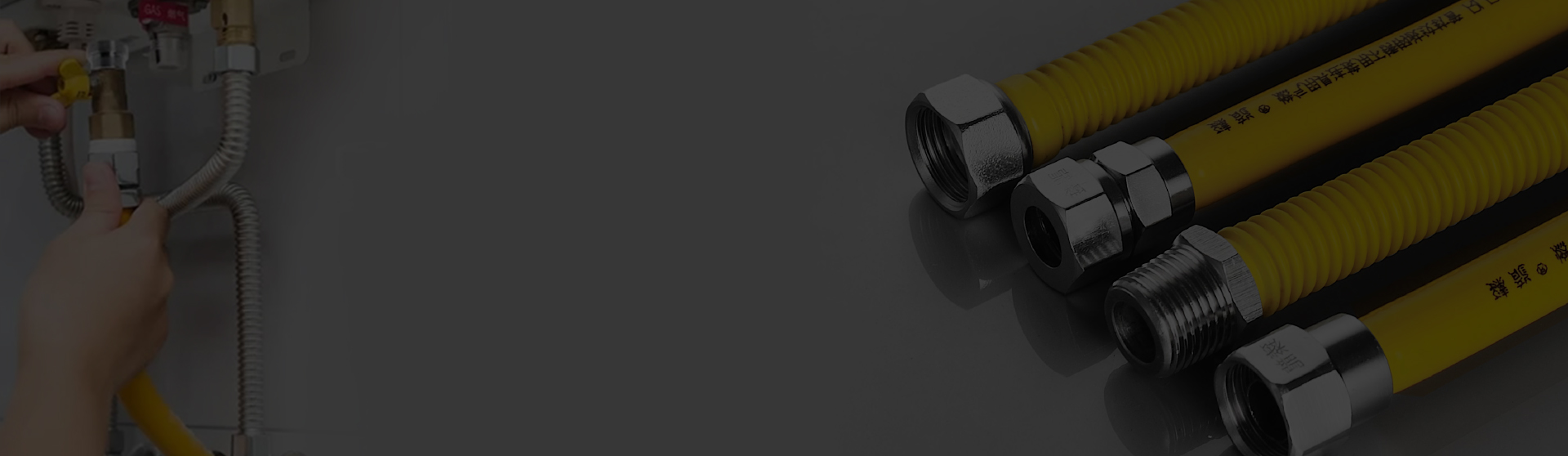

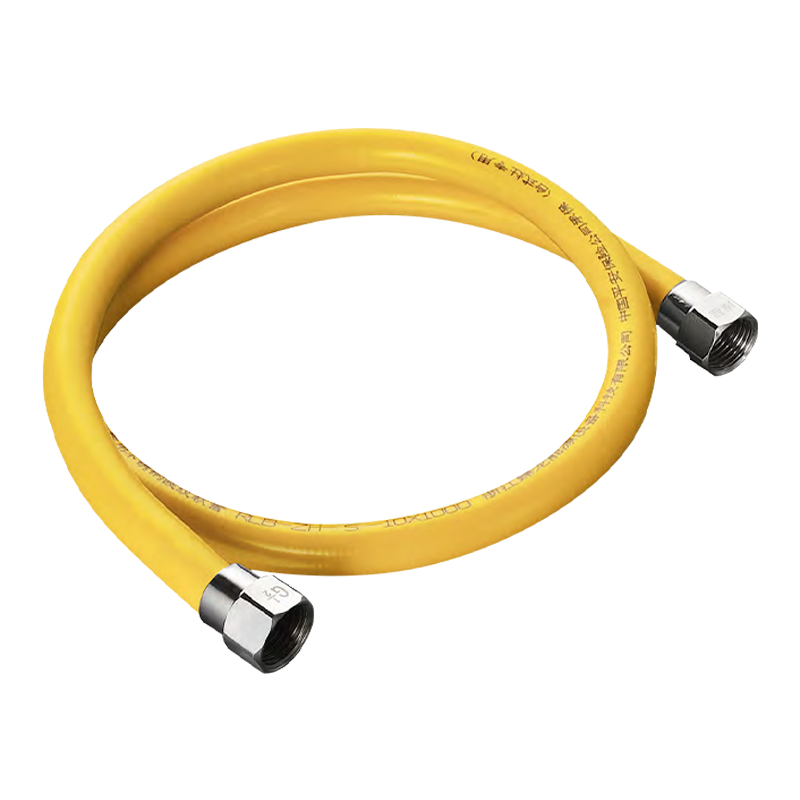
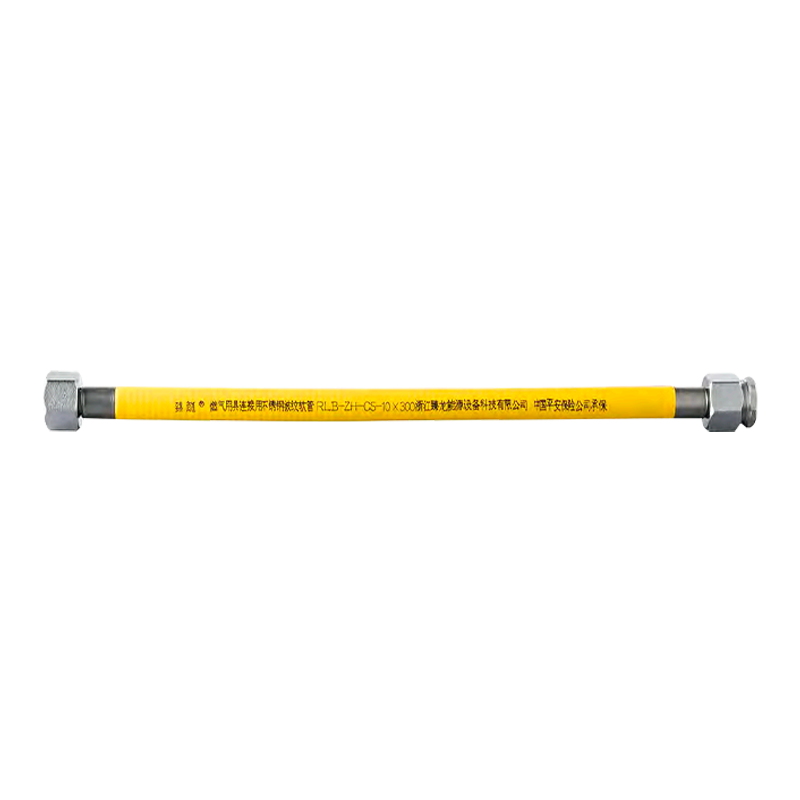
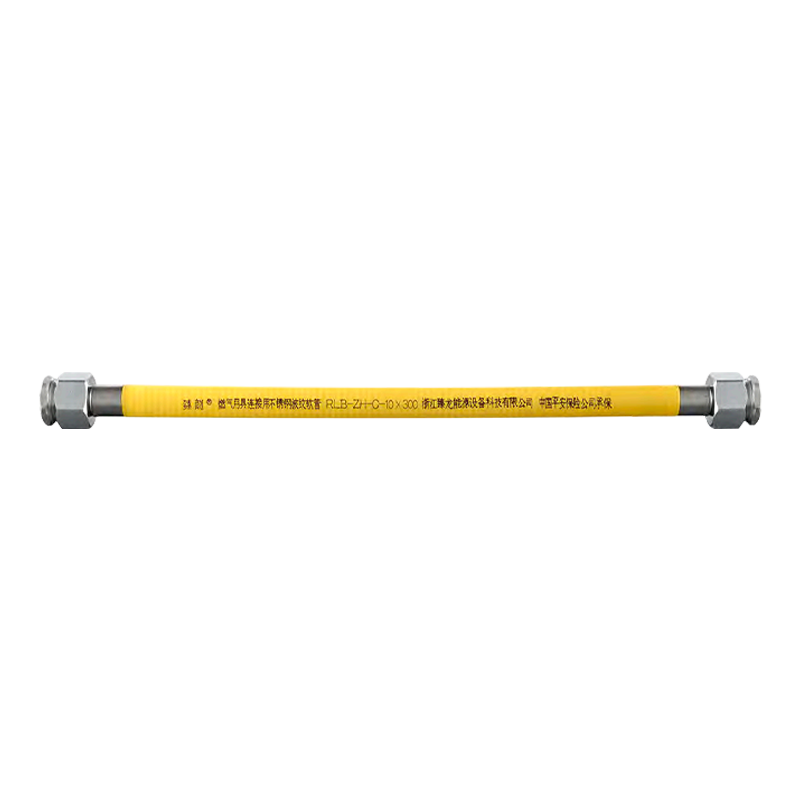
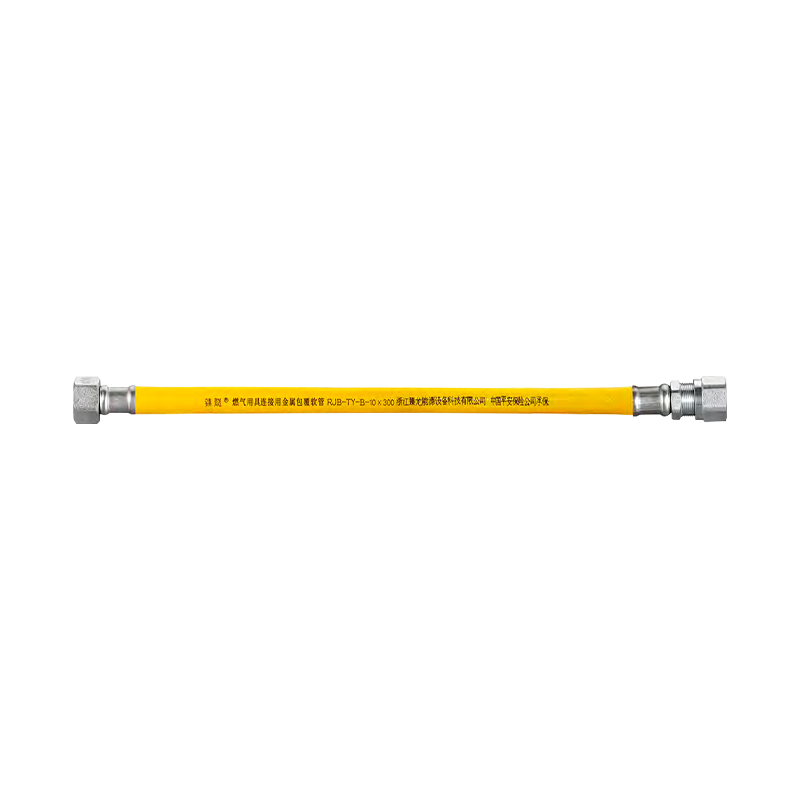
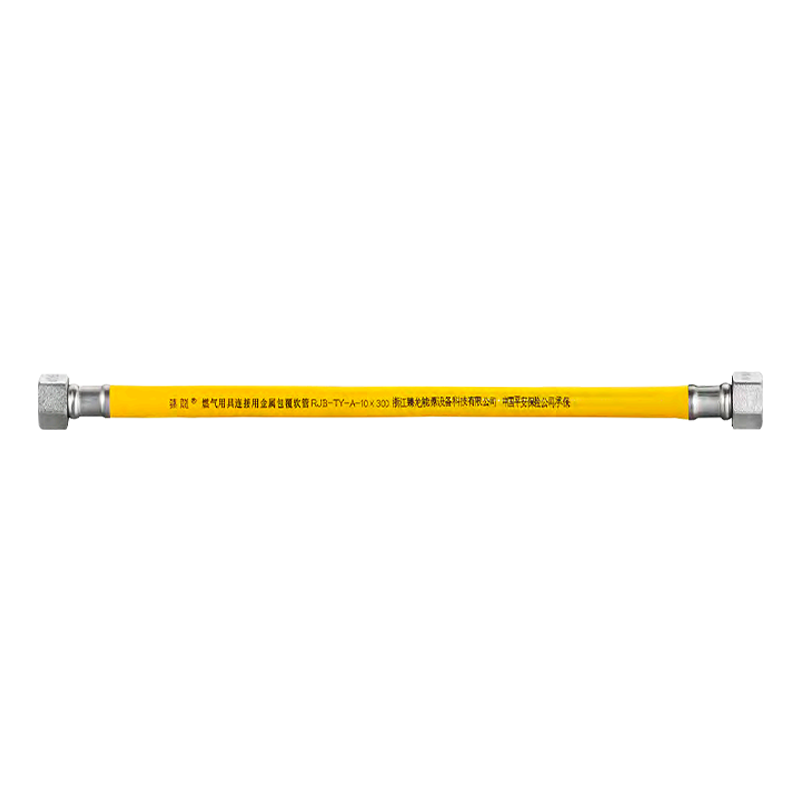
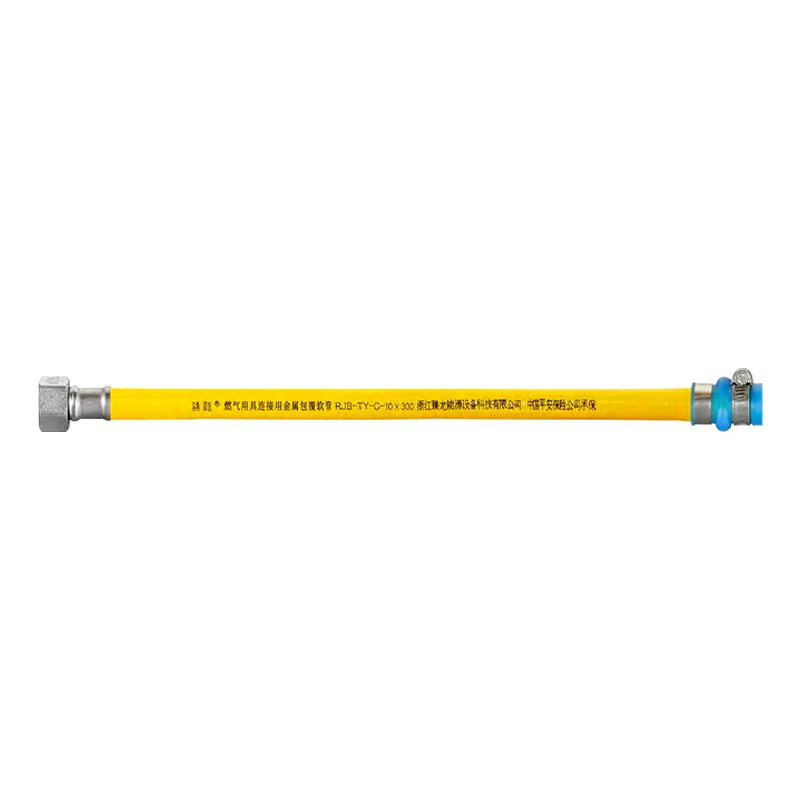
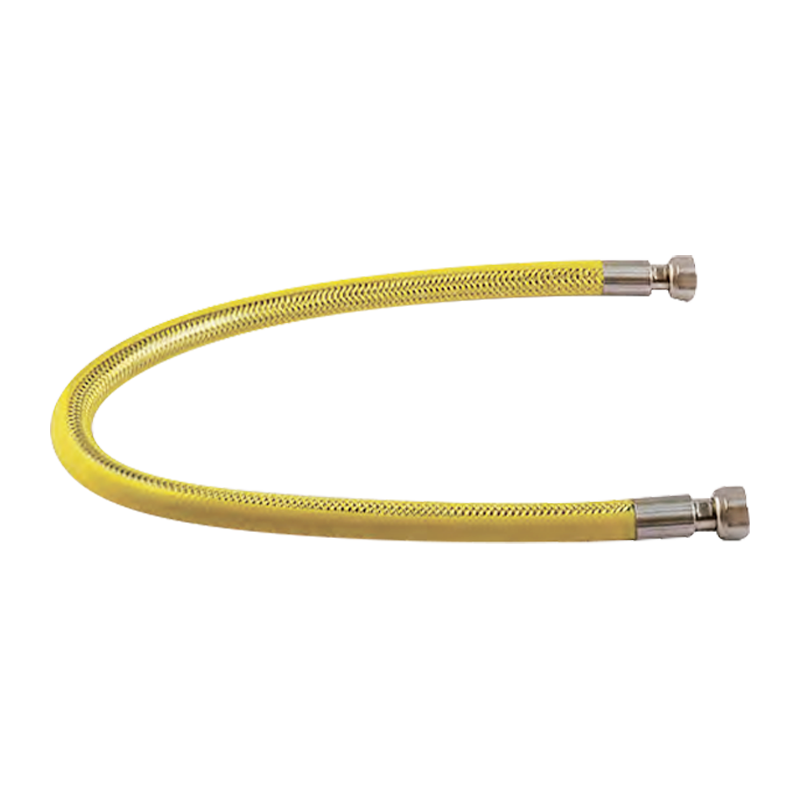
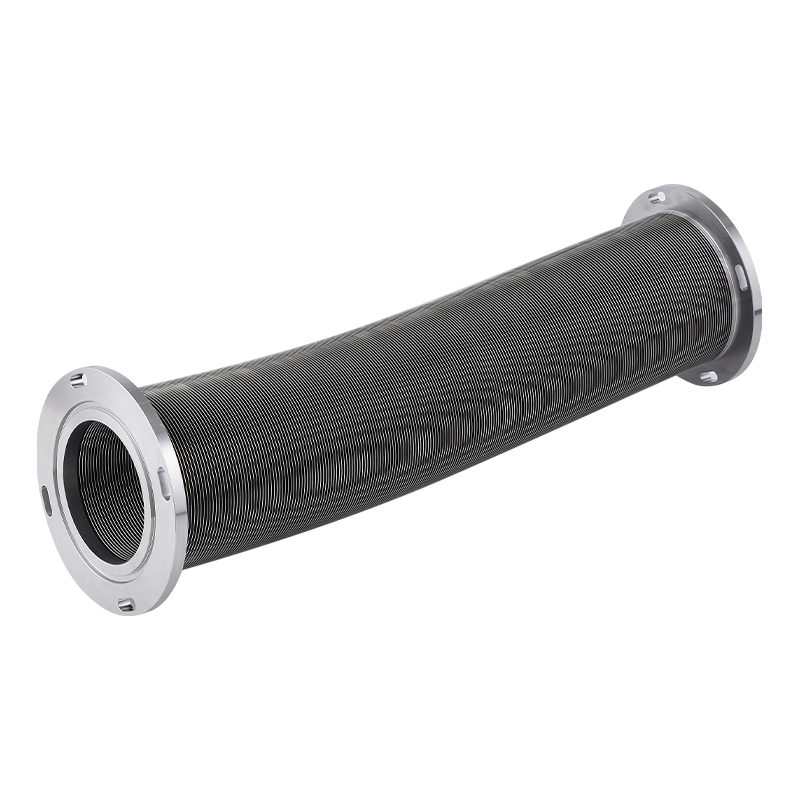
Welded corrugated pipe is an essential flexible connection solution for industrial hose systems, gas transmission assemblies, water supply connections, energy equipment, and precision-engineered piping applications. Designed to combine the strength of metal tubing with the flexibility of a formed corrugated structure, it helps solve common installation and operating challenges such as vibration, thermal expansion, misalignment, pressure fluctuation, and space limitations. In modern industrial environments, a pipe is no longer judged only by whether it can carry a medium from one point to another. It must also support safe operation, stable sealing, long service life, convenient installation, and compatibility with increasingly strict quality expectations.
The welded corrugated pipe offered by Zhejiang Zhenlong Energy Equipment Technology Co., LTD. reflects this direction of development. It is produced by a manufacturer specializing in metal hoses, corrugated hoses, natural gas pipelines, plumbing fittings, sanitary ware, valves, plastic products, hardware, and related energy equipment components. With integrated research, manufacturing, processing, and trade capabilities, the company provides a production platform that supports both standardized supply and customized OEM/ODM requirements. For buyers seeking dependable industrial hose products, welded corrugated pipe represents a practical balance between flexibility, pressure resistance, process reliability, and engineering adaptability.
Unlike ordinary rigid pipe, welded corrugated pipe can accommodate movement. Unlike many non-metallic hose products, it can deliver a higher level of durability in demanding service conditions where temperature variation, mechanical stress, or long-term structural stability matters. Its corrugated geometry allows the pipe body to bend and absorb displacement while retaining the benefits of metallic construction. When manufactured with controlled welding, forming, heat treatment, and inspection processes, the result is a component suitable for use in compact installations, gas and water-related systems, equipment connections, industrial transfer lines, and other applications that require secure and flexible metal piping.
Content
- 1 Understanding the Welded Corrugated Pipe
- 2 Why Welded Corrugated Pipe Is Preferred in Industrial Hose Applications
- 3 Core Advantages Over Conventional Competitor Products
- 4 Manufacturing Strength Behind the Product
- 5 Quality Management and Certification Support
- 6 Technical Features That Matter to Buyers
- 7 Product Performance Overview
- 8 Applications in Gas, Water, and Industrial Systems
- 9 Design Considerations for Proper Selection
- 10 Installation Advantages and Best Practices
- 11 Why Production Scale Benefits Customers
- 12 Research, Development, and Customization Capability
- 13 Safety and Reliability in Gas-Related Use
- 14 Value in Water and Plumbing-Related Systems
- 15 Industrial Hose Performance in Demanding Environments
- 16 How the Product Supports Lower Total Cost of Ownership
- 17 Purchasing Guidance for Importers, Distributors, and OEM Buyers
- 18 Company Strength and Service Commitment
- 19 Q&A Section
- 19.1 Q1: What is a welded corrugated pipe?
- 19.2 Q2: Why choose welded corrugated pipe instead of rigid pipe?
- 19.3 Q3: How does it compare with rubber or plastic hose?
- 19.4 Q4: What manufacturing factors influence product quality?
- 19.5 Q5: Can welded corrugated pipe be customized?
- 19.6 Q6: Is welded corrugated pipe suitable for gas applications?
- 19.7 Q7: What should buyers provide when requesting a quotation?
- 19.8 Q8: How does tightness testing benefit users?
- 19.9 Q9: Why is heat treatment important?
- 19.10 Q10: What makes this product competitive for distributors and OEM customers?
- 20 Conclusion
- 21 References
- 22 Product: Welded corrugated pipe
Understanding the Welded Corrugated Pipe
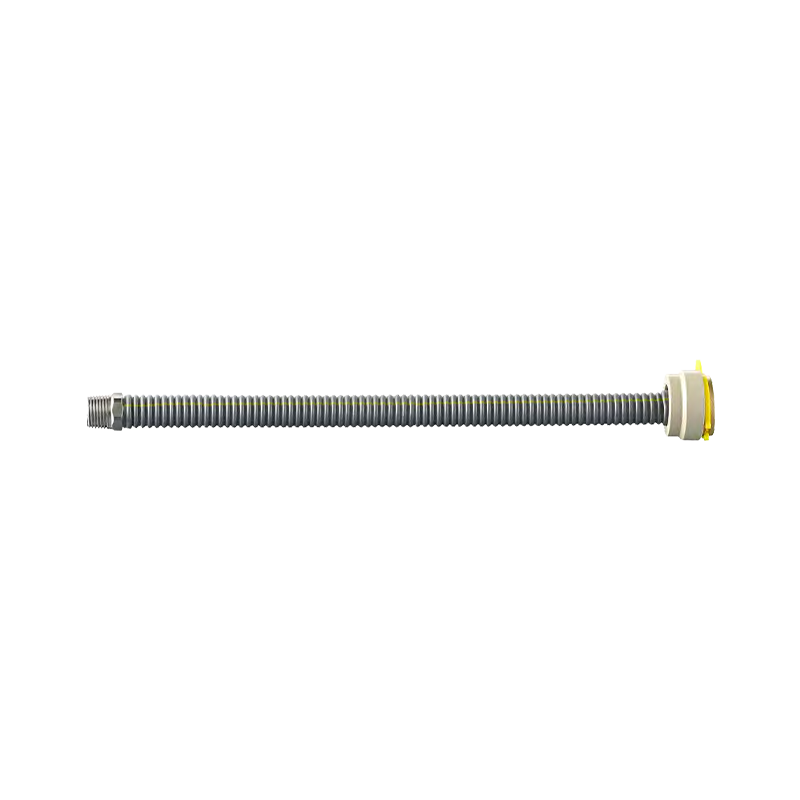
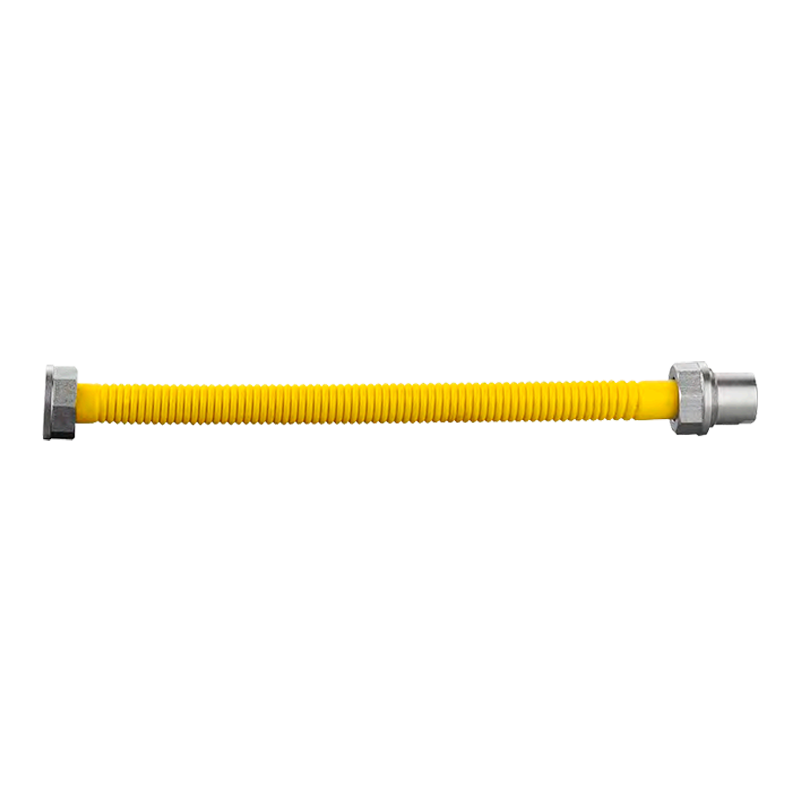
A welded corrugated pipe is typically formed from metal strip or tube material that is welded into a continuous pipe body and then processed into a corrugated shape. The corrugations are not merely visual features. They are engineered waves that provide controlled flexibility, allowing the pipe to bend without the same level of deformation or stress concentration found in smooth rigid tubing. This makes the product highly valuable in assemblies where piping must be routed around obstacles, connected between equipment with slight positional differences, or used in locations where vibration and expansion are unavoidable.
The word “welded” is important because the integrity of the weld seam plays a direct role in safety and service performance. A well-produced welded corrugated pipe depends on stable welding parameters, appropriate material preparation, accurate forming, and consistent inspection. Poor welding can create weak points, leakage risks, or fatigue failures. High-quality welded corrugated pipe, however, can offer reliable sealing and mechanical stability while maintaining flexibility. This is why manufacturing experience and production equipment matter significantly when comparing suppliers.
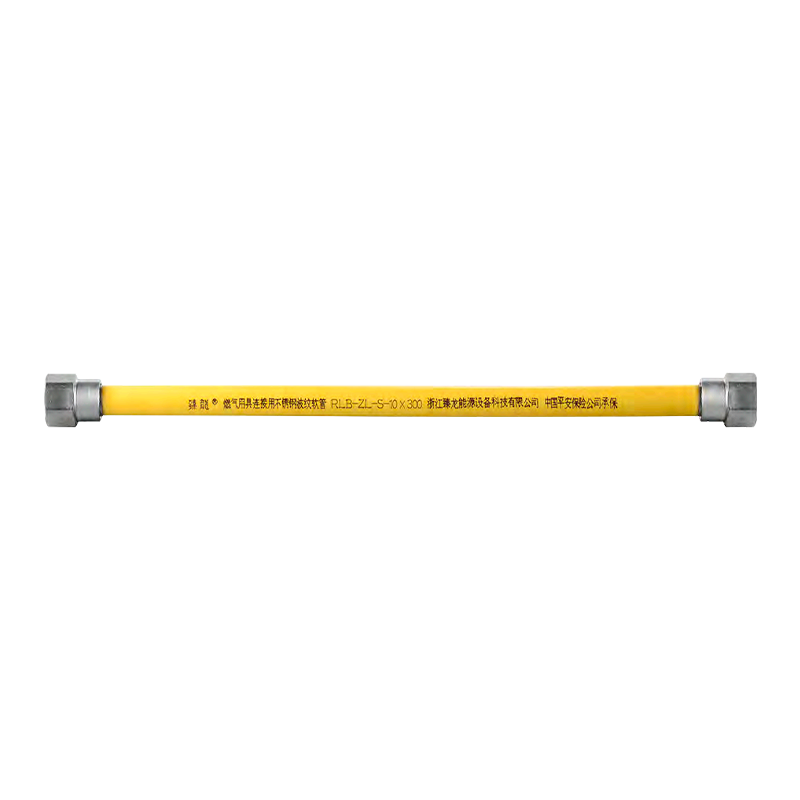
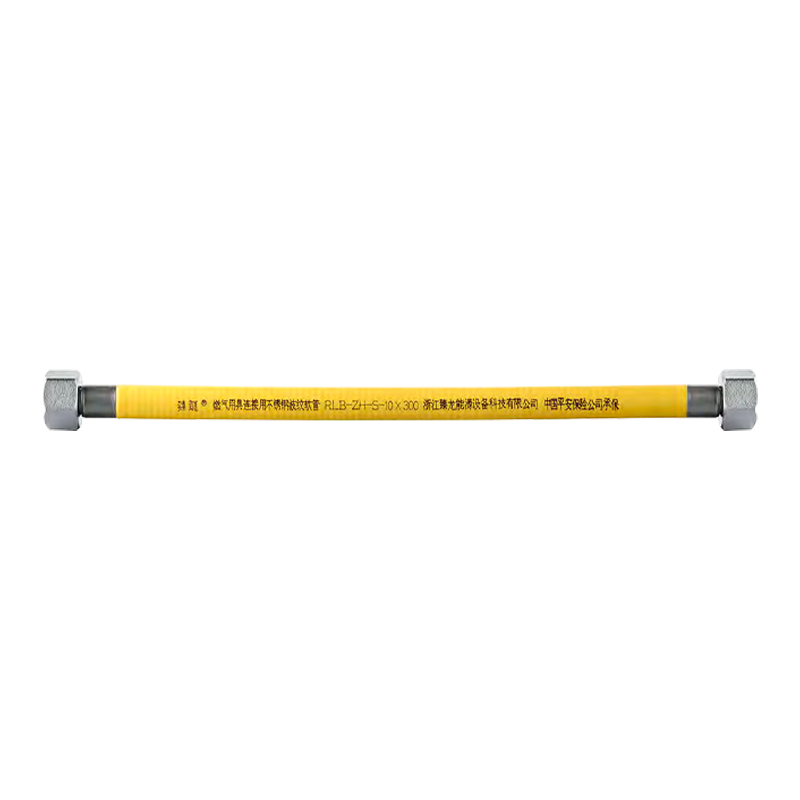
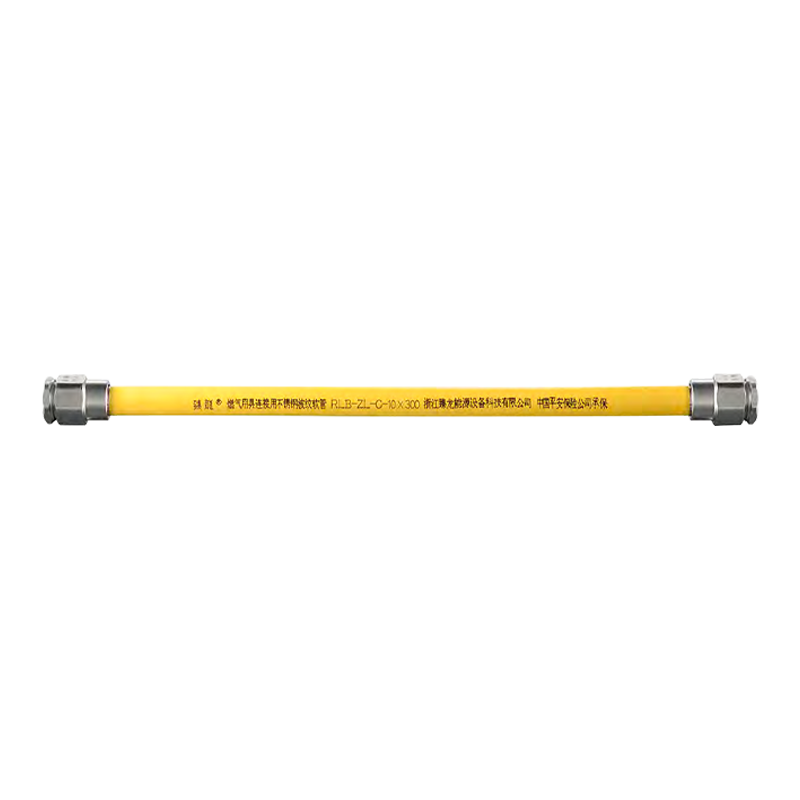
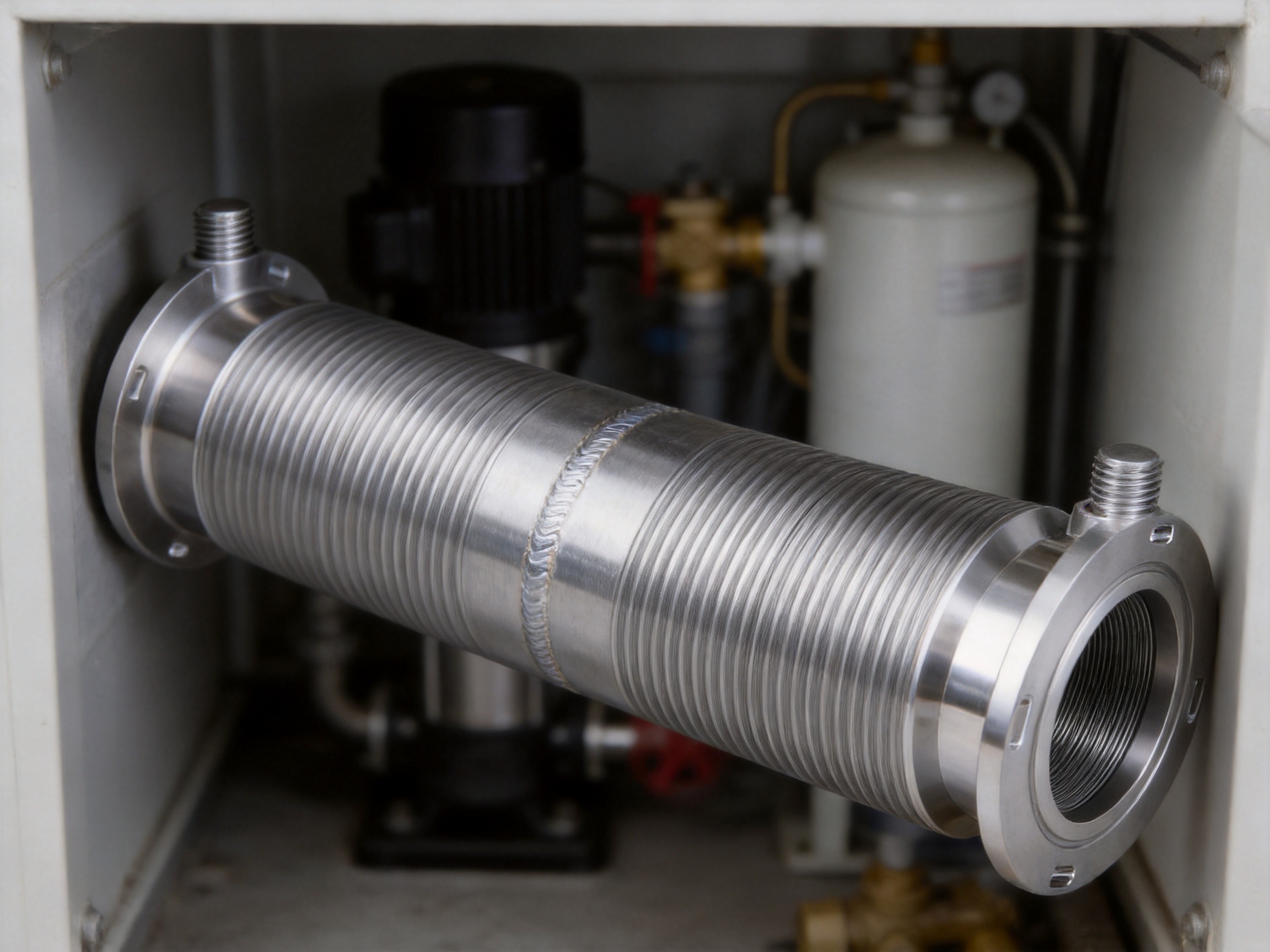
In industrial hose applications, the welded corrugated pipe often functions as the central flexible conduit. Depending on the final system design, it may be paired with end fittings, connectors, nuts, flanges, sleeves, or other pipe fittings. It can be used as part of metal hose assemblies or as a flexible section within a larger gas, water, or equipment pipeline. The product’s performance is influenced by its material, wall thickness, corrugation profile, weld quality, heat treatment, dimensional accuracy, and final testing.
For procurement teams and engineering departments, the value of welded corrugated pipe lies in its ability to simplify installation while supporting reliable operation. It can reduce the need for multiple elbows, compensators, and complex rigid-pipe layouts. In many applications, a properly selected corrugated pipe can absorb small movements that would otherwise be transferred directly to equipment nozzles, threaded joints, or welded connections. This contributes to system protection and may reduce maintenance caused by stress-related loosening or cracking.
Why Welded Corrugated Pipe Is Preferred in Industrial Hose Applications
Industrial hose systems operate under practical conditions that are often less ideal than design drawings suggest. Equipment vibrates. Buildings settle slightly. Pipes expand when heated and contract when cooled. Installation teams encounter space restrictions. Connection points may not align perfectly. A rigid pipe system can handle some of these conditions only if it is carefully designed with additional supports, expansion joints, and precise routing. Welded corrugated pipe provides a more adaptable option by introducing flexibility directly into the line.
One of the main reasons industrial users choose welded corrugated pipe is vibration absorption. Pumps, compressors, burners, gas control equipment, water handling units, and manufacturing machines can transmit mechanical vibration into connected piping. Over time, repeated vibration can affect threaded joints, sealing surfaces, supports, and nearby components. A corrugated metal pipe section can act as a flexible connection that helps reduce stress transfer. This does not eliminate the need for correct installation, but it provides a valuable layer of mechanical protection.
Another advantage is compensation for thermal movement. In systems carrying heated fluids, steam-related media, warm water, gas exposed to temperature changes, or process fluids, piping length can change as temperature changes. Rigid piping may require expansion loops or special joints. Welded corrugated pipe can handle controlled axial, lateral, or angular movement depending on design and installation. This makes it particularly useful in compact spaces where traditional expansion compensation methods are difficult to apply.
Installation efficiency is also a major benefit. A flexible corrugated pipe can be routed more easily than rigid pipe, especially in confined areas. It can reduce the number of individual fittings required, shorten installation time, and help accommodate site tolerances. For contractors, this can mean fewer cutting, threading, bending, or welding operations on site. For system owners, it may reduce installation complexity and improve the likelihood of achieving a secure connection during initial assembly.
Compared with many rubber or plastic hoses, metal welded corrugated pipe can offer stronger resistance to aging, external damage, and temperature-related degradation. Non-metallic hoses are useful in many industries, but they may harden, crack, swell, or degrade when exposed to certain media, heat, or environmental conditions. Metallic corrugated pipe, when made from suitable material and properly finished, can provide better long-term dimensional stability and stronger mechanical protection. This makes it attractive for gas, water, and energy equipment applications where safety and service continuity are priorities.
Core Advantages Over Conventional Competitor Products
The competitive strength of welded corrugated pipe can be understood by comparing it with several common alternatives: rigid metal pipe, rubber hose, plastic hose, and low-quality corrugated pipe from less controlled production sources. Each alternative has its own place, but a properly manufactured welded corrugated pipe delivers a combination of benefits that many competing products cannot provide simultaneously.
Compared with rigid pipe, welded corrugated pipe offers flexibility and movement absorption. Rigid pipe is strong, but it is unforgiving. If equipment shifts, vibration occurs, or installation alignment is imperfect, stress can concentrate at joints. Welded corrugated pipe helps reduce this problem by allowing controlled deflection. This can protect equipment connections and simplify layouts. In addition, flexible pipe may reduce the number of elbows and fittings needed, which can lower potential leakage points in some assemblies.
Compared with rubber hose, welded corrugated pipe offers better metallic stability and improved resistance to certain environmental stresses. Rubber hoses may be convenient and flexible, but their service life can be affected by ozone, sunlight, heat, chemical exposure, and internal pressure pulsation. For applications involving gas-related systems, energy equipment, or long-term fixed installations, buyers often prefer metal construction because it provides a more robust structural solution. Welded corrugated pipe can be especially valuable when users want flexibility without relying on elastomeric materials as the primary pressure boundary.
Compared with plastic hose, welded corrugated pipe provides stronger resistance to heat and mechanical abuse. Plastic hose products may be light and economical, but they can be vulnerable to high temperatures, sharp edges, crushing, aging, or certain media compatibility issues. Metal corrugated pipe is often selected when safety margins, flame resistance, durability, and pressure integrity are more important than lowest initial cost. In professional installations, the cost of leakage, downtime, or replacement can far exceed the price difference between a premium metal pipe and a cheaper hose.
Compared with low-grade corrugated pipe, the key difference is manufacturing control. A corrugated pipe may look acceptable from the outside while hiding problems in weld consistency, wall uniformity, forming accuracy, or cleanliness. Zhejiang Zhenlong Energy Equipment Technology Co., LTD. supports production with 30 welding and forming production lines, 2 uninterrupted solid melting hydrogen furnace production lines, and inspection equipment including metal material analysis direct reading spectrometers and flow tightness testers. These capabilities support repeatability, material verification, and leak-tight performance, which are essential for dependable industrial hose products.
Manufacturing Strength Behind the Product
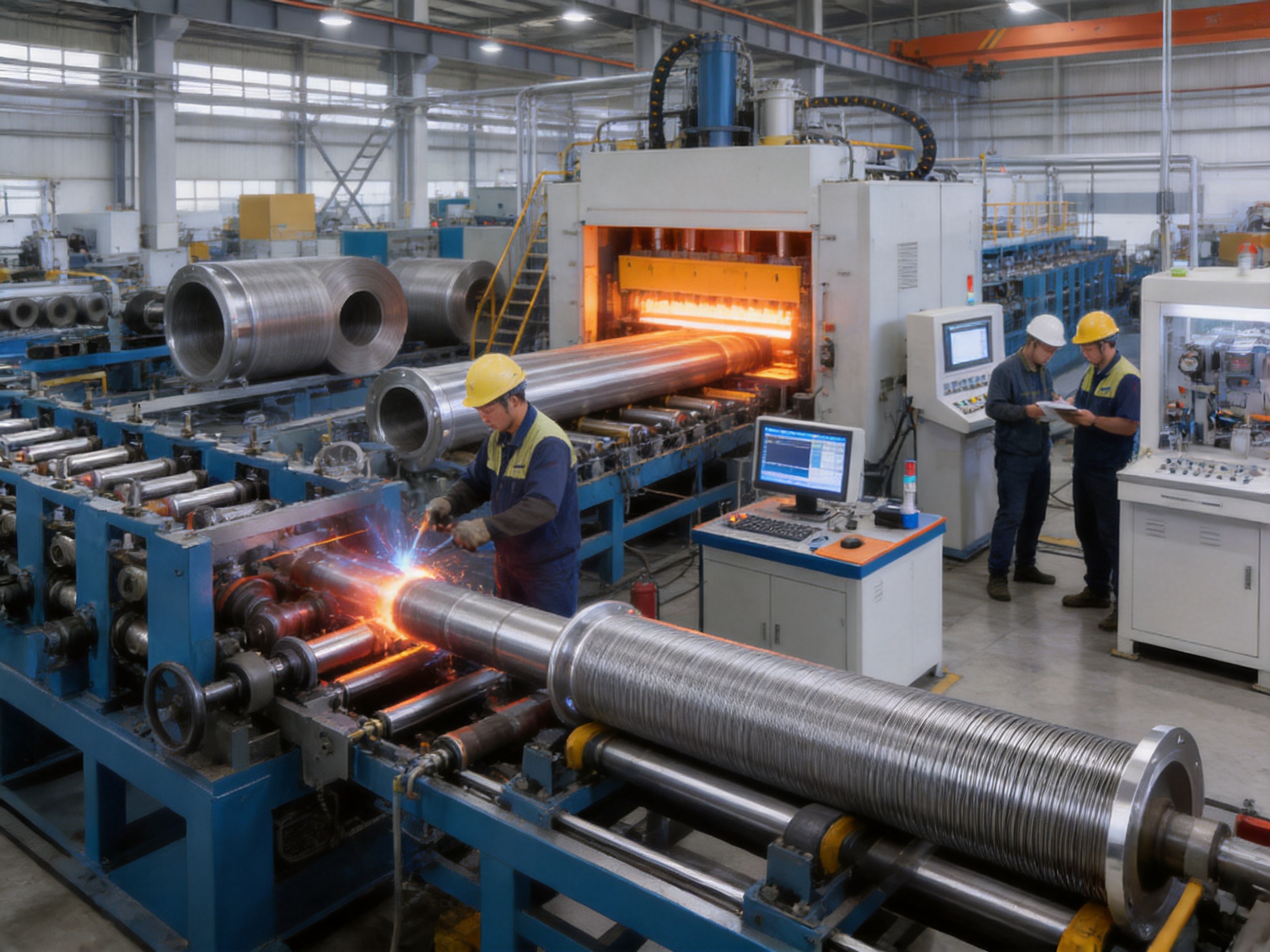
High-quality welded corrugated pipe depends on more than a single machine. It requires a complete manufacturing system that controls material selection, welding, forming, heat treatment, cleaning, inspection, packaging, and traceability. Zhejiang Zhenlong Energy Equipment Technology Co., LTD. operates in Yuyao, Ningbo, Zhejiang, with a 40-acre site and a 30,000-square-meter factory building. This production scale provides the foundation for stable capacity, organized workflow, and support for both standard product lines and customized engineering requirements.
The company integrates industry and trade, which gives it a practical advantage in serving global and domestic buyers. Manufacturing knowledge remains close to customer communication, while market feedback can be transferred quickly to production and product development teams. For welded corrugated pipe, this is important because different customers may require different lengths, connector styles, flexibility levels, pressure conditions, packaging methods, or application-specific details. A supplier with both production and trading capabilities can respond more efficiently to technical and commercial requirements.
The presence of 30 welding and forming production lines indicates strong production depth. Welding and forming are the core stages for corrugated pipe. Stable welding creates the continuous metal tube foundation, while forming gives the pipe its flexible corrugated structure. Having multiple lines allows the company to manage different product specifications, maintain production continuity, and support larger-volume orders. It also suggests experience in controlling different process parameters across a broad product range.
The company’s 2 uninterrupted solid melting hydrogen furnace production lines contribute to product performance by supporting heat treatment and material condition control. Heat treatment can help reduce stress generated during forming, improve structural consistency, and support the pipe’s ability to perform under repeated bending or pressure conditions. Hydrogen furnace processing can also contribute to surface quality and metallurgical stability when correctly applied. For welded corrugated pipe, these process advantages may translate into better fatigue resistance, improved appearance, and more reliable long-term behavior.
Testing equipment is another important sign of manufacturing strength. Metal material analysis direct reading spectrometers help verify material composition, reducing the risk of using incorrect or inconsistent raw materials. Flow tightness testers help confirm that finished products meet sealing expectations. In gas and water-related systems, leakage is one of the most critical risks. Testing supports confidence before products leave the factory. Buyers benefit from a supplier that understands inspection as a core production step rather than a final formality.
Quality Management and Certification Support
Industrial hose components are frequently used in systems where failure can lead to safety concerns, property damage, downtime, or regulatory problems. Therefore, quality management is not optional. Zhejiang Zhenlong Energy Equipment Technology Co., LTD. strictly implements the ISO9000:2008 quality management system and holds the People’s Republic of China Special Equipment Manufacturing License for pressure pipelines. The company also has EU CE certification testing reports and is a member of the China Urban Gas Association. These qualifications reflect its commitment to structured manufacturing and market compliance expectations.
ISO-based quality management helps standardize production procedures, documentation, corrective actions, and continuous improvement. For welded corrugated pipe, this can influence incoming material inspection, process parameter control, production records, worker training, equipment maintenance, and final testing. While certification alone does not guarantee every performance detail, it provides a management framework that helps reduce variation and supports consistent supply.
The pressure pipeline manufacturing license is especially relevant because welded corrugated pipe may be used in pressure-bearing systems. Such applications demand attention to weld integrity, material suitability, dimensional control, and leak testing. A manufacturer familiar with pressure pipeline requirements is better positioned to understand the seriousness of safety-related production. This experience supports customers who need products for gas pipes and fittings, water pipes and fittings, and industrial hose assemblies.
CE testing reports can support customers who must consider European market expectations or general international conformity needs. For exporters, project suppliers, and OEM buyers, documentation support can simplify supplier evaluation. It also demonstrates that the company is not limited to local production standards but is attentive to broader market requirements.
Membership in the China Urban Gas Association reflects involvement in the gas industry ecosystem. Gas applications require high reliability because leakage can create serious hazards. A company serving this field must value sealing performance, safe materials, and dependable fittings. Welded corrugated pipe produced in this environment benefits from the manufacturer’s accumulated understanding of gas pipeline products and safety-driven applications.
Technical Features That Matter to Buyers
When evaluating welded corrugated pipe, buyers should look beyond general descriptions and consider the technical features that influence real-world performance. The first feature is weld quality. Because the pipe body is welded, the seam must be continuous, uniform, and compatible with subsequent forming. Poor seam quality can become a failure path during bending, pressurization, or long-term service. A strong manufacturer controls welding conditions and inspects results to reduce risk.
The second feature is corrugation consistency. Corrugation shape affects flexibility, bend radius, fatigue resistance, and flow characteristics. Uneven corrugations can create weak spots or unpredictable bending behavior. Controlled forming equipment helps produce a consistent corrugated profile, supporting repeatable product performance. For customers ordering large quantities, consistency from batch to batch is as important as performance of a single sample.
The third feature is material verification. Metal composition affects corrosion resistance, mechanical properties, weldability, and temperature behavior. Material mix-ups can cause serious problems, especially in demanding applications. The use of direct reading spectrometers for metal material analysis helps ensure that incoming or processed materials match expectations. This supports quality confidence and traceability.
The fourth feature is leak-tightness. In gas and water applications, even small leakage can be unacceptable. Flow tightness testing provides a practical method to verify sealing performance before delivery. For assemblies that include fittings, connectors, or end treatments, both the pipe body and connection areas must be evaluated. Reliable testing reduces field risk and protects customer reputation.
The fifth feature is heat treatment and stress control. Corrugated pipes are shaped through forming processes that can introduce internal stresses. Appropriate furnace treatment can improve stability and support service life. The company’s uninterrupted solid melting hydrogen furnace production lines are valuable assets in this regard. They support efficient thermal processing and contribute to product uniformity.
Product Performance Overview
| Performance Aspect | Benefit for Users | Why Manufacturing Control Matters |
|---|---|---|
| Flexibility | Allows easier routing, absorbs movement, and reduces installation stress. | Consistent corrugation forming supports predictable bending behavior. |
| Leak Tightness | Supports safe use in gas, water, and industrial transfer systems. | Weld quality and flow tightness testing reduce leakage risk. |
| Vibration Absorption | Helps protect equipment connections from repeated mechanical stress. | Proper material condition and forming improve fatigue resistance. |
| Durability | Provides a robust alternative to many rubber or plastic hose products. | Material analysis and heat treatment support long-term stability. |
| Installation Efficiency | Can reduce complex rigid pipe routing and compensate for small misalignment. | Dimensional accuracy and compatible fittings improve assembly quality. |
| Customization | Supports OEM/ODM requirements for different systems and markets. | Integrated production lines and engineering teams enable flexible supply. |
Applications in Gas, Water, and Industrial Systems
Welded corrugated pipe is suitable for a wide range of industrial hose applications because it offers flexibility while retaining metallic strength. In gas-related systems, it may be used as a flexible connection between pipeline sections, valves, meters, burners, or equipment. Gas applications place high importance on sealing, material reliability, and correct installation. The product’s leak-tight structure and compatibility with pipe fittings make it a practical choice when flexibility is needed without compromising safety expectations.
In water pipe and fitting systems, welded corrugated pipe can assist with connection flexibility, especially around pumps, heaters, sanitary equipment, or building service installations. Water systems may experience vibration from pumps, pressure fluctuations, and temperature changes. A corrugated metal pipe section can help absorb these effects and simplify alignment. It can also be useful where frequent maintenance access or compact routing is required.
In industrial hose systems, welded corrugated pipe is valuable for connecting machinery, process equipment, and utility lines. Many factories need hose products that are stronger than ordinary flexible tubing but easier to install than fully rigid pipe. Corrugated metal construction provides this middle ground. It can be used in energy equipment, manufacturing lines, fluid handling systems, and general industrial facilities where reliability and flexibility are both required.
For OEM manufacturers, welded corrugated pipe can be incorporated into finished equipment as a dependable flexible component. Equipment builders often need consistent parts that can be installed quickly and perform reliably across many units. A supplier with strong production capacity and customization capability can provide pipe lengths, fitting combinations, and packaging solutions aligned with assembly-line needs. This supports production efficiency for the OEM customer.
For distributors and project contractors, welded corrugated pipe can serve as a versatile stock item. Because it addresses common installation problems, it can be useful across multiple sectors. When sourced from a manufacturer with certifications, testing equipment, and production scale, distributors can offer customers a product with stronger quality assurance than generic alternatives.
Design Considerations for Proper Selection
To obtain the best performance from welded corrugated pipe, users must select the correct product for the application. The first consideration is the conveyed medium. Gas, water, air, and industrial fluids may have different compatibility requirements. Material selection should match the medium and operating environment. For corrosive or special fluids, additional confirmation may be required. A professional supplier can assist by reviewing basic application details before recommending a suitable configuration.
The second consideration is pressure. Corrugated pipe must be selected according to working pressure, pressure fluctuation, and applicable safety margins. Pressure capability depends on material, wall thickness, corrugation design, weld quality, end connection method, and any external braiding or reinforcement if used in a specific assembly. Users should never assume that all corrugated pipes have the same pressure rating. Proper technical confirmation is necessary.
The third consideration is temperature. Operating temperature affects material strength, expansion, sealing components, and long-term durability. Metal corrugated pipe generally handles temperature variation better than many non-metallic hoses, but the exact operating range must still be matched to the product design and fittings. Temperature cycling may also influence fatigue performance, especially if movement occurs simultaneously.
The fourth consideration is movement type. A corrugated pipe may experience bending, axial compression, lateral offset, angular movement, or vibration. Each movement type affects service life differently. Correct installation should avoid excessive twisting, over-bending, stretching, or unsupported loading. For longer service life, the pipe should be installed according to recommended bend radius and support practices.
The fifth consideration is end connection design. A high-quality pipe body can still fail to perform if fittings are unsuitable or poorly installed. Thread type, sealing method, connector material, and torque control all matter. As a manufacturer of pipe fittings as well as metal hoses and corrugated hoses, Zhejiang Zhenlong Energy Equipment Technology Co., LTD. has the product background to support integrated connection solutions.
Installation Advantages and Best Practices
One of the greatest practical benefits of welded corrugated pipe is that it can simplify installation. It can compensate for slight misalignment between connection points and reduce the need for multiple rigid fittings. However, flexibility should not be misunderstood as unlimited freedom. Correct installation is essential for safe and long-lasting service.
The pipe should not be twisted during installation. Torsion can damage the corrugated structure and reduce fatigue life. Installers should hold fittings properly and avoid rotating the pipe body. If threaded connections are used, tools should be applied to the appropriate fitting surfaces rather than forcing the pipe to absorb torque.
The pipe should not be bent below its recommended bend radius. Excessive bending can flatten corrugations, create stress concentration, and shorten service life. A smooth bend is preferable to a sharp bend. If a system requires repeated movement, the design should account for dynamic bending conditions rather than only static positioning.
The pipe should be supported where necessary. Although corrugated pipe is flexible, it should not be allowed to hang in a way that places excessive weight on fittings or creates continuous stress. Proper supports, clamps, or guides can improve performance and appearance. In vibrating systems, support design should prevent harmful rubbing, impact, or resonance.
The pipe should be protected from mechanical damage. Metal corrugated pipe is robust, but sharp impacts, crushing loads, abrasive contact, or improper handling can still cause damage. During transportation, storage, and installation, products should be kept clean and protected. This is especially important for gas and water systems where sealing integrity is critical.
Why Production Scale Benefits Customers
Production scale is not only about quantity. It also affects delivery reliability, process specialization, cost control, and the ability to support customers with different requirements. A 40-acre manufacturing site and 30,000-square-meter factory building provide Zhejiang Zhenlong Energy Equipment Technology Co., LTD. with room for organized production, equipment layout, storage, inspection, and workflow management. This is valuable for customers who need stable supply rather than occasional small-batch production.
Multiple welding and forming lines help reduce bottlenecks. If a manufacturer relies on limited equipment, urgent orders or specification changes can disrupt schedules. A broader production base provides more flexibility in planning. It also allows different product categories, such as metal hoses, natural gas pipelines, plumbing fittings, valves, and hardware, to be coordinated within a larger manufacturing system.
Production scale also supports quality learning. When a manufacturer produces large quantities across different applications, it accumulates process knowledge. Operators, engineers, and inspectors become familiar with common defects, optimization methods, and customer expectations. This practical experience is difficult to replace. It contributes to stable manufacturing and faster problem-solving.
For OEM/ODM customers, production scale is especially important. Custom production requires communication, sampling, adjustment, testing, and repeatable mass production. A small workshop may provide samples but struggle with consistent volume delivery. A factory with extensive production lines and testing equipment is better positioned to move from prototype to production while maintaining quality expectations.
Research, Development, and Customization Capability
Modern customers increasingly require products tailored to their systems. A welded corrugated pipe may need a certain length, connector style, flexibility characteristic, surface condition, packaging method, or compatibility with a specific assembly process. Zhejiang Zhenlong Energy Equipment Technology Co., LTD. has a strong R&D, design, and production team that supports custom production of metal hoses, corrugated hoses, pipe fittings, and precision engineering pipes.
R&D capability allows the company to consider not only the pipe itself but also the complete application environment. For example, a gas connection product may require strong sealing reliability and compliance awareness. A water fitting application may emphasize corrosion resistance, installation convenience, and compatibility with plumbing components. An industrial equipment application may focus on vibration, temperature, and fatigue life. By understanding these different priorities, the manufacturer can provide more relevant solutions.
Customization also supports customer differentiation. Distributors may want product designs that match local market preferences. Equipment manufacturers may need pipe assemblies optimized for their machine layouts. Contractors may require project-specific packaging or fitting combinations. OEM/ODM support allows customers to build their own product programs while relying on the manufacturer’s production expertise.
The company’s integrated product range strengthens customization. Because it produces not only welded corrugated pipe but also related pipe fittings, natural gas pipelines, plumbing fittings, valves, plastic products, and hardware, it can approach product development with a broader system perspective. This can reduce compatibility problems and improve the efficiency of developing complete connection solutions.
Safety and Reliability in Gas-Related Use
Gas systems demand special attention because leakage can create serious safety hazards. Welded corrugated pipe used in gas applications must be produced and selected carefully. The manufacturer’s background in natural gas pipelines, pipe fittings, and membership in the China Urban Gas Association supports a safety-oriented understanding of this market. The company’s pressure pipeline manufacturing license further reinforces its experience with regulated pressure-related products.
For gas use, weld integrity is fundamental. The pipe body must remain leak-tight under expected service conditions. Flow tightness testing is therefore highly relevant. The ability to verify leakage performance before delivery helps reduce installation risk and supports customer confidence. Material consistency is also important because gas systems may be installed for long service periods, and unexpected material weaknesses can become serious over time.
Connection reliability is equally important. Even when the pipe body is sound, improper fittings or poor installation can cause leakage. A manufacturer that understands both hoses and pipe fittings can help provide more complete solutions. Correct thread design, sealing surfaces, gaskets where applicable, and fitting assembly all contribute to safety.
In addition, flexibility can improve gas system reliability when used correctly. It can reduce stress transferred to meters, valves, burners, or equipment. It can help accommodate installation tolerances and thermal movement. However, gas systems should always follow applicable standards, codes, and professional installation practices. Welded corrugated pipe is a high-value component, but system safety depends on correct selection, installation, inspection, and maintenance.
Value in Water and Plumbing-Related Systems
Water and plumbing systems also benefit from welded corrugated pipe. Although water may appear less hazardous than gas, leakage can still cause property damage, system downtime, mold, corrosion, or equipment failure. Flexible metal pipe connections can help reduce stress on pumps, heaters, valves, and sanitary equipment. In compact building service spaces, flexibility can make installation faster and more reliable.
Temperature variation is common in plumbing systems, especially where hot water is involved. Welded corrugated pipe can absorb controlled expansion and contraction while maintaining a metallic pressure boundary. This can reduce stress on rigid connections. It may also help lower noise or vibration transmission from pumps and flow equipment when used properly.
Compared with some plastic flexible connectors, metal corrugated pipe offers greater mechanical toughness and heat stability. This can be important in installations exposed to equipment rooms, maintenance activity, or higher operating temperatures. Compared with rigid copper, steel, or stainless pipe sections, it can reduce alignment difficulties and support faster assembly.
The company’s production of plumbing fittings, sanitary ware, valves, and hardware provides relevant experience for water-related applications. Buyers can benefit from a supplier that understands the broader connection system, not just a single pipe body. This can be helpful when designing product packages for plumbing distributors, contractors, or equipment manufacturers.
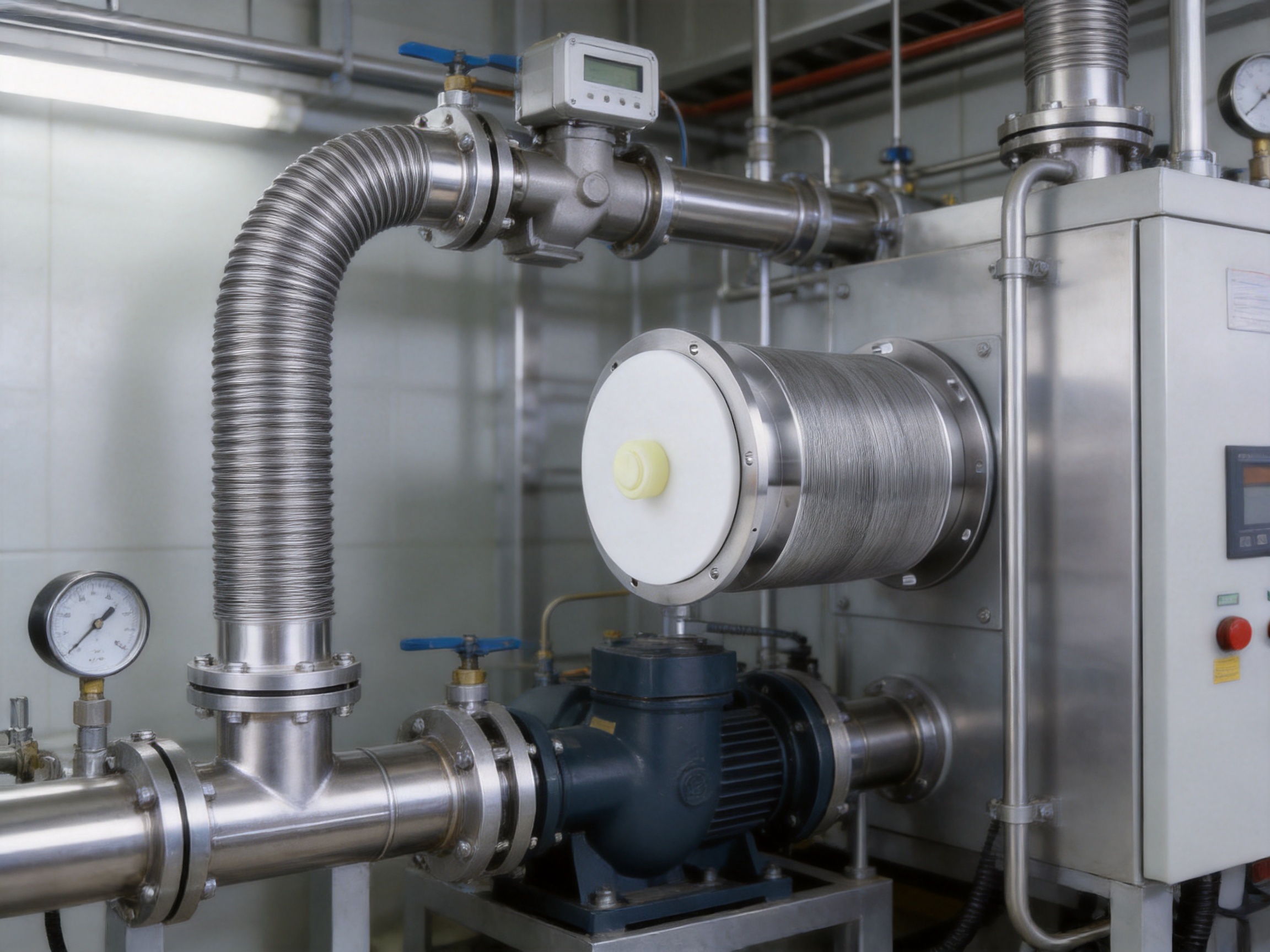
Industrial Hose Performance in Demanding Environments
Industrial environments can be harsh. Hoses may be exposed to vibration, repeated movement, pressure pulsation, temperature changes, oils, cleaning processes, mechanical contact, and frequent maintenance operations. Welded corrugated pipe is well suited for many such environments because it provides a durable metal structure with engineered flexibility. It is not simply a substitute for every hose type, but it is an excellent choice where ordinary flexible hose materials may not provide enough durability or safety.
In equipment connections, welded corrugated pipe can protect machinery by reducing stress at connection points. This is important for pumps, compressors, generators, processing equipment, heating systems, and energy-related devices. Flexible metal pipe can compensate for minor movement while maintaining a clean and professional installation.
In process utility systems, corrugated pipe can simplify routing. Factories often have crowded equipment layouts, and rigid pipe installation can be time-consuming. Flexible welded corrugated pipe can reduce installation difficulty and allow more compact layouts. It can also support maintenance because components may be easier to disconnect or align when flexible sections are present.
In industrial supply chains, product consistency is critical. A hose failure can stop production, damage equipment, or create safety concerns. Manufacturers and distributors therefore prefer suppliers with proven production systems. The combination of welding and forming lines, hydrogen furnace processing, material analysis, tightness testing, and quality management makes the product more competitive than low-cost alternatives that lack process transparency.
How the Product Supports Lower Total Cost of Ownership
Some buyers initially compare pipe products only by purchase price. However, total cost of ownership includes installation time, maintenance frequency, downtime risk, replacement cost, leakage consequences, and supplier reliability. Welded corrugated pipe may offer strong value because it can reduce hidden costs across the product life cycle.
Installation savings can be significant. A flexible pipe can reduce the labor required for precise rigid-pipe alignment. It may also reduce the number of fittings, elbows, or field modifications. Faster installation means lower labor cost and fewer opportunities for installation errors. For project contractors, this can improve schedule control.
Maintenance savings can result from vibration absorption and stress reduction. If a flexible section helps protect equipment connections, it may reduce loosening, cracking, or leakage caused by repeated movement. In systems where equipment requires periodic servicing, flexible connections may also simplify removal and reassembly.
Downtime reduction is another major value. In industrial facilities, leakage or pipe failure can stop production. A durable welded corrugated pipe from a controlled manufacturing process can reduce failure risk. Even a small improvement in reliability can be financially meaningful when the connected system is critical.
Supplier reliability also affects total cost. A manufacturer with production scale and testing equipment can support repeat orders, documentation, and customization more effectively. Customers do not need to repeatedly qualify new sources or deal with inconsistent batches. Stable supply contributes to business continuity.
Purchasing Guidance for Importers, Distributors, and OEM Buyers
When purchasing welded corrugated pipe, buyers should evaluate both product characteristics and supplier capability. The first step is to define the application clearly. Important details include medium, pressure, temperature, installation environment, required length, connection type, movement conditions, applicable standards, and order volume. Clear information helps the manufacturer recommend a suitable product.
The second step is to review manufacturing capability. Buyers should ask whether the supplier controls welding, forming, heat treatment, material verification, and tightness testing. They should also consider whether the supplier has experience with gas, water, or industrial hose applications. Zhejiang Zhenlong Energy Equipment Technology Co., LTD. has relevant strengths in these areas, supported by its production lines, furnace lines, inspection equipment, and certifications.
The third step is to consider customization and technical support. If the product will be used in an OEM assembly, small differences in length, fitting shape, or packaging can affect assembly efficiency. A capable manufacturer can work with samples, drawings, or technical requirements to develop a suitable solution. Strong pre-sales and after-sales service can also help resolve questions before and after delivery.
The fourth step is to evaluate consistency. A sample may pass initial review, but mass production must match the approved quality. Quality management systems, process records, inspection methods, and production experience help ensure consistency. Buyers should prioritize suppliers that can explain how they control repeatability.
The fifth step is to assess long-term cooperation potential. Welded corrugated pipe may become part of a customer’s regular product portfolio. A supplier with multiple related product categories, such as metal hoses, corrugated hoses, pipe fittings, valves, and plumbing components, can support future product expansion. This makes cooperation more strategic than a single transaction.
Company Strength and Service Commitment
Zhejiang Zhenlong Energy Equipment Technology Co., LTD. is engaged in the research, development, manufacturing, and processing of energy equipment. Its product scope includes metal hoses, natural gas pipelines, plumbing fittings, sanitary ware, valves, plastic products, and hardware. This broad manufacturing base allows the company to serve customers in gas, water, industrial hose, and energy equipment markets with an integrated understanding of pipe connection systems.
The company is located at No. 369 Shunyu West Road, Yangming Street, Yuyao City, Zhejiang. Its factory covers 40 acres and includes a 30,000-square-meter production building. With 30 welding and forming production lines and 2 uninterrupted solid melting hydrogen furnace production lines, the company has the production foundation required for stable output and advanced processing. Its testing equipment, including metal material analysis direct reading spectrometers and flow tightness testers, supports product verification and quality confidence.
The company strictly implements the ISO9000:2008 quality management system and holds the People’s Republic of China Special Equipment Manufacturing License for pressure pipelines. It also has EU CE certification testing reports and is a member of the China Urban Gas Association. These qualifications support its position as a professional manufacturer of metal hoses, corrugated hoses, pipe fittings, and precision engineering pipes.
Customer service is another important strength. The company has a strong R&D, design, and production team and provides comprehensive pre-sales and after-sales services. For welded corrugated pipe customers, this means technical communication, product selection support, customization discussion, production coordination, and follow-up assistance. In competitive markets, service quality often determines whether a supplier can become a long-term partner.
Q&A Section
Q1: What is a welded corrugated pipe?
A welded corrugated pipe is a metal pipe formed with corrugations after welding. The welded structure provides a continuous pressure boundary, while the corrugated shape allows flexibility. It is commonly used in industrial hose systems, gas connections, water connections, and equipment piping where movement absorption and reliable sealing are required.
Q2: Why choose welded corrugated pipe instead of rigid pipe?
Rigid pipe is strong but does not easily absorb vibration, thermal expansion, or installation misalignment. Welded corrugated pipe provides controlled flexibility, helping reduce stress on equipment and connections. It can also simplify installation in compact or complicated spaces.
Q3: How does it compare with rubber or plastic hose?
Rubber and plastic hoses can be useful, but they may be affected by aging, heat, chemicals, sunlight, or mechanical damage. Welded corrugated pipe offers a metallic structure with better durability in many demanding applications. It is especially attractive where long-term safety, pressure integrity, and temperature stability are important.
Q4: What manufacturing factors influence product quality?
The most important factors include material quality, weld consistency, corrugation forming accuracy, heat treatment, dimensional control, and tightness testing. Zhejiang Zhenlong Energy Equipment Technology Co., LTD. supports these factors with welding and forming production lines, hydrogen furnace lines, spectrometer material analysis, and flow tightness testing.
Q5: Can welded corrugated pipe be customized?
Yes. Customization can include length, fitting type, connection style, assembly design, packaging, and application-specific requirements. The manufacturer provides OEM/ODM support through its R&D, design, and production team.
Q6: Is welded corrugated pipe suitable for gas applications?
It can be suitable when properly designed, selected, tested, and installed according to applicable requirements. Gas applications require strict attention to leak tightness, material reliability, connection quality, and professional installation. The manufacturer’s experience with natural gas pipelines and pressure pipeline products supports this application area.
Q7: What should buyers provide when requesting a quotation?
Buyers should provide the application medium, working pressure, temperature range, required length, end connection type, movement conditions, quantity, packaging requirements, and any standards or drawings. Clear information helps the supplier recommend the correct product and avoid mismatches.
Q8: How does tightness testing benefit users?
Tightness testing helps confirm that the pipe or assembly does not leak before delivery. This is critical for gas, water, and industrial systems where leakage may cause safety risks, property damage, or downtime. It improves confidence in product reliability.
Q9: Why is heat treatment important?
Forming corrugations can introduce stress into the metal. Appropriate heat treatment can improve structural stability, support fatigue resistance, and contribute to consistent performance. The manufacturer’s uninterrupted solid melting hydrogen furnace production lines provide valuable support for this process.
Q10: What makes this product competitive for distributors and OEM customers?
The product combines flexibility, durability, leak-tight performance, and customization potential. The manufacturer’s scale, production equipment, testing capability, quality system, and broad product range support stable supply and long-term cooperation. This makes it competitive for distributors, contractors, and OEM equipment manufacturers.
Conclusion
Welded corrugated pipe is a high-value solution for industrial hose systems and related gas and water applications. It combines the flexibility required for modern installation challenges with the strength and durability of metallic construction. Compared with rigid pipe, it provides movement absorption and easier routing. Compared with many rubber or plastic hoses, it offers stronger long-term stability in demanding environments. Compared with low-grade corrugated products, it benefits from controlled welding, forming, heat treatment, material analysis, and tightness testing.
Zhejiang Zhenlong Energy Equipment Technology Co., LTD. provides this product with the support of a substantial manufacturing platform, including a 40-acre factory site, a 30,000-square-meter building, 30 welding and forming production lines, 2 uninterrupted solid melting hydrogen furnace production lines, and professional testing equipment. Its ISO9000:2008 quality management implementation, pressure pipeline manufacturing license, CE testing reports, and membership in the China Urban Gas Association further strengthen its credibility in safety-conscious pipe and hose markets.
For customers seeking metal hoses, corrugated hoses, pipe fittings, and precision engineering pipe solutions, welded corrugated pipe offers a practical and competitive choice. It supports installation efficiency, operational reliability, customization, and long-term value. Whether used by distributors, contractors, OEM equipment manufacturers, or industrial users, the product reflects the growing demand for flexible metal piping that is not only convenient but also carefully engineered and professionally manufactured.
References
International Organization for Standardization. Quality Management Systems: Fundamentals and Vocabulary.
American Society of Mechanical Engineers. Process Piping Design and Safety Principles.
European Committee for Standardization. Metallic Industrial Piping and Hose Assembly Guidance.
China Urban Gas Association. Technical Guidance for Urban Gas Pipeline Components.
Materials Engineering Handbook. Stainless and Welded Metallic Tube Forming Practices.
Industrial Hose and Flexible Piping Manual. Selection, Installation, and Maintenance Guidelines.