 English
 中文简体
中文简体 Español
 عربى
عربى
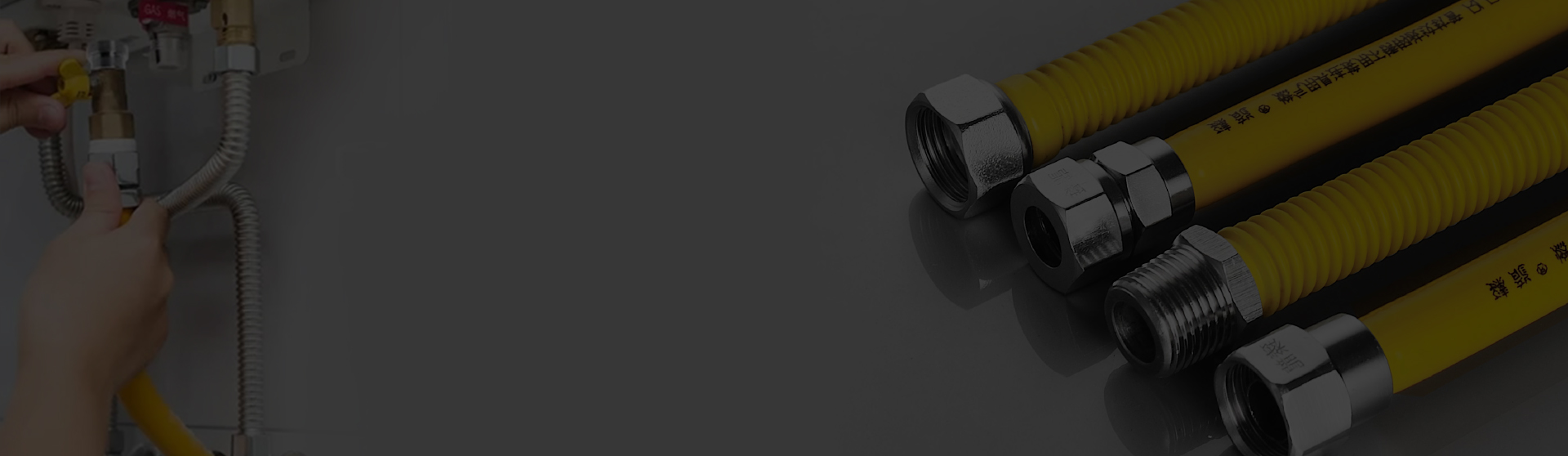

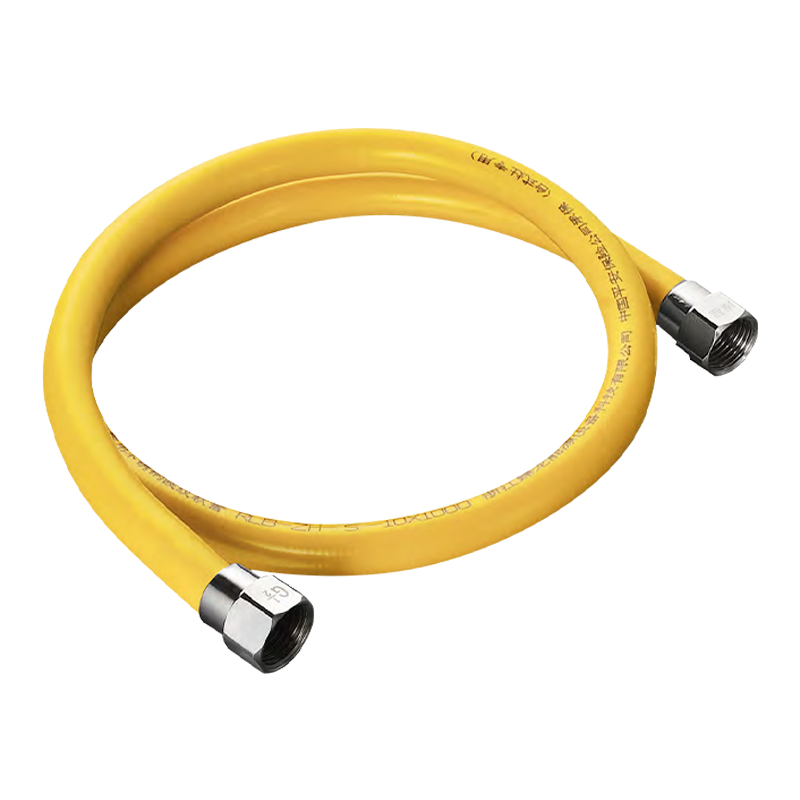
Stainless steel corrugated hose is a precision-engineered flexible piping solution designed for applications where safety, durability, controlled movement, and dependable sealing performance are essential. In gas piping, water piping, and industrial hose systems, the quality of the hose directly affects the reliability of the entire installation. A well-manufactured stainless steel corrugated hose can absorb vibration, compensate for thermal expansion, simplify installation in confined spaces, and provide long-term resistance to corrosion and pressure-related stress.
This article focuses on the stainless steel corrugated hose product supplied by Zhejiang Zhenlong Energy Equipment Technology Co.,LTD., a manufacturer engaged in the research, development, production, and processing of energy equipment and precision pipe products. The company produces metal hoses, natural gas pipelines, plumbing fittings, sanitary ware, valves, plastic products, and hardware, serving customers that require stable pipe fitting solutions for residential, commercial, municipal, and industrial applications.
In competitive markets for gas pipes and fittings, water pipes and fittings, and industrial hose products, buyers increasingly look beyond basic appearance and price. They examine the production process, material control, testing capability, certification background, factory scale, delivery consistency, and customization ability. A stainless steel corrugated hose is not merely a piece of flexible metal tubing; it is a safety-related component that must perform reliably under real operating conditions. The value of this product comes from the combination of stainless steel material, corrugated structural design, controlled forming, welding quality, heat treatment, leak testing, and application-specific engineering.
STAINLESS STEEL COREUCATEDHOSE -副本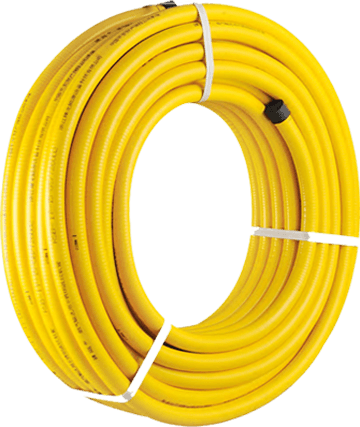
Content
- 1 Product Overview
- 2 Why Stainless Steel Corrugated Hose Matters
- 3 Core Advantages Over Common Competing Products
- 3.1 Higher Resistance to Aging Than Rubber or Plastic Hose
- 3.2 Better Fire and Heat Resistance
- 3.3 Improved Installation Flexibility Compared With Rigid Pipe
- 3.4 Reduced Vibration Transmission
- 3.5 Corrosion Resistance for Demanding Environments
- 3.6 Professional Appearance and Clean Engineering
- 3.7 Custom Production Capability
- 4 Manufacturing Strength Behind the Product
- 5 Quality Management and Certification Foundation
- 6 Material and Structural Design Considerations
- 7 Applications in Gas Pipes and Fittings
- 8 Applications in Water Pipes and Fittings
- 9 Applications in Industrial Hose Systems
- 10 Comparison With Alternative Hose and Pipe Solutions
- 11 Advanced Production Process
- 12 How Manufacturing Strength Creates Customer Value
- 13 Installation and Use Considerations
- 14 Design Flexibility for OEM and ODM Customers
- 15 Safety and Reliability as the Central Product Value
- 16 Why Choose This Manufacturer for Stainless Steel Corrugated Hose
- 17 Market Demand and Future Development
- 18 Practical Selection Guide
- 19 Q&A Section
- 19.1 What is a stainless steel corrugated hose?
- 19.2 Where can this hose be used?
- 19.3 Why is it better than ordinary rubber or plastic hose?
- 19.4 Why is flexibility important in piping systems?
- 19.5 What manufacturing strengths support product quality?
- 19.6 Does the manufacturer support customized products?
- 19.7 What quality systems and certifications are relevant?
- 19.8 How should the hose be installed?
- 19.9 What should buyers consider before ordering?
- 20 Conclusion
- 21 References
- 22 Product: STAINLESS STEEL COREUCATEDHOSE -副本
Product Overview
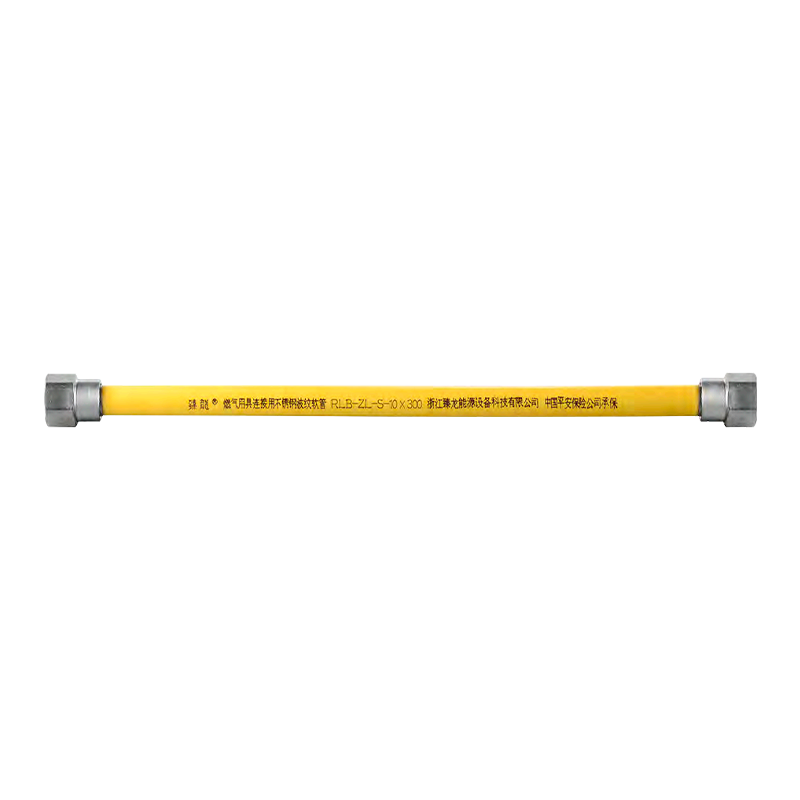
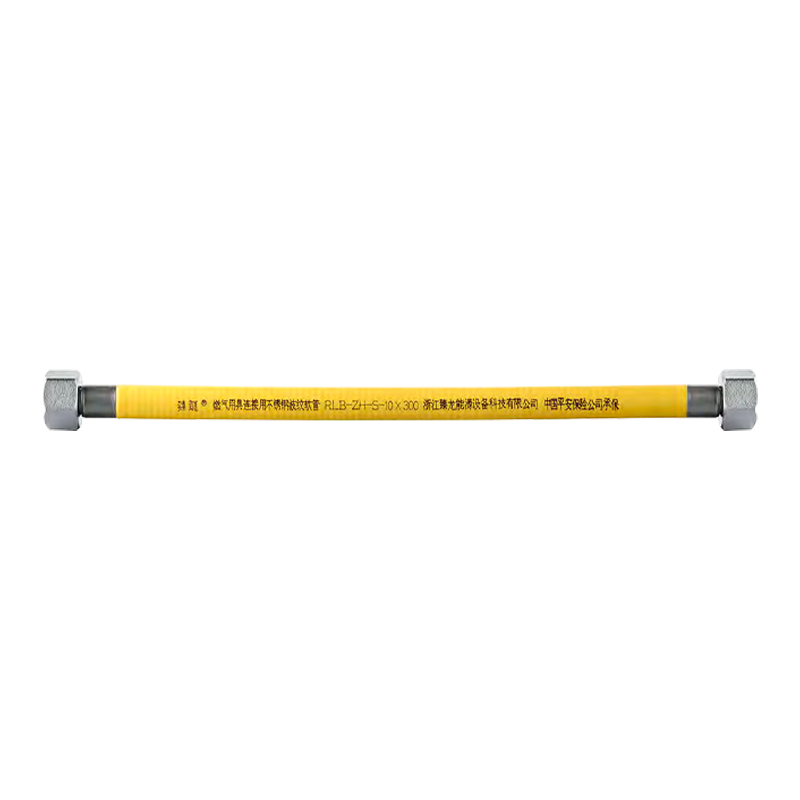
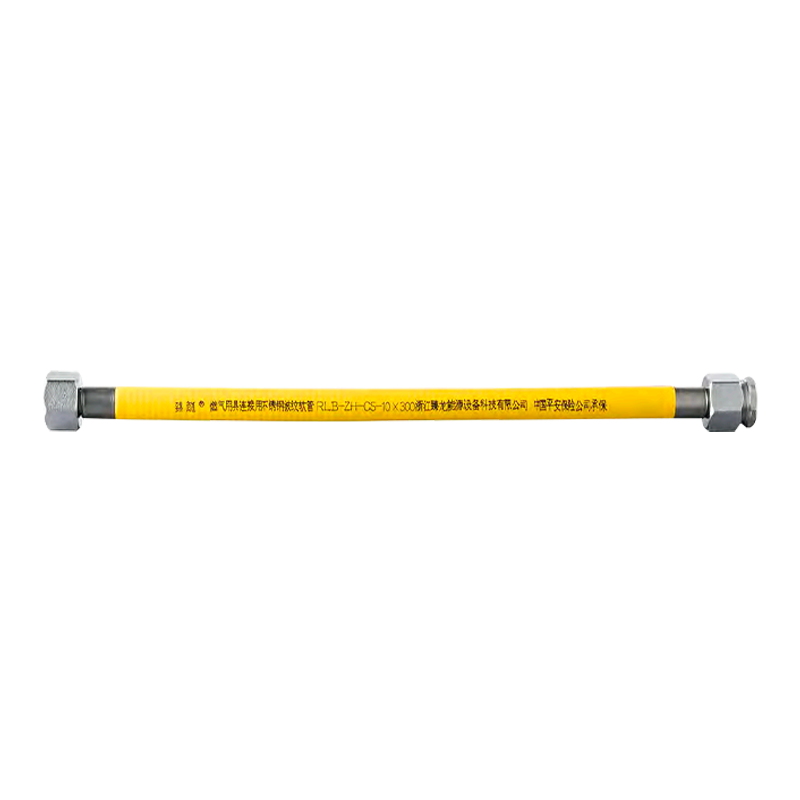
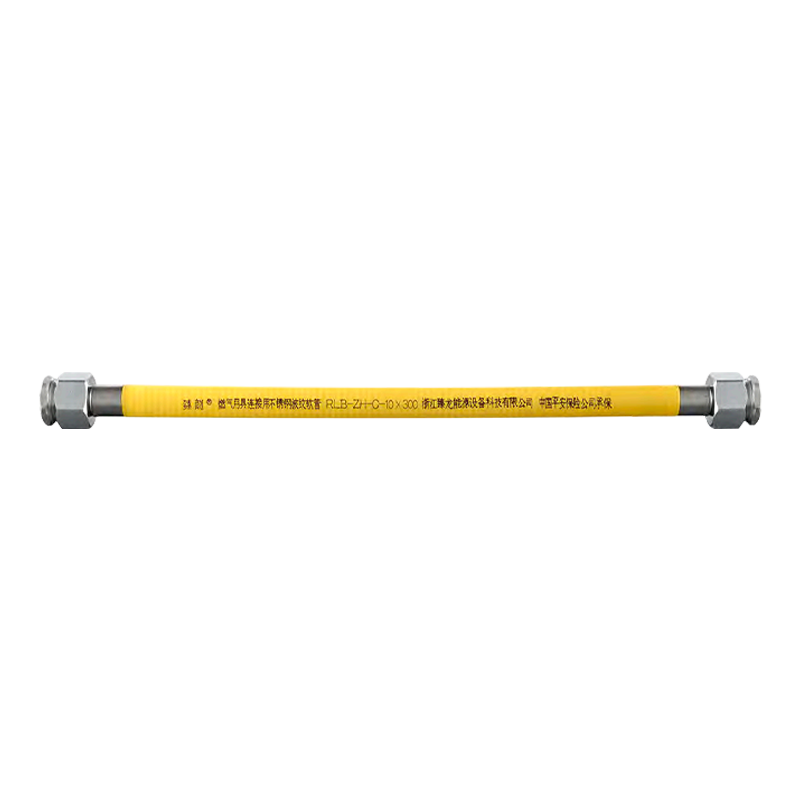
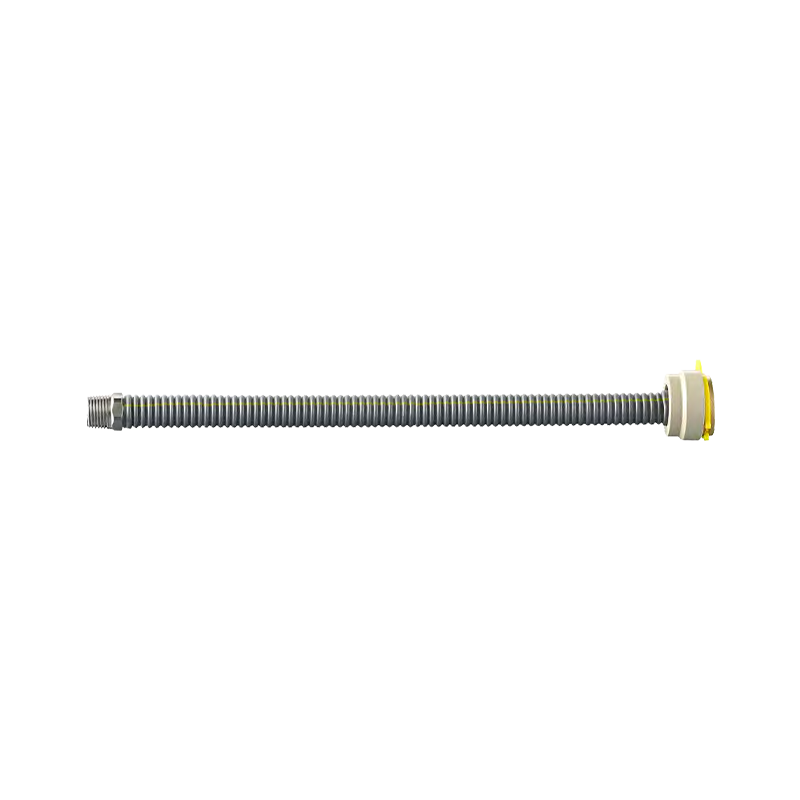
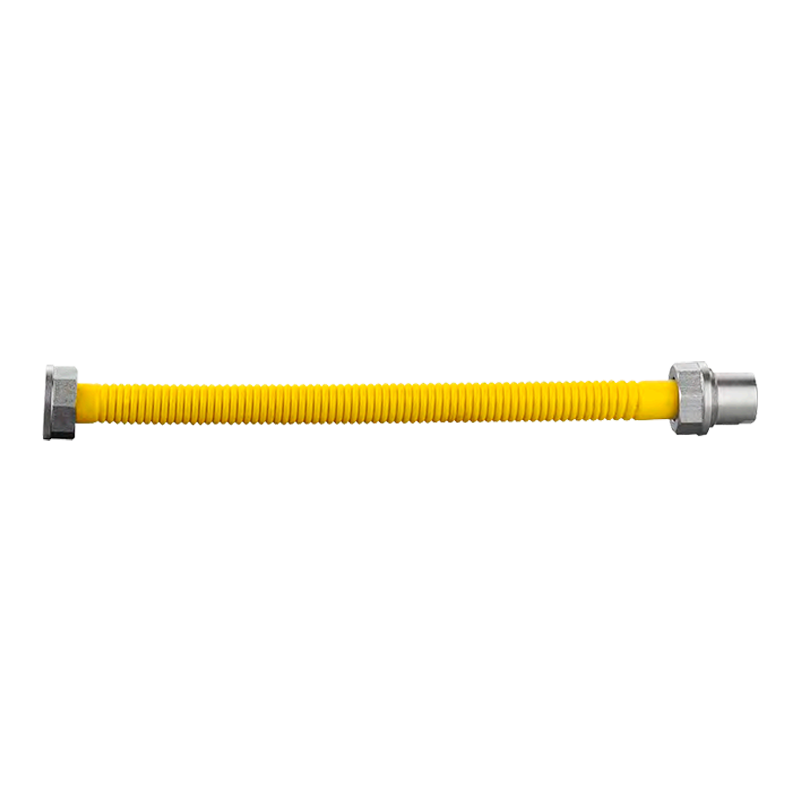
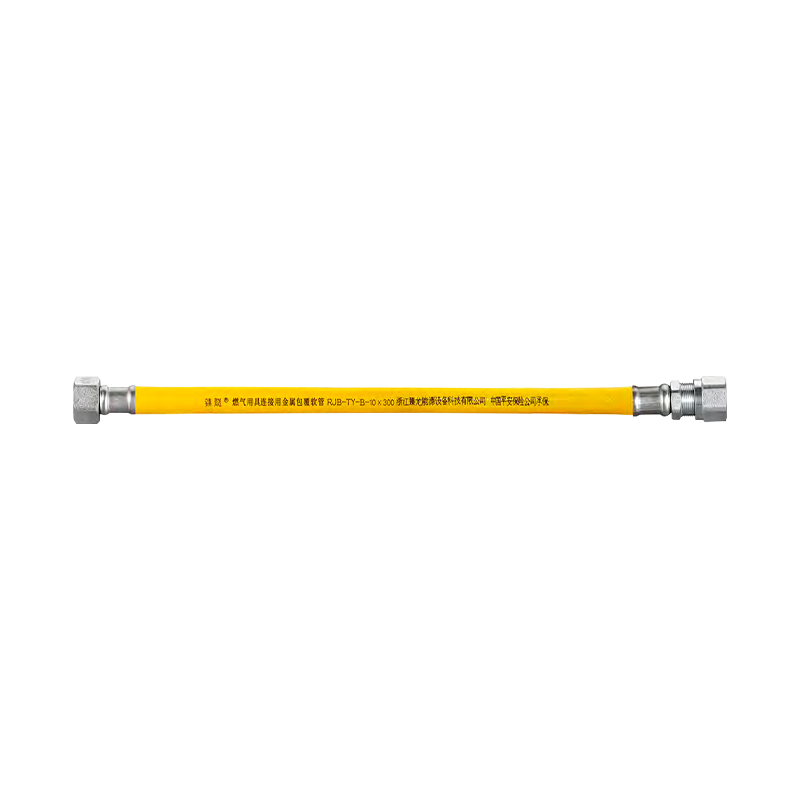
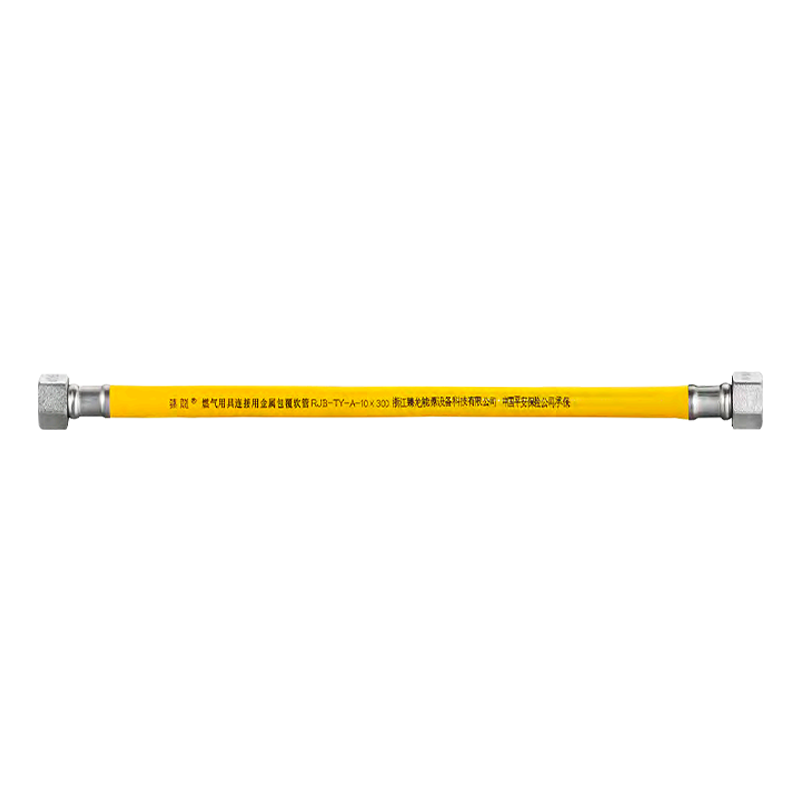
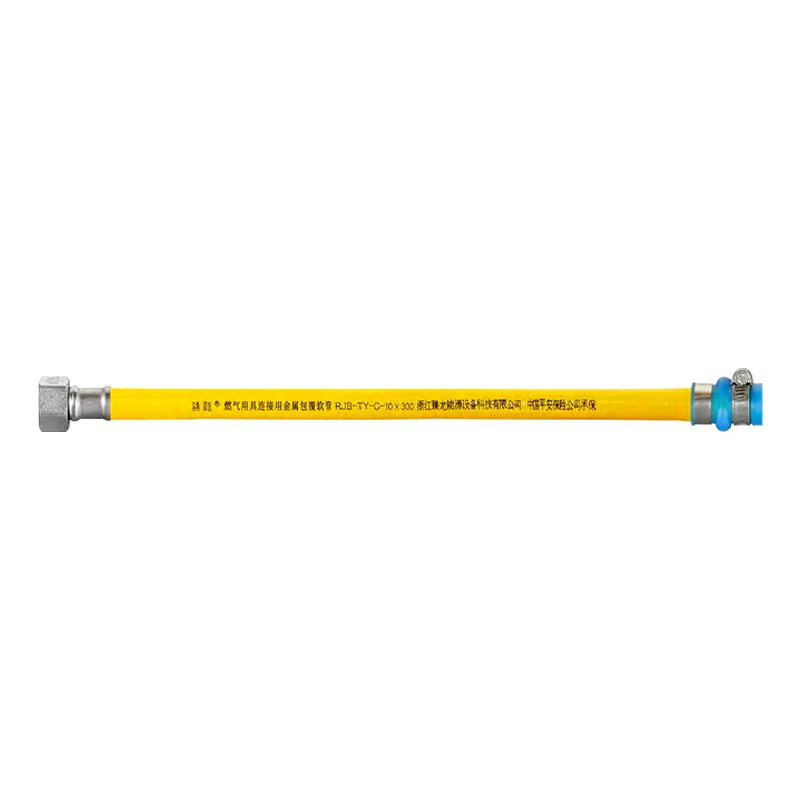
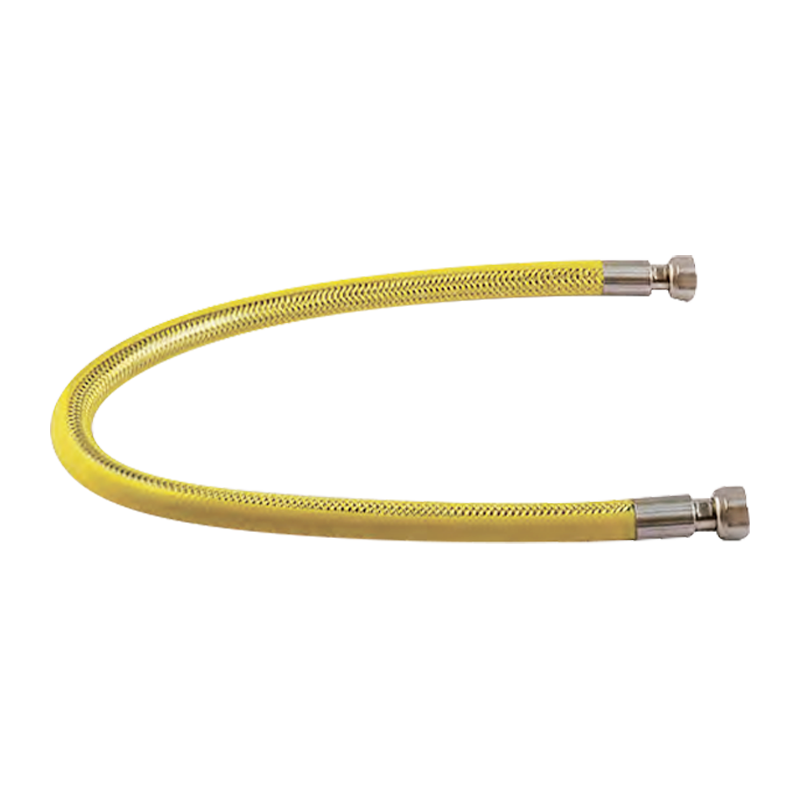
The stainless steel corrugated hose is designed with a flexible corrugated metal tube structure. The corrugations allow the hose to bend while maintaining a continuous metal passage for gas, water, or other compatible media. Compared with rigid pipe, this structure provides movement compensation and makes installation easier when piping alignment is imperfect or when equipment may vibrate during operation. Compared with many non-metallic hoses, stainless steel offers superior strength, heat resistance, aging resistance, and fire-related safety advantages.
In gas systems, the hose can be used as a flexible connecting component where safe transfer and reliable sealing are required. In water systems, it can help simplify plumbing layouts and handle minor movement caused by pressure fluctuation or temperature change. In industrial use, stainless steel corrugated hose can serve as a practical solution for equipment connections, vibration isolation, and fluid transfer where a more robust construction is required than ordinary rubber or plastic hoses can provide.
The product is especially suitable for customers who value both engineering quality and production consistency. Because it belongs to the broader family of metal hoses and corrugated hoses, performance depends heavily on stainless steel grade selection, corrugation uniformity, weld integrity, fitting compatibility, and testing methods. Zhejiang Zhenlong Energy Equipment Technology Co.,LTD. supports these requirements with a manufacturing base located at No. 369 Shunyu West Road, Yangming Street, Yuyao City, Zhejiang. The company operates a factory covering approximately 30,000 square meters within a 40-acre site and has established multiple production and testing capabilities for pipe products.
Why Stainless Steel Corrugated Hose Matters
Modern piping systems must often meet conflicting requirements. They must be strong but easy to install, sealed but serviceable, durable but adaptable, and cost-effective but safe. Traditional rigid metal pipes offer strength, but they can be difficult to align in tight spaces and may transmit vibration directly to connected equipment. Ordinary polymer hoses are flexible, but they may age, crack, soften, or degrade under heat, sunlight, chemical exposure, or mechanical stress. Stainless steel corrugated hose fills the gap between these two options.
The corrugated design gives the hose flexibility without sacrificing the advantages of metal. Each corrugation acts like a controlled bending feature, allowing the hose to flex within a designed radius. This helps reduce stress on threaded fittings, valves, regulators, meters, pumps, heaters, and other equipment. In many installations, reducing connection stress is directly connected to reducing leak risk. A hose that can accommodate minor displacement is often safer and more practical than forcing rigid pipe into position.
For gas applications, the safety advantage is especially important. Gas piping requires materials and joints that can resist leakage, fatigue, corrosion, and accidental movement. Stainless steel corrugated hose helps installers create secure connections even when equipment positions are not perfectly aligned. For water systems, the hose can resist pressure cycles and maintain flow stability while providing corrosion resistance. For industrial systems, it can reduce downtime by simplifying maintenance connections and absorbing motion from machinery.
Another key reason stainless steel corrugated hose matters is service life. Many low-cost hoses appear acceptable when new but deteriorate rapidly under repeated bending, vibration, or environmental exposure. Stainless steel, when properly formed and tested, offers long-term structural integrity. The product is also visually and mechanically suitable for professional installations where reliability and cleanliness are valued.
Core Advantages Over Common Competing Products
The stainless steel corrugated hose provides several advantages over ordinary flexible hoses, rigid pipe assemblies, and low-grade metal hose alternatives. These advantages are not based on one single feature but on the combined performance of material, geometry, processing, inspection, and application adaptability.
Higher Resistance to Aging Than Rubber or Plastic Hose
Rubber and plastic hoses are widely used in many systems because they are inexpensive and flexible. However, they are more vulnerable to aging, hardening, ultraviolet exposure, heat deformation, chemical attack, and mechanical abrasion. In gas and industrial service, this can shorten replacement intervals and increase maintenance risk. Stainless steel corrugated hose provides a metallic barrier that is much less vulnerable to ordinary aging mechanisms. This is a major advantage for customers seeking long-term reliability.
Better Fire and Heat Resistance
Stainless steel maintains structural integrity at temperatures that would severely damage many polymer materials. In energy equipment, gas piping, and industrial environments, resistance to heat is an important safety factor. While the exact operating limits depend on the hose design, fittings, seals, and application environment, stainless steel construction offers a clear advantage in situations where heat exposure may occur.
Improved Installation Flexibility Compared With Rigid Pipe
Rigid pipe often requires accurate measurement, cutting, threading, welding, or complex elbow arrangements. Even a small alignment error may require rework. Stainless steel corrugated hose can bend to accommodate installation geometry, reducing assembly complexity. This helps installers save time, reduce labor intensity, and achieve cleaner layouts. The flexibility is especially helpful when connecting appliances, meters, valves, pumps, and equipment that may require occasional service access.
Reduced Vibration Transmission
Vibration can gradually loosen joints, damage seals, or create fatigue stress. Pumps, compressors, burners, and other mechanical equipment may produce vibration during operation. A corrugated hose acts as a flexible connector that helps isolate vibration between components. This can extend the life of connected parts and improve overall system reliability.
Corrosion Resistance for Demanding Environments
Stainless steel is selected because of its corrosion-resistant properties. In humid environments, water supply systems, and certain industrial settings, corrosion resistance is essential. Compared with plain carbon steel components, stainless steel corrugated hose can offer better resistance to rust and surface degradation. This helps preserve both function and appearance over time.
Professional Appearance and Clean Engineering
In addition to performance, stainless steel corrugated hose offers a professional appearance. Clean metal surfaces, uniform corrugations, and precise fittings help communicate quality in visible installations. For customers such as equipment manufacturers, engineering contractors, and distributors, this visible quality supports the perceived value of the finished system.
Custom Production Capability
Many piping projects require different lengths, fitting styles, pressure requirements, and packaging preferences. A major advantage of working with an integrated manufacturer is the ability to develop customized solutions. Zhejiang Zhenlong Energy Equipment Technology Co.,LTD. is positioned as an OEM and ODM manufacturer for metal hoses, corrugated hoses, and pipe fittings. This means customers can request product configurations suited to their own market requirements, technical drawings, application needs, or distribution strategies.
Manufacturing Strength Behind the Product
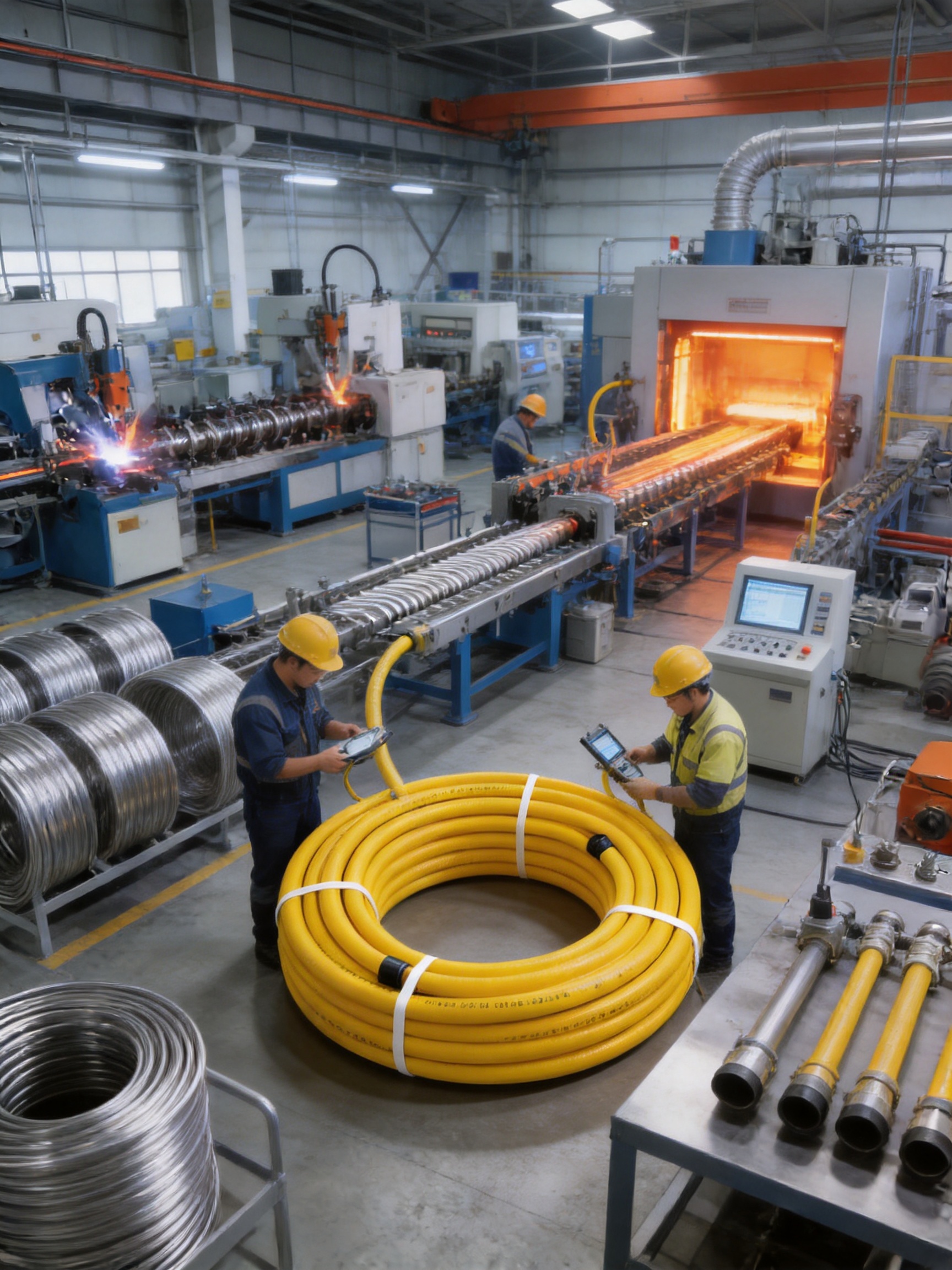
The quality of stainless steel corrugated hose is inseparable from manufacturing strength. A hose may look simple from the outside, but it requires multiple controlled processes. Material preparation, tube forming, welding, corrugation forming, heat treatment, fitting assembly, pressure testing, leak testing, dimensional inspection, and packaging all affect final performance. A factory with complete production capacity can better control these variables than a supplier that only assembles or trades finished goods.
Zhejiang Zhenlong Energy Equipment Technology Co.,LTD. integrates industry and trade, which allows the company to combine manufacturing control with market responsiveness. The company is engaged in research, development, manufacturing, and processing of energy equipment, with a product range covering metal hoses, natural gas pipelines, plumbing fittings, sanitary ware, valves, plastic products, and hardware. This broad manufacturing background supports a deeper understanding of how hoses interact with fittings, valves, and complete pipe systems.
The company operates 30 welding and forming production lines. This production scale supports stable capacity, repeatable processing, and timely delivery for customers with ongoing orders. Welding and forming are critical processes for stainless steel corrugated hose. Poor welding may lead to weak points, leakage, or premature failure. Inconsistent forming may cause uneven corrugations, reduced flexibility, or stress concentration. Multiple specialized production lines help the company maintain efficiency while matching different product requirements.
The company also has 2 uninterrupted solid melting hydrogen furnace production lines. Controlled heat treatment is important for stainless steel components because it can influence material structure, corrosion resistance, and mechanical stability. Hydrogen furnace processing can help achieve cleaner treatment conditions and improve product consistency. For corrugated hose products, proper treatment supports both forming quality and long-term durability.
Testing equipment is another important indicator of manufacturing strength. The company uses metal material analysis direct reading spectrometers and flow tightness testers. Material analysis helps confirm that the stainless steel used in production matches expected composition requirements. This is important because different stainless steel grades can vary significantly in corrosion resistance, strength, and processing behavior. Flow tightness testing helps evaluate sealing performance and leak prevention, which are essential for gas, water, and industrial hose applications.
Quality Management and Certification Foundation
Quality assurance in pipe products must be systematic rather than occasional. Zhejiang Zhenlong Energy Equipment Technology Co.,LTD. strictly implements the ISO9000:2008 quality management system. A quality management system provides structured control over procedures, documentation, inspection, corrective actions, and continuous improvement. For buyers, this means the manufacturer is not relying solely on final inspection; it is applying process control throughout production.
The company also holds the People’s Republic of China Special Equipment Manufacturing License for pressure pipelines. This is relevant because pressure pipeline components must meet demanding requirements for safety and reliability. The existence of such a license indicates that the company has experience with regulated pipe products and understands the importance of compliance, traceability, and manufacturing discipline.
In addition, the company has EU CE certification testing reports. For international customers, CE-related testing reports can support market acceptance and provide confidence that products have been evaluated against recognized requirements. The company is also a member of the China Urban Gas Association, which reflects its connection to the gas industry and related technical development.
These qualifications matter because stainless steel corrugated hose is often used in safety-sensitive applications. A low-cost unverified product may create hidden risk, especially in gas systems. Buyers should consider whether the manufacturer has the production equipment, testing tools, and quality management background needed to support reliable supply. Zhejiang Zhenlong Energy Equipment Technology Co.,LTD. combines production scale, testing capability, and certification background to support confidence in its pipe fitting products.
Material and Structural Design Considerations
The performance of a stainless steel corrugated hose begins with material selection. Stainless steel is used because it combines strength, corrosion resistance, formability, and temperature tolerance. In a corrugated hose, the metal must be capable of being formed into repeated corrugations without cracking or losing integrity. It must also maintain performance after bending, pressure exposure, and environmental contact.
Corrugation geometry is equally important. The height, pitch, wall thickness, and uniformity of corrugations influence flexibility, pressure resistance, fatigue life, and flow characteristics. If corrugations are too shallow, flexibility may be limited. If they are too deep or uneven, stress concentration may occur. Professional forming equipment and process control help ensure that each section of hose has consistent geometry.
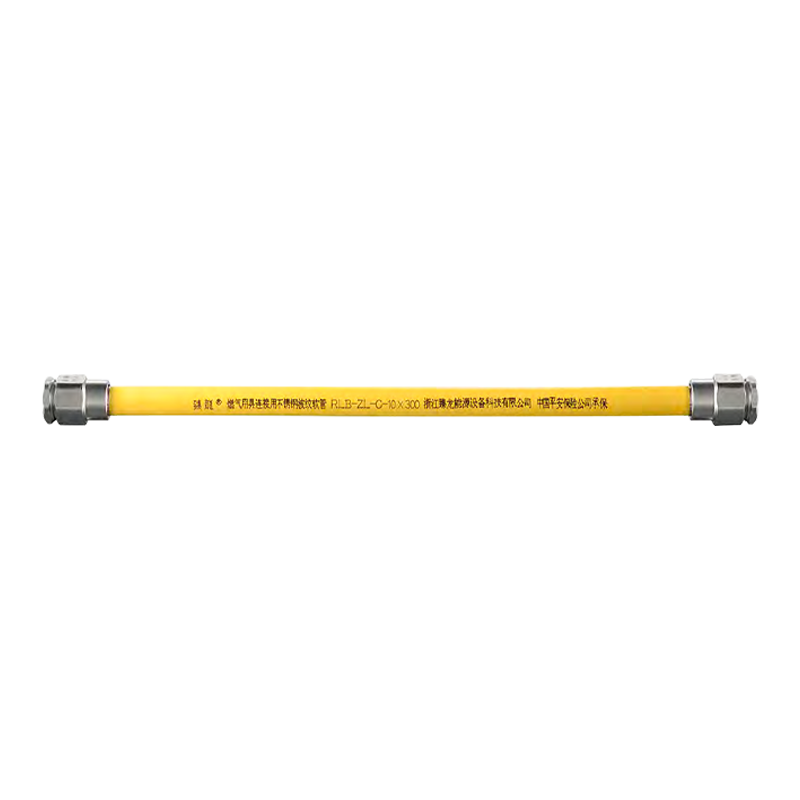
Fittings are another key part of the product. A hose is only as reliable as its end connections. Depending on customer requirements, stainless steel corrugated hose may be combined with threaded fittings, nuts, flanges, or other connection styles. The fitting-hose interface must be designed and manufactured carefully to prevent leakage and mechanical failure. For gas and water applications, sealing accuracy is essential. For industrial applications, the connection must also withstand movement, pressure, and vibration.
The inner flow path should support efficient transfer of gas or liquid. Corrugated hose naturally has a different internal surface profile than smooth rigid pipe, so correct sizing is important. Engineers should select hose diameter and length according to flow demand, allowable pressure drop, medium compatibility, and installation layout. When properly selected, stainless steel corrugated hose provides both flexibility and dependable flow performance.
Applications in Gas Pipes and Fittings
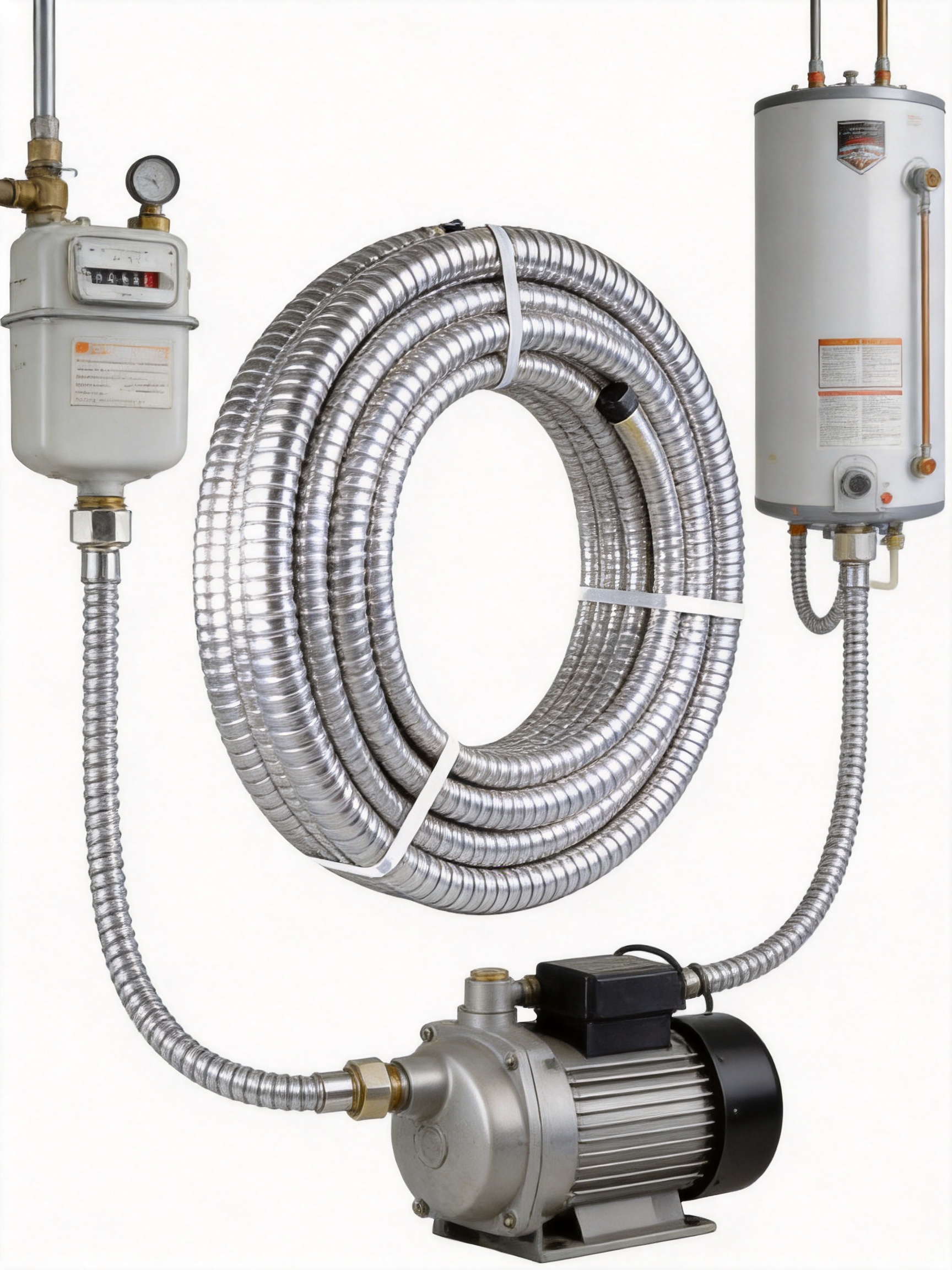
Gas piping requires exceptional attention to safety. A stainless steel corrugated hose can serve as a flexible connector in natural gas and related gas systems where movement compensation and secure connections are needed. It may be used around gas meters, regulators, valves, burners, and equipment connections, depending on local codes and product specifications. Its flexibility helps installers avoid excessive mechanical stress on gas fittings, which can be a significant advantage over rigid pipe connections.
For gas applications, leak prevention is the central performance requirement. Stainless steel construction, controlled welding, reliable fitting assembly, and flow tightness testing all contribute to safer performance. The company’s experience in producing natural gas pipelines and pipe fittings gives it a practical understanding of the industry’s requirements. As a member of the China Urban Gas Association, the company is connected with gas-related technical standards and market needs.
Compared with low-grade flexible connectors, a well-manufactured stainless steel corrugated hose provides better durability and resistance to environmental degradation. In residential and commercial gas installations, this can help reduce maintenance concerns. In industrial gas service, it can help manage vibration and movement from equipment. The correct installation method remains essential: hoses should not be twisted, over-bent, mechanically damaged, or used outside their rated conditions.
Customers choosing hose products for gas systems should confirm material compatibility, connection type, pressure rating, testing requirements, and applicable local regulations. Zhejiang Zhenlong Energy Equipment Technology Co.,LTD. can support OEM and ODM customization, helping customers develop hose products that match different market standards and installation practices.
Applications in Water Pipes and Fittings
Water pipe systems also benefit from stainless steel corrugated hose technology. In plumbing, water heaters, sanitary ware, pumps, and building service systems, flexible metal hose can simplify connection work and improve serviceability. A flexible hose can compensate for minor misalignment between fixed equipment and pipe outlets. It can also reduce stress caused by thermal expansion and water pressure fluctuations.
Compared with ordinary plastic hoses, stainless steel corrugated hose provides higher mechanical strength and better resistance to accidental damage. Compared with rigid metal pipe, it is easier to install and replace in confined areas. In sanitary and plumbing applications, stainless steel also provides a clean appearance and strong corrosion resistance under common water exposure conditions.
The company’s product range includes plumbing fittings, sanitary ware, valves, and metal hoses, which allows it to understand complete water system requirements rather than only the hose itself. This is important because a reliable water connection requires compatibility between hose, fitting, valve, washer, thread, and installation environment. Integrated manufacturing knowledge can improve the practicality of the final product.
In water applications, customers should consider pressure rating, temperature rating, fitting style, potable water requirements where applicable, and corrosion conditions. Stainless steel corrugated hose can be particularly valuable where durability and neat installation are important, such as water heaters, kitchen and bathroom systems, mechanical rooms, and equipment connections.
Applications in Industrial Hose Systems
Industrial environments often expose hoses to vibration, movement, temperature change, mechanical contact, and demanding maintenance cycles. A stainless steel corrugated hose can provide a robust flexible connection for many industrial fluid transfer and equipment connection applications. It is suitable where ordinary rubber hose may not provide enough temperature resistance, aging resistance, or structural stability.
In industrial systems, hoses are often used near pumps, compressors, processing equipment, heaters, tanks, and machinery. These environments can create vibration and movement that rigid pipe does not tolerate well. A corrugated metal hose helps absorb movement and reduce stress on adjacent equipment. This can lower the likelihood of fatigue-related failures and reduce maintenance downtime.
Industrial buyers often need customized hose lengths, end fittings, packaging, and performance characteristics. The company’s 30 welding and forming production lines provide production flexibility and capacity. Its testing equipment supports quality verification before shipment. For distributors and equipment manufacturers, this combination is valuable because it supports repeatable product supply and customized engineering.
When selecting stainless steel corrugated hose for industrial use, engineers should evaluate medium compatibility, pressure, temperature, movement frequency, bend radius, installation orientation, vibration level, and external protection requirements. Stainless steel corrugated hose is highly capable, but it must be correctly selected and installed to perform at its best.
Comparison With Alternative Hose and Pipe Solutions
The following table summarizes key differences between stainless steel corrugated hose and several common alternatives. Actual performance depends on specific design, material grade, installation, and operating conditions, but the comparison helps explain why stainless steel corrugated hose is preferred in many gas, water, and industrial applications.
| Solution Type | Main Strengths | Common Limitations | Best Use Scenario |
|---|---|---|---|
| Stainless steel corrugated hose | Flexible, corrosion resistant, heat resistant, durable, suitable for gas, water, and industrial systems | Requires correct bend radius, proper fittings, and professional installation | Safety-focused flexible connections and movement compensation |
| Rigid steel pipe | Strong, familiar, suitable for permanent straight runs | Harder to install in tight spaces, transmits vibration, requires precise alignment | Long fixed piping runs with limited movement |
| Rubber hose | Highly flexible, low initial cost, easy to handle | May age, crack, soften, or degrade under heat and chemicals | Low-risk temporary or moderate-duty applications |
| Plastic hose | Lightweight, economical, corrosion-free in some environments | Lower heat resistance, lower mechanical strength, possible aging issues | Light-duty water or non-critical fluid transfer |
| Low-grade metal hose | Metallic appearance and basic flexibility | May have inconsistent welding, material uncertainty, or poor testing control | Applications where certification and long-term reliability are less critical |
This comparison demonstrates that stainless steel corrugated hose is not simply a premium-looking alternative. Its value lies in a balance of flexibility, strength, corrosion resistance, and safety. When manufactured under strong quality control, it can outperform many competing solutions over the full service life of the installation.
Advanced Production Process
A dependable stainless steel corrugated hose is produced through a sequence of carefully controlled operations. Although exact process details may vary by product specification, the essential manufacturing logic includes material verification, forming, welding, heat treatment, assembly, testing, and final inspection.
Material Verification
The process begins with stainless steel material selection and verification. The use of metal material analysis direct reading spectrometers allows the company to evaluate material composition. This helps confirm that raw materials meet expected requirements before they enter production. Material verification is an important safeguard against inconsistent performance and hidden quality problems.
Tube Forming and Welding
Stainless steel material is formed into tube shape and welded using controlled production equipment. Welding quality is critical because the weld seam must maintain strength and leak resistance. With 30 welding and forming production lines, the company has the capacity to manage production efficiently while supporting different product configurations. Professional forming reduces dimensional variation and supports stable downstream corrugation quality.
Corrugation Forming
The formed tube is processed into a corrugated structure. Corrugation forming must be precise because flexibility, fatigue resistance, and pressure behavior depend on uniform shape. Controlled forming helps create consistent corrugation pitch and depth, allowing the hose to bend predictably. This step transforms ordinary metal tube into a flexible engineered hose.
Heat Treatment
The company’s uninterrupted solid melting hydrogen furnace production lines support controlled treatment of stainless steel products. Heat treatment can improve material condition after forming and welding, helping stabilize performance. Clean furnace conditions can also support surface quality and corrosion resistance. This manufacturing capability is an important strength for customers who require consistent product quality.
Fitting Assembly
After the corrugated tube is prepared, end fittings are assembled according to product design. The connection between hose and fitting must be mechanically secure and leak resistant. Different applications may require different fitting types, so customization capability is valuable. Proper assembly ensures the hose can be integrated into gas, water, or industrial piping systems.
Leak and Flow Tightness Testing
Testing is essential for safety-related hose products. Flow tightness testers help evaluate whether the product maintains sealing performance. This is particularly important for gas systems, where even small leakage can create serious hazards. Testing also benefits water and industrial applications by reducing the risk of field failure.
Final Inspection and Packaging
Before shipment, product dimensions, appearance, fitting condition, and packaging requirements should be checked. Good packaging protects the hose during transport and storage. For OEM and ODM customers, packaging may also be customized to match branding, distribution, or market requirements.
How Manufacturing Strength Creates Customer Value
Manufacturing strength is not only a technical advantage; it creates measurable value for customers. First, stable production capacity helps ensure reliable delivery. Customers such as distributors, engineering contractors, and equipment manufacturers often need consistent supply to support their own schedules. With multiple welding and forming lines and a large factory area, the company can support recurring orders and customized production.
Second, quality control reduces hidden costs. A cheaper hose that fails in the field can create far higher costs than the original price difference. Failure may lead to installation rework, customer complaints, equipment downtime, property damage, or safety risk. By using material analysis, tightness testing, and structured quality management, the manufacturer helps reduce these risks.
Third, customization supports market differentiation. Distributors may need specific hose lengths, connection types, surface appearances, or packaging styles. Equipment manufacturers may require hoses designed to fit their products precisely. OEM and ODM production capability allows customers to move beyond generic products and develop solutions suited to their target markets.
Fourth, a broad product portfolio helps simplify sourcing. Because the company also produces pipe fittings, valves, plumbing fittings, sanitary ware, plastic products, and hardware, customers may be able to source related components from one manufacturing partner. This can improve compatibility, reduce communication complexity, and support more integrated product development.
Installation and Use Considerations
Even the best stainless steel corrugated hose must be installed correctly. Proper installation protects the hose from unnecessary stress and helps preserve its service life. Installers should follow product instructions, local standards, and engineering requirements. The hose should not be twisted during installation, because torsion can damage corrugations and fittings. It should not be bent below its minimum bend radius, because excessive bending may create stress concentration.
The hose should be installed with enough slack to accommodate movement but not so much that it rubs against sharp edges or moving equipment. Support and protection may be required in environments with vibration or mechanical contact. The correct fitting type and sealing method should be selected for the application. Threads should be matched properly, and over-tightening should be avoided because it can damage fittings or seals.
In gas applications, installation should be performed by qualified personnel according to applicable regulations. Leak testing after installation is essential. In water applications, pressure testing can confirm connection reliability. In industrial applications, periodic inspection may be necessary depending on vibration level, movement frequency, medium, and operating environment.
Users should not treat stainless steel corrugated hose as a universal substitute for all pipe types. It is a specialized flexible connector and should be selected according to pressure, temperature, medium, movement, and safety requirements. When used correctly, it provides excellent value by improving flexibility, reducing installation stress, and supporting reliable operation.
Design Flexibility for OEM and ODM Customers
OEM and ODM customers require more than standard stock products. They often need products that match their technical drawings, appliance designs, regional regulations, packaging systems, and price-performance targets. Zhejiang Zhenlong Energy Equipment Technology Co.,LTD. is positioned to support professional custom production of metal hoses, corrugated hoses, and pipe fittings. This is a meaningful advantage in markets where customers need both engineering flexibility and manufacturing reliability.
Customization may involve hose length, diameter, corrugation profile, fitting configuration, thread type, nut design, sealing structure, packaging, labeling, or testing requirements. For some customers, the main goal is compatibility with equipment. For others, it is market differentiation. For safety-sensitive applications, customization may focus on meeting pressure and leak testing requirements.
The company’s manufacturing resources support this flexibility. Multiple welding and forming lines make it easier to manage different product types. Testing equipment supports product verification. The company’s experience across gas pipelines, plumbing fittings, sanitary ware, valves, plastic products, and hardware helps it understand how different components work together in complete systems.
For customers entering competitive markets, OEM and ODM cooperation can help create a product line that is more attractive than generic alternatives. A customized stainless steel corrugated hose can be designed for better installation convenience, improved appearance, stronger packaging presentation, or specific technical requirements. This helps distributors and equipment manufacturers strengthen their own market position.
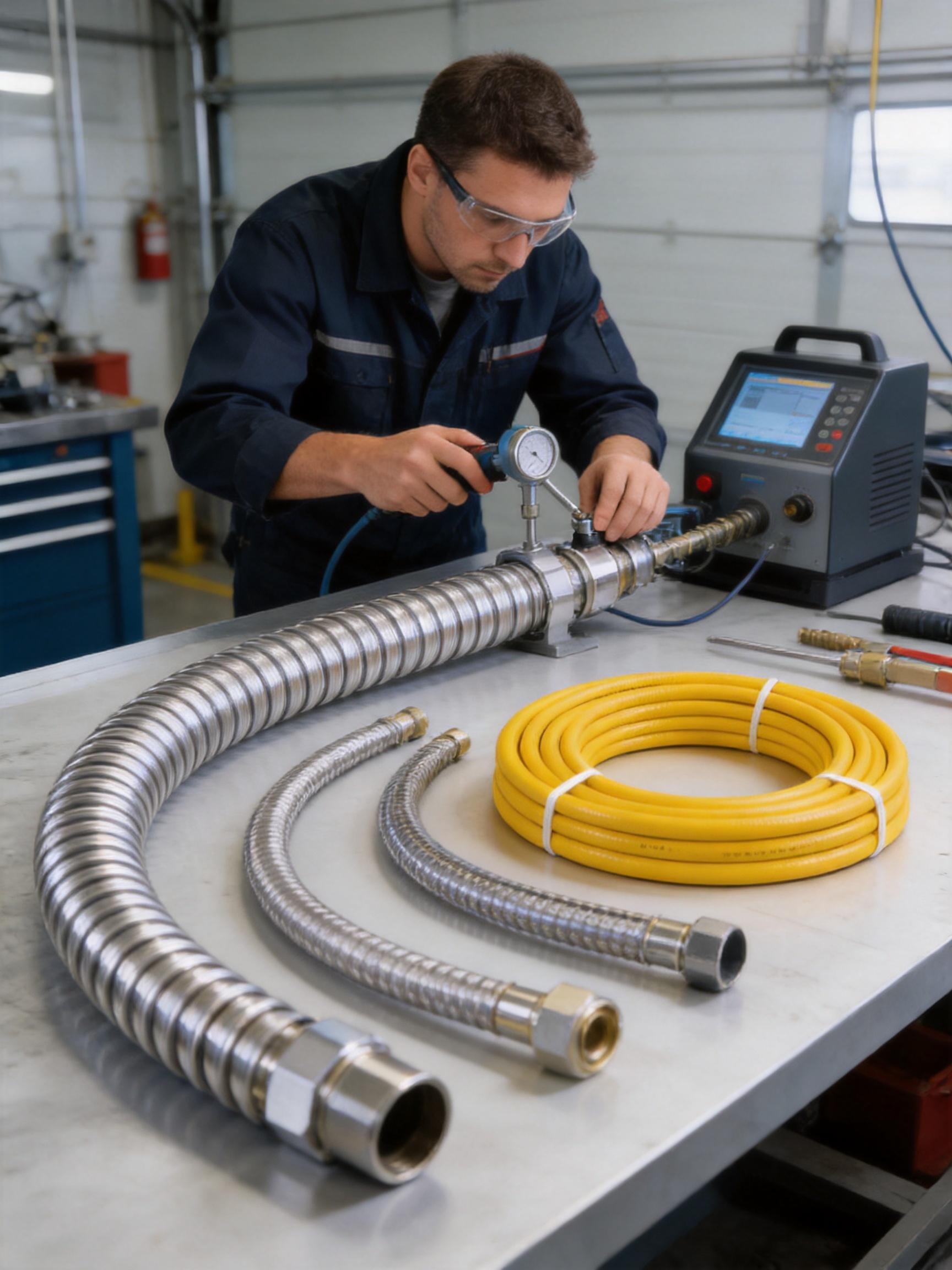
Safety and Reliability as the Central Product Value
The most important value of stainless steel corrugated hose is safety. In gas systems, safety means preventing leakage and resisting mechanical damage. In water systems, it means preventing burst, corrosion failure, and property damage. In industrial systems, it means reducing downtime, protecting personnel, and maintaining controlled fluid transfer. Every production step contributes to this safety goal.
Material control helps ensure that the hose is made from suitable stainless steel. Welding control helps prevent seam defects. Corrugation forming supports predictable flexibility. Heat treatment supports material stability. Fitting assembly creates secure connections. Tightness testing verifies sealing performance. Quality management ensures that these steps are not isolated actions but part of a repeatable system.
Competitors that rely only on low price may reduce cost by using uncertain material, limited testing, inconsistent forming, or weak quality control. These shortcuts may not be visible at first glance, but they can affect service life and safety. Buyers should therefore evaluate total value rather than initial price alone. A high-quality stainless steel corrugated hose can reduce replacement frequency, installation problems, and field risk.
Zhejiang Zhenlong Energy Equipment Technology Co.,LTD. emphasizes safe pipe fittings and comprehensive pre-sales and after-sales services. This service concept is important because customers may need help selecting suitable products, confirming specifications, planning packaging, or resolving technical questions. Good service turns manufacturing capability into practical customer support.
Why Choose This Manufacturer for Stainless Steel Corrugated Hose
Customers have many choices in the metal hose and pipe fitting market, but the manufacturer behind the product makes a major difference. Zhejiang Zhenlong Energy Equipment Technology Co.,LTD. offers several strengths that support long-term cooperation.
First, the company has a strong industrial foundation. Its factory covers a large area and includes a 30,000-square-meter production building. This scale supports stable manufacturing and future development. Second, the company has 30 welding and forming production lines, which provide production capacity and process specialization. Third, the company has 2 uninterrupted solid melting hydrogen furnace production lines, supporting advanced treatment capability for stainless steel products.
Fourth, the company has testing equipment such as metal material analysis direct reading spectrometers and flow tightness testers. These tools support quality assurance from raw material to final product. Fifth, the company implements ISO9000:2008 quality management, holds a pressure pipeline special equipment manufacturing license, and has EU CE certification testing reports. These credentials support credibility in both domestic and international markets.
Sixth, the company integrates industry and trade. This means it can respond to market demands while maintaining production control. Seventh, the product portfolio is broad, covering metal hoses, natural gas pipelines, plumbing fittings, sanitary ware, valves, plastic products, and hardware. This helps the company understand the complete piping ecosystem rather than only one component. Eighth, the company has R&D, design, and production teams able to support customization and technical development.
For customers comparing suppliers, these strengths translate into practical advantages: more reliable product quality, better customization support, more stable delivery, stronger documentation, and better technical communication. In safety-sensitive fields such as gas piping and pressure-related systems, these advantages are especially important.
Market Demand and Future Development
The market for stainless steel corrugated hose is supported by several long-term trends. Urban gas infrastructure continues to require safe, reliable, and easy-to-install flexible connections. Building water systems increasingly demand durable and clean-looking components. Industrial equipment manufacturers need flexible connectors that can resist vibration and improve serviceability. At the same time, customers are becoming more aware of quality, certification, and lifecycle cost.
As markets mature, low-price competition alone becomes less sustainable. Buyers begin to ask whether a product is tested, whether the material is verified, whether production is consistent, and whether the supplier can support custom specifications. Manufacturers with advanced production processes and quality systems are better positioned to meet these expectations.
Stainless steel corrugated hose also fits the growing demand for modular equipment and efficient installation. Equipment manufacturers can design flexible connectors into their systems, making installation faster for end users. Plumbing and gas contractors can reduce alignment problems and improve installation efficiency. Industrial maintenance teams can replace or service components more easily when flexible connectors are used properly.
Future product development may focus on improved fitting designs, enhanced fatigue resistance, optimized corrugation profiles, specialized coatings or protective layers, and more precise testing methods. Companies with R&D and manufacturing capability will be better able to respond to these trends. Zhejiang Zhenlong Energy Equipment Technology Co.,LTD. has the production base and technical resources to participate in this development.
Practical Selection Guide
When selecting stainless steel corrugated hose, customers should consider several technical and commercial factors. The first factor is application medium. Gas, water, and industrial fluids may have different compatibility requirements. The second factor is pressure. The hose and fittings must be suitable for the maximum operating pressure and any pressure fluctuations. The third factor is temperature. Both the hose body and sealing components must withstand the operating temperature range.
The fourth factor is movement. If the hose will experience vibration, repeated flexing, or thermal expansion, the product should be selected with appropriate flexibility and fatigue resistance. The fifth factor is bend radius. A hose that is forced into too tight a bend may suffer reduced service life. The sixth factor is connection type. Threads, nuts, flanges, or other fittings must match the system design.
The seventh factor is installation environment. Outdoor exposure, humidity, chemical contact, abrasion, and mechanical impact may require additional consideration. The eighth factor is regulatory compliance. Gas and pressure-related applications may be subject to strict local standards. The ninth factor is supplier capability. Customers should choose a manufacturer with material control, production equipment, testing tools, and quality management.
Finally, buyers should consider total cost rather than unit price alone. A product with better material, tighter manufacturing control, and reliable testing may reduce installation problems and service failures. For professional buyers, the lowest purchase price is not always the lowest lifecycle cost. Stainless steel corrugated hose is most valuable when selected as an engineered safety component rather than a commodity hose.
Q&A Section
What is a stainless steel corrugated hose?
A stainless steel corrugated hose is a flexible metal hose made with repeated corrugations along the tube body. The corrugations allow bending and movement compensation while the stainless steel material provides strength, corrosion resistance, and durability.
Where can this hose be used?
It can be used in gas pipe systems, water pipe systems, and industrial hose applications, depending on product specifications and local regulations. Common uses include equipment connections, appliance connections, vibration isolation, plumbing connections, and flexible links in piping systems.
Why is it better than ordinary rubber or plastic hose?
Stainless steel corrugated hose generally offers better resistance to aging, heat, mechanical damage, and corrosion than many rubber or plastic hoses. It is especially useful in applications where safety, durability, and long service life are important.
Why is flexibility important in piping systems?
Flexibility helps compensate for misalignment, vibration, thermal expansion, and equipment movement. This reduces stress on fittings, valves, and connected equipment, which can improve reliability and reduce leakage risk.
What manufacturing strengths support product quality?
The manufacturer operates 30 welding and forming production lines, 2 uninterrupted solid melting hydrogen furnace production lines, and testing equipment including metal material analysis direct reading spectrometers and flow tightness testers. These capabilities support material control, forming consistency, heat treatment, and leak testing.
Does the manufacturer support customized products?
Yes. The company supports OEM and ODM production for metal hoses, corrugated hoses, and pipe fittings. Customers can request customized lengths, fittings, connection types, packaging, and other specifications according to project or market requirements.
What quality systems and certifications are relevant?
The company strictly implements the ISO9000:2008 quality management system, holds the People’s Republic of China Special Equipment Manufacturing License for pressure pipelines, and has EU CE certification testing reports. These qualifications support manufacturing reliability and market confidence.
How should the hose be installed?
The hose should be installed without twisting, excessive bending, sharp-edge contact, or mechanical damage. The correct fitting type and sealing method should be used. Gas applications should be installed and tested by qualified personnel according to applicable regulations.
What should buyers consider before ordering?
Buyers should confirm medium compatibility, pressure rating, temperature range, hose length, diameter, bend radius, fitting style, testing requirements, packaging needs, and applicable standards. They should also evaluate the manufacturer’s production and quality control capability.
Conclusion
Stainless steel corrugated hose is a high-value flexible piping solution for gas, water, and industrial systems. It combines the durability of stainless steel with the movement compensation of a corrugated structure. Compared with rigid pipe, it offers easier installation and better vibration absorption. Compared with rubber and plastic hoses, it provides stronger resistance to heat, aging, and mechanical stress. Compared with low-grade metal hose alternatives, a properly manufactured and tested product provides greater safety and lifecycle reliability.
The product’s performance depends on more than material alone. It requires controlled welding, uniform forming, appropriate heat treatment, reliable fittings, and tightness testing. Zhejiang Zhenlong Energy Equipment Technology Co.,LTD. supports these requirements with a large production base, 30 welding and forming production lines, 2 uninterrupted solid melting hydrogen furnace production lines, material analysis equipment, flow tightness testers, quality management systems, pressure pipeline manufacturing qualification, CE testing reports, and industry experience in gas pipelines and pipe fittings.
For distributors, engineering contractors, appliance manufacturers, and industrial equipment customers, this stainless steel corrugated hose offers a practical balance of safety, durability, installation convenience, and customization flexibility. It is not simply a flexible tube; it is an engineered component designed to support reliable pipe systems. Choosing a manufacturer with advanced processes and strong quality control helps ensure that every hose contributes to safer and more efficient fluid transfer.
References
International Organization for Standardization. ISO 9000 Quality Management Systems: Fundamentals and Vocabulary.
International Organization for Standardization. ISO 9001 Quality Management Systems: Requirements.
European Committee for Standardization. Metallic Hose Assemblies and Flexible Metal Hose Testing Principles.
American Society of Mechanical Engineers. Process Piping Design and Safety Guidance.
China Urban Gas Association. Technical Guidance and Industry Development Materials for Urban Gas Systems.
Stainless Steel Industry Reference Manual. Corrosion Resistance, Forming, Welding, and Heat Treatment of Stainless Steel Tubing.