 English
 中文简体
中文简体 Español
 عربى
عربى
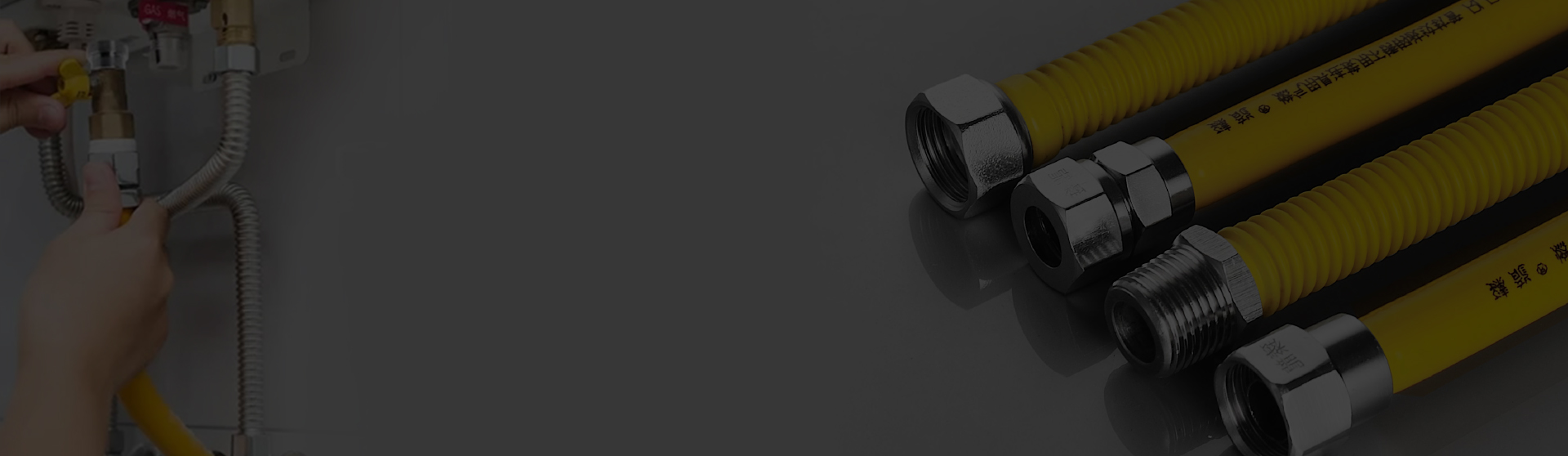

Residential gas systems require more than a reliable hose and a properly designed pipeline. Every connection point must be protected from impact, moisture, unauthorized interference, and installation-related stress. A buried wall switch box provides an organized and secure enclosure for gas hose connections installed within or against a residential wall. The stainless steel buried wall switch box for home gas hose is designed to meet this need by combining corrosion resistance, mechanical strength, compact installation, and convenient access.
Designed for use with stainless steel corrugated hose fittings for gas transmission, the box helps create a clean and controlled connection arrangement. Its recessed or buried-wall installation concept keeps the gas hose connection concealed while allowing service personnel or homeowners to reach the relevant components when inspection or maintenance is required. The result is a neater installation with reduced exposure to accidental contact and external damage.
The product is identified as model ZLP-001 and is specified as DN15. It is manufactured by Zhejiang Zhenlong Energy Equipment Technology Co., Ltd., a Chinese energy equipment producer specializing in metal hoses, corrugated hoses, pipe fittings, valves, plumbing products, sanitary ware, and related hardware. The company combines research and development, manufacturing, processing, and industry-trade services to support both standard and customized product requirements.
This article examines the construction, applications, performance advantages, installation considerations, manufacturing capabilities, quality controls, and purchasing value of the stainless steel buried wall switch box. It also explains why a well-engineered enclosure can contribute to the reliability and serviceability of a residential gas hose system.
Content
- 1 1. The Role of a Buried Wall Switch Box in a Residential Gas System
- 2 2. Product Overview and Main Specification
- 3 3. Stainless Steel Construction and Material Advantages
- 4 4. Design Features That Improve Residential Installation
- 5 5. Advantages Compared with Basic Exposed Connection Arrangements
- 6 6. Compatibility with Stainless Steel Corrugated Gas Hoses
- 7 7. Manufacturing Strengths of the Producer
- 8 8. Quality Management and Testing Resources
- 9 9. Certifications and Industry Experience
- 10 10. Installation Planning and Best Practices
- 11 11. Maintenance, Inspection, and Service Life
- 12 12. Applications in Residential and Light Commercial Projects
- 13 13. Customization and OEM/ODM Support
- 14 14. Purchasing Considerations for Contractors and Distributors
- 15 15. Environmental and Operational Value
- 16 16. Safety Responsibilities and Application Boundaries
- 17 17. Overall Product Value
- 18 18. Frequently Asked Questions
- 18.1 What is a buried wall switch box used for?
- 18.2 What is the model and nominal size of this product?
- 18.3 Why is stainless steel suitable for this application?
- 18.4 Can the box be installed behind a cabinet?
- 18.5 Is the product compatible with every DN15 gas hose?
- 18.6 Does the box replace a gas shutoff valve?
- 18.7 Can the product be used outdoors?
- 18.8 How should the hose be routed from the box?
- 18.9 What quality equipment does the manufacturer have?
- 18.10 Does the manufacturer support OEM and ODM projects?
- 18.11 What should be checked before ordering?
- 18.12 How should the product be maintained?
- 19 19. Conclusion
- 20 References
- 21 Product: Stainless steel buried wall switch box for home gas hose
1. The Role of a Buried Wall Switch Box in a Residential Gas System
Gas hose connections are often located near kitchens, utility rooms, heating equipment, or other service areas. In a basic installation, a hose and its fittings may remain visible or partially exposed. Although visible installation can make inspection straightforward, it may also leave components vulnerable to accidental impact, contamination, moisture, and unplanned interference. A wall-mounted or buried wall enclosure provides a more controlled alternative.
The buried wall switch box is intended to house and protect the gas hose connection inside a wall structure or within a prepared wall recess. This installation approach can help organize the transition between the gas supply pipe and the flexible hose leading to an appliance. Instead of allowing the connection to project into the room, the box creates a defined space for the fitting and related operating components.
For residential construction, appearance and space utilization are important considerations. Gas connections located in a properly prepared enclosure are less visually intrusive than exposed pipe fittings. The installation can also support a cleaner wall finish, especially in kitchens and other areas where cabinets, appliances, and interior surfaces must be arranged efficiently.
Protection is another central function. A correctly installed box can reduce the likelihood that a person, household object, cleaning tool, or appliance will directly strike the connection. It can also limit the exposure of the connection to dust, splashing water, and other common environmental influences. The enclosure does not replace correct pipe design, pressure testing, ventilation, or professional installation, but it adds a useful layer of physical organization and protection.
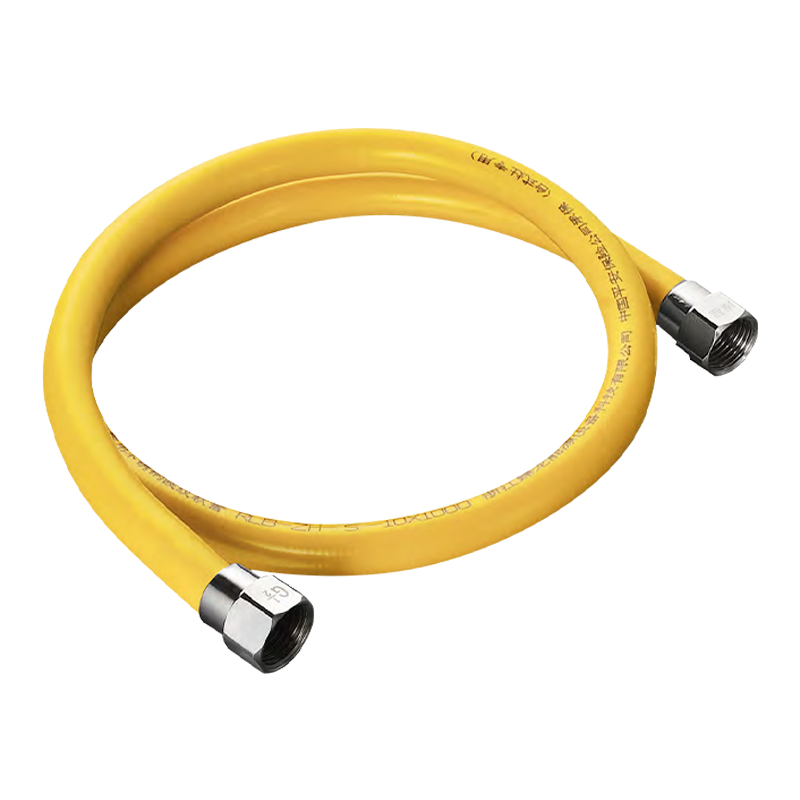
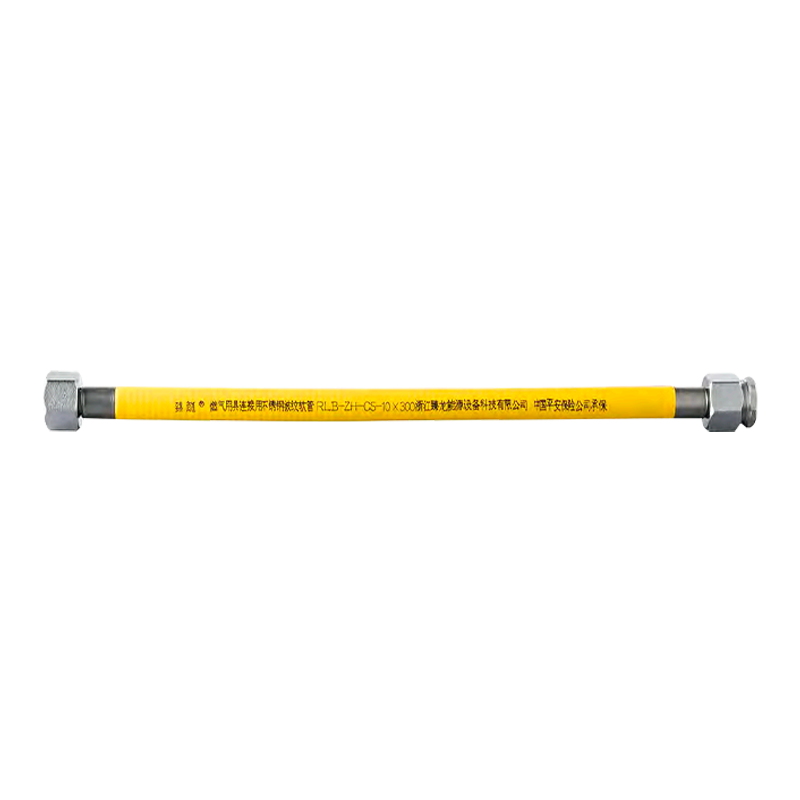
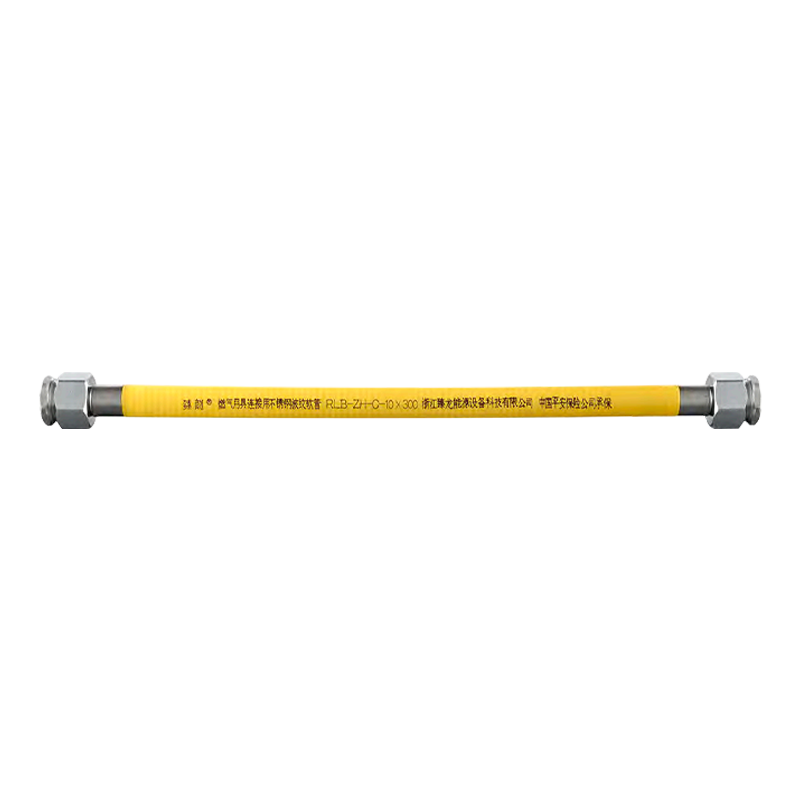
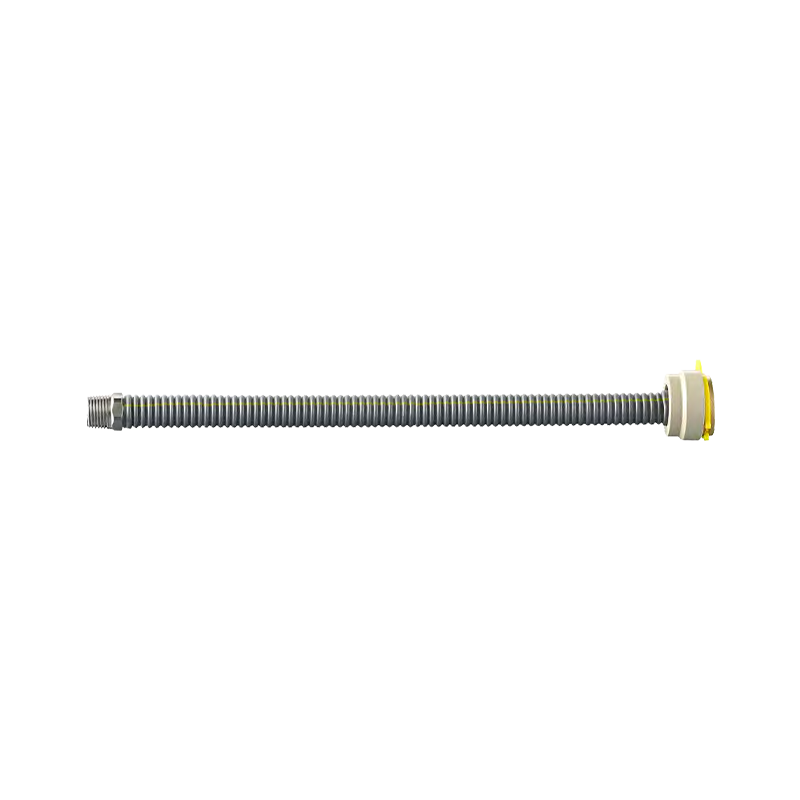
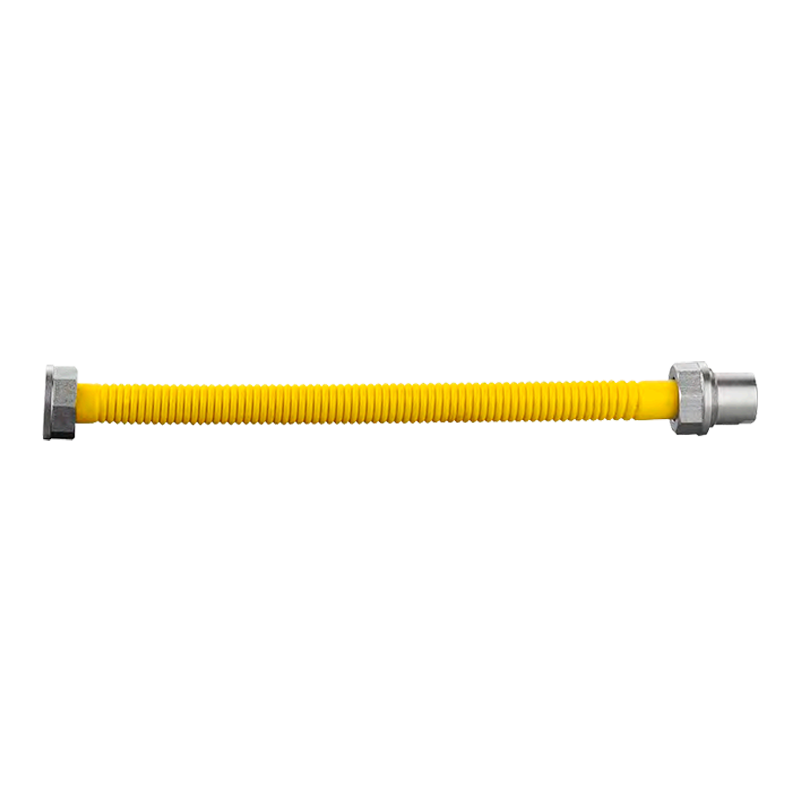
The product is particularly suitable for gas systems using stainless steel corrugated hoses. These hoses provide flexibility for appliance connections, while the wall box supports the fixed connection point. Together, the hose and enclosure can provide a balanced installation: the rigid pipeline remains secured, the flexible section accommodates appliance positioning, and the connection point remains protected and accessible.
2. Product Overview and Main Specification
The stainless steel buried wall switch box is a compact gas connection enclosure manufactured from stainless steel. The available product information identifies the following model and size:
| Item | Specification |
|---|---|
| Product name | Stainless steel buried wall switch box |
| Model | ZLP-001 |
| Nominal size | DN15 |
| Primary application | Residential gas hose connection protection |
| Related product category | Stainless steel corrugated hose fittings for gas transmission |
| Installation concept | Buried or recessed wall installation |
| Primary material | Stainless steel |
| Manufacturer | Zhejiang Zhenlong Energy Equipment Technology Co., Ltd. |
DN15 is a commonly used nominal size for compact residential gas connections, although the complete system must always be checked for compatibility with the selected hose, valve, connector, thread, pressure requirements, and local installation standards. The box should be treated as one part of a complete gas connection assembly rather than as an independent pressure-control device.
The enclosure is designed around several practical objectives. First, it provides a stable mounting structure. Second, it creates a defined space for the gas hose connection. Third, it protects the connection from direct external contact. Fourth, it supports a more orderly and visually integrated installation. Finally, it allows access for inspection and service when the design and installation are completed correctly.
Because gas systems are safety-critical, the suitability of the box depends on more than the nominal dimension. Buyers and installers should confirm the actual connection configuration, wall depth, required clearance, mounting method, access arrangement, and compatibility with the selected gas hose and valve. Product drawings, technical data, and installation instructions should be reviewed before procurement for a particular project.
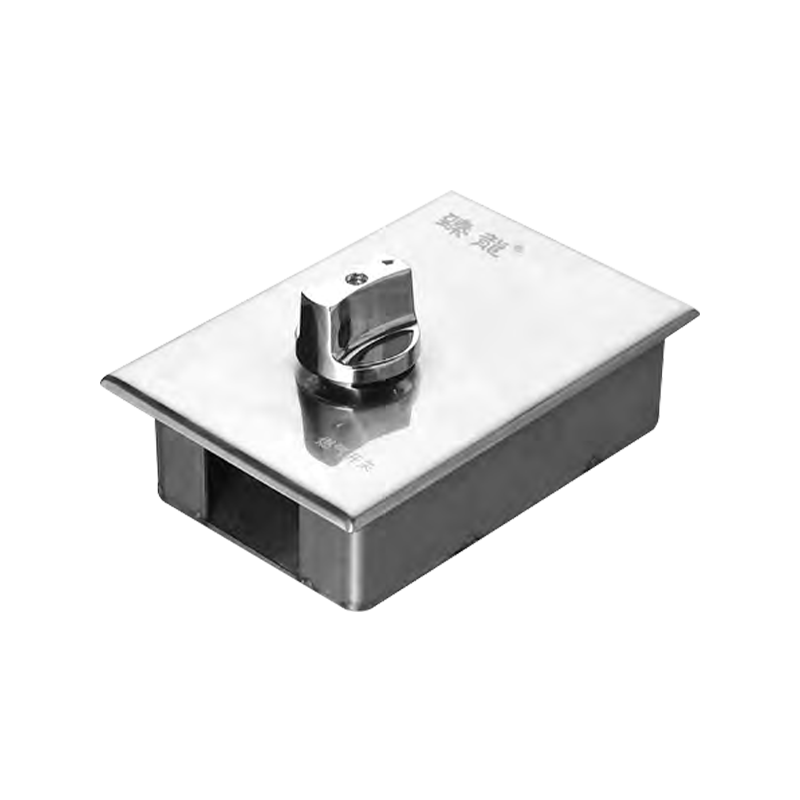
Stainless steel buried wall switch box for home gas hose
3. Stainless Steel Construction and Material Advantages
Material selection is one of the most important factors in the service life of a wall-mounted gas connection enclosure. Stainless steel is widely used in gas, plumbing, sanitary, and industrial applications because it combines strength with resistance to many forms of corrosion. In a residential wall environment, these characteristics are valuable because the enclosure may be exposed to humidity, condensation, cleaning agents, temperature changes, construction dust, and accidental contact.
The stainless steel construction gives the buried wall switch box a durable exterior and a stable supporting structure. Compared with less robust materials, stainless steel is less likely to crack, soften, or deform under normal environmental conditions. Its mechanical strength helps the enclosure maintain its shape during installation and throughout routine service.
Corrosion resistance is particularly relevant in kitchens, utility rooms, balconies, and other areas where water vapor or occasional splashing may occur. Corrosion on an enclosure can affect appearance, mounting stability, and access to the internal connection. By using stainless steel, the product is designed to provide better resistance to moisture-related deterioration than many basic carbon-steel or low-grade enclosures.
Stainless steel also provides a clean and professional appearance. The material is suitable for installations where visible edges, access panels, or trim must blend with modern interior finishes. Its surface can be cleaned during routine maintenance, helping the installation remain presentable over a long service period.
Another advantage is dimensional stability. A wall box must remain sufficiently rigid so that the gas connection is not subjected to unnecessary movement. Excessive movement can place stress on threaded joints, hose ends, or mounting points. The rigid structure of stainless steel supports a more stable connection environment when the enclosure is correctly secured and the piping is properly aligned.
It is important to distinguish material resistance from unlimited resistance. Stainless steel does not make a product immune to every chemical, installation error, or corrosive condition. The performance of the enclosure depends on the specific stainless steel grade, surface condition, surrounding environment, cleaning materials, and installation quality. Nevertheless, stainless steel is a strong and practical material choice for a compact residential gas connection enclosure.
Resistance to Moisture and Environmental Change
Residential walls can experience different environmental conditions depending on location. A kitchen wall may be exposed to steam and cleaning activity, while an exterior-adjacent wall may experience seasonal temperature variation. A utility area may have higher humidity or occasional condensation. The buried wall switch box is designed to withstand these common environmental influences while maintaining its structural function.
The enclosure can help shield the hose connection from direct contact with dust and moisture. Its protective role is especially useful during the long operating life of a building, when surfaces may be cleaned repeatedly or when furniture and appliances are moved near the gas connection.
Mechanical Protection
Gas hose connections should not be used as handles, supports, or attachment points for other objects. A stable enclosure helps separate the gas connection from surrounding household activity. By placing the connection inside a defined box, the design can reduce accidental pulling, pushing, or impact caused by routine use of the room.
The box also helps protect the connection during interior finishing and equipment installation. With proper coordination between the building contractor, gas installer, and appliance installer, the enclosure can preserve the intended location of the connection and reduce the possibility of damage from cabinets, tiles, tools, or other construction materials.
4. Design Features That Improve Residential Installation
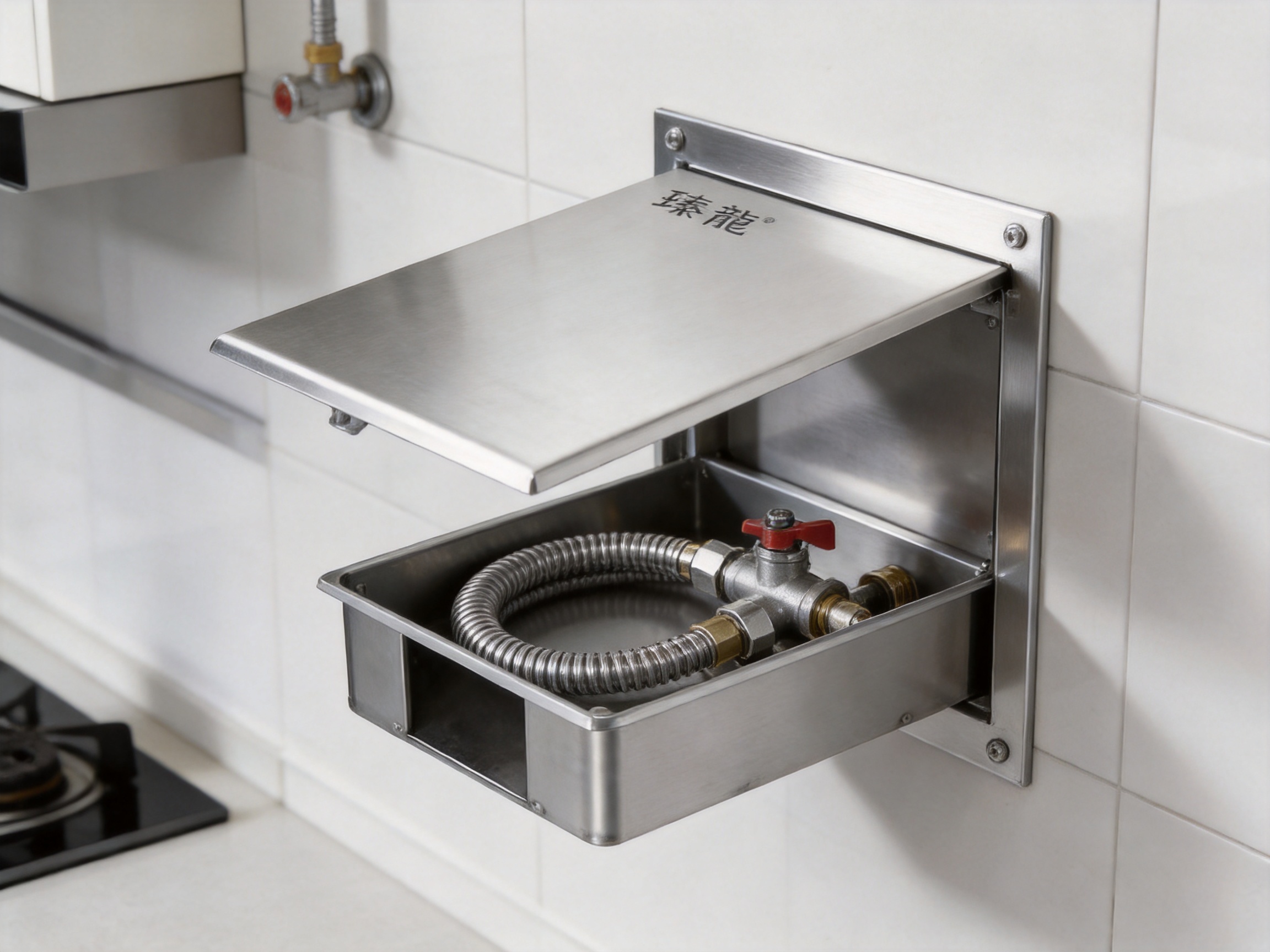
The product’s buried-wall design is intended to support a compact and organized installation. Instead of leaving the gas hose connection outside the wall surface, the installer can prepare a suitable recess or installation position. Once completed, the connection is integrated into the wall structure and can be reached through the designated access area.
This arrangement offers a cleaner appearance than many exposed connection methods. It is especially beneficial in kitchens, where gas appliances, cabinets, countertops, and wall coverings must be coordinated. A recessed box can reduce visual clutter and provide a consistent location for the gas hose connection.
Secure mounting features are another important part of the design. The box must be firmly attached to the wall structure so that it does not move when the hose is connected, disconnected, or inspected. A stable enclosure helps reduce stress on the hose and fittings, supports accurate alignment, and makes future servicing more predictable.
The design also contributes to access management. Concealing a connection should not mean making it permanently inaccessible. Gas equipment must remain available for authorized inspection, leak testing, replacement, and maintenance. A properly designed switch box allows the relevant area to be reached without dismantling large sections of the wall or removing unrelated building components.
Because the product is compact, it can be incorporated into different residential layouts. However, the actual installation space must be verified. The wall cavity must accommodate the box depth, connection radius, hose bend requirements, and any required clearance around the valve or fitting. A hose should never be forced into a sharp bend merely to fit inside an enclosure.
Clean Appearance and Space Efficiency
Modern residential projects increasingly emphasize concealed utilities and efficient use of space. A wall box supports this preference by placing the gas hose connection in a planned location rather than allowing it to extend into the room. This can simplify the arrangement of appliances and improve the visual order of the installation.
Space efficiency is valuable in compact kitchens and apartments. A protected connection point can make it easier to position appliances closer to the wall while maintaining an organized gas supply route. The final arrangement must still meet all applicable clearance, ventilation, service, and safety requirements.
Reduced Exposure to Accidental Interference
Exposed fittings may be touched, bumped, or used unintentionally as support points. The enclosure creates a physical boundary around the connection. This helps reduce interference from children, pets, cleaning equipment, stored items, or appliance movement.
The box is not a substitute for a shutoff valve, pressure regulator, leak detection, or safe operating procedure. Its value is that it complements those safety measures by protecting the physical connection and helping maintain a stable installation environment.
5. Advantages Compared with Basic Exposed Connection Arrangements
The main advantage of a buried wall switch box is not simply that it hides a gas fitting. Its value comes from combining concealment with protection, mounting stability, corrosion resistance, and service organization. Compared with a basic exposed connection, the enclosure can provide several practical improvements.
| Comparison factor | Buried wall switch box | Basic exposed connection |
|---|---|---|
| Appearance | Clean, integrated, and less visually prominent | Visible pipe and hose components may create visual clutter |
| Physical protection | Enclosure helps shield the connection from direct contact and impact | Connection is more exposed to surrounding activity |
| Material durability | Stainless steel provides strength and corrosion resistance | Performance depends heavily on the exposed fitting and support method |
| Mounting stability | Designed with secure installation features | May rely on separate brackets or improvised support |
| Space management | Supports recessed and organized installation | May project into the room or interfere with nearby equipment |
| Maintenance organization | Creates a defined access point for inspection | Connection location may be less controlled |
An exposed arrangement can still be appropriate in certain applications, especially where access, ventilation, or construction conditions require it. The correct choice depends on the building structure and applicable regulations. However, when a concealed residential installation is desired, a purpose-built stainless steel box is generally more reliable than an improvised enclosure made from unsuitable materials.
Compared with plastic enclosures, stainless steel offers a stronger and more rigid structure. Plastic may be useful in some low-impact environments, but it can be more vulnerable to cracking, deformation, aging, or damage caused by tools and installation activity. Stainless steel is a preferred option where mechanical protection and long-term structural stability are priorities.
Compared with ordinary painted steel, stainless steel can provide better resistance to surface corrosion when exposed to humid residential conditions. Painted steel may depend on the continued integrity of its coating. Scratches, cut edges, or coating damage can create points where corrosion begins. Stainless steel does not eliminate maintenance needs, but it can reduce dependence on a surface coating for basic corrosion resistance.
Compared with a general-purpose electrical junction box, a dedicated gas hose enclosure is more appropriate because its dimensions, access arrangement, and mounting concept are intended for gas connection applications. Electrical boxes may not provide the correct space, mechanical support, or access configuration for a corrugated gas hose fitting.
6. Compatibility with Stainless Steel Corrugated Gas Hoses
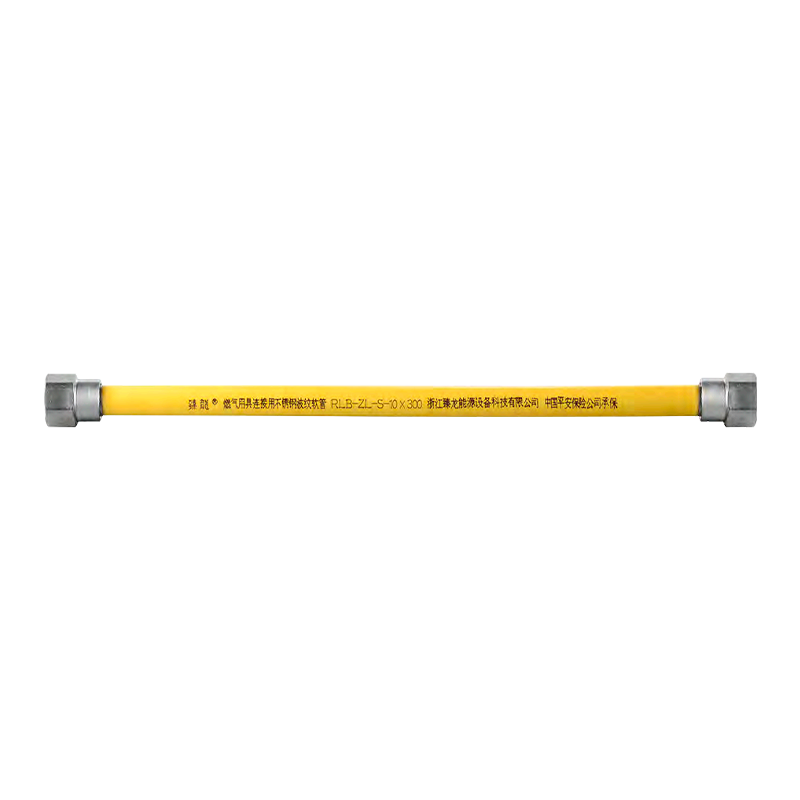
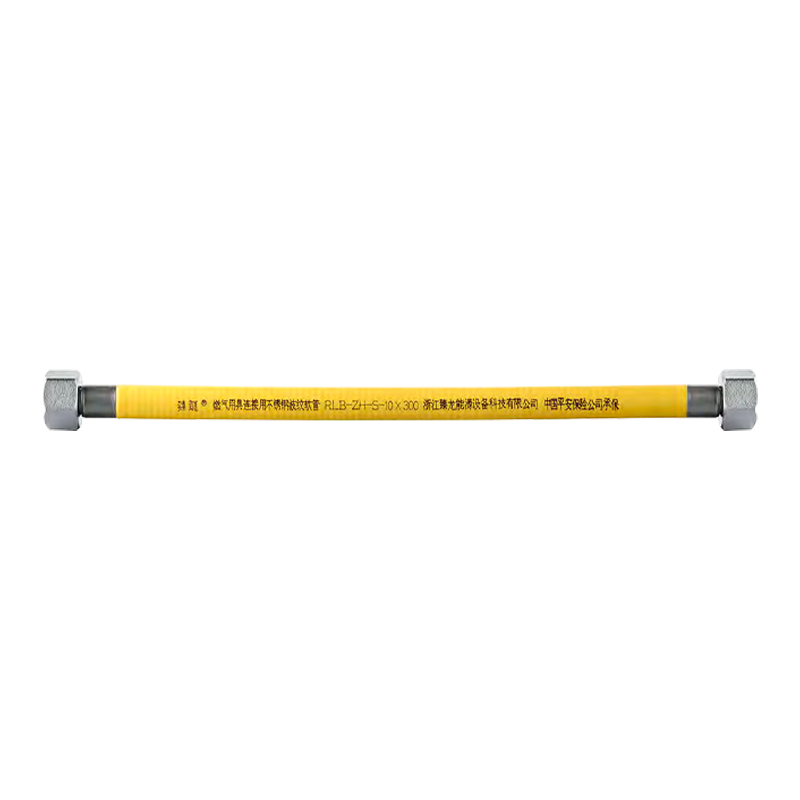
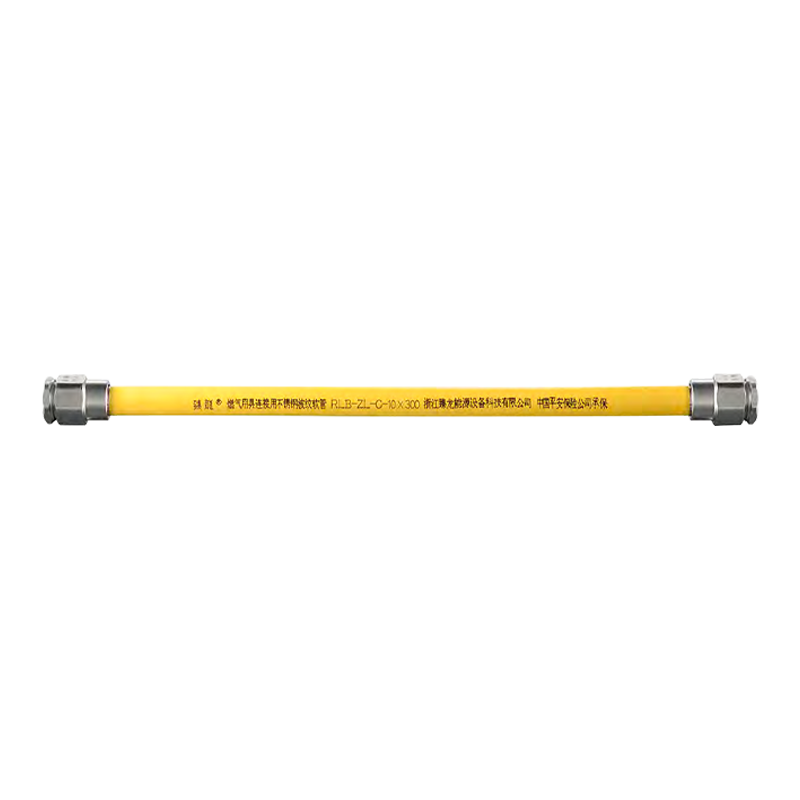
Flexible stainless steel corrugated hoses are frequently used to connect residential gas appliances to fixed gas supply points. Their flexibility helps accommodate appliance movement, installation alignment, and minor changes in position. The buried wall switch box provides a protected interface at the fixed end of this arrangement.
The relationship between the box and the hose must be carefully considered. The hose should leave the enclosure in a manner that avoids excessive bending, twisting, abrasion, or tension. The connection should be aligned so that the hose carries gas without being used to support the appliance or compensate for inaccurate pipe positioning.
Corrugated hoses are flexible, but flexibility does not mean unlimited movement. A hose should be selected according to its approved application, nominal size, length, connection type, pressure rating, and installation environment. The ZLP-001 box is identified as DN15, but the full assembly must be verified against the hose and fittings being used.
Proper compatibility includes more than matching nominal diameter. Thread standards, sealing methods, fitting geometry, valve configuration, and installation clearance must all be reviewed. A connection that appears dimensionally similar may not be suitable if the thread form or sealing method is different.
The enclosure can help protect the fixed fitting while allowing the flexible hose to extend toward the appliance. This division of functions is useful: the wall box supports the connection point, while the hose provides controlled flexibility. Such an arrangement can reduce stress caused by rigid misalignment and help simplify appliance installation.
Connection Inspection
Even when the connection is concealed, it must remain inspectable. The installer should ensure that joints are visible or reachable through the intended access point. Leak testing should be performed using approved procedures after installation, modification, or maintenance.
Inspection should include the fitting, valve, hose end, sealing surfaces, mounting position, and hose route. The enclosure should not be filled with unrelated materials or sealed in a way that prevents necessary maintenance. Any cover or access component should be fitted securely but should remain removable by authorized personnel.
7. Manufacturing Strengths of the Producer
Zhejiang Zhenlong Energy Equipment Technology Co., Ltd. operates as an energy equipment manufacturer with capabilities covering research and development, product design, manufacturing, processing, and trade. This integrated structure is valuable for pipe fittings and gas connection products because product performance depends on coordinated control of material selection, forming, welding, assembly, inspection, and customer support.
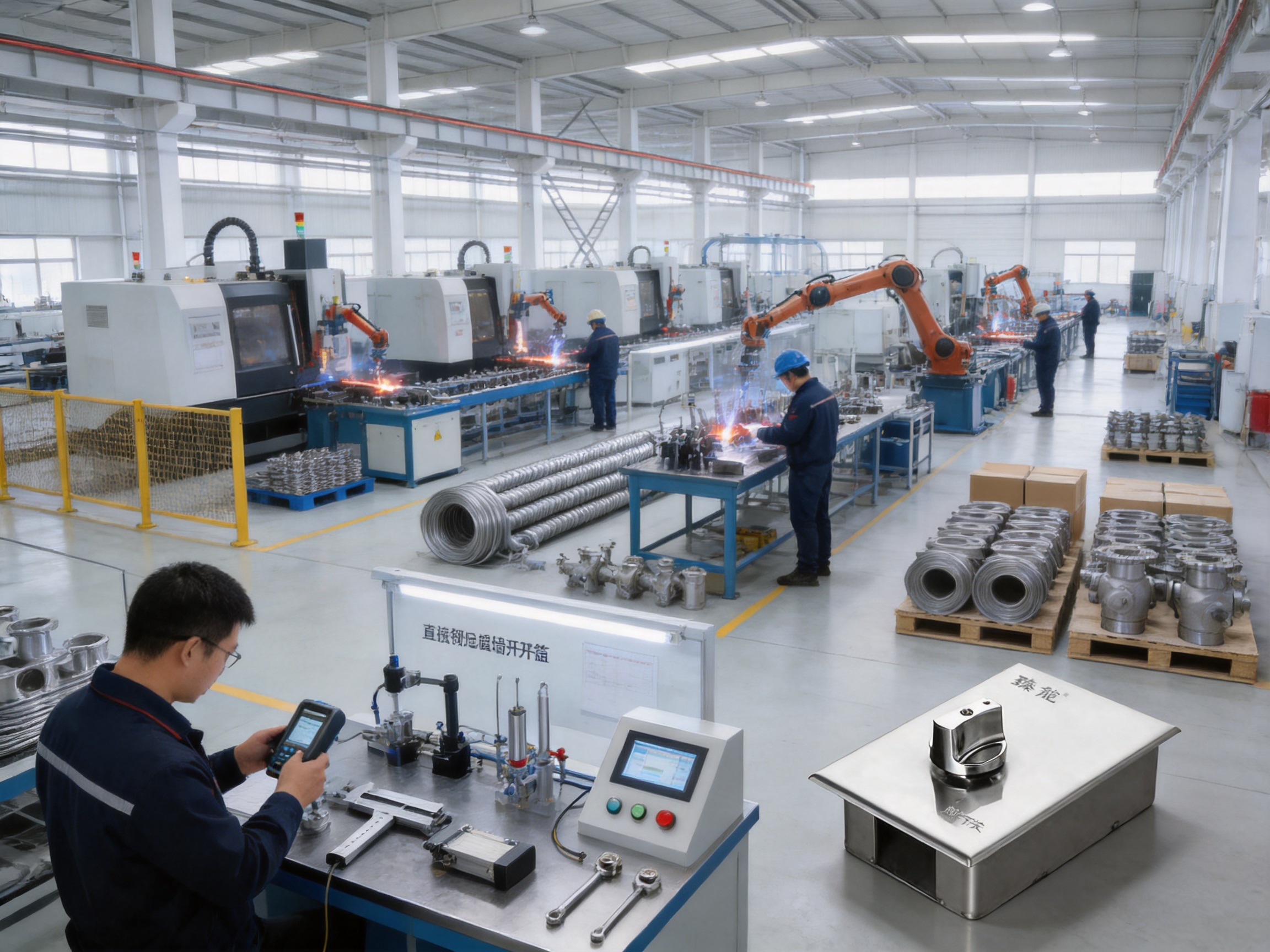
The company is located in Yuyao, Ningbo, Zhejiang, and operates a facility covering approximately 40 acres with a factory building area of about 30,000 square meters. This scale provides room for dedicated production areas, material handling, equipment installation, quality inspection, product development, and finished-goods storage.
According to the provided company information, the facility has 30 welding and forming production lines. These lines support the manufacture of metal hoses, corrugated hose components, pipe fittings, and related products. Welding and forming are especially important for stainless steel products because dimensional accuracy, joint integrity, and repeatability directly affect performance.
The company also has two uninterrupted solid melting hydrogen furnace production lines. Furnace capability can support controlled processing of relevant metal materials and contribute to stable production planning. Consistent thermal processing is important when manufacturing components that require uniform material properties and reliable forming behavior.
For a product such as a stainless steel buried wall switch box, manufacturing strength is reflected not only in the final enclosure but also in the company’s ability to manage related products. The same organization produces metal hoses, natural gas pipelines, plumbing fittings, valves, plastic products, and hardware. This broader portfolio gives the manufacturer practical experience with connection systems and complementary components.
Research and Development Capability
A strong research and development team helps a manufacturer improve product geometry, installation convenience, material use, production efficiency, and compatibility with customer requirements. For wall-mounted gas connection products, design work may involve enclosure dimensions, mounting points, access arrangements, connection positioning, surface treatment, and packaging protection.
Research and development is also important for customization. Different markets may require different nominal sizes, thread types, outlet directions, wall depths, cover designs, or mounting methods. A manufacturer with in-house design and production capabilities is better positioned to evaluate these requirements and turn them into practical products.
Product development should always be balanced with compliance and safety. A customized design must be reviewed for pressure-related application, installation conditions, material suitability, manufacturability, inspection, and applicable standards. The company’s experience in energy equipment can support this evaluation process.
Welding and Forming Expertise
Stainless steel production requires controlled forming and welding. Inadequate forming can produce distortion, uneven dimensions, or local stress. Poor welding can result in weak joints, surface defects, leakage paths, or reduced corrosion resistance. Dedicated welding and forming lines help establish repeatable manufacturing conditions.
Process control may include fixture design, welding parameter management, dimensional checking, visual inspection, and correction procedures. While the exact process parameters depend on the product design and material grade, these controls are essential for maintaining consistency across production batches.
The presence of multiple production lines also supports capacity and scheduling flexibility. A manufacturer can organize production according to product type, order volume, or customer specification. This can be beneficial for distributors and project contractors that require stable supply over multiple construction phases.
8. Quality Management and Testing Resources
Gas connection products must be manufactured under disciplined quality controls. The company states that it strictly implements the ISO9000:2008 quality management system. Although organizations and certification editions may change over time, the stated quality-management approach indicates an emphasis on documented processes, controlled production, inspection, traceability, and continual improvement.
A quality-management system can support product consistency in several ways. Incoming materials can be checked against specifications, production steps can be documented, equipment can be maintained, and nonconforming products can be identified before shipment. These controls reduce the chance that manufacturing variation will reach the customer unnoticed.
The company’s testing resources include metal material analysis direct-reading spectrometers and flow tightness testers. Material analysis equipment helps verify the composition of metal materials. This is important for stainless steel because the alloy composition influences corrosion resistance, strength, forming performance, and welding behavior.
Flow tightness testers support the evaluation of gas-related components and assemblies. Tightness testing is particularly significant because leakage prevention is a fundamental requirement in gas transmission products. The precise test method, pressure, duration, acceptance criteria, and product configuration should be defined according to the applicable technical requirements.
Testing equipment alone does not guarantee product quality. Its value depends on calibration, operator competence, documented procedures, representative sampling or full inspection where required, and proper interpretation of results. When combined with controlled production and experienced personnel, testing resources provide a stronger foundation for dependable products.
Material Verification
Material verification helps confirm that the stainless steel used for a product is consistent with the intended specification. Differences in alloy composition can affect resistance to corrosion and the suitability of the material for forming or welding. A direct-reading spectrometer can provide rapid analysis to support incoming material control and production quality checks.
For buyers, material documentation may be relevant when the product is used in regulated projects, large developments, or applications with specific engineering requirements. Customers should request the documentation appropriate to their market, such as material certificates, inspection records, or quality declarations, when needed.
Tightness and Functional Checks
A wall box itself may be a mechanical enclosure, but it forms part of a gas connection arrangement. The fitting, valve, hose, and joint assembly must be checked for tightness and correct operation. Flow tightness testing can help identify defects that are not visible during ordinary inspection.
Functional checks may also include verifying mounting stability, dimensional conformity, access cover fit, connection alignment, and surface condition. A product that meets its dimensional requirements but cannot be installed securely is not satisfactory for practical use.
9. Certifications and Industry Experience
The company states that it holds the People’s Republic of China Special Equipment Manufacturing License for pressure pipelines and EU CE certification testing reports. These credentials and reports indicate experience with regulated pressure-related manufacturing and international product evaluation. Buyers should confirm the scope, validity, product coverage, and applicable version of any certification before using it for a specific project or market.
The company is also identified as a member of the China Urban Gas Association. Participation in an industry association can support access to technical exchange, market information, professional networks, and developments in urban gas equipment. Industry involvement is especially relevant for a manufacturer supplying gas hoses, pipelines, valves, and fittings.
Certifications should be understood as part of a broader quality system rather than as a replacement for product-specific evaluation. The suitability of the buried wall switch box depends on its design, material, installation method, connection compatibility, and use environment. Project engineers and local authorities may require additional documents or approvals.
For international buyers, technical communication is essential. The supplier should be able to provide product drawings, specifications, packaging information, inspection documents, applicable test reports, and installation guidance. Clear documentation helps distributors and contractors evaluate whether the product fits their market and project requirements.
10. Installation Planning and Best Practices
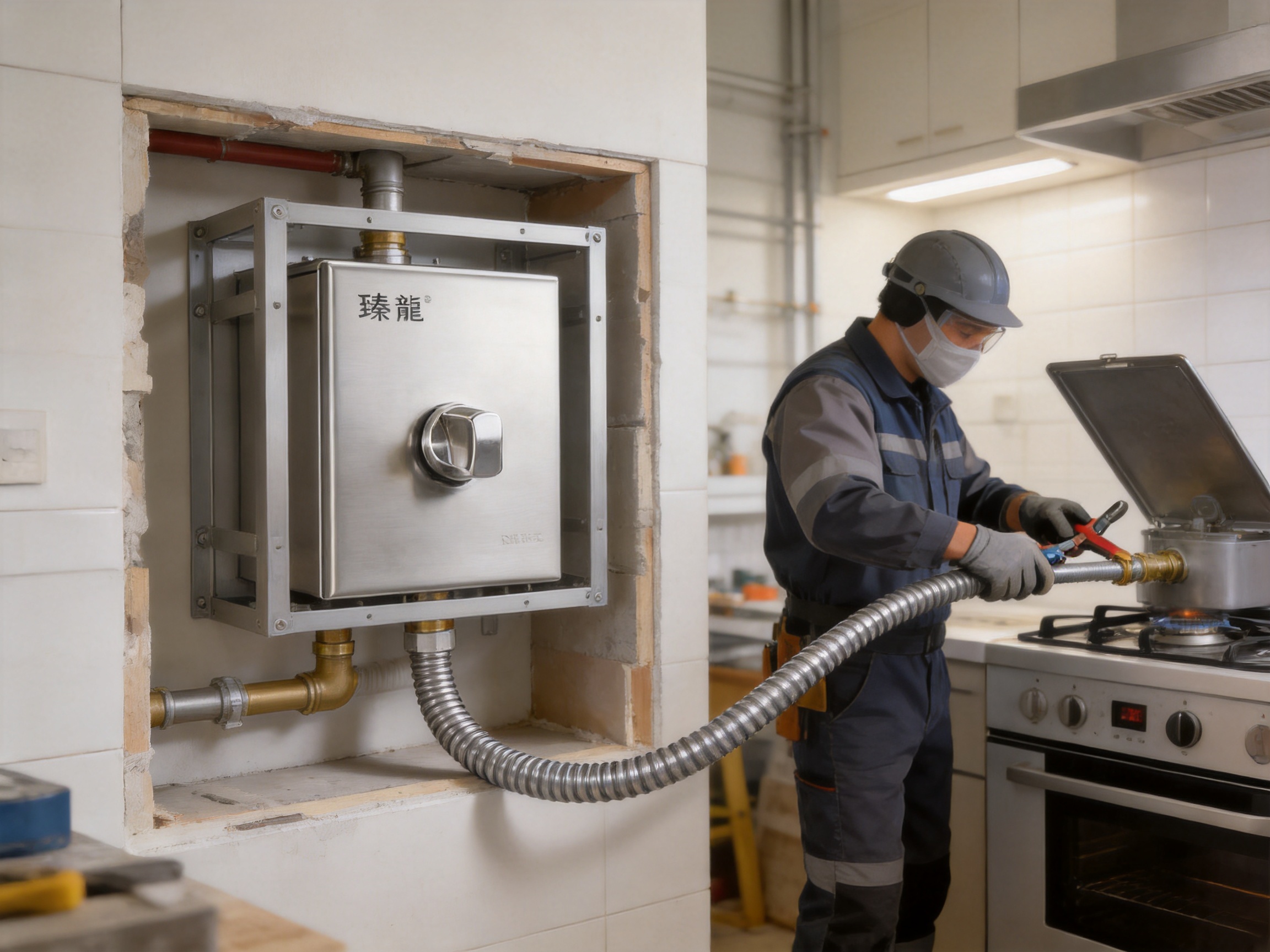
Installation should be completed by qualified personnel familiar with residential gas systems and local requirements. A buried wall switch box must be planned before wall finishing begins. The installer should determine the box position, wall depth, connection direction, access method, hose route, appliance location, and required clearances.
The wall recess should be prepared accurately. If the opening is too small, the box may be forced into position and become distorted. If it is too large, the mounting points may not provide adequate support. The surrounding structure should be strong enough to retain the box and resist movement during connection and maintenance.
The gas pipe should approach the box in a controlled alignment. Excessive offset can put strain on the fitting or require the hose to bend sharply. The connection should be supported independently of the flexible hose wherever necessary. The hose should not carry the weight of the appliance or compensate for a poorly positioned fixed pipe.
Before the wall is closed or finished, the installer should verify that the box is correctly positioned and firmly secured. The hose and fitting should be inspected for damage, contamination, improper sealing, and dimensional mismatch. Any required pressure or leak testing should be completed before the system is placed into service.
Wall coverings, tile, plaster, cabinets, or other finishes should not block the intended access area. A concealed connection must remain serviceable. If the box is installed behind a cabinet or appliance, the layout should allow authorized personnel to reach the fitting without unsafe dismantling.
Recommended Installation Sequence
First, confirm the product model, nominal size, hose connection, valve arrangement, and installation drawings. Second, mark the box position according to the appliance and pipeline layout. Third, prepare the wall opening and supporting structure. Fourth, install and align the box without applying damaging force.
Fifth, connect the fixed gas pipe and the approved corrugated hose using the correct fittings and sealing method. Sixth, verify that the hose has a smooth route and is free from twisting, kinking, abrasion, and unnecessary tension. Seventh, perform the required tightness and functional checks. Eighth, complete the wall finish while preserving access and clearance.
The exact sequence may vary according to the building method and local regulations. The central principles remain the same: accurate positioning, secure mounting, compatible connections, protection from mechanical stress, and complete inspection before operation.
Installation Errors to Avoid
One common error is selecting a box based only on nominal diameter while ignoring the actual fitting geometry. Another is placing the enclosure too close to a corner, cabinet, appliance, or structural obstruction. A third is sealing the box permanently without providing a service route.
Installers should also avoid using unsuitable screws, anchors, sealants, or construction adhesives. Materials used around the box should be compatible with the wall structure and the environmental conditions. Sharp edges, unfinished openings, and abrasive surfaces should not contact the flexible hose.
Finally, the box should not be modified by drilling random holes, cutting away structural sections, or forcing non-compatible components into the enclosure. If a different outlet direction or mounting pattern is required, a suitable model or customized design should be requested from the manufacturer.
11. Maintenance, Inspection, and Service Life
A stainless steel enclosure generally requires limited routine maintenance, but the complete gas connection should still be inspected periodically. Maintenance personnel should check for corrosion, dents, loose mounting, damaged covers, contamination, unusual odor, hose deterioration, and signs of leakage.
The stainless steel surface can usually be cleaned with a soft cloth and an appropriate mild cleaning solution. Abrasive pads, aggressive chemicals, and chloride-rich cleaners should be avoided unless their suitability has been confirmed. Cleaning should not damage the surface or introduce contaminants into the fitting area.
The access area should remain free from stored objects, grease accumulation, construction debris, and household materials. A clear access area makes inspection easier and reduces the risk that the box will be struck or used as a storage cavity.
If a gas odor is detected, the gas supply should be handled according to local emergency procedures. No electrical switches, flames, or ignition sources should be used near a suspected leak. Qualified gas professionals should inspect the system before it is returned to service.
The service life of the box depends on material grade, installation quality, environmental exposure, mechanical loading, and maintenance. A durable stainless steel structure can support long-term use, but no enclosure should be considered maintenance-free or permanently immune to damage.
12. Applications in Residential and Light Commercial Projects
The primary application is residential gas hose installation. The product can be used in houses, apartments, condominiums, renovation projects, kitchens, utility rooms, and other domestic locations where a gas appliance requires a protected wall connection.
It may also be considered for selected light commercial environments, such as small food-service areas, staff kitchens, residential-style hospitality units, and service rooms, provided that the product’s specification and approval status meet the project requirements. Commercial installations may involve higher usage frequency, different access requirements, or additional regulatory obligations.
For new construction, the box can be coordinated with wall framing, pipeline routing, cabinetry, appliance placement, and interior finishing from the beginning of the project. For renovation work, the main challenge may be creating the required recess without damaging existing utilities or weakening the wall.
Distributors can also include the product in a broader gas connection package containing stainless steel corrugated hoses, valves, connectors, sealing accessories, and installation hardware. Offering a coordinated product range can help contractors source compatible components from one supplier and simplify technical communication.
13. Customization and OEM/ODM Support
The manufacturer’s experience in research, design, and production provides a foundation for OEM and ODM cooperation. Customers may require alternative dimensions, connection configurations, surface finishes, mounting structures, packaging, labels, or product combinations. Such requirements should be discussed with technical personnel before mass production.
Customization is most successful when the buyer provides complete information. Useful details include nominal pipe size, thread standard, hose type, gas medium, installation environment, wall construction, expected order quantity, target market, certification requirements, and desired delivery schedule.
A customized product should pass a technical review before the design is finalized. The review can assess material compatibility, manufacturability, welding access, forming limitations, assembly sequence, inspection requirements, and packaging protection. This process reduces the risk of developing a product that is difficult to manufacture or install.
OEM and ODM support can be especially valuable for importers and regional distributors. A standard product may be suitable for many projects, while a customized version can better match local construction practices or the distributor’s product portfolio. The manufacturer’s integrated production structure can help coordinate design changes with tooling, forming, welding, testing, and final assembly.
14. Purchasing Considerations for Contractors and Distributors
Before ordering the stainless steel buried wall switch box, buyers should confirm the required quantity, delivery schedule, technical documentation, packaging method, and inspection requirements. Product selection should be based on the complete connection system rather than on the box alone.
Technical questions should include the stainless steel grade, external and internal dimensions, mounting-hole arrangement, access configuration, compatible fittings, surface finish, allowable installation orientation, and cleaning recommendations. Buyers should also ask whether the product is supplied with matching mounting components or whether these must be purchased separately.
For project work, documentation may include a product drawing, specification sheet, bill of materials, inspection report, material information, test report, and installation guidance. The exact document package depends on the customer’s market and regulatory requirements.
Packaging is important because stainless steel surfaces can be scratched or dented during transport. Individual protection, separation between components, moisture control, and strong outer cartons can help preserve product condition. Bulk orders should be labeled clearly to support warehouse management and site delivery.
Buyers should also evaluate the supplier’s production capacity. The company’s 30 welding and forming production lines and large factory area indicate the ability to support organized production, but customers should still confirm capacity for the specific order, especially when customized tooling or special inspection is required.
Why Supplier Integration Matters
A supplier that manufactures related hoses, pipelines, valves, and fittings can provide useful system-level knowledge. This may reduce communication gaps between separate component suppliers. It can also simplify compatibility discussions and support the development of complete gas connection packages.
Integrated production may improve consistency between components, but buyers should still verify that each part meets its own technical requirements. A compatible product range is valuable only when dimensions, materials, pressure ratings, connection methods, and approvals are properly coordinated.
15. Environmental and Operational Value
Durability has an environmental dimension because products that remain serviceable for a longer period may reduce replacement frequency and material waste. A corrosion-resistant stainless steel enclosure can support long-term use when it is properly installed and maintained.
The compact design can also contribute to efficient use of residential space. A neatly arranged connection may reduce the need for additional protective structures or improvised covers. By integrating the gas connection into the wall, the installation can support cleaner interior design and more efficient appliance positioning.
Manufacturing efficiency is another consideration. Dedicated production lines, controlled forming and welding, material analysis, and tightness testing can reduce defective output and improve resource utilization. The company’s combination of manufacturing and quality-control equipment supports a more systematic approach than small-scale manual fabrication.
Environmental performance should nevertheless be evaluated across the full product life cycle. Buyers may wish to review the stainless steel grade, packaging materials, production practices, transportation method, repairability, and end-of-life recycling options. Stainless steel is widely recyclable, but recycling outcomes depend on collection and processing systems in the relevant market.
16. Safety Responsibilities and Application Boundaries
The buried wall switch box is a protective and mounting component. It is not a substitute for a complete gas safety system. Safe operation also depends on correctly designed pipelines, approved hoses, suitable valves, proper sealing, pressure control, ventilation, appliance installation, leak testing, inspection, and user awareness.
The product should be used only in applications for which its dimensions, materials, and approvals are appropriate. It should not be used to contain incompatible chemicals, support heavy equipment, replace a pressure regulator, or serve as a general utility enclosure without technical confirmation.
Local codes and gas authority requirements may specify rules for concealed connections, access panels, valve locations, wall penetrations, ventilation, and inspection. These rules differ by country and region. The installer and project engineer are responsible for verifying compliance before construction and commissioning.
Any modification to the product should be approved by the manufacturer or qualified engineering personnel. Unauthorized cutting, welding, drilling, or alteration may weaken the enclosure, affect corrosion resistance, interfere with access, or invalidate testing and certification.
17. Overall Product Value
The stainless steel buried wall switch box offers a practical combination of physical protection, corrosion resistance, installation organization, and visual integration. Its value is strongest in residential projects where gas hose connections must be kept orderly without becoming difficult to inspect or maintain.
The ZLP-001 DN15 specification provides a defined starting point for compact gas hose connection applications. Its stainless steel construction supports mechanical durability and resistance to moisture-related deterioration. Secure mounting features help create a stable connection environment, while the buried-wall concept reduces exposure to household activity.
Compared with improvised or general-purpose enclosures, a dedicated product is easier to specify, install, inspect, and source repeatedly. Compared with exposed connections, it can improve appearance and physical protection. Compared with weaker enclosure materials, stainless steel provides a more robust structure for long-term residential use.
The manufacturer strengthens the product offering through integrated energy equipment production, extensive factory facilities, multiple welding and forming lines, furnace production resources, metal analysis equipment, flow tightness testers, quality-management practices, industry experience, and OEM/ODM support. These capabilities are relevant to customers seeking consistent supply and technical cooperation rather than a one-time purchase.
For contractors, the product can simplify the creation of clean and protected gas hose connection points. For distributors, it can complement a broader range of metal hoses, corrugated hoses, valves, and pipe fittings. For project owners, it can contribute to an organized installation that supports appearance, access, and long-term serviceability.
18. Frequently Asked Questions
What is a buried wall switch box used for?
It is used to house and protect a gas hose connection within a prepared wall recess or buried-wall installation. It helps organize the connection, reduce exposure to accidental impact, and maintain a cleaner appearance while preserving access for inspection and service.
What is the model and nominal size of this product?
The supplied product information identifies the model as ZLP-001 and the nominal size as DN15. The complete connection must still be checked for compatibility with the selected hose, valve, fitting, thread, and local system requirements.
Why is stainless steel suitable for this application?
Stainless steel provides mechanical strength, corrosion resistance, dimensional stability, and a clean appearance. These properties are useful in residential areas exposed to humidity, temperature variation, cleaning activity, and accidental contact.
Can the box be installed behind a cabinet?
It may be possible when the installation complies with local requirements and the access area remains reachable. The box should not be permanently blocked by cabinetry, appliances, tile, or other construction materials. Authorized personnel must be able to inspect and service the gas connection.
Is the product compatible with every DN15 gas hose?
No. Nominal diameter alone does not establish full compatibility. Thread standard, fitting type, sealing method, hose approval, pressure requirements, outlet direction, and installation clearance must all be verified before assembly.
Does the box replace a gas shutoff valve?
No. The enclosure is a protective and mounting component. A suitable shutoff valve and all other required gas safety devices must be selected and installed separately according to the system design and applicable regulations.
Can the product be used outdoors?
The supplied information describes residential gas hose use but does not establish unrestricted outdoor approval. Outdoor use should be evaluated according to the stainless steel grade, environmental exposure, weather protection, installation method, and applicable local requirements.
How should the hose be routed from the box?
The hose should follow a smooth route without sharp bending, twisting, abrasion, or unnecessary tension. It should not support the appliance or be used to correct major pipe misalignment. The required bend radius and installation instructions for the specific hose must be followed.
What quality equipment does the manufacturer have?
The company reports having metal material analysis direct-reading spectrometers and flow tightness testers. It also operates welding and forming production lines and uninterrupted solid melting hydrogen furnace production lines.
Does the manufacturer support OEM and ODM projects?
The company provides research, development, manufacturing, processing, and industry-trade services. These capabilities can support OEM and ODM discussions involving dimensions, connection arrangements, packaging, labeling, and related product requirements, subject to technical review.
What should be checked before ordering?
Buyers should confirm dimensions, stainless steel material, connection compatibility, wall depth, mounting method, access requirements, product documentation, inspection needs, packaging, order quantity, delivery schedule, and applicable certifications or approvals.
How should the product be maintained?
The enclosure should be kept clean and free from stored objects, construction debris, and corrosive contamination. Inspectors should check for loose mounting, dents, corrosion, damaged access components, hose deterioration, and possible leakage. Gas-system maintenance should be performed by qualified personnel.
19. Conclusion
The stainless steel buried wall switch box for home gas hose is a purpose-designed solution for protecting and organizing residential gas hose connections. Its stainless steel structure provides strength and resistance to common environmental conditions, while its buried-wall installation concept supports a clean appearance and efficient use of space.
The product’s secure mounting design can help reduce unwanted movement and external interference. When combined with a compatible stainless steel corrugated gas hose, suitable fittings, an approved valve, and professional installation, it can contribute to a dependable and serviceable residential gas connection arrangement.
The manufacturing capabilities of Zhejiang Zhenlong Energy Equipment Technology Co., Ltd. add value through integrated product development, multiple welding and forming lines, furnace production resources, material analysis, tightness testing, quality-management practices, and experience across metal hoses, pipelines, valves, fittings, and related energy equipment.
For every project, the box must be selected and installed as part of a complete gas system. Correct compatibility, access, mounting, leak testing, regulatory compliance, and ongoing inspection remain essential. Within those conditions, the ZLP-001 DN15 stainless steel buried wall switch box offers a durable, organized, and professional approach to residential gas hose connection protection.
References
1. Product specification information for ZLP-001 stainless steel buried wall switch box, DN15.
2. Manufacturer-provided company profile and production capability information.
3. General engineering principles for stainless steel material selection in gas and plumbing applications.
4. General installation and maintenance practices for residential gas hose connections.
5. Quality-management principles related to material verification, process control, dimensional inspection, and tightness testing.
6. General guidance for the design, installation, inspection, and maintenance of flexible corrugated gas hoses and associated fittings.