 English
 中文简体
中文简体 Español
 عربى
عربى

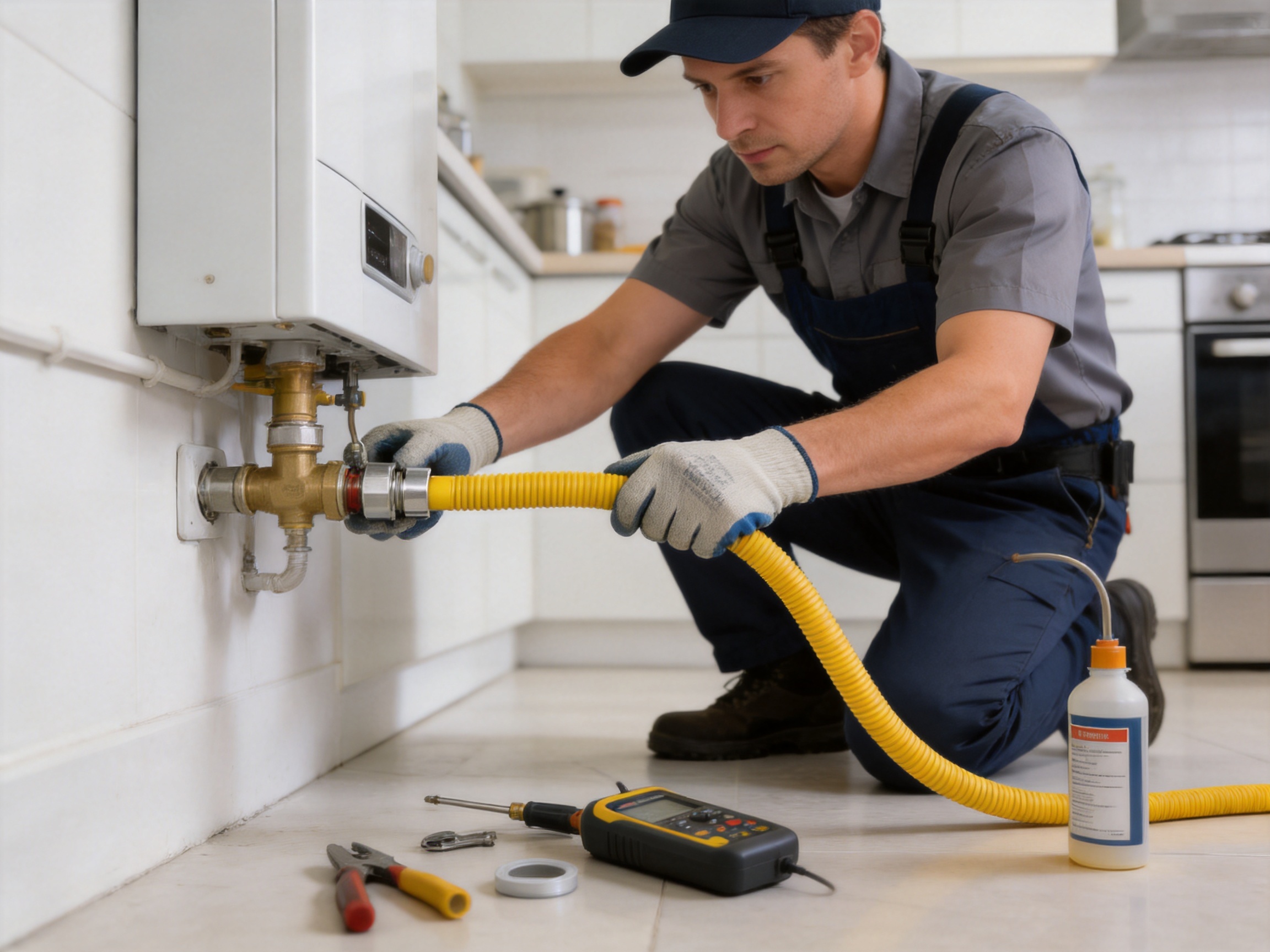
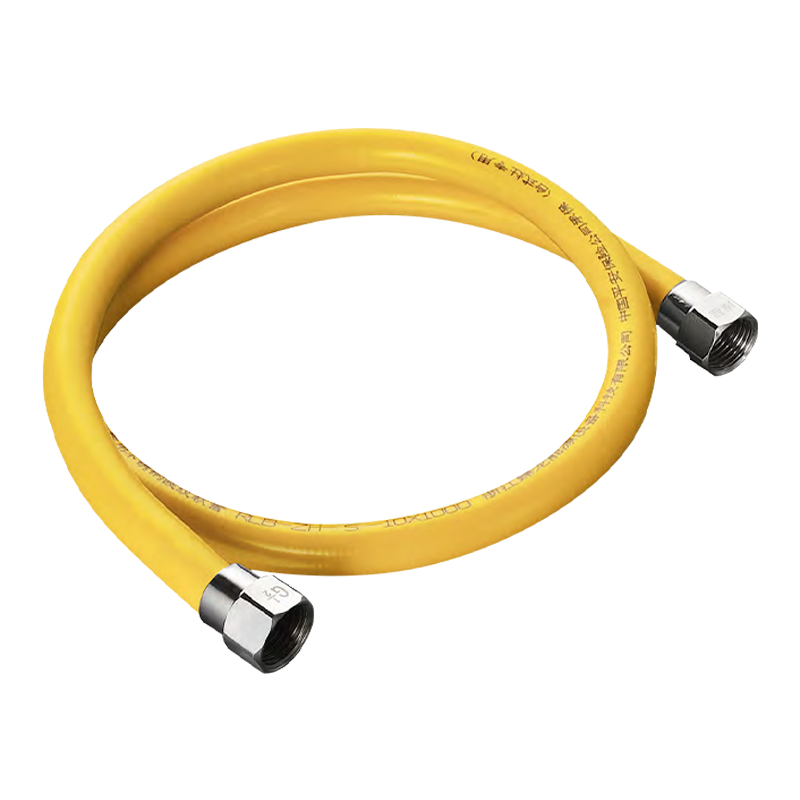
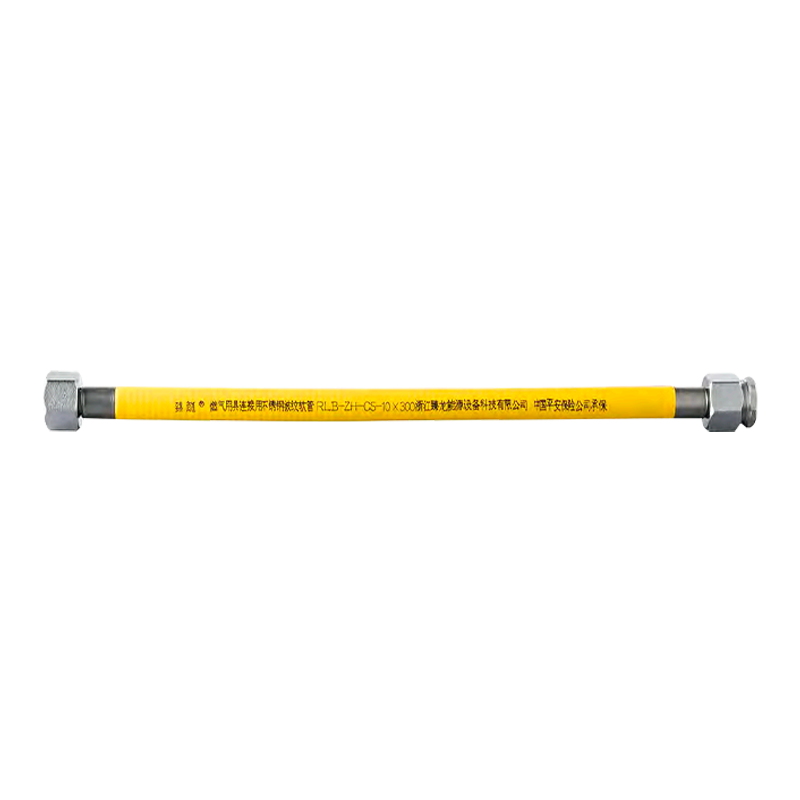
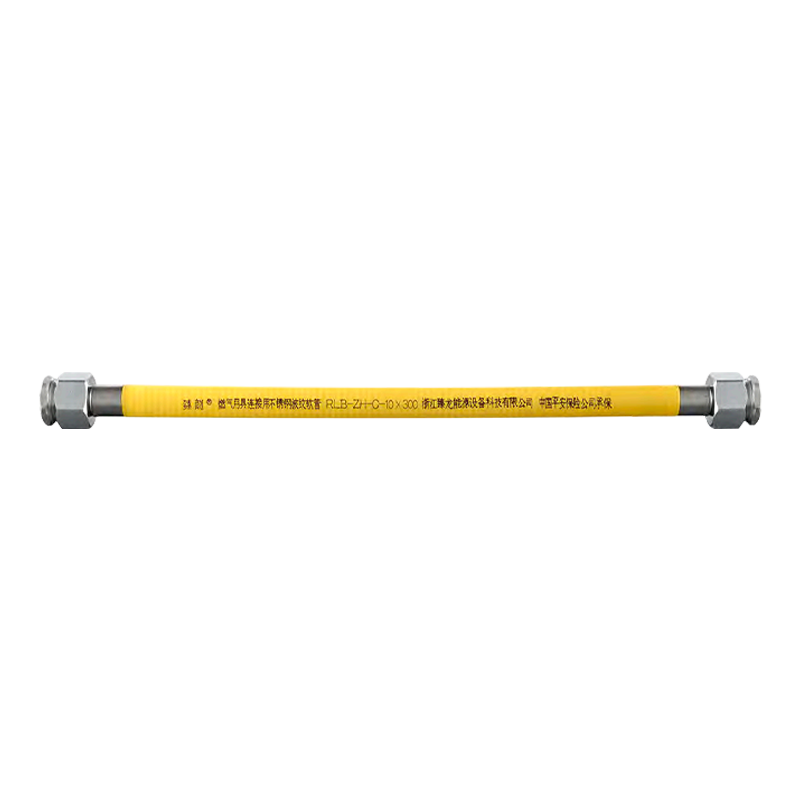
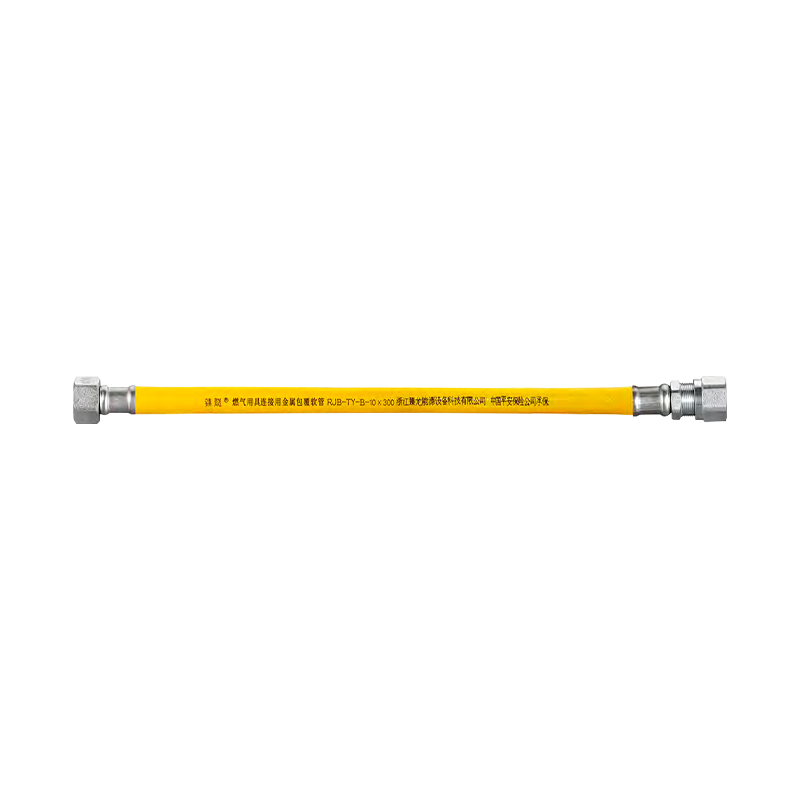
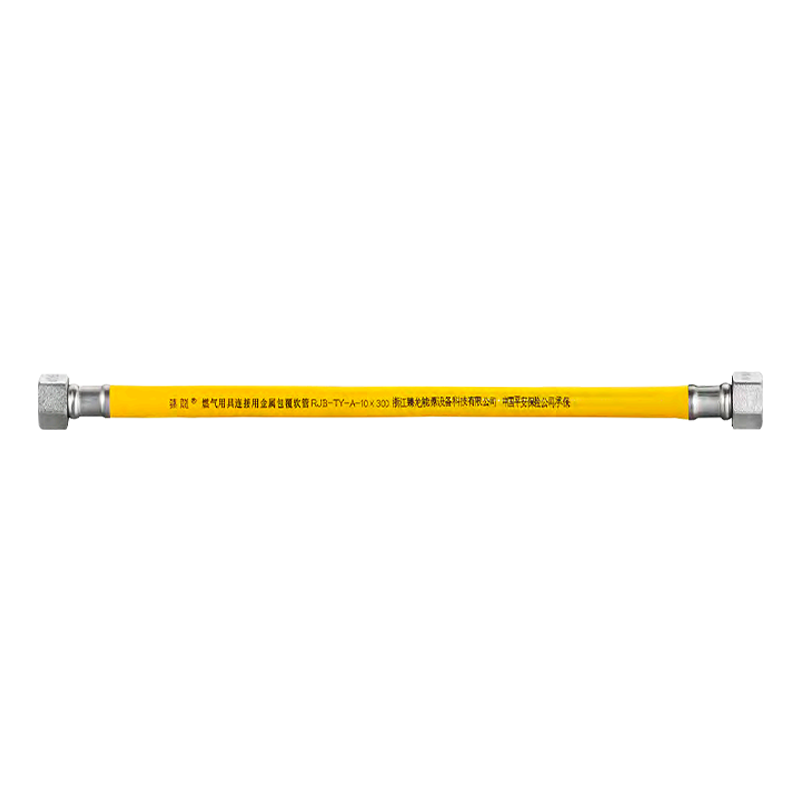
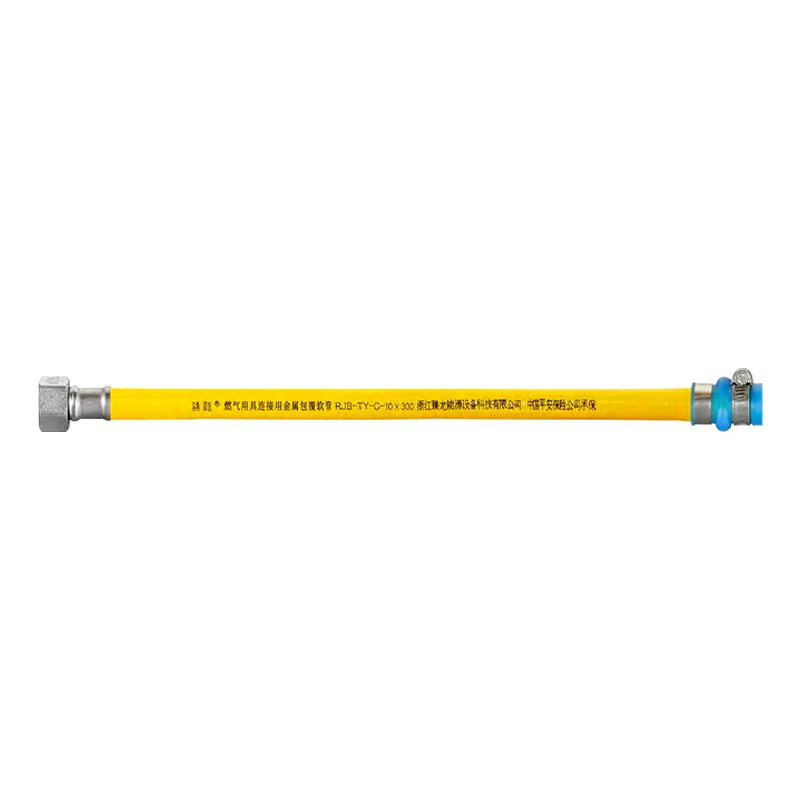
Safe and dependable connections are essential wherever gas appliances are installed. A connection hose must accommodate movement, resist pressure and vibration, remain stable in changing environmental conditions, and maintain a reliable seal throughout its service life. The Stainless Steel Corrugated Braided Gas Hose ZLR-16 is designed to address these requirements through a combination of stainless steel construction, corrugated flexibility, reinforcing braid, polyethylene protection, and carefully designed connection components.
The ZLR-16 belongs to the category of stainless steel corrugated tubes for connecting gas appliances. Its primary function is to create a flexible connection between a fixed gas supply line and an appliance, regulator, gauge, or related fitting. Unlike a rigid pipe connection, the hose can absorb small changes in alignment and position. This helps simplify installation while reducing the mechanical stress that can occur when an appliance is moved, adjusted, or exposed to vibration.
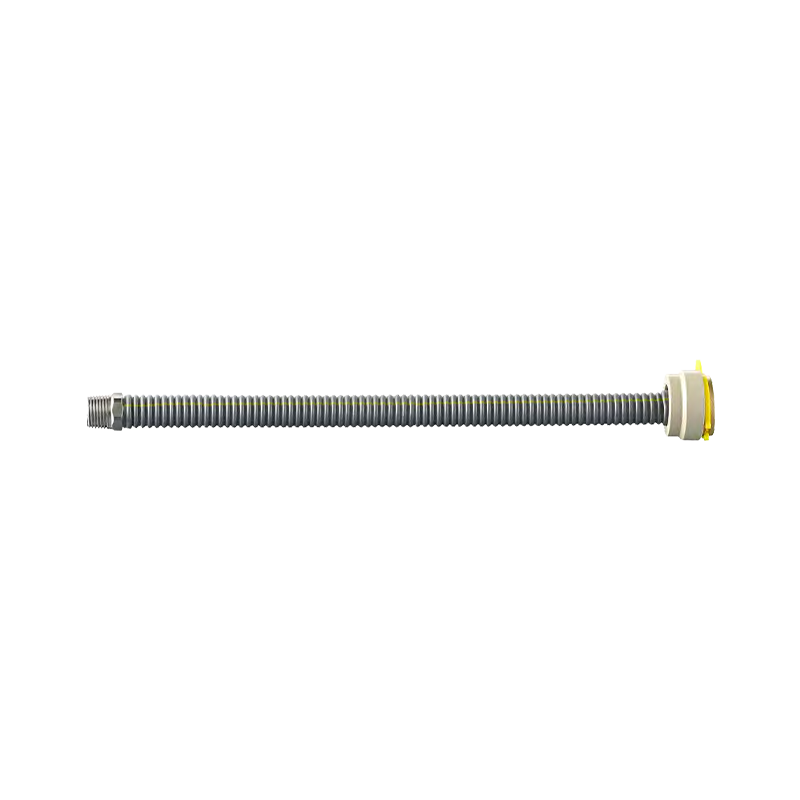
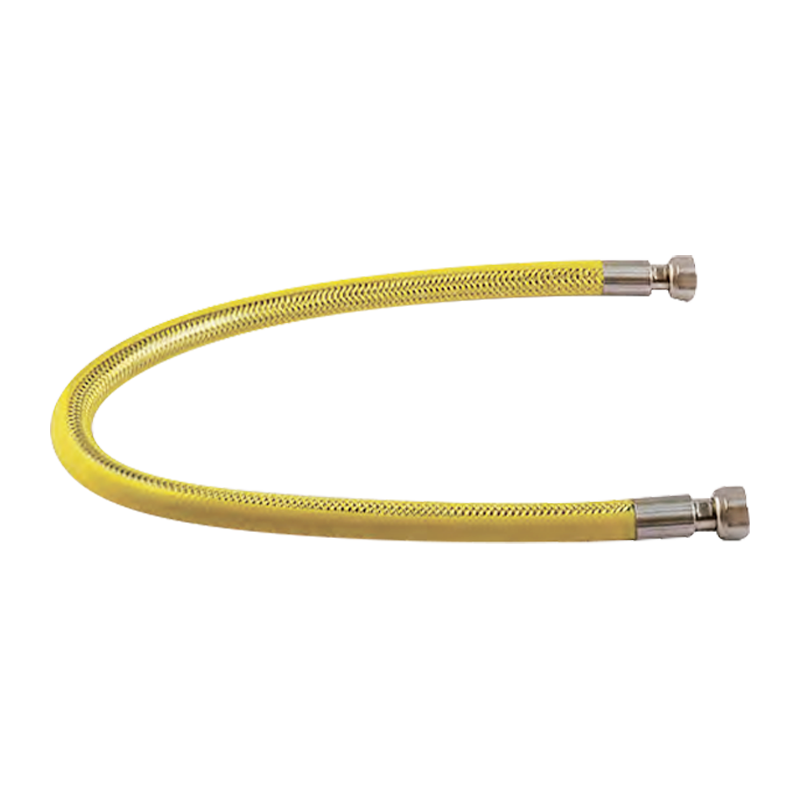
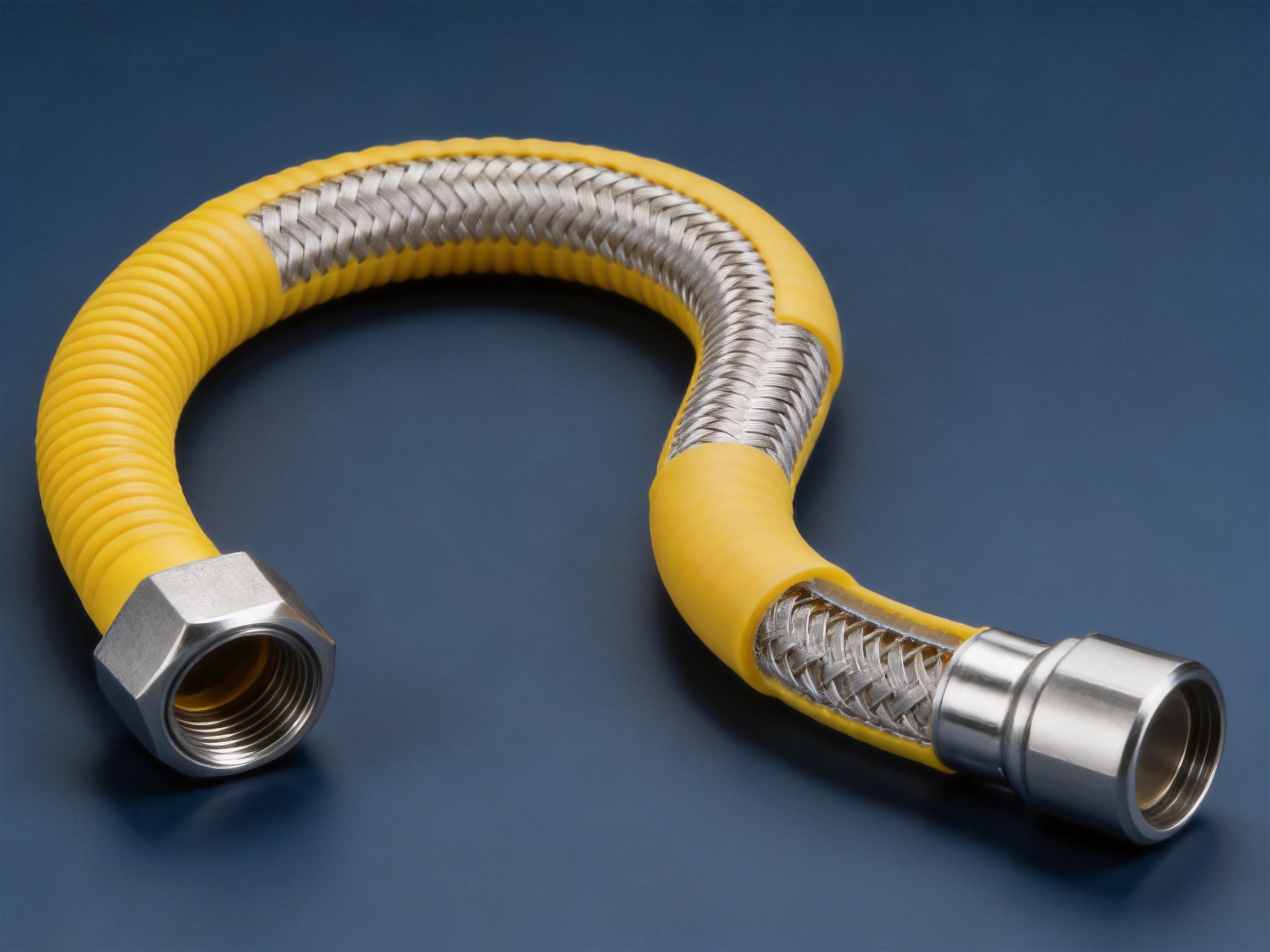
The product combines a robust stainless steel spiral bellows structure with a reinforcing braided layer. The corrugated structure gives the hose flexibility, while the braid improves resistance to pressure and deformation. A PE outer covering adds protection against abrasion, corrosion, environmental wear, and incidental contact. At the connection points, an adapter, female threaded connector, and gasket work together to support secure installation and leak prevention.
For buyers, distributors, installers, and equipment manufacturers, the value of the ZLR-16 is not limited to its basic material selection. Its performance depends on the interaction of the bellows, braid, protective coating, washers, gasket, and connectors. This integrated design helps make the hose suitable for gas appliance connections where flexibility and mechanical strength are both important.
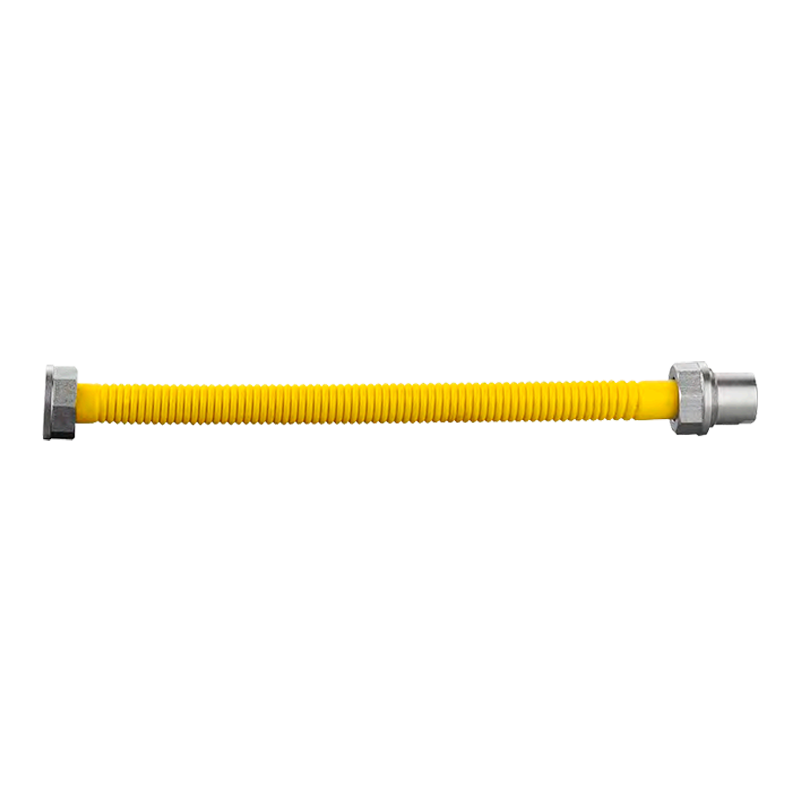
Stainless steel corrugated hose braided gas hose ZLR-16
Content
- 1 Product Overview and Intended Application
- 2 Construction of the ZLR-16
- 3 Key Product Specifications
- 4 How the Design Supports Reliable Gas Connections
- 5 Advantages Compared with Conventional Connection Solutions
- 6 Manufacturing Strengths and Production Capabilities
- 7 Quality Control from Material to Finished Assembly
- 8 Installation Guidance for the ZLR-16
- 9 Operating and Maintenance Recommendations
- 10 Selection Considerations for Distributors and OEM Buyers
- 11 Why Manufacturing Integration Matters
- 12 Application Areas
- 13 Safety Limitations and Responsible Use
- 14 Frequently Asked Questions
- 14.1 What is the primary purpose of the ZLR-16?
- 14.2 What material is used for the corrugated bellows?
- 14.3 Does the hose include reinforcement?
- 14.4 What is the function of the PE covering?
- 14.5 What are the listed dimensions?
- 14.6 What type of connector is listed?
- 14.7 Can the ZLR-16 be used with liquids?
- 14.8 Can the hose be bent freely during installation?
- 14.9 How should the hose be checked after installation?
- 14.10 What should be requested before a large purchase?
- 14.11 What manufacturing capabilities support this product?
- 14.12 Does the company support customized production?
- 15 Conclusion
- 16 References
- 17 Product: Stainless steel corrugated hose braided gas hose ZLR-16
Product Overview and Intended Application
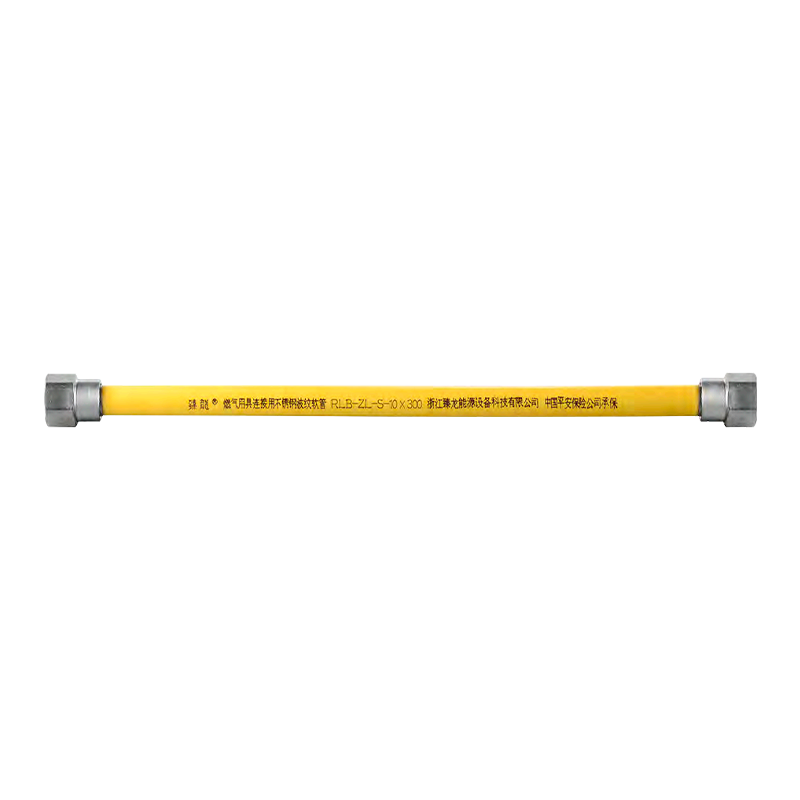
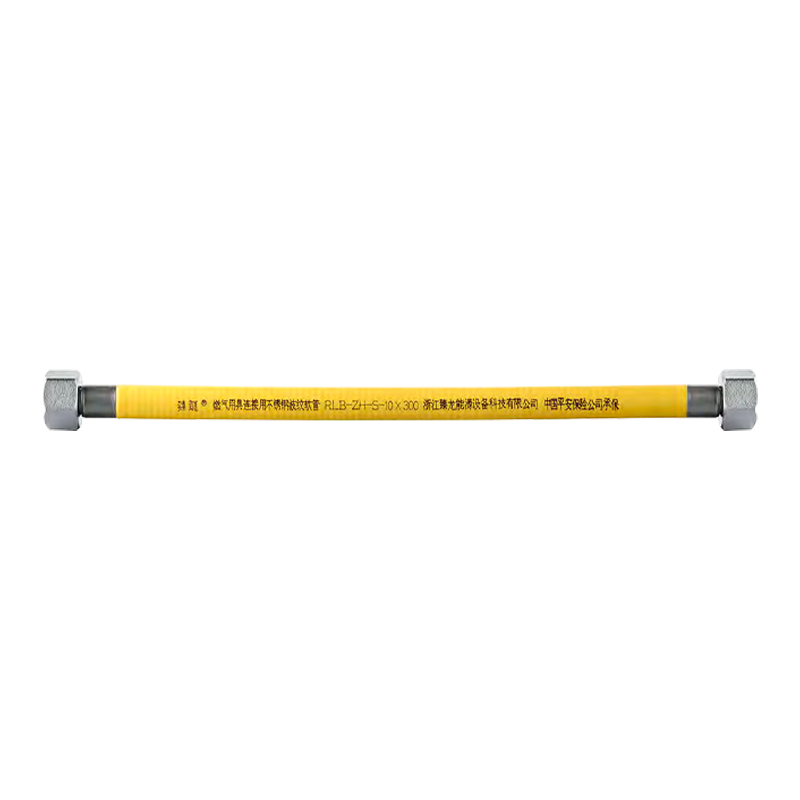
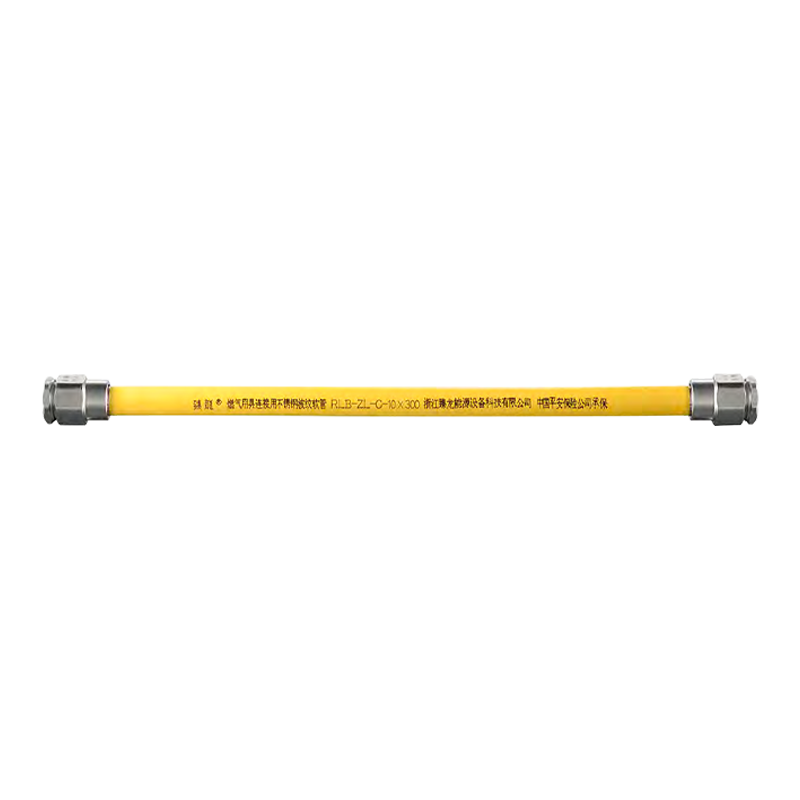
The ZLR-16 is a stainless steel corrugated hose developed for connecting gas appliances. It is identified with a DN15 size designation and is listed with an outside diameter of 20 millimeters and an inside diameter of 18 millimeters. The listed standard length range is 30 centimeters to 60 centimeters, providing practical options for common appliance connection layouts.
The product specification identifies a M30 x 2 gauge tube female threaded connector, an adapter, a gasket, SS304 stainless steel spiral bellows, and a PE covering. These components form a complete connection assembly rather than a bare length of flexible tubing. This is important because connection reliability depends not only on the hose body but also on the quality, compatibility, and correct installation of the end fittings and sealing elements.
Typical uses may include connecting domestic or commercial gas appliances to a gas supply point, linking equipment to a regulator or gauge assembly, and making flexible connections in locations where a rigid pipe would be difficult to align. The hose may also be considered for certain liquid or industrial connection applications when the medium, pressure, temperature, fitting configuration, and applicable regulations have been reviewed in advance.
Although the stainless steel body provides broad resistance to many operating conditions, the exact suitability of the hose must always be confirmed for the intended gas or liquid, working pressure, temperature, installation environment, and local code requirements. Gas installation should be performed by qualified personnel, and the hose should not be used outside the conditions approved by the relevant product documentation or regulatory authority.
Construction of the ZLR-16
SS304 Stainless Steel Corrugated Bellows
The central component of the ZLR-16 is its SS304 stainless steel spiral bellows. Stainless steel is widely used for flexible gas connections because it combines mechanical strength with useful resistance to corrosion and environmental exposure. The corrugated form creates a series of controlled folds that allow the hose to bend without requiring the entire wall to stretch as a flat, smooth tube would.
This corrugated geometry provides flexibility while retaining the structural advantages of metal. It can accommodate moderate changes in direction and position, helping installers achieve a clean connection when the appliance outlet and supply point are not perfectly aligned. The folds also allow the hose to absorb limited movement caused by vibration, appliance operation, or routine repositioning.
The stainless steel bellows should not be interpreted as a substitute for unrestricted bending. Every corrugated hose has a minimum bend radius and a defined range of movement. Excessive bending, twisting, sharp kinking, or repeated movement beyond the intended design can reduce service life. Correct routing is therefore essential to preserve the performance of the metal bellows.
Reinforcing Braided Layer
The braided layer reinforces the corrugated tube and improves its resistance to pressure-related deformation. A braid helps distribute mechanical loads over the outer surface of the bellows. It can also limit excessive expansion and help the hose retain its shape when subjected to internal pressure or external handling forces.
Compared with an unreinforced flexible tube, a braided corrugated assembly can offer a stronger balance between flexibility and dimensional stability. This is particularly valuable in appliance connections, where the hose may be installed in a restricted space but must still withstand normal vibration, installation handling, and moderate movement.
The braid also provides an additional protective layer around the corrugated tube. It does not eliminate the need for careful handling, and it should not be used as a lifting point or subjected to deliberate crushing. Nevertheless, its presence strengthens the overall assembly and helps reduce the risk of deformation during normal installation and operation.
PE Outer Covering
The ZLR-16 includes a polyethylene outer covering. The PE layer adds a barrier between the metallic hose assembly and the surrounding environment. It can help protect the underlying structure from abrasion, incidental contact, dust, moisture, and general environmental wear. It also provides a clean and uniform external appearance.
In installations where a hose passes near cabinets, appliance panels, brackets, or other surfaces, an outer coating can reduce direct contact between the metal braid and nearby materials. This may help lower the risk of surface scratching and localized wear when the assembly is installed correctly.
The PE covering also offers an element of electrical insulation from the surrounding environment. However, it should not automatically be considered a substitute for a dedicated electrical grounding or bonding arrangement where such an arrangement is required. The role of the covering is primarily protection, insulation, appearance, and improved handling.
Connectors, Adapter, and Gasket
The end connection assembly is designed around a female threaded connector, adapter, and gasket. The listed connector is M30 x 2, and the gasket provides the sealing interface needed to minimize leakage at the joint. A properly selected and correctly installed gasket can fill small surface irregularities between mating components and help maintain a continuous seal.
The adapter helps connect the hose body to the required appliance or supply-side configuration. This can simplify installation and improve compatibility with the surrounding connection system. The exact thread, sealing face, and mating component must be checked before installation. Thread size alone is not enough to confirm compatibility because two fittings may share a nominal thread but use different sealing methods or connection standards.
Washers and gaskets also contribute to joint stability. By supporting the sealing surface and reducing friction at the joint, they can help limit loosening caused by vibration or pressure changes. They must be clean, correctly positioned, and free from damage. A gasket that is reused after compression, cut during installation, or contaminated with debris may not provide a dependable seal.
Key Product Specifications
| Item | Specification | Application Significance |
|---|---|---|
| Product model | ZLR-16 | Identifies the stainless steel corrugated appliance connection hose |
| Nominal size | DN15 | Suitable for connection systems designed around the DN15 size classification |
| Outside diameter | 20 mm | Useful for checking routing space, clamps, clearance, and protective openings |
| Inside diameter | 18 mm | Relevant to flow passage and connection compatibility |
| Connector | M30 x 2 gauge tube female threaded connector | Requires confirmation of matching thread and sealing configuration |
| Bellows material | SS304 stainless steel | Provides corrosion resistance, flexibility, and mechanical strength |
| Reinforcement | Braided layer | Improves resistance to pressure and deformation |
| Outer protection | Polyethylene covering | Helps resist abrasion, environmental wear, and incidental contact |
| Available listed length | 30 cm to 60 cm | Supports common appliance connection distances |
| Additional listed size references | DN32, DN40, DN50 | Should be confirmed with the supplier for the specific configuration and application |
The table summarizes the supplied product information. Buyers should request the complete technical datasheet before placing an order for a regulated gas installation or a high-pressure application. Important additional information may include maximum working pressure, test pressure, operating temperature range, gas compatibility, minimum bend radius, connection torque, service life, applicable standards, and inspection requirements.
How the Design Supports Reliable Gas Connections
A gas connection hose must perform as a system. The bellows provides flexibility, the braid provides reinforcement, the PE layer provides external protection, and the gasket and fittings create the connection interface. If any one of these elements is poorly selected or incorrectly installed, the performance of the complete assembly can be reduced.
The corrugated bellows helps manage alignment differences between the gas outlet and appliance inlet. This reduces the need to force a rigid pipe into position. Forced alignment can place bending loads on fittings and may cause stress concentrations near the connection points. A properly routed flexible hose allows the appliance and supply line to be joined in a more natural position.
The braided layer helps protect the bellows against deformation. Internal pressure can create an outward force, while handling and movement can create bending and compression loads. The braid helps distribute these loads and supports the hose wall. This is an important advantage over flexible products that rely only on a thin, unreinforced tube.
The PE covering protects the exterior during transportation, installation, and service. It can reduce the effect of minor rubbing and contact with nearby surfaces. The covering also helps the hose maintain a clean appearance in visible appliance installations, where an exposed metal braid may be more vulnerable to staining or surface damage.
The gasketed joint supports leak prevention at the connection. A sound metal hose body cannot compensate for a poor end seal, so the inclusion of dedicated sealing components is a practical advantage. Installers should still use appropriate leak-detection procedures after installation and before the appliance is placed into normal service.
Advantages Compared with Conventional Connection Solutions
Greater Flexibility than Rigid Pipe Sections
Rigid pipe is useful for permanent distribution systems, but it requires accurate measurement, cutting, threading, bending, and alignment. A flexible corrugated hose can simplify the final connection to an appliance. It allows limited movement and can reduce the number of rigid elbows or adjustment pieces required near the appliance.
This flexibility may reduce installation time and make replacement work more convenient. It is especially useful where the appliance must be moved for cleaning, maintenance, inspection, or positioning. The hose should still be installed with adequate clearance and without excessive slack, but it can provide more practical tolerance than a fixed pipe section.
Improved Mechanical Stability through Reinforcement
Some flexible hoses are designed primarily for ease of handling and may have limited resistance to pressure or mechanical impact. The ZLR-16 uses a braided reinforcement layer over its corrugated stainless steel structure. This combination offers a stronger mechanical design than an unreinforced flexible tube.
The braid can help prevent the bellows from expanding or deforming excessively under operating conditions. It also increases resistance to normal handling forces during installation. For applications exposed to vibration or occasional movement, the reinforced structure can provide an additional margin of mechanical stability, subject to the product’s approved operating limits.
Corrosion and Environmental Resistance
SS304 stainless steel is selected for its combination of durability and corrosion resistance. It is suitable for many indoor and general-purpose environments, although the actual corrosion performance depends on exposure conditions. Chloride-rich, highly acidic, high-temperature, or chemically aggressive environments may require a different material or additional evaluation.
The PE outer covering adds another level of environmental protection. Instead of exposing the braid directly to dust, moisture, and incidental rubbing, the covering acts as a protective barrier. This can be beneficial in kitchens, utility rooms, equipment cabinets, and other areas where the hose may encounter everyday contaminants.
Clean Appearance and Easier Handling
The outer covering gives the product a consistent appearance and makes the hose easier to handle during installation. A covered assembly can be less likely to snag on nearby surfaces than an exposed braided structure. It also helps the finished appliance connection look more organized and professional.
Appearance is not a replacement for technical performance, but it is valuable in residential, hospitality, commercial kitchen, and retail environments. A neat connection is easier to inspect and can make signs of damage, contamination, or abnormal movement more visible during routine maintenance.
Integrated Sealing Components
The inclusion of a gasket, adapter, and threaded connector helps create a more complete installation solution. Installers do not need to design every element of the connection separately, although they must still confirm that the supplied configuration matches the appliance and supply line.
Integrated components can reduce the risk of combining incompatible fittings from different sources. They also help standardize assembly and simplify purchasing for distributors and original equipment manufacturers. The correct gasket material and connection method remain important, particularly when the hose is used with gases or liquids that may affect sealing materials.
Manufacturing Strengths and Production Capabilities
The manufacturer is engaged in the research, development, manufacturing, and processing of energy equipment. Its product range includes metal hoses, natural gas pipelines, plumbing fittings, sanitary ware, valves, plastic products, and hardware. This broad product scope provides experience across metallic forming, welding, sealing, plastic processing, and fitting assembly.
The company operates an integrated industry-and-trade model. This structure can support closer coordination between product development, manufacturing, quality control, customer communication, and delivery. For buyers seeking customized hose lengths, connection configurations, or related pipe products, integrated production and commercial teams can make technical coordination more efficient.
The reported facility covers approximately 40 acres and includes a factory building of about 30,000 square meters. The production infrastructure includes 30 welding and forming production lines. A large number of dedicated lines can support organized manufacturing of different product families while helping maintain repeatability for recurring orders.
Welding and forming are particularly important for corrugated metal hose production. The bellows must be formed with consistent geometry, and welded or assembled connections must be controlled to avoid defects that could affect strength or leak tightness. Production equipment and process discipline are therefore central to the final performance of the hose.
The company also has two uninterrupted solid melting hydrogen furnace production lines. Furnace capability can support controlled processing of relevant metal materials and components. Stable thermal processing is important for achieving consistent material characteristics and reducing variation between production batches.
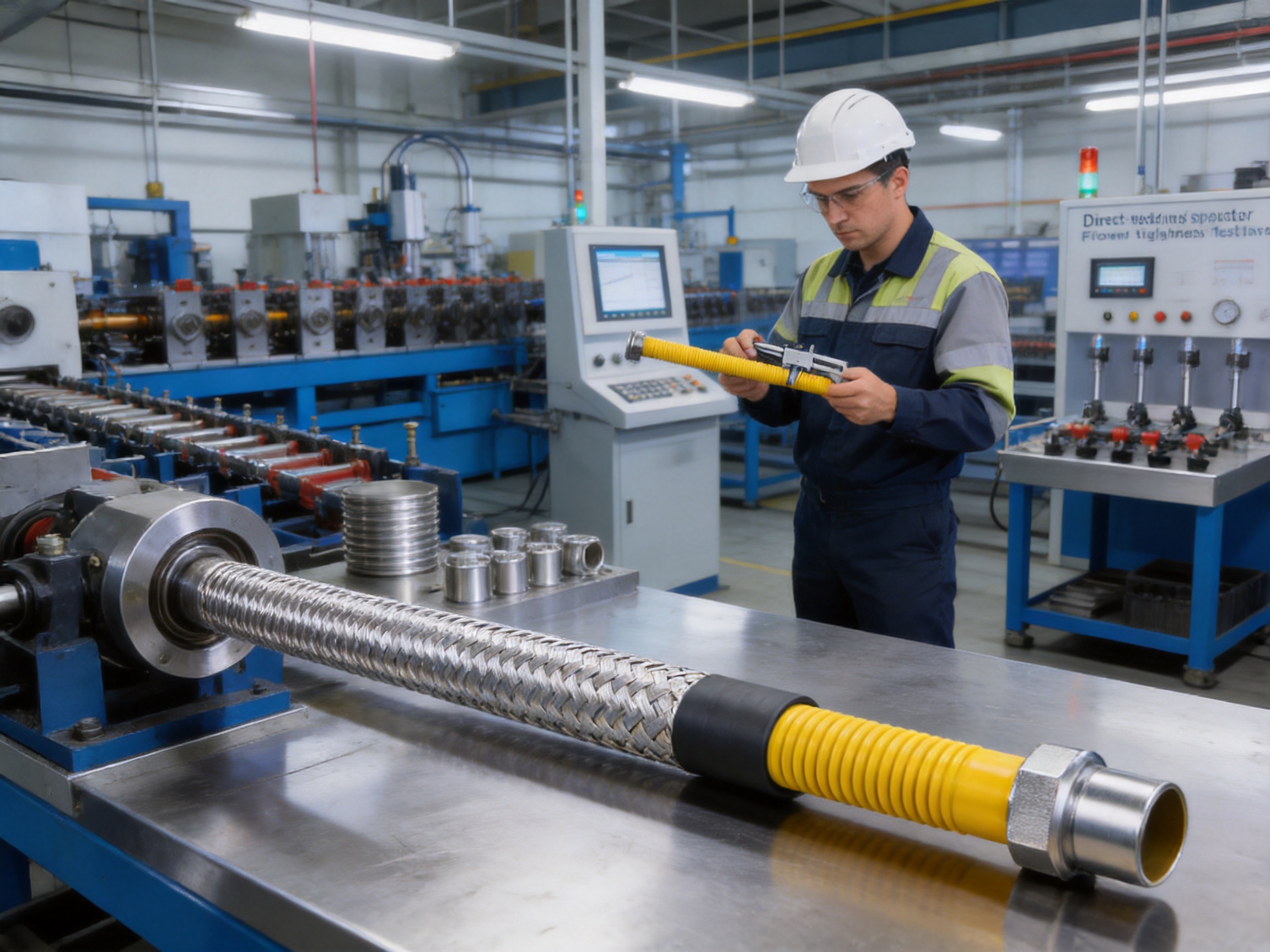
In addition to manufacturing equipment, the company reports testing resources that include direct-reading spectrometers for metal material analysis and flow tightness testers. Material analysis helps verify the composition of incoming or processed metal materials. This is valuable when stainless steel grade and material consistency are important to corrosion resistance and mechanical performance.
Flow tightness testing is directly relevant to gas hose manufacturing. A connection hose must maintain containment under the appropriate test conditions. Leak testing can help identify defects in the bellows, welds, fittings, seals, or assembly process before products are shipped.
The company states that it implements the ISO9000:2008 quality management system. It also reports holding a Special Equipment Manufacturing License for pressure pipelines in the People’s Republic of China, EU CE certification testing reports, and membership in the China Urban Gas Association. Buyers should request current copies and scope details for any certification, license, or test report relevant to a specific product and application.
These capabilities provide a foundation for controlled production, but the final suitability of a hose still depends on the individual model, materials, dimensions, test conditions, and installation requirements. Responsible procurement should combine supplier qualifications with model-specific technical verification.
Quality Control from Material to Finished Assembly
Material Verification
Material verification is an important first step in producing stainless steel corrugated hoses. The stainless steel strip, tube, fittings, braid, gasket, and PE covering must meet the specified requirements for the intended product. Metal analysis equipment such as a direct-reading spectrometer can help confirm the composition of metallic materials and identify deviations before production continues.
Correct material selection supports predictable forming and welding behavior. It also helps ensure that the finished bellows provides the expected balance of flexibility, strength, and corrosion resistance. For customers with strict procurement requirements, material certificates and batch traceability may be requested as part of the purchasing process.
Forming and Corrugation Control
The corrugated profile must be formed consistently along the length of the bellows. Variations in fold depth, pitch, wall condition, or alignment may affect flexibility and stress distribution. Controlled forming processes help create a uniform structure that bends in a predictable way.
Manufacturing personnel should also monitor the transition zones near the ends of the bellows. These areas may experience higher mechanical loads because they connect the flexible body to the more rigid fitting assembly. Proper forming, trimming, and end preparation can help reduce unwanted stress concentration.
Welding and Joint Inspection
Welded joints must be produced with suitable process parameters and inspected according to the applicable quality plan. Defects such as incomplete fusion, excessive penetration, porosity, or surface cracking can reduce the reliability of a pressure-containing assembly.
Joint inspection may include visual checks, dimensional verification, leak testing, and other examinations appropriate to the product and regulatory requirements. The specific inspection method should be defined by the manufacturer’s quality system and the customer’s technical specification.
Braid and PE Covering Application
The reinforcing braid must be applied with controlled coverage and tension. A braid that is too loose may provide insufficient support, while excessive tension may influence flexibility or create unwanted pressure on the bellows. Consistent application helps maintain uniform product behavior.
The PE covering must also be applied without gaps, sharp edges, bubbles, or damage that could compromise its protective function. The finished covering should remain stable during normal bending and handling. Customers requiring particular colors, markings, or packaging should confirm available options before ordering.
Leak and Flow Tightness Testing
Leak and flow tightness testing is one of the most important controls for a gas appliance hose. The test process helps verify that the hose body, welds, fittings, and sealing interfaces can contain the test medium under defined conditions.
Testing requirements vary according to product design, intended gas, operating pressure, applicable regulations, and customer specifications. A buyer should request details of the factory test method, sampling plan, acceptance criteria, and documentation supplied with the order.
Installation Guidance for the ZLR-16
Before installation, inspect the hose and fittings for visible damage. Check the PE covering for cuts, deep abrasions, melting, or separation. Examine the connector threads and gasket seat for contamination or deformation. Do not install a hose that has been crushed, sharply kinked, dropped onto a hard surface, or exposed to conditions beyond its approved range.
Confirm that the hose length is suitable. The listed length range is 30 to 60 centimeters, but the correct length should allow a smooth route between the supply point and appliance connection without stretching or excessive slack. A hose that is too short may be under tension, while a hose that is too long may form unnecessary loops or contact hot and moving components.
Align the fittings before tightening. Do not use the hose body to force the appliance into position, and do not twist the bellows while tightening the end connection. The hose should be turned only as permitted by the fitting design and installation instructions. Holding the correct wrench flats on the fittings helps prevent torque from being transferred into the corrugated body.
Use the specified gasket and ensure that it is correctly seated. Do not substitute an unknown sealing washer simply because it appears to have the same diameter. The gasket material must be compatible with the gas or liquid, temperature, pressure, and joint design.
Do not apply thread sealant to a connection that seals through a face gasket unless the manufacturer or applicable installation standard specifically requires it. Unnecessary sealant can interfere with proper seating, contaminate the gas path, or create an incorrect tightening condition. The thread and sealing method should be identified before assembly.
After installation, inspect the hose route. It should not rest against sharp edges, hot surfaces, electrical components, moving parts, doors, drawers, or areas where it can be crushed. The hose should remain accessible for inspection and should not be concealed in a way that prevents future maintenance.
Perform a suitable leak test after installation. Leak detection should follow local safety rules and the appliance manufacturer’s instructions. Never use an open flame to check for leaks. If leakage is detected, close the gas supply, ventilate the area as appropriate, and have the connection corrected by qualified personnel.
Operating and Maintenance Recommendations
Routine inspection can help identify problems before they become serious. Check for unusual odor, visible damage, loose fittings, corrosion, abnormal movement, and contact with hot or sharp surfaces. The PE covering should be inspected for cuts or areas of severe wear, while exposed metal areas should be checked for deformation or corrosion.
Do not paint, glue, clamp, staple, drill, or weld the hose. These actions can damage the protective covering, restrict movement, affect heat transfer, or compromise the pressure boundary. Do not hang heavy objects from the hose or use it to support an appliance.
Cleaning should be performed with methods and substances compatible with the PE covering, stainless steel, gasket, and fittings. Strong solvents, abrasive tools, and corrosive chemicals may damage the outer coating or sealing components. If chemical exposure is possible, consult the supplier before installation.
If an appliance is moved, the hose should be inspected afterward. Movement can pull on the fittings, create an unsuitable bend, or place the hose against a sharp surface. A hose that has been twisted, crushed, or stretched should be evaluated by qualified personnel and replaced if its integrity is uncertain.
Replacement intervals may be defined by local regulations, appliance manufacturers, project specifications, or the supplier’s instructions. Even when no fixed interval is specified, replacement should be considered if the hose shows damage, leakage, severe corrosion, deformation, hardened seals, or any other condition that could affect safe operation.
Selection Considerations for Distributors and OEM Buyers
Distributors should confirm the exact model configuration before listing the product. Important details include nominal size, outside and inside diameter, connector type, gasket specification, hose length, cover material, packaging, marking, and available documentation. The reference to DN32, DN40, and DN50 in the supplied information should be clarified with the manufacturer because these sizes may refer to additional product variants or related configurations rather than the standard ZLR-16 assembly.
OEM buyers may benefit from discussing customized lengths, fitting arrangements, cover requirements, labeling, packaging, and inspection documents. A manufacturer with experience in metal hoses, gas pipelines, fittings, valves, and plastic products may be able to coordinate related components under one supply program.
Project engineers should compare the hose’s rated performance with the actual installation conditions. The review should include gas type, pressure, temperature, vibration, movement frequency, bend radius, exposure to chemicals, installation space, and regulatory requirements. A flexible hose should be selected based on its complete operating envelope rather than flexibility alone.
Procurement teams should also consider consistency between production batches. Questions may include whether material certificates are available, how dimensions are inspected, whether every finished hose receives leak testing, how gaskets are controlled, and how products are identified for traceability.
Why Manufacturing Integration Matters
Metal hose performance is influenced by several production stages. Material preparation, forming, welding, braiding, coating, fitting assembly, and testing must work together. If these operations are distributed across unrelated suppliers without effective coordination, variation may occur in dimensions, materials, sealing interfaces, and documentation.
An integrated manufacturer can coordinate these stages more closely. The reported combination of production lines, furnace capability, material analysis, and tightness testing gives the supplier a foundation for controlling important variables. This does not remove the need for customer verification, but it can support more stable production and more direct technical communication.
In-house or closely managed processing can also support product development. When a customer needs a different length, connector, outer covering, or related fitting, engineers can evaluate how the requested change affects forming, assembly, testing, and packaging. This is especially useful for OEM projects that require repeatable customized products rather than standard catalog items only.
The company’s experience across energy equipment and plumbing-related products may further support system-level thinking. Gas hoses are often installed alongside valves, regulators, pipelines, sanitary products, and other hardware. Familiarity with these neighboring components can help improve communication during project design and purchasing.
Application Areas
Residential Gas Appliances
In residential applications, the ZLR-16 can be used as a flexible connection solution where the appliance and gas supply point require a short, durable link. The covered finish is suitable for visible installations when a clean appearance is desired. Correct clearance from heat sources, cabinets, and moving components remains essential.
Commercial Kitchens
Commercial kitchens often require equipment connections that can tolerate regular cleaning, vibration, and occasional repositioning. A stainless steel corrugated and braided assembly can provide useful mechanical strength in these environments. The exact suitability depends on cleaning chemicals, temperature, gas pressure, and the operating requirements of the appliance.
Heating and Utility Equipment
Heating equipment and utility appliances may require flexible connections to accommodate service access or equipment alignment. The ZLR-16 can be considered where its dimensions, connector configuration, pressure rating, and temperature range match the application.
Equipment and Panel Assemblies
Equipment manufacturers may integrate flexible hoses into packaged systems or panel assemblies. The hose can help simplify final connections and accommodate small positional differences during assembly. OEM users should define installation orientation, movement limits, test requirements, and end-fitting specifications as part of the product approval process.
Safety Limitations and Responsible Use
The ZLR-16 should be used only for applications approved by the supplier and relevant authorities. Product descriptions alone do not establish a universal pressure rating, temperature rating, or compatibility with every gas and liquid. Buyers should obtain the complete technical parameters before selecting the hose for a specific installation.
The hose should not be exposed to direct flame, uncontrolled radiant heat, severe chemical attack, sharp mechanical impact, or continuous movement beyond its design. The PE outer covering is protective, but it is not invulnerable. Any installation that could expose the covering to temperatures or chemicals outside its rating requires further assessment.
Gas work can present serious safety risks. Installation, pressure testing, commissioning, and repair should be handled by qualified professionals in accordance with local regulations and appliance instructions. If a gas odor is detected, the gas supply should be shut off when safe to do so, ignition sources should be avoided, and the appropriate emergency or service organization should be contacted.
Frequently Asked Questions
What is the primary purpose of the ZLR-16?
The ZLR-16 is a stainless steel corrugated hose assembly designed primarily for connecting gas appliances. Its flexible bellows accommodates alignment and limited movement, while the braid, PE covering, fittings, and gasket support mechanical protection and sealing.
What material is used for the corrugated bellows?
The supplied specification identifies SS304 stainless steel for the spiral bellows. This material provides a useful combination of strength, flexibility, and corrosion resistance for many general-purpose environments.
Does the hose include reinforcement?
Yes. The product description identifies a braided layer around the corrugated hose. The braid helps improve pressure resistance and limits deformation during handling and operation.
What is the function of the PE covering?
The polyethylene outer covering helps protect the hose against abrasion, environmental wear, and incidental contact. It also provides insulation and a clean external appearance. It must still be protected from excessive heat, sharp objects, and incompatible chemicals.
What are the listed dimensions?
The listed configuration is DN15, with an outside diameter of 20 millimeters and an inside diameter of 18 millimeters. The standard listed length range is 30 to 60 centimeters. The exact production configuration should be confirmed before ordering.
What type of connector is listed?
The specification lists an M30 x 2 gauge tube female threaded connector, together with an adapter and gasket. The mating appliance or supply fitting must be checked for thread, sealing face, size, and compatibility.
Can the ZLR-16 be used with liquids?
The product description states that its flexible design is suitable for the safe and efficient transport of gases and liquids. However, liquid applications require confirmation of chemical compatibility, pressure, temperature, flow conditions, and applicable standards. The hose should not be selected for a liquid service without reviewing the complete technical data.
Can the hose be bent freely during installation?
No. The hose is flexible, but it must be routed within its permitted bend radius and movement range. Sharp bends, kinks, twisting, crushing, and repeated movement beyond the design limits can damage the bellows or fittings.
How should the hose be checked after installation?
The installation should be inspected for correct alignment, fitting tightness, gasket placement, suitable clearance, and signs of damage. A qualified person should perform an appropriate leak test according to local requirements. Open flames must never be used to test for leaks.
What should be requested before a large purchase?
Buyers should request a complete datasheet, pressure and temperature ratings, applicable gas or liquid compatibility information, minimum bend radius, testing details, material documentation, certification scope, packaging information, and any available customization options.
What manufacturing capabilities support this product?
The manufacturer reports 30 welding and forming production lines, two uninterrupted solid melting hydrogen furnace production lines, metal material analysis equipment, and flow tightness testing equipment. These capabilities support material verification, forming, assembly, and leak-control processes.
Does the company support customized production?
The company describes itself as a manufacturer and processor of energy equipment with a research, development, design, and production team. Customers should discuss customized lengths, fitting configurations, covers, markings, packaging, and testing requirements directly with the supplier.
Conclusion
The Stainless Steel Corrugated Braided Gas Hose ZLR-16 is designed as a practical connection solution for gas appliances that require both flexibility and mechanical strength. Its SS304 corrugated bellows allows controlled bending and alignment, while the braided reinforcement supports pressure resistance and dimensional stability. The PE outer covering adds protection against abrasion and environmental wear, and the connector, adapter, and gasket contribute to a secure and leak-resistant joint when correctly installed.
Compared with a basic unreinforced flexible tube, the ZLR-16 offers a more comprehensive construction. Compared with a rigid connection, it can simplify appliance alignment and accommodate limited movement. Its strongest advantages come from the combination of metal flexibility, braided reinforcement, external protection, and integrated sealing components.
The manufacturer’s reported production resources provide additional support for the product. Its welding and forming lines, furnace systems, metal analysis equipment, leak-testing capability, energy-equipment experience, and quality management approach create a foundation for consistent manufacturing. Certification and license information should be verified for the specific model and intended market, but the stated capabilities demonstrate a focus on controlled production and technical development.
For safe and effective use, the hose must be selected according to the actual gas or liquid service, pressure, temperature, installation environment, fitting system, and applicable regulations. Correct routing, careful tightening, suitable gasket placement, protection from heat and sharp edges, and professional leak testing are essential. When these requirements are addressed, the ZLR-16 can provide a durable, flexible, and clean-looking connection for demanding appliance and equipment installations.
References
1. Product specification and technical description for Stainless Steel Corrugated Braided Gas Hose ZLR-16.
2. Manufacturer-provided information on SS304 stainless steel spiral bellows, braided reinforcement, PE covering, connectors, adapters, and gaskets.
3. Manufacturer-provided company profile and production capability information.
4. General principles of metallic flexible hose design, corrugated bellows construction, and braided pressure reinforcement.
5. General installation and inspection principles for flexible gas appliance connections.
6. Quality management and material verification practices for metal hose and pipe fitting production.
7. Manufacturer-reported information concerning pressure pipeline licensing, CE certification testing reports, and China Urban Gas Association membership.