 English
 中文简体
 Español
 عربى

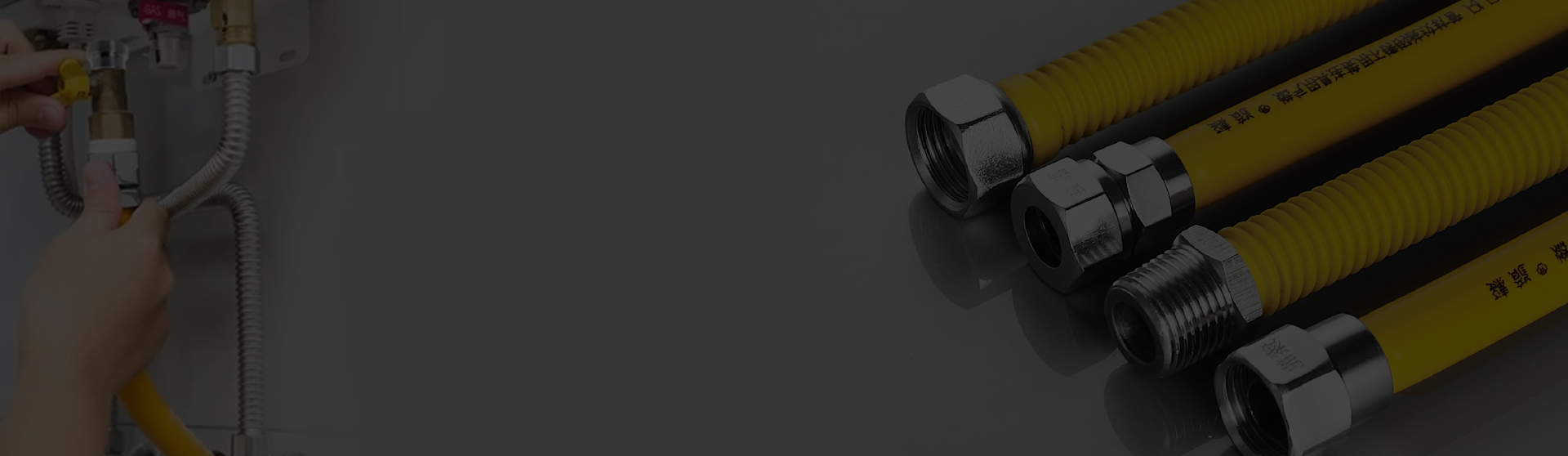

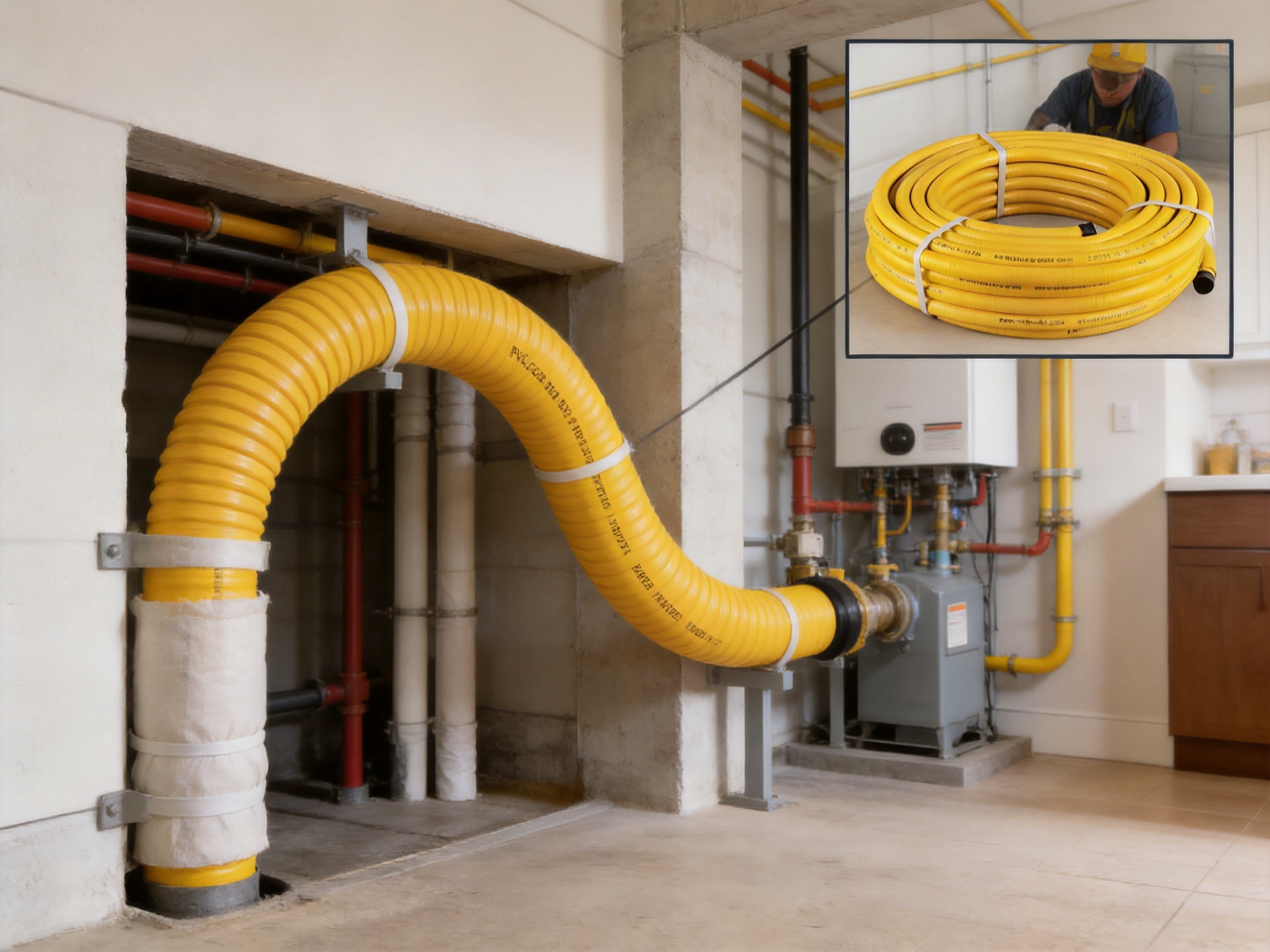
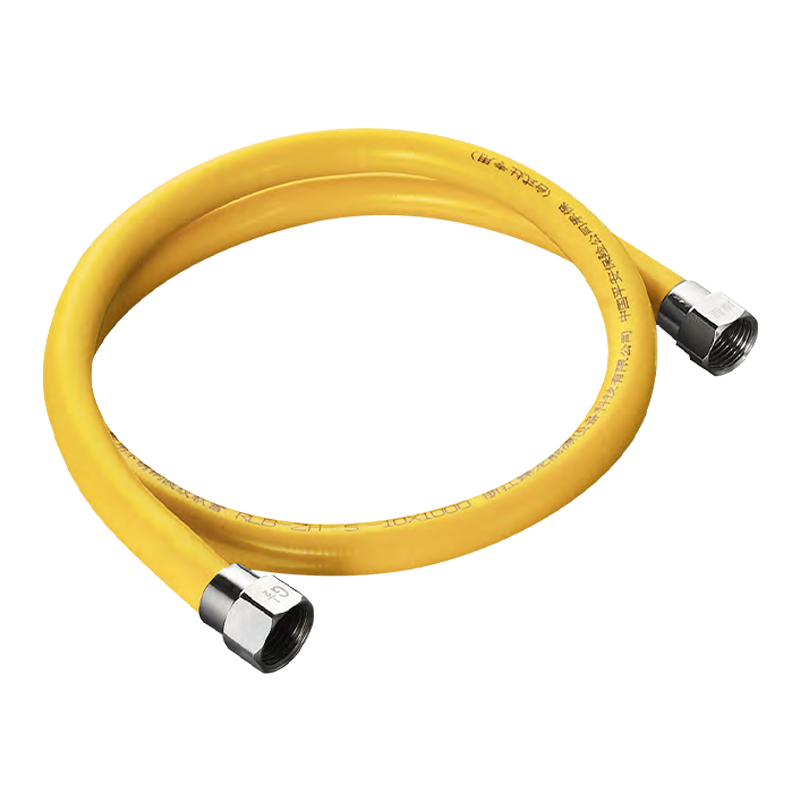
Gas piping systems require components that can maintain safe and stable performance under changing temperatures, mechanical movement, vibration, installation stress, and long-term environmental exposure. A pipe used in a gas transmission application must do more than carry gas from one point to another. It must also accommodate practical installation conditions, resist corrosion, preserve dimensional stability, and support reliable operation throughout its service life. The 304 stainless steel corrugated gas pipe ZLR-02 is designed to address these requirements through a combination of stainless steel construction, corrugated flexibility, a protective yellow PVC coating, and production methods developed for energy equipment and piping applications.
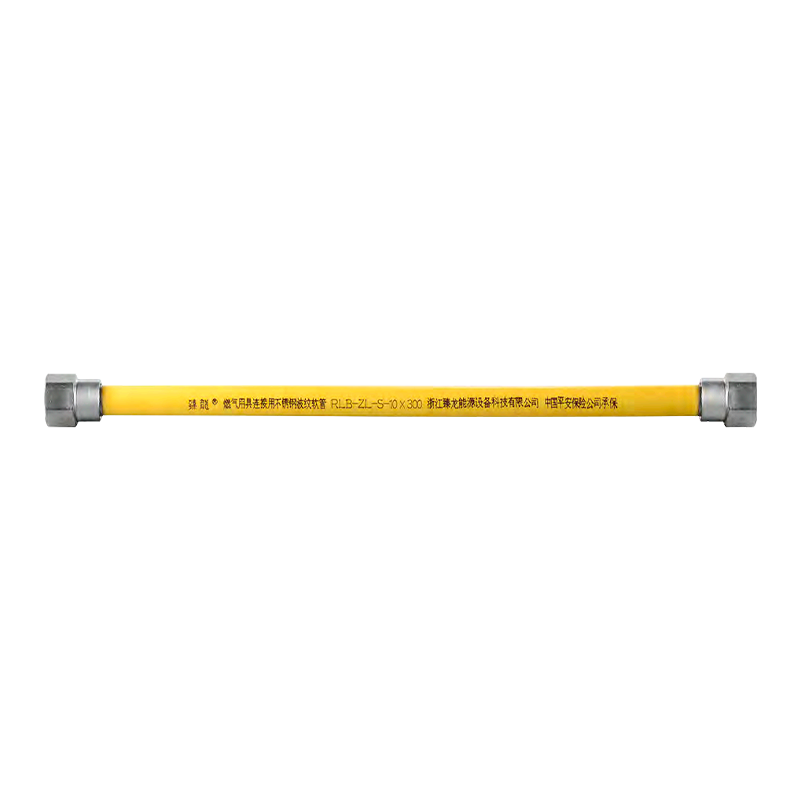
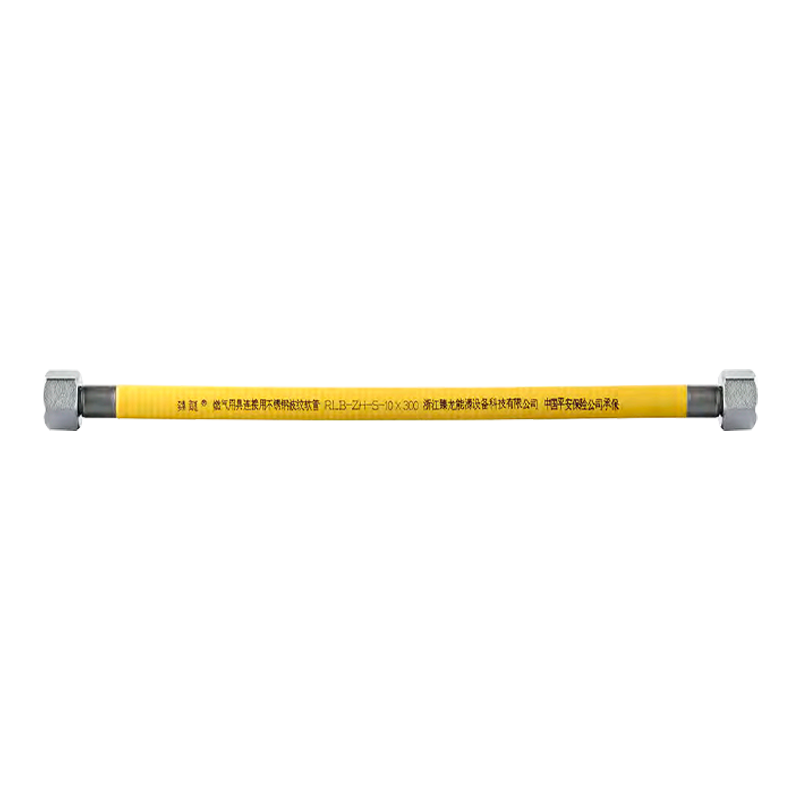
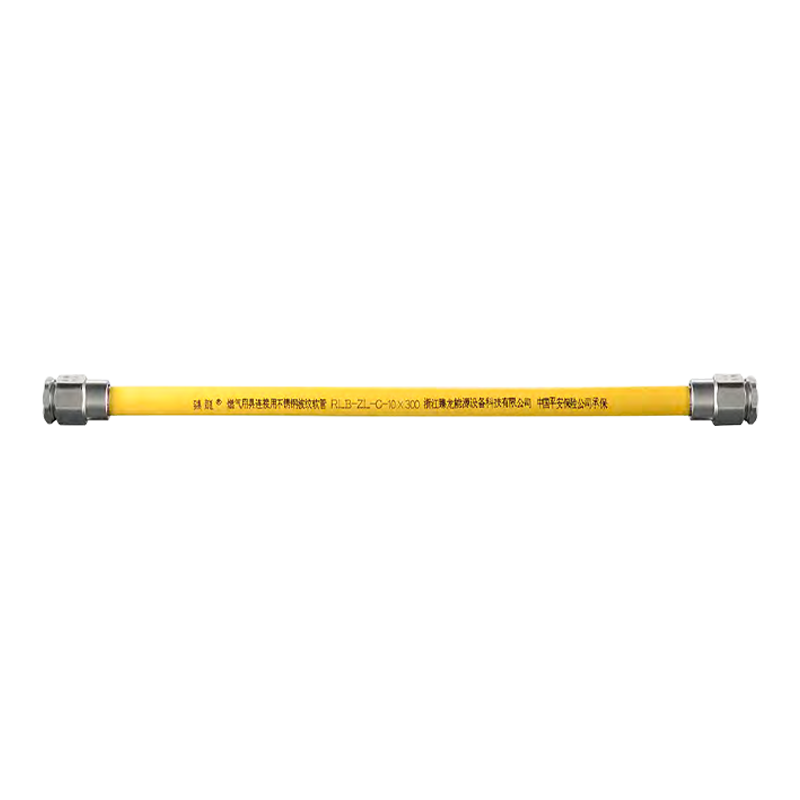
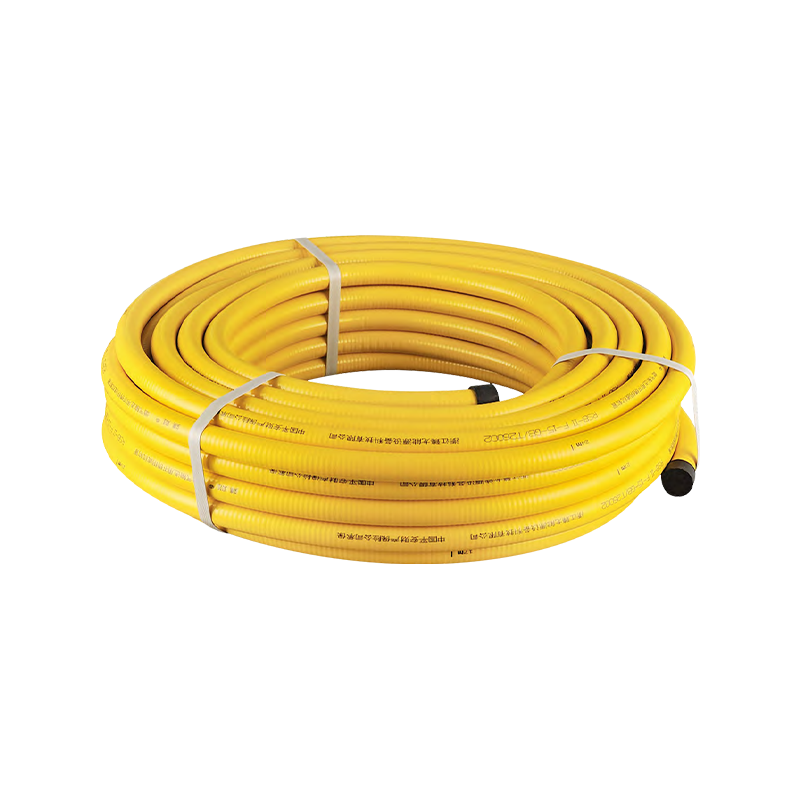
The ZLR-02 belongs to the category of stainless steel corrugated tubing and fittings used in gas piping systems. Its structure is based on 304 non-inductive stainless steel bellows with a stated stainless steel belt thickness of 0.2 millimeters. It is available in nominal diameters from DN10 to DN50 and is supplied in a standard length of 30 meters. The external yellow PVC layer provides a recognizable appearance while also helping protect the stainless steel body from corrosion, ultraviolet exposure, and general environmental aging.
When compared with conventional rigid piping or less-protected flexible tubing, the ZLR-02 offers a balanced solution for applications where flexibility, durability, and environmental protection must work together. The corrugated body helps the pipe accommodate bends and installation movement. The stainless steel material supports resistance to high and low temperatures. The PVC coating adds an additional barrier against external conditions. Together, these features make the product suitable for gas transmission systems that require practical installation and dependable service.
Content
- 1 Product Overview
- 2 How the Corrugated Structure Improves Flexibility
- 3 304 Stainless Steel Material Advantages
- 4 Protective Benefits of the Yellow PVC Coating
- 5 Performance Compared with Conventional Alternatives
- 6 Manufacturing Capabilities and Quality Strengths
- 7 Quality Management and Certification Support
- 8 Applications for the ZLR-02
- 9 Installation and Handling Guidance
- 10 Maintenance and Long-Term Reliability
- 11 Commercial and Supply Advantages
- 12 Why the ZLR-02 Is a Practical Competitive Choice
- 13 Frequently Asked Questions
- 13.1 What is the ZLR-02?
- 13.2 What material is used for the pipe body?
- 13.3 What sizes are available?
- 13.4 What is the standard product length?
- 13.5 Why is the pipe corrugated?
- 13.6 What is the purpose of the yellow PVC coating?
- 13.7 Can the ZLR-02 be used outdoors?
- 13.8 Does flexibility mean the pipe can be bent freely?
- 13.9 What manufacturing capabilities support this product?
- 13.10 What quality qualifications does the manufacturer report?
- 13.11 Can the product be customized?
- 13.12 How should the pipe be maintained?
- 13.13 What should buyers confirm before ordering?
- 14 Conclusion
- 15 References
- 16 Product: 304 stainless steel corrugated gas pipe ZLR-02
Product Overview
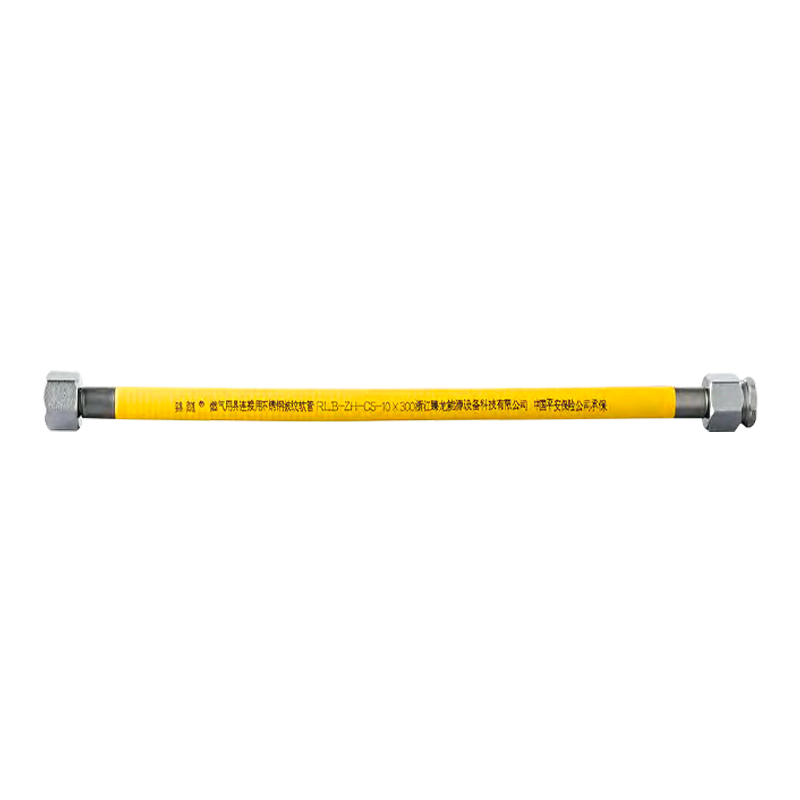
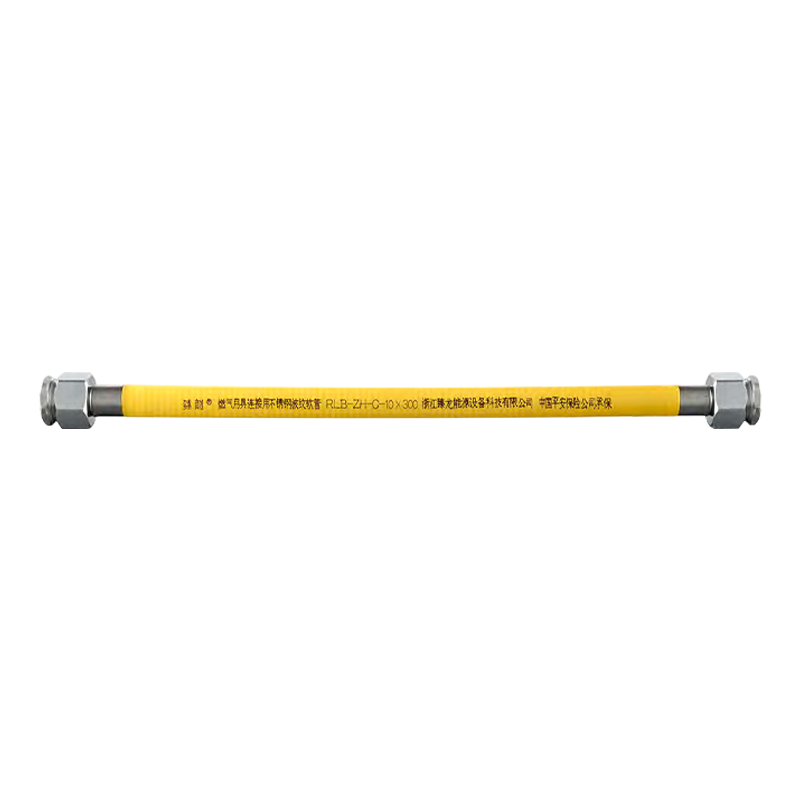
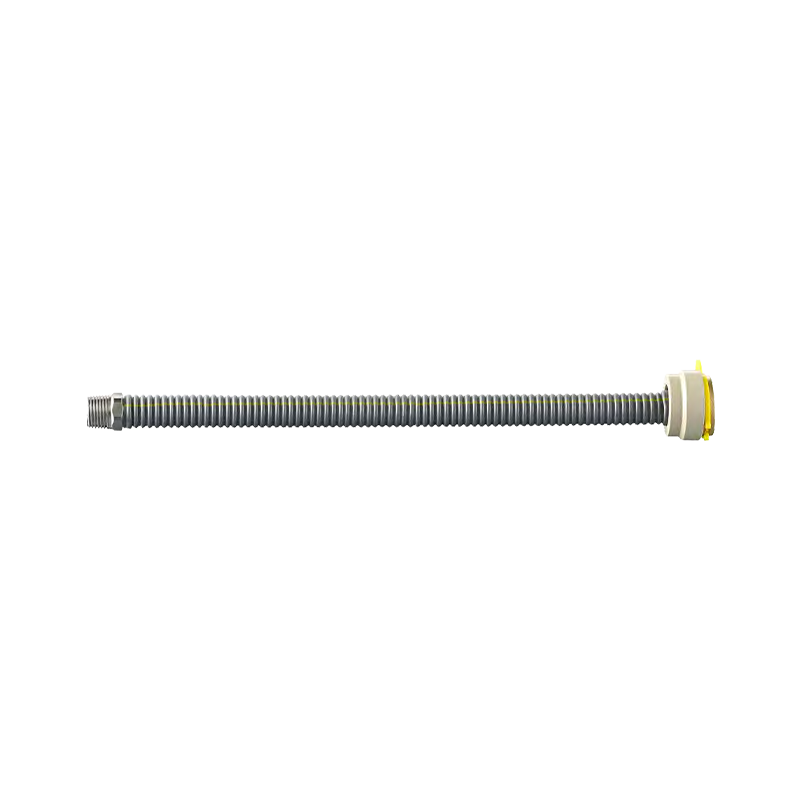
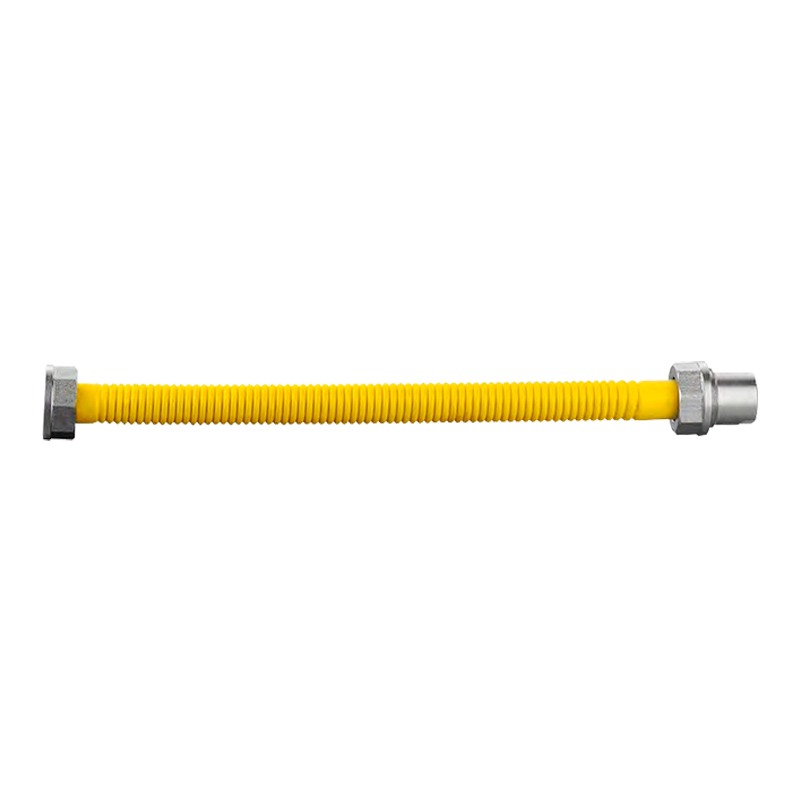
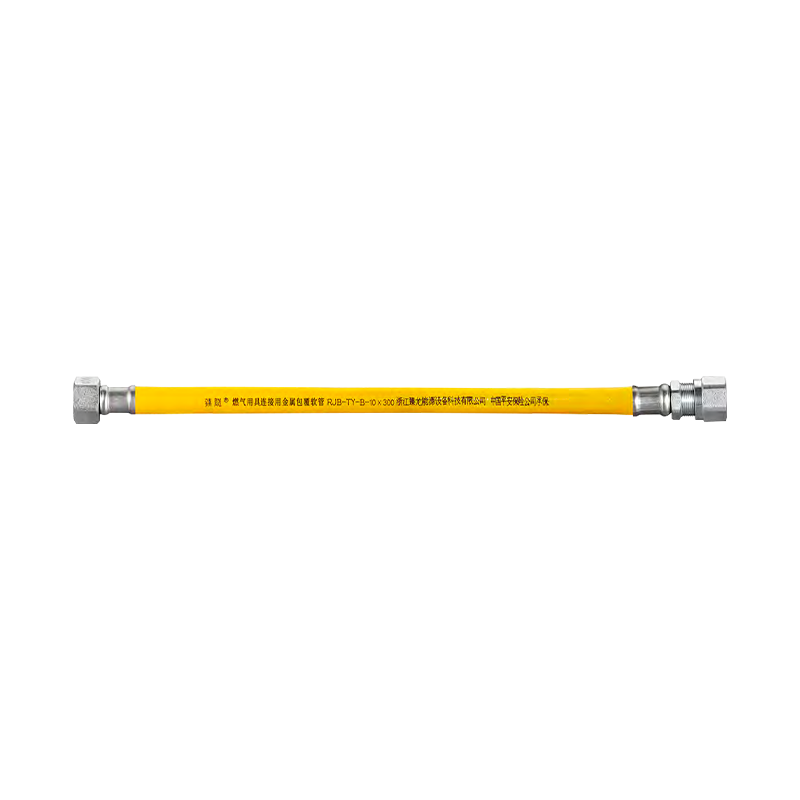
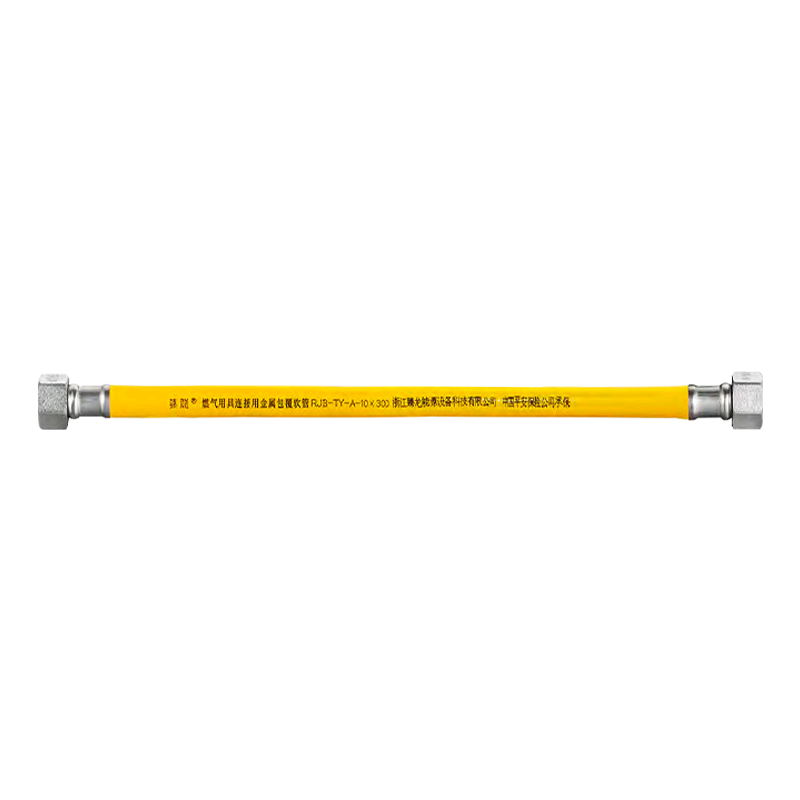
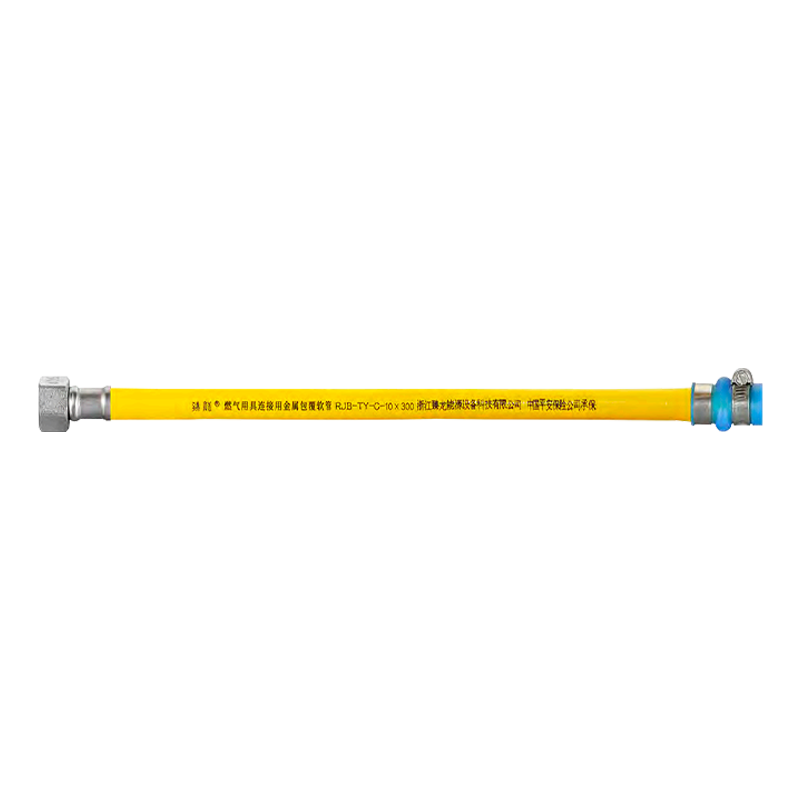
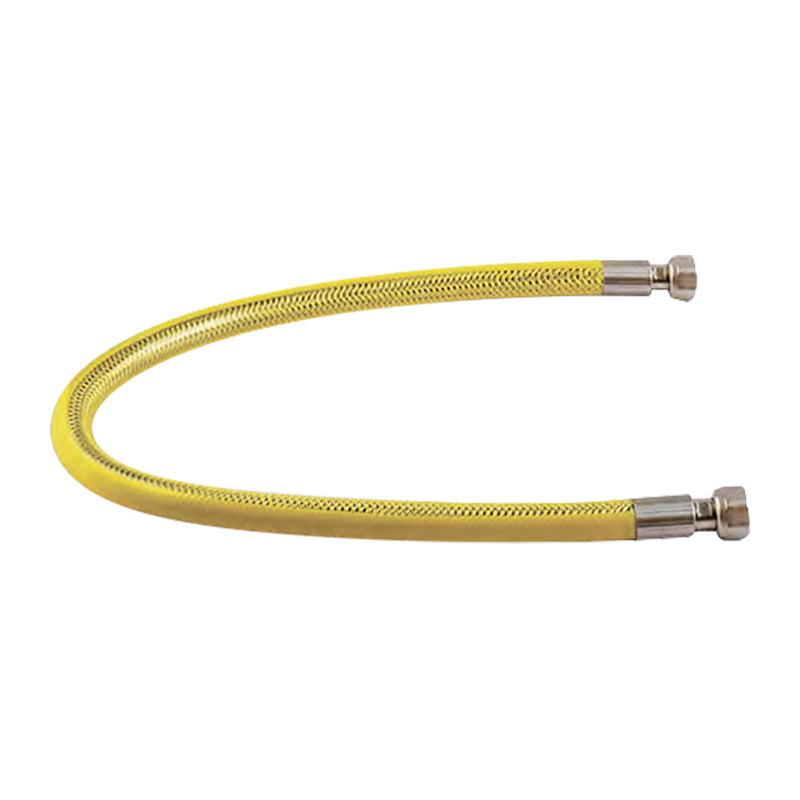
The 304 stainless steel corrugated gas pipe ZLR-02 is engineered as a flexible gas piping component rather than as a simple smooth-wall tube. Its corrugated profile allows the pipe to bend more easily than a rigid metal pipe of comparable size. This flexibility can simplify routing around structural elements, reduce the need for numerous directional fittings, and help the piping system adapt to limited movement after installation.
The product uses 304 non-inductive steel bellows as its primary pressure-retaining and flexible metal body. Stainless steel is widely selected for piping because of its combination of mechanical strength, corrosion resistance, temperature tolerance, and clean surface characteristics. In a gas piping environment, these qualities are important because the pipe may be exposed to humidity, temperature cycling, handling stresses, vibration, and contact with surrounding construction materials.
The bright yellow PVC coating is a prominent part of the ZLR-02 design. Yellow is commonly associated with gas services and can make the pipe easier to identify during installation, maintenance, and inspection. Beyond identification, the coating helps separate the stainless steel surface from direct exposure to moisture, ultraviolet radiation, dust, and other external influences. It also gives the pipe a consistent finished appearance that is suitable for visible or semi-visible installation environments.
The product is identified by model ZLR-02 and specification RSB-II F-(10-50)-GB/T26002. The available nominal diameter range is DN10-DN50, covering a variety of smaller and medium-sized gas piping requirements. The standard supplied length is 30 meters, which may support efficient installation by reducing the number of intermediate joints in suitable layouts. Actual application suitability should always be confirmed against system design requirements, local regulations, connection methods, operating pressure, temperature, and installation conditions.
| Item | Specification | Application Value |
|---|---|---|
| Product model | ZLR-02 | Identification for the 304 stainless steel corrugated gas pipe series |
| Product type | Stainless steel corrugated gas pipe | Flexible piping for gas transmission systems |
| Primary material | 304 non-inductive stainless steel bellows | Supports corrosion resistance, temperature tolerance, and mechanical durability |
| External coating | Bright yellow PVC | Provides visual identification and additional environmental protection |
| Stainless steel belt thickness | 0.2 millimeters | Provides a defined material basis for the corrugated body |
| Nominal diameter range | DN10-DN50 | Suitable for multiple smaller and medium-sized gas piping layouts |
| Standard length | 30 meters | Can help reduce joint frequency in appropriate installations |
| Reference specification | RSB-II F-(10-50)-GB/T26002 | Supports product identification and technical communication |
How the Corrugated Structure Improves Flexibility
A smooth rigid pipe resists bending because its continuous wall is intended to preserve a fixed shape. That characteristic can be useful in some installations, but it may also make routing more difficult when the piping must pass around walls, equipment, support structures, or other obstacles. A corrugated pipe uses a series of formed ridges and valleys to provide controlled flexibility along its length. The profile allows the pipe to change direction more readily while retaining the basic strength of a metallic tube.
For gas piping installations, flexibility can provide several practical benefits. Installers may be able to route the pipe through confined spaces with fewer abrupt changes in direction. The pipe can help accommodate modest alignment differences between connection points. It may also reduce the amount of cutting and joining required during installation, depending on the system layout and connection accessories used.
The corrugated design can also help the pipe respond to external vibration and limited movement. Equipment vibration, building movement, thermal expansion, and installation tolerances can transmit stress into a piping system. A flexible section can absorb or distribute some of this movement instead of transferring all of it directly to rigid joints or connected equipment. The product description identifies resistance to external pressures and vibrations as an important performance benefit of the corrugated structure.
Flexibility does not mean that a corrugated gas pipe can be bent without limits. Safe installation requires attention to the manufacturer’s allowable bending radius, support spacing, connection procedure, pressure rating, and inspection requirements. The pipe should not be kinked, crushed, twisted, or repeatedly bent in the same location. Its flexibility is most valuable when it is used as a controlled design feature rather than as a substitute for proper engineering.
Reduced Installation Complexity
One advantage of a flexible gas pipe is the potential to simplify the physical installation process. Rigid pipe systems often require multiple elbows, couplings, supports, and field measurements to follow a complex route. Each additional joint may increase labor requirements and create another location that must be correctly assembled and inspected. A corrugated pipe can follow a more continuous path, which may help reduce unnecessary changes in direction.
The 30-meter standard length can be particularly useful in layouts that permit long continuous runs. Fewer intermediate joints may mean fewer opportunities for assembly errors, leakage, or misalignment. This does not eliminate the need for end connections and system testing, but it can improve installation efficiency when the pipe length and routing are properly planned.
The bright yellow outer coating can also support installation management. Workers can identify the gas pipe more easily among other services, which may reduce confusion during routing and maintenance. Clear identification is especially valuable in areas where gas, water, electrical, and industrial service lines are installed near one another.
304 Stainless Steel Material Advantages
Material selection is one of the most important factors in gas piping performance. The ZLR-02 uses 304 stainless steel bellows, a material known for its useful balance of corrosion resistance, formability, strength, and broad application compatibility. The stainless steel construction gives the pipe a durable metallic core while allowing the bellows to be formed into a flexible corrugated profile.
Stainless steel is naturally more resistant to many forms of corrosion than ordinary carbon steel. This is important for piping installed in locations where moisture, condensation, humid air, or incidental contact with corrosive substances may occur. Corrosion resistance helps preserve the integrity of the pipe wall and supports a longer service life when the product is selected and installed within its intended operating conditions.
The material is also suitable for environments that experience temperature changes. The product description emphasizes resistance to both high and low temperatures. Gas piping may be exposed to outdoor weather, heated equipment rooms, cold service areas, seasonal temperature changes, or temperature differences between the gas and the surrounding environment. A stainless steel corrugated body can provide a stable foundation for such service, although the precise allowable temperature range must be confirmed from the applicable technical documentation for each project.
Another benefit of stainless steel is its suitability for precise forming and welding processes. The production of corrugated tubing requires controlled shaping of the metal belt or tube, followed by forming and joining operations that must maintain consistent geometry. A material that can be formed accurately helps manufacturers produce repeatable corrugation profiles and reliable finished products.
The stated stainless steel belt thickness is 0.2 millimeters. This specification provides important information for technical evaluation and product comparison. Buyers and engineers should consider the belt thickness together with pipe diameter, corrugation design, pressure requirements, connection configuration, operating temperature, support conditions, and applicable standards. A single material dimension should not be treated as the only measure of performance, but it is a useful part of a complete technical assessment.
Protective Benefits of the Yellow PVC Coating
The external PVC layer is more than a decorative finish. It functions as a protective barrier around the stainless steel corrugated body. The coating can help limit direct exposure to moisture, ultraviolet radiation, airborne contaminants, and general environmental aging. By separating the metal surface from the surrounding environment, it adds another level of protection to the underlying pipe.
UV exposure can gradually degrade some exterior materials and coatings, especially when products are installed outdoors or in areas exposed to sunlight through windows, roof openings, or transparent structures. The PVC layer is designed to provide protection against UV-induced aging, helping the pipe maintain its functional and visual characteristics for longer under appropriate service conditions.
The yellow color provides a further practical advantage. Visual identification can improve the organization of a piping installation and help maintenance personnel distinguish the gas service from water lines, compressed air lines, drainage systems, or other utility services. Clear identification can support safer work practices, especially during renovation, inspection, replacement, or emergency response.
A coated pipe can also be easier to handle during installation because the outer layer provides a defined finished surface around the metal bellows. Nevertheless, installers should avoid dragging the product over sharp edges, pulling it across abrasive surfaces, or exposing the coating to unnecessary mechanical damage. If the PVC layer is cut or seriously damaged, the affected area should be assessed and treated according to the manufacturer’s installation and maintenance guidance.
Environmental Protection and Service Stability
Gas piping is often installed in locations where environmental conditions are not perfectly controlled. Basements may have high humidity. Outdoor routes may experience rain, sunlight, dust, and temperature cycling. Mechanical rooms may expose piping to vibration, oil mist, or incidental contact with other materials. The combination of stainless steel and PVC coating gives the ZLR-02 two complementary protective layers: the stainless steel provides inherent resistance, while the PVC coating adds external shielding.
This layered design can offer an advantage over uncoated flexible metal tubing in applications where the outer surface is exposed to the environment. It can also provide a more complete protection strategy than a basic rigid metal pipe that has not been selected for corrosion resistance or protected with a suitable coating.
Protection against external conditions does not make the product immune to every chemical or installation hazard. Compatibility with cleaning chemicals, solvents, oils, aggressive atmospheres, heat sources, and other substances should be evaluated before use. The operating environment should be reviewed as part of the product selection process rather than assuming that every PVC-coated stainless steel pipe is suitable for all conditions.
304 stainless steel corrugated gas pipe ZLR-02
Performance Compared with Conventional Alternatives
The ZLR-02 is intended to compete through a combination of features rather than through one isolated specification. A comparison with conventional rigid metal piping, uncoated flexible metal tubing, and lower-grade flexible products helps clarify its potential advantages.
Compared with Rigid Metal Pipe
Rigid metal pipe can provide strong structural support, but it may require considerable preparation when the installation route contains multiple bends or obstacles. Elbows and other directional fittings add components, labor, and inspection points. The ZLR-02’s corrugated construction can make it easier to follow a non-linear route, potentially reducing the number of separate directional components.
Flexibility can also help accommodate minor movement and vibration. A rigid system may transfer movement into threaded joints, welded connections, or connected appliances. A properly installed flexible section can provide a degree of movement absorption. This benefit is especially relevant near equipment, building interfaces, and locations where small shifts may occur.
The comparison does not mean that flexible pipe replaces rigid pipe in every application. Large-diameter transmission lines, exposed mechanical installations requiring high structural support, and systems governed by specific code requirements may call for other pipe types. The appropriate comparison should always consider pressure, diameter, support, connection type, routing, access, and local regulations.
Compared with Uncoated Flexible Metal Tubing
Uncoated flexible metal tubing may offer flexibility, but its exposed metallic surface can be more vulnerable to external moisture, ultraviolet radiation, abrasion, and visual confusion with other services. The ZLR-02 adds a yellow PVC coating that helps address these concerns. The coating can make the pipe easier to identify and provides a protective layer between the stainless steel and the surrounding environment.
For outdoor or semi-exposed applications, the coating may provide a meaningful advantage when the product is installed within its intended environmental range. It can also improve the finished appearance of installations where exposed metal surfaces would look inconsistent or unfinished.
Compared with Lower-Grade Flexible Products
Some flexible piping products are manufactured from materials or constructions selected primarily for low initial cost. While price is an important purchasing factor, it should be considered alongside material stability, corrosion resistance, forming accuracy, coating quality, testing, and manufacturing control. The ZLR-02 is based on 304 stainless steel and is produced by a manufacturer with dedicated forming, welding, melting, testing, and quality management capabilities.
A higher-quality product can reduce the risk of premature deterioration, difficult installation, inconsistent dimensions, or unreliable connections. The long-term value of a pipe should therefore be evaluated through total service performance rather than purchase price alone. Product documentation, inspection records, and application-specific compliance should be reviewed before a final decision is made.
Manufacturing Capabilities and Quality Strengths
The manufacturer, Zhejiang Zhenlong Energy Equipment Technology Co., Ltd., specializes in the research, development, manufacturing, and processing of energy equipment and related piping products. Its product range includes metal hoses, natural gas pipelines, plumbing fittings, sanitary ware, valves, plastic products, and hardware. This broad product experience supports an integrated understanding of materials, forming, connection systems, and the practical requirements of fluid-handling products.
The company integrates industry and trade, allowing it to combine manufacturing operations with customer-oriented product supply and technical communication. This structure can be valuable for buyers who require more than a standard catalog item. It may support communication regarding specifications, product configurations, application conditions, packaging, delivery, and after-sales service.
The company’s facility is located in Yuyao, Ningbo, Zhejiang, and covers approximately 40 acres with a factory building of about 30,000 square meters. A dedicated production base of this scale provides space for manufacturing lines, material handling, inspection, storage, assembly, and product development. It also supports the organization of different production processes within a controlled industrial environment.
Dedicated Welding and Forming Production Lines
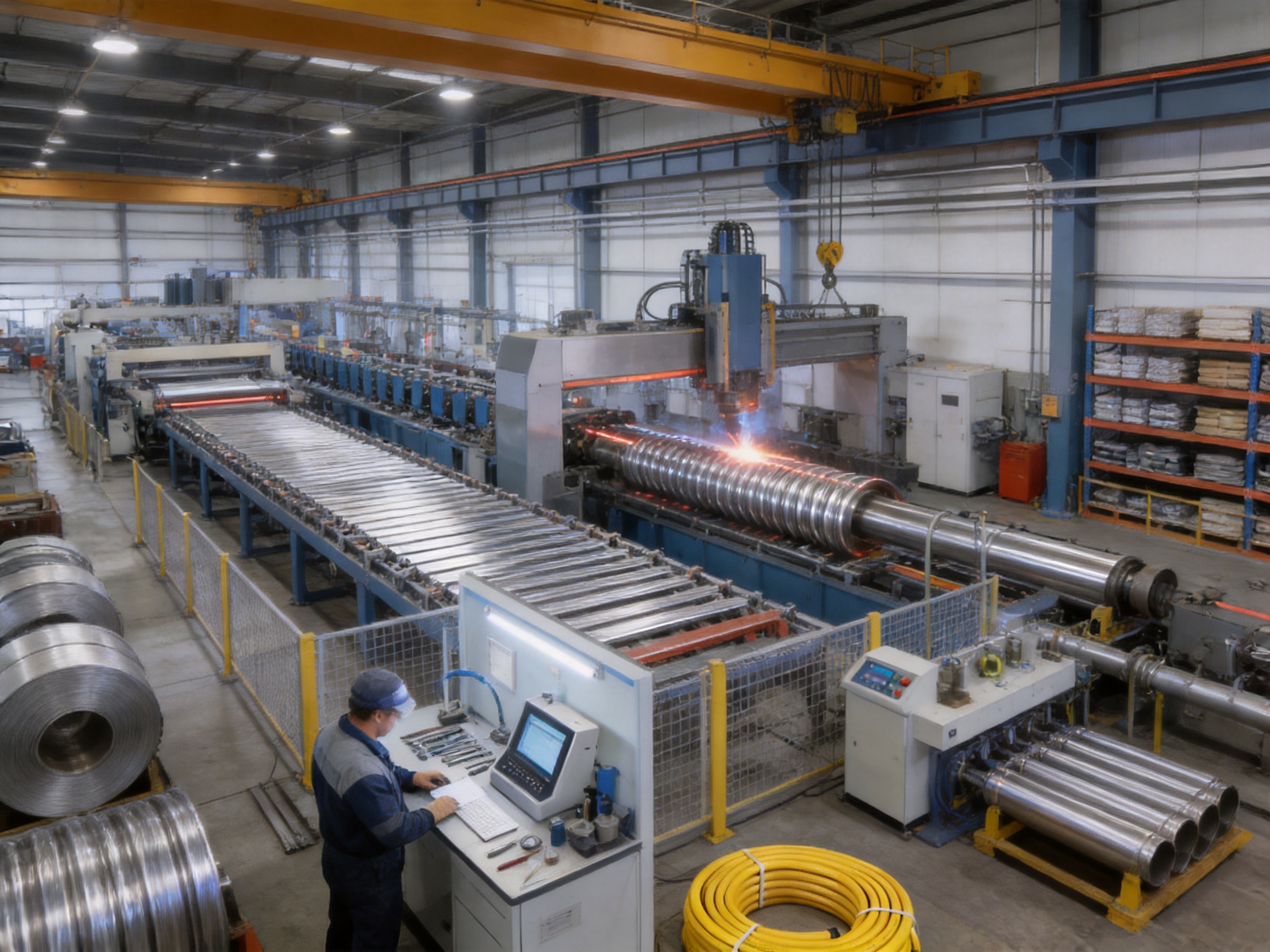
The company operates 30 welding and forming production lines. Welding and forming are central processes in the manufacture of metal hoses and corrugated tubing. Forming determines the geometry and consistency of the corrugated profile, while welding and related joining processes influence the integrity of the metal body and its connections.
Multiple production lines can provide practical advantages in capacity, scheduling, and process specialization. They may allow the manufacturer to organize equipment according to product type, diameter, material, or production sequence. They can also support more consistent output when demand changes or when different product specifications must be produced in parallel.
Corrugated pipe production requires attention to material feed, forming pressure, pitch, profile shape, dimensional accuracy, and surface condition. Inadequate control at any of these stages may affect flexibility, installation behavior, or mechanical performance. A manufacturing organization with dedicated forming resources is better positioned to monitor and refine these processes than a general workshop without specialized equipment.
Uninterrupted Solid Melting Hydrogen Furnace Lines
The company also has two uninterrupted solid melting hydrogen furnace production lines. Furnace capabilities are relevant to material processing because controlled melting and heat treatment can influence material consistency, cleanliness, microstructure, and forming behavior. A stable material foundation supports the production of reliable stainless steel components.
The presence of dedicated furnace lines demonstrates that the manufacturer has invested in upstream material and thermal processing capabilities rather than relying exclusively on external processing. This can improve control over production coordination and support traceability between material preparation and finished product manufacturing. The exact metallurgical results and compliance documentation should be confirmed through the relevant material certificates and inspection records for each order.
Testing and Inspection Equipment
Quality control depends on measurement and testing, not only on production machinery. The company uses testing equipment including metal material analysis direct-reading spectrometers and flow tightness testers. A direct-reading spectrometer can help analyze metallic material composition, supporting verification that the selected material corresponds to the required stainless steel grade. This is particularly important when products depend on specified alloy characteristics.
Flow tightness testing is directly relevant to gas piping. A pipe intended for gas service must be evaluated for leakage and sealing performance through appropriate procedures. Tightness testing can help identify defects in the metal body, welded areas, connections, or finished assembly. While test methods and acceptance criteria depend on the applicable standard and product configuration, the availability of dedicated tightness testing equipment is a positive indicator of process control.
Material analysis and tightness testing address different quality questions. Material analysis examines what the metal is made of. Tightness testing examines whether the finished product can maintain a sealed fluid path under the prescribed test conditions. Together, these capabilities contribute to a more complete quality assurance approach.
Quality Management and Certification Support
The manufacturer states that it strictly implements the ISO9000:2008 quality management system. A documented quality management system can help organize purchasing, production procedures, inspection, nonconformance handling, recordkeeping, and customer service. Consistent procedures are especially important for products used in gas systems, where small variations in material, forming, welding, or connection quality may affect reliability.
The company also holds a Special Equipment Manufacturing License for pressure pipelines issued by the People’s Republic of China. This type of qualification is relevant to pressure-related piping manufacturing and demonstrates that the company operates within a regulated equipment framework. Buyers should request current certificates and confirm that the specific product, manufacturing site, and intended application are covered by the documentation provided.
In addition, the company has EU CE certification testing reports. CE-related documentation can support market access and technical communication for products supplied to applicable European markets. However, buyers should distinguish between a testing report, a declaration of conformity, and other documents required for a specific product category or installation. Compliance should be assessed according to the destination market, product classification, applicable directives, and project requirements.
The company is also a member of the China Urban Gas Association. Industry participation can help manufacturers remain connected with sector developments, technical discussions, and application requirements. Membership alone is not a substitute for product testing or certification, but it supports the company’s involvement in the urban gas equipment field.
Applications for the ZLR-02
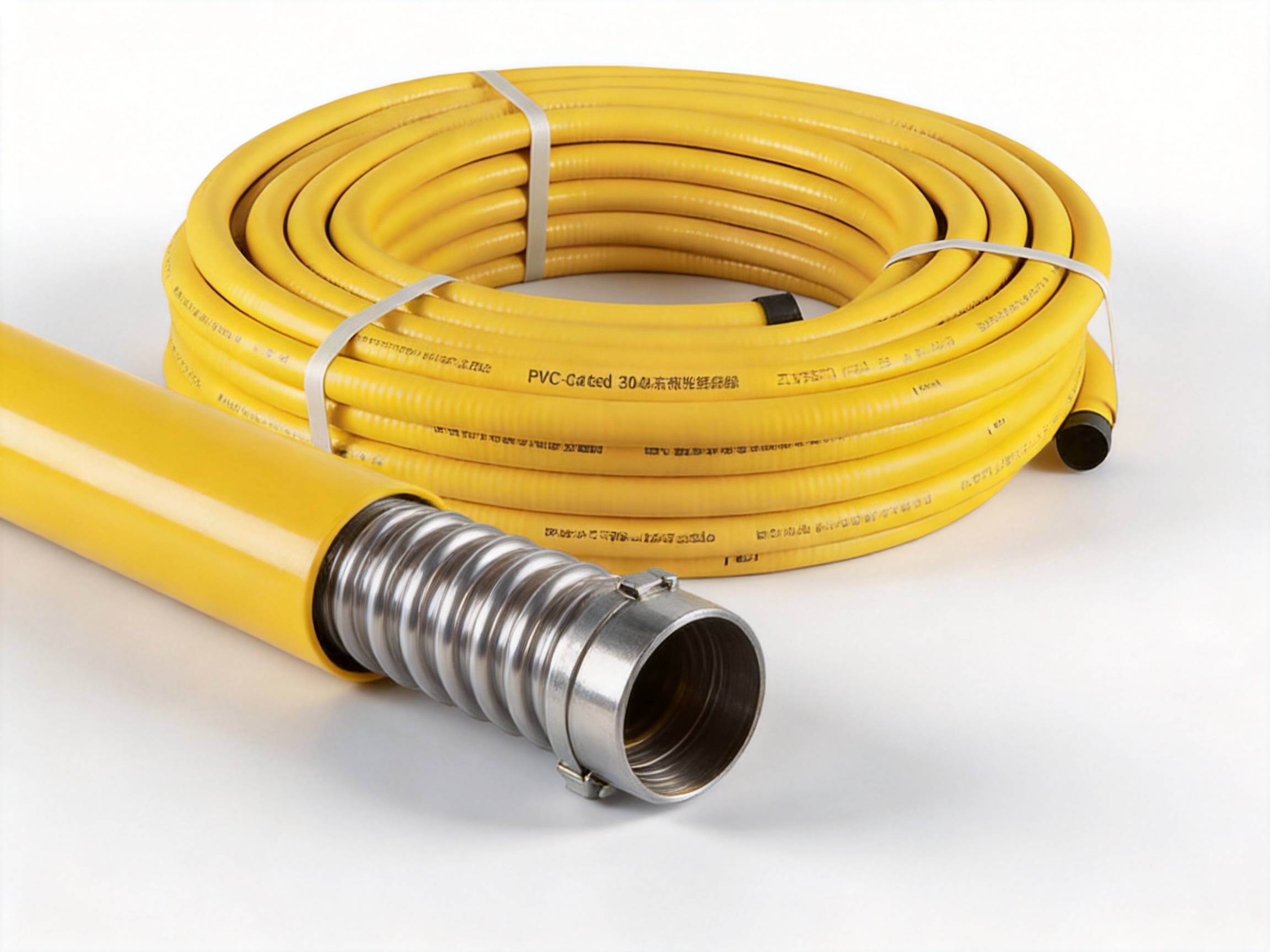
The ZLR-02 is designed for gas transmission applications involving stainless steel corrugated tubing and fittings. Its diameter range of DN10-DN50 makes it suitable for a variety of smaller and medium-sized piping arrangements. Potential applications may include gas supply routes in residential, commercial, light industrial, equipment, and utility environments, provided that the operating conditions and regulatory requirements are compatible with the product.
In residential and commercial construction, flexible gas piping may be useful when routes must pass through confined spaces or around structural features. The yellow PVC coating can assist with service identification, while the corrugated body can help simplify routing. In equipment connections, flexibility may help accommodate vibration or small alignment differences between the gas supply and the connected appliance.
In industrial environments, the product may be considered for gas service routes where temperature changes, movement, and installation constraints are present. Industrial users should conduct a detailed compatibility review because industrial sites can expose piping to chemicals, high heat, abrasion, mechanical impact, and operating pressures beyond the conditions of ordinary building services.
The product may also be useful in renovation and replacement work. Existing buildings often contain irregular routes and limited access. A flexible pipe can be easier to install in such conditions than a fully rigid assembly. The installer must still confirm that the existing connection points, support arrangement, ventilation, pressure conditions, and local code requirements are appropriate.
Typical Selection Considerations
Before ordering, buyers should confirm the nominal diameter required by the system design. DN10-DN50 covers multiple sizes, but the correct selection depends on gas flow, pressure drop, connection size, allowable velocity, length, and equipment demand. A pipe that is too small may create excessive pressure loss, while an unnecessarily large pipe may increase cost and complicate installation.
Operating pressure and temperature should also be verified. The product description highlights high- and low-temperature resistance, but the exact limits should be obtained from the technical data applicable to the selected diameter and connection configuration. The design engineer should compare those limits with normal operation, startup, shutdown, abnormal conditions, and foreseeable environmental exposure.
Connection compatibility is another important factor. The corrugated pipe body must be paired with suitable fittings and correctly assembled end connections. The connection system should be compatible with the gas type, pressure, temperature, installation method, and applicable standard. Improperly selected or installed fittings can compromise an otherwise sound pipe.
Finally, the installation route should be evaluated for bending radius, support, protection from impact, access for inspection, and proximity to heat sources. Flexibility is an advantage only when the pipe remains within its allowable mechanical limits.
Installation and Handling Guidance
Proper handling begins before the pipe is installed. The product should be stored in a clean, dry area away from sharp objects, excessive heat, corrosive chemicals, and unnecessary ultraviolet exposure. Coils or lengths should be supported to prevent crushing or permanent deformation. Packaging should remain intact until the product is ready to be installed, where practical.
During installation, the pipe should be uncoiled carefully and aligned with the intended route. It should not be forced into a tight bend, twisted around its axis, or pulled across rough surfaces. Any bending should be gradual and consistent with the manufacturer’s specified minimum bending radius. Tools used near the pipe should not damage the PVC coating or deform the stainless steel corrugations.
Supports should be positioned to prevent excessive sagging, vibration, or contact with abrasive structures. The support method should not compress the corrugations or cut into the PVC coating. Where the pipe passes through walls, floors, sleeves, or metal openings, suitable protection should be used to prevent abrasion and to maintain the required separation from other services.
Connections should be assembled using the correct fittings and procedures. Threaded, compression, flared, or other connection methods must be selected according to the product configuration and system design. Sealants, gaskets, and joining materials should be compatible with the gas service and the fitting manufacturer’s instructions.
After installation, the completed piping system should be inspected and tested according to applicable codes and project procedures. Testing should address leakage, connection security, routing, support, coating condition, and identification. Any damaged section, questionable joint, or unexpected deformation should be corrected before the system is placed into service.
Maintenance and Long-Term Reliability
A flexible gas pipe can provide long service when it is correctly selected, installed, protected, and inspected. Maintenance personnel should periodically examine visible sections for coating damage, corrosion indicators, excessive movement, deformation, abrasion, loose supports, and signs of leakage. Inspection frequency should reflect the environment, operating conditions, accessibility, and applicable regulations.
The yellow PVC coating makes visual inspection easier because damage may be readily visible against the bright surface. Discoloration, cracking, cuts, blistering, or exposed metal should be evaluated. Minor surface marks may not affect the metal body, but significant damage can reduce environmental protection and should not be ignored.
Special attention should be given to areas near connections and supports. These locations may experience concentrated stress, vibration, or movement. If the pipe has been bent beyond its intended radius, crushed by an object, or repeatedly flexed at one point, the affected section should be assessed by qualified personnel.
Cleaning should be carried out with methods and materials that are compatible with PVC and stainless steel. Strong solvents, abrasive tools, and aggressive chemicals may damage the coating or alter the surface. When in doubt, the cleaning material should be tested in an inconspicuous area or confirmed with the supplier before use.
Commercial and Supply Advantages
Product performance is only one part of a successful sourcing decision. Buyers also need dependable communication, production capacity, documentation, delivery coordination, and after-sales support. The manufacturer’s integrated industry-and-trade structure is intended to support these requirements.
The company’s broad manufacturing range can be beneficial for customers sourcing several types of piping, valves, fittings, plastic products, or hardware from one supplier. Consolidated sourcing may simplify communication, quality coordination, packaging, and shipment planning. It can also help customers develop consistent specifications across related products.
The company reports a strong research, design, and production team. This combination is important when customers require customized dimensions, packaging, fitting arrangements, labeling, or application-oriented recommendations. Custom production should be based on confirmed drawings, specifications, samples, testing requirements, and approval procedures.
Pre-sales service can help buyers identify the appropriate diameter, material, coating, length, and connection arrangement. After-sales service can support installation questions, product documentation, quality feedback, and technical coordination. These services are especially valuable for gas piping because product selection and installation must be treated as part of a complete system rather than as isolated purchasing decisions.
Why the ZLR-02 Is a Practical Competitive Choice
The strongest competitive feature of the ZLR-02 is the way its design elements complement one another. The corrugated structure contributes flexibility. The 304 stainless steel body contributes corrosion resistance and temperature tolerance. The yellow PVC coating contributes environmental protection and visual identification. The available DN10-DN50 range supports different system sizes, while the 30-meter standard length can help reduce unnecessary intermediate joints in suitable layouts.
Many products may provide one or two of these advantages, but the combined configuration is what gives the ZLR-02 practical value. A flexible pipe without adequate material resistance may not perform well in demanding environments. A corrosion-resistant pipe without flexibility may be difficult to install around obstacles. A technically sound pipe without clear identification may create maintenance challenges. The ZLR-02 is designed to address these requirements as one product solution.
The manufacturer’s production infrastructure further strengthens the product’s position. Dedicated forming and welding lines support specialized metal hose production. Furnace lines support controlled material processing. Direct-reading spectrometers support material analysis. Flow tightness testers support leakage-related inspection. Quality management and pressure-pipeline manufacturing qualifications provide additional confidence when the relevant documents are current and applicable.
For distributors, contractors, and engineering purchasers, these combined features can make the ZLR-02 a useful option for gas piping projects that value installation efficiency, material durability, and visible service identification. The final decision should still be based on verified technical data, project conditions, legal requirements, and professional design review.
Frequently Asked Questions
What is the ZLR-02?
The ZLR-02 is a 304 stainless steel corrugated gas pipe designed for gas transmission systems. It uses a corrugated stainless steel bellows structure and a bright yellow PVC external coating.
What material is used for the pipe body?
The product description identifies the pipe body as 304 non-inductive stainless steel bellows. The stated stainless steel belt thickness is 0.2 millimeters.
What sizes are available?
The stated nominal diameter range is DN10-DN50. The correct size should be selected according to gas flow, pressure, equipment demand, connection size, and applicable design requirements.
What is the standard product length?
The listed standard length is 30 meters. The actual usable length and installation arrangement should be confirmed when planning the piping route and connection locations.
Why is the pipe corrugated?
The corrugated profile increases flexibility. It allows the pipe to follow bends more easily than a comparable rigid pipe and can help accommodate limited vibration, movement, and alignment differences when installed correctly.
What is the purpose of the yellow PVC coating?
The bright yellow PVC coating supports visual gas-service identification and helps protect the stainless steel body against corrosion-related environmental exposure, ultraviolet radiation, and aging. It should still be protected from severe abrasion, cutting, and incompatible chemicals.
Can the ZLR-02 be used outdoors?
The product description indicates protection against UV-induced aging and environmental conditions. Outdoor suitability must nevertheless be confirmed against the specific climate, temperature, pressure, chemical exposure, installation arrangement, and applicable regulations.
Does flexibility mean the pipe can be bent freely?
No. The pipe must be bent within the manufacturer’s specified limits. It should not be kinked, twisted, crushed, or bent below the minimum allowable radius. Proper support and handling are essential.
What manufacturing capabilities support this product?
The manufacturer reports 30 welding and forming production lines, two uninterrupted solid melting hydrogen furnace production lines, material analysis equipment using direct-reading spectrometers, and flow tightness testing equipment.
What quality qualifications does the manufacturer report?
The company reports implementation of the ISO9000:2008 quality management system, a Special Equipment Manufacturing License for pressure pipelines issued by the People’s Republic of China, EU CE certification testing reports, and membership in the China Urban Gas Association.
Can the product be customized?
The company provides custom production as part of its broader manufacturing and service capabilities. Any customization should be confirmed through technical drawings, specifications, samples, testing requirements, and written production approval.
How should the pipe be maintained?
Visible sections should be inspected for coating damage, abrasion, corrosion indicators, deformation, loose supports, excessive movement, and leakage. Cleaning products should be compatible with both PVC and stainless steel, and any suspected damage should be evaluated by qualified personnel.
What should buyers confirm before ordering?
Buyers should confirm diameter, length, pressure, temperature, gas type, connection configuration, bending requirements, coating requirements, applicable standards, certificates, packaging, and delivery conditions. The product should be approved by the responsible engineer or qualified gas system professional.
Conclusion
The 304 stainless steel corrugated gas pipe ZLR-02 is designed to provide a practical balance between flexibility, durability, temperature resistance, corrosion protection, and installation convenience. Its corrugated 304 stainless steel body can help accommodate bends, vibration, and limited movement, while the bright yellow PVC coating adds environmental protection and clear gas-service identification.
With DN10-DN50 nominal sizes and a listed 30-meter length, the product can support a range of gas piping layouts. Its advantages are reinforced by the manufacturer’s dedicated welding and forming lines, furnace production capabilities, material analysis equipment, flow tightness testing, quality management practices, and pressure-pipeline manufacturing qualifications.
For contractors, distributors, engineers, and system operators, the ZLR-02 can be considered where a flexible and protected gas piping solution is required. Correct application remains essential. Product selection, installation, testing, and maintenance should follow the applicable technical documentation, local regulations, and professional engineering procedures. When these requirements are observed, the ZLR-02 offers a reliable approach to gas piping projects that demand both installation adaptability and long-term environmental protection.
References
1. Product technical information for 304 stainless steel corrugated gas pipe ZLR-02, including model, material, coating, diameter range, belt thickness, and standard length.
2. Manufacturer information for Zhejiang Zhenlong Energy Equipment Technology Co., Ltd., including production facilities, testing equipment, quality systems, certifications, and service capabilities.
3. General engineering principles for stainless steel corrugated tubing, flexible gas piping, pressure piping, corrosion protection, and installation inspection.
4. ISO 9000 family of quality management system principles and terminology.
5. Applicable national and regional requirements for gas piping design, pressure-pipeline manufacturing, material verification, leakage testing, installation, and maintenance.