 English
 中文简体
 Español
 عربى

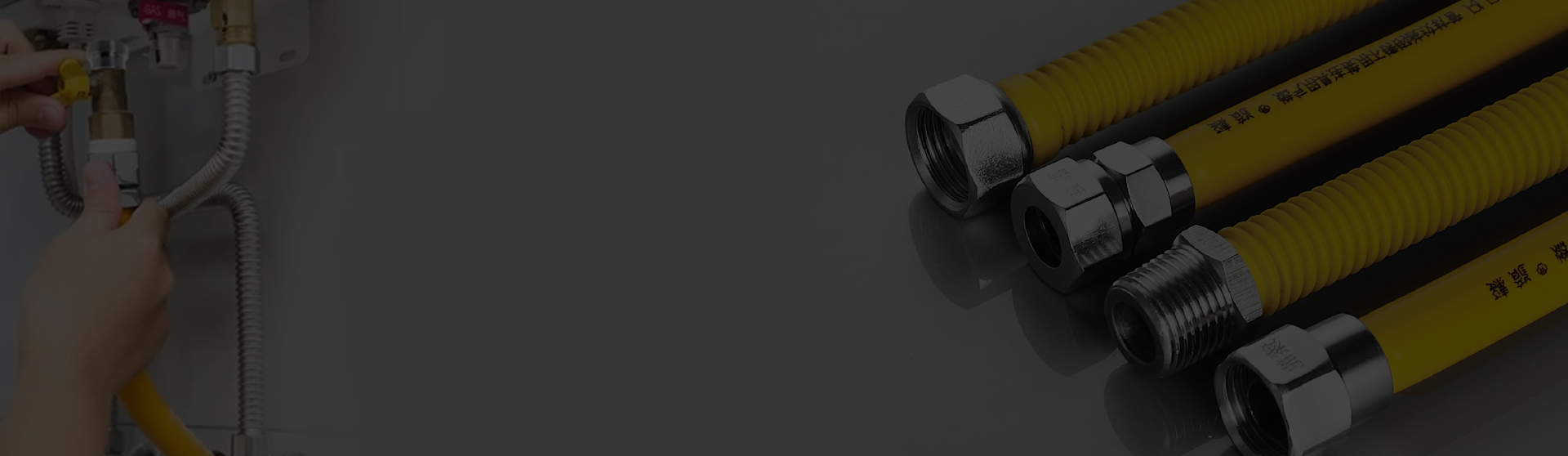

A piping system is only as reliable as the components that support it. Pipes, hoses, valves, and fittings may receive most of the attention during system design, but pipe support accessories play an equally important role in maintaining safety, alignment, service life, and operating performance. The Plastic Pipe Clamp is designed to provide stable and secure support for pipes used in gas distribution, water supply, plumbing, and industrial piping applications.
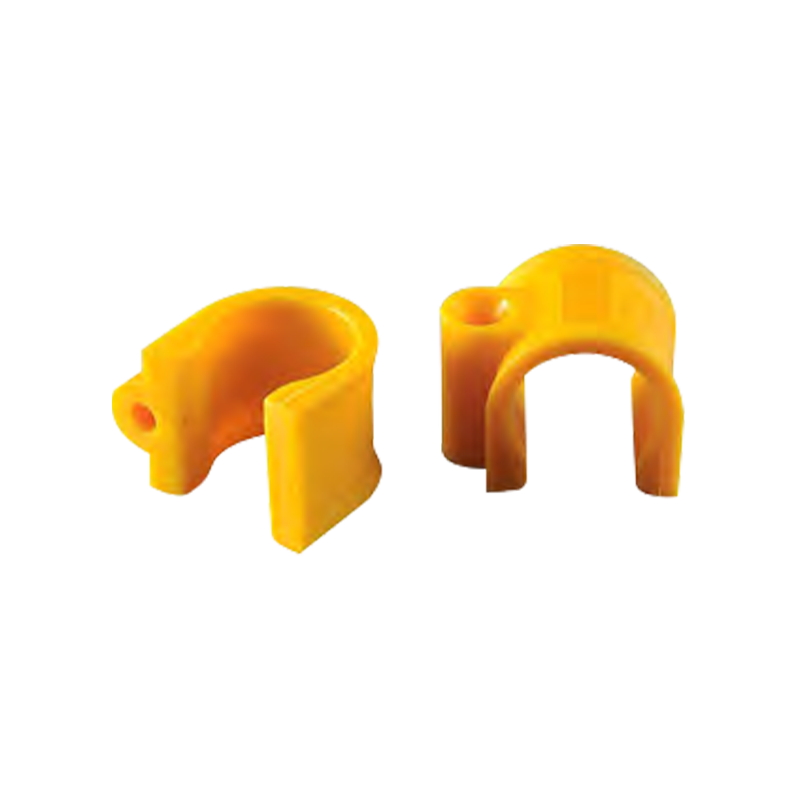
Identified as model ZLP-021, this clamp is a practical support component for holding pipes in a fixed position while reducing unwanted movement, vibration, and mechanical stress. Its plastic construction provides corrosion resistance, easy handling, and dependable performance in environments where conventional metal clamps may be exposed to moisture, chemicals, condensation, or outdoor weather conditions.
The clamp is especially suitable for gas pipeline systems, including systems associated with stainless steel corrugated hose fittings for gas transmission. It can also be used as a supporting accessory in residential, commercial, and industrial installations. By keeping the pipe correctly positioned, the clamp helps reduce the possibility of excessive movement at joints and connections. This contributes to better system stability and supports the long-term integrity of the entire pipeline assembly.
Content
- 1 Product Overview
- 2 Why Pipe Support Matters
- 3 Material Advantages of Plastic Construction
- 4 Advantages Compared with Conventional Support Options
- 5 Applications in Gas Pipeline Systems
- 6 Applications in Water and Plumbing Systems
- 7 Applications in Industrial Hose and Pipe Installations
- 8 Design Features That Improve Installation Efficiency
- 9 Manufacturing Strengths and Quality Assurance
- 10 Engineering Considerations Before Installation
- 11 Recommended Installation Procedure
- 12 Maintenance and Service Recommendations
- 13 Benefits for Contractors, Distributors, and System Integrators
- 14 Customization and Project Support
- 15 Safety and Compliance Considerations
- 16 Frequently Asked Questions
- 16.1 What is the main purpose of the Plastic Pipe Clamp?
- 16.2 What is the model number of this product?
- 16.3 Is the Plastic Pipe Clamp suitable for gas pipelines?
- 16.4 Can it be used with stainless steel corrugated hose fittings?
- 16.5 What are the main benefits of plastic construction?
- 16.6 Is the product suitable for outdoor installation?
- 16.7 Does the clamp prevent pipe leakage?
- 16.8 Can the clamp be used for water pipes?
- 16.9 Can it support industrial hoses?
- 16.10 How should the clamp be tightened?
- 16.11 What should be checked before ordering?
- 16.12 What manufacturing capabilities support this product?
- 16.13 Does the manufacturer provide technical support?
- 17 Conclusion
- 18 References
- 19 Product: Plastic Pipe Clamp
Product Overview
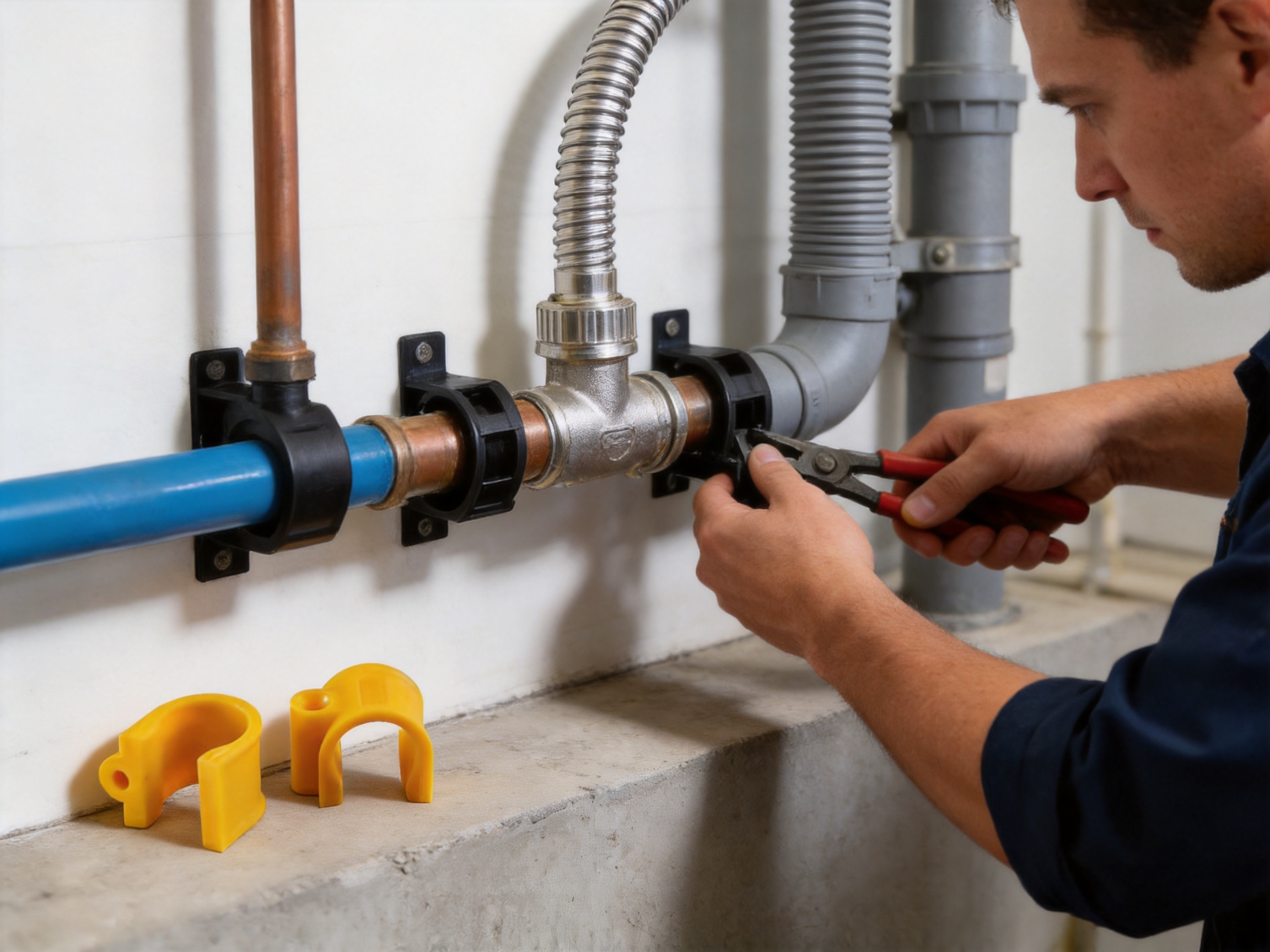
The Plastic Pipe Clamp is designed around a simple but essential function: securely fixing a pipe to a supporting surface or structural point. A properly selected clamp helps maintain the intended route of a pipeline and prevents the pipe from shifting under pressure changes, temperature fluctuations, vibration, or external impact.
Model ZLP-021 is listed as a clamp with a four-to-six-point specification. This designation indicates the product’s available supporting range or connection configuration and should be confirmed against the pipe size, installation method, and project requirements before ordering. The clamp is intended to provide a tight grip without making installation unnecessarily complicated.
Unlike many heavy metal support brackets, a plastic pipe clamp is lightweight and easy to transport, position, and install. The lower weight can be beneficial for projects involving large quantities of support components or installations where the supporting structure has limited additional load capacity. The product can also be handled efficiently by installers working in confined spaces or at elevated locations.
The clamp’s plastic material provides an important functional advantage in wet or corrosive environments. Water, humidity, condensation, salt-laden air, and certain atmospheric pollutants can contribute to corrosion on unprotected metal components. A suitable plastic clamp does not suffer from rust in the same way as ordinary carbon-steel hardware, making it a practical option for many indoor and outdoor piping applications.
| Item | Specification |
| Product name | Plastic Pipe Clamp |
| Model | ZLP-021 |
| Product category | Pipe support accessory |
| Listed specification | 4–6 points |
| Primary material type | Durable plastic |
| Typical applications | Gas pipelines, water pipelines, plumbing, industrial hose and pipe support |
| Primary functions | Positioning, securing, stabilizing, and supporting pipes |
| Installation characteristics | Lightweight and easy to install |
| Environmental characteristics | Corrosion-resistant and suitable for weather-exposed applications |
Why Pipe Support Matters
Pipelines are subjected to a range of forces during normal operation. Internal pressure can cause small changes in pipe position, while thermal expansion and contraction can create movement along the pipeline route. Pumps, compressors, valves, and other equipment can introduce vibration. External factors such as wind, accidental contact, maintenance activity, and building movement may also influence the stability of a pipe.
Without sufficient support, a pipe may sag, shift, or place excessive stress on connected fittings. In a gas system, unwanted movement can affect threaded joints, compression connections, corrugated hose fittings, regulators, valves, and other components. In a water system, pipe movement may contribute to noise, joint fatigue, or leakage. In industrial installations, uncontrolled movement can interfere with equipment alignment or expose hoses and pipes to abrasion.
A correctly installed clamp helps distribute supporting forces over an appropriate section of the pipe. It limits unnecessary lateral movement while keeping the pipe in the planned position. The result is a cleaner installation, more predictable system behavior, and easier access for inspection and maintenance.
Pipe clamps also help maintain consistent routing. This is particularly valuable in equipment rooms, gas meter assemblies, utility corridors, plant facilities, and residential service areas where multiple lines may run close together. A stable pipe route reduces the chance of accidental contact between neighboring lines and makes it easier for technicians to identify individual components.
Material Advantages of Plastic Construction
Resistance to Corrosion
One of the most significant advantages of the Plastic Pipe Clamp is its resistance to corrosion. Metal support components may gradually deteriorate when exposed to water, high humidity, chemical vapors, or outdoor weather. Rust can weaken a clamp, stain nearby surfaces, and make future adjustment or removal more difficult.
A durable plastic clamp avoids the conventional rusting mechanism associated with iron-based metals. This makes it particularly useful for installations in damp utility spaces, exterior walls, service shafts, kitchens, wash areas, coastal locations, and other environments where moisture is present. Corrosion resistance can also reduce the need for frequent replacement or surface treatment.
Low Weight
Plastic is considerably lighter than many metal alternatives. The reduced weight simplifies transportation, storage, handling, and installation. Installers can carry more components to the work area and position clamps more easily, especially when working on ladders, platforms, ceilings, or narrow service spaces.
Lower component weight can also reduce the cumulative load placed on a support wall or mounting surface. This does not eliminate the need for correct anchoring, but it may make the overall support arrangement more efficient when compared with heavy brackets or oversized metal assemblies.
Ease of Handling
The clamp is designed for straightforward installation. Its practical form allows an installer to place it around or against the pipe and fasten it to the selected supporting point. Simple installation can help shorten working time and reduce the number of specialized tools required for routine support work.
Ease of handling is especially important in repair and retrofit projects. Existing pipelines may be located behind equipment, inside cabinets, beneath floors, or in partially restricted spaces. A compact plastic clamp can be easier to position than a bulky support assembly, helping maintenance personnel complete work with less disruption.
Suitability for Outdoor Use
The product is described as weather-resistant and suitable for outdoor use. Outdoor piping systems may be exposed to rain, ultraviolet radiation, temperature changes, dust, and wind. A support component used outside must retain its basic function while exposed to changing environmental conditions.
Although project engineers should always verify material compatibility and service conditions, the weather-resistant characteristics of this clamp make it suitable for many external gas, water, plumbing, and utility installations. Proper mounting and inspection remain important, particularly in locations with extreme temperature, high ultraviolet exposure, or aggressive chemicals.
Reduced Risk of Surface Damage
Plastic contact surfaces can be advantageous when the supported pipe has a finish that should be protected. Compared with poorly finished metal supports, a properly designed plastic clamp is less likely to create sharp contact points or abrasive edges. This is useful for coated pipes, polymer pipes, flexible hoses, and components that may be affected by repeated rubbing.
The clamp should still be installed with the correct pressure. Excessive tightening can deform a pipe or restrict thermal movement, while insufficient tightening may allow the pipe to shift. The purpose of the clamp is to provide controlled support rather than unnecessarily compress the pipe.
Plastic Pipe Clamp
Advantages Compared with Conventional Support Options
Different piping projects require different support methods. Metal brackets, cable ties, saddle supports, mounting rails, and specialized suspension systems may all have a place in construction and industrial work. The Plastic Pipe Clamp offers a balanced solution for applications that require stable positioning, corrosion resistance, low weight, and efficient installation.
Compared with Ordinary Carbon-Steel Clamps
Carbon-steel clamps can provide high mechanical strength, but they may require coatings, plating, painting, or other protective treatments to resist corrosion. If the protective layer is damaged, corrosion may begin at the exposed area. The Plastic Pipe Clamp provides inherent resistance to rust and does not depend on a paint layer for its basic corrosion-resistant behavior.
This can be an advantage in wet environments and in areas where routine repainting is difficult. Plastic construction may also reduce the risk of rust particles or discoloration appearing on walls, insulation, equipment, or finished building surfaces.
Compared with Heavy Metal Brackets
Heavy metal brackets can be more substantial than necessary for smaller pipe-support tasks. They may require stronger anchors, additional tools, and more installation time. The Plastic Pipe Clamp is a more streamlined option when the primary requirement is to maintain pipe position rather than carry a very large structural load.
Its lighter construction can improve installation efficiency, particularly when numerous support points are needed. In long pipeline runs, the cumulative savings in handling and installation effort may be meaningful for contractors and maintenance teams.
Compared with Temporary Fastening Methods
Improvised fastening methods, such as loose wire, general-purpose ties, or unsuitable straps, may provide short-term positioning but are not ideal for permanent pipe support. They may loosen, degrade, cut into the pipe surface, or fail to maintain consistent spacing.
A dedicated pipe clamp is designed specifically for support work. It provides a more organized and repeatable installation method. Standardized clamps also make it easier for supervisors and inspectors to evaluate the installation and confirm that pipes are supported at appropriate locations.
Compared with Oversized Support Systems
Oversized supports can add unnecessary cost, weight, and visual bulk to a piping installation. They may also interfere with nearby equipment or reduce access for maintenance. The Plastic Pipe Clamp offers a compact alternative for projects where a smaller, purpose-built support component is sufficient.
Using a correctly sized clamp supports efficient material selection. It avoids treating every piping application as a heavy-duty structural project while still providing an organized method for stabilizing the pipe.
Applications in Gas Pipeline Systems
Gas pipelines require careful attention to routing, joint stability, accessibility, and protection from mechanical stress. A pipe clamp does not replace pressure-rated fittings or certified connection methods, but it plays an important supporting role in the overall installation.
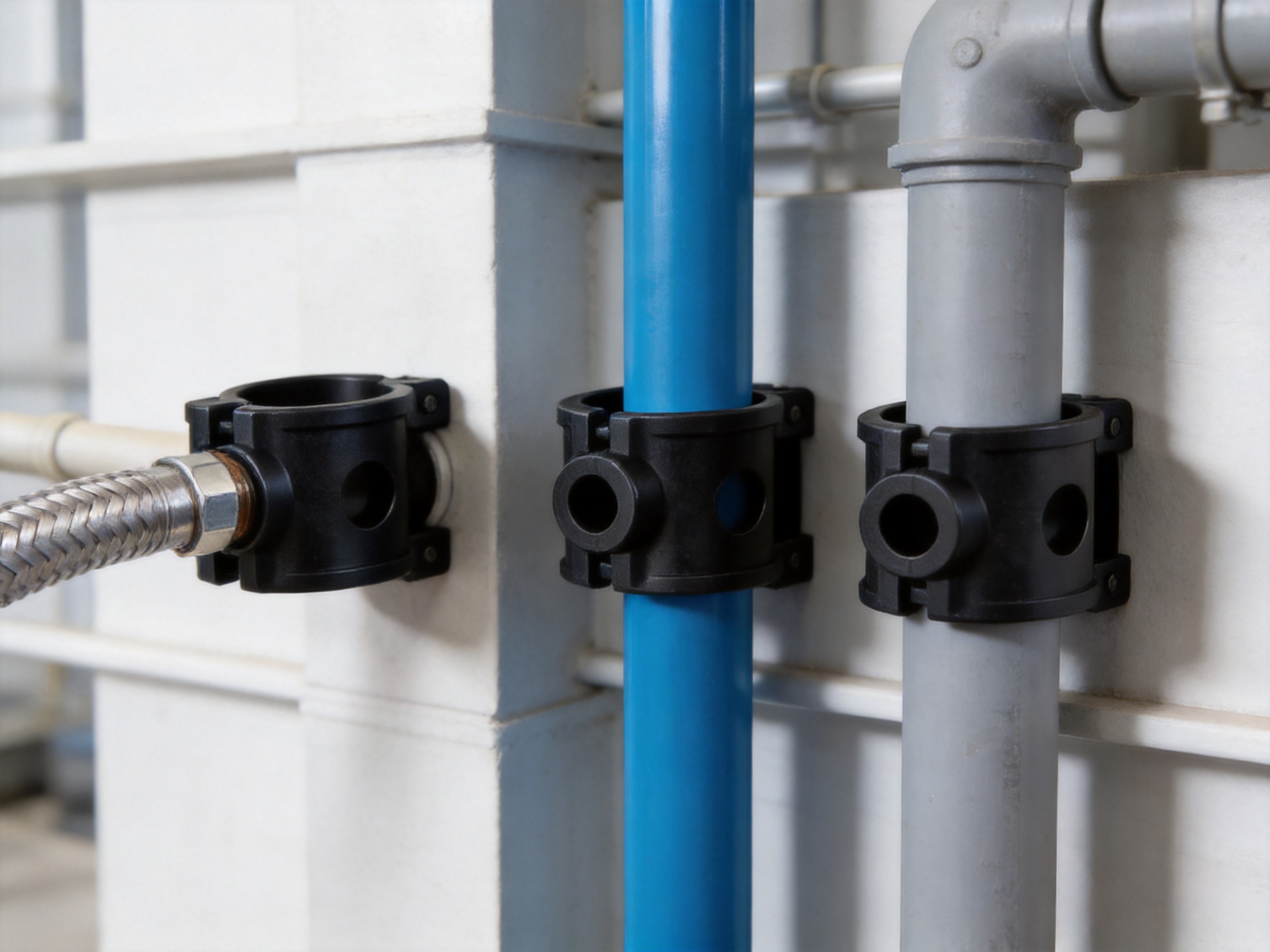
In residential gas systems, the Plastic Pipe Clamp can help secure exposed pipe sections near walls, service entries, meter areas, appliances, or utility spaces. A stable pipe route reduces accidental movement caused by routine household activity and helps keep the installation neat and accessible.
In commercial and industrial gas systems, clamps may be used along service lines, equipment connections, plant utility routes, and external distribution sections. Gas pipelines often pass through areas where vibration, temperature variation, and maintenance traffic are present. Supporting the pipe at suitable points helps reduce unnecessary loads on valves, regulators, and connection assemblies.
The clamp is also relevant to systems that use stainless steel corrugated hose fittings for gas transmission. Corrugated hoses provide flexibility and can accommodate certain alignment or movement requirements, but the connected rigid sections and adjacent piping still require suitable support. Properly placed clamps can help prevent the surrounding pipework from pulling on hose ends or stressing connection points.
Support spacing, clamp placement, and installation direction should be determined by the pipe material, pipe diameter, operating pressure, temperature, building structure, and applicable gas-safety requirements. Clamps should not be installed in a manner that restricts the intended movement of a flexible hose or places stress on a connection designed to move.
Applications in Water and Plumbing Systems
Water pipes can experience movement caused by pressure changes, water hammer, thermal expansion, pump operation, or changes in flow direction. A stable support arrangement helps maintain pipe alignment and can contribute to a quieter, more durable installation.
In residential plumbing, the clamp may be used for cold-water lines, hot-water lines, utility connections, and exposed service pipes, provided that the operating conditions and material compatibility are suitable. It can help secure pipes against walls, frames, cabinets, and other fixed surfaces.
In commercial buildings, the product can support water distribution lines in plant rooms, ceiling spaces, maintenance corridors, and service risers. Its corrosion-resistant construction is useful in locations where condensation or occasional water exposure may occur.
For outdoor water systems, weather resistance can help the clamp maintain its supporting role despite rain and changing conditions. Installers should consider ultraviolet exposure, seasonal temperature changes, pipe expansion, and the condition of the mounting surface when designing the complete support arrangement.
Applications in Industrial Hose and Pipe Installations
Industrial facilities frequently use a combination of rigid pipes, flexible hoses, valves, pumps, filters, and process equipment. Each component may have different movement and support requirements. A clamp can help organize fixed sections of the system while allowing flexible components to operate within their intended range.
Industrial hoses should not be bent, crushed, or restrained in a way that prevents safe movement. However, nearby rigid pipe sections often need positive support to prevent excessive loads from being transferred to hose connections. The Plastic Pipe Clamp can be considered for suitable support points where its material and mechanical capacity meet project requirements.
In workshops and processing areas, a corrosion-resistant plastic support can be beneficial where water, cleaning agents, oils, or atmospheric contaminants are present. The product’s compact structure can also help maintain clear pathways and reduce unnecessary obstructions around machinery.
Industrial users should assess the clamp against the hose or pipe material, working temperature, pressure, vibration level, chemical exposure, and required service life. For severe-duty applications, additional engineering review may be necessary to determine whether a reinforced or metal support is more appropriate.
Design Features That Improve Installation Efficiency
Secure Grip
The central function of the clamp is to hold the pipe securely. A properly formed gripping area helps maintain contact around the pipe and limits unwanted lateral motion. The grip should be firm enough to stabilize the pipe without damaging its surface or restricting normal thermal movement.
Compact Form
A compact support component is easier to use in crowded installations. Gas meters, water heaters, pumps, valves, and industrial equipment often leave limited space for support hardware. The clamp can be positioned close to the pipe route without creating unnecessary bulk.
Repeatable Installation
Standardized clamps help create consistent support points throughout a project. Repeatable installation improves appearance and can simplify inspection. It also helps maintenance teams identify the type of support used when replacing or extending a pipeline.
Fast Placement
The easy-to-install design supports rapid placement. Faster installation is valuable in new construction, scheduled maintenance, emergency repairs, and retrofit work. When the product is used with appropriate fasteners and mounting surfaces, installers can complete support work efficiently without complex assembly procedures.
Resistance to Environmental Deterioration
The product is designed to remain useful in environments where moisture and weather may affect ordinary support hardware. Its plastic body provides a protective barrier against rust-related deterioration and supports long-term use in many indoor and outdoor locations.
Manufacturing Strengths and Quality Assurance
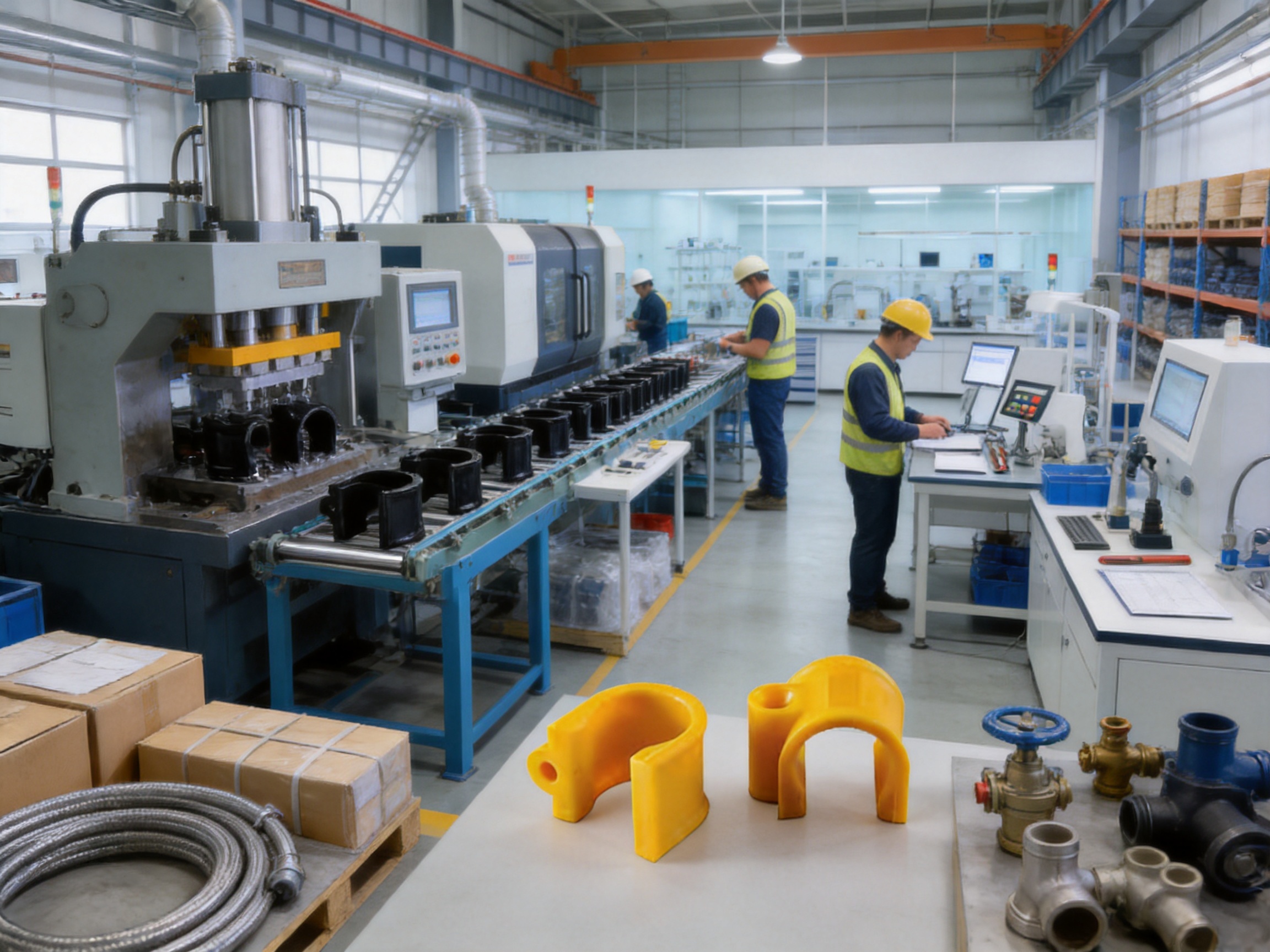
The reliability of a pipe clamp depends not only on its visible shape but also on the quality of the material, forming process, dimensional control, and inspection procedures used during production. The manufacturer behind the product operates a specialized energy equipment facility with experience in metal hoses, natural gas pipelines, plumbing fittings, sanitary ware, valves, plastic products, and hardware.
This broad product scope is important because pipe support accessories are used alongside other components in complete piping systems. A manufacturer familiar with gas, water, and industrial piping requirements can better understand the practical relationship between clamps, fittings, hoses, valves, and connection assemblies.
The company operates a factory covering approximately 40 acres, with around 30,000 square meters of factory buildings. This scale provides space for production, material handling, assembly, testing, storage, and quality-control activities. A dedicated manufacturing environment can support more consistent workflow management than small-scale, unstructured production.
The facility includes approximately 30 welding and forming production lines. Although the Plastic Pipe Clamp is a plastic support product, the company’s forming and assembly capabilities demonstrate experience in producing a wide range of precision piping and energy equipment components. Such cross-category manufacturing experience can support better coordination between product design, tooling, production planning, and quality control.
The company also operates two uninterrupted solid melting hydrogen furnace production lines. These systems are relevant to the company’s wider metal component manufacturing capabilities and demonstrate investment in controlled production processes for materials requiring stable thermal treatment. Experience with carefully controlled manufacturing environments contributes to a broader culture of process discipline and technical quality.
Testing and Inspection Equipment
Quality assurance is supported by testing equipment such as metal material analysis direct-reading spectrometers and flow tightness testers. A direct-reading spectrometer can help analyze metal composition, while tightness testing is important for products and assemblies associated with gas and fluid transmission.
For a plastic pipe clamp, quality control may include dimensional checks, visual inspection, material verification, assembly evaluation, and functional testing appropriate to the product design. These controls help confirm that the clamp maintains consistent dimensions, has no unacceptable molding defects, and can be installed as intended.
Testing procedures should be matched to the product’s function. A support clamp is not a pressure-containing component, but its performance still depends on reliable geometry, suitable material properties, stable gripping behavior, and resistance to environmental conditions. Consistent inspection helps reduce variation between production batches.
Quality Management
The company strictly implements an ISO9000:2008 quality management system. A quality management system provides a framework for documenting procedures, managing production activities, controlling records, handling nonconformities, and improving processes. For buyers, this type of system can provide greater confidence that manufacturing is organized around repeatable requirements rather than individual operator judgment alone.
The company also holds a Special Equipment Manufacturing License for pressure pipelines issued by the People’s Republic of China and has EU CE certification testing reports. These credentials relate to the company’s broader energy equipment and piping product portfolio. Buyers should confirm the exact certification and compliance documentation applicable to the specific clamp, application, and destination market before placing an order.
Engineering Considerations Before Installation
Selecting a pipe clamp requires more than matching the general product name. The installer or engineer should consider pipe diameter, pipe material, operating temperature, internal pressure, vibration, environmental exposure, support spacing, and the strength of the mounting surface.
The clamp must be compatible with the outer diameter of the pipe. A clamp that is too large may allow excessive movement, while one that is too small may apply excessive pressure. The contact area should be properly aligned around the pipe, and the fastening method should be suitable for the wall, frame, ceiling, or other support structure.
Pipe support spacing should be determined according to applicable engineering standards and project specifications. Heavier pipes, fluid-filled pipes, high-temperature lines, and vibration-prone systems generally require more careful support planning than small, low-load service lines.
When a pipeline passes through a wall or near a sharp edge, the clamp should be positioned to avoid abrasion and concentrated stress. Where expansion is expected, the system may require a combination of fixed points and guided supports. A clamp should not be used as a substitute for an expansion joint, flexible connection, or engineered sliding support.
For gas systems, installation should be carried out by qualified personnel in accordance with local codes and safety procedures. The clamp provides mechanical support only; it does not seal a gas connection, regulate pressure, or replace a certified fitting.
Recommended Installation Procedure
1. Inspect the Components
Before installation, inspect the clamp and associated fasteners. Check for cracks, deformation, sharp edges, contamination, or other visible defects. Confirm that the model and size are appropriate for the pipe.
2. Plan the Support Location
Mark the intended support location based on the pipeline layout and required spacing. Avoid placing the clamp directly over a joint, valve, threaded connection, or flexible section unless the design specifically requires that arrangement.
3. Prepare the Mounting Surface
Confirm that the wall, frame, bracket, or other mounting surface can carry the expected load. Remove loose material and ensure that the mounting area is reasonably flat and stable. Select anchors and fasteners that are compatible with the substrate.
4. Position the Pipe
Place the pipe in the correct route and align it with adjacent sections. The pipe should not be forced into alignment by excessive clamp pressure. Any major misalignment should be corrected before tightening the support.
5. Install the Clamp
Place the clamp around or against the pipe according to its design. Insert the selected fastener and tighten it gradually. The clamp should hold the pipe securely while avoiding excessive compression or distortion.
6. Check the Finished Installation
After fastening, check that the pipe is stable, correctly aligned, and free from unwanted contact with sharp surfaces. Confirm that nearby valves, fittings, hoses, and equipment are not bearing unintended loads. Where appropriate, verify that the installation allows the movement required by thermal expansion or flexible connections.
7. Inspect After System Commissioning
Once the system is pressurized or placed into operation, inspect the support points again. Look for movement, loosening, vibration, pipe deformation, or stress around connected fittings. Early inspection can identify installation issues before they develop into more serious problems.
Maintenance and Service Recommendations
One advantage of a plastic pipe clamp is its relatively low maintenance requirement. Nevertheless, periodic inspection is recommended, especially in gas systems, outdoor installations, industrial plants, and areas exposed to vibration or chemical substances.
During inspection, look for cracks, brittleness, deformation, discoloration, loosening, and signs of excessive movement. Check whether the pipe remains properly supported and whether the clamp is still securely connected to the mounting surface.
Outdoor clamps should be inspected for weather-related deterioration. Although the product is designed to be weather-resistant, actual service life depends on ultraviolet exposure, temperature range, humidity, chemical contact, loading, and installation quality.
In industrial applications, cleaning chemicals, solvents, oils, and process materials may affect some plastic compounds. The clamp should be evaluated for compatibility with the actual environment. If cracking or significant deformation is observed, the component should be replaced rather than repaired with improvised materials.
Maintenance personnel should also confirm that later modifications have not placed additional load on the clamp. New pipes, cables, insulation, or equipment should not be attached to an existing clamp unless the combined load has been reviewed.
Benefits for Contractors, Distributors, and System Integrators
For contractors, the Plastic Pipe Clamp offers a practical support component that is easy to transport and install. Its lightweight construction can simplify site logistics, while its corrosion resistance is useful across a variety of building and utility environments.
For distributors, the product can complement a broader range of gas fittings, water fittings, hose assemblies, valves, plastic products, and hardware. A pipe support accessory is often required together with the primary pipe or fitting order, making it a useful addition to a complete product offering.
For system integrators, the clamp provides a standardized support option that can be considered during the early design stage. Using an appropriate clamp from the beginning may improve installation appearance, simplify field work, and reduce the risk of unsupported pipe sections.
The manufacturer’s integrated industry-and-trade structure can also support communication between product development, production, and customer service. The company provides pre-sales and after-sales services, allowing customers to discuss product selection, application conditions, technical requirements, and order details.
Customization and Project Support
Different projects may require different clamp dimensions, materials, colors, fastening arrangements, packaging methods, or labeling requirements. As an energy equipment and piping product manufacturer, the company has research, development, design, processing, and manufacturing capabilities that can support project-specific discussions.
Before requesting customization, buyers should provide clear technical information. Useful details may include pipe outside diameter, pipe material, operating temperature, installation environment, expected load, support spacing, mounting surface, quantity, packaging requirements, and applicable compliance standards.
Clear requirements help the manufacturer evaluate tooling, material selection, production feasibility, inspection procedures, and delivery expectations. They also reduce the risk of selecting a clamp that is visually suitable but technically inappropriate for the intended service.
Safety and Compliance Considerations
The Plastic Pipe Clamp is a support component and should not be treated as a pressure-bearing fitting. It does not replace a pipe, hose, valve, regulator, seal, or certified connection. Its function is to stabilize and position the piping system.
Gas installations must comply with the laws, regulations, codes, and safety practices applicable in the country or region where the product is used. Installation should be completed by qualified personnel. Any suspected gas leakage, damaged connection, or abnormal system behavior should be addressed immediately according to established emergency procedures.
For water and industrial applications, the clamp should be selected according to the relevant project specifications. When used in a high-temperature, high-pressure, high-vibration, or chemically aggressive environment, the material and mechanical performance should be reviewed by a qualified engineer.
Documentation should be retained for important projects. This may include product identification, batch information, installation records, inspection results, and applicable certificates. Good documentation supports traceability and simplifies future maintenance.
Frequently Asked Questions
What is the main purpose of the Plastic Pipe Clamp?
The main purpose is to secure and support a pipe, maintain its intended position, and reduce unwanted movement. It helps stabilize gas pipes, water pipes, plumbing lines, and suitable industrial pipe or hose assemblies.
What is the model number of this product?
The product model is ZLP-021. The listed product information identifies it as a clamp with a four-to-six-point specification.
Is the Plastic Pipe Clamp suitable for gas pipelines?
Yes, it is designed for use as a support accessory in gas pipeline systems. It should be used with compatible pipework and installed according to applicable gas-safety requirements. It does not replace pressure-rated gas fittings or sealing components.
Can it be used with stainless steel corrugated hose fittings?
It can be used to support suitable adjacent pipe sections in systems that include stainless steel corrugated hose fittings. The clamp should not restrict the intended movement of a flexible hose or place excessive stress on the hose connection.
What are the main benefits of plastic construction?
The main benefits include corrosion resistance, low weight, easy handling, reduced risk of rust staining, and suitability for many damp or weather-exposed environments. The exact performance depends on the material compound and service conditions.
Is the product suitable for outdoor installation?
The product is described as weather-resistant and suitable for outdoor use. Buyers should still evaluate ultraviolet exposure, temperature changes, chemical contact, mounting conditions, and local environmental factors before installation.
Does the clamp prevent pipe leakage?
The clamp does not seal a pipe and cannot directly prevent leakage from a damaged or improperly assembled connection. Its role is to stabilize the pipe and reduce movement that could contribute to stress at joints or fittings.
Can the clamp be used for water pipes?
Yes, it can be considered for suitable water and plumbing pipe applications. The pipe diameter, material, temperature, weight, support spacing, and mounting surface should be checked before selection.
Can it support industrial hoses?
It may be suitable for supporting appropriate industrial hose or nearby rigid pipe sections, but the hose must not be crushed, sharply bent, or restrained against its designed movement. Industrial users should verify chemical and mechanical compatibility.
How should the clamp be tightened?
It should be tightened enough to hold the pipe securely without deforming the pipe or restricting required thermal movement. The correct tightening method depends on the clamp design, pipe material, and fastener arrangement.
What should be checked before ordering?
Buyers should confirm the pipe outside diameter, support configuration, material compatibility, operating temperature, environmental exposure, expected load, installation surface, quantity, and any certification or packaging requirements.
What manufacturing capabilities support this product?
The manufacturer has experience in energy equipment, metal hoses, natural gas pipelines, plumbing fittings, valves, plastic products, and hardware. Its facilities include large-scale factory space, multiple welding and forming production lines, material analysis equipment, flow tightness testing equipment, and a documented quality management system.
Does the manufacturer provide technical support?
The company provides pre-sales and after-sales services. Customers can discuss product selection, application conditions, specifications, customization requirements, and project-related purchasing information with the manufacturer.
Conclusion
The Plastic Pipe Clamp is a simple component with an important role in the reliability of gas, water, plumbing, and industrial piping systems. By keeping pipes securely positioned, it helps reduce unnecessary movement, protects connected components from avoidable mechanical stress, and supports a neat and organized installation.
Its plastic construction provides practical advantages over many conventional support options, including corrosion resistance, lower weight, easy handling, weather-resistant performance, and reduced maintenance requirements. These characteristics make the clamp especially attractive for damp environments, outdoor pipework, residential gas systems, commercial plumbing installations, and suitable industrial applications.
Model ZLP-021 is supported by the manufacturing capabilities of a company experienced in energy equipment and piping products. The manufacturer’s factory resources, production lines, testing equipment, quality management practices, research and development capabilities, and customer service structure provide a solid foundation for consistent product supply and project support.
Correct selection and installation remain essential. The clamp should be matched to the pipe, environment, load, and applicable technical requirements. When properly specified and installed, it offers an efficient and dependable way to improve pipeline stability while avoiding the corrosion and installation burdens associated with some heavier metal alternatives.
References
1. International Organization for Standardization, ISO 9000 Quality Management Systems: Fundamentals and Vocabulary.
2. International Organization for Standardization, Quality Management Principles and Process-Based Quality Control Practices.
3. General engineering guidance on pipe supports, pipe restraint, thermal movement, and mechanical loading in piping systems.
4. General installation practices for natural gas distribution piping and gas appliance connection systems.
5. General technical guidance for water supply, plumbing, pipe routing, and support spacing.
6. Industrial hose installation and handling recommendations concerning bending radius, movement, abrasion, and support.
7. Manufacturer product information for Plastic Pipe Clamp, model ZLP-021.
8. Manufacturer information concerning energy equipment production, metal hoses, corrugated hoses, pipe fittings, plastic products, testing facilities, and quality management.