 English
 中文简体
中文简体 Español
 عربى
عربى

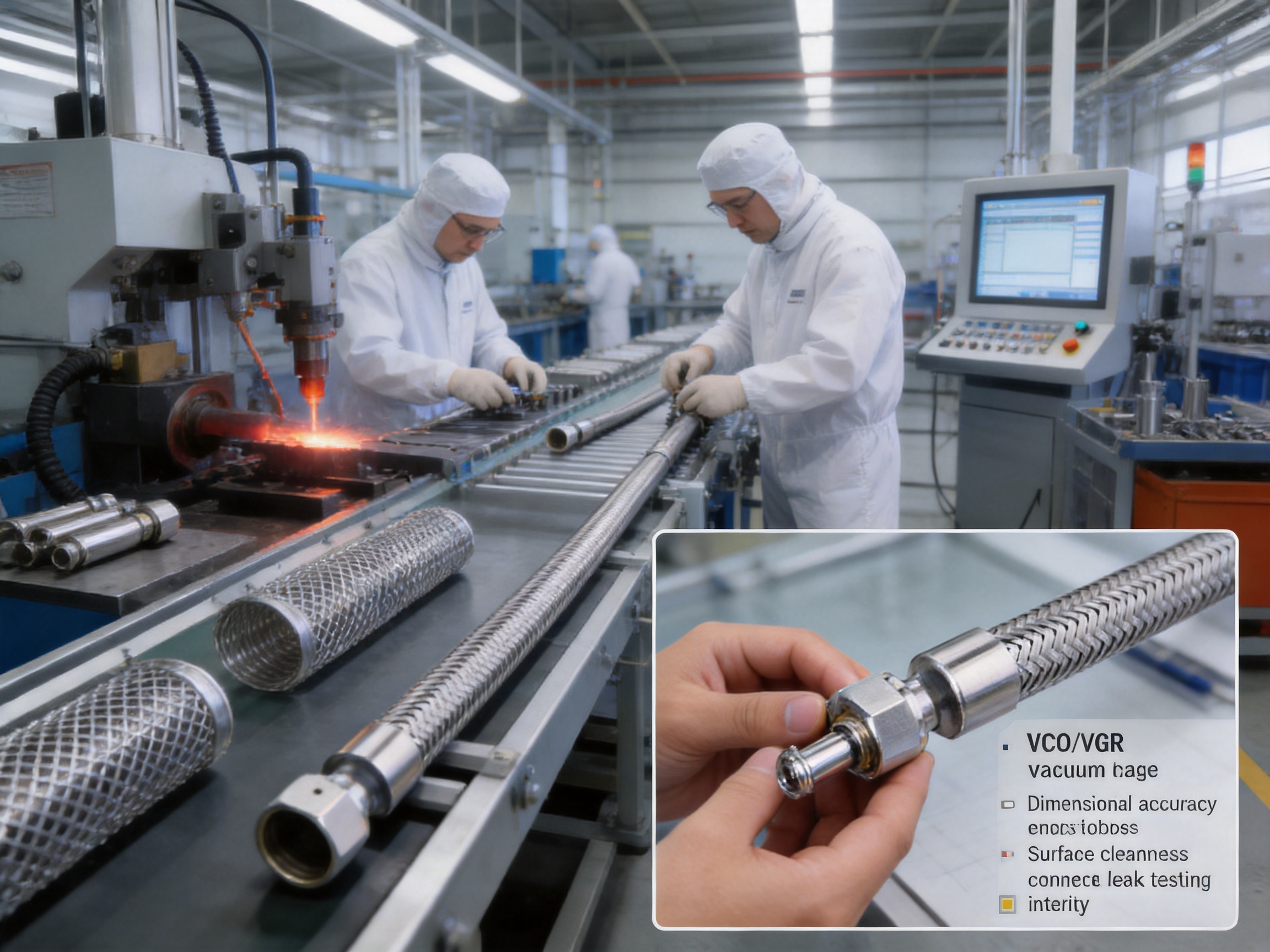
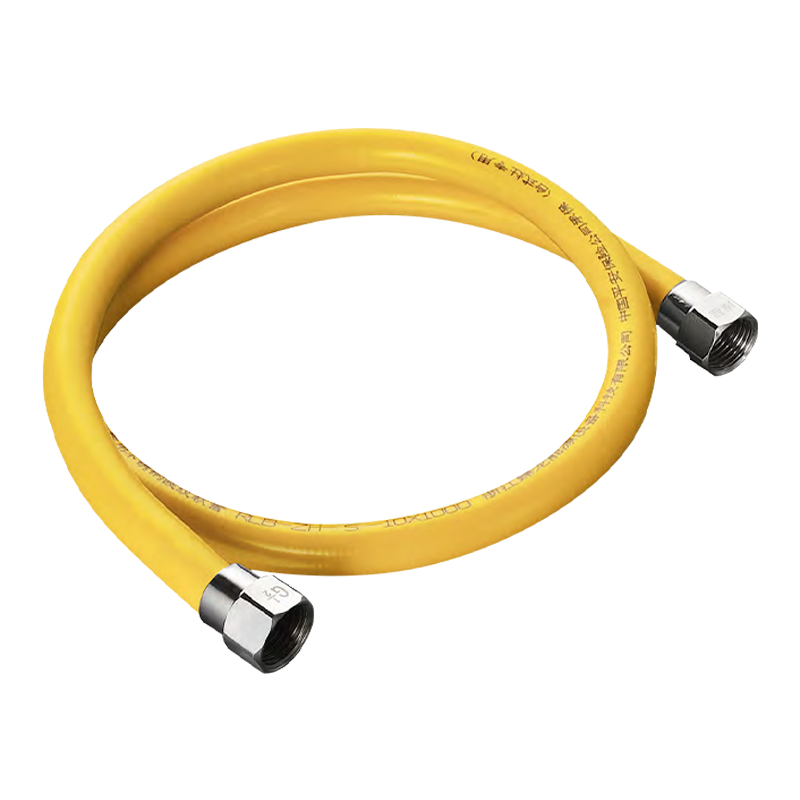
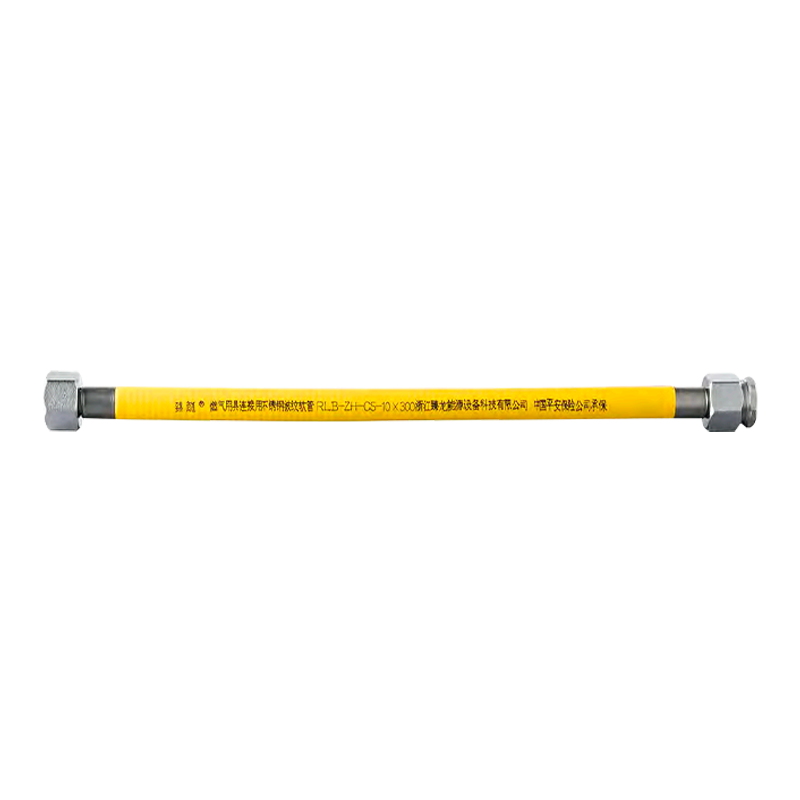
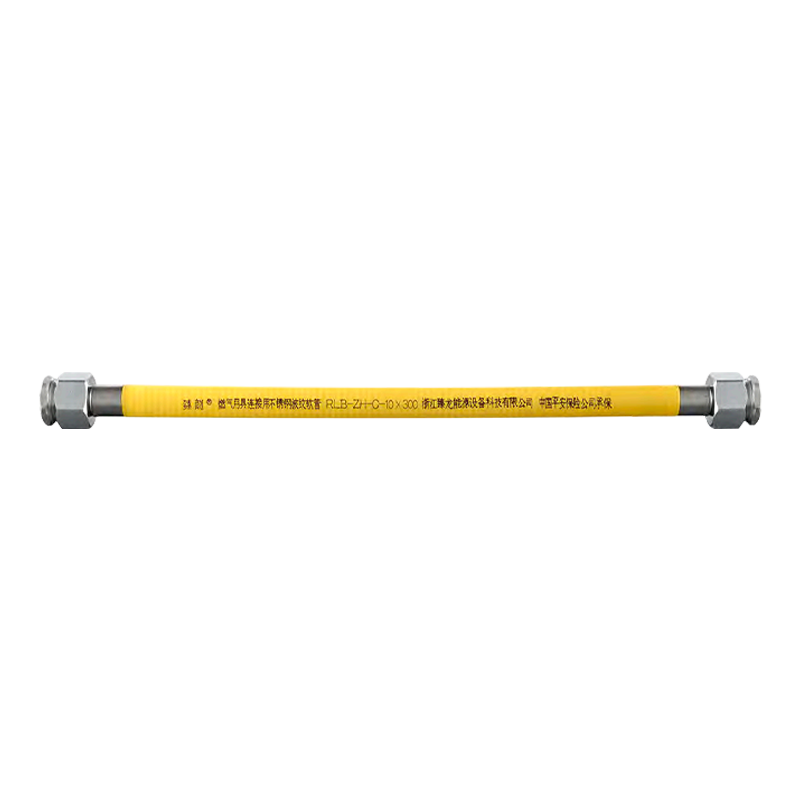
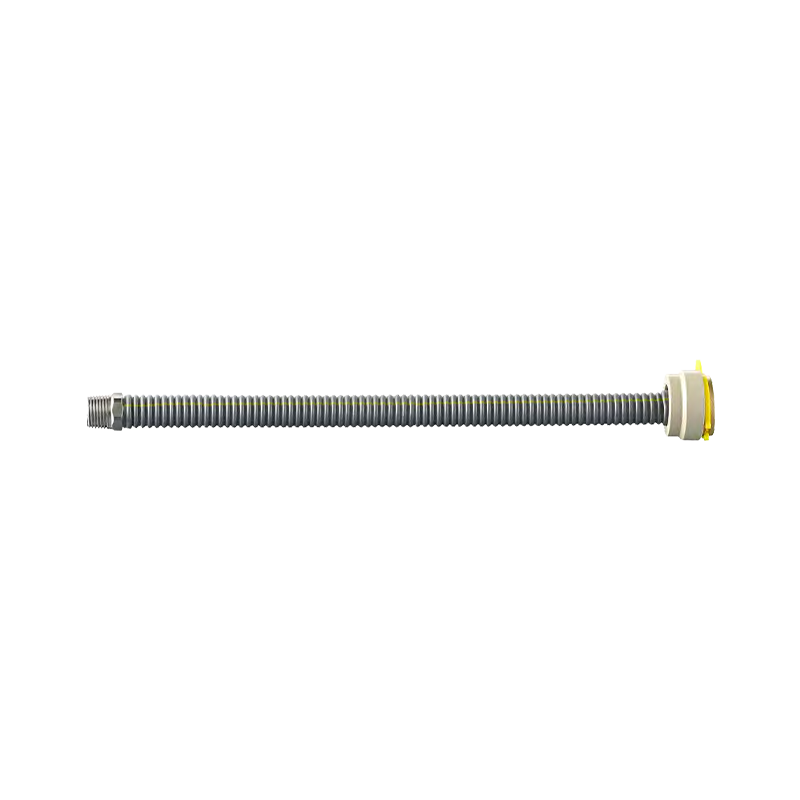
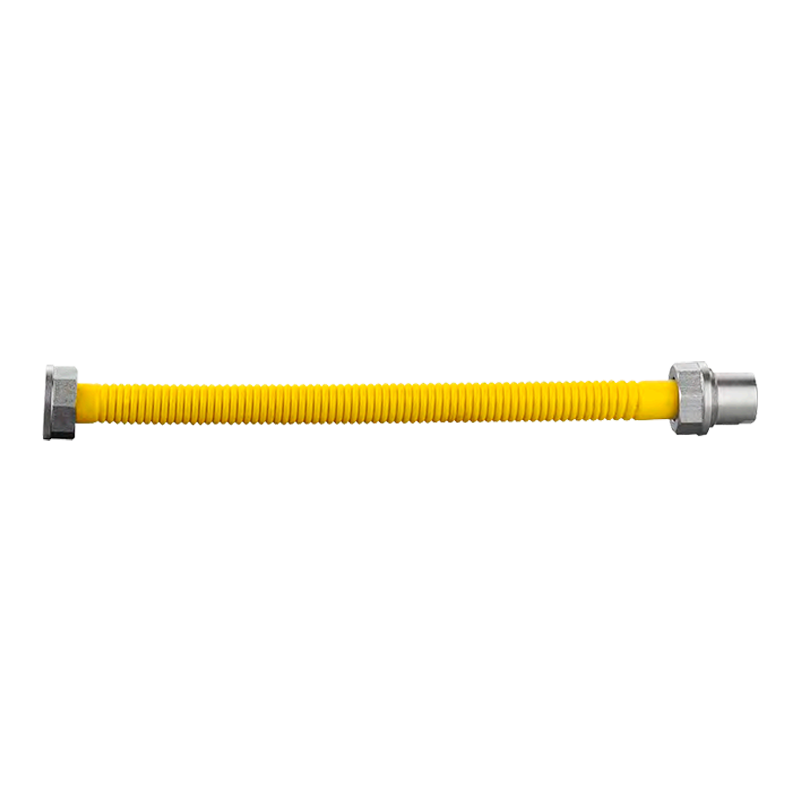
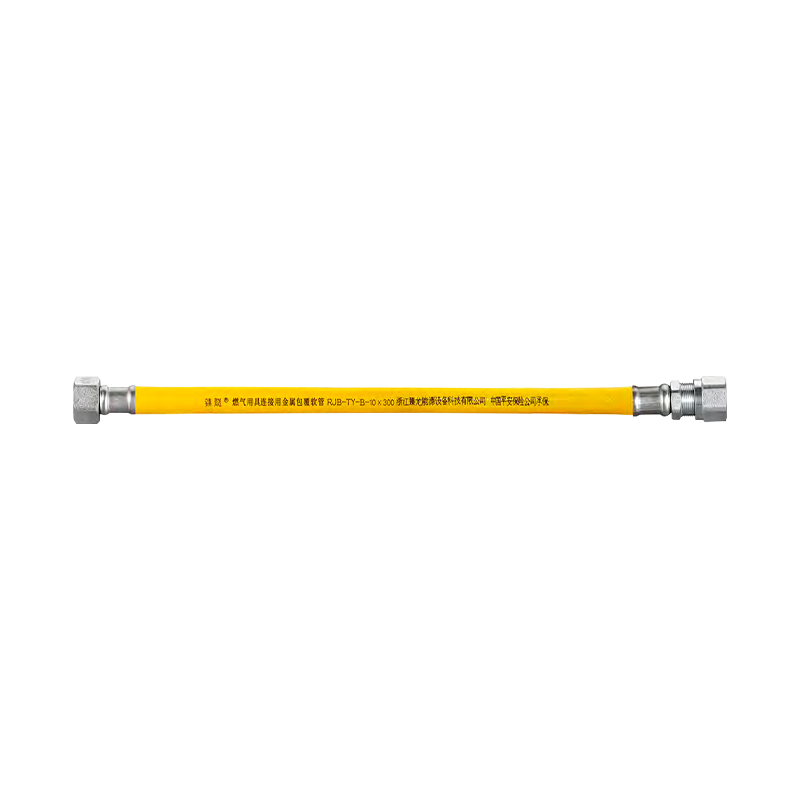
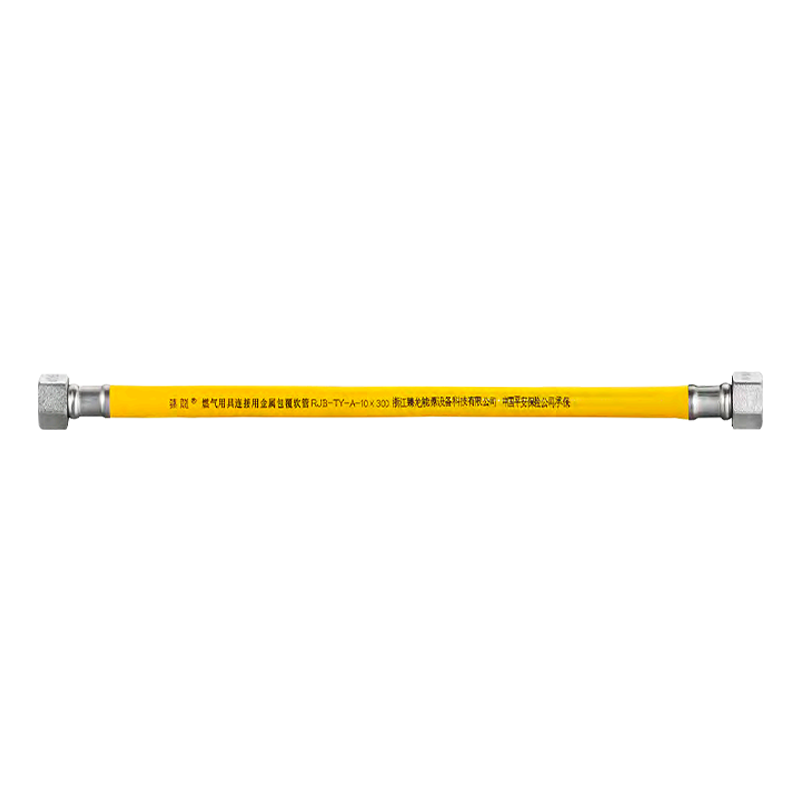
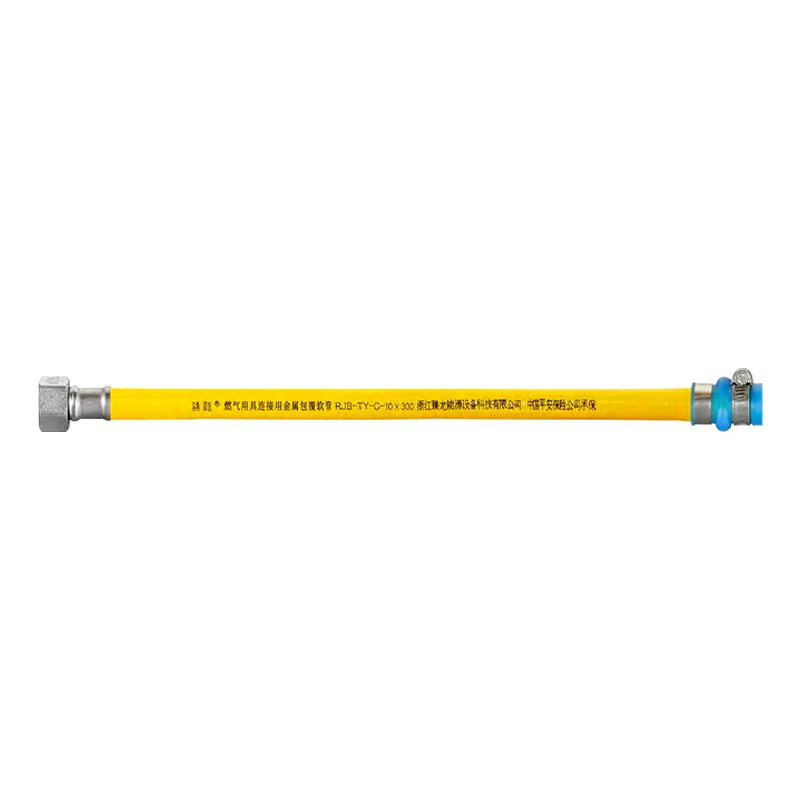
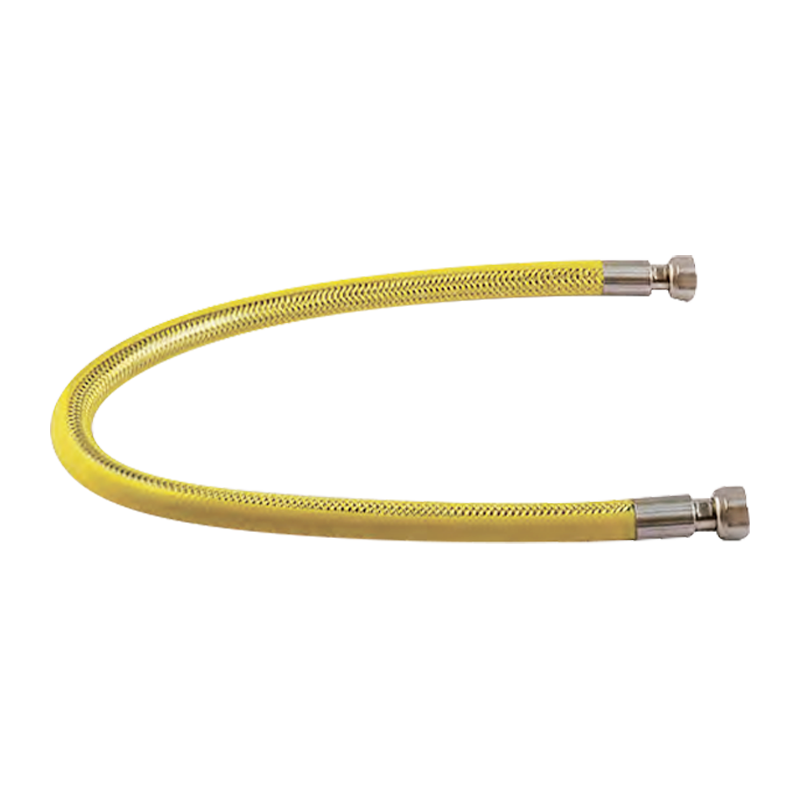
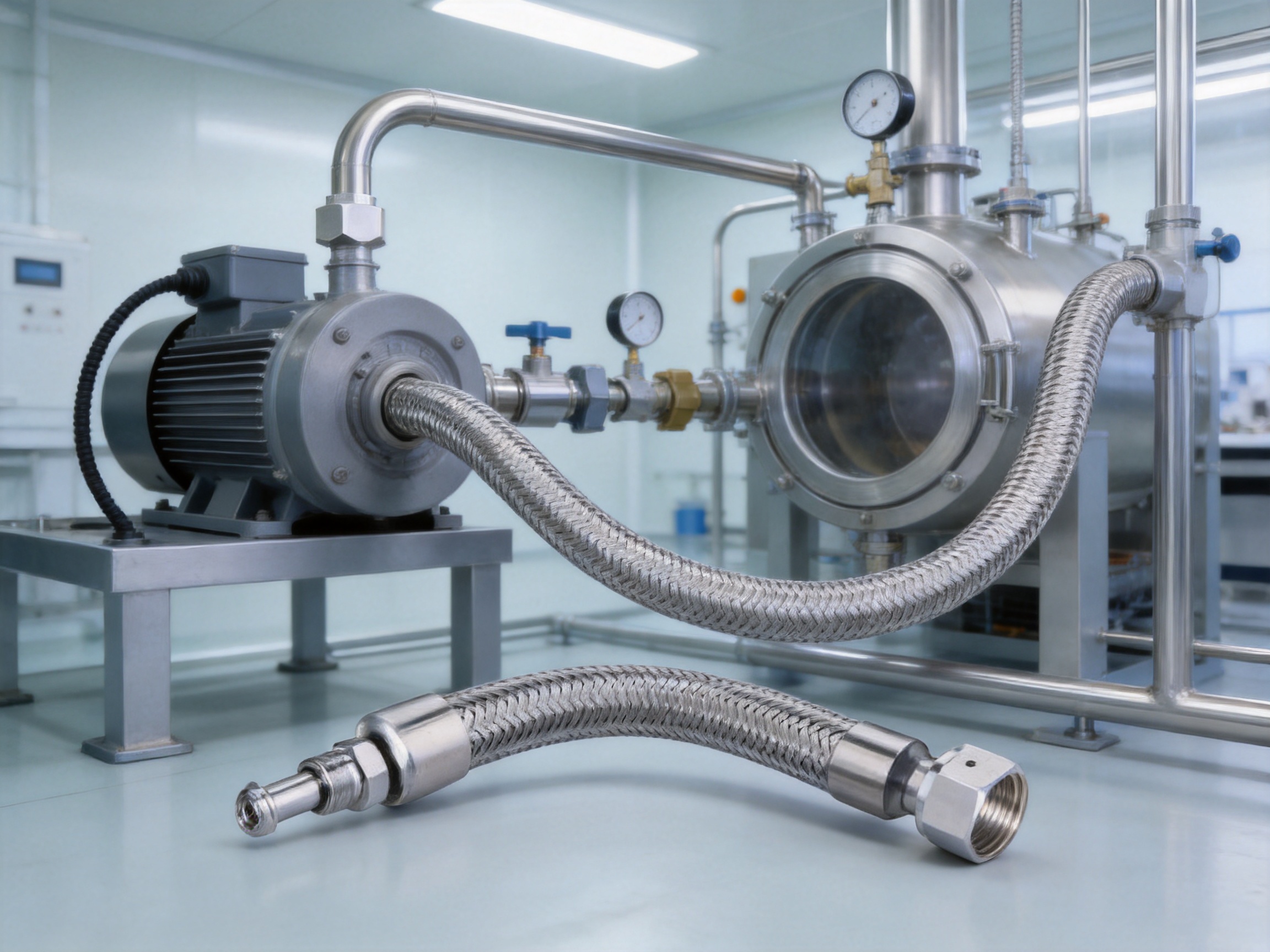
The VCO/VGR Type vacuum hose is a precision-engineered metal hose assembly designed for demanding industrial vacuum, gas, fluid, and equipment-connection applications. It combines a flexible stainless-steel hose with a protective stainless-steel mesh sleeve and stainless-steel end tubes. The result is a durable, clean, leak-resistant connection that can accommodate movement, vibration, thermal expansion, and installation misalignment without sacrificing system integrity.
Industrial hose assemblies are often treated as simple connection components, but their performance can directly affect the safety, efficiency, and service life of an entire system. A hose that cannot maintain vacuum stability, withstand pressure fluctuations, or tolerate repeated movement may lead to leakage, equipment downtime, contamination, or premature replacement. The VCO/VGR Type has been developed for applications where dependable sealing and controlled flexibility are essential.
Manufactured from SUS304 or SUS316L stainless steel, this vacuum hose is suitable for a wide range of industrial environments. Its metal construction provides better temperature resistance, mechanical strength, and chemical durability than many conventional rubber or plastic hose alternatives. The integrated mesh sleeve helps protect the corrugated hose body against external damage and supports controlled bending during installation and operation.
The hose is available in standard bores of 6 mm, 8 mm, and 10 mm, corresponding to nominal sizes of 1/4 inch, 3/8 inch, and 1/2 inch. Standard lengths range from 200 mm to 10,000 mm, while customized configurations can be considered according to equipment layout, connector requirements, and operating conditions.
Content
- 1 Product Overview
- 2 Construction and Material Selection
- 3 Performance Specifications
- 4 Advantages Compared with Conventional Hose Solutions
- 5 Application Areas
- 6 Engineering and Installation Considerations
- 7 Manufacturing Strengths and Quality Control
- 8 Why Choose a Specialist Metal Hose Manufacturer?
- 9 Maintenance and Service Life
- 10 Ordering Information
- 11 Technical Comparison with Common Alternatives
- 12 Application Design Example
- 13 Frequently Asked Questions
- 13.1 What is the VCO/VGR Type used for?
- 13.2 What materials are available?
- 13.3 What is the allowable leak rate?
- 13.4 What standard sizes are available?
- 13.5 What pressure can the hose withstand?
- 13.6 What is the minimum bending radius?
- 13.7 Can the hose be used in a moving application?
- 13.8 What connector should be specified?
- 13.9 Why select SUS316L instead of SUS304?
- 13.10 How are the hoses tested?
- 13.11 Can custom lengths be produced?
- 13.12 Is the product suitable for all gases?
- 13.13 How should the hose be stored?
- 14 Conclusion
- 15 References
- 16 Product: VCO/VGR TYPE
Product Overview
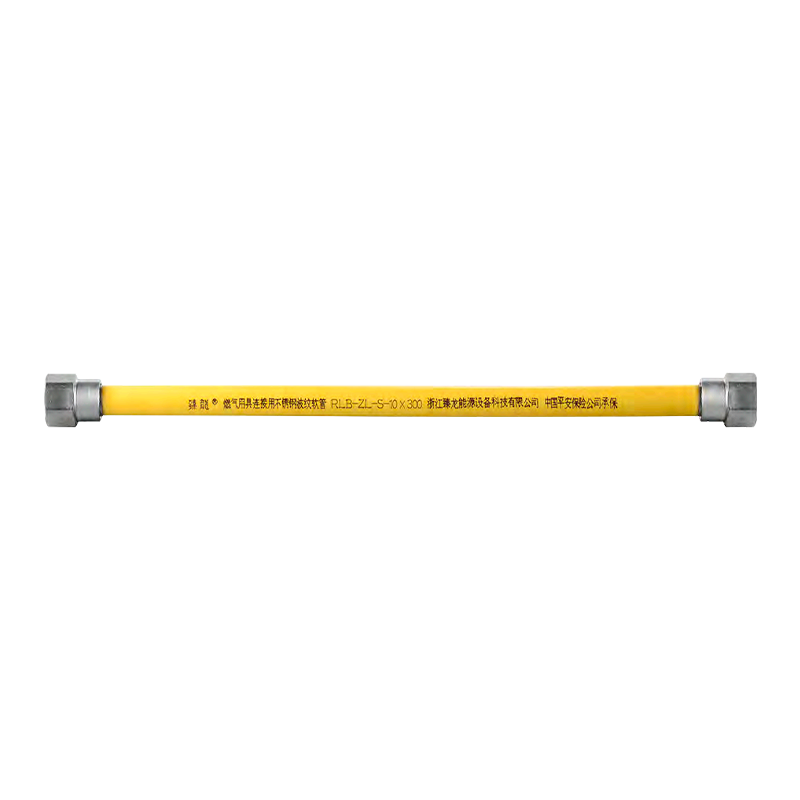
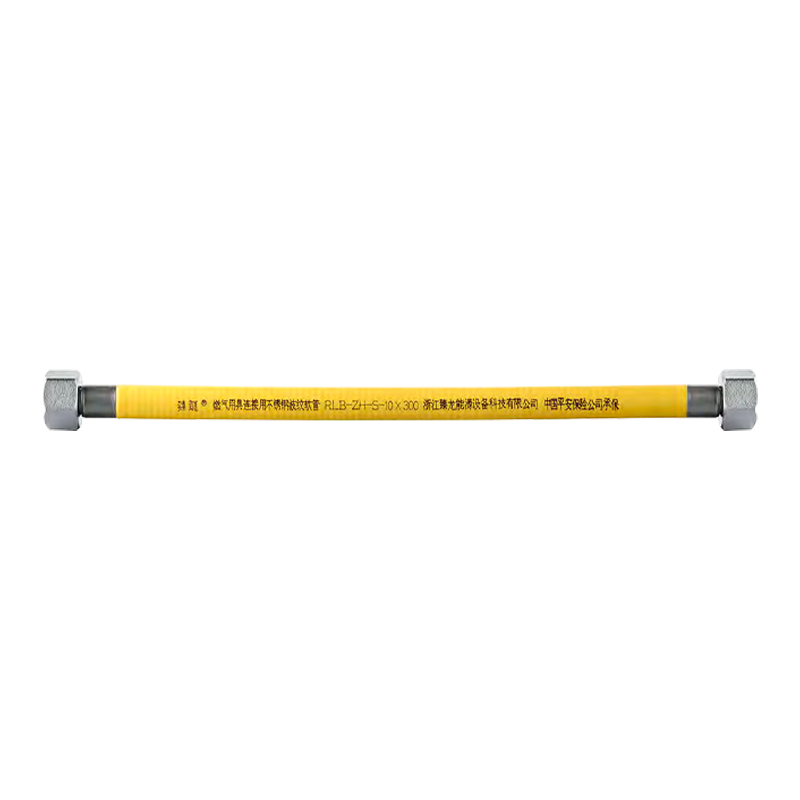
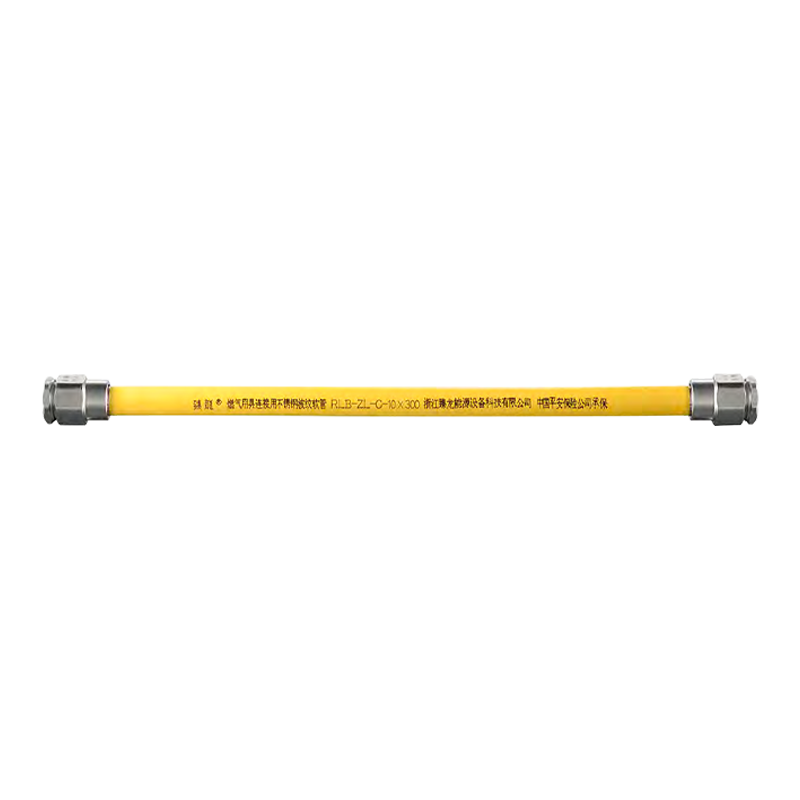
The VCO/VGR Type is a metal vacuum hose assembly equipped with metal seal connectors. It is intended for systems that require reliable fluid or gas transfer under vacuum and positive-pressure conditions. The construction is especially suitable for gas lines, vacuum equipment, industrial processing systems, energy equipment, and connection points where rigid piping alone cannot absorb movement.
The hose body is manufactured from stainless steel and is designed to provide flexibility while maintaining mechanical stability. The end tubes are also available in SUS304 or SUS316L, allowing the complete assembly to maintain a consistent material profile. The mesh sleeve is manufactured from SUS304 or SUS316L and serves as an external protective layer.
A key feature of this product is its low allowable leak rate. The specified allowable leak rate is 1.33 × 10⁻¹⁰ Pa·m3/sec or below. This performance level makes the hose suitable for applications where maintaining vacuum quality and limiting gas loss are important design requirements.
The product may be used as a flexible connection between vacuum chambers, pumps, valves, gas supply lines, industrial instruments, and other equipment. By absorbing vibration and installation displacement, it can reduce stress transferred to connected components. It can also help simplify assembly in locations where rigid pipe alignment would be difficult or costly.
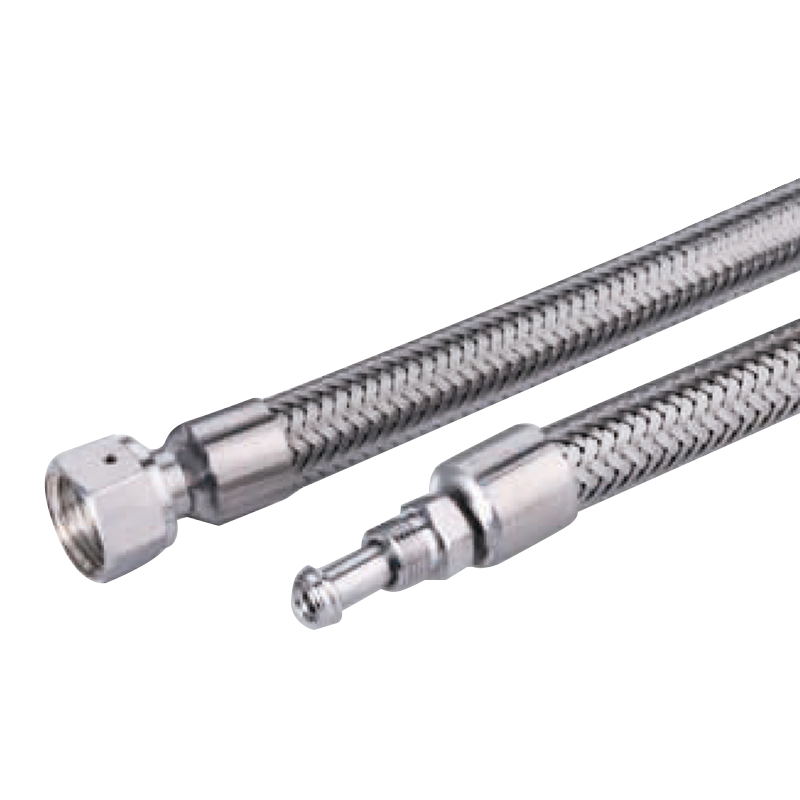
VCO/VGR TYPE
Construction and Material Selection
Stainless-Steel Hose Body
The hose body is available in SUS304 and SUS316L stainless steel. These materials are widely used in industrial piping and equipment because they offer a strong balance of corrosion resistance, forming capability, weldability, and mechanical durability.
SUS304 is an economical and versatile stainless-steel option for general industrial service. It provides good resistance to atmospheric exposure, moisture, and many common industrial environments. It is suitable for applications where the transported medium and surrounding atmosphere do not require the enhanced corrosion resistance of a molybdenum-bearing grade.
SUS316L is suitable for more demanding environments. Its low-carbon composition supports reliable welding performance, while its enhanced corrosion resistance makes it a preferred choice for applications involving aggressive atmospheres, chemical exposure, moisture, or higher cleanliness requirements. The selection between SUS304 and SUS316L should be based on the medium, temperature, pressure, external environment, and applicable system standards.
End Tubes
The end tubes are manufactured from SUS304 or SUS316L to match the hose body and the required system conditions. End-tube material consistency helps reduce differences in corrosion behavior and supports the long-term integrity of the connection area.
The end tube provides the transition between the flexible hose body and the metal seal connector. This transition is important because the end area is exposed to assembly forces, sealing loads, vibration, and potential bending stress. A properly manufactured end tube promotes stable connection performance and helps prevent localized deformation during installation.
Protective Mesh Sleeve
The mesh sleeve is manufactured from SUS304 or SUS316L stainless steel. It surrounds the flexible hose and provides additional mechanical protection. In industrial installations, hoses may be exposed to accidental contact, vibration, abrasion, movement from adjacent equipment, and repeated handling during maintenance. The sleeve helps shield the hose body against these external influences.
The mesh also contributes to controlled flexibility. Instead of allowing the hose to bend unpredictably, the braided structure helps distribute movement over a broader section of the assembly. This can reduce concentrated bending at one point and support a longer service life when the hose is installed within its specified bending limits.
Because the mesh is made from stainless steel rather than an organic covering, it can be used in environments where resistance to heat, oil, moisture, and many industrial chemicals is important. The exact suitability remains dependent on the application medium and environmental conditions, but the metal construction provides a wider operating envelope than many standard nonmetallic protective coverings.
Performance Specifications
The VCO/VGR Type is designed for both vacuum and positive-pressure service. Its specified pressure range extends from -0.1 MPa on the vacuum side to a positive-pressure limit determined by bore size. The maximum listed positive working pressure is 4.0 MPa for the 6 mm bore, 3.0 MPa for the 8 mm bore, and 2.0 MPa for the 10 mm bore.
The pressure rating illustrates an important engineering principle: larger-diameter flexible assemblies may have a lower allowable working pressure than smaller-diameter assemblies when other construction characteristics remain similar. The correct size should therefore be selected according to both required flow capacity and pressure conditions.
| Item | Specification |
| Hose material | SUS304 or SUS316L |
| End tube material | SUS304 or SUS316L |
| Mesh sleeve material | SUS304 or SUS316L |
| Allowable leak rate | 1.33 × 10⁻¹⁰ Pa·m3/sec or below |
| Minimum listed length | 200 mm |
| Maximum listed length | 10,000 mm |
| Connection style | Metal seal connector type; connector model to be specified |
Standard Size and Pressure Table
| Bore with mesh | Nominal bore | D1 | Standard length | Pressure range | Minimum bending radius, static | Minimum bending radius, dynamic |
| 6 mm | 1/4 inch | 11.1 mm | 200–10,000 mm | -0.1 to 4.0 MPa | 50 mm | 110 mm |
| 8 mm | 3/8 inch | 14 mm | 200–10,000 mm | -0.1 to 3.0 MPa | 65 mm | 145 mm |
| 10 mm | 1/2 inch | 19.5 mm | 200–10,000 mm | -0.1 to 2.0 MPa | 95 mm | 215 mm |
The static minimum bending radius applies when the hose is installed in a fixed position and is not repeatedly flexed. The dynamic minimum bending radius applies when the hose experiences movement during operation. The dynamic radius is larger because repeated flexing generates greater fatigue stress in the hose assembly. Keeping the hose above the specified minimum radius is essential for protecting the corrugated body, mesh sleeve, and end connections.
Advantages Compared with Conventional Hose Solutions
Low Leakage Performance
Vacuum systems require a different level of connection reliability from ordinary water or air piping. Small leaks that may be tolerable in a low-pressure utility line can significantly affect vacuum performance, pumping time, process stability, or product quality. With an allowable leak rate of 1.33 × 10⁻¹⁰ Pa·m3/sec or below, the VCO/VGR Type is designed for applications in which leakage control is a central performance requirement.
The metal seal connector design supports a stable connection between the hose assembly and the equipment. Because the connector is a dedicated metal sealing component, it is appropriate for systems where elastomeric sealing materials may be unsuitable due to temperature, outgassing, chemical exposure, or cleanliness requirements.
Improved Resistance to Temperature and Aging
Rubber and polymer hoses can become hard, soft, cracked, swollen, or permeable after extended exposure to heat, chemicals, ultraviolet radiation, or process gases. The stainless-steel construction of the VCO/VGR Type avoids many of the aging mechanisms associated with organic hose materials.
Metal hoses are not immune to fatigue or corrosion, and proper selection remains necessary. However, stainless steel generally provides a more stable long-term material platform for industrial systems that experience temperature cycling, pressure variation, or demanding environmental conditions.
Protection Against External Damage
The mesh sleeve provides an additional layer of protection that is not present in an unshielded flexible tube. This is useful in equipment rooms, production lines, laboratories, energy facilities, and other locations where hoses may encounter vibration, incidental contact, or limited abrasion.
The sleeve also helps retain the hose profile during bending. This can reduce the likelihood of sharp kinks, uneven deformation, or excessive localized movement. Correct installation is still necessary, but the mesh construction provides a practical advantage in real-world assembly conditions.
Flexibility for Difficult Installations
Rigid stainless-steel pipe offers high dimensional stability but requires accurate alignment, multiple fittings, and adequate space for fabrication and installation. The VCO/VGR Type can simplify connections between components that are separated by a short distance, positioned at different angles, or subject to movement.
Its available lengths from 200 mm to 10,000 mm allow designers to select a compact connector or a longer flexible section according to the equipment layout. Flexible routing can reduce the number of rigid elbows and connection points, potentially simplifying maintenance and reducing installation time.
Stainless-Steel Cleanliness and Durability
Stainless steel is suitable for systems where cleanliness, corrosion resistance, and material stability are important. The SUS304 and SUS316L options allow users to select a material that matches their service conditions. SUS316L can be especially valuable where improved corrosion resistance or low-carbon weldability is required.
The metal construction is also useful where hose permeation must be minimized. Unlike some polymeric hoses, stainless-steel hose assemblies are not dependent on a flexible plastic wall that may allow gradual diffusion of gases or solvents. This characteristic can support more stable process conditions in vacuum and gas applications.
Application Areas
Vacuum Equipment
The primary application of the VCO/VGR Type is vacuum equipment. It can connect vacuum pumps, chambers, valves, gauges, manifolds, and process tools. The hose accommodates equipment movement and helps isolate vibration between the pump and the rest of the system.
Vacuum pumps can generate mechanical vibration during operation. If the pump is connected directly to rigid piping, that vibration may be transmitted into the chamber or sensitive instrument. A flexible metal hose can help interrupt this transmission and reduce mechanical stress at rigid connection points.
Gas Supply and Distribution Systems
The product can be used in industrial gas lines where flexible routing and reliable sealing are required. Stainless-steel construction is appropriate for many dry, clean, and inert gas applications. The specific gas compatibility, pressure, temperature, and connector standard should always be confirmed before installation.
For gas service, correct connector selection is especially important. The product information specifies that these models are connector types equipped with metal seal connectors, and the connector model must be specified when ordering. This ensures that the hose assembly is manufactured with the correct interface for the intended equipment.
Energy Equipment
Energy equipment often includes pumps, valves, burners, pressure-control devices, gas supply assemblies, and thermal systems. These systems can experience vibration, thermal expansion, and installation constraints. A stainless-steel flexible hose can provide a practical connection between fixed and moving components while maintaining a robust external structure.
Industrial Processing Machinery
Industrial processing machines frequently contain moving assemblies, heated zones, rotating equipment, and compact pipe layouts. The VCO/VGR Type can be used where a flexible connection is needed to accommodate movement or simplify equipment maintenance. Its metal construction is suitable for applications where ordinary rubber hoses may not provide adequate durability or cleanliness.
Instrumentation and Testing Equipment
Instrumentation systems require stable connections because leaks, vibration, and contamination can influence measurement accuracy. The low allowable leak rate and stainless-steel construction make this hose type suitable for selected instrument connections, test rigs, vacuum measurement systems, and laboratory equipment.
Engineering and Installation Considerations
Choosing the Correct Bore
The bore should be selected according to required flow, pressure, vacuum level, available space, and connector size. A larger bore can provide greater flow capacity, but the listed allowable positive pressure decreases as the bore increases in the standard range. Designers should therefore evaluate both hydraulic or gas-flow needs and pressure requirements rather than selecting the largest available size automatically.
The 6 mm bore has a nominal size of 1/4 inch, an outside dimension identified as D1 of 11.1 mm, and a listed positive pressure limit of 4.0 MPa. The 8 mm bore corresponds to 3/8 inch and has a listed limit of 3.0 MPa. The 10 mm bore corresponds to 1/2 inch and has a listed limit of 2.0 MPa.
Determining the Correct Length
The hose should be long enough to connect the equipment without tension, compression, twisting, or forced bending. A hose that is too short may transfer load to the connector and cause excessive stress. A hose that is unnecessarily long may sag, contact surrounding equipment, or experience uncontrolled movement.
Available standard lengths range from 200 mm to 10,000 mm. The required length should be measured along the intended routing path, including the connector orientation and the amount of movement expected during operation. The hose should not be stretched to achieve a connection.
Static and Dynamic Bending
Installation designers must distinguish between static and dynamic service. A static hose remains in one position after installation, while a dynamic hose moves repeatedly because of equipment operation, thermal cycling, vibration, or maintenance access.
For a 6 mm bore, the listed minimum static bending radius is 50 mm and the minimum dynamic bending radius is 110 mm. For an 8 mm bore, the corresponding values are 65 mm and 145 mm. For a 10 mm bore, the values are 95 mm and 215 mm.
Dynamic movement should be arranged so that bending occurs gradually over the hose length. Repeated movement at the same point can accelerate fatigue. The hose should not be twisted along its axis, and the mesh sleeve should not be used as a lifting handle or pulling device.
Pressure and Vacuum Verification
The pressure range shown in the specification is a design reference and should be evaluated together with temperature, medium, duty cycle, connector configuration, and applicable safety requirements. The listed pressure values should not be exceeded. If the system includes pressure pulses, rapid valve operation, or frequent thermal cycling, the working conditions should be reviewed carefully.
On the vacuum side, the product is specified to operate down to -0.1 MPa in the listed pressure range. The actual vacuum level, gas composition, system cleanliness, pumping speed, and required leak rate should be considered during system design and testing.
Connector Selection
The product is supplied as a connector type with a metal seal connector. Customers should specify the connector model when ordering. Connector choice affects installation compatibility, sealing performance, maintenance procedure, and overall system dimensions.
Before placing an order, users should provide the required bore, hose length, material grade, connector model, operating pressure, vacuum level, medium, temperature, and movement conditions. Accurate information helps ensure that the hose assembly is configured for its intended application rather than treated as a generic replacement component.
Manufacturing Strengths and Quality Control
The manufacturer operates an integrated research, development, manufacturing, processing, and trading organization focused on energy equipment and industrial piping products. Its product range includes metal hoses, natural gas pipelines, plumbing fittings, sanitary ware, valves, plastic products, and hardware.
This broad product background is valuable for the production of specialized hose assemblies. Understanding metal hoses together with fittings, valves, gas pipelines, and related components enables a more complete view of the connection system. It also supports communication with customers who require more than a single hose and may need coordinated pipe fittings or equipment interfaces.
Purpose-Built Production Capacity
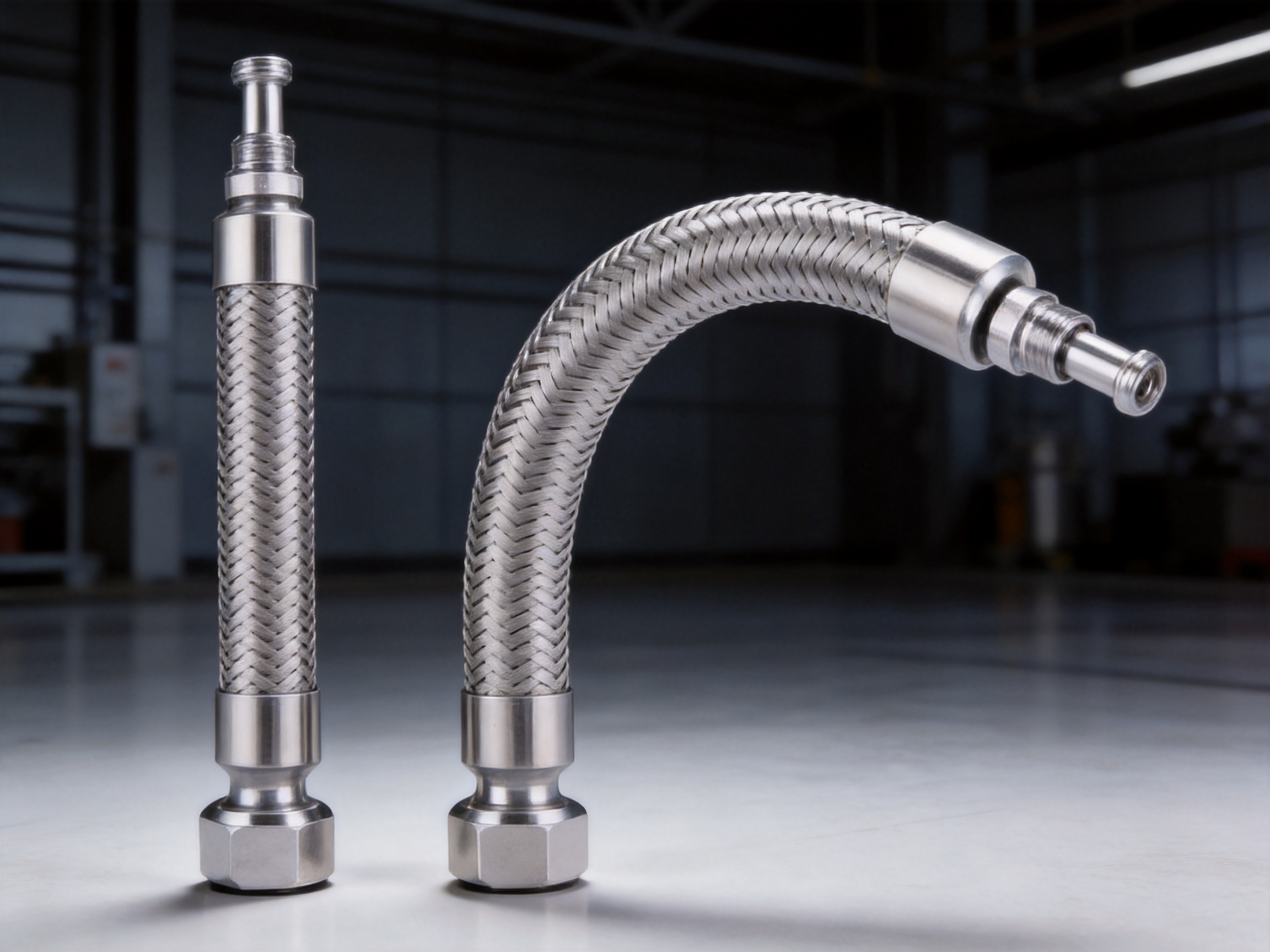
The company operates a factory covering approximately 40 acres with a factory building of about 30,000 square meters. It has 30 welding and forming production lines, providing a substantial manufacturing base for metal hose production and related industrial components.
Multiple welding and forming lines support organized production of hose bodies, end tubes, protective mesh assemblies, and other metal components. A dedicated production structure can improve scheduling flexibility, reduce bottlenecks, and support both standard and customized orders.
For a product such as the VCO/VGR Type, production consistency is important because hose performance depends on the relationship between the corrugated body, mesh sleeve, end tubes, and connector. Stable forming and welding processes help control geometry, dimensional accuracy, and assembly quality.
Hydrogen Furnace Technology
The manufacturing facility includes two uninterrupted solid melting hydrogen furnace production lines. Controlled furnace equipment can support the production and processing of metal components where material condition, cleanliness, and thermal treatment are important.
Hydrogen-atmosphere processing is commonly associated with controlled heating environments designed to limit unwanted oxidation and support clean metal processing. The exact process parameters depend on the material and component design, but the presence of dedicated furnace capability demonstrates investment in advanced metal manufacturing infrastructure.
Material Analysis
The company uses direct-reading spectrometers for metal material analysis. Material verification is an important part of stainless-steel product quality because different grades have different chemical compositions and corrosion-resistance characteristics.
For SUS304 and SUS316L products, material analysis helps confirm that the selected raw material corresponds to the specified grade. This is particularly important when customers require consistent material traceability, corrosion resistance, or compatibility with a demanding process medium.
Leak and Tightness Testing
Flow tightness testers are included among the company’s testing equipment. Leak testing is directly relevant to vacuum hose production because the allowable leak rate is a defining product characteristic.
A controlled testing process helps identify defective welds, incomplete seals, damaged hose sections, or connector problems before shipment. For vacuum and gas applications, this testing capability can reduce the risk of field leakage and provide greater confidence in the finished assembly.
Leak testing should be considered together with visual inspection, dimensional inspection, material verification, connector inspection, and pressure-related checks. A comprehensive quality program is more effective than relying on a single test method.
Quality Management and Certification Background
The company strictly implements the ISO9000:2008 quality management system. A structured quality management approach helps organize documentation, process control, inspection procedures, corrective actions, and customer service activities.
The company also holds the People’s Republic of China Special Equipment Manufacturing License for pressure pipelines and has EU CE certification testing reports. These credentials and testing records provide evidence of experience with regulated pressure-related products and international market requirements. Customers should confirm the specific certification scope and applicability to their intended hose assembly and installation.
Membership in the China Urban Gas Association further reflects involvement in the gas-equipment sector. This industry connection is relevant to the development and supply of metal hoses, gas pipelines, and fittings used in energy and utility applications.
Why Choose a Specialist Metal Hose Manufacturer?
Purchasing a flexible hose from a specialist manufacturer offers advantages beyond the physical product. A specialist can help evaluate material grade, connector selection, hose length, pressure rating, bending radius, and application conditions. These factors are interconnected, and an apparently suitable hose may be unsuitable if one of them is overlooked.
A specialist manufacturer can also coordinate hose production with fittings, valves, gas pipeline components, and other related products. This may simplify procurement and reduce compatibility problems between components from different sources.
Manufacturing experience is especially important for low-leakage hose assemblies. The finished product depends on the quality of forming, welding, cleaning, connector installation, and testing. A supplier with dedicated production lines and specialized testing equipment is better positioned to maintain consistent results across repeated orders.
Research and development capability is another important factor. Industrial equipment designs are not always identical, and customers may need specific lengths, end configurations, materials, or connector interfaces. A strong engineering team can review the installation conditions and help convert system requirements into a practical hose specification.
Maintenance and Service Life
Correct maintenance begins with regular visual inspection. Users should look for abnormal deformation, damaged mesh, corrosion, discoloration, cracked or distorted connector areas, loose supports, and signs of contact with nearby equipment. Any change in hose appearance should be evaluated before the assembly is returned to demanding service.
The hose should be protected from unnecessary impact, sharp edges, excessive heat, and repeated movement outside its intended path. It should not be used to support the weight of connected piping or equipment. Pipe supports should be arranged so that the hose carries only the load for which it was designed.
Connections should be checked for signs of leakage using a method appropriate to the system. Vacuum systems may require specialized leak-testing equipment, while gas systems may require pressure decay testing, tracer gas testing, or another approved procedure. Testing methods should be selected according to the required sensitivity and safety conditions.
Service life depends on many variables, including pressure, temperature, vibration, frequency of movement, bending radius, corrosion exposure, transported medium, installation quality, and maintenance. A hose should not be assigned a universal service life without reviewing the actual operating conditions.
When replacing a hose, the new assembly should be verified against the original specifications. Similar appearance does not guarantee equivalent pressure, vacuum, connector, or material performance. Replacement selection should include confirmation of bore, length, material, connector model, pressure range, and dynamic requirements.
Ordering Information
To request a VCO/VGR Type hose assembly, customers should provide complete technical information. The following data is recommended:
1. Required bore: 6 mm, 8 mm, 10 mm, or another requested size.
2. Nominal connection size: 1/4 inch, 3/8 inch, 1/2 inch, or a specified alternative.
3. Hose length: the required overall length and any dimensional tolerances.
4. Hose material: SUS304 or SUS316L.
5. End-tube material: SUS304 or SUS316L.
6. Mesh sleeve material: SUS304 or SUS316L.
7. Connector model: the exact metal seal connector interface required by the equipment.
8. Working pressure and vacuum level.
9. Transported medium, including gas or liquid composition where relevant.
10. Operating temperature and temperature-cycle conditions.
11. Static or dynamic installation conditions.
12. Required leak-testing method and acceptance level.
13. Applicable standards, documentation, packaging, and inspection requirements.
Providing these details at the quotation stage reduces delays and helps prevent incorrect product selection. If the hose will be used in a regulated pressure system or with hazardous gas, the system designer should also provide applicable safety and compliance requirements.
Technical Comparison with Common Alternatives
Compared with rubber hoses, stainless-steel vacuum hoses generally offer improved resistance to high temperature, aging, permeation, and external mechanical damage. Rubber hoses may remain appropriate for certain flexible fluid applications, but they may not provide the same low-leakage performance or long-term dimensional stability in vacuum and gas systems.
Compared with unprotected metal tubing, the VCO/VGR Type provides flexibility and movement tolerance. Rigid tubing can be efficient in fixed layouts, but it may transfer vibration and require more fittings when equipment alignment changes. A flexible hose can simplify the connection between components that must move or that cannot be aligned perfectly.
Compared with an unmeshed corrugated hose, the protective mesh version offers an additional external layer that supports mechanical protection and controlled bending. This is valuable in industrial environments where the hose may be exposed to vibration, handling, or contact with adjacent components.
Compared with low-cost general-purpose flexible connectors, the product provides a defined material structure, specified pressure range, listed bending radii, metal seal connector configuration, and stated allowable leak rate. These documented characteristics support more disciplined engineering selection.
The most appropriate product depends on the application. No hose should be selected solely on purchase price. The total cost of ownership includes installation time, leakage risk, maintenance frequency, replacement difficulty, process downtime, and the consequences of failure. A precision metal hose can provide value when system reliability and cleanliness are more important than the lowest initial cost.
Application Design Example
Consider a vacuum pump connected to a chamber positioned on a separate frame. The pump generates vibration, while the chamber must remain stable for measurement or processing. A rigid pipe may transmit vibration through the connection and place stress on the chamber nozzle. A VCO/VGR Type hose can be installed between the two components, provided the bore, length, connector models, and pressure conditions are correctly selected.
In this arrangement, the hose should be routed with smooth bends and sufficient dynamic radius if the equipment moves during operation. The connection should not be twisted during tightening. Supports should be used for adjacent rigid piping so that the hose is not required to carry excessive weight.
After installation, the system should be inspected for correct connector engagement and tested for leakage. If the measured leak rate does not meet the system requirement, the installer should inspect the sealing surfaces, connector assembly, hose condition, and surrounding components rather than assuming that the hose body is the only possible source.
This example illustrates the broader role of the product: it is not merely a length of flexible tubing, but a precision connection component that must be integrated correctly into the complete vacuum system.
Frequently Asked Questions
What is the VCO/VGR Type used for?
The VCO/VGR Type is a stainless-steel flexible hose assembly for vacuum, gas, and selected industrial fluid connection applications. It is suitable where the system requires low leakage, flexibility, vibration absorption, and resistance to demanding industrial conditions.
What materials are available?
The hose body, end tube, and mesh sleeve are available in SUS304 or SUS316L stainless steel. The appropriate grade should be selected according to the transported medium, temperature, corrosion environment, cleanliness requirements, and applicable specifications.
What is the allowable leak rate?
The specified allowable leak rate is 1.33 × 10⁻¹⁰ Pa·m3/sec or below. The final system performance also depends on connector installation, surrounding piping, valves, equipment interfaces, and testing conditions.
What standard sizes are available?
The listed standard bores are 6 mm, 8 mm, and 10 mm. Their nominal sizes are 1/4 inch, 3/8 inch, and 1/2 inch respectively. Other configurations may be discussed according to project requirements.
What pressure can the hose withstand?
The listed pressure ranges are -0.1 to 4.0 MPa for the 6 mm bore, -0.1 to 3.0 MPa for the 8 mm bore, and -0.1 to 2.0 MPa for the 10 mm bore. These values must be evaluated together with temperature, medium, pressure pulsation, connector type, and the complete system design.
What is the minimum bending radius?
For static installation, the minimum radii are 50 mm, 65 mm, and 95 mm for the 6 mm, 8 mm, and 10 mm bores. For dynamic installation, the listed minimum radii are 110 mm, 145 mm, and 215 mm respectively.
Can the hose be used in a moving application?
It can be considered for moving applications when the movement is within the product’s design limits. Dynamic bending radius, movement frequency, stroke, speed, torsion, pressure, and temperature must be reviewed before use. The hose should never be twisted around its axis or forced into a sharp bend.
What connector should be specified?
These models are equipped with metal seal connectors, and the connector model must be specified when ordering. The required model depends on the equipment interface, nominal size, sealing method, and system standard.
Why select SUS316L instead of SUS304?
SUS316L may be preferred for environments requiring enhanced corrosion resistance or low-carbon welding performance. SUS304 is often suitable for general industrial conditions. The final selection should be based on the actual medium and environment rather than on material grade alone.
How are the hoses tested?
The manufacturer has flow tightness testing equipment and material-analysis equipment. Testing may include leak or tightness verification, material confirmation, dimensional checks, and inspection of welded and connector areas. Customers should specify any additional inspection or documentation requirements before production.
Can custom lengths be produced?
The listed standard length range is 200 mm to 10,000 mm. Customers should provide the required length, connector configuration, material, pressure, vacuum, and operating conditions. Custom production can then be evaluated according to the project requirements.
Is the product suitable for all gases?
No hose should be assumed to be compatible with every gas. The gas composition, pressure, temperature, cleanliness, permeation requirements, and connector materials must be reviewed before use. Hazardous or reactive gases require additional engineering and safety evaluation.
How should the hose be stored?
The hose should be stored in a clean, dry location away from corrosive chemicals, sharp objects, excessive heat, and mechanical loading. It should not be stacked in a way that produces permanent deformation or stored under torsional stress.
Conclusion
The VCO/VGR Type vacuum hose provides a practical combination of stainless-steel durability, flexible installation, protective mesh construction, metal seal connection, and low allowable leakage. Its SUS304 and SUS316L material options allow the assembly to be adapted to different industrial environments, while the available bore sizes and lengths support a wide range of equipment layouts.
The product offers meaningful advantages over conventional rubber hoses, unprotected flexible tubes, and rigid piping when the application requires vacuum integrity, vibration tolerance, temperature resistance, corrosion resistance, and controlled flexibility. Correct selection remains essential: users must confirm bore, pressure, vacuum level, connector model, material, length, bending radius, and operating conditions before installation.
Its manufacturing foundation further strengthens its value. Dedicated welding and forming lines, hydrogen furnace production capability, direct-reading material analysis, flow tightness testing, quality management procedures, pressure-pipeline manufacturing experience, and a strong research and development team support consistent production of precision industrial hose assemblies.
For vacuum equipment, gas pipelines, energy systems, industrial machinery, and instrumentation, the VCO/VGR Type can serve as a dependable connection solution when designed and installed according to its specifications. By combining robust materials with controlled manufacturing and application-focused engineering, it supports safer, cleaner, and more reliable industrial piping systems.
References
1. Stainless-Steel Material Selection Principles for Industrial Piping and Flexible Hose Assemblies.
2. General Engineering Practices for Vacuum System Design, Leak Testing, and Component Installation.
3. Industrial Metal Hose Design Considerations: Pressure, Movement, Fatigue, and Bending Radius.
4. Quality Management Principles for Welding, Forming, Material Verification, and Final Product Inspection.
5. Pressure Pipeline Equipment Safety and Manufacturing Control Practices.
6. Technical Product Specification: VCO/VGR Type Vacuum Hose with Mesh, SUS304 and SUS316L Construction.