 English
 中文简体
中文简体 Español
 عربى
عربى
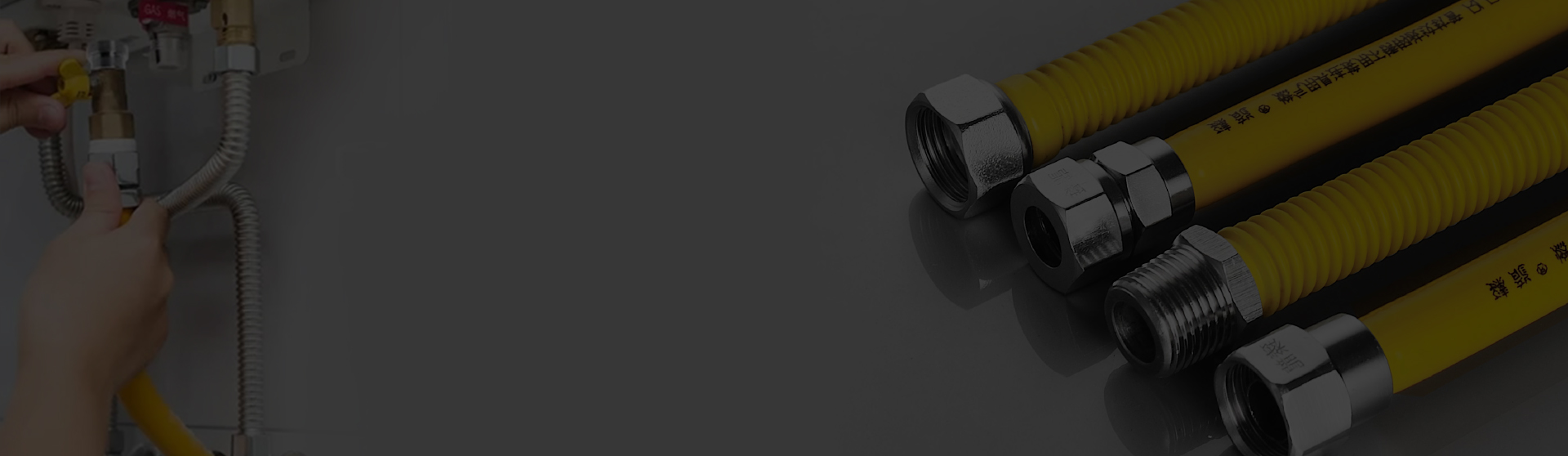

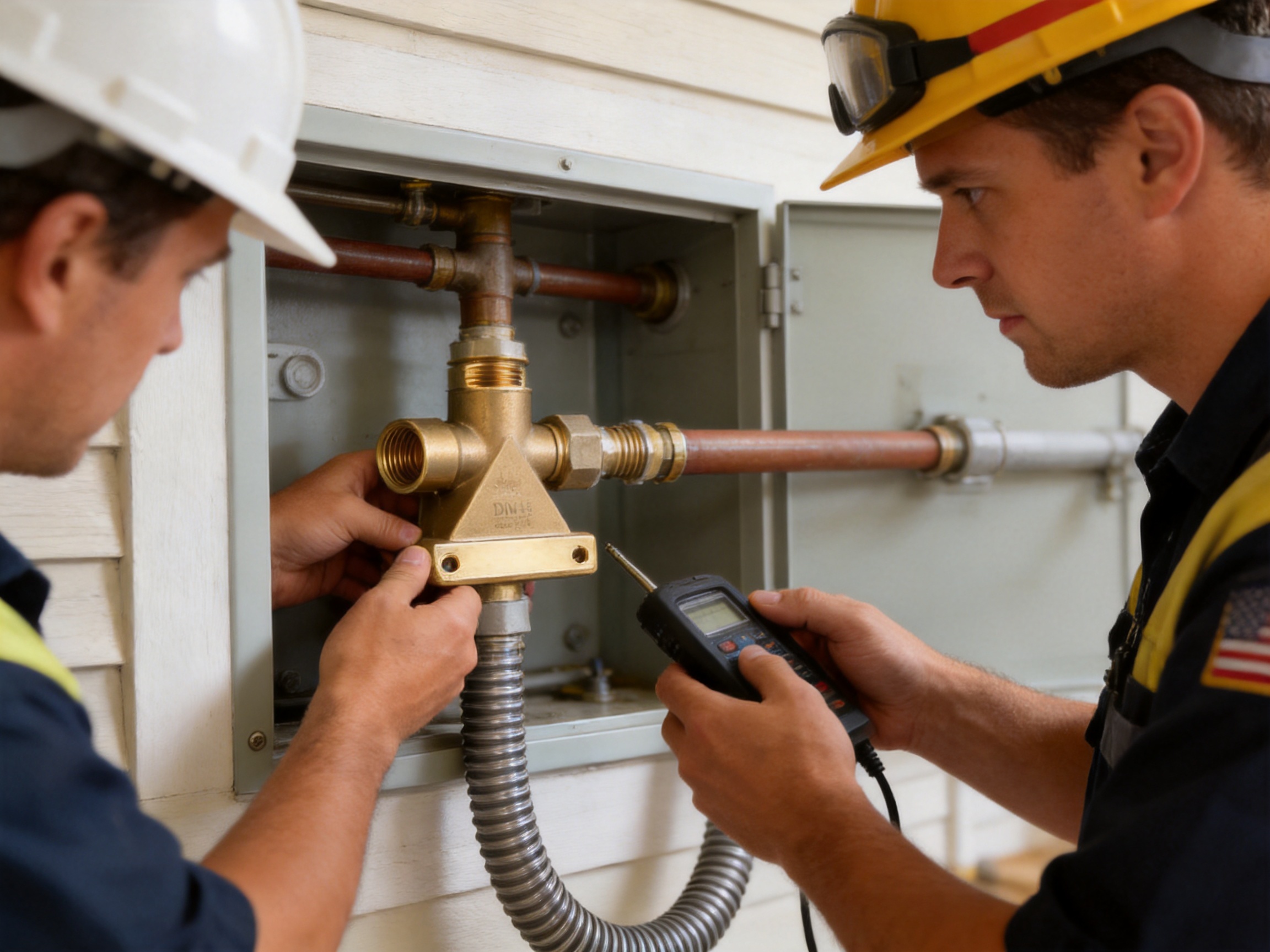
In a household gas pipeline system, every component contributes to safety, reliability, and ease of maintenance. While valves, hoses, and connectors often receive the most attention, the support component beneath or behind a valve is equally important. A properly designed valve base provides mechanical stability, helps maintain connection alignment, supports sealing performance, and contributes to the long-term service life of the installation. The triangle valve base for wall box is designed specifically for this purpose.
The DN15 triangle valve base is a compact support fitting intended for wall-mounted gas valve installations. It creates a firm mounting foundation for a triangle valve, helping the valve remain securely positioned within a wall box or similar household gas pipeline enclosure. Its structure is designed to support reliable connections while simplifying installation, inspection, replacement, and routine maintenance.
For gas distribution systems, the value of a valve base extends beyond physical support. A stable base can reduce movement caused by operation, vibration, or accidental contact. It can also help prevent unnecessary stress on connected corrugated hoses, threaded joints, and pipeline fittings. By maintaining the valve in a consistent position, the base contributes to a more orderly and dependable gas flow control assembly.
This product is manufactured for applications in household gas pipeline systems and is especially suitable for new construction, renovation projects, replacement work, and standardized wall-mounted gas valve installations. Its DN15 specification corresponds to a widely used nominal size for domestic gas connections, making it a practical choice for many residential applications when matched with the appropriate valve, pipe, and installation standard.
Content
- 1 Product Overview
- 2 Why Valve Support Matters in Gas Pipeline Systems
- 3 Key Advantages of the DN15 Triangle Valve Base
- 4 Advantages Compared with Less Specialized Support Solutions
- 5 Material and Durability Considerations
- 6 Manufacturing Strengths and Production Capabilities
- 7 Research, Development, and Technical Support
- 8 Application in Household Gas Pipeline Systems
- 9 Installation Principles
- 10 Quality and Certification Considerations
- 11 Product Comparison for Professional Buyers
- 12 Benefits for Distributors, Contractors, and OEM Customers
- 13 Maintenance and Service Life
- 14 Safety Responsibilities
- 15 How the Product Supports a Complete Pipeline Solution
- 16 Purchasing Checklist
- 17 Frequently Asked Questions
- 17.1 What is a triangle valve base?
- 17.2 What is the specification of this product?
- 17.3 Does the base control gas flow?
- 17.4 Why is a dedicated base better than supporting the valve with the pipe?
- 17.5 Can the product be used with a corrugated metal hose?
- 17.6 Is the triangle valve base corrosion-resistant?
- 17.7 Is the base suitable for replacement projects?
- 17.8 Can homeowners install the base themselves?
- 17.9 What manufacturing capabilities support this product?
- 17.10 Can customized versions be discussed?
- 17.11 What should be checked after installation?
- 18 Conclusion
- 19 References
- 20 Product: Triangle valve base (for wall box)
Product Overview
The triangle valve base is a support fitting designed for installation with a wall box. Its main function is to hold and stabilize a triangle valve at the designated mounting location. Unlike a simple decorative cover or loose mounting plate, the base is an engineered component that forms part of the mechanical structure of the gas valve assembly.
The product is identified as model ZLP-005 and is supplied in DN15 specification. The design is intended to work with a wall-mounted arrangement in which the valve must remain accessible while being securely fixed to the installation surface. This approach is particularly useful in household gas systems where the valve is positioned inside or adjacent to a wall box, cabinet, service panel, or other compact enclosure.
A well-designed base supports several installation requirements at the same time. It helps position the valve correctly, reduces unwanted movement during operation, provides a stable interface with the wall box, and supports a neat final appearance. The component also helps installers avoid relying on the connected pipeline or hose to carry the mechanical load of the valve.
Because the base is intended for use with gas pipeline components, material selection and manufacturing accuracy are essential. The supplied product information identifies the component as being made from high-quality, corrosion-resistant materials. This is important because household gas installations may be exposed to humidity, cleaning chemicals, temperature changes, and other environmental factors over many years.
The triangle valve base is not a substitute for a valve, hose, pipe, or sealing element. Instead, it is a supporting component that works together with these parts. For a complete installation, the valve, base, wall box, pipeline, flexible hose, sealing method, and fasteners must all be selected and installed according to applicable technical requirements.
Why Valve Support Matters in Gas Pipeline Systems
Gas pipeline connections must remain stable throughout their service life. A valve that is allowed to move excessively can transfer stress to threaded connections, compression joints, corrugated hoses, or rigid pipe sections. Even small repeated movements may gradually affect sealing surfaces or loosen components if the installation is not properly supported.
The triangle valve base addresses this mechanical issue by providing a dedicated foundation for the valve. Instead of leaving the valve suspended from the connected pipework, the installer can fix it to a defined support point. This helps distribute mechanical loads more effectively and reduces the likelihood that the pipeline itself will be used as the primary support structure.
Valve operation also creates mechanical forces. Users may apply torque when opening or closing a valve, and service technicians may apply additional force during inspection or replacement. A stable base helps absorb these forces and keeps the valve in its intended position. This is especially valuable in compact household installations, where access can be limited and connected parts may be close together.
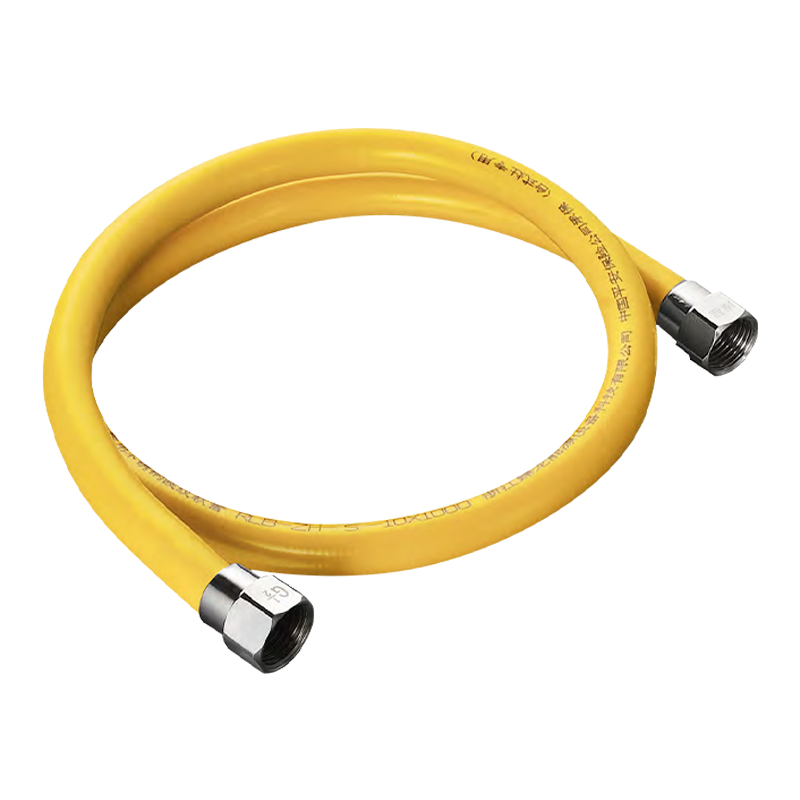
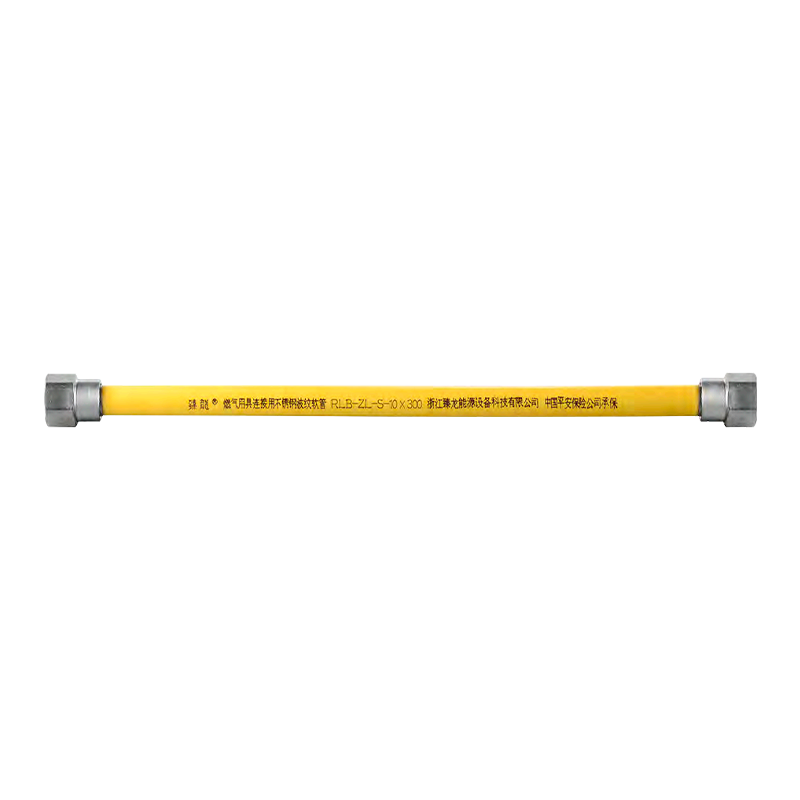
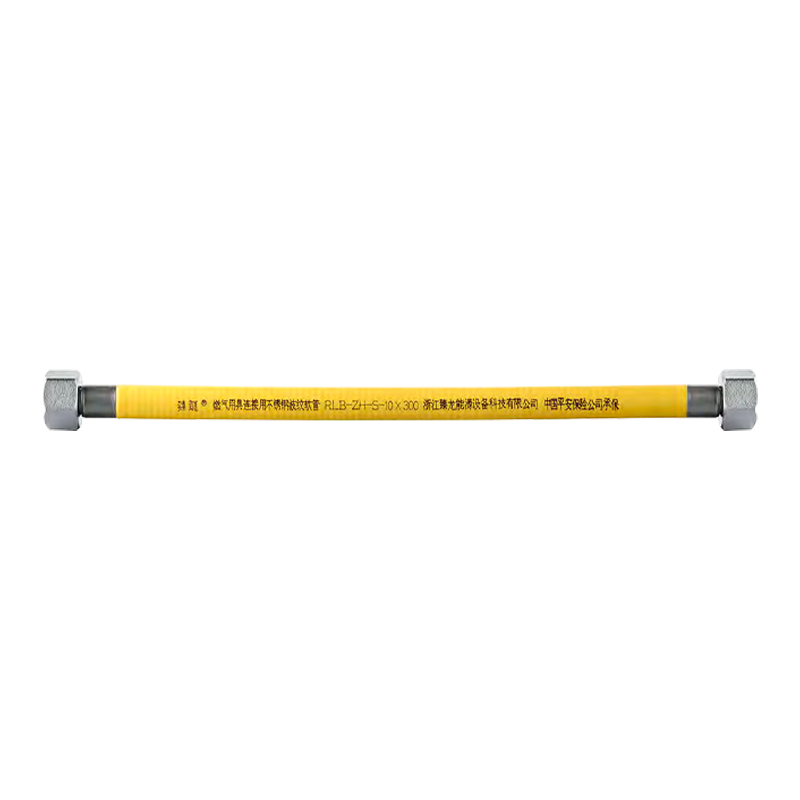
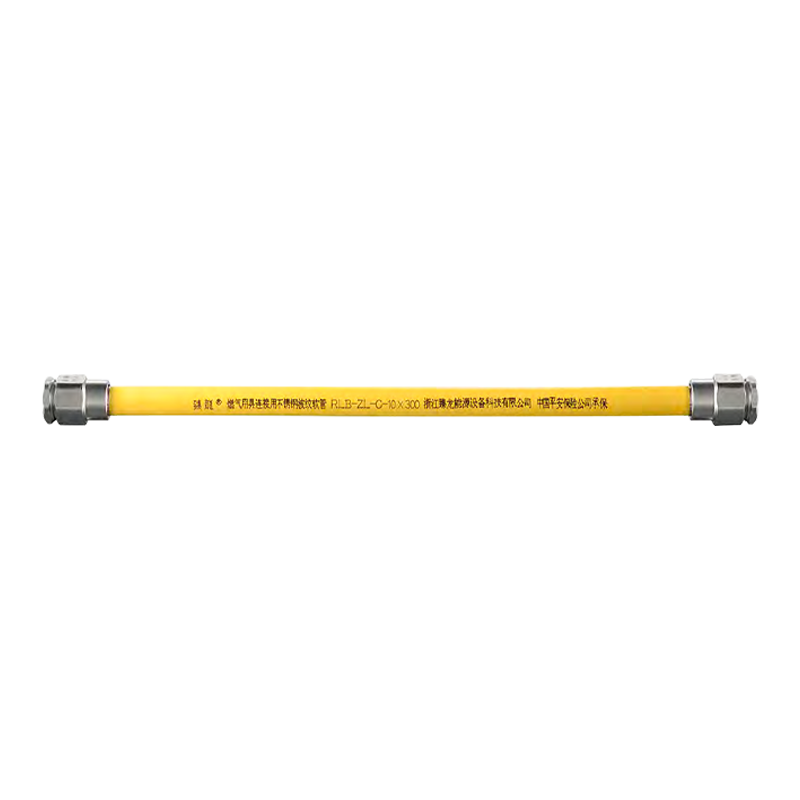
Support is also important when a flexible metal hose is connected to a wall-mounted valve. Corrugated hoses are designed to provide flexibility and compensate for installation movement, but they should not be used to support the weight or operating force of the valve. A dedicated base helps preserve the hose’s intended function and reduces unnecessary bending or torsion at the connection.
In addition, a fixed valve position makes it easier to inspect the complete assembly. Installers and maintenance personnel can identify the valve, check the connection points, observe the condition of the hose, and operate the shut-off mechanism without needing to stabilize the valve manually. This improves the practicality of routine service work.
The base also contributes to installation consistency. When valves are mounted at a predictable location and orientation, gas systems are easier to install in series, inspect during construction, and maintain after completion. Standardized support can be particularly valuable for residential developments, apartment buildings, kitchen renovation programs, and other projects involving multiple similar installations.
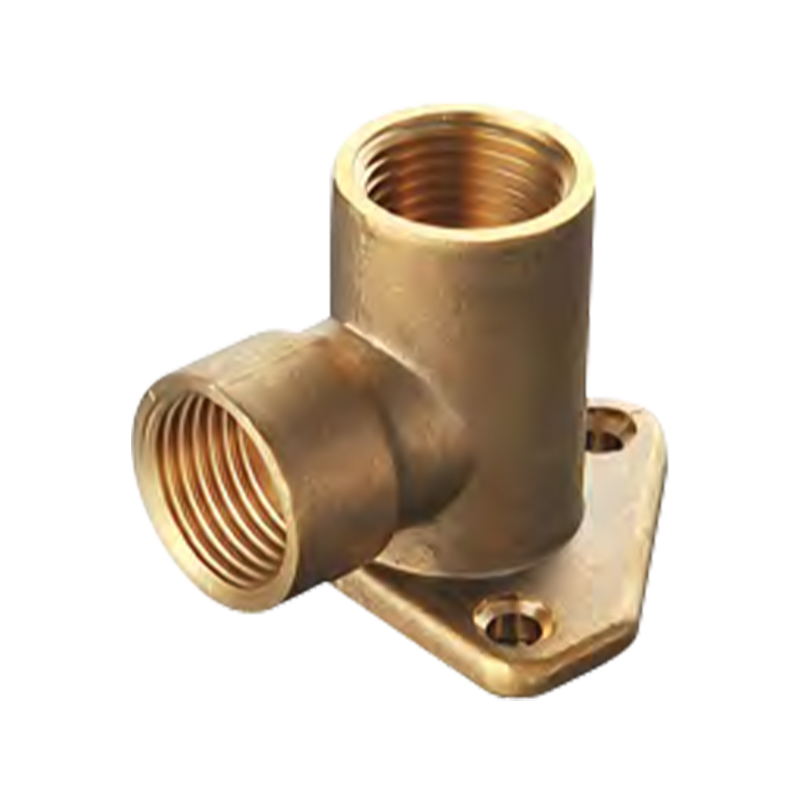
Triangle valve base (for wall box)
Key Advantages of the DN15 Triangle Valve Base
Stable Wall-Mounted Support
The most direct advantage of the product is its ability to provide stable support for a triangle valve installed in a wall box. The valve can be positioned and secured at the required location instead of relying only on connected pipes or hoses. This creates a stronger and more orderly installation structure.
Stable support helps protect the connection assembly during normal use. When a user operates the valve, the base helps keep the valve body from rotating or shifting. When a technician performs maintenance, the base provides a controlled mounting point that makes the work more convenient and predictable.
Support for Sealing Reliability
A gas connection depends on the correct interaction of threads, sealing surfaces, gaskets, ferrules, or other approved sealing elements. If a valve is repeatedly moved or placed under unintended mechanical stress, the sealing system may be affected over time. By limiting unnecessary movement, the triangle valve base supports the conditions required for a durable seal.
The base itself does not create the gas seal, and it cannot compensate for incorrect assembly. However, it helps maintain the alignment and stability of the valve so that the actual sealing components can perform as intended. This makes it a valuable part of a complete leak-prevention approach.
Corrosion-Resistant Construction
Corrosion resistance is an important consideration for gas pipeline fittings used in kitchens, utility areas, residential service spaces, and other environments where moisture may be present. The product is described as being manufactured from high-quality, corrosion-resistant materials. This helps the base maintain its structural and visual condition during long-term use.
A corrosion-resistant support component is less likely to weaken, deform, or become difficult to remove because of surface deterioration. It can also contribute to a cleaner and more professional appearance inside the wall box. Material performance should always be considered together with the installation environment, cleaning practices, and applicable gas-system requirements.
Compact Design for Wall Boxes
Wall-mounted gas systems often require components that fit within a limited space. The triangle valve base is designed specifically for a wall box arrangement, allowing the valve and its support structure to be integrated into a compact installation. This helps keep the finished system organized without requiring an oversized bracket or exposed support frame.
A compact support can also simplify coordination with wall finishes, cabinets, protective covers, and access panels. When the support is designed for the intended valve arrangement, the installer has a clearer reference point for setting the valve at the correct depth and position.
Improved Maintenance Accessibility
Maintenance is easier when the valve remains fixed and accessible. A stable base allows personnel to inspect joints, check the condition of the connected hose, operate the valve, and replace components with less disruption to adjacent pipework. This is beneficial for both professional service teams and property owners who need a clear and dependable shut-off arrangement.
For replacement projects, the base can help maintain the original installation position while an old valve is removed and a new valve is fitted. This can reduce the need for extensive wall modification, provided that the replacement components are compatible with the existing wall box and pipeline arrangement.
Suitable for New Installations and Replacements
The DN15 triangle valve base can be used in new household gas pipeline installations as well as in suitable replacement or renovation work. In a new installation, it can be incorporated into the design from the beginning. In a replacement project, it may provide an efficient way to restore or improve the support of an existing valve.
Before replacement, installers should verify the nominal size, valve design, wall box dimensions, fixing arrangement, pipe connection type, and local requirements. A component should never be selected only because it appears similar to an existing part. Proper compatibility is necessary for a safe and successful result.
Advantages Compared with Less Specialized Support Solutions
Some installations use improvised brackets, loose mounting plates, or general-purpose supports to hold a gas valve. Although these solutions may appear economical, they may not provide the correct geometry, strength, access, or long-term resistance required by a gas pipeline assembly. A purpose-designed triangle valve base offers several advantages over such alternatives.
Purpose-Built Geometry
A specialized base is designed around the shape and mounting requirements of the intended valve. This helps reduce gaps, unwanted movement, and installation uncertainty. General-purpose supports may require modification at the worksite, creating variation between installations and increasing the risk of incorrect positioning.
Purpose-built geometry also assists with repeatable production and installation. When the same base is used across multiple projects, technicians can follow a consistent procedure rather than creating a different support arrangement for every valve.
Better Load Distribution
A correctly designed base distributes the forces associated with valve operation and connected components across the support area. Improvised supports may concentrate loads at one small point or depend on fasteners that are not suited to the application. A dedicated base is more likely to provide a stable interface between the valve assembly and the wall box.
Reduced Dependence on Pipework
One of the key differences between a dedicated valve base and an unsupported installation is the way mechanical loads are handled. Without a proper base, the connected pipe or flexible hose may carry forces that it was not intended to withstand. The triangle valve base helps separate mechanical support from gas conveyance, allowing each component to perform its intended function.
More Consistent Appearance
Residential gas installations are increasingly expected to be both safe and visually orderly. A wall box with a properly positioned valve presents a cleaner appearance than a valve held by exposed, irregular, or improvised supports. This can be important in kitchens, utility rooms, rental properties, and new housing developments where installation quality is visible to occupants and inspectors.
Simpler Inspection and Servicing
A standardized support component gives technicians a clear understanding of how the valve is mounted. This can shorten inspection time and reduce the need to dismantle unrelated sections of pipework. It also makes it easier to identify whether the valve is correctly installed, accessible, and free from abnormal movement.
Material and Durability Considerations
Gas pipeline support components must retain their mechanical properties over an extended service period. The triangle valve base is described as corrosion-resistant and suitable for household gas pipeline applications. This material approach is intended to help the fitting withstand normal environmental exposure while maintaining its support function.
Corrosion resistance is influenced by more than the base material alone. Surface condition, manufacturing quality, contact with dissimilar metals, installation humidity, cleaning agents, and exposure to salts or chemicals can all affect long-term performance. For this reason, the product should be installed in an environment appropriate for the selected material and maintained according to professional practice.
A durable support component should remain dimensionally stable and mechanically sound. Deformation could affect valve alignment, while excessive surface deterioration could make inspection or replacement more difficult. High-quality manufacturing helps reduce these risks by controlling the material, forming process, surface quality, and final inspection.
The base should also be protected from unnecessary impact during construction. Other trades may work around wall boxes and pipeline components, and accidental force can damage or shift a support before the system is commissioned. A careful installation sequence helps preserve the intended condition of the product.
Manufacturing Strengths and Production Capabilities
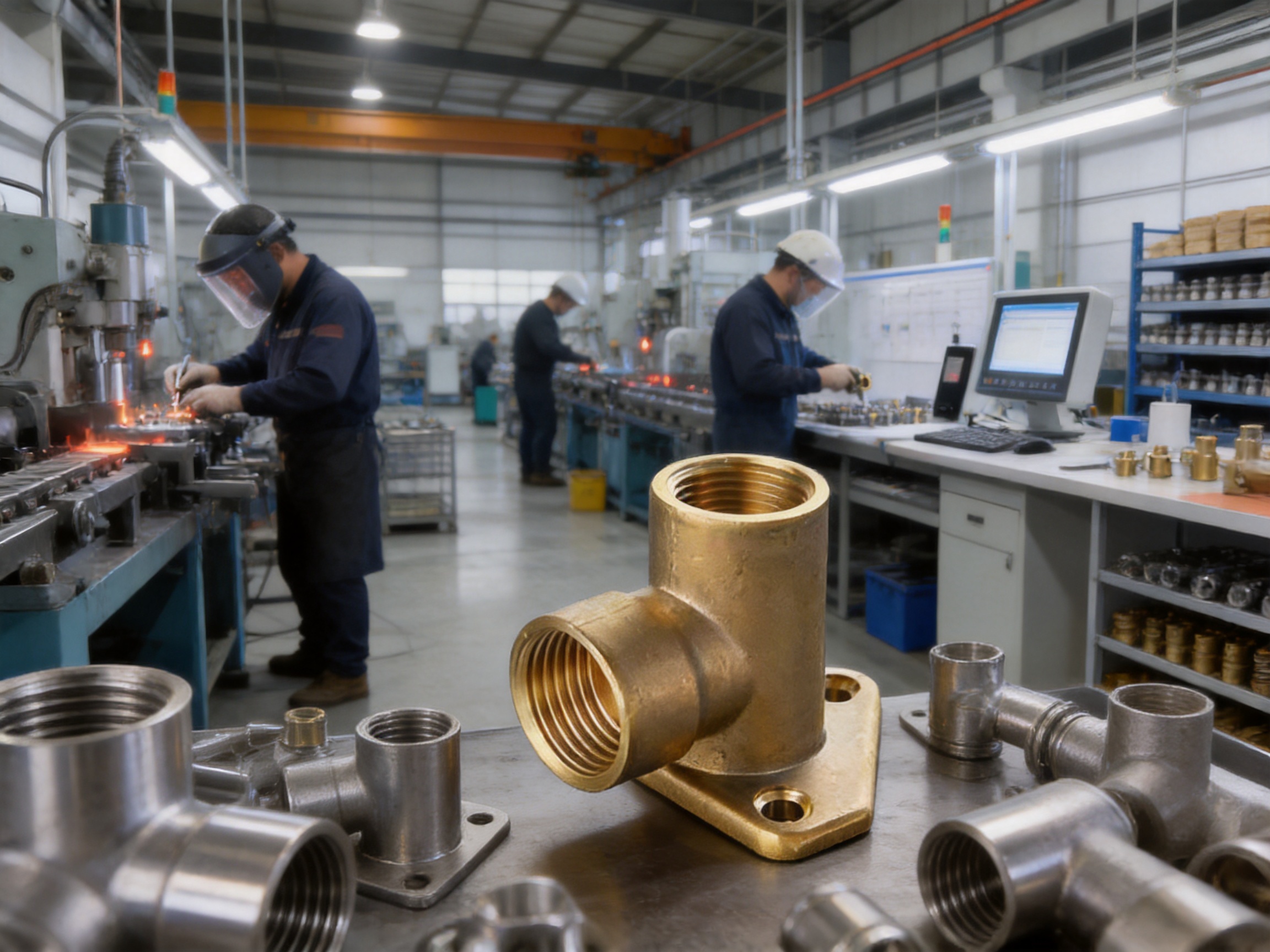
The manufacturer of this product operates as an energy equipment research, development, manufacturing, and processing enterprise. Its product range includes metal hoses, natural gas pipelines, plumbing fittings, sanitary ware, valves, plastic products, and hardware. This broad product scope is relevant to the production of a triangle valve base because the company works across several connected areas of fluid equipment and pipeline component manufacturing.
The company integrates industrial production and trade, allowing product development, manufacturing, quality management, and customer service to operate within a connected business structure. For buyers, this can simplify communication when a project requires multiple related products, such as metal hoses, natural gas pipeline components, valves, and fittings.
The manufacturing site is located in Yuyao, Ningbo, Zhejiang, and covers approximately 40 acres with a factory building of about 30,000 square meters. This scale provides space for production lines, material handling, assembly, testing, warehousing, research, and quality-control activities.
The factory has 30 welding and forming production lines. Welding and forming are important capabilities for manufacturers of metal pipeline products and related fittings. Production-line capacity can support repeatable processing, product standardization, and the ability to manage different models or customer orders while maintaining organized workflows.
The company also operates two uninterrupted solid melting hydrogen furnace production lines. Such furnace capabilities support control of material processing for relevant metal products. Consistent melting and heat-treatment conditions can contribute to more stable material properties, surface quality, and production repeatability when properly managed.
For a support fitting such as the triangle valve base, manufacturing accuracy is important even when the component is relatively small. The base must have the correct dimensions, mounting relationship, and connection compatibility. The company’s experience with forming, welding, metal processing, and pipeline-related products provides a technical foundation for producing components with consistent geometry.
The factory uses testing equipment including metal material analysis direct-reading spectrometers and flow tightness testers. Material analysis equipment can help verify the composition of incoming or processed metals. Confirming material composition supports better control of corrosion resistance, strength, and suitability for the intended application.
Flow tightness testing is especially relevant to the company’s wider product portfolio, which includes gas pipelines, metal hoses, and fittings. Although the triangle valve base is primarily a support component rather than a standalone flow path, a manufacturer with established tightness-testing experience is better positioned to understand the requirements of complete gas pipeline assemblies.
Quality control should be applied throughout the production process rather than only at the final packaging stage. Effective control may include raw-material verification, forming inspection, dimensional checks, weld evaluation where applicable, surface inspection, assembly verification, and final product review. These stages help identify problems before products reach the customer.
The company states that it strictly implements the ISO9000:2008 quality management system. A quality management system provides a framework for documented procedures, process control, responsibilities, records, corrective actions, and continual improvement. For industrial customers, this structure can improve confidence that products are manufactured through controlled and repeatable processes.
Research, Development, and Technical Support
Research and development are important when producing components for gas and energy equipment. Product requirements may vary according to pipeline standards, valve designs, wall box configurations, installation methods, and customer project specifications. A manufacturer with an established R&D and design team can respond more effectively to these technical differences.
The company reports that it has a strong research, development, design, and production team. This combination allows product concepts to be evaluated from multiple perspectives. Designers can consider installation geometry, production feasibility, material selection, and user requirements at the same time.
For the triangle valve base, technical development may focus on maintaining a secure mounting relationship, achieving consistent dimensions, reducing installation complexity, and ensuring compatibility with the intended DN15 valve arrangement. These objectives are closely connected: a dimensionally consistent product is easier to install, inspect, and replace.
Technical support is also valuable after delivery. Customers may need assistance with model selection, specification confirmation, installation coordination, packaging, replacement orders, or project documentation. The company provides comprehensive pre-sales and after-sales services, supporting customers throughout the purchasing and application process.
For distributors and engineering contractors, responsive support can reduce project delays. For original equipment manufacturers and private-label buyers, technical communication can help coordinate product details, packaging requirements, inspection documents, and production schedules. These services are particularly important when a small component must fit into a larger system with strict dimensional or procedural requirements.
Application in Household Gas Pipeline Systems
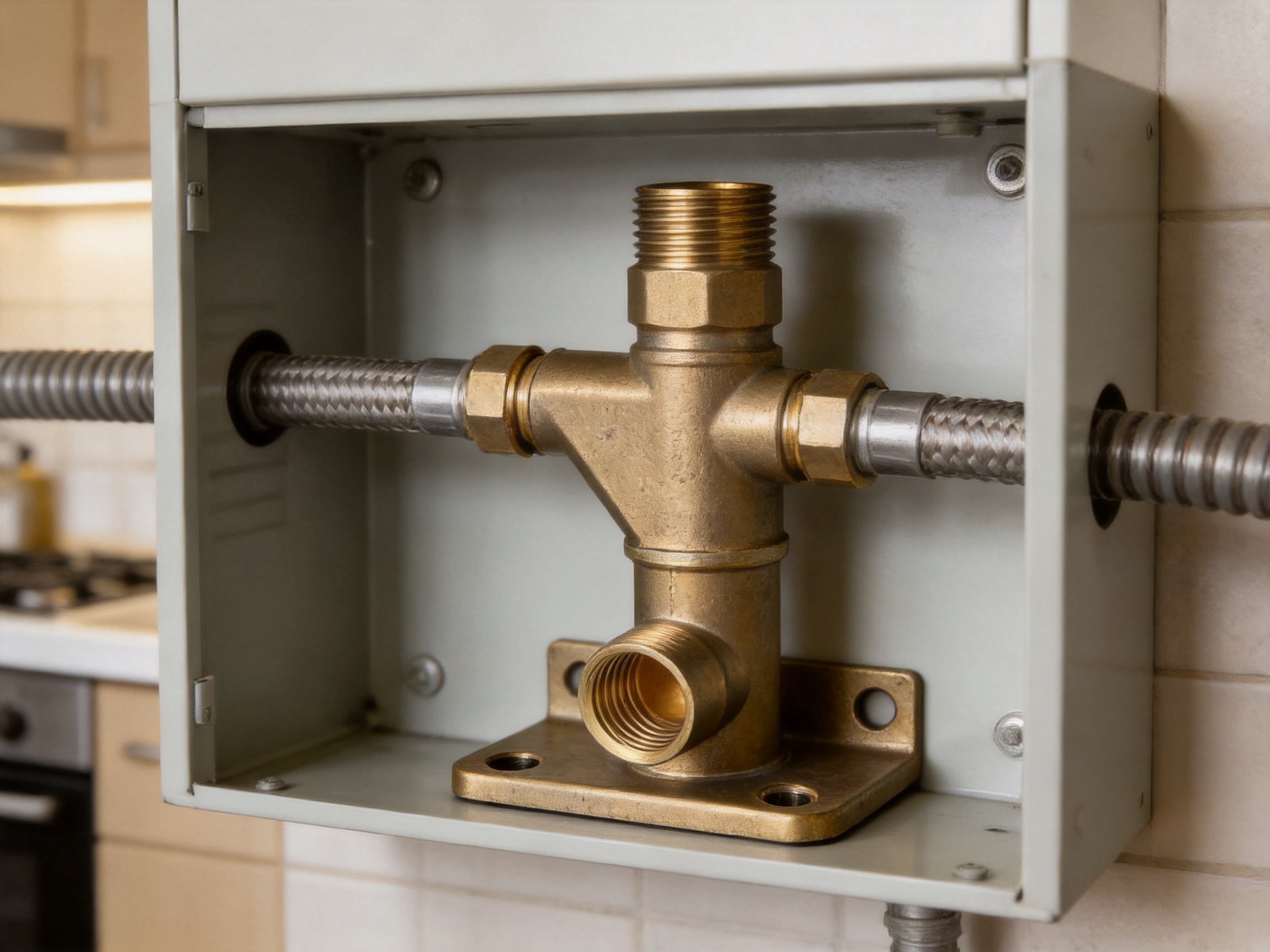
The primary application of the triangle valve base is the wall-mounted installation of a household gas valve. A typical arrangement may include a gas supply pipe, a valve, a wall box, a corrugated metal hose or other approved connecting hose, sealing elements, and supporting hardware. The base is positioned as part of the wall box structure so that the valve can be mounted securely and remain accessible.
In a kitchen installation, the wall box may be located near a gas appliance or at a designated service point. The valve base helps keep the shut-off valve in a fixed and recognizable location. This supports everyday operation and makes it easier for a qualified person to isolate the gas supply when maintenance or appliance replacement is required.
In residential construction, standardized wall-mounted valve supports can help contractors maintain consistent installation quality across multiple units. The same product specification can be included in project bills of materials, installation drawings, and inspection procedures when the product is compatible with the relevant system.
In renovation projects, the base may be used when an existing valve has become unstable, corroded, difficult to access, or incorrectly supported. A replacement should be planned carefully because older wall boxes and pipeline layouts may differ from current designs. The DN15 specification must be checked against the valve and pipe connections before work begins.
The product may also be useful in service areas where a compact and orderly valve support is required. However, the installation environment must be assessed by a qualified professional. Gas equipment should not be modified or installed by untrained personnel, and all work should follow applicable national, regional, and local regulations.
Installation Principles
Confirm the Specification
Before installation, verify that the valve base is the correct DN15 model for the intended triangle valve and wall box. Check the valve’s dimensions, mounting structure, connection type, and required orientation. The base should not be forced to fit a valve or wall box with different dimensions.
Inspect the Product
Inspect the base after unpacking. Confirm that the component is free from visible cracks, severe deformation, contamination, or damage caused during transport. Check the mounting surfaces and fixing points. If the product does not match the order or appears damaged, it should be set aside for review before installation.
Prepare the Wall Box
The wall box or mounting surface should be clean, stable, and capable of supporting the valve assembly. The fixing position must be accurately established so that the valve will remain accessible and aligned with the connected pipeline. Uneven or weak support may affect the final installation even when the base itself is manufactured correctly.
Install Without Excessive Force
The base should be fixed using suitable fasteners and methods for the wall box and surrounding construction material. Excessive tightening can deform components or damage mounting points, while insufficient tightening can permit movement. The installer should follow the relevant installation instructions and use appropriate tools.
Connect the Valve and Pipeline
After the base is secured, the triangle valve can be installed in the intended position. Pipe, hose, and sealing connections must be assembled according to their specific requirements. Threaded connections should not be cross-threaded, and flexible hoses should not be twisted, sharply bent, stretched, or used as structural supports.
Conduct Inspection and Tightness Testing
After installation, the complete gas assembly must be inspected and tested by qualified personnel. The inspection should confirm that the valve is secure, the wall box is stable, the connections are correctly assembled, and the system meets applicable tightness and safety requirements. Gas should not be introduced into an untested or incomplete installation.
Quality and Certification Considerations
Gas pipeline products should be selected from suppliers that can provide appropriate quality documentation and technical information. The manufacturer reports compliance with an ISO9000:2008 quality management system and holds the People’s Republic of China Special Equipment Manufacturing License for pressure pipelines. It also reports EU CE certification testing reports.
These credentials indicate that the company has established experience with regulated equipment and quality systems. However, buyers should confirm the exact scope of each certificate, the applicable product category, the validity of the documentation, and whether the documents meet the requirements of the destination market and specific project.
Certification and quality management are important, but they do not eliminate the need for correct product selection and installation. A properly manufactured valve base must still be matched with compatible components and installed in accordance with local rules. The responsibility for final system compliance belongs to the project designer, installer, inspector, and other responsible parties as defined by applicable regulations.
For commercial buyers, a useful purchasing review may include the product model, nominal size, material information, dimensional drawings, inspection records, packaging details, batch identification, and available certification documents. This information can support traceability and simplify future replacement or maintenance.
Product Comparison for Professional Buyers
| Evaluation Factor | Purpose-Designed Triangle Valve Base | General-Purpose Support | Installation Benefit |
|---|---|---|---|
| Application | Designed for a triangle valve and wall box arrangement | May require adaptation or modification | Improves installation consistency |
| Valve stability | Provides a dedicated mounting foundation | Depends on the improvised support method | Reduces unwanted movement |
| Space utilization | Compact design for wall-mounted use | May occupy unnecessary space | Supports neat cabinet or wall-box layouts |
| Maintenance | Helps keep the valve accessible and fixed | May obstruct access or require extra stabilization | Facilitates inspection and replacement |
| Material performance | Manufactured from corrosion-resistant materials | Material suitability may be uncertain | Supports long-term durability |
| Production control | Produced through organized forming and quality processes | Quality may vary between fabricated supports | Improves repeatability in projects |
| System integration | Developed within a broader pipeline component portfolio | May not be designed for gas equipment | Promotes better component coordination |
The comparison shows why a specialized base can provide value beyond its purchase price. General-purpose supports may appear less expensive at the beginning, but they can require additional fabrication, adjustment, inspection, or maintenance. A purpose-designed component helps reduce uncertainty and supports a more repeatable installation method.
Benefits for Distributors, Contractors, and OEM Customers
Distributors can add the triangle valve base to a broader portfolio of gas pipeline fittings, metal hoses, valves, and plumbing components. Its compact size and defined DN15 specification make it suitable for organized inventory management. Clear product identification also helps reduce confusion when customers require a specific wall-mounted support component.
Contractors can benefit from a product that supports consistent installation procedures. When the same base is used across multiple projects, training, inspection, and material planning become easier. The component can be included in project procurement schedules and matched with compatible valve and wall box models.
OEM and private-label customers may be interested in the manufacturer’s ability to produce energy equipment components and related pipeline products. The company’s experience in research, forming, welding, material processing, and quality management provides a foundation for customized production discussions. Any customization should be evaluated through technical drawings, samples, dimensional approval, and formal quality requirements.
Project purchasers should also consider supply continuity. A manufacturer with multiple production lines and an integrated factory structure may be better equipped to coordinate repeated orders than a small workshop that produces only occasional batches. Buyers should nevertheless confirm lead times, minimum order quantities, packaging, inspection arrangements, and export documentation before placing an order.
Maintenance and Service Life
The triangle valve base is intended to provide long-term support, but regular inspection remains important. During routine maintenance, qualified personnel should check whether the base is firmly attached, whether the valve has developed abnormal movement, and whether the wall box shows signs of damage or moisture intrusion.
The surrounding pipeline and hose should also be inspected. A support base cannot correct problems such as damaged threads, deteriorated seals, excessive hose bending, corrosion at another component, or an incorrectly installed valve. The complete assembly should be evaluated as a system.
Cleaning should be performed using methods compatible with the material and the surrounding gas equipment. Harsh chemicals, abrasive tools, or excessive force may damage surfaces or remove protective finishes. If corrosion, deformation, cracking, or loosening is found, the installation should be assessed by a qualified professional before continued use.
During appliance replacement or kitchen renovation, the valve should not be pulled, twisted, or used as a handle. The base provides support, but it should not be subjected to loads beyond its intended function. Any modification to the wall box, pipeline, or valve support should be completed by a competent installer.
Safety Responsibilities
Gas is a combustible energy source, and all gas pipeline work must be treated as safety-critical. The triangle valve base contributes to mechanical stability, but safe operation depends on the complete design, approved materials, correct installation, leak testing, ventilation, and proper user practices.
Only qualified personnel should install, alter, repair, or test gas pipeline systems. Users should never attempt to loosen gas connections, reposition a valve, or replace a hose without professional assistance. If a gas odor is detected, the supply should be shut off only if it is safe to do so, ignition sources should be avoided, the area should be ventilated, and the relevant emergency or gas service provider should be contacted.
The product should be used only for its intended purpose. It should not be treated as a pressure-bearing valve, a substitute for a pipe clamp, or a universal bracket for unrelated components. Correct application is essential to achieving the intended benefits of the product.
How the Product Supports a Complete Pipeline Solution
A household gas installation is made up of interconnected components. The supply pipeline transports gas, the valve controls or isolates the flow, the hose provides an approved flexible connection where required, sealing elements prevent leakage, and support components hold the system in the correct position. The triangle valve base fulfills the support role within this larger arrangement.
The company’s broader product portfolio includes metal hoses, natural gas pipelines, plumbing fittings, valves, sanitary ware, plastic products, and hardware. This range allows customers to discuss related system requirements with a supplier familiar with multiple component categories. It may also support better coordination between fittings that must operate together in a compact installation.
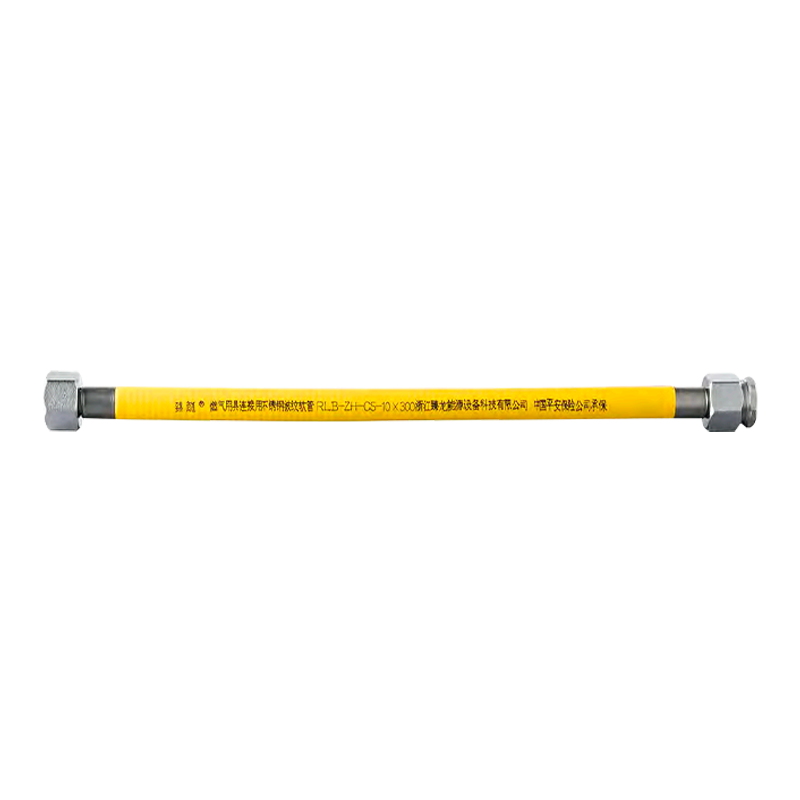
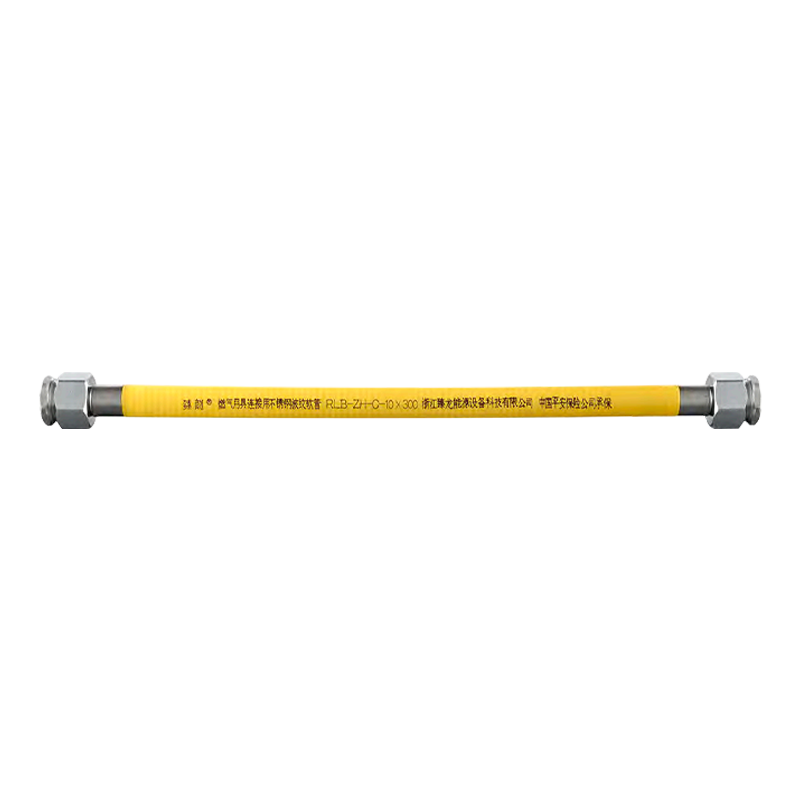
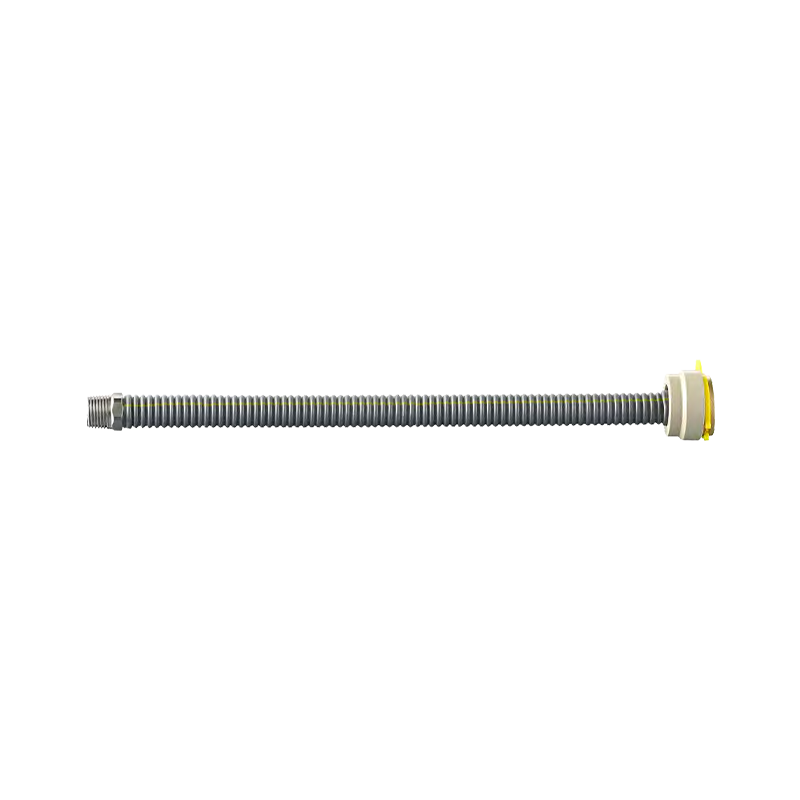
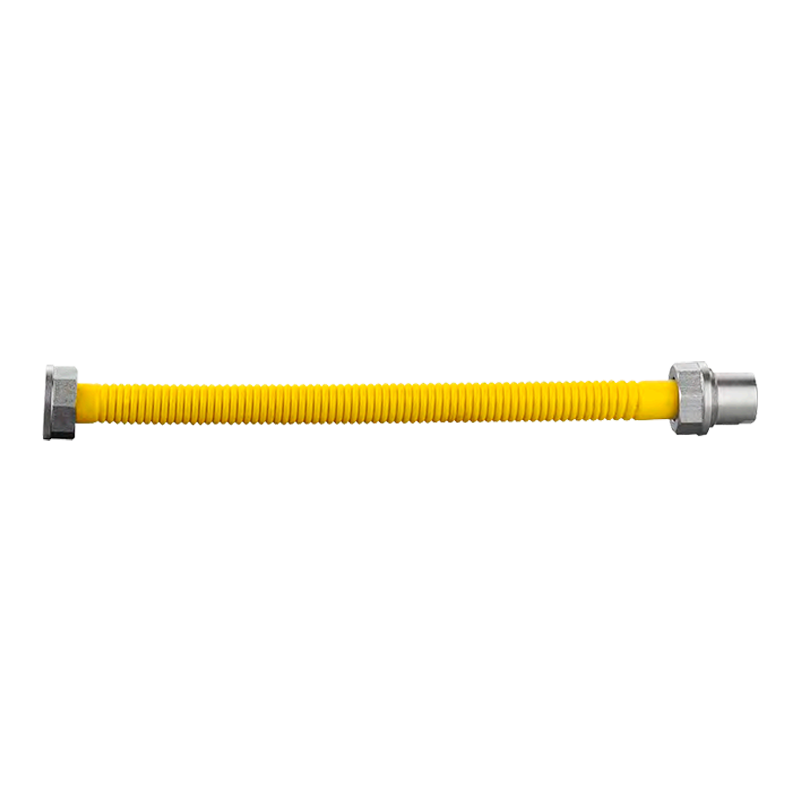
For example, a wall-mounted valve connected to a corrugated metal hose requires attention to alignment, bend radius, connection orientation, and mechanical support. A dedicated triangle valve base helps maintain the valve position while allowing the hose to perform its flexibility function. This coordinated approach can improve the overall organization and serviceability of the installation.
Component integration does not mean that every part must come from one supplier. It means that each component should be evaluated for compatibility, performance, and compliance. A reliable manufacturer can assist by providing technical information so that customers can make informed decisions about the complete assembly.
Purchasing Checklist
Before ordering the triangle valve base, confirm the product model and nominal size. The supplied information identifies the product as ZLP-005 with a DN15 specification. Buyers should verify that this specification corresponds to the intended triangle valve, wall box, and pipeline system.
Request technical drawings or dimensional information when the product will be installed in a new wall box design. Confirm the mounting points, overall dimensions, material information, surface treatment, packaging method, and inspection requirements. These details are particularly important for OEM projects and large construction programs.
Ask for relevant quality and certification documentation. The exact documents required may depend on the destination country, gas system, project type, and procurement standard. Buyers should review the scope and applicability of documents rather than relying only on general certification statements.
Discuss production capacity and delivery requirements with the supplier. The manufacturer’s factory includes multiple welding and forming production lines, but actual availability depends on current orders, product mix, raw-material supply, and scheduling. Confirm production lead time, order quantity, sample policy, and shipping arrangements before finalizing the purchase.
Finally, establish a clear after-sales communication process. Technical questions about installation, replacement, inspection, or future orders should be directed to the supplier and handled through documented channels. Good communication can help maintain consistency when the product is used across multiple projects.
Frequently Asked Questions
What is a triangle valve base?
A triangle valve base is a support component used to hold and stabilize a triangle valve in a wall-mounted gas pipeline installation. It provides a firm mechanical foundation and helps keep the valve correctly positioned within a wall box or similar enclosure.
What is the specification of this product?
The product is identified as model ZLP-005 and has a DN15 specification. Compatibility with a particular valve and wall box should be confirmed before installation because nominal size alone may not define every dimensional or mounting requirement.
Does the base control gas flow?
No. The base is a support fitting. The triangle valve controls or isolates gas flow, while the base holds the valve securely. The base should not be considered a substitute for a valve, sealing component, or pressure-control device.
Why is a dedicated base better than supporting the valve with the pipe?
A dedicated base helps prevent the connected pipe or flexible hose from carrying unnecessary mechanical loads. It reduces unwanted valve movement, supports better alignment, and makes inspection and maintenance more convenient.
Can the product be used with a corrugated metal hose?
It may be used in an installation that includes an approved corrugated metal hose, provided that the valve, hose, fittings, and base are compatible. The hose must be installed according to its own technical requirements and should not be used as the structural support for the valve.
Is the triangle valve base corrosion-resistant?
The product is described as being manufactured from high-quality, corrosion-resistant materials. Actual performance depends on the installation environment, exposure conditions, cleaning methods, and correct use.
Is the base suitable for replacement projects?
It is intended for both new installations and suitable replacement work. Before replacement, the installer should check the existing wall box, valve, mounting dimensions, pipeline arrangement, and local requirements.
Can homeowners install the base themselves?
Gas pipeline work should be performed by qualified personnel. Homeowners should not alter gas connections, valves, hoses, or supports without professional assistance. The product should be installed and tested as part of a complete gas system.
What manufacturing capabilities support this product?
The manufacturer operates a large energy equipment facility with welding and forming production lines, uninterrupted solid melting hydrogen furnace production lines, material analysis equipment, and flow tightness testing equipment. It also reports an ISO9000:2008 quality management system and experience in gas pipelines, metal hoses, valves, and fittings.
Can customized versions be discussed?
Customers may discuss customized production requirements with the manufacturer’s technical and sales teams. Customization should be based on confirmed drawings, specifications, samples, material requirements, inspection standards, and production agreements.
What should be checked after installation?
The installer should verify that the base and valve are firmly fixed, the wall box is stable, the pipeline and hose are correctly aligned, all connections are properly assembled, and the complete system passes the required inspection and tightness testing.
Conclusion
The DN15 triangle valve base for wall box is a specialized support component that helps create a safer, more stable, and more maintainable household gas pipeline installation. By providing a dedicated mounting foundation for a triangle valve, it reduces dependence on connected pipework, supports proper alignment, improves accessibility, and contributes to a neat wall-mounted arrangement.
Its corrosion-resistant construction is intended to support long-term service, while its compact design makes it suitable for wall box applications. Compared with improvised or general-purpose supports, a purpose-designed base offers better consistency, more predictable installation, and improved coordination with valves, hoses, and other pipeline fittings.
The manufacturer’s capabilities strengthen the product’s value. Its factory includes extensive welding and forming capacity, furnace production lines, material analysis equipment, tightness-testing equipment, and an established quality management structure. Its experience across metal hoses, natural gas pipelines, plumbing fittings, valves, and related energy equipment provides a broad technical foundation for producing and supporting pipeline components.
For distributors, contractors, OEM customers, and project purchasers, the product offers a practical solution for wall-mounted gas valve support. Proper specification confirmation, professional installation, complete system testing, and regular inspection remain essential. When used correctly as part of an approved gas pipeline assembly, the triangle valve base can help improve stability, serviceability, and long-term installation quality.
References
1. Product specification record: ZLP-005 Triangle Valve Base for Wall Box, DN15.
2. Manufacturer-provided information on metal hoses, corrugated hoses, natural gas pipelines, pipe fittings, valves, and energy equipment production.
3. Manufacturer-provided information on welding and forming production lines, furnace production, material analysis, and flow tightness testing.
4. ISO 9000 family of quality management system principles and guidance.
5. General engineering principles for the installation, support, inspection, and maintenance of household gas pipeline components.
6. General technical guidance for flexible metal hoses, gas valves, threaded fittings, mechanical supports, and leak-testing procedures.