 English
 中文简体
中文简体 Español
 عربى
عربى
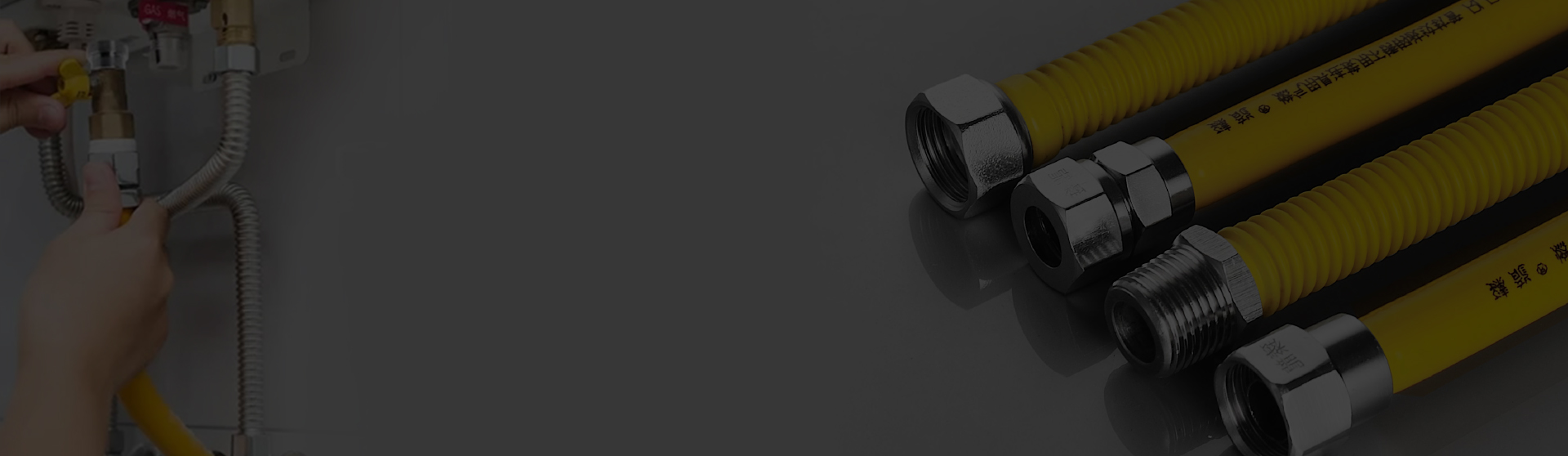


Gas pipeline systems depend on reliable sealing components to protect people, equipment, and property. Even a small unused outlet, service branch, or temporarily disconnected hose can become a potential leakage point if it is not closed correctly. The Gas Pipe Swivel Plug is designed to provide a secure and practical solution for sealing unused gas pipe outlets in residential, commercial, and selected industrial gas applications.
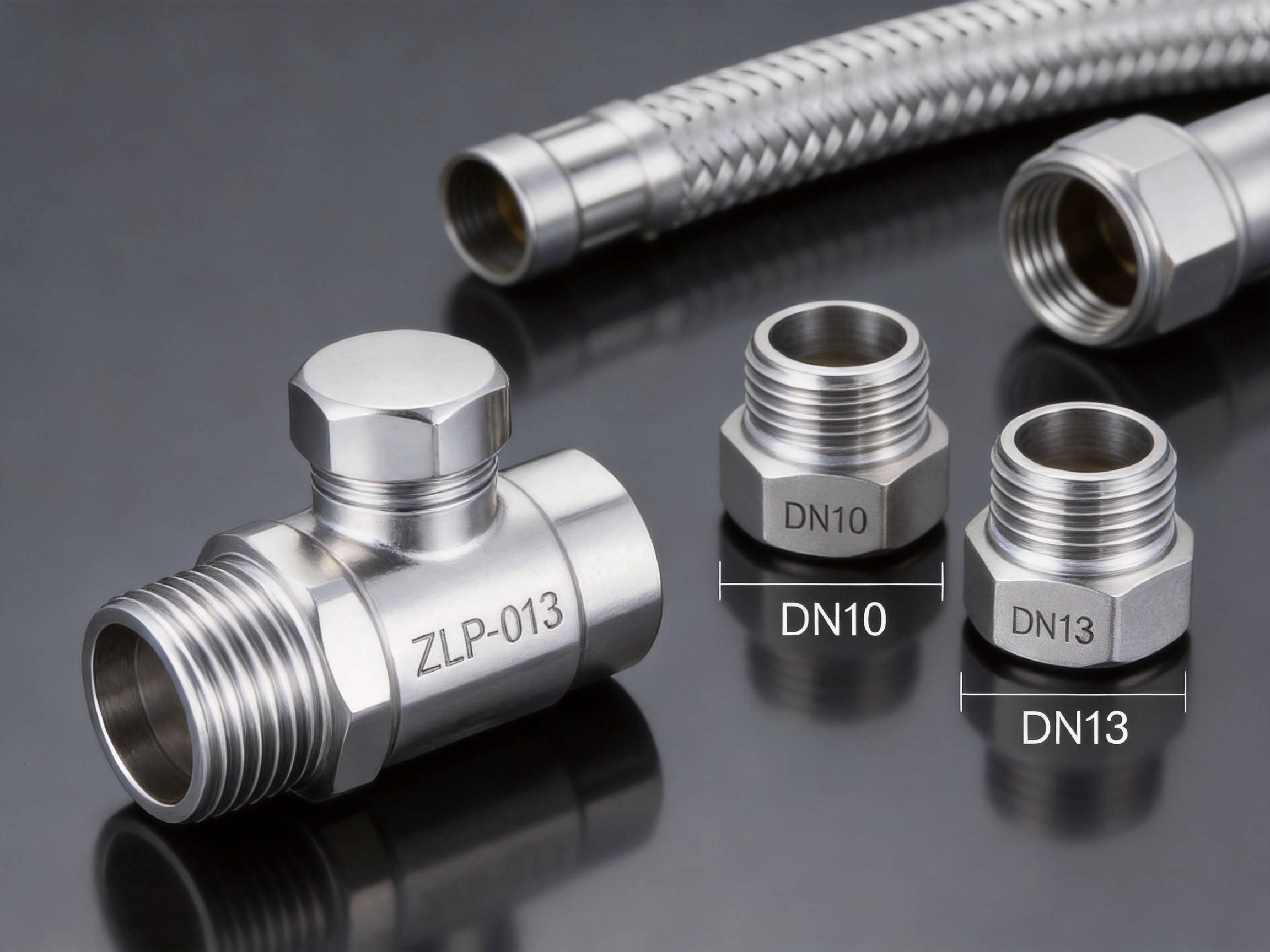
Identified as model ZLP-013, the product is a swivel plug developed for stainless steel corrugated hose fittings used in gas transmission. It is available in DN10 and DN13 specifications, allowing it to serve common connection sizes within compact gas piping arrangements. Its primary function is straightforward: close an open or unused gas pipe connection and maintain a stable, leak-resistant barrier. Its practical value, however, comes from the combination of sealing performance, installation convenience, material durability, and controlled manufacturing.
Unlike a basic fixed plug, a swivel plug incorporates a rotating mechanism that can make installation and removal easier. This feature helps reduce unnecessary twisting of the connected hose or threaded assembly during service work. By allowing the plug to be positioned and tightened with less strain on adjacent components, the design can support more efficient maintenance while helping preserve the integrity of the complete piping system.
The product is manufactured by Zhejiang Zhenlong Energy Equipment Technology Co., Ltd., an energy equipment manufacturer based in Yuyao, Zhejiang, China. The company produces metal hoses, natural gas pipelines, plumbing fittings, sanitary ware, valves, plastic products, and hardware. Its production capabilities include welding, forming, heat treatment, material analysis, and flow-tightness testing. These capabilities provide an important foundation for manufacturing fittings intended for gas service.
Content
- 1 Understanding the Role of a Swivel Plug in Gas Piping
- 2 Product Specification
- 3 Key Advantages of the Gas Pipe Swivel Plug
- 4 Comparison with Conventional Fixed Plugs
- 5 Applications in Residential Gas Systems
- 6 Applications in Commercial and Industrial Environments
- 7 Material and Engineering Considerations
- 8 Manufacturing Strengths and Quality Control
- 9 Certification and Compliance Considerations
- 10 Recommended Installation Approach
- 11 Maintenance and Service Guidance
- 12 OEM and ODM Manufacturing Support
- 13 Why Manufacturing Control Matters for Gas Fittings
- 14 Purchasing Checklist for the Gas Pipe Swivel Plug
- 15 Technical Communication with the Manufacturer
- 16 Safety Responsibilities
- 17 Quality, Service, and Long-Term Value
- 18 Frequently Asked Questions
- 18.1 What is a Gas Pipe Swivel Plug?
- 18.2 What is the purpose of the swivel mechanism?
- 18.3 Can the plug be used for both temporary and permanent closure?
- 18.4 Is the product suitable for all gas types?
- 18.5 Are DN10 and DN13 enough information to place an order?
- 18.6 Can a homeowner install the plug?
- 18.7 How should the installed plug be tested?
- 18.8 What materials are used in the plug?
- 18.9 Does the manufacturer provide customized products?
- 18.10 What manufacturing equipment does the company have?
- 18.11 What quality system does the manufacturer follow?
- 18.12 Can the plug be used with any corrugated gas hose?
- 18.13 What should be done if the plug is difficult to tighten?
- 18.14 How can buyers request technical information?
- 19 Conclusion
- 20 References
- 21 Product: Gas pipe Swivel plug
Understanding the Role of a Swivel Plug in Gas Piping
A gas piping system may contain outlets that are not used continuously. For example, a building may be designed with provisions for future appliances, an appliance may be removed during renovation, or a temporary connection may be taken out for maintenance. Leaving these outlets open is unacceptable because gas could escape into the surrounding environment. A suitable plug must therefore close the opening securely and remain stable under normal operating conditions.
The Gas Pipe Swivel Plug is intended for this purpose. It functions as a termination component for a compatible gas pipe or fitting. Once correctly installed, it closes the passage and prevents gas from traveling through the unused outlet. The component may be used for temporary closure during maintenance or as a longer-term sealing element where the pipe outlet is no longer required.
A plug used in a gas system must do more than simply fit into a threaded opening. It must maintain its position, cooperate with the sealing surface, resist corrosion, and remain serviceable over time. It must also be compatible with the connection geometry of the piping system. These requirements make the selection of a gas-rated fitting more important than the use of a generic hardware plug.
The swivel structure adds a practical dimension to the product. When a conventional fixed plug is tightened, the installer may need to rotate the entire component and sometimes the connected hose or fitting. Such movement can introduce torsional stress, particularly when the surrounding space is narrow or the hose has already been positioned. A swivel plug can help limit this problem by allowing rotational movement at the fitting interface.
Product Specification
| Item | Details |
| Product name | Gas Pipe Swivel Plug |
| Model | ZLP-013 |
| Product category | Stainless steel corrugated hose fittings for gas transmission |
| Primary function | Sealing unused or disconnected gas pipe outlets |
| Available specifications | DN10 and DN13 |
| Typical applications | Residential, commercial, and selected industrial gas piping systems |
| Construction focus | Secure sealing, corrosion resistance, serviceability, and connection stability |
| Manufacturer | Zhejiang Zhenlong Energy Equipment Technology Co., Ltd. |
The DN10 and DN13 options allow buyers, installers, and system designers to select a size that matches the applicable pipe or fitting connection. Correct size selection remains essential. The nominal diameter alone should not be treated as a complete compatibility check because thread type, sealing method, pressure rating, local regulations, and system design must also be considered before installation.
Product specifications may vary according to the final configuration, market, certification requirement, and customer order. Buyers should confirm detailed drawings, thread standards, material information, sealing arrangements, operating pressure, temperature range, and inspection requirements with the manufacturer before placing a production or project order.
Key Advantages of the Gas Pipe Swivel Plug
Reliable Closure of Unused Gas Outlets
The primary advantage of the product is its ability to close an unused outlet and help prevent gas leakage. The plug is designed as a dedicated component for gas piping applications rather than as a general-purpose cap. Its sealing surfaces and connection structure are developed with the needs of gas transmission fittings in mind.
A reliable closure is especially important in systems containing multiple branches. A spare outlet may be located behind a kitchen appliance, inside a service cabinet, near a meter assembly, or within a commercial equipment area. Once the outlet is no longer required, it should be isolated using an appropriate component. The swivel plug provides a compact and direct method of closing the opening without redesigning the surrounding piping.
The sealing performance of any installed plug depends on several factors, including the condition of the threads or sealing face, the correct use of compatible sealing materials, installation torque, alignment, and system pressure. The product supports a secure sealing design, but professional installation and required leak testing remain necessary parts of a safe gas installation process.
Swivel Mechanism for Easier Installation
The swivel mechanism is one of the most important differences between this product and a simple fixed plug. During installation, the plug can provide greater flexibility in how the connection is positioned. This can be particularly helpful when working in confined spaces where a full rotation of the entire assembly is difficult.
In a conventional arrangement, an installer may have to rotate a rigid plug repeatedly to engage and tighten the threads. If the plug is connected to a hose or an assembled fitting, this movement may transfer twisting force to neighboring parts. A swivel design can reduce such force by allowing relative rotation within the fitting structure.
This benefit can make maintenance more efficient. When a gas appliance is removed or an outlet is taken out of service, the installer can close the line without disturbing more of the piping than necessary. The result is a cleaner service procedure and potentially less wear on connected threaded components.
The swivel function should not be misunderstood as permission to rotate the component continuously while the system is pressurized or connected incorrectly. It is a mechanical convenience that must be used according to the installation instructions. The fitting should be checked for correct seating, appropriate tightening, and leakage after installation.
Corrosion-Resistant Construction
Gas piping components may be exposed to humidity, condensation, cleaning chemicals, salts, temperature changes, and other environmental influences. Corrosion can damage threads, reduce wall thickness, interfere with sealing surfaces, and make later removal difficult. The Gas Pipe Swivel Plug is designed using high-strength, corrosion-resistant materials suitable for the demanding environment associated with metal hose fittings and gas pipeline assemblies.
Stainless steel is widely used in corrugated gas hose systems because it combines strength, durability, and resistance to many forms of corrosion. Material selection is especially relevant in kitchens, utility rooms, outdoor service cabinets, commercial facilities, and industrial areas where moisture or chemical exposure may occur.
Corrosion resistance does not mean that a fitting is immune to every environment. The actual service life depends on the grade of stainless steel, exposure conditions, contact with dissimilar metals, cleaning chemicals, installation quality, and maintenance practices. The correct material grade should be confirmed for applications involving aggressive atmospheres, coastal conditions, chemical vapors, or unusual temperatures.
Reduced Stress on Threaded Connections
Repeated installation and removal can gradually damage threaded connections, particularly when components are misaligned or when excessive torque is applied. The swivel structure can help reduce unnecessary mechanical stress during service work. This is valuable where the plug may be removed and replaced as part of inspection, renovation, appliance replacement, or system modification.
Reducing stress can help protect the surrounding assembly. A gas piping network often includes several connected components, such as corrugated hose, adapters, valves, elbows, meters, regulators, and appliance connectors. If one component is forced to rotate during the installation of another, the entire system may experience unwanted loading. A swivel plug provides greater control over the final connection position.
The benefit is particularly relevant in compact installations. Residential gas cabinets and appliance compartments may provide limited access for tools. Commercial kitchens and equipment rooms may also contain multiple pipes in close proximity. A fitting that can be positioned without excessive movement can make the installation process more manageable.
Compact Design for Practical Applications
The plug is intended to occupy limited space while performing an important sealing function. Its compact format is suitable for gas pipe outlets where a larger closure assembly would be inconvenient. A smaller fitting can help maintain access to nearby valves, hoses, inspection points, and equipment.
Compactness also supports a cleaner appearance. In residential and commercial installations, exposed gas fittings should be organized and protected from accidental impact. A well-positioned plug can close an unused connection without creating unnecessary obstruction or extending far beyond the pipe assembly.
Although the product is compact, it should not be concealed in a way that prevents inspection or safe maintenance. Gas system components should remain accessible according to applicable building codes and installation standards. The plug should be located where technicians can examine the connection and perform leak checks when required.
Support for Temporary and Permanent Sealing
Unused outlets are not always abandoned permanently. A building owner may remove an appliance temporarily, a production line may be shut down for maintenance, or a future expansion may require an existing branch at a later date. The Gas Pipe Swivel Plug can be used for temporary or longer-term closure when the installation conditions and regulations permit.
For temporary applications, ease of removal is a valuable feature. A qualified technician can remove the plug and restore the connection when the outlet is needed again, provided that the components remain in suitable condition and the system is tested after modification.
For permanent or long-term closure, the system owner should consider whether a more permanent pipe alteration is required by local regulations. The plug offers a reliable sealing option, but the correct solution depends on the building design, authority requirements, maintenance policy, and future use of the pipework.
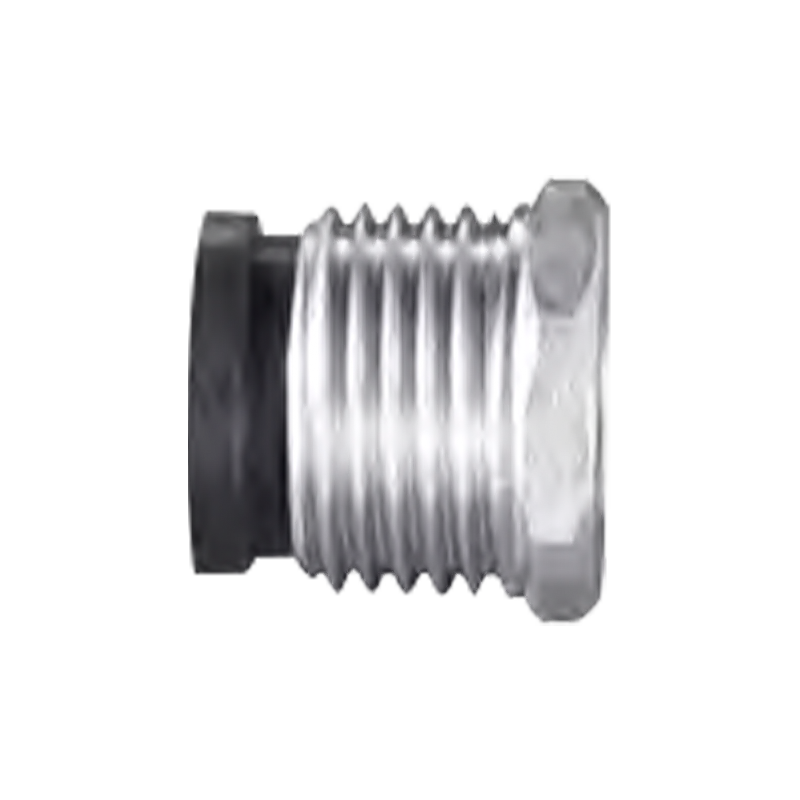
Gas pipe Swivel plug
Comparison with Conventional Fixed Plugs
A fixed plug is often a simple and economical way to close a threaded opening. It may be suitable for certain applications, but it can require the installer to rotate the entire part during tightening. This may be inconvenient when the connected pipe or hose must remain in a particular orientation.
The swivel plug offers a different approach. Its rotating mechanism can make it easier to align and tighten the sealing component while reducing movement in the surrounding system. This design may provide several practical advantages over a standard fixed plug:
| Comparison point | Conventional fixed plug | Gas Pipe Swivel Plug |
| Installation movement | Usually requires rotation of the complete plug and may influence connected parts | Swivel action can support easier positioning and reduce unnecessary twisting |
| Maintenance access | May be difficult in restricted spaces | Designed to improve service convenience in compact installations |
| Effect on adjacent hose | Rotation may transfer torsional force to the hose or fitting | Structure can help limit stress on neighboring components |
| Long-term durability | Depends strongly on basic material and surface protection | Designed around corrosion-resistant materials and gas fitting requirements |
| Application flexibility | Suitable for straightforward, fixed closure points | Suitable for outlets where installation flexibility and future removal are important |
The comparison should be understood as a design-oriented evaluation rather than a universal claim that one fitting is suitable for every project. A fixed plug may be adequate for a permanently inaccessible connection designed for that purpose. The swivel plug becomes especially attractive where the installer needs better control of orientation, where the outlet may later be reopened, or where connected hose movement should be minimized.
Applications in Residential Gas Systems
Residential gas systems often contain several small-diameter connections serving cookers, water heaters, boilers, fireplaces, and other appliances. When an appliance is replaced or removed, its former outlet must be closed safely. The DN10 and DN13 specifications of the Gas Pipe Swivel Plug are suitable for many compact connection arrangements, subject to confirmation of the actual connection standard and local requirements.
In a kitchen renovation, for example, an old gas cooker may be removed while the building owner decides whether a new appliance will be installed. A qualified gas technician can isolate the line and use an appropriate plug to close the unused outlet. The swivel design may help the technician work in the confined space behind cabinets or beneath countertops.
The plug may also be used during appliance replacement. A temporary closure can help protect the open line while the new appliance is being selected, delivered, or installed. Once the new equipment is connected, the system must be inspected and tested before being returned to service.
Residential users should never install, remove, or adjust gas fittings without appropriate training and authorization. Gas systems can create fire, explosion, asphyxiation, and property-damage risks. The product is a professional component, not a substitute for qualified installation.
Applications in Commercial and Industrial Environments
Commercial kitchens, restaurants, hotels, schools, hospitals, workshops, and manufacturing facilities may use multiple gas appliances or process equipment. These systems often require periodic changes as equipment is relocated, upgraded, or taken out of service. A dependable closure fitting can simplify the management of unused branches.
In commercial kitchens, the surrounding environment may include moisture, grease, cleaning agents, heat, and frequent equipment movement. Corrosion-resistant construction is useful in such conditions, while the swivel mechanism can make maintenance easier when access is restricted by cabinets, cooking equipment, or service panels.
Industrial environments may contain gas lines associated with burners, heating equipment, laboratory systems, or production processes. In these applications, the selection of a plug must be based on gas type, operating pressure, temperature, compatibility, required approvals, and the consequences of leakage. The ZLP-013 should be evaluated against the complete project specification before use in industrial service.
For large facilities, the product may also contribute to spare-parts standardization. Where DN10 and DN13 connections are used across multiple gas assemblies, maintenance teams may benefit from having a consistent plug model available for approved closure procedures. Standardization can reduce procurement complexity and help technicians identify the correct replacement component.
Material and Engineering Considerations
Material Selection
The use of corrosion-resistant material is central to the product concept. Gas fittings must retain their mechanical and sealing properties during the expected service life. Stainless steel and other suitable alloys are commonly selected for their strength, resistance to oxidation, and ability to withstand repeated handling.
Material selection must be matched to the application. Factors include gas composition, humidity, temperature, pressure, external chemicals, installation location, and contact with other metals. If a project requires a particular stainless steel grade or material certificate, this requirement should be stated during the inquiry and confirmed before production.
The manufacturer’s material-analysis equipment includes direct-reading spectrometers for metal analysis. This type of equipment can support identification and verification of alloy composition during quality control. Material verification is valuable because the appearance of stainless steel alone cannot confirm its precise grade or performance characteristics.
Thread and Sealing Compatibility
A gas plug must match the connection into which it is installed. Important details may include nominal size, thread profile, thread direction, sealing face, gasket arrangement, and applicable national or international standard. A DN10 or DN13 designation identifies a nominal size but does not automatically confirm that two components are compatible.
The sealing method may involve a gasket, an O-ring, a metal-to-metal sealing surface, or another engineered arrangement. The correct method depends on the product configuration and the associated fitting. Installers should follow the supplied instructions rather than applying an incompatible sealant or sealing tape.
Improper sealing materials can damage components, interfere with the swivel mechanism, contaminate a gas system, or create a false sense of security. For this reason, the plug should be supplied and installed as part of a matched gas fitting system whenever possible.
Pressure and Temperature Requirements
Gas systems operate under different pressure and temperature conditions. A component intended for a low-pressure domestic appliance connection may not be appropriate for a high-pressure industrial process line. The required pressure rating should be confirmed before purchase.
Temperature is also important. A fitting located near a boiler, burner, furnace, or hot process line may experience significantly higher temperatures than a fitting installed in a cool utility cabinet. The material, seal, and complete assembly must be evaluated for the actual operating environment.
Where the product is used with corrugated stainless steel hose, the performance of the entire assembly should be considered. The plug, hose, adapters, valves, and connected appliances must all be compatible. A strong individual fitting cannot compensate for an incorrectly rated hose or unsuitable installation arrangement.
Manufacturing Strengths and Quality Control
The manufacturer has developed its business around the research, development, manufacturing, and processing of energy equipment. This integrated structure is relevant to the Gas Pipe Swivel Plug because the product belongs to a wider family of metal hoses, gas pipelines, valves, and pipe fittings. Experience across related product categories can support better understanding of connection geometry, forming, welding, sealing, and field service requirements.
The company operates a factory covering approximately 40 acres, with a production building of around 30,000 square meters. This scale provides room for dedicated production lines, material storage, assembly operations, inspection areas, and finished-goods management. A structured production environment can help support repeatability when manufacturing components for OEM, ODM, and project-based customers.
Welding and Forming Production Lines
The company has 30 welding and forming production lines. Welding and forming are important processes in the production of metal hoses and related gas fittings. Forming equipment can produce consistent shapes, connection profiles, and component dimensions. Welding capability can support the fabrication of metallic assemblies where controlled joints are required.
For a swivel plug, manufacturing control may involve several stages, including raw-material preparation, machining or forming, thread production, component assembly, surface treatment where applicable, and final inspection. Each stage can affect the function of the completed fitting. Dimensional variation in a thread, for example, may influence engagement and sealing. Excessive variation in a swivel component may affect movement or stability.
Production-line specialization also helps a manufacturer respond to different customer requirements. Standard products can be produced efficiently, while customized dimensions, packaging, labeling, and assembly configurations may be developed for approved applications. Any customization should be confirmed through engineering drawings and sample approval before mass production.
Hydrogen Furnace Production Capability
The company operates two uninterrupted solid melting hydrogen furnace production lines. Controlled furnace processing can support the production and treatment of metallic materials used in energy equipment. Furnace conditions may influence material structure, cleanliness, consistency, and mechanical performance.
Hydrogen-atmosphere processing is used in certain metal production and heat-treatment applications because a controlled atmosphere can help limit oxidation under suitable conditions. The exact process and its relevance depend on the alloy, product, furnace design, and production parameters. For customers requiring detailed traceability, the manufacturer can be asked to provide information regarding applicable heat-treatment procedures, batch identification, and inspection records.
The presence of furnace production capability gives the manufacturer greater control over key stages of metal processing than a business that only performs final assembly. Vertical control may help reduce dependence on unknown upstream material conditions, although buyers should still request the specific quality documents required for their project.
Material Analysis
Metal material analysis is an important part of manufacturing reliable stainless steel fittings. The company uses direct-reading spectrometers for metal material analysis. This equipment can help verify alloy composition and identify deviations from the specified material range.
Material analysis can be applied to incoming raw materials, production batches, or finished components according to the company’s quality procedures. The objective is to ensure that the material used for a fitting is appropriate for its intended mechanical and corrosion-resistance requirements.
For customers serving regulated gas markets, material documentation may be an important part of the purchasing process. Depending on the application, buyers may request mill certificates, inspection reports, batch records, or other evidence of material conformity. Requirements should be agreed before production to ensure that the correct documents are prepared.
Flow and Tightness Testing
The company also has flow tightness testers. Leak-tightness testing is particularly relevant to gas fittings because the principal purpose of a plug is to prevent unwanted gas passage. Testing can help identify defects in sealing surfaces, assembly errors, material problems, or dimensional inconsistencies.
A suitable testing program may include visual inspection, dimensional checks, thread inspection, swivel-function checks, and gas or air tightness tests. The exact test medium, pressure, duration, acceptance criteria, and sampling plan should be established according to the product specification and applicable standard.
Testing at the factory does not eliminate the need for field inspection. During shipping, storage, installation, and connection to other components, a fitting may be damaged or incorrectly assembled. The installed gas system must therefore be checked and leak-tested by qualified personnel before operation.
Certification and Compliance Considerations
The manufacturer states that it strictly implements an ISO9000:2008 quality management system and holds a Special Equipment Manufacturing License for pressure pipelines in the People’s Republic of China. It also has EU CE certification testing reports and is a member of the China Urban Gas Association. These credentials indicate experience with regulated energy equipment and quality-management practices.
Certification requirements vary by country, gas type, pressure category, installation environment, and product application. A document issued for one market may not automatically satisfy the requirements of another market. Importers, distributors, engineering companies, and end users should confirm the applicable approval route before ordering.
For projects involving natural gas, liquefied petroleum gas, biogas, or specialized industrial gases, the product must be evaluated for compatibility with the actual medium. The same fitting should not be assumed to be suitable for every gas service without technical confirmation. Customers should request applicable test reports, certification information, product drawings, and installation instructions.
Compliance also includes installation practice. A certified fitting can become unsafe if installed with the wrong thread, incompatible hose, damaged gasket, excessive torque, or unauthorized modification. Product quality and installation quality must work together.
Recommended Installation Approach
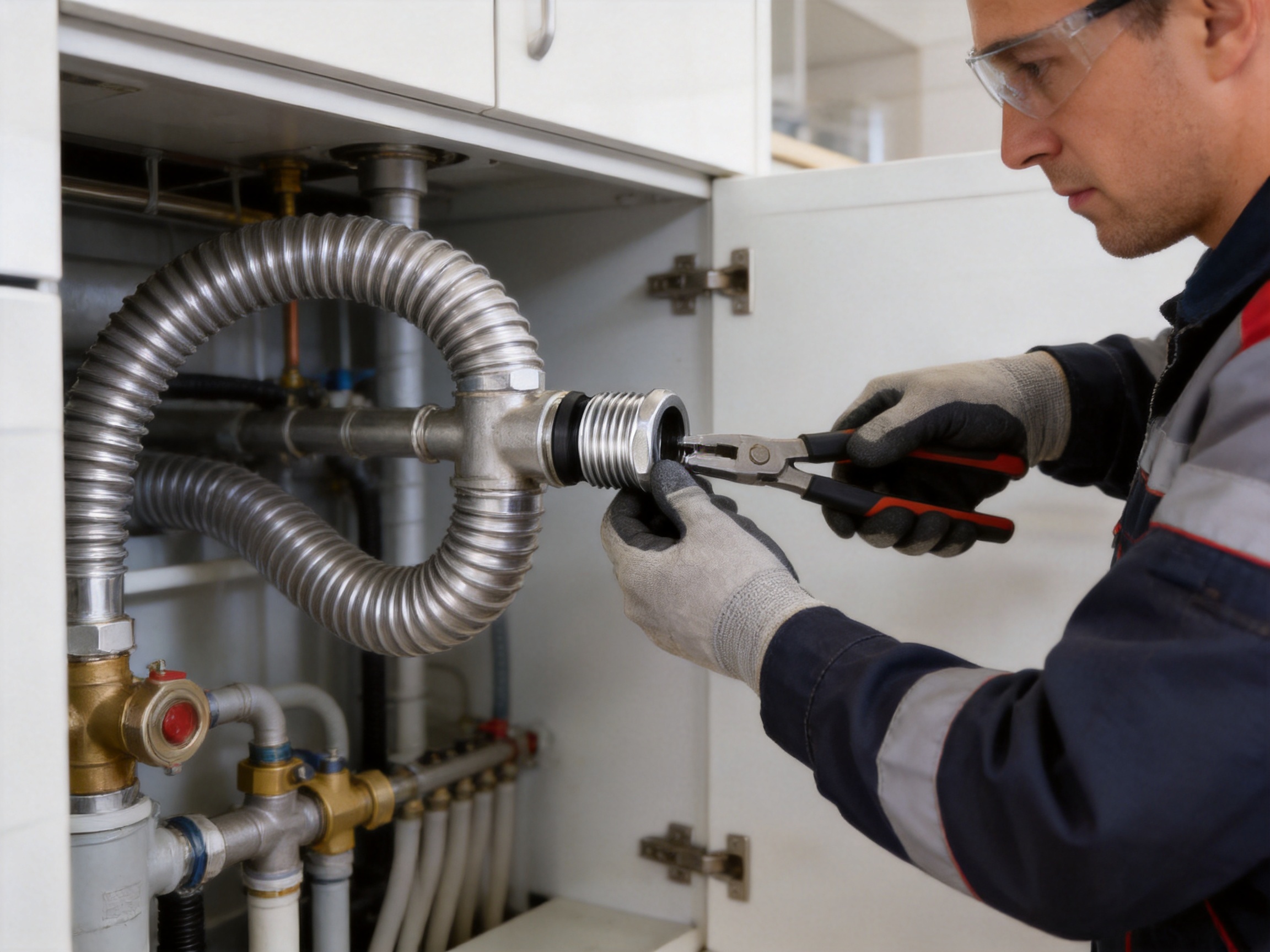
Only qualified and authorized gas technicians should install or remove the Gas Pipe Swivel Plug. Before work begins, the gas supply must be isolated according to the relevant safety procedure. The line should be depressurized, ventilated, and checked to confirm that no hazardous gas remains in the work area.
The technician should verify the product model, nominal diameter, thread type, sealing arrangement, material compatibility, and pressure suitability. The pipe outlet should be examined for damage, contamination, deformation, or corrosion. Threads and sealing surfaces should be clean and free from particles that could prevent proper seating.
The plug should be aligned carefully with the mating connection. Cross-threading must be avoided because it can damage both components and create a leakage path. The component should be tightened using the method and torque specified by the manufacturer or applicable installation standard. Tools should be applied only to the designated gripping surfaces.
The swivel mechanism should move as intended, but it should not be forced, struck, or used to compensate for misalignment. If the plug does not engage smoothly, the technician should stop and investigate the connection rather than applying additional force.
After installation, the connection must be tested for leakage using an approved method. Open flames must never be used for leak detection. The technician should follow the applicable code, utility procedure, or project specification. The fitting should also be inspected for correct orientation, visible damage, and adequate clearance from heat sources or mechanical hazards.
If the plug is used as a temporary closure, the installation date and reason for closure may be recorded in the facility maintenance documentation. This helps future technicians understand whether the outlet is intended for reopening, permanent isolation, or later removal.
Maintenance and Service Guidance
A properly installed gas plug generally requires limited routine maintenance, but it should remain accessible for inspection. Visual checks can identify corrosion, impact damage, deformation, contamination, or signs of movement. Any unusual odor, hissing sound, frost formation, or suspected leak requires immediate attention from qualified personnel.
Do not paint over the swivel joint, seal, inspection area, or threaded connection in a way that hides damage or restricts movement. Avoid using aggressive chemicals that may attack seals or surface finishes. The fitting should not be used as a support point for cables, tools, shelves, or other equipment.
If the plug is removed, the sealing elements should be inspected and replaced when required. Reusing a damaged gasket, distorted seal, or worn fitting can compromise the connection. The surrounding hose and pipe should also be examined because movement during service may reveal existing damage.
When a gas appliance is reconnected, the entire modified section should be tested rather than checking only the plug. Changes to one point in a piping system can affect adjacent connections. A complete inspection supports safer commissioning.
OEM and ODM Manufacturing Support
The company’s integrated industry-and-trade structure supports OEM and ODM cooperation. Buyers may request products with specific dimensions, connection standards, surface treatments, packaging formats, labels, or inspection documentation. Such projects normally begin with a technical review to confirm the intended application and regulatory requirements.
For distributors, a customized version of the swivel plug may help create a consistent product range. Branding and packaging can be adapted to the customer’s market while the underlying design remains focused on secure gas-pipe closure. For equipment manufacturers, the fitting may be incorporated into a larger hose or appliance connection assembly.
Engineering cooperation is particularly important when a customer requires a nonstandard connection. Changes to thread geometry, sealing materials, swivel travel, body dimensions, or pressure requirements can affect safety and performance. The manufacturer should evaluate such changes through drawings, prototypes, sample testing, and documented approval.
Large-volume buyers may also benefit from production planning, batch control, and inspection coordination. The company’s multiple production lines and metal-processing capabilities provide a foundation for repeat orders, although lead time, minimum order quantity, packaging, and documentation should be agreed in the commercial quotation.
Why Manufacturing Control Matters for Gas Fittings
Gas fittings are small components, but their function is critical. A plug may appear simple from the outside, yet its reliability depends on precise dimensions, suitable materials, consistent sealing surfaces, and correct assembly. Manufacturing control helps reduce the risk of variation between production batches.
An experienced energy-equipment manufacturer can evaluate the fitting as part of a broader gas-system environment. This perspective is valuable because a swivel plug is not an isolated hardware item. It interacts with corrugated hose, threaded adapters, valves, regulators, appliance connectors, and building pipework.
In-house capabilities can also improve communication between design, production, and quality teams. If a customer reports an installation issue or requests a modification, an integrated manufacturer may be able to analyze the relevant process more directly. Material analysis, forming, welding, furnace processing, and leak testing can be coordinated within one quality framework.
Manufacturing scale is not a substitute for product approval or application testing, but it can support stable supply and controlled production. For customers purchasing fittings for multiple projects, consistent manufacturing and traceability can be as important as the initial product design.
Purchasing Checklist for the Gas Pipe Swivel Plug
Before purchasing the ZLP-013 Gas Pipe Swivel Plug, buyers should prepare complete technical information. The following points can help ensure that the selected fitting is appropriate:
First, confirm the required nominal size. The product is listed in DN10 and DN13 specifications, but the buyer should verify the actual mating connection rather than relying only on a nominal designation.
Second, confirm the thread standard and sealing configuration. Different markets may use different thread forms, and visually similar threads are not necessarily interchangeable.
Third, identify the gas medium and operating conditions. Natural gas, liquefied petroleum gas, and industrial gases may have different compatibility requirements. Pressure and temperature must be considered together with the hose and connected equipment.
Fourth, request material information when the project requires a particular stainless steel grade, corrosion-resistance level, or traceability document.
Fifth, confirm required certifications and test reports. The buyer should identify whether the product must comply with national gas regulations, building codes, pressure-equipment requirements, or customer-specific standards.
Sixth, clarify whether the plug is intended for temporary closure, permanent closure, service replacement, OEM assembly, or distribution. The intended use can influence packaging, documentation, inspection, and quantity requirements.
Finally, confirm delivery requirements, labeling, carton design, spare seals, quality records, and after-sales support. A technically suitable product is most useful when it can be identified, installed, and maintained correctly throughout its service life.
Technical Communication with the Manufacturer
Clear communication helps prevent errors in gas fitting procurement. A customer inquiry should include drawings or photographs of the mating connection when possible. It should also state the destination market, applicable standards, gas type, pressure range, temperature range, expected annual quantity, and required documents.
If the fitting will be connected to a corrugated stainless steel hose, the hose model and end-fitting design should be provided. The manufacturer can then review whether the plug interface is compatible with the complete assembly. This is especially important when the hose and plug come from different suppliers.
Sample approval is recommended for customized or high-volume orders. A sample can be checked for dimensional fit, swivel movement, appearance, packaging, and installation method before mass production. For regulated applications, testing should be completed using the final production configuration rather than an unrepresentative prototype.
Customers should also discuss replacement parts. If the swivel plug contains serviceable seals or other replaceable components, availability and identification of those parts can simplify long-term maintenance. A documented product code, such as ZLP-013, helps reduce confusion during future orders.
Safety Responsibilities
The Gas Pipe Swivel Plug is designed to support safe gas system maintenance, but no individual component can guarantee safety without correct system design and installation. Gas work should be performed by personnel who understand applicable regulations, isolation procedures, leak testing, ventilation, ignition control, and emergency response.
The fitting should never be modified by drilling, cutting, welding, grinding, or changing the sealing geometry. Unauthorized modifications can affect strength, pressure resistance, swivel movement, and leak-tightness. If the standard configuration does not meet the project requirement, the correct approach is to request an engineered alternative from the manufacturer.
Users should not assume that a plug is suitable for a gas system simply because it fits mechanically. A mechanically compatible connection may still be unsuitable for the gas medium, pressure, temperature, or regulatory environment. Technical confirmation is required before use.
In the event of suspected gas leakage, occupants should avoid operating electrical switches or creating sparks, leave the area if necessary, and contact the appropriate emergency service or gas utility according to local procedures. The plug should not be tightened while the system is live unless a specifically approved procedure and qualified personnel are involved.
Quality, Service, and Long-Term Value
The value of a gas fitting includes more than its purchase price. A reliable component can reduce installation time, simplify future maintenance, protect adjacent pipework, and support more consistent service procedures. The swivel design of the ZLP-013 may be particularly valuable where installation access is restricted or where the outlet may be reopened later.
Corrosion-resistant materials can also support long-term value by reducing the likelihood of surface deterioration and difficult removal. The actual service life will depend on the environment and installation conditions, but appropriate material selection provides a strong starting point.
Factory testing and manufacturing controls further support value. Material analysis helps verify the metal used in production, while flow and tightness testing addresses the central function of the product. Welding, forming, furnace processing, and assembly capabilities provide a broader manufacturing base for consistent production.
Technical support is another important consideration. The manufacturer describes its service model as including comprehensive pre-sales and after-sales support. For distributors and project buyers, access to product information, application guidance, inspection documents, and replacement assistance can improve the complete purchasing experience.
Frequently Asked Questions
What is a Gas Pipe Swivel Plug?
A Gas Pipe Swivel Plug is a sealing component used to close an unused or disconnected gas pipe outlet. The ZLP-013 model is designed for stainless steel corrugated hose fittings used in gas transmission and is available in DN10 and DN13 specifications.
What is the purpose of the swivel mechanism?
The swivel mechanism allows controlled rotational movement within the fitting. It can make installation and removal easier and help reduce twisting or unnecessary stress on connected hoses and threaded components.
Can the plug be used for both temporary and permanent closure?
It can be used for temporary or longer-term sealing when permitted by the system design and local regulations. The correct choice depends on whether the outlet may be reused, how it is installed, and the requirements of the relevant authority or gas utility.
Is the product suitable for all gas types?
No fitting should be assumed to be suitable for every gas type. The buyer must confirm compatibility with the actual gas medium, pressure, temperature, materials, seals, and applicable standards before use.
Are DN10 and DN13 enough information to place an order?
They identify the listed nominal sizes, but additional information is required. Buyers should confirm thread type, sealing method, connection standard, pressure rating, material grade, certification needs, and the intended application.
Can a homeowner install the plug?
Gas fittings should be installed or removed only by qualified and authorized gas professionals. Incorrect installation can cause leakage, fire, explosion, or serious injury.
How should the installed plug be tested?
The connection should be inspected and leak-tested using an approved method specified by applicable regulations or the responsible gas professional. Open flames must never be used for leak detection.
What materials are used in the plug?
The product is described as being made from high-strength, corrosion-resistant materials and is categorized with stainless steel corrugated hose fittings. The exact material grade and sealing materials should be confirmed with the manufacturer for each order.
Does the manufacturer provide customized products?
The manufacturer provides OEM and ODM production and can discuss customized dimensions, connections, packaging, labeling, and documentation. Any design change should be reviewed and approved through technical drawings and appropriate testing.
What manufacturing equipment does the company have?
The company reports 30 welding and forming production lines, two uninterrupted solid melting hydrogen furnace production lines, direct-reading spectrometers for metal material analysis, and flow tightness testing equipment.
What quality system does the manufacturer follow?
The company states that it strictly implements the ISO9000:2008 quality management system. It also reports holding a Chinese Special Equipment Manufacturing License for pressure pipelines and having EU CE certification testing reports. Specific documents should be requested for the intended market and product configuration.
Can the plug be used with any corrugated gas hose?
Compatibility must be verified. The hose end fitting, thread, seal, pressure rating, gas medium, and installation method all need to match the plug. The complete assembly should be evaluated rather than relying on nominal size alone.
What should be done if the plug is difficult to tighten?
Stop the installation and check for cross-threading, contamination, wrong thread type, misalignment, or component damage. Do not force the fitting or use excessive torque. A qualified technician should determine the cause.
How can buyers request technical information?
Buyers should provide the application, connection size, thread standard, gas type, operating conditions, destination market, quantity, and required certifications. Drawings or photographs of the mating connection can help the manufacturer assess compatibility.
Conclusion
The Gas Pipe Swivel Plug is a compact but important component for safe and practical gas piping maintenance. Its main advantages include secure closure of unused outlets, a convenient swivel mechanism, reduced stress on adjacent threaded connections, corrosion-resistant construction, and suitability for temporary or longer-term sealing applications.
The ZLP-013 model is offered in DN10 and DN13 specifications and is intended for stainless steel corrugated hose fittings used in gas transmission. Its design is particularly useful where access is limited, connected hoses should not be twisted unnecessarily, or a sealed outlet may need to be reopened during future maintenance.
The manufacturing strength behind the product is also significant. Zhejiang Zhenlong Energy Equipment Technology Co., Ltd. combines research, development, manufacturing, and processing in the energy-equipment field. Its factory infrastructure includes welding and forming lines, hydrogen furnace production lines, material-analysis equipment, and flow-tightness testing equipment. These capabilities support controlled production of metal hoses, gas pipelines, valves, and pipe fittings.
For buyers, the best results come from treating the swivel plug as part of a complete gas system. Correct sizing, thread compatibility, material selection, pressure and temperature evaluation, certification review, professional installation, and leak testing are all essential. When these requirements are addressed, the Gas Pipe Swivel Plug can provide a dependable and service-friendly method for closing unused gas pipe outlets.
References
1. Product information for Gas Pipe Swivel Plug, model ZLP-013, including DN10 and DN13 specifications.
2. Manufacturer-provided company profile and manufacturing capability information for Zhejiang Zhenlong Energy Equipment Technology Co., Ltd.
3. General principles of stainless steel corrugated hose design and metal pipe fitting installation.
4. International and national guidance concerning gas pipeline safety, pressure testing, leak detection, and qualified installation practices.
5. Quality management principles associated with ISO 9000 series systems.
6. General engineering references concerning material verification, corrosion resistance, threaded connections, and sealing performance.