 English
 中文简体
 Español
 عربى

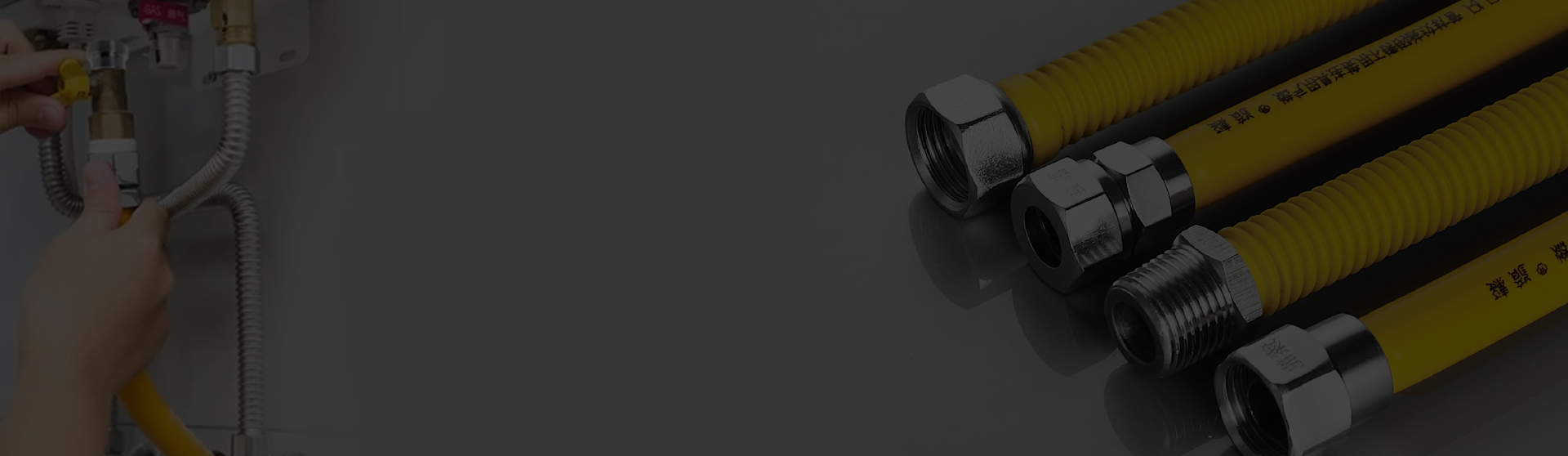

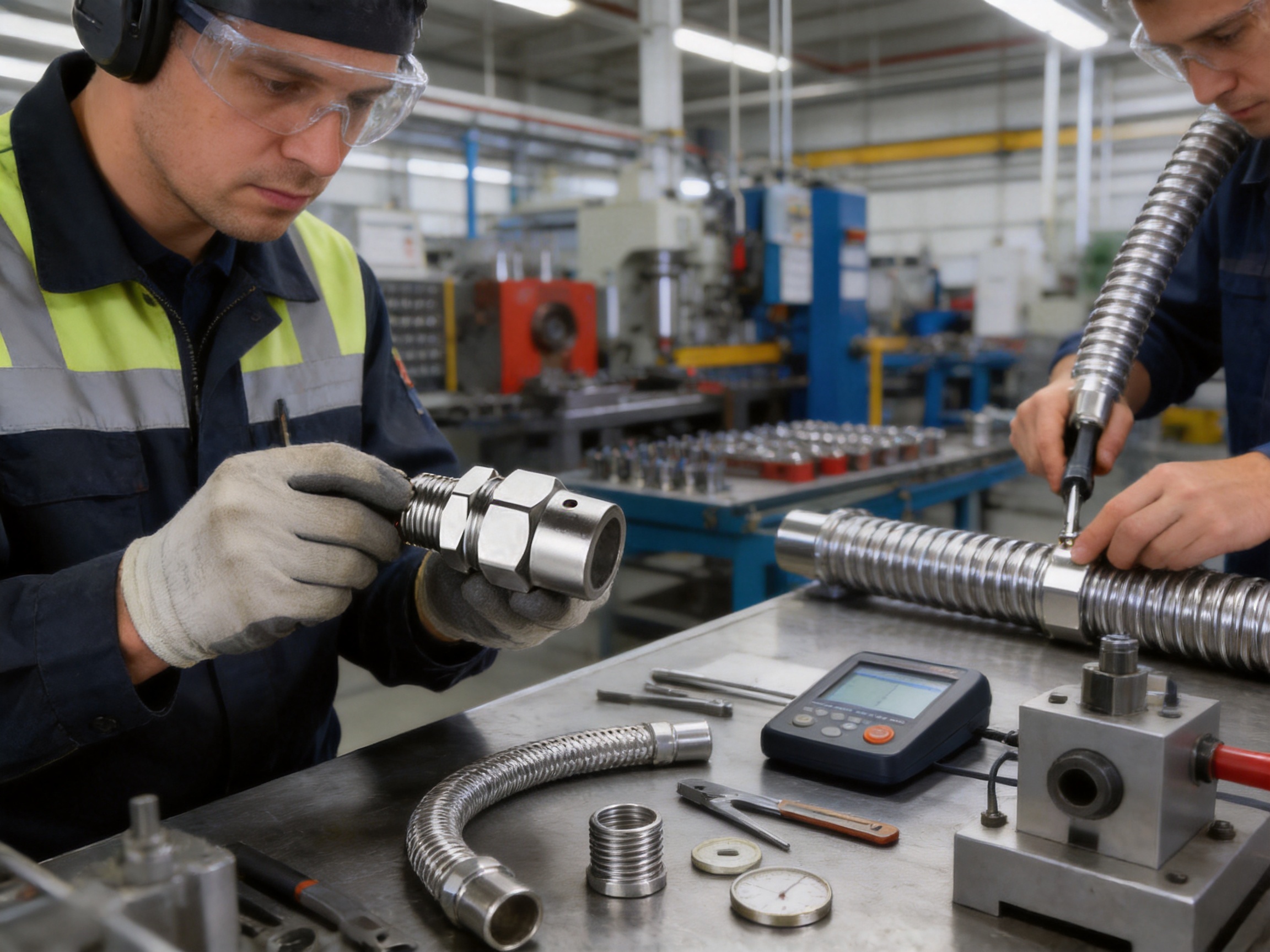
Gas transmission and distribution systems depend on stable pressure, continuous flow, and reliable sealing at every connection point. Even a small amount of trapped air or unwanted gas accumulation can affect system performance, create pressure fluctuations, and increase the risk of operating problems. For this reason, air management components are essential in modern gas pipeline networks. The Air Release Male Fitting is designed to address this requirement by providing a practical and dependable solution for removing accumulated air while maintaining a secure connection with the pipeline.
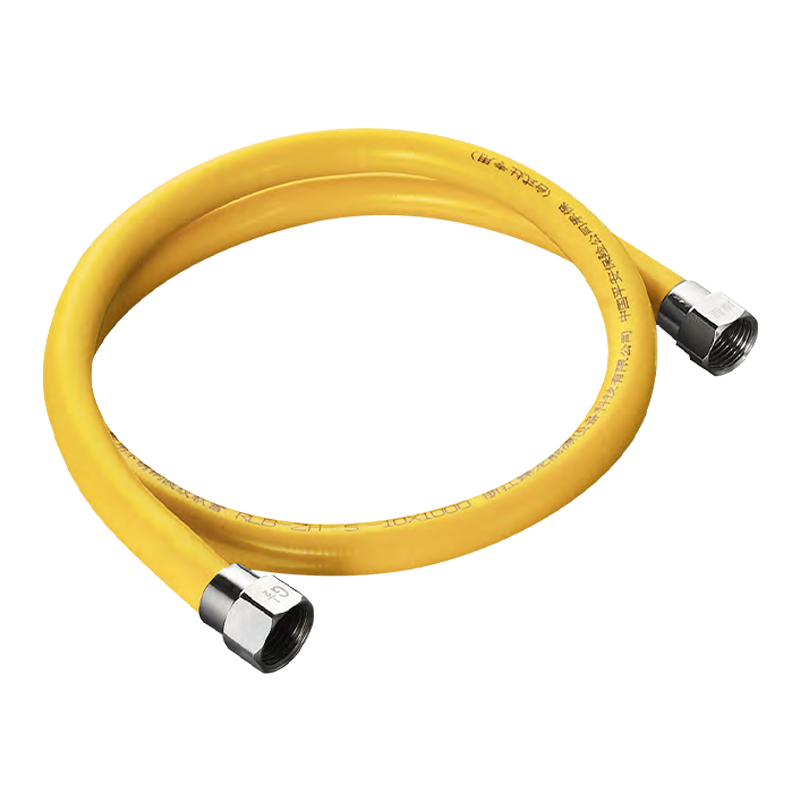
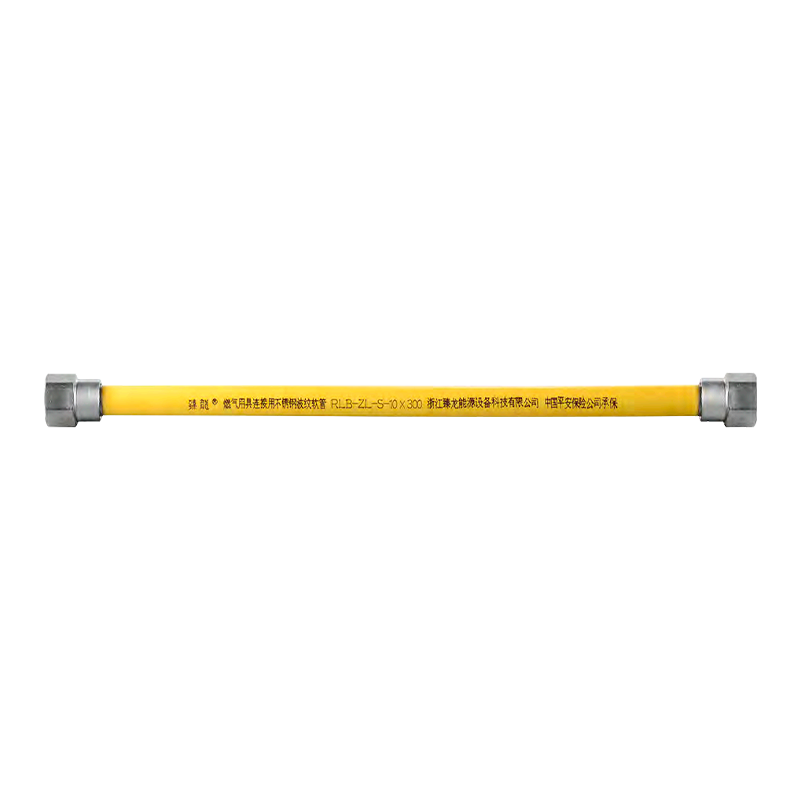
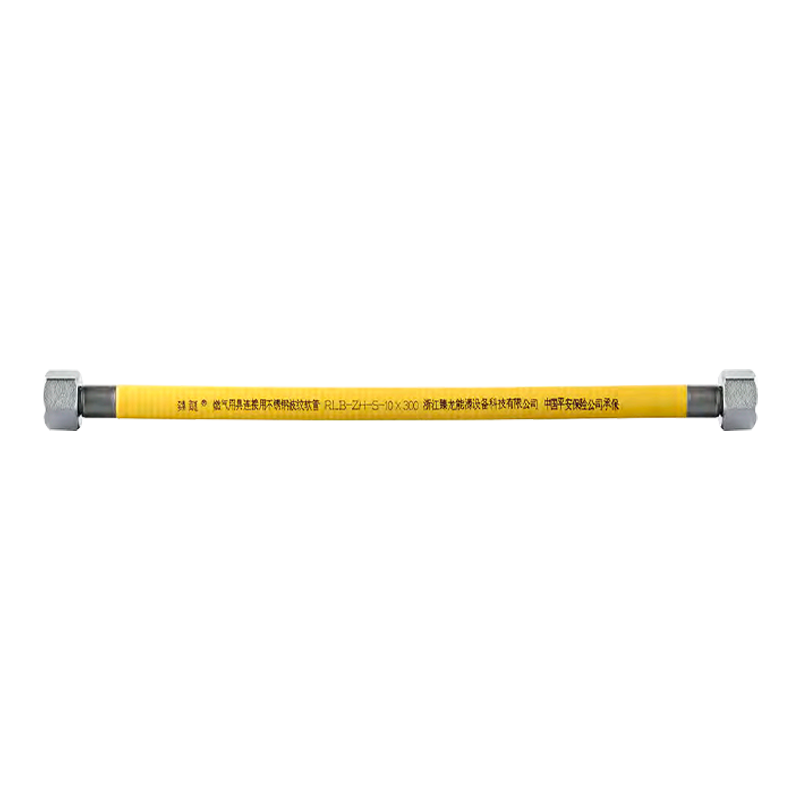
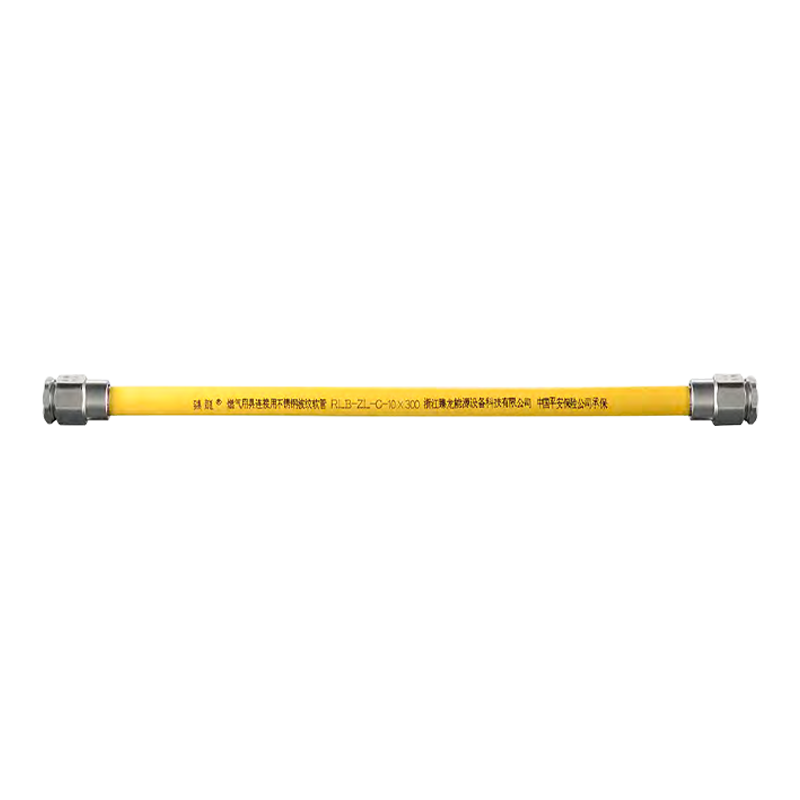
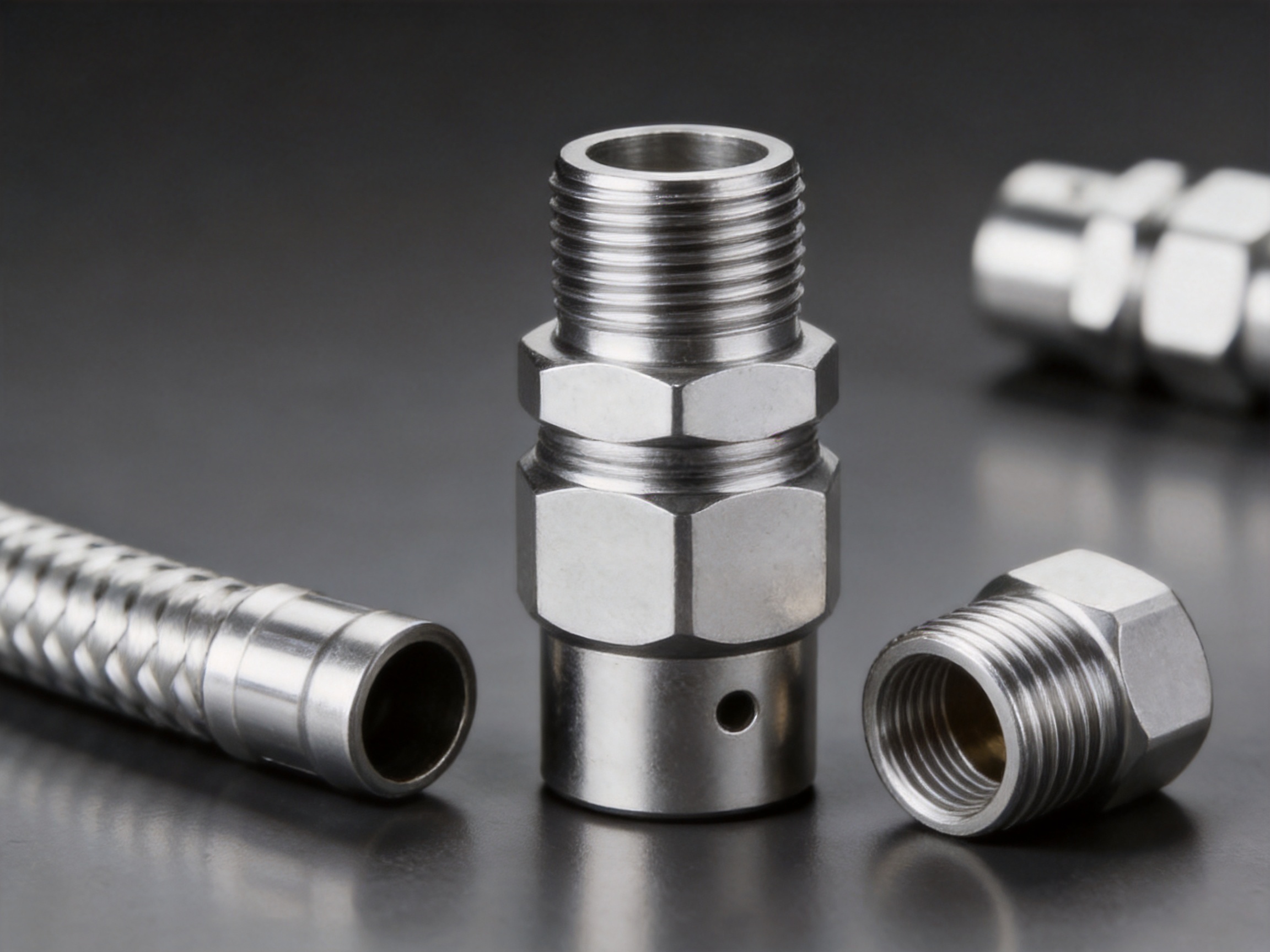
Developed for stainless steel corrugated hose fittings used in gas transmission, the Air Release Male Fitting combines air-release functionality, a male-threaded connection, corrosion-resistant construction, and a precision sealing structure. It is suitable for integration into industrial and residential gas applications where safe operation, long service life, and convenient installation are important. Available in DN13, DN15, and DN20 specifications, the fitting can support a range of pipeline configurations and connection requirements.
This article examines the operating purpose, structural characteristics, manufacturing strengths, quality controls, installation considerations, and application advantages of the Air Release Male Fitting. It also explains how the product can provide value compared with conventional connection components that do not offer dedicated air-management capability.
Content
- 1 The Importance of Air Management in Gas Pipeline Systems
- 2 Product Overview
- 3 Core Design Features
- 4 Performance Advantages Compared with Conventional Fittings
- 5 Applications in Gas Transmission and Distribution
- 6 Material and Durability Considerations
- 7 Manufacturing Strengths and Production Capabilities
- 8 Production Process for a Reliable Male Fitting
- 9 Installation Guidance
- 10 Maintenance and Inspection
- 11 Selection Considerations for Buyers and Engineers
- 12 Why Manufacturing Expertise Matters
- 13 Customer Value and Lifecycle Benefits
- 14 Safety and Regulatory Responsibility
- 15 Frequently Asked Questions
- 15.1 What is the main purpose of the Air Release Male Fitting?
- 15.2 Where can this fitting be used?
- 15.3 Which sizes are available?
- 15.4 What type of connection does the product use?
- 15.5 What materials are used?
- 15.6 How does the fitting help improve pipeline operation?
- 15.7 Can the fitting be used in a residential gas system?
- 15.8 Is the fitting suitable for retrofit projects?
- 15.9 How is leakage checked after installation?
- 15.10 What makes this product different from a conventional male fitting?
- 15.11 What quality capabilities does the manufacturer have?
- 15.12 Can the product be customized?
- 15.13 What should be considered during installation?
- 16 Conclusion
- 17 References
- 18 Product: Air Release Male Fitting
The Importance of Air Management in Gas Pipeline Systems
Gas pipeline systems are designed to transport gas through a controlled network of pipes, hoses, valves, meters, regulators, and terminal equipment. For the system to work efficiently, the internal passage must remain stable and unobstructed. Changes in elevation, pressure, temperature, maintenance activity, or commissioning procedures may result in air becoming trapped within sections of the pipeline.
Although gas systems are not identical to water systems, unwanted air or gas pockets can still affect operating conditions. During installation, testing, filling, purging, or maintenance, air may enter the network. In mixed or transitional pipeline conditions, accumulated air can contribute to unstable pressure behavior, irregular flow, and delayed system response. In particular, air pockets located at high points or near fittings can make it more difficult for operators to maintain consistent delivery.
A dedicated air-release fitting helps manage these conditions. By providing a controlled route for accumulated air to escape, the fitting can reduce the likelihood of airlocks and support more stable pipeline operation. This is especially useful in systems where continuity of supply, pressure stability, and safe maintenance are important.
The value of an air-release component extends beyond basic venting. A properly designed fitting must also maintain a secure seal, resist corrosion, tolerate pressure and temperature variation, and connect easily with other pipeline components. A product that performs only one of these functions may not be sufficient for demanding gas transmission environments. The Air Release Male Fitting is therefore designed as an integrated component that combines air-release performance with reliable mechanical connection.
Product Overview
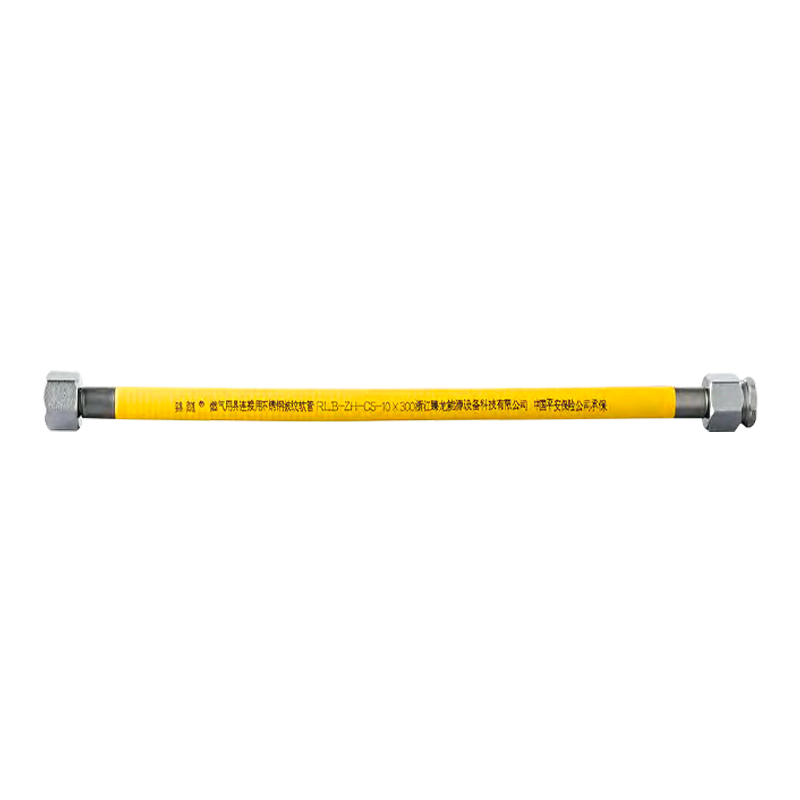
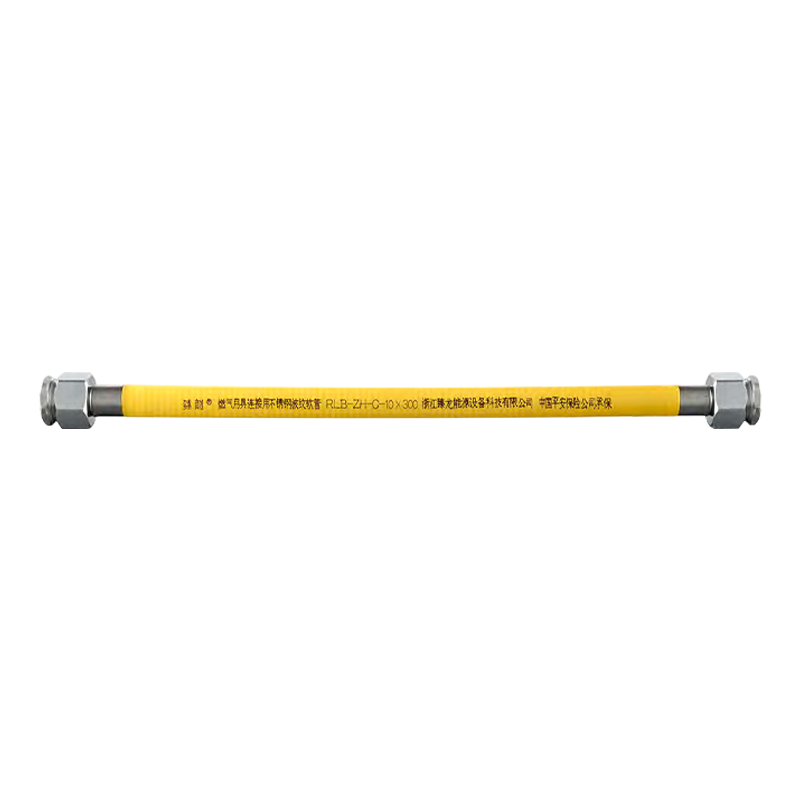
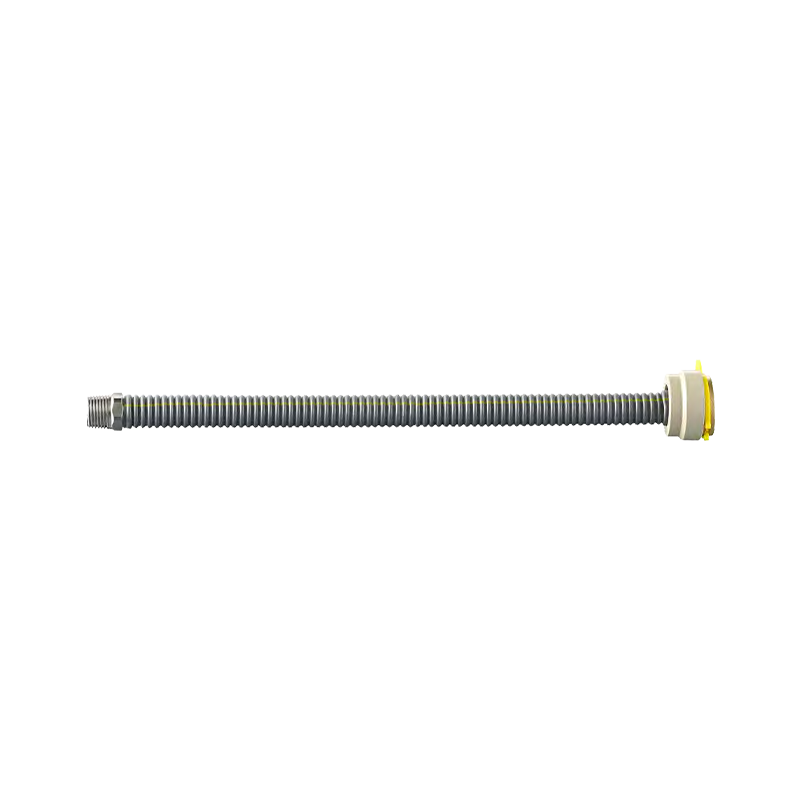
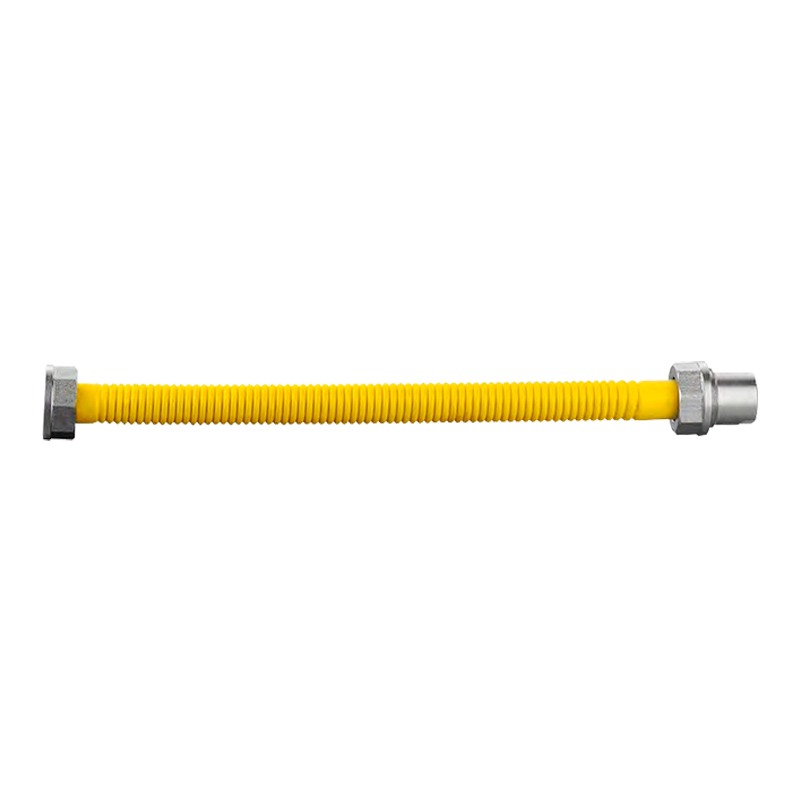
The Air Release Male Fitting is a male-threaded pipe fitting developed for gas transmission pipelines and stainless steel corrugated hose assemblies. Its primary purpose is to release accumulated air from the pipeline while maintaining a dependable connection between the fitting and the associated pipe, hose, valve, or equipment.
The fitting is identified as model RBG-IS13X13-GB/T 26002 under product numbering ZLP-008. Its available nominal specifications are DN13, DN15, and DN20. These sizes are commonly suitable for compact gas pipeline sections, connection assemblies, distribution branches, and equipment interfaces, subject to the design requirements of the specific installation.
The male-threaded structure supports straightforward integration into compatible female-threaded components. This can simplify installation, replacement, and maintenance because the fitting can be connected to an existing threaded interface without requiring extensive changes to the surrounding pipeline. The design is particularly useful when a project requires the addition of an air-release point to an established gas transmission network.
The product is manufactured from high-strength, corrosion-resistant materials selected for use in demanding pipeline environments. Its construction is intended to withstand variations in pressure and temperature that may occur during regular operation, seasonal changes, system startup, shutdown, or maintenance. The precision sealing structure is designed to minimize leakage risk and provide a stable interface over the service life of the fitting.
Unlike a conventional male connector that only joins two components, this fitting provides a specific air-management function. Its value is therefore based on both connection reliability and operational support. By combining these characteristics in one component, it can reduce the need for separate modifications or additional air-release arrangements in suitable pipeline designs.
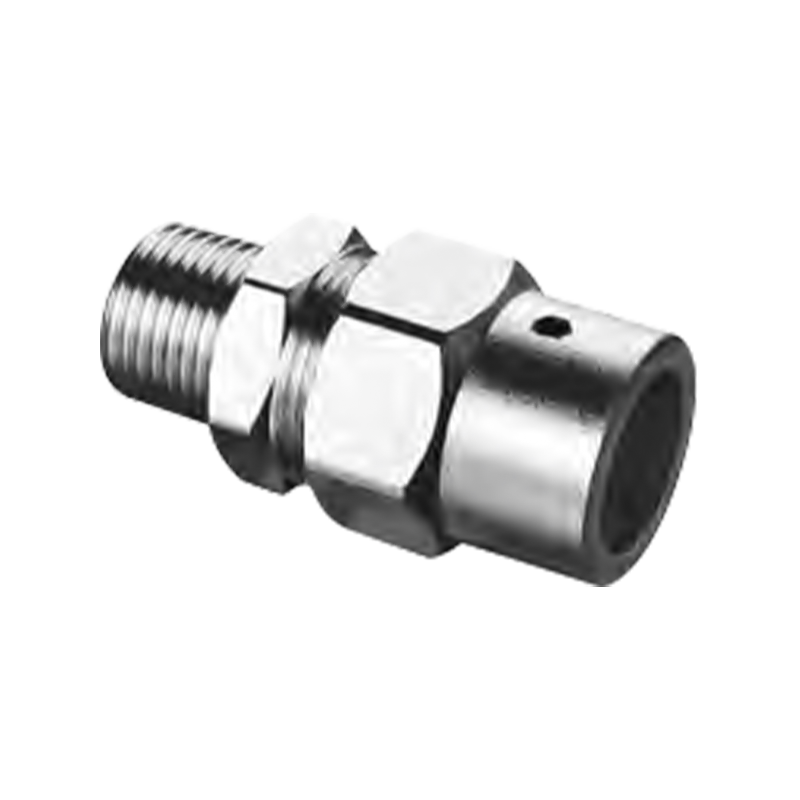
Air Release Male Fitting
Core Design Features
Dedicated Air-Release Function
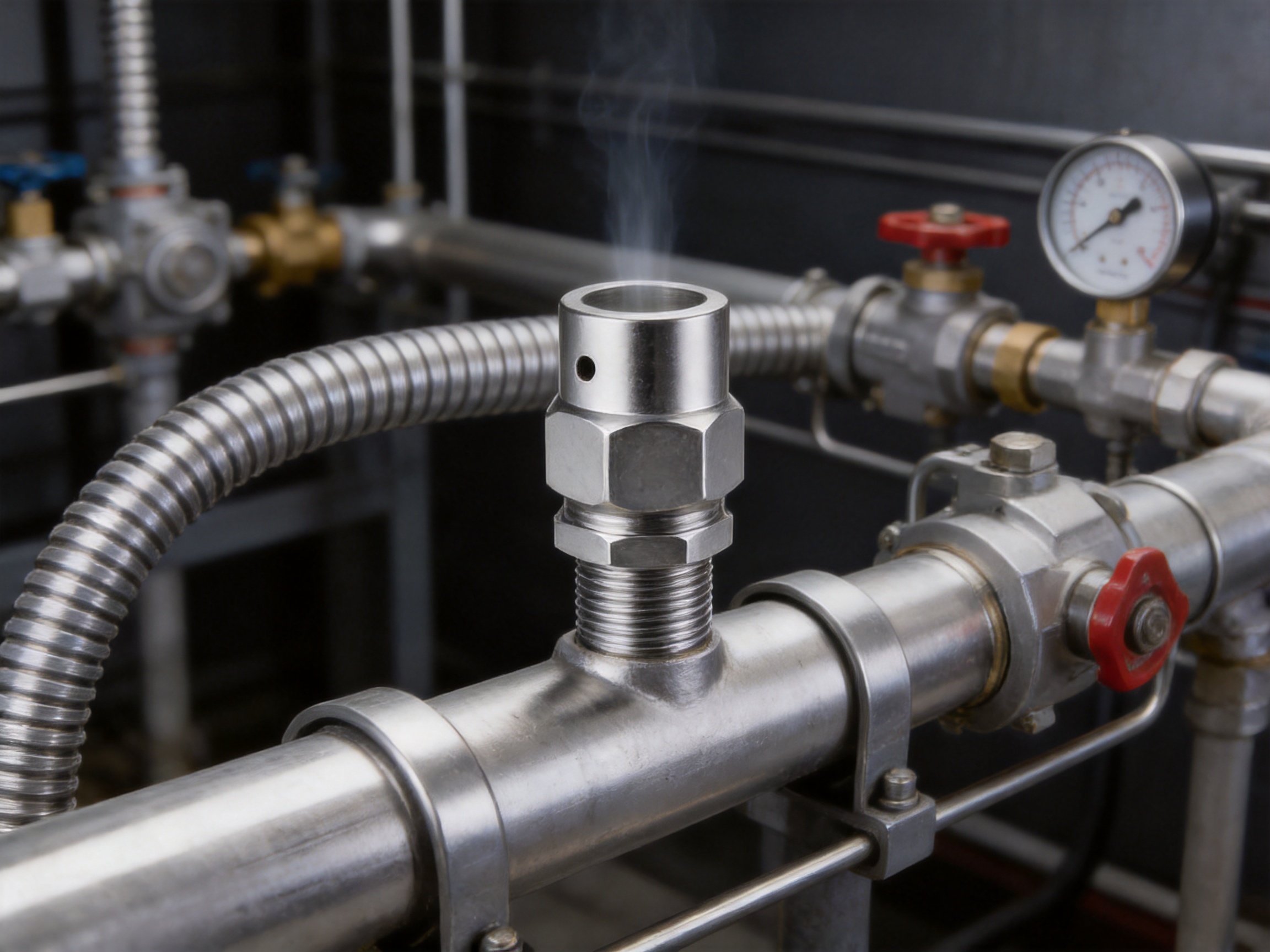
The principal feature of the product is its ability to support the controlled removal of trapped air from the gas transmission system. Accumulated air can interfere with flow behavior and may cause pressure fluctuations or localized airlocks. The Air Release Male Fitting is intended to help release this unwanted accumulation, supporting a more stable operating environment.
Air-release performance is particularly important in pipelines with changes in elevation, complex routing, multiple branches, or equipment connections. These conditions can create locations where air collects more easily. Installing a suitable air-release fitting at an appropriate point can help reduce the impact of such accumulation and make the network easier to operate and maintain.
Male-Threaded Connection
The male-threaded connection allows the product to be installed in a compatible female-threaded port. Threaded installation is widely used in compact gas equipment and pipeline assemblies because it can provide a practical balance of mechanical strength, installation convenience, and serviceability.
A threaded fitting can also be removed and replaced when maintenance is required. This is useful for pipeline operators who need to minimize downtime or avoid cutting and rejoining sections of pipe. When correctly selected and installed, the male-threaded design provides an efficient connection method for both new construction and retrofit applications.
Precision Sealing Structure
Leak prevention is a fundamental requirement for every gas pipeline fitting. Even a small leakage path can reduce system efficiency, create safety concerns, and increase maintenance requirements. The Air Release Male Fitting incorporates a high-precision sealing structure intended to minimize leakage at the connection point.
The sealing structure must work together with the threaded connection, material selection, installation torque, and compatible sealing components. A well-engineered sealing interface can maintain contact under normal pressure and temperature changes while reducing the possibility of loosening or leakage during service.
Precision sealing also supports inspection and commissioning. When the fitting is correctly installed, operators can perform the necessary leak checks and pressure tests more efficiently. Reliable sealing is therefore important not only during operation but also during the entire installation and acceptance process.
Corrosion-Resistant Construction
Gas distribution environments can expose components to moisture, condensation, temperature changes, industrial contaminants, and other corrosive influences. Corrosion may weaken a fitting, damage threads, affect sealing surfaces, and reduce service life. The use of corrosion-resistant materials helps the product maintain its functional properties in challenging conditions.
Material resistance is especially valuable in locations where access for replacement is difficult or where a failure could interrupt gas service. A fitting that retains its structural and sealing performance over a longer period can reduce maintenance frequency and contribute to lower lifecycle costs.
Compact Integration
Gas pipeline assemblies often include limited installation space. A fitting must therefore provide the required function without creating unnecessary bulk or complicating the surrounding arrangement. The Air Release Male Fitting is intended for integration into compact pipeline and hose assemblies, making it suitable for equipment connections, branch sections, and residential or industrial distribution points.
Its compact connection format also supports organized routing. When pipeline components are properly arranged, operators can gain better access for inspection, pressure testing, and maintenance. Efficient component integration can be particularly important in cabinets, utility rooms, equipment skids, and other areas where space is restricted.
Performance Advantages Compared with Conventional Fittings
The Air Release Male Fitting offers several practical advantages over a standard male connector that provides only a mechanical joining function. The most significant difference is the inclusion of an air-release purpose. A conventional connector may connect a pipe or hose effectively but cannot independently address air accumulation. Additional valves, vents, or modifications may therefore be required when air management becomes necessary.
By combining a connection point with air-release capability, the product can help simplify the system design. Fewer separate components may be needed, depending on the pipeline layout and engineering requirements. This can reduce the number of potential leakage points and make the assembly easier to understand and maintain.
The product also provides an advantage where retrofit work is required. Existing gas networks may not be suitable for extensive modification because of downtime, construction limitations, or restricted access. A threaded male fitting can often be added to a compatible connection point with less disruption than a welded alteration. This can support efficient maintenance and improvement projects.
Material durability is another important advantage. Low-quality or unsuitable fittings may experience premature corrosion, thread damage, or sealing deterioration. A high-strength, corrosion-resistant fitting is better positioned to withstand the environmental and operating conditions found in gas distribution networks. This can improve reliability and help reduce the frequency of replacement.
The precision sealing structure also distinguishes the product from basic fittings with less carefully controlled sealing surfaces. Gas applications require a higher level of attention to connection integrity than many general-purpose fluid applications. A fitting designed with leakage prevention as a central objective can support safer operation and more consistent maintenance results.
Finally, the product is available in multiple nominal sizes. The DN13, DN15, and DN20 options allow engineers, distributors, and installers to select a fitting appropriate for the relevant pipeline dimension. A range of sizes can reduce the need for improvised adapters and make it easier to standardize components across different projects.
Applications in Gas Transmission and Distribution
Industrial Gas Networks
Industrial facilities often use gas for heating, processing, drying, manufacturing, laboratory operations, or energy generation. Their pipeline systems may include long routes, multiple branches, pressure-control equipment, and numerous connection points. Air-release fittings can help support stable flow and reduce operational disturbances in these complex networks.
Industrial users also benefit from reliable materials and repeatable installation. Production interruptions may be costly, so fittings must be capable of remaining in service under changing operating conditions. The Air Release Male Fitting can be considered for equipment connections, branch lines, skid-mounted systems, and other installations where air management and secure threaded connection are required.
Residential Gas Applications
Residential gas systems require compact, dependable, and easy-to-maintain components. The fitting may be suitable for selected residential gas distribution arrangements, appliance connection systems, or service assemblies where the engineering design includes a compatible air-release point.
Because residential installations directly affect occupant safety, the fitting must always be selected and installed according to applicable codes, standards, and local regulations. The product’s compact form, corrosion-resistant construction, and male-threaded design can support practical installation, but correct system design and professional testing remain essential.
Gas Equipment Connections
Gas regulators, meters, valves, burners, heaters, and other equipment may require threaded connection points. An air-release male fitting can be used where the equipment arrangement benefits from controlled air removal and a secure connection. Its use can help connect pipeline sections to equipment while maintaining a functional air-management point.
Equipment connection locations often experience vibration, thermal cycling, and frequent inspection. For this reason, the fitting should be installed with attention to alignment, thread engagement, sealing method, and support. Correct installation helps prevent stress from being transferred to the fitting or the connected equipment.
Retrofit and Maintenance Projects
Pipeline improvement projects do not always involve complete system replacement. In many cases, operators need to upgrade a specific section, add an air-release point, or replace an aging connector. A threaded male fitting can be useful in retrofit projects because it may be installed with limited modification to the surrounding arrangement.
Before retrofit installation, the operator should confirm that the existing female thread, nominal size, pressure rating, material compatibility, and gas service requirements are appropriate. The system should be isolated, depressurized, purged, and tested in accordance with the relevant safety procedures.
Material and Durability Considerations
The service life of a gas pipeline fitting depends on more than its basic shape. Material selection, forming quality, thread accuracy, sealing surface condition, operating pressure, temperature, environmental exposure, and installation practice all influence performance.
High-strength materials help the fitting resist mechanical forces during installation and operation. These forces may include tightening torque, vibration, thermal expansion, pressure fluctuation, and external movement. A fitting that lacks sufficient strength may deform or develop damage around the threads and sealing surfaces.
Corrosion-resistant materials help protect the fitting from moisture and environmental exposure. Corrosion resistance is particularly valuable for components installed in utility rooms, outdoor cabinets, underground service areas, industrial workshops, and other locations where humidity or contaminants may be present.
Material stability also supports dimensional consistency. Threads and sealing surfaces must remain sufficiently stable so that the connection can maintain contact throughout the expected operating range. Material selection is therefore closely linked to sealing reliability and long-term service performance.
For each project, engineers should verify that the fitting material is compatible with the transported gas, surrounding components, environmental conditions, and applicable regulatory requirements. Material suitability should not be assumed solely from appearance or nominal size.
Manufacturing Strengths and Production Capabilities
The manufacturer behind the Air Release Male Fitting is Zhejiang Zhenlong Energy Equipment Technology Co., Ltd., an enterprise engaged in the research, development, manufacturing, and processing of energy equipment. Its product portfolio includes metal hoses, natural gas pipelines, plumbing fittings, sanitary ware, valves, plastic products, and hardware.
This broad product scope provides a useful manufacturing foundation for gas fittings. Experience across metal hose production, pipeline components, valves, and related hardware allows the company to understand the relationship between individual fittings and complete pipeline assemblies. Such knowledge is important when developing products that must connect reliably with hoses, pipes, valves, and equipment.
The company integrates industry and trade, supporting coordination between product development, manufacturing, sales, and customer service. This structure can help improve communication regarding specifications, customization, project requirements, production schedules, and after-sales support.
The company operates in Yuyao, Ningbo, Zhejiang, and covers approximately 40 acres with a factory building of about 30,000 square meters. This production base provides space for manufacturing lines, material handling, assembly, testing, inspection, warehousing, and related operations.
Its production facilities include 30 welding and forming production lines. Welding and forming are important processes in the manufacture of metal hoses, pipeline components, and related fittings. A large number of production lines can support order flexibility and help the manufacturer organize production according to product type, volume, and delivery requirements.
The company also has two uninterrupted solid melting hydrogen furnace production lines. Furnace processes can contribute to the controlled treatment and production of metal materials used in energy equipment. Stable thermal processing is important for achieving consistent material properties and supporting dependable forming and connection performance.
Although a production line alone does not guarantee product quality, the combination of specialized equipment, trained personnel, process control, and inspection procedures can create a strong foundation for repeatable manufacturing. For gas pipeline fittings, repeatability is especially important because small variations in thread accuracy, sealing geometry, or material condition can affect installation and service performance.
Research and Development Capability
The company maintains a research, development, design, and production team focused on energy equipment and pipeline components. R&D capability allows a manufacturer to respond to practical customer needs such as new sizes, revised connection structures, improved sealing designs, material requirements, and application-specific configurations.
Product development for a gas fitting should consider more than appearance. Engineers need to evaluate air-release behavior, thread geometry, structural strength, sealing interfaces, corrosion resistance, pressure conditions, temperature variation, and installation requirements. A coordinated development process helps bring these factors together in a practical product design.
The ability to manufacture related products internally can also support faster design feedback. Manufacturing engineers can identify forming, welding, machining, assembly, or testing challenges during development. This feedback can then be used to improve the design before large-scale production.
Quality Management System
The company states that it strictly implements the ISO9000:2008 quality management system. A quality management framework can help organize responsibilities, document procedures, control production stages, manage nonconforming products, and support continual improvement.
For a fitting used in gas transmission, a quality system is valuable because production quality must be consistent from batch to batch. The system should cover raw-material verification, process control, dimensional inspection, sealing checks, final inspection, packaging, and traceability where required by the project.
Quality management also supports communication between departments. Design, purchasing, production, inspection, warehousing, sales, and after-sales teams must work from consistent product information. This is particularly important when customers order multiple sizes or require fittings for a larger pipeline project.
Testing and Inspection Equipment
The company has testing equipment including metal material analysis direct-reading spectrometers and flow tightness testers. Material analysis equipment can help verify the composition of metal materials and support the selection of suitable raw materials. Confirming material composition is important for maintaining expected strength, corrosion resistance, and forming characteristics.
Flow tightness testers are relevant to gas pipeline fittings because leakage control is a central performance requirement. Tightness testing can help identify defects, sealing problems, or assembly conditions that may affect the integrity of the finished product. Testing results can support quality records and provide confidence during production acceptance.
Inspection equipment is most effective when used as part of a complete quality process. Dimensional control, visual inspection, thread verification, sealing checks, and material analysis should work together. A product may pass one inspection while failing another, so multiple control points are useful for reducing the risk of undetected defects.
Certifications and Industry Participation
The company holds a Special Equipment Manufacturing License issued by the People’s Republic of China and has EU CE certification testing reports. It is also a member of the China Urban Gas Association. These credentials and industry affiliations demonstrate the company’s participation in the regulated energy-equipment and urban-gas sectors.
Certification and licensing requirements vary by market and application. Customers should always confirm whether the specific product, configuration, and intended use satisfy the requirements of the installation location. Nevertheless, experience with regulated manufacturing environments can be an important advantage when evaluating a supplier of gas pipeline components.
Production Process for a Reliable Male Fitting
Manufacturing a dependable air-release male fitting involves a sequence of controlled operations. The exact process may vary according to the material, design, and production method, but the main stages generally include material preparation, forming or machining, thread production, sealing-surface preparation, cleaning, inspection, testing, and packaging.
Material Preparation
Production begins with the selection and preparation of suitable metal material. The material should correspond to the required strength, corrosion resistance, forming behavior, and service environment. Incoming material may be identified, inspected, and analyzed before being released to production.
Material control helps prevent confusion between different grades or batches. Proper identification also supports traceability when project documentation or quality records are required.
Forming and Machining
The fitting body is formed or machined to create its basic shape and connection geometry. Forming processes must control wall thickness, dimensional accuracy, and surface condition. Machining may be used to produce precise internal or external features, including threaded sections and sealing surfaces.
Accuracy at this stage is important because the thread and sealing surface must work together. Excessive variation can lead to difficult installation, insufficient engagement, cross-threading, or leakage.
Thread Production
The male thread must be produced according to the intended connection specification. Thread quality affects installation torque, engagement depth, alignment, and sealing performance. The thread should be free from damaging burrs, deformation, contamination, or irregularities that could affect the mating female thread.
Thread inspection may include dimensional verification, gauge checks, visual inspection, and trial engagement with a compatible reference component. These checks help ensure that the fitting can be installed consistently in the field.
Sealing-Surface Preparation
The sealing surface is prepared to provide reliable contact with the compatible sealing component or mating interface. Surface condition, geometry, and cleanliness are all important. Scratches, dents, particles, or improper finishing can create leakage paths.
Production controls should protect the sealing surface during handling and assembly. Components that appear visually acceptable may still require testing to confirm flow tightness and sealing performance.
Cleaning and Final Inspection
After forming and machining, the fitting should be cleaned to remove metal particles, oil, dust, and other contaminants. Cleanliness is important because debris can interfere with threads, valves, sealing surfaces, and downstream gas equipment.
Final inspection may include appearance, dimensions, thread condition, surface quality, and identification marking. Products that do not meet the required criteria should be separated and managed according to the quality procedure.
Leakage and Tightness Testing
Flow tightness testing helps verify that the finished fitting can maintain the required sealing performance under the defined test conditions. Testing parameters should be established according to the product design, applicable standards, and intended application.
Testing provides a practical quality check that complements dimensional inspection. A fitting may have correct dimensions but still fail to seal because of a surface defect, assembly issue, or material problem. Tightness testing helps identify these conditions before the product is delivered.
Installation Guidance
Installation should be performed by qualified personnel who understand gas pipeline safety requirements and local regulations. Before work begins, the pipeline should be isolated from the gas supply, depressurized, and made safe according to the approved work procedure.
The installer should first confirm the product specification. The nominal size, thread type, material, pressure capability, and application should be compatible with the existing pipeline. DN13, DN15, and DN20 fittings should not be treated as interchangeable unless the complete connection arrangement has been properly designed.
The mating female thread should be inspected for damage, contamination, corrosion, or deformation. Damaged threads may prevent correct engagement and can create a leakage path. The connection area should be clean and free from particles that could interfere with sealing.
The fitting should be aligned carefully before tightening. Cross-threading can damage both the male and female threads. The component should be engaged by hand where possible before using an appropriate tool. Tightening should follow the relevant installation procedure and should not exceed the recommended torque or place excessive stress on the fitting.
Only compatible sealing materials should be used. The selection of thread sealant, gasket, or other sealing component should take into account the gas type, pressure, temperature, material compatibility, and applicable regulations. Excessive sealant should not be allowed to enter the internal passage, where it could affect air-release operation or contaminate downstream equipment.
The pipeline should be supported so that the fitting does not carry unnecessary bending or mechanical load. Misalignment, vibration, thermal movement, or unsupported hose weight can transfer stress to the threaded connection. Proper support improves the likelihood of long-term sealing stability.
After installation, the system should undergo the required leak test and pressure test. The testing procedure should be appropriate for the gas system and should be conducted with suitable equipment. The connection should not be placed into service until the test results meet the acceptance criteria.
Maintenance and Inspection
Routine inspection helps identify potential problems before they become serious. Inspection intervals should reflect the operating environment, gas type, pressure, temperature, installation location, and applicable regulations.
Operators may inspect the fitting for visible corrosion, damage, unusual movement, contamination, or signs of leakage. Any change in surface condition, connection position, or system pressure behavior should be assessed by qualified personnel.
The air-release function should also be considered during maintenance. If trapped air continues to cause pressure fluctuations or flow disruption, the operator should confirm that the fitting is correctly installed and that the surrounding pipeline design permits effective air removal. A problem may result from incorrect positioning, blockage, incompatible components, or a broader system issue.
Cleaning should be carried out using methods compatible with the fitting material and the gas system. Aggressive chemicals, abrasive tools, or procedures that damage the sealing surface should be avoided. If the fitting must be removed, the pipeline should be isolated and made safe before disassembly.
Replacement is recommended when the fitting shows significant corrosion, thread damage, deformation, persistent leakage, or loss of functional performance. Reusing damaged sealing materials or forcing a connection into service can create unnecessary risk.
Selection Considerations for Buyers and Engineers
When selecting an Air Release Male Fitting, buyers should evaluate the complete application rather than choosing solely by nominal size. The following factors are important:
Pipeline size: Select the DN specification that corresponds to the design connection and flow requirements.
Thread compatibility: Confirm that the male thread matches the female-threaded connection in type, size, pitch, and applicable standard.
Gas compatibility: Verify that the materials and sealing components are suitable for the transported gas.
Pressure and temperature: Confirm that the fitting is appropriate for the maximum and minimum operating conditions.
Environmental exposure: Consider moisture, outdoor installation, condensation, industrial contaminants, and other corrosion influences.
Installation position: Determine whether the selected location allows effective air release and convenient inspection.
Testing requirements: Identify the leak, pressure, documentation, and certification requirements for the project.
Maintenance access: Ensure that personnel can reach the fitting for inspection, testing, and replacement if necessary.
The following table summarizes the available product information.
| Item | Information |
|---|---|
| Product name | Air Release Male Wire Fitting |
| Product type | Air Release Male Fitting |
| Product category | Stainless steel corrugated hose fittings for gas transmission |
| Product number | ZLP-008 |
| Model number | RBG-IS13X13-GB/T 26002 |
| Available specifications | DN13, DN15, DN20 |
| Connection style | Male-threaded connection |
| Primary function | Controlled removal of accumulated air and secure pipeline connection |
| Construction characteristics | High-strength, corrosion-resistant materials and precision sealing structure |
| Typical applications | Industrial and residential gas transmission and distribution systems |
Why Manufacturing Expertise Matters
A pipeline fitting is a small component, but its role in a larger gas system can be significant. A defect in a thread, sealing surface, or material structure may affect the reliability of the entire assembly. This is why manufacturing experience, process control, testing capability, and technical support matter when selecting a supplier.
A manufacturer with experience in metal hoses, natural gas pipelines, valves, and related fittings can better understand how components interact in real installations. This broader knowledge can support more practical design decisions and improve communication with customers who require complete connection solutions rather than isolated parts.
Production scale can also be useful for project supply. With multiple welding and forming lines, the company can organize production for different product groups and order quantities. A substantial factory provides room for production planning, inspection, warehousing, and packaging, which can help support stable delivery.
Advanced inspection equipment provides another advantage. Material analysis helps confirm raw-material quality, while tightness testing addresses one of the most important functional requirements of gas fittings. When these capabilities are combined with documented quality procedures, the manufacturer is better equipped to deliver consistent products.
Technical service is equally important. Customers may need assistance with model selection, size confirmation, connection compatibility, application conditions, customization, documentation, and after-sales support. A supplier that provides comprehensive pre-sales and after-sales services can help reduce the risk of specification errors and installation problems.
Customer Value and Lifecycle Benefits
The value of the Air Release Male Fitting should be considered across the entire product lifecycle. During design, its dedicated air-release function can support a more complete pipeline solution. During installation, its male-threaded connection can simplify integration with compatible components. During operation, corrosion-resistant construction and precision sealing can support reliability. During maintenance, the threaded format can assist inspection and replacement.
These benefits may contribute to lower indirect costs. Stable gas delivery can reduce operational interruptions, while a durable fitting can reduce unplanned replacement. Easier maintenance can shorten service work, and reliable sealing can reduce the risk associated with leakage investigations.
Lifecycle value does not mean that a fitting eliminates all system risks. Pipeline design, installation quality, operating conditions, inspection, and regulatory compliance remain essential. However, selecting a fitting with an appropriate function and robust construction can provide a stronger foundation for safe and efficient system operation.
The product can also support inventory standardization. With DN13, DN15, and DN20 options, organizations may be able to establish an approved range for recurring maintenance and construction needs. Standardized products can simplify purchasing, training, storage, and replacement planning.
Safety and Regulatory Responsibility
Gas systems require careful design and controlled work practices. The Air Release Male Fitting should be used only in applications for which its specification, material, pressure capability, and connection design are suitable. All installation and testing should comply with relevant national, regional, industry, and site-specific requirements.
Operators should not assume that a fitting is suitable for every gas, pressure, temperature, or environmental condition. The product should be reviewed by qualified engineering and safety personnel before use. Where required, documentation such as material information, inspection records, testing results, and certification reports should be maintained.
During installation and maintenance, ignition sources, gas exposure, pressure release, and confined-space risks must be controlled. Proper ventilation, gas detection, personal protective equipment, isolation procedures, and emergency planning may be necessary depending on the site.
The air-release function must also be incorporated into the overall safety design. Released gas or air should be directed or managed in a manner consistent with the applicable safety requirements. The fitting should not be installed in a location where venting could create an unsafe accumulation or expose personnel to hazardous conditions.
Frequently Asked Questions
What is the main purpose of the Air Release Male Fitting?
The main purpose is to help remove accumulated air from a gas transmission or distribution pipeline while providing a secure male-threaded connection. By supporting air release, the fitting can help reduce pressure fluctuations, airlocks, and flow disruptions.
Where can this fitting be used?
It is designed for gas transmission applications involving stainless steel corrugated hose fittings and related pipeline assemblies. It may be considered for industrial gas networks, residential gas systems, equipment connections, branch lines, and retrofit projects when the complete installation is compatible.
Which sizes are available?
The available nominal specifications are DN13, DN15, and DN20. The correct size should be selected according to the pipeline design, connection interface, flow requirements, and applicable engineering standards.
What type of connection does the product use?
The product uses a male-threaded connection. It must be connected to a compatible female-threaded port with matching dimensions, thread type, and service requirements.
What materials are used?
The fitting is constructed from high-strength, corrosion-resistant materials. The exact material selection should be confirmed through the product documentation for the intended application, gas type, pressure, temperature, and environmental conditions.
How does the fitting help improve pipeline operation?
By automatically supporting the release of accumulated air, the fitting can help maintain more stable gas delivery and reduce air-related flow disturbances. It also provides a precision sealing structure intended to minimize leakage at the connection point.
Can the fitting be used in a residential gas system?
It may be suitable for selected residential gas applications when the system design, product specification, local codes, and professional installation requirements are satisfied. Residential use should always be reviewed by qualified personnel.
Is the fitting suitable for retrofit projects?
The male-threaded format can be practical for retrofit and maintenance projects where a compatible female-threaded connection already exists. Before installation, the operator should confirm the existing connection, isolate and depressurize the pipeline, and complete the required testing.
How is leakage checked after installation?
Leakage should be checked using the pressure and tightness-testing procedures required for the specific gas system and local regulations. Visual inspection alone is not sufficient for confirming gas-tight performance.
What makes this product different from a conventional male fitting?
A conventional male fitting may provide only a mechanical connection. The Air Release Male Fitting combines the male-threaded connection with an air-release function, corrosion-resistant construction, and a precision sealing structure. This combination can reduce the need for separate air-management components in suitable designs.
What quality capabilities does the manufacturer have?
The manufacturer operates welding and forming production lines, uninterrupted solid melting hydrogen furnace production lines, material analysis equipment, and flow tightness testing equipment. The company also states that it implements the ISO9000:2008 quality management system and provides energy-equipment manufacturing and technical services.
Can the product be customized?
Customization should be discussed with the manufacturer according to the required size, thread, material, sealing arrangement, application, quantity, and documentation. Any customized configuration should be technically reviewed before production.
What should be considered during installation?
Installers should verify thread compatibility, clean the mating surfaces, use suitable sealing materials, avoid cross-threading, apply proper tightening procedures, support the connected pipeline, and complete the required leak and pressure tests.
Conclusion
The Air Release Male Fitting is designed to address two important requirements in gas pipeline systems: controlled air management and reliable threaded connection. Its air-release function can help reduce pressure fluctuations, airlocks, and flow disruptions, while its precision sealing structure supports leakage prevention. High-strength, corrosion-resistant construction provides a foundation for use in demanding industrial and residential gas environments.
The DN13, DN15, and DN20 options allow the fitting to serve different pipeline configurations. Its male-threaded design supports installation in compatible female-threaded ports and can be useful for new construction, equipment connections, maintenance, and retrofit work.
The manufacturer adds value through broad energy-equipment experience, a substantial production base, multiple welding and forming lines, furnace production capability, material analysis, flow tightness testing, quality management, technical development, and customer service. These capabilities support the consistent manufacture of fittings intended for safe and efficient pipeline operation.
When correctly selected, installed, tested, and maintained, the Air Release Male Fitting can provide a practical solution for gas transmission systems that require dependable sealing and effective air removal. Its combination of functional design, durable materials, and manufacturing support makes it a strong option for engineers, distributors, contractors, and operators seeking reliable pipeline connection components.
References
1. ISO 9000 Quality Management Systems—Fundamentals and Vocabulary.
2. General principles of gas pipeline design, installation, pressure testing, and maintenance.
3. Industrial practice guidelines for threaded pipe fittings and gas-tight connection assemblies.
4. Material selection principles for corrosion-resistant components used in gas distribution networks.
5. Engineering guidance for air removal, pressure stability, and flow management in pipeline systems.
6. Product information for Air Release Male Fitting, model RBG-IS13X13-GB/T 26002, product number ZLP-008.
7. Manufacturer information concerning energy-equipment production, metal hose manufacturing, pipeline fittings, testing facilities, quality management, and technical services.