 English
 中文简体
 Español
 عربى

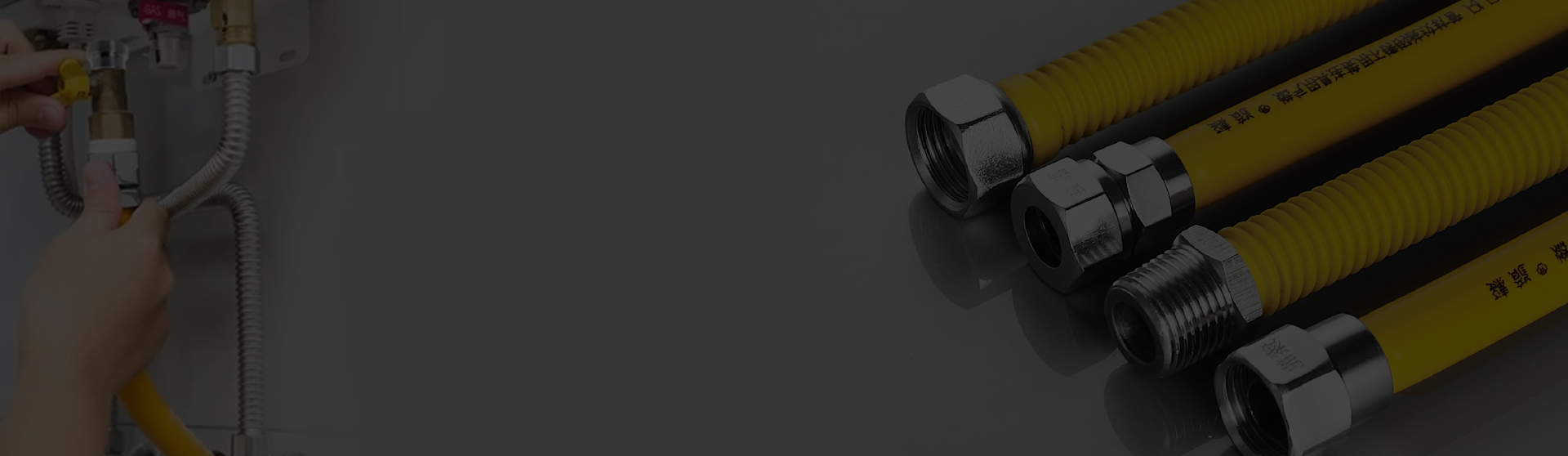

Flow-control equipment plays a central role in the safety, efficiency, and service life of gas pipelines, water systems, industrial hoses, and equipment connections. Among the many valve designs used in these applications, the internal and external thread ball valve offers a practical combination of compact construction, quick operation, dependable sealing, and installation flexibility. It is particularly suitable for systems in which space is limited, frequent shutoff is required, or the valve must be connected directly to threaded pipework and corrugated hose assemblies.
The Internal and External Thread Ball Valve is engineered for precise flow isolation and reliable leak prevention in gas and fluid transmission systems. Its threaded connection arrangement enables it to be integrated into different pipeline configurations without requiring complex installation procedures. The ball mechanism rotates smoothly inside the valve body, allowing the operator to move rapidly between an open and closed position. This simple operating principle reduces pressure loss during normal flow and provides a reliable barrier when the pipeline must be isolated.
For users selecting a valve for natural gas, water, plumbing, or industrial hose applications, the product offers an important balance between performance and practicality. It is compact enough for confined installation areas, robust enough for demanding service conditions, and designed with corrosion-resistant materials to support long-term use. When matched correctly with the pipeline, pressure rating, media, temperature, and connection standard, it can provide dependable performance across a wide range of fluid transmission systems.
Content
- 1 Product Overview
- 2 Why Threaded Ball Valves Are Important in Pipeline Systems
- 3 Core Product Advantages
- 4 Flow-Control Performance
- 5 Sealing and Leak-Prevention Design
- 6 Compatibility with Corrugated Hose Assemblies
- 7 Manufacturing Capabilities and Production Strengths
- 8 Advantages Compared with Less Specialized Alternatives
- 9 Applications
- 10 Installation Recommendations
- 11 Maintenance and Service Life
- 12 Quality Assurance and Purchasing Considerations
- 13 Customization and OEM/ODM Support
- 14 Safety Considerations
- 15 Environmental and Operational Benefits
- 16 Frequently Asked Questions
- 16.1 What is an internal and external thread ball valve?
- 16.2 What is the listed size of the product?
- 16.3 Is the valve suitable for natural gas?
- 16.4 Can it be used for water?
- 16.5 Is this valve intended for throttling?
- 16.6 What are the main benefits compared with a larger flanged valve?
- 16.7 How should the valve be installed with a corrugated hose?
- 16.8 How can leakage be prevented at a threaded connection?
- 16.9 What quality-control capabilities does the manufacturer report?
- 16.10 Can the product be customized?
- 16.11 What documents should be requested before ordering?
- 17 Conclusion
- 18 References
- 19 Product: Internal and external thread ball valve
Product Overview
The product is identified as an internal and external thread ball valve and is associated with stainless steel corrugated hose fittings for gas transmission. The available product information lists the model as ZLP-015 and the specification as DN15. The corresponding product name in the specification table is Double external wire ball valve. Because naming conventions can vary between product catalogs and regional markets, purchasers should confirm the exact thread configuration, connection standard, material grade, and operating parameters before placing an order.
| Item | Available Information |
|---|---|
| Product type | Threaded ball valve |
| Product description | Internal and external thread ball valve |
| Listed model | ZLP-015 |
| Nominal size | DN15 |
| Catalog specification | Double external wire ball valve |
| Primary application | Gas and fluid transmission |
| Related product category | Stainless steel corrugated hose fittings for gas transmission |
| Operating principle | Quarter-turn ball mechanism |
| Connection method | Threaded pipe or hose connection, subject to configuration |
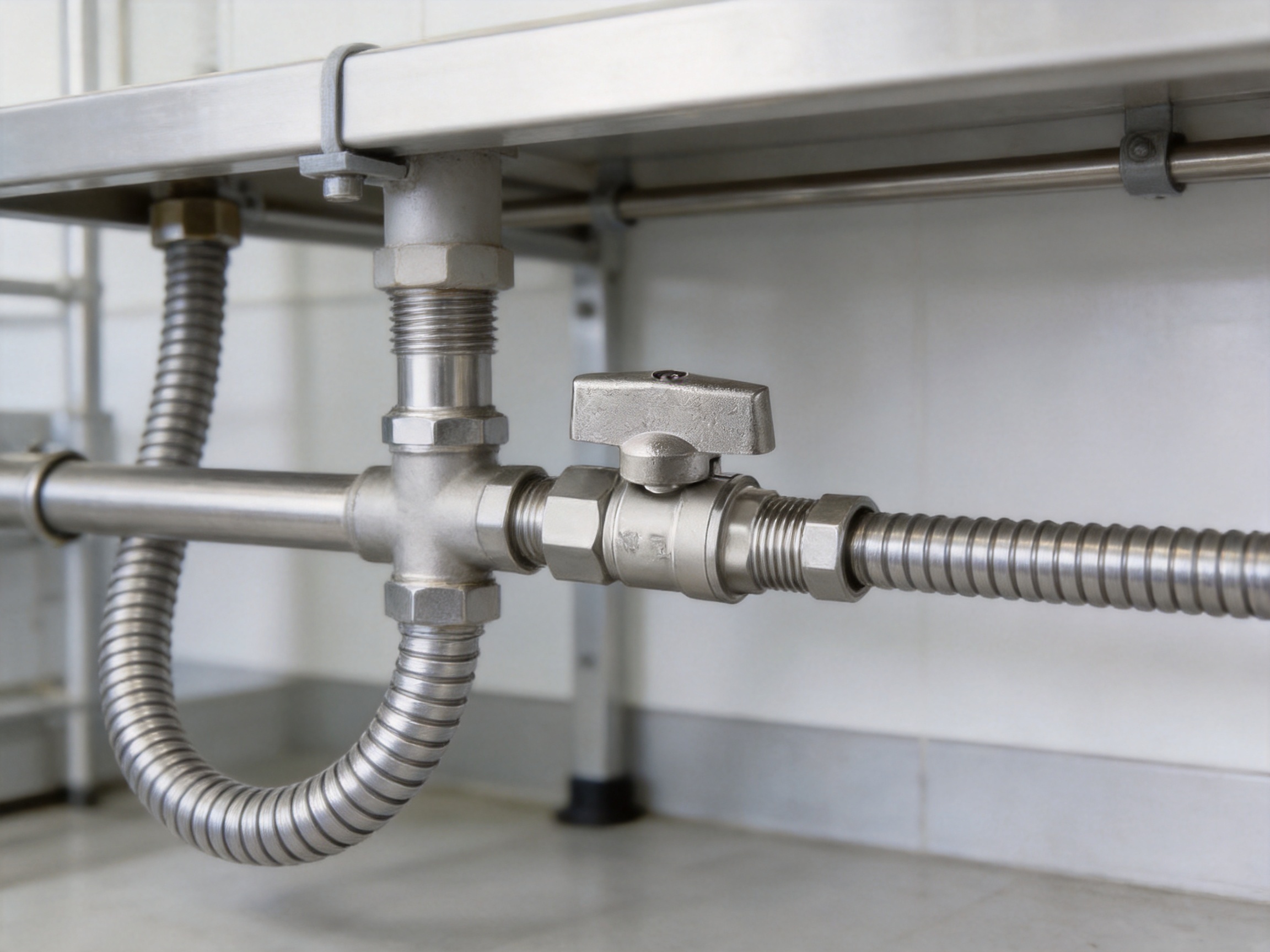
The valve is intended to provide an efficient shutoff point within a pipeline. In the open position, the internal passage of the ball aligns with the pipe, allowing gas or liquid to pass through with limited obstruction. In the closed position, the ball rotates so that its solid surface blocks the passage. The sealing seats surrounding the ball help prevent the medium from passing through the valve when the valve is properly installed and operated.
This operating method is widely valued because it combines fast actuation with a relatively simple internal structure. Unlike multi-turn valves that require repeated handle rotation, a ball valve typically reaches its fully open or fully closed state with a quarter turn. This makes it easier for operators to identify the valve position and respond quickly during maintenance, emergency isolation, or routine system control.
Why Threaded Ball Valves Are Important in Pipeline Systems
Threaded valves are commonly used in small- and medium-diameter piping because they can be installed without welding equipment or complex flange assemblies. A threaded design is useful in residential gas systems, commercial plumbing, equipment supply lines, water distribution branches, and industrial hose connections. It can also simplify replacement work because a worn valve may be removed and replaced using standard tools, provided that the pipeline has been safely depressurized and the connection is accessible.
An internal and external thread arrangement can offer additional flexibility compared with a valve that has only one connection style. Depending on the exact configuration, one side may connect to an externally threaded pipe, nipple, adapter, or hose fitting, while the other side may connect to an internally threaded component. This adaptability can reduce the number of intermediate adapters required in certain installations. Fewer transition components may contribute to a more compact assembly and may reduce the number of potential leakage points.
Threaded connections are especially useful when integrating valves with corrugated stainless steel hoses. Corrugated hoses are valued for flexibility, vibration absorption, and resistance to movement caused by thermal expansion or equipment operation. A compatible threaded ball valve can serve as an isolation point near the appliance, regulator, manifold, or equipment inlet. The result is an assembly that combines flexible routing with convenient shutoff capability.
However, connection compatibility must always be verified. Pipe threads may differ in profile, pitch, nominal size, and sealing method. Common thread standards include tapered and parallel designs, but they are not automatically interchangeable. A valve should not be forced into a fitting with a different thread standard, even when the nominal size appears similar. Correct thread selection protects the sealing surface, prevents cross-threading, and supports safe long-term operation.
Core Product Advantages
Compact and Efficient Construction
The ball valve design generally provides a compact flow-control solution. Its quarter-turn mechanism does not require a long stem stroke or a large actuator assembly for manual operation. This is beneficial in equipment rooms, cabinets, gas-meter areas, plumbing compartments, and other locations where installation space is restricted.
A compact valve can also reduce the overall size of a pipeline assembly. When the valve is combined with compatible threaded fittings or corrugated hose connections, installers may be able to route the system more efficiently around walls, appliances, machines, or structural obstacles. The reduced footprint can make inspection and maintenance easier, particularly when the handle remains visible and accessible.
Fast Shutoff and Clear Operating Position
The quarter-turn operating principle enables rapid isolation. In many applications, the handle position gives a direct visual indication of whether the valve is open or closed. This is valuable during commissioning, equipment servicing, emergency response, and routine inspection.
Fast operation does not eliminate the need for proper procedures. The valve should be operated smoothly rather than forced. Sudden changes in flow may produce pressure surges in some systems, especially where the downstream line contains liquid or where the pipeline is long. Operators should consider the characteristics of the transmitted medium and the complete system before making rapid adjustments.
Reliable Sealing Performance
The product is designed to provide leak-resistant isolation through the interaction of the ball, sealing seats, stem, and valve body. A properly manufactured and correctly installed ball valve can provide a tight shutoff suitable for sensitive gas and fluid transmission applications. Reliable sealing is especially important in natural gas systems, where even a small leak can create safety risks, operational losses, and compliance concerns.
Leak prevention depends on more than the valve alone. The thread condition, sealant selection, installation torque, pipeline alignment, operating pressure, temperature, and chemical compatibility all influence actual performance. The valve’s sealing surfaces must remain free from scratches, debris, and excessive wear. The connecting pipe must be supported so that bending or vibration does not transfer damaging loads to the valve body.
Corrosion-Resistant Materials
The product is described as being constructed from high-quality, corrosion-resistant materials. Corrosion resistance is important in gas, water, and industrial environments because valves may be exposed to moisture, condensation, chemicals, cleaning agents, or atmospheric contaminants. A resistant material can help preserve the body, threads, and sealing interfaces during extended service.
Material selection should be based on the actual medium and environment. Gas composition, water quality, chloride content, temperature, pressure, and external exposure can all affect material performance. Stainless steel and other corrosion-resistant alloys are often selected for demanding applications, but the exact grade should be confirmed with the supplier. Internal seals and seats must also be compatible with the fluid and temperature range, since the body material alone does not determine total valve compatibility.
Adaptability for Gas and Fluid Systems
The valve can serve a range of applications involving gas and fluid transmission. Potential uses include natural gas branch lines, appliance connections, water supply systems, plumbing equipment, industrial hose assemblies, and compact equipment manifolds. Its usefulness comes from the combination of threaded installation, compact dimensions, rapid operation, and shutoff capability.
For gas service, the valve must be selected and installed in accordance with applicable local codes and technical requirements. The working pressure and temperature must be within the product’s approved limits. For water and industrial liquids, the installer should verify compatibility with additives, disinfectants, oils, solvents, and other substances that may be present in the line.
Reduced Installation Complexity
Compared with welded or flanged valve arrangements, threaded installation can require fewer specialized tools and less preparation. This can reduce labor time in suitable small-diameter systems. The valve can be assembled with compatible threaded components and an approved sealing method, allowing maintenance personnel to perform replacement work more efficiently.
The installation advantage is most significant when the pipeline already uses threaded connections. If the existing system is welded, flanged, or based on a different connection standard, additional adapters may be necessary. Planning the complete assembly before installation helps avoid unnecessary transitions and ensures that the valve can be removed later without damaging adjacent components.
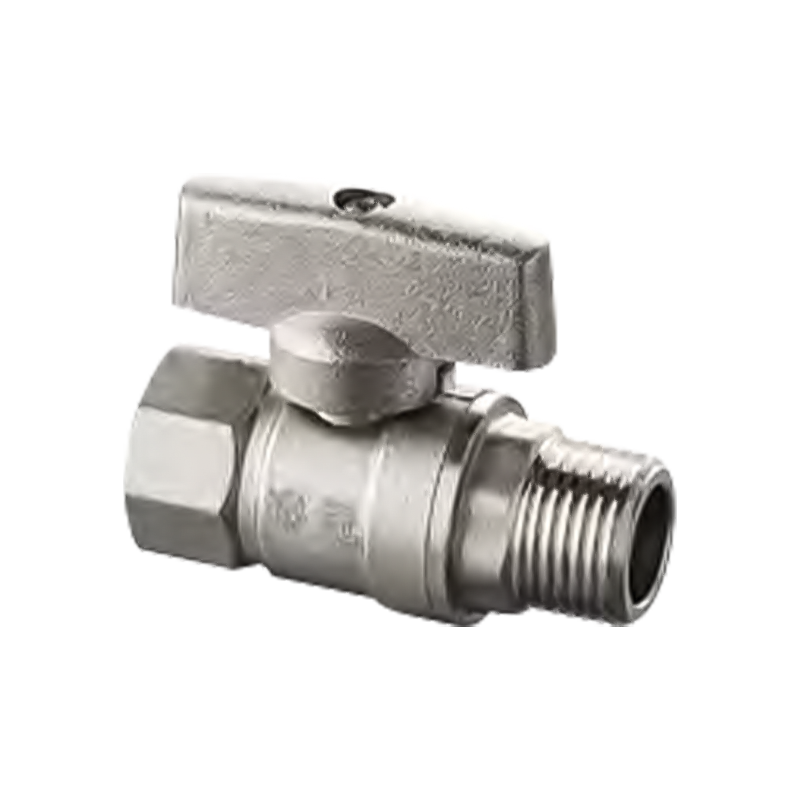
Internal and external thread ball valve
Flow-Control Performance
A ball valve is primarily intended for on-off service, although some systems use it for limited throttling. Its best performance is usually achieved when it is either fully open or fully closed. In the fully open position, the internal passage can provide relatively low resistance compared with valve types that retain a significant obstruction in the flow path. Lower resistance can support efficient gas or fluid movement and reduce unnecessary pressure loss.
Using a standard ball valve continuously in a partially open position may increase turbulence and accelerate wear on the ball or seats. If precise continuous flow regulation is required, a control valve designed for throttling should be evaluated instead. The internal and external thread ball valve is most appropriate when the primary requirement is dependable isolation, equipment shutoff, or straightforward branch-line control.
Correct sizing is also essential. A DN15 valve is intended for a nominal 15-millimeter pipeline size or a corresponding nominal system designation, but the actual thread dimensions and internal bore must be verified. A valve that is too small may restrict flow, while a valve that is unnecessarily large may increase cost, weight, and installation complexity. Sizing should consider flow rate, pressure drop, medium density, line length, and the requirements of connected equipment.
Sealing and Leak-Prevention Design
Leak prevention is one of the most important characteristics of a gas or fluid valve. The sealing system typically includes the ball seats, stem seals, body joints, and threaded end connections. Each area must be manufactured accurately and assembled correctly. Even a high-quality valve may leak if the pipe threads are damaged, excessive sealant enters the valve, or the body is subjected to misalignment stress.
The ball and seats must be produced with appropriate dimensional accuracy and surface quality. A smooth ball surface helps the seats maintain contact while the valve rotates. The stem must transfer handle movement to the ball without excessive play. The body must maintain structural integrity under the intended pressure and temperature conditions. Quality control at each stage helps ensure that the finished product performs consistently.
Threaded joints require special attention. The selected sealing material should be appropriate for the service medium and approved for the applicable pressure and temperature range. Sealant should be applied only to the intended thread area and kept away from the internal flow passage. Over-tightening can distort the fitting, damage the threads, or place excessive stress on the valve body. Under-tightening may leave a leakage path. Professional installation practices are therefore essential.
After installation, the assembly should be inspected and tested according to the relevant procedures. For gas systems, leak testing must use a safe and approved method. Open flames must never be used to search for gas leaks. For water systems, a controlled pressure test can help identify leakage before the system is placed into service. The test conditions should not exceed the limits of the valve, hose, or connected equipment.
Compatibility with Corrugated Hose Assemblies
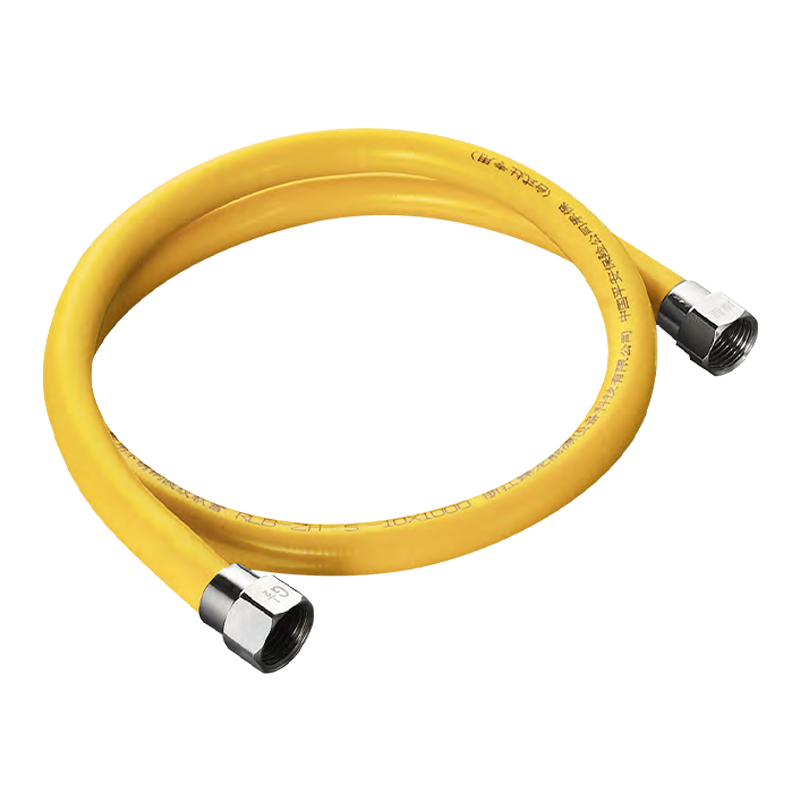
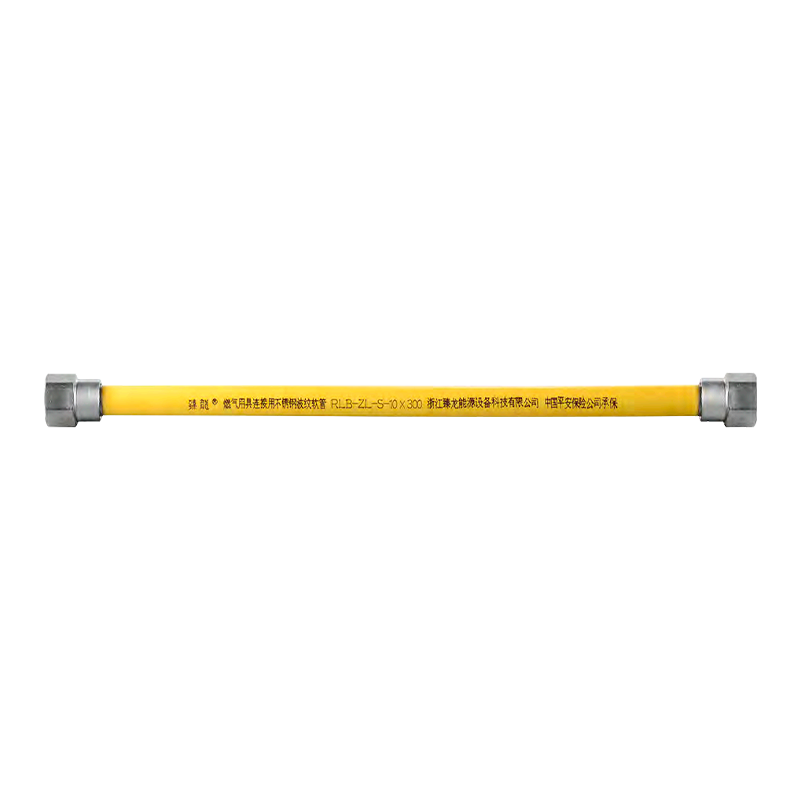
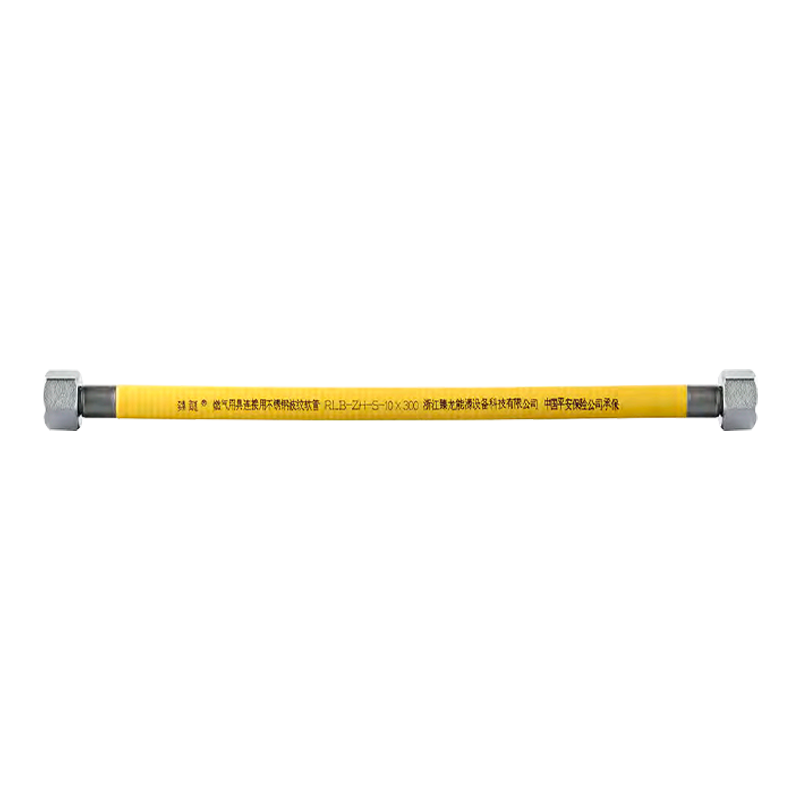
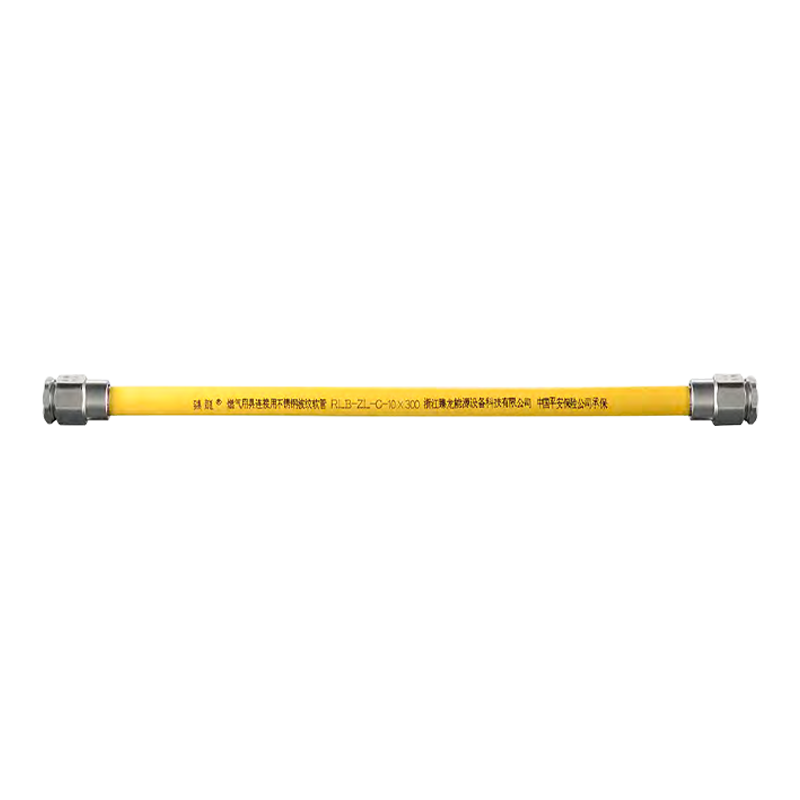
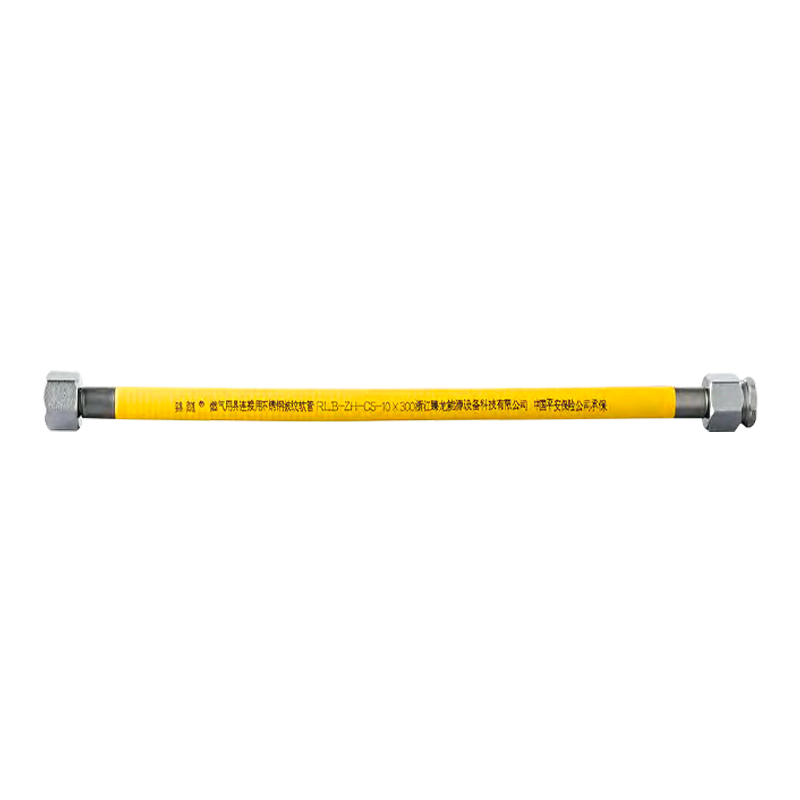
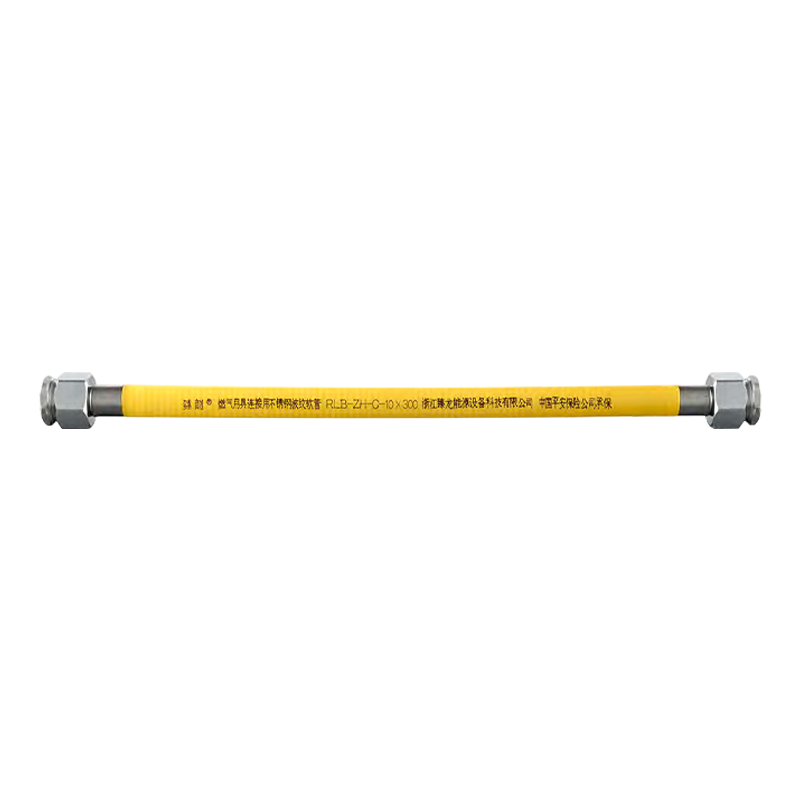
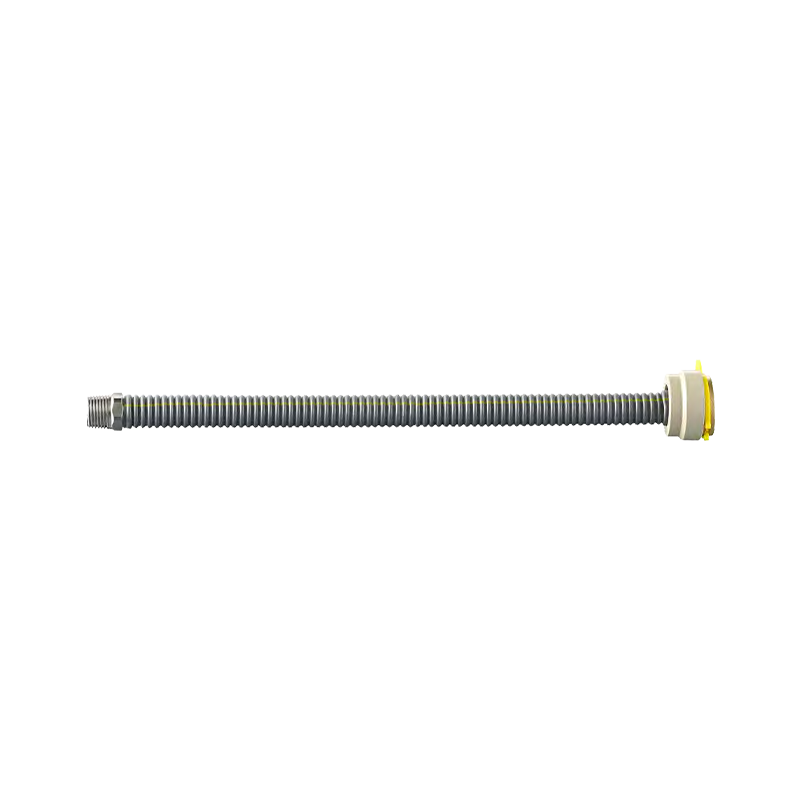
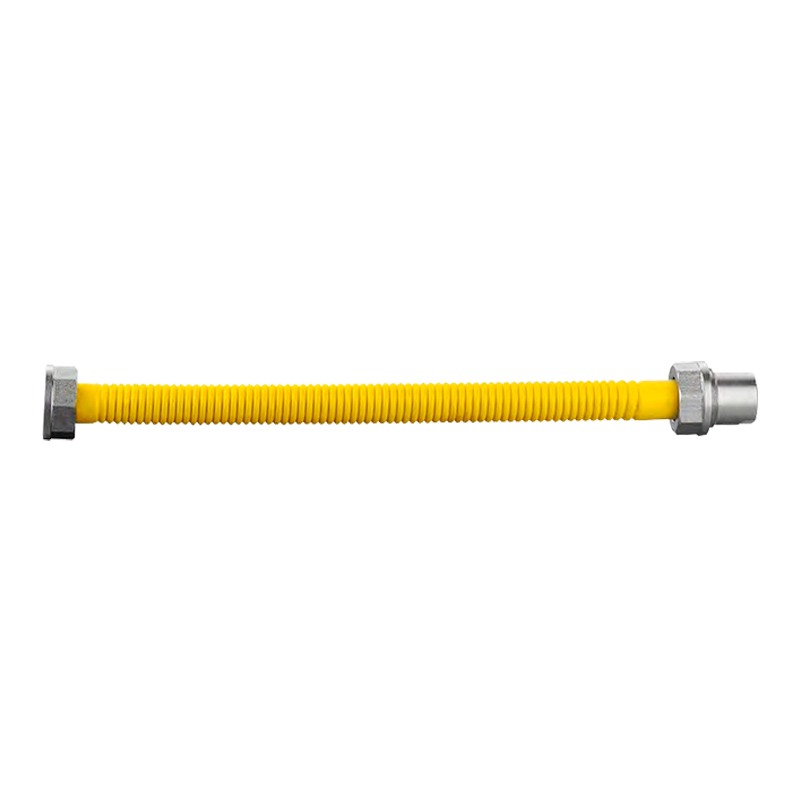
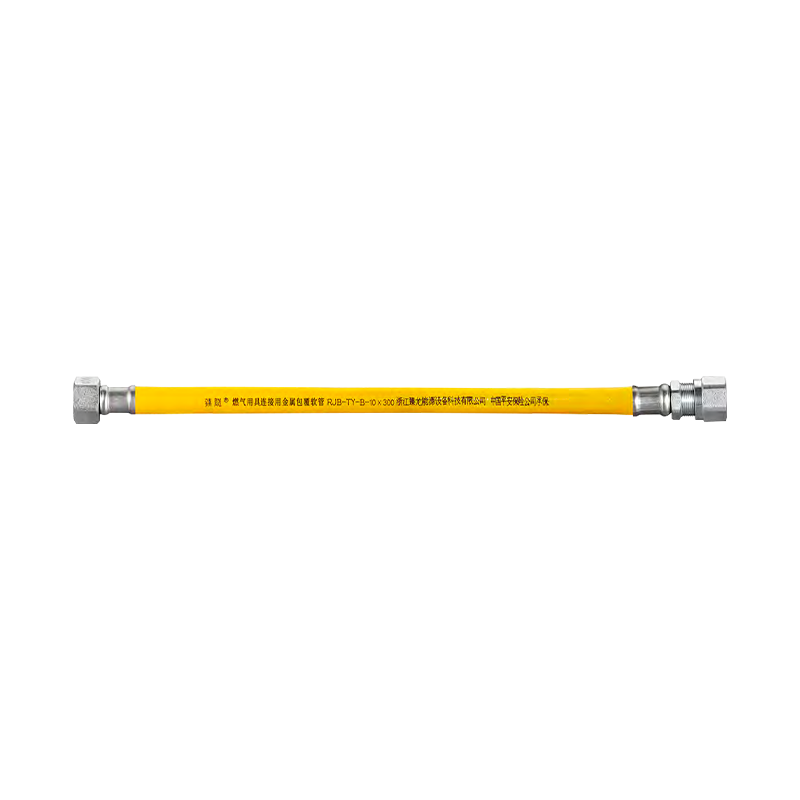
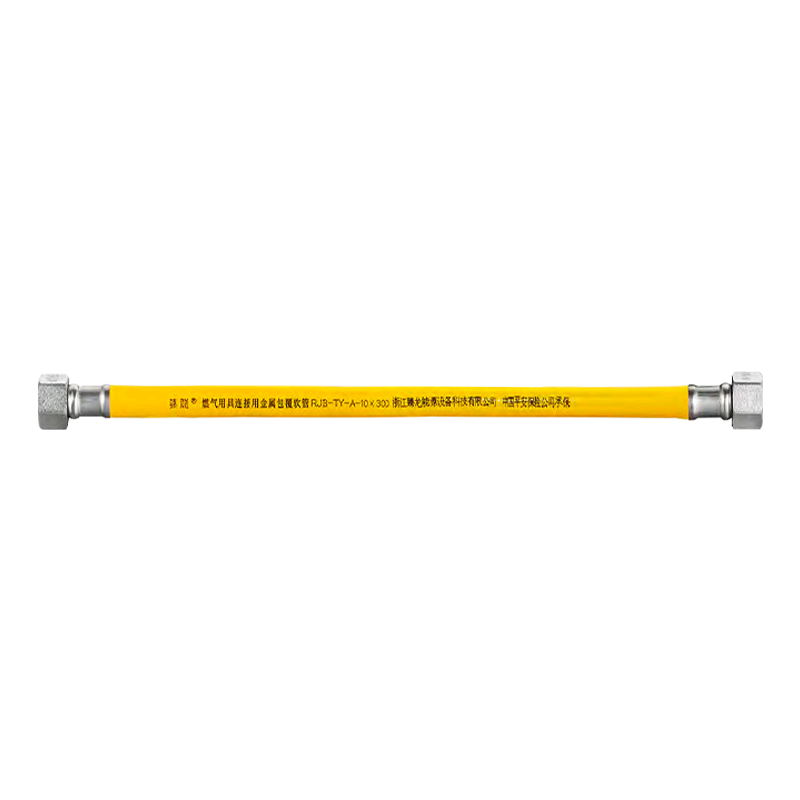
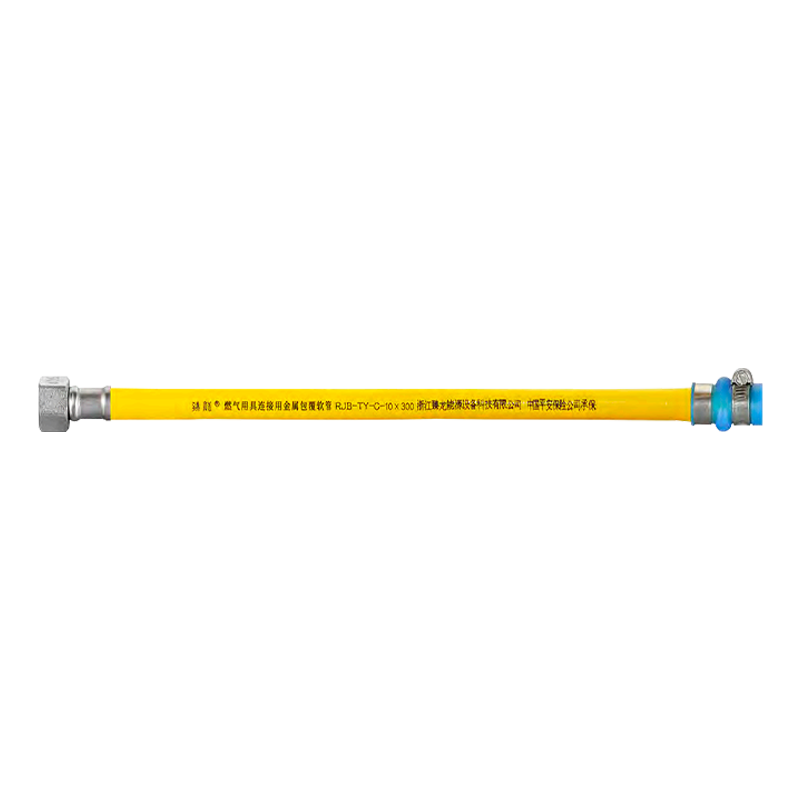
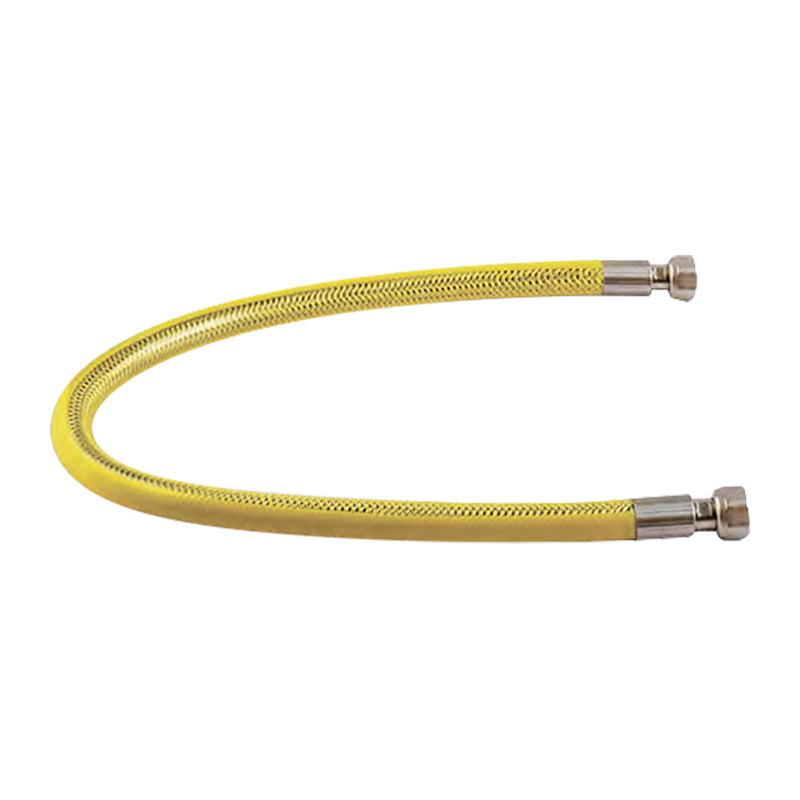
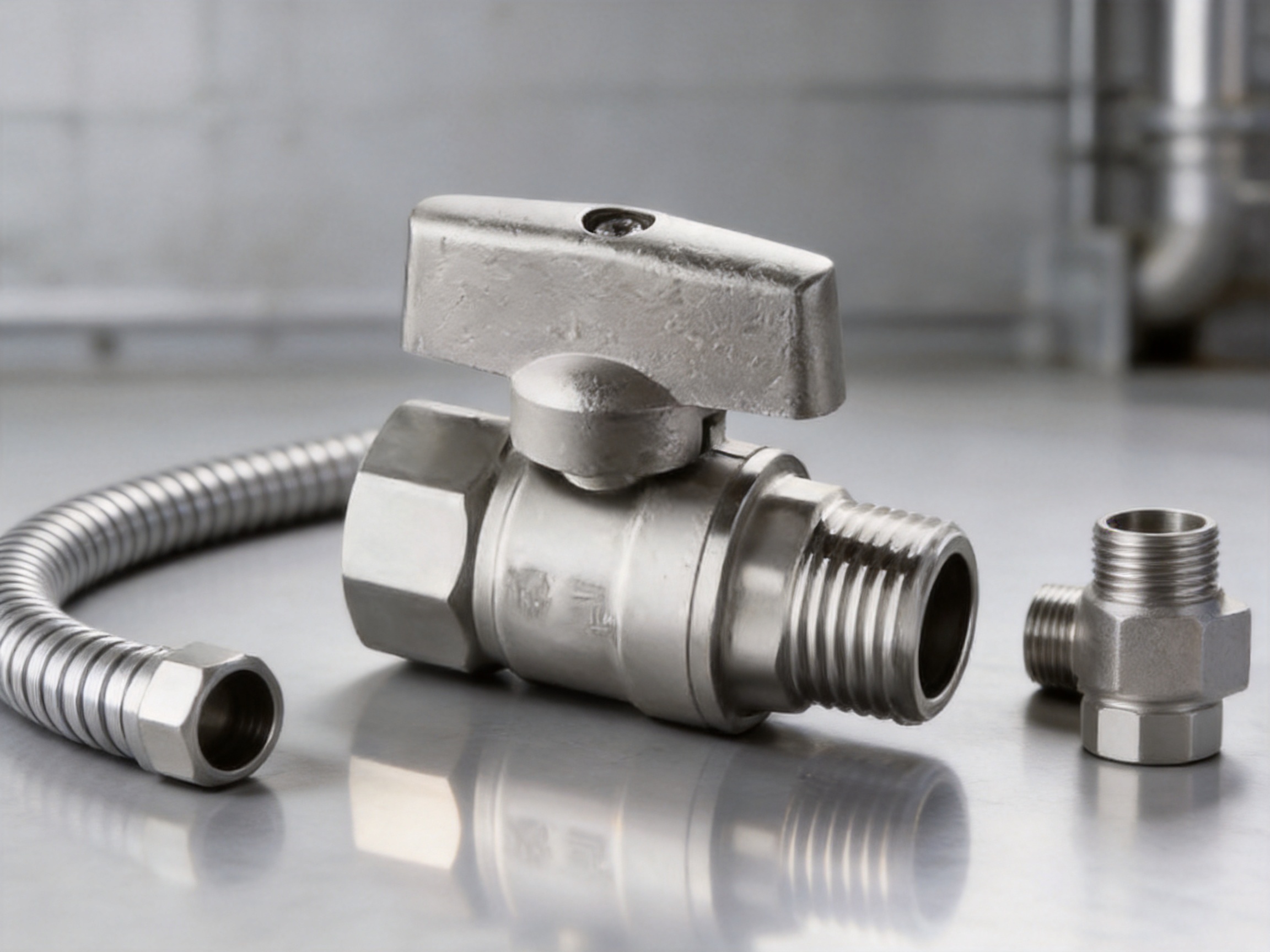
Stainless steel corrugated hoses are frequently used where flexibility is needed between a fixed pipeline and movable or vibrating equipment. The corrugated structure allows the hose to bend within its approved limits, while the stainless steel material provides strength and resistance to many environmental conditions. A threaded ball valve installed at one end of such an assembly can provide a convenient means of isolating the equipment.
The valve and hose must be selected as a complete system. Thread size, thread type, pressure rating, temperature rating, sealing method, and material compatibility must correspond. The hose should not be twisted during installation, and its minimum bend radius must be respected. The valve should not be used to support the hose mechanically unless the assembly has been specifically designed for that purpose.
Where vibration is present, the pipeline should be supported independently and the hose should be routed to absorb movement rather than transmit it to the valve. Excessive bending at the threaded connection can cause fatigue, loosening, or leakage. Proper alignment and support can significantly extend the life of both the hose and the valve.
Manufacturing Capabilities and Production Strengths
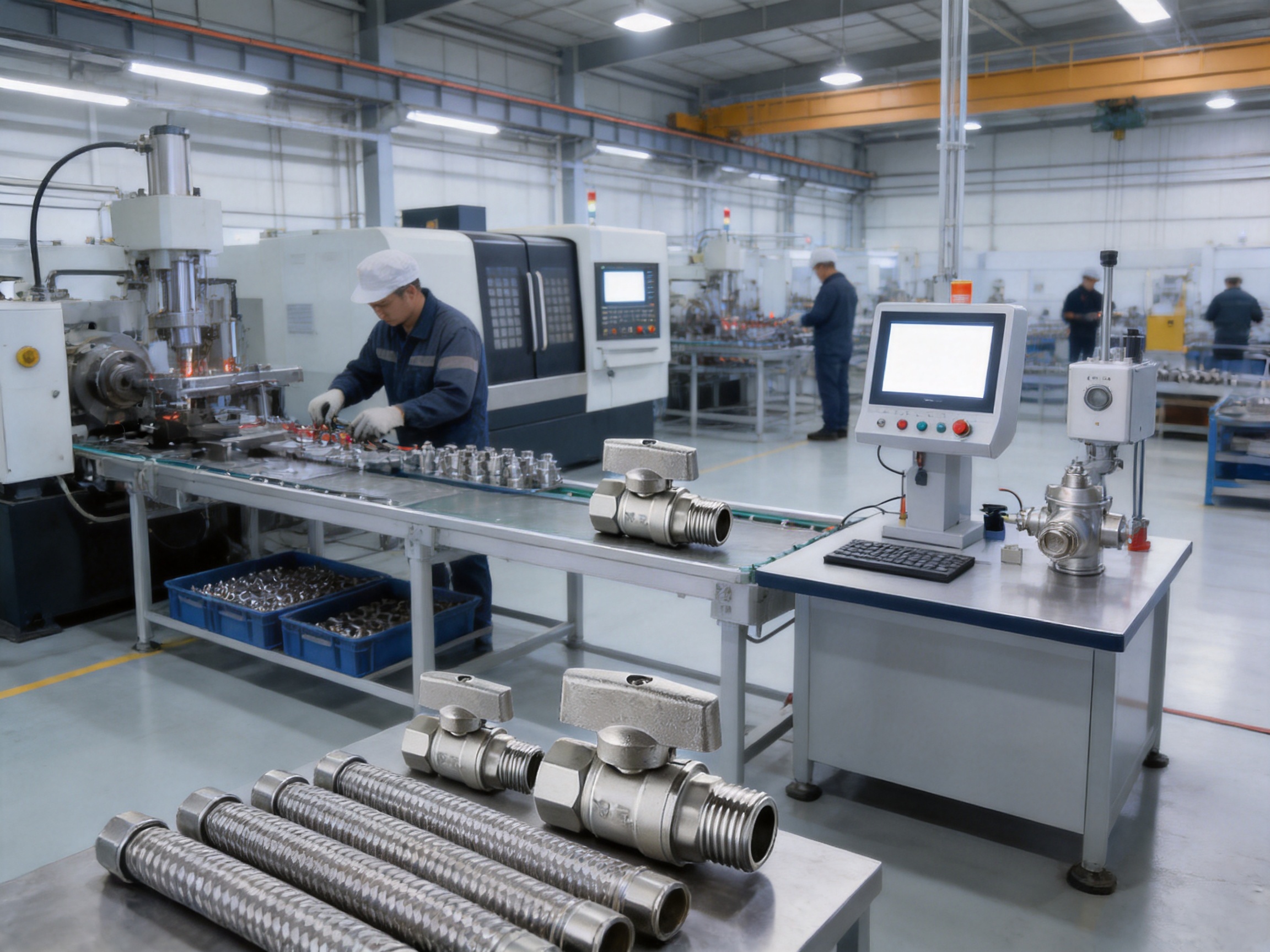
Zhejiang Zhenlong Energy Equipment Technology Co., Ltd. is described as an integrated energy-equipment enterprise engaged in research, development, manufacturing, processing, and trade. Its product range includes metal hoses, natural gas pipelines, plumbing fittings, sanitary ware, valves, plastic products, and hardware. This broad product scope is relevant to the development of threaded ball valves because valves are often installed as part of a larger connection system rather than as isolated components.
The company operates in Yuyao, Ningbo, Zhejiang, and is reported to cover approximately 40 acres with a factory building of about 30,000 square meters. A substantial manufacturing site can support organized material handling, dedicated production areas, inspection stations, storage systems, and coordinated assembly operations. These capabilities are important for maintaining stable product quality when manufacturing valves and related fittings in volume.
The company is also reported to have 30 welding and forming production lines. Welding and forming expertise is particularly valuable for the manufacture of metal hoses, corrugated components, pipe assemblies, and related connection parts. It can support better integration between the valve and the flexible hose products used in gas transmission systems. In-house production capabilities may also improve coordination between component dimensions, assembly requirements, and final inspection.
Two uninterrupted solid melting hydrogen furnace production lines are listed among the company’s facilities. Thermal processing and controlled material production can contribute to stable material properties when properly managed. Furnace operations may support the production or treatment of metal components that require controlled heating conditions. Material composition, heat treatment, and process consistency should be verified through documented quality-control procedures.
The factory is reported to use testing equipment including metal material analysis direct-reading spectrometers and flow tightness testers. A direct-reading spectrometer can assist with material composition verification, helping confirm that incoming or processed metal corresponds to the intended grade. This is important for corrosion resistance, mechanical performance, and consistency between production batches.
Flow tightness testing is directly relevant to ball-valve manufacturing. A suitable test program can identify leakage through the valve body, stem, seats, or connection areas. Testing may be performed at specified pressures and with defined acceptance criteria. Consistent tightness testing helps prevent defective products from reaching customers and supports traceability when test records are properly maintained.
The company states that it strictly implements the ISO9000:2008 quality management system. Quality-management practices can provide a framework for document control, process monitoring, supplier management, inspection, corrective action, and customer feedback. While a quality system does not replace product-specific testing, it can improve the repeatability and accountability of manufacturing operations.
The company also reports holding a Special Equipment Manufacturing License for pressure pipelines issued by the People’s Republic of China, together with EU CE certification testing reports. It is important for purchasers to request current, product-specific documentation and confirm the scope of each certification or license. Certification requirements can vary by product type, pressure category, destination market, and intended application.
Membership in the China Urban Gas Association further reflects the company’s connection with the urban gas equipment sector. Industry participation can help manufacturers remain familiar with market requirements, installation practices, and safety expectations. The value of such participation is strongest when it is supported by current technical standards, documented testing, and continuous product improvement.
Advantages Compared with Less Specialized Alternatives
One advantage of this product is its alignment with a manufacturer that produces several related categories of gas and fluid equipment. A supplier that understands metal hoses, gas pipelines, fittings, valves, and hardware may be better positioned to evaluate the interaction between connected components. This can be useful for customers seeking a coordinated assembly rather than a single replacement valve.
Another advantage is the combination of product development and manufacturing capabilities. Research, development, processing, and production functions within one organization can shorten communication paths when customers require a customized thread configuration, material option, packaging method, or application-specific solution. Customization remains subject to feasibility, minimum order quantities, testing requirements, and applicable regulations, but integrated engineering resources can make technical discussions more efficient.
In comparison with basic low-cost valves that may have limited documentation or inconsistent inspection, a product supported by material analysis and flow-tightness testing offers a stronger foundation for quality assurance. Testing does not guarantee suitability for every application, but it provides objective evidence that key performance characteristics are being evaluated.
The valve’s compact threaded format may also provide an advantage over larger flanged assemblies in small pipeline systems. It can reduce installation space, simplify handling, and support faster component replacement. At the same time, flanged valves may remain preferable for larger diameters, high-maintenance systems, or installations requiring frequent dismantling. The best choice depends on the complete system rather than on one feature alone.
Compared with gate or globe valves of similar nominal size, the ball valve can offer faster operation and a more compact body. Gate valves are often selected for full-bore isolation in larger lines, while globe valves may be preferred for controlled throttling. The internal and external thread ball valve is especially attractive where quick shutoff and compact threaded integration are more important than fine regulation.
Applications
Natural Gas and Fuel Gas Systems
The valve can be used as an isolation point in suitable natural gas and fuel gas applications. Possible locations include appliance branches, equipment inlets, manifolds, regulator connections, and compact gas pipeline assemblies. Gas service requires strict attention to approved materials, pressure limits, connection standards, leak testing, ventilation, and local installation codes.
In a gas installation, the valve should be accessible for operation and inspection. It should not be concealed behind permanent construction unless an approved access arrangement is provided. The operator should be able to identify the valve position and reach the handle without exposing the assembly to unnecessary impact or heat.
Water and Plumbing Systems
For water systems, the valve can be used to isolate fixtures, branches, pumps, heaters, tanks, and other equipment. Its quick shutoff function can simplify maintenance by allowing one section of a system to be closed without shutting down the entire building or process line.
The valve may be suitable for cold water, hot water, or treated water only when the material and sealing components are rated for the actual temperature and chemistry. Expansion, vibration, and water hammer should be considered during system design. Gradual operation may be appropriate where rapid closure could produce pressure surges.
Industrial Hose and Equipment Connections
Industrial equipment often requires flexible connections because of vibration, movement, or alignment changes. A ball valve installed between a fixed pipe and a hose can provide a practical isolation point for pumps, compressors, burners, processing equipment, and service assemblies.
Industrial applications may involve oils, gases, chemicals, steam, compressed air, or specialty liquids. The valve must be checked against the chemical compatibility and pressure-temperature requirements of the medium. A general-purpose threaded valve should not automatically be used for aggressive or hazardous chemicals without technical confirmation.
Sanitary and Utility Equipment
Because the manufacturer also produces sanitary ware and plumbing products, the valve may be suitable for selected utility connections in buildings and equipment rooms. Its compact shape can be useful near washroom fixtures, water heaters, filtration equipment, and service panels. As with all plumbing components, the valve should be selected according to local water regulations and the required connection standard.
Installation Recommendations
Before installation, inspect the valve, threads, seals, handle, and body for visible damage. Confirm that the model, nominal size, thread type, pressure rating, and material are appropriate for the system. Compare the valve connection with the mating pipe or fitting without applying force. If the threads do not align smoothly by hand, stop and investigate the mismatch.
Clean the mating threads and remove dirt, metal chips, old sealant, and moisture. Use a sealing material approved for the service. Apply it carefully to the external thread where appropriate, keeping excess material away from the internal passage. Do not use damaged tools that may deform the body or handle.
Install the valve in the correct flow arrangement if the specific model has a directional requirement. Many basic ball valves can operate in either flow direction, but this should not be assumed without checking the product documentation. Position the valve so the handle can move fully and remains accessible for inspection and emergency shutoff.
Support adjacent pipes and hoses independently. Do not use the valve as a structural support or pull the pipeline into alignment by tightening the valve. Excessive mechanical stress can damage the body or create long-term leakage. When connecting a corrugated hose, prevent twisting and observe the recommended bend radius.
Tighten the connection according to appropriate installation practice. Excessive torque may damage threads or distort sealing areas, while insufficient torque may permit leakage. After assembly, conduct the required pressure and leak tests. Inspect the valve again after the system reaches its normal operating condition, since temperature changes and vibration may affect the connection.
Maintenance and Service Life
Routine maintenance should include visual inspection of the valve body, threaded joints, handle, and nearby hose connections. Look for corrosion, discoloration, mechanical damage, sealant movement, moisture, unusual odor, or evidence of leakage. Gas installations require particular attention to odor and approved leak-detection procedures.
Operate the valve periodically when permitted by the system owner and safety procedures. Infrequent operation may allow deposits or corrosion to affect movement. The handle should turn smoothly without excessive force. If the valve becomes difficult to operate, do not use an extension bar or apply impact. Investigate the cause and replace the valve if necessary.
The valve should be isolated and depressurized before removal or repair. Gas, water, and industrial fluid systems can retain pressure even when equipment appears to be inactive. Maintenance personnel should use appropriate protective equipment and follow lockout, tagout, venting, draining, and purging procedures where applicable.
Service life depends on pressure cycles, temperature, medium, installation quality, vibration, corrosion, and operating frequency. A valve used in clean water under moderate conditions may perform differently from one exposed to corrosive gas, abrasive liquid, or high temperatures. Maintaining records of installation date, inspections, test results, and replacement history can improve asset management.
Quality Assurance and Purchasing Considerations
When purchasing the ZLP-015 or a similar valve, buyers should request a complete technical datasheet. Important information includes body material, seat material, stem-seal material, thread standard, working pressure, test pressure, operating temperature, flow direction, handle material, and applicable certifications.
Customers should also confirm whether the supplied product uses internal and external threads, double external threads, or another connection arrangement. The product description and catalog specification may use different terminology, so written confirmation is recommended before ordering. A drawing showing thread dimensions can eliminate ambiguity.
For project orders, buyers may request material certificates, inspection records, tightness-test results, dimensional inspection reports, and batch traceability documents. These documents are especially valuable for gas infrastructure, commercial projects, industrial plants, and export applications where approval and traceability requirements are more demanding.
| Purchasing Checkpoint | Reason for Verification |
|---|---|
| Nominal size | Ensures the valve matches the pipeline capacity and connection size. |
| Thread standard | Prevents cross-threading and incompatible sealing arrangements. |
| Material grade | Confirms corrosion resistance and mechanical suitability. |
| Pressure rating | Ensures safe operation under normal and maximum system pressure. |
| Temperature range | Protects the body, seats, and seals from thermal damage. |
| Medium compatibility | Confirms suitability for gas, water, oil, chemicals, or other fluids. |
| Leak-test documentation | Provides evidence of valve tightness and quality inspection. |
| Certification scope | Confirms compliance with the requirements of the destination market. |
| Packaging and labeling | Protects threads and supports identification during storage and installation. |
Customization and OEM/ODM Support
The company describes itself as a China OEM/ODM manufacturer of metal hoses, corrugated hoses, pipe fittings, and related precision-engineered products. This capability may benefit distributors, equipment manufacturers, engineering contractors, and system integrators that require products under private labels or with application-specific configurations.
Potential customization areas may include thread standards, body materials, handle designs, dimensions, packaging, labeling, hose compatibility, and documentation. Any modification affecting pressure containment or sealing performance should be reviewed by qualified engineers and verified through suitable testing. Custom products should not be treated as interchangeable with standard catalog items without technical approval.
An integrated manufacturer can also support product bundling. For example, a customer may require a corrugated hose, threaded fittings, a ball valve, and related adapters as one coordinated supply package. Consolidating related products may simplify procurement, reduce compatibility risks, and support consistent branding or installation instructions.
For OEM and ODM projects, customers should provide clear information about the application, medium, pressure, temperature, installation environment, annual demand, destination market, required standards, packaging, and inspection plan. Detailed specifications at the beginning of the project help prevent later changes and improve production efficiency.
Safety Considerations
The valve should be used only within its approved operating limits. Exceeding the rated pressure or temperature can result in leakage, component damage, or failure. The chemical properties of the medium must also be evaluated, particularly when the system contains corrosive, flammable, toxic, or high-temperature substances.
Gas systems require installation by qualified personnel familiar with local regulations. Before commissioning, all joints should be tested using an approved method. Ventilation, ignition-source control, emergency isolation, and access for inspection should be considered as part of the overall system design.
For water systems, pressure surges and freezing conditions should be addressed. Frozen water can expand and damage valve bodies, fittings, or hoses. In industrial systems, the valve may require guards or protective routing if it is exposed to impact, hot surfaces, aggressive chemicals, or moving machinery.
A valve is not a substitute for a pressure-relief device, backflow preventer, emergency shutdown system, or process control valve unless it has been specifically approved for that function. System designers should evaluate all required safety devices independently.
Environmental and Operational Benefits
A durable valve can contribute to resource efficiency by reducing premature replacement, leakage, and unnecessary maintenance. Reliable isolation helps prevent water loss, gas loss, and process-fluid waste. Compact construction may also reduce the amount of material required for the overall connection assembly.
Long-term environmental performance depends on responsible material selection, manufacturing control, packaging, installation, and end-of-life handling. Corrosion-resistant materials can extend service life, while documented production and inspection can reduce the number of rejected or prematurely failed components.
The company’s ability to manufacture several related categories of metal and pipeline products may support more efficient production planning and coordinated supply. Customers can further improve sustainability by ordering correctly specified products, avoiding over-sizing, maintaining valves properly, and replacing only components that have reached the end of their useful service life.
Frequently Asked Questions
What is an internal and external thread ball valve?
It is a quarter-turn shutoff valve designed with threaded connection features that allow it to connect to compatible pipes, fittings, adapters, or hose assemblies. The internal ball rotates to open or close the flow passage. The exact arrangement may include internal and external threads or a double external-thread configuration, so the product drawing should be checked before purchase.
What is the listed size of the product?
The available product information lists model ZLP-015 with a nominal size of DN15. The actual thread dimensions and connection standard should be confirmed with the supplier because nominal size alone does not identify every detail of a threaded connection.
Is the valve suitable for natural gas?
The product is associated with gas transmission and stainless steel corrugated hose fittings. It may be suitable for natural gas applications when the material, pressure rating, seals, thread standard, certifications, and installation method meet the requirements of the specific gas system and local regulations. Professional confirmation is required before use.
Can it be used for water?
It may be used in suitable water and plumbing systems when the body, seals, pressure rating, temperature range, and connection standard are compatible with the water quality and operating conditions. Hot-water applications require confirmation of the maximum temperature rating.
Is this valve intended for throttling?
It is primarily intended for on-off isolation. Although the handle can be placed in an intermediate position, continuous throttling may increase turbulence and wear. A dedicated control valve is generally more appropriate where precise flow regulation is required.
What are the main benefits compared with a larger flanged valve?
The threaded ball valve can provide a smaller footprint, faster manual operation, and simpler installation in appropriate small-diameter systems. A flanged valve may still be preferable for larger pipelines, frequent dismantling, or applications with specific flange requirements.
How should the valve be installed with a corrugated hose?
The hose and valve must have compatible thread standards, materials, pressure ratings, and temperature ratings. The hose should be aligned without twisting, supported independently, and bent only within its approved radius. The valve should not carry the mechanical weight of the hose unless the assembly has been designed for that purpose.
How can leakage be prevented at a threaded connection?
Use clean, undamaged, compatible threads and an approved sealing material. Avoid excessive sealant and over-tightening. Support the pipeline, maintain alignment, and perform an approved leak or pressure test after installation. Any gas leak must be investigated using safe professional procedures.
What quality-control capabilities does the manufacturer report?
The company reports metal material analysis equipment, flow tightness testers, welding and forming production lines, furnace production lines, and an ISO9000:2008 quality-management system. Buyers should request current, product-specific inspection documents and confirm the scope of any certifications or licenses.
Can the product be customized?
The company describes itself as an OEM/ODM manufacturer and may support customized thread configurations, materials, packaging, labeling, and related hose or fitting assemblies. Custom requirements should be discussed in detail and validated through engineering review and appropriate testing.
What documents should be requested before ordering?
Buyers should request a technical datasheet, product drawing, thread specification, pressure and temperature ratings, material information, seal compatibility, certification details, inspection standards, and test records where required. Written confirmation is especially important when the catalog uses different names for the connection configuration.
Conclusion
The Internal and External Thread Ball Valve provides a compact and practical solution for isolating gas and fluid lines. Its quarter-turn ball mechanism supports fast operation, while its threaded configuration can simplify installation in compatible pipe, fitting, and corrugated hose systems. Corrosion-resistant construction, reliable sealing design, and suitability for compact assemblies make it useful in gas transmission, water supply, plumbing, and industrial equipment applications.
The product’s value is strengthened by the manufacturing capabilities associated with Zhejiang Zhenlong Energy Equipment Technology Co., Ltd. The company combines research and development, processing, production, testing, and trade across a broad range of energy equipment and pipeline products. Its reported welding and forming lines, furnace production capacity, metal analysis equipment, flow tightness testing, quality-management practices, and pressure-pipeline industry experience provide a solid foundation for consistent manufacturing.
For the best results, customers should select the valve according to the complete system rather than nominal size alone. Thread compatibility, medium, pressure, temperature, material, sealing method, certification, and installation environment all require confirmation. When correctly specified, professionally installed, and regularly inspected, the valve can provide dependable shutoff performance and long-term service in demanding gas and fluid transmission applications.
References
1. Product information supplied for the Internal and External Thread Ball Valve, model ZLP-015, nominal size DN15.
2. Manufacturer-provided company profile and manufacturing capability information for Zhejiang Zhenlong Energy Equipment Technology Co., Ltd.
3. General engineering principles for manually operated quarter-turn ball valves and threaded pipeline fittings.
4. General installation and maintenance practices for gas piping, water piping, industrial hoses, and pressure-containing components.
5. Quality-management principles associated with ISO 9000-series systems.
6. General material identification and verification practices using direct-reading metal spectrometers.
7. General valve pressure, flow-tightness, and leak-testing practices for gas and fluid transmission equipment.