 English
 中文简体
中文简体 Español
 عربى
عربى
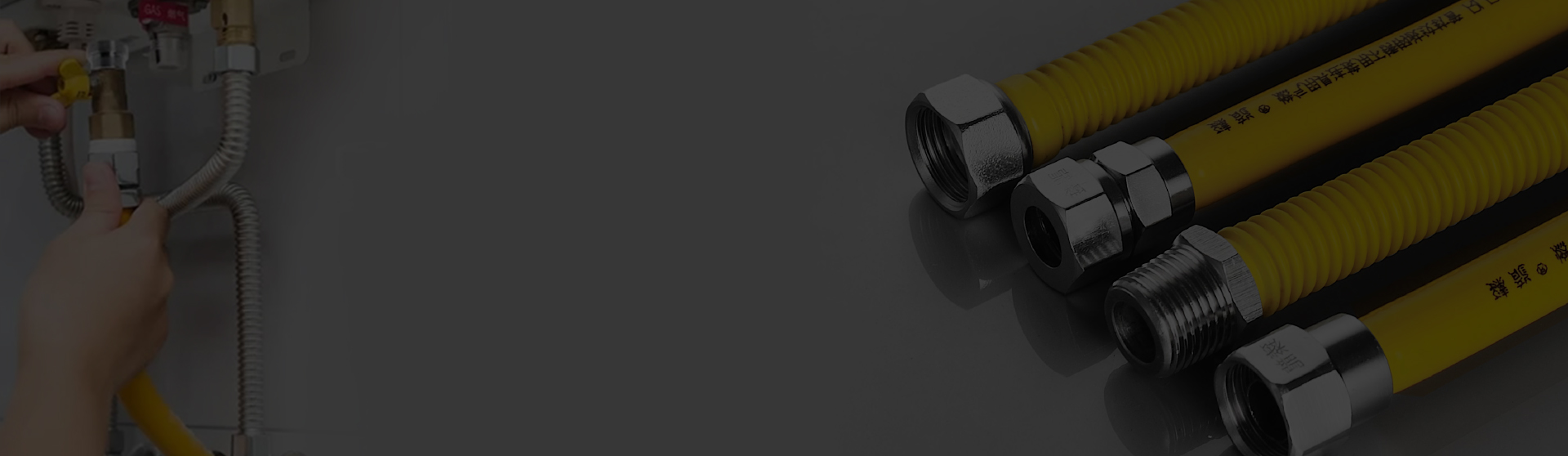

Gas appliance connection systems must combine flexibility, sealing reliability, mechanical strength, corrosion resistance, and ease of installation. A hose may appear to be a relatively small component in a complete gas system, but its performance can directly influence safety, maintenance requirements, installation efficiency, and long-term operating costs. For this reason, selecting a connection hose should involve more than comparing nominal size or purchase price. The materials, manufacturing process, protective layers, end connections, inspection procedures, and suitability for the intended environment all deserve careful consideration.
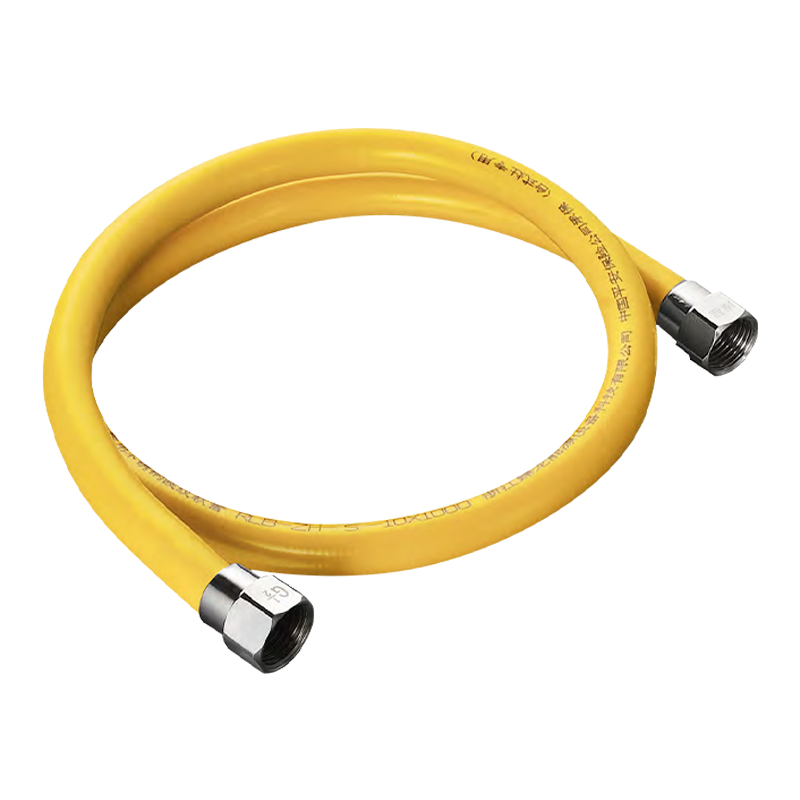
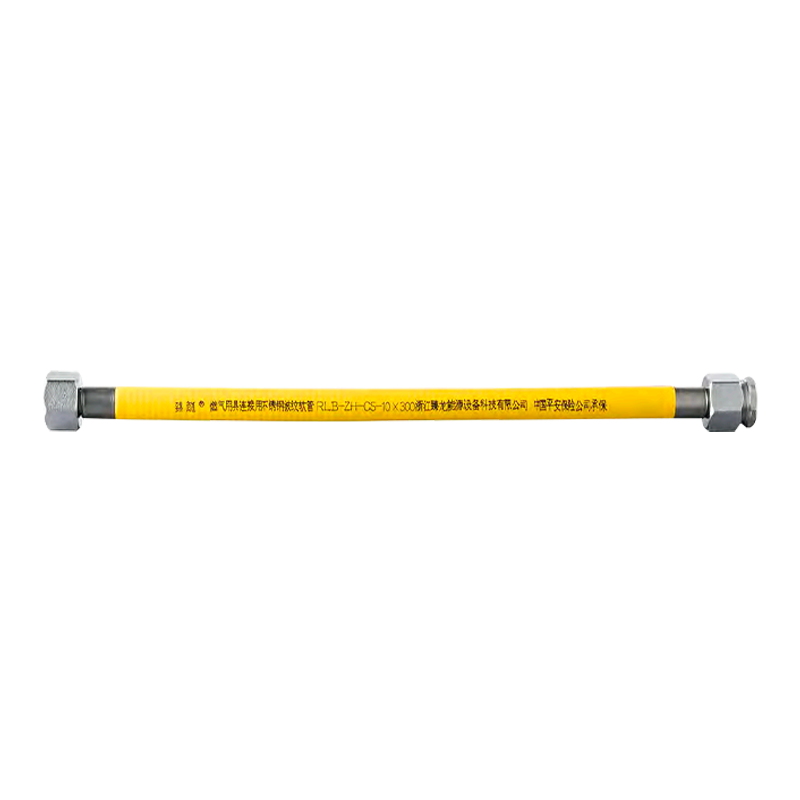
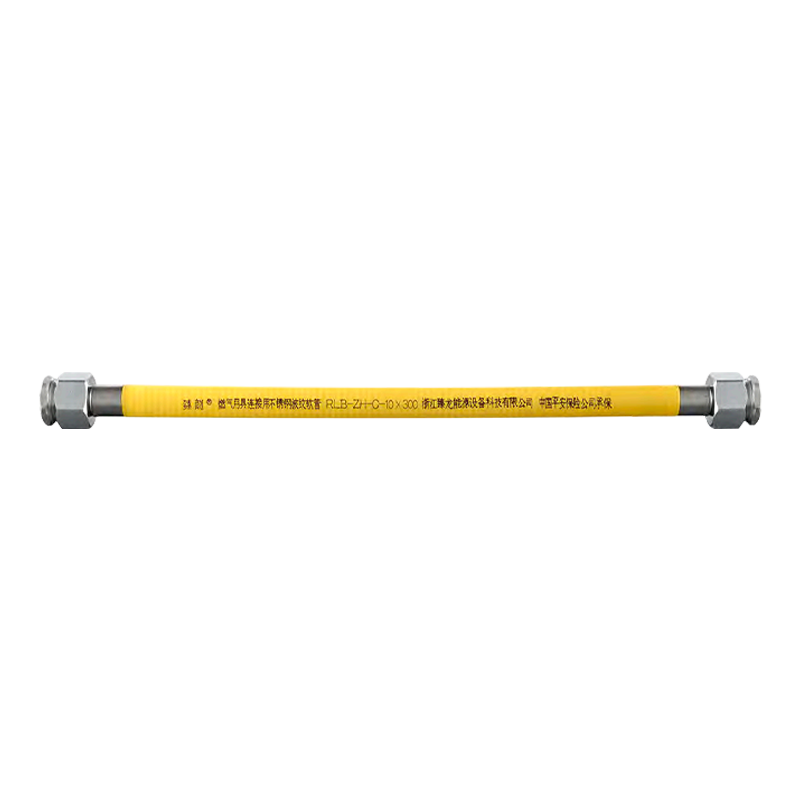
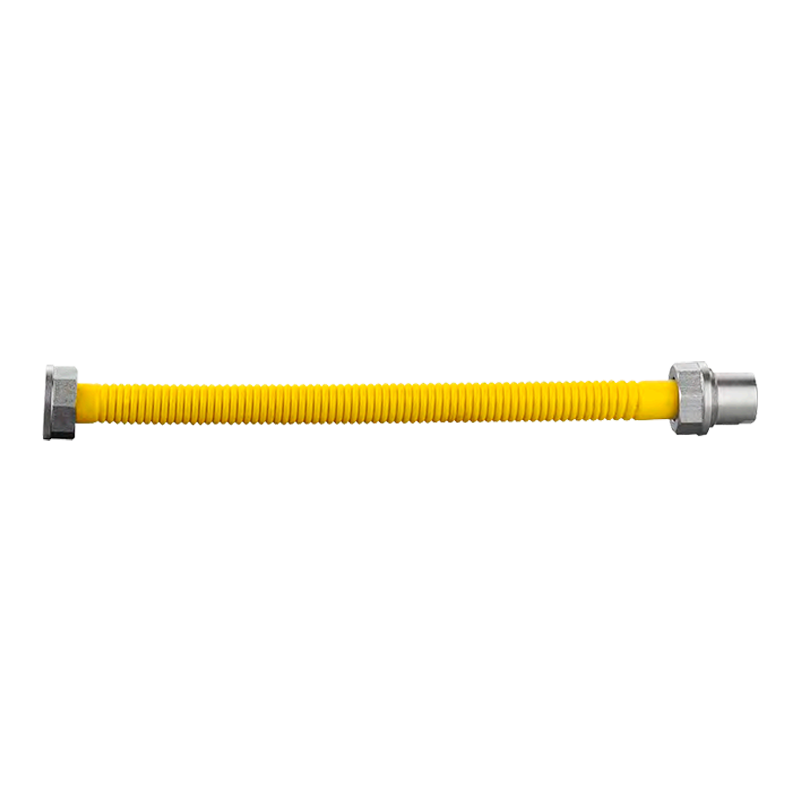
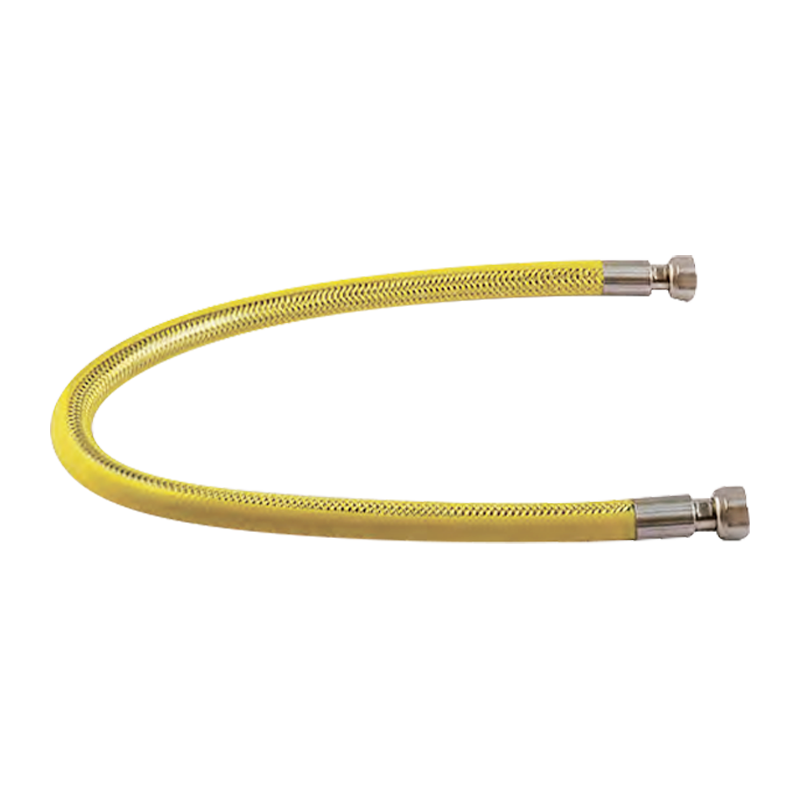
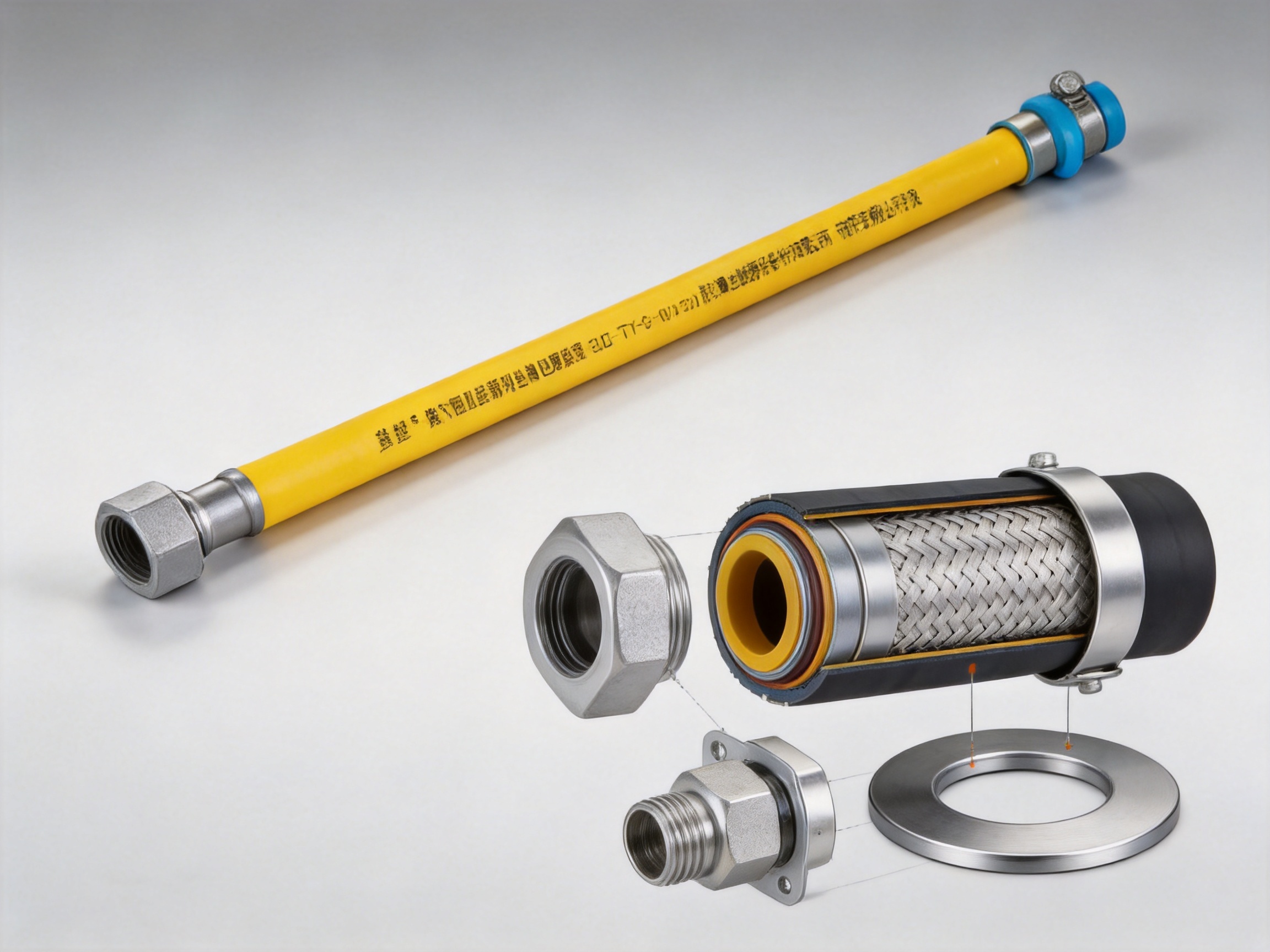
The PVC-coated corrosion-resistant stainless steel gas hose ZLR-13 is designed for applications in which a flexible gas connection needs additional protection against abrasion, moisture, chemical exposure, and everyday mechanical stress. Its construction combines a rubber inner tube, stainless steel braided mesh, a non-inductive steel sleeve, PVC coating, ferrules, clamps, and connection components such as a G1/2 nut, flat gasket, and flange connector. The result is a multilayer assembly intended to deliver dependable gas transmission while protecting the internal tube and reinforcement from external conditions.
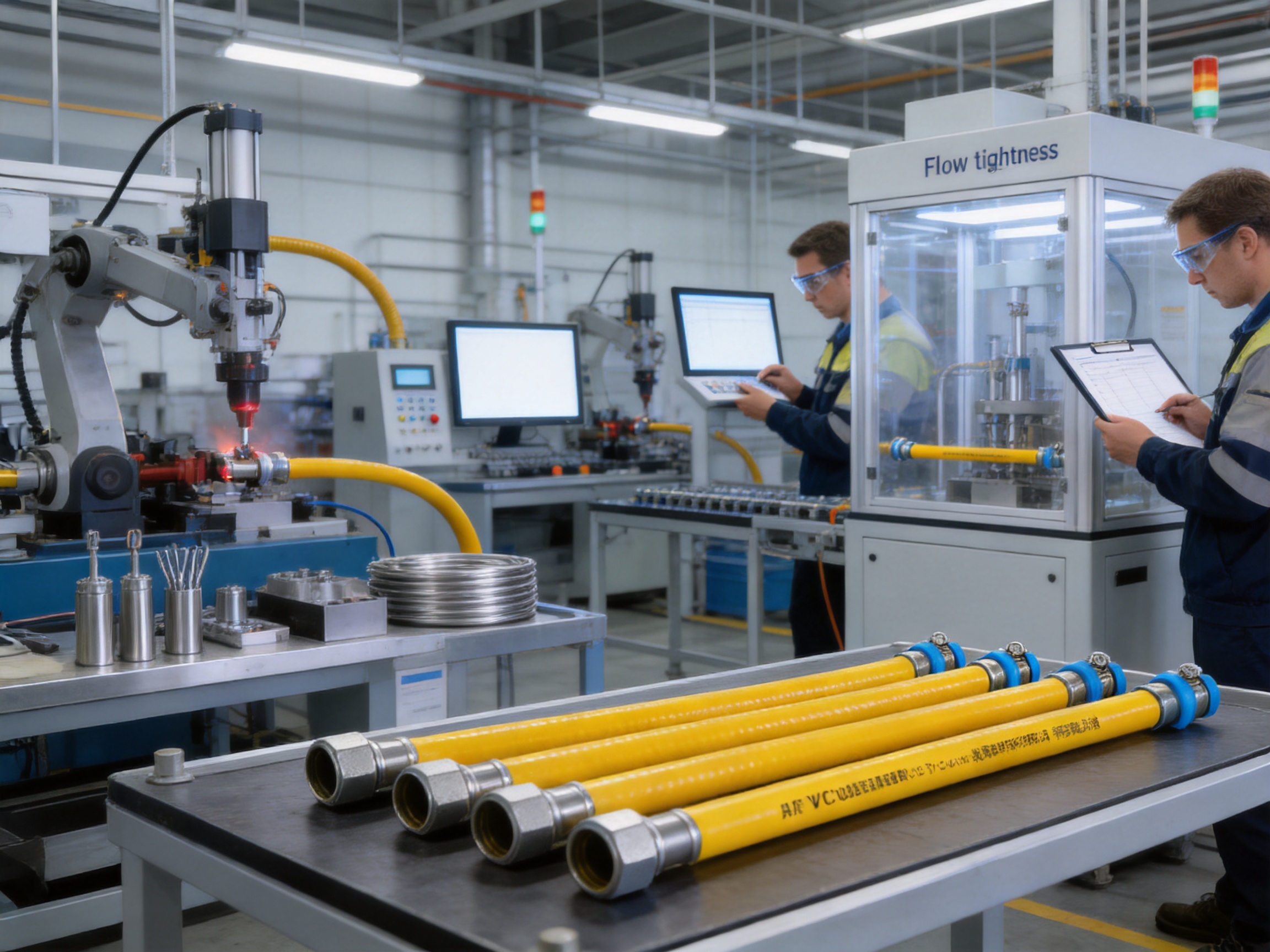
Manufactured by Zhejiang Zhenlong Energy Equipment Technology Co., Ltd., the ZLR-13 forms part of a broader product portfolio that includes metal hoses, natural gas pipelines, plumbing fittings, valves, sanitary ware, plastic products, and hardware. The manufacturer integrates research and development, production, processing, and trade, allowing it to coordinate product design with industrial manufacturing and customer service. Its factory infrastructure includes welding and forming production lines, hydrogen furnace lines, material analysis equipment, and flow tightness testing equipment.
This article examines the construction, performance advantages, manufacturing strengths, installation considerations, maintenance requirements, and application value of the ZLR-13. It also explains how the product compares with less-protected or less-integrated hose designs and provides a question-and-answer section for purchasing, engineering, and installation teams.
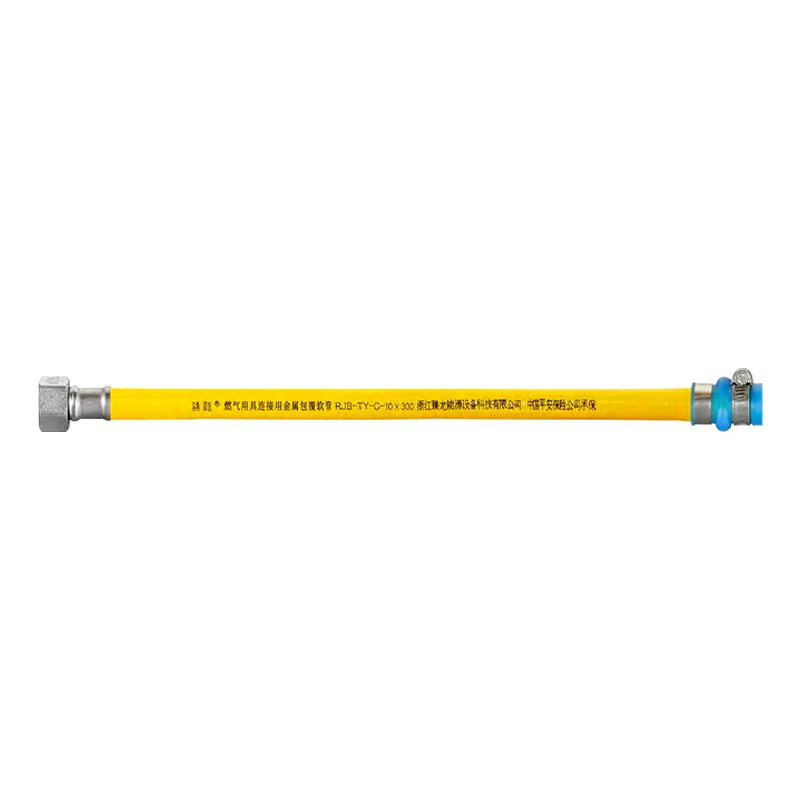
PVC-coated corrosion-resistant stainless steel gas hose ZLR-13
Content
- 1 1. Why Gas Appliance Hoses Require a Multilayer Design
- 2 2. Product Overview and Basic Specification
- 3 3. Construction of the ZLR-13
- 4 4. Main Performance Advantages
- 5 5. Advantages Compared with Less-Protected Alternatives
- 6 6. Manufacturing Strengths Behind the Product
- 7 7. Manufacturing Process Considerations
- 8 8. Installation Guidance
- 9 9. Maintenance and Service Life Management
- 10 10. Applications for the ZLR-13
- 11 11. Procurement Considerations for Distributors and Project Buyers
- 12 12. Quality and Safety Advantages of a Single-Supplier Solution
- 13 13. Customization and OEM/ODM Potential
- 14 14. Limitations and Responsible Product Selection
- 15 15. Why the ZLR-13 Is a Practical Long-Term Choice
- 16 16. Frequently Asked Questions
- 16.1 Q1: What is the primary use of the ZLR-13?
- 16.2 Q2: What are the main layers of the hose?
- 16.3 Q3: What nominal size and length range are available?
- 16.4 Q4: How does the PVC coating improve the hose?
- 16.5 Q5: Why is stainless steel used in the hose?
- 16.6 Q6: Does the hose require a flat gasket?
- 16.7 Q7: Can the hose be bent sharply to fit a cabinet?
- 16.8 Q8: Can the ZLR-13 replace rigid gas piping?
- 16.9 Q9: What testing does the manufacturer report?
- 16.10 Q10: Does the manufacturer support OEM or ODM projects?
- 16.11 Q11: How should the hose be inspected?
- 16.12 Q12: What information should be requested before purchase?
- 17 17. References
- 18 Product: PVC-coated corrosion-resistant stainless steel gas hose ZLR-13
1. Why Gas Appliance Hoses Require a Multilayer Design
A gas hose operates in a demanding environment. It must carry gas continuously while remaining flexible enough to accommodate appliance movement, installation tolerances, vibration, and changes in position. At the same time, the hose may be exposed to humidity, cleaning agents, accidental impacts, sharp cabinet edges, temperature fluctuations, and repeated handling during maintenance.
A single material rarely provides the best solution for every requirement. Rubber offers flexibility and sealing performance, but it may need protection against abrasion and external damage. Stainless steel provides reinforcement and corrosion resistance, but a metal layer alone may not deliver the required flexibility or sealing function. PVC can protect the surface from moisture, abrasion, and environmental contamination, but it is not intended to replace the inner tube or structural reinforcement. A properly engineered hose therefore uses each material for the function it performs best.
The ZLR-13 reflects this multilayer approach. The rubber inner tube is responsible for the primary fluid pathway. The stainless steel braided mesh contributes reinforcement and helps the hose withstand pressure and handling. The non-inductive steel sleeve provides an additional protective and structural layer. The PVC coating forms an external barrier against abrasion, weathering, and many common environmental exposures. The end components then provide a controlled connection between the flexible hose and the gas appliance or fixed piping.
This division of functions improves design reliability. If the outer surface is scraped or exposed to moisture, the inner gas pathway is not immediately left unprotected. If the hose is bent during installation, the braided reinforcement and sleeve help control deformation. If a connection is tightened, the flat washer and flange arrangement help distribute contact pressure and support sealing at the joint.
2. Product Overview and Basic Specification
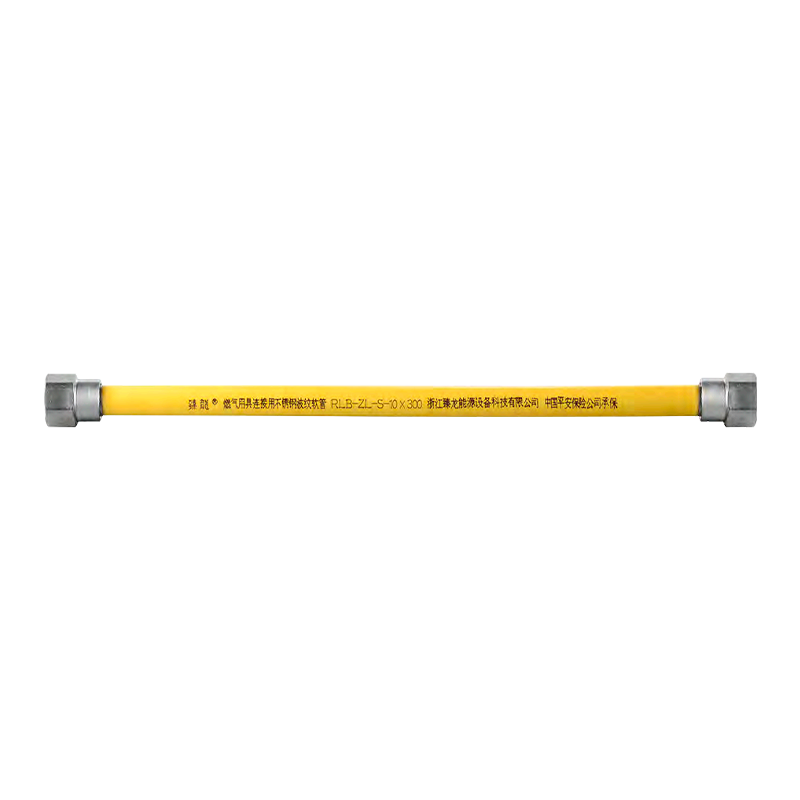
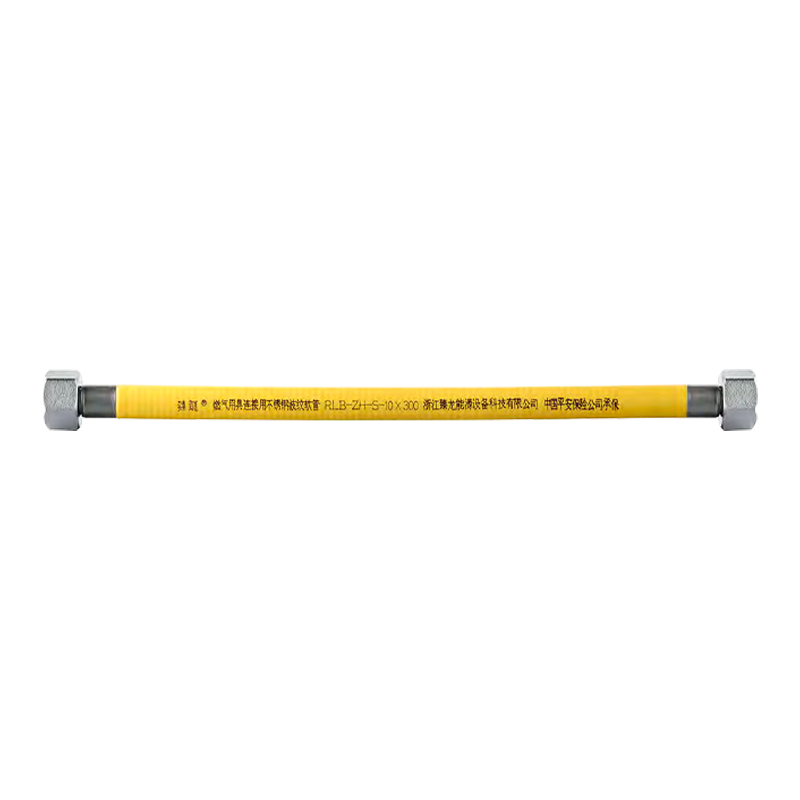
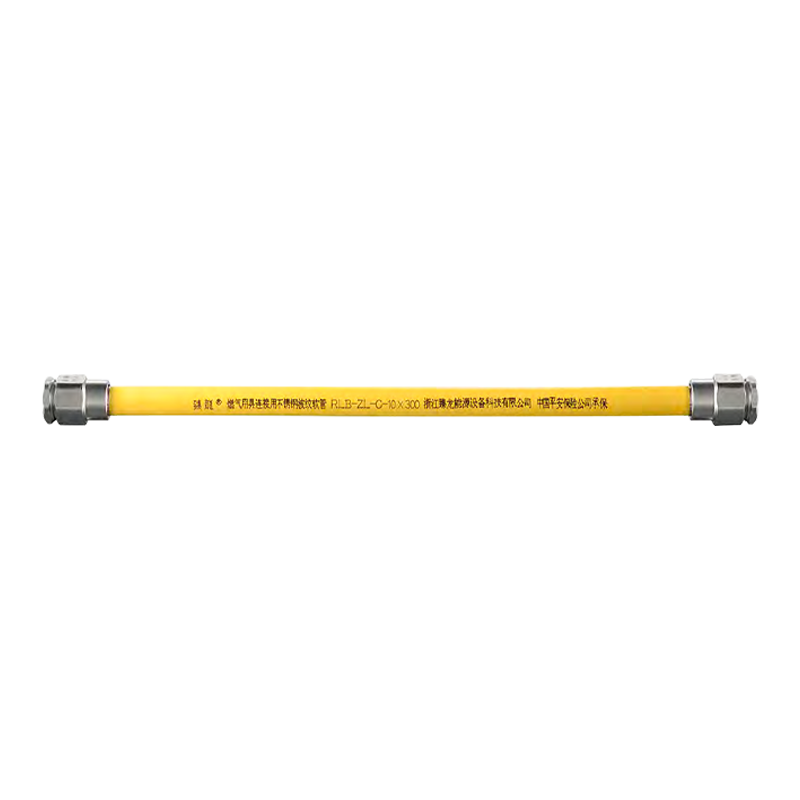
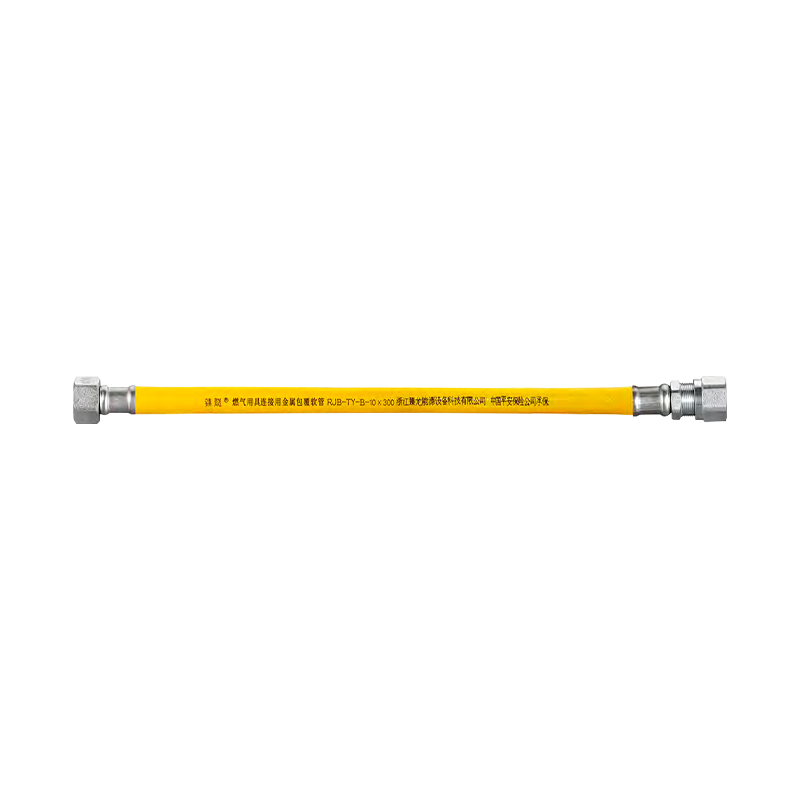
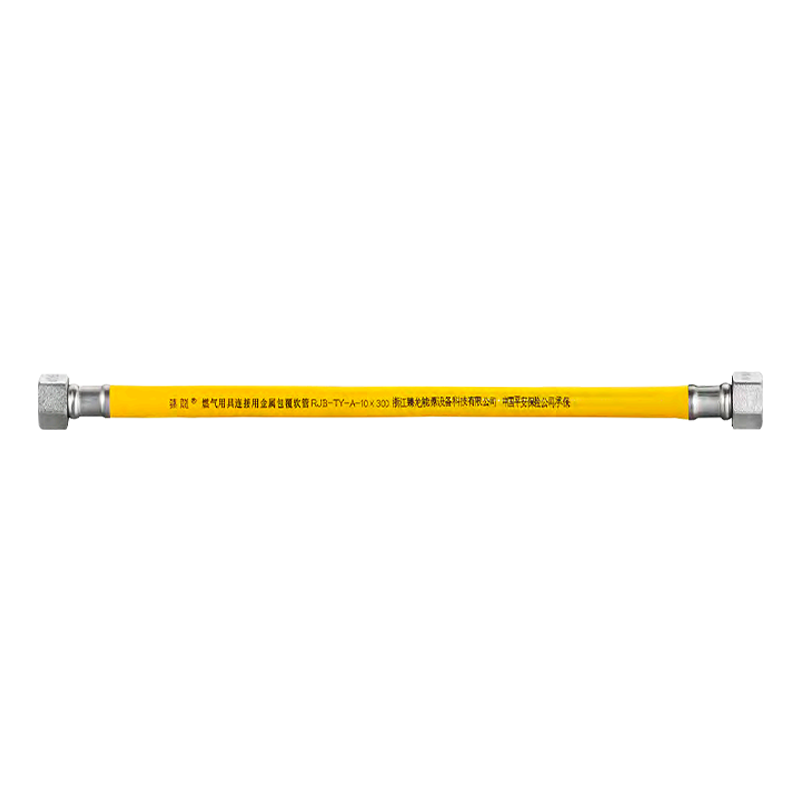
The ZLR-13 is classified as a metal-wrapped hose for gas appliance connections. Its listed model specification is RJB-TY-C-10x300, with a nominal size of DN10 and an outside diameter of approximately 16 millimeters. The standard listed length range is 30 centimeters to 200 centimeters, allowing the product to serve both compact appliance connections and installations requiring additional reach.
| Item | Specification | Value |
|---|---|---|
| Product model | Series designation | ZLR-13 |
| Model specification | Manufacturing or configuration code | RJB-TY-C-10x300 |
| Nominal size | Nominal internal connection size | DN10 |
| Approximate outside diameter | Overall hose diameter | 16 mm |
| Available length | Standard range stated for the model | 30 cm–200 cm |
| Application category | Primary use | Gas appliance connections |
| Outer protection | External coating | PVC |
| Reinforcement | Protective and structural layers | Stainless steel braided mesh and steel sleeve |
| Inner tube | Gas transmission layer | Rubber |
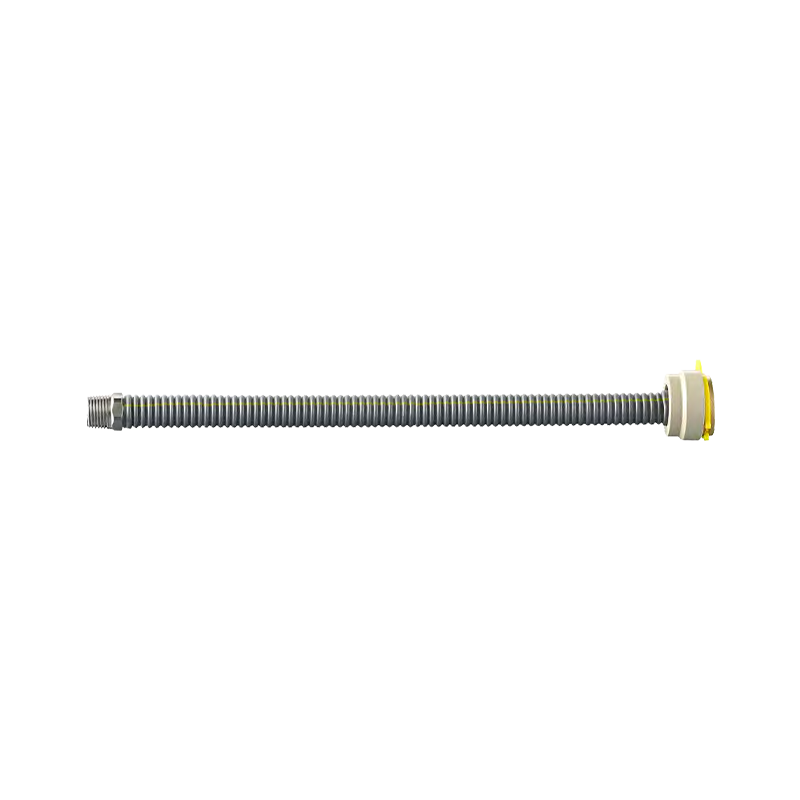
The product description identifies several connection and protection components: a flat gasket, G1/2 nut, flange connector, non-inductive steel sleeve, PVC coating, stainless steel braided mesh, rubber inner tube, B rusty steel ferrule, throat hoop, and stainless steel clamps. These parts are not merely accessories. Together, they create the complete connection assembly and determine how the hose interacts with the appliance, valve, or fixed pipework.
Exact working pressure, temperature range, gas compatibility, connection configuration, regulatory approvals, and installation requirements should be confirmed against the current technical datasheet and the applicable local code before ordering or installing. The listed dimensions provide an important starting point, but safe selection must always consider the complete system.
3. Construction of the ZLR-13
3.1 Rubber Inner Tube
The rubber inner tube forms the central passage through which gas travels. Rubber is commonly selected for flexible hose applications because of its elasticity, adaptability, and ability to conform to sealing surfaces. Its flexibility allows the hose to accommodate small changes in alignment without transferring excessive stress to the appliance connection or fixed pipework.
A well-made inner tube should maintain a consistent wall structure and a smooth internal passage. Consistency helps support predictable flow and reduces the possibility of localized weakness. The rubber also needs to retain its sealing characteristics over the intended service conditions. By placing the flexible rubber layer inside the metal and PVC protection, the ZLR-13 design helps reduce direct exposure to external abrasion, dirt, moisture, and accidental contact.
3.2 Stainless Steel Braided Mesh
The stainless steel braided mesh provides reinforcement around the inner tube. Braiding creates a flexible structure that can resist expansion and support the hose during handling and installation. Compared with an unreinforced flexible tube, a metal-braided design can offer greater mechanical stability and improved resistance to external disturbance.
Stainless steel is valuable in this position because it offers a strong combination of corrosion resistance, durability, and formability. In kitchens, utility rooms, commercial equipment areas, and other service environments, the hose may encounter condensation, cleaning residues, or humid air. The stainless steel reinforcement is intended to remain more stable than ordinary unprotected steel when exposed to such conditions.
3.3 Non-Inductive Steel Sleeve
The non-inductive steel sleeve adds another protective layer around the hose structure. It helps shield the underlying components from impacts, rubbing, and contact with surrounding objects. In a crowded installation area, the outer sleeve can be particularly useful because gas hoses may pass near cabinet panels, appliance frames, brackets, or other fittings.
The sleeve also contributes to the overall shape and handling characteristics of the assembly. It can help limit uncontrolled deformation and provide a more stable outer profile while still allowing the hose to be positioned during installation. The term “non-inductive” is part of the supplied product description; purchasers should confirm the precise material grade and technical meaning with the manufacturer when electromagnetic behavior is important to a particular project.
3.4 PVC Protective Coating
The PVC coating is the visible external barrier of the ZLR-13. It is designed to improve resistance to abrasion, weathering, and contact with common environmental contaminants. It also helps separate the metallic structure from direct contact with moisture and surrounding surfaces.
In practical use, the coating can make the hose easier to handle and may reduce the likelihood of the metal sleeve scratching adjacent equipment. The smooth outer surface can also simplify routine cleaning. The coating is not a substitute for correct installation, however. It should not be cut, pierced, excessively stretched, exposed to unsuitable temperatures, or routed across sharp edges. Any hose with a damaged or significantly degraded coating should be inspected before continued service.
3.5 Ferrules, Clamps, and End Components
The ferrule, throat hoop, and stainless steel clamps help secure the hose layers at the ends. Properly formed end retention is essential because the connection area experiences concentrated mechanical loads during installation and operation. These components help maintain the relationship between the inner tube, braided mesh, sleeve, and fitting.
The G1/2 nut and flange connector provide the interface with compatible equipment. The flat gasket increases sealing reliability by filling small surface irregularities between the mating faces. It also helps distribute contact pressure across the sealing area. The quality, material, dimensional accuracy, and correct installation of these parts are as important as the hose body itself.
4. Main Performance Advantages
4.1 Corrosion Resistance in Challenging Environments
Corrosion can weaken metal reinforcement, damage connection components, and reduce the service life of a hose. The ZLR-13 addresses this risk through the combination of stainless steel components and an external PVC coating. The stainless steel braided mesh and sleeve are intended to provide improved resistance to moisture and corrosive exposure, while the PVC layer adds a physical barrier against many external contaminants.
This advantage is relevant in locations where gas appliances are exposed to steam, condensation, cleaning chemicals, salt-bearing air, or fluctuating humidity. Examples may include residential kitchens, commercial food preparation areas, laundry spaces, utility rooms, and equipment rooms. The precise resistance of the product depends on the material grades, exposure concentration, temperature, and duration, so project-specific chemical compatibility should be confirmed where aggressive substances are present.
4.2 Protection Against Abrasion and Impact
Hoses installed behind or beneath appliances may encounter repeated rubbing. An appliance can shift slightly during cleaning, a cabinet door can contact the hose, or tools may strike the connection during maintenance. The PVC coating and steel sleeve help form a protective system that is more robust than an uncoated rubber hose.
This layered protection can reduce surface damage and preserve the integrity of the internal tube. It also provides an additional visual inspection surface: cuts, cracks, swelling, exposed metal, or severe deformation can be identified during routine checks. Early detection is useful because a damaged external layer may indicate that the hose has experienced conditions beyond normal service.
4.3 Flexibility for Installation
Fixed rigid pipe is strong and stable, but it cannot easily accommodate every appliance layout. The ZLR-13 offers a flexible connection solution that can bridge the distance between a gas outlet and an appliance inlet while helping installers avoid unnecessary bends in rigid pipework.
The available length range of 30 to 200 centimeters supports different installation geometries. A shorter length can reduce excess hose in a compact connection, while a longer configuration can provide clearance for appliance positioning. The hose should always be selected to reach the connection without stretching, sharp bending, twisting, or forming loops that can trap or conceal damage.
4.4 Improved Sealing Arrangement
Gas connection performance depends heavily on the end joint. The ZLR-13 includes a flat gasket and flange connector arrangement intended to create a tight interface when properly matched and tightened. The washer increases the effective contact area and helps distribute pressure, reducing the possibility of localized damage to the mating surfaces.
A reliable seal is achieved through the correct combination of compatible threads or flange faces, suitable gasket material, clean contact surfaces, and controlled tightening. Over-tightening can damage a gasket or fitting, while under-tightening can allow leakage. The assembly should therefore be installed by qualified personnel using the procedures and tools required by local regulations and the appliance manufacturer.
4.5 Structural Support and Long-Term Durability
The combined sleeve, braid, coating, and end-retention components provide a stronger overall assembly than a basic single-layer flexible tube. Each layer contributes to service durability in a different way. The rubber maintains flexibility, the braid provides reinforcement, the sleeve resists external disturbance, and the PVC coating protects the outer surface.
This arrangement can reduce maintenance demands when the hose is correctly selected and installed. It is particularly valuable for professional buyers seeking a repeatable component for appliance connection programs, equipment manufacturing, property maintenance, or distribution. Standardized dimensions and a defined component structure also support easier purchasing and replacement planning.
4.6 Cleaner Appearance and Easier Handling
The PVC outer layer gives the hose a finished appearance and creates a smoother surface than exposed braided metal. This can be beneficial in visible appliance installations, where appearance and cleanability matter. The coating can also reduce the risk of snagging against surrounding components during installation.
A clean, organized connection is not only an aesthetic benefit. A hose that is routed neatly and remains accessible is easier to inspect, clean, and replace. Good appearance should therefore be viewed as a consequence of good installation discipline rather than a substitute for technical performance.
5. Advantages Compared with Less-Protected Alternatives
Product comparisons should be based on the operating environment and required performance rather than on material names alone. The ZLR-13 may offer meaningful advantages over basic rubber hoses, uncoated braided hoses, or improvised rigid-and-flexible combinations when external protection and corrosion resistance are priorities.
5.1 Compared with Basic Unreinforced Rubber Hose
An unreinforced rubber hose may be flexible and economical, but it generally offers less mechanical protection. It can be more vulnerable to cuts, crushing, abrasion, and damage caused by contact with hot or sharp surrounding objects. The ZLR-13 adds metal reinforcement, a sleeve, and PVC coating, creating multiple barriers between the environment and the gas-carrying tube.
The multilayer product may also provide a more stable installation profile. This can help reduce accidental kinking and make the connection easier to route in a controlled manner. The correct alternative still depends on the application, certification requirements, and local standards, but the ZLR-13 is designed for situations where a basic tube may not provide sufficient protection.
5.2 Compared with an Uncoated Braided Hose
An exposed braided hose can provide reinforcement, but its metal surface remains directly exposed to moisture, dirt, cleaning agents, and physical contact. The PVC coating on the ZLR-13 adds an external shield that can improve environmental resistance and make routine cleaning easier.
The coating also reduces direct metal-to-metal contact with surrounding equipment. In installations where appearance, surface protection, and resistance to contamination are important, this can be a practical advantage. The coating should nevertheless be kept away from unsuitable heat sources and inspected for cracking or other damage.
5.3 Compared with a Rigid Pipe Connection Alone
Rigid piping provides stability but can increase installation complexity when appliance positions change or when the outlet and inlet are not perfectly aligned. A flexible hose can simplify the final connection and reduce the need for numerous rigid fittings. It can also make appliance removal easier during servicing, provided that the hose is used within its approved purpose and is not treated as a permanent substitute for properly designed fixed pipework.
5.4 Compared with Inconsistent Multi-Component Assemblies
Some low-quality connection solutions combine parts from different sources without adequate control of dimensional compatibility, material quality, or end retention. The ZLR-13 is presented as a coordinated assembly in which the inner tube, reinforcement, coating, clamps, ferrules, gasket, nut, and flange connector are selected as part of one product configuration.
An integrated product can reduce uncertainty during procurement and installation. It allows buyers to specify one model, one dimensional range, and one documented supply source rather than assembling a connection from unrelated components. This does not eliminate the need for incoming inspection, but it can make quality management and replacement control more straightforward.
6. Manufacturing Strengths Behind the Product
The performance of a gas hose depends not only on its design but also on how consistently that design is manufactured. Small differences in tube dimensions, braid coverage, sleeve forming, coating thickness, end compression, or gasket placement can influence the final assembly. The manufacturer’s production infrastructure is therefore an important part of the product value.
6.1 Integrated Research, Development, and Production
Zhejiang Zhenlong Energy Equipment Technology Co., Ltd. integrates research, development, manufacturing, processing, and trade. This structure allows technical feedback from production and customers to inform product improvement. It also supports the development of related products across metal hoses, corrugated hoses, gas pipelines, pipe fittings, valves, and hardware.
For buyers, an integrated supplier can offer advantages in communication and customization. Questions about dimensions, connection styles, materials, packaging, production schedules, or application requirements can be coordinated through a company familiar with both the design and manufacturing stages.
6.2 Large-Scale Factory Infrastructure
The company’s facilities cover approximately 40 acres, with a factory building of about 30,000 square meters. This scale provides space for production lines, material handling, assembly, inspection, warehousing, and supporting operations. A structured factory environment can improve workflow control and help separate raw material processing, forming, assembly, testing, and dispatch.
The company reports operating 30 welding and forming production lines. For metal hose and fitting production, forming capability is important because consistent shaping affects dimensional accuracy, fit, mechanical behavior, and appearance. Multiple lines can also support production flexibility and help the manufacturer respond to different product configurations or order volumes.
6.3 Hydrogen Furnace Capability
The manufacturer also reports two uninterrupted solid melting hydrogen furnace production lines. Furnace processing is relevant to metal material preparation and thermal treatment. A controlled atmosphere can help support consistent material processing and reduce unwanted contamination during suitable production stages.
The precise furnace application, alloy range, process parameters, and quality controls should be confirmed for each product family. Nevertheless, the presence of dedicated furnace infrastructure indicates that the company has invested in upstream material and processing capability rather than relying exclusively on external production for every stage.
6.4 Material Analysis and Product Testing
Quality control is more effective when it combines process control with finished-product testing. The company reports using metal material analysis direct-reading spectrometers. Such equipment can be used to identify and verify the composition of metal materials, supporting the selection of appropriate stainless steel and other components.
The company also reports flow tightness testers. Leak or tightness testing is especially important for gas-related products because a connection hose must maintain containment under the specified test conditions. Testing can help identify defects in the inner tube, end seals, fittings, or assembly process before products leave the factory.
Testing equipment does not replace proper design or installation, but it provides an objective means of evaluating production quality. For professional purchasers, documentation such as inspection records, material certificates, test reports, batch traceability, and conformity documents can further strengthen quality assurance.
6.5 Quality Management and Compliance Experience
The company states that it implements the ISO9000:2008 quality management system. It also reports holding a Special Equipment Manufacturing License for pressure pipelines in the People’s Republic of China, EU CE certification testing reports, and membership in the China Urban Gas Association.
These credentials and affiliations demonstrate experience with regulated industrial products, although buyers should verify the current status, scope, validity, and applicability of each document to the specific ZLR-13 configuration and destination market. Gas hose requirements vary among jurisdictions, and a document relevant to one market may not automatically satisfy another market’s installation code or certification requirement.
7. Manufacturing Process Considerations
Although the precise proprietary process parameters are not provided, a typical controlled manufacturing sequence for a product such as the ZLR-13 includes material inspection, inner tube preparation, reinforcement application, sleeve forming, coating, end assembly, connection fitting, and final testing. Each stage can influence the reliability of the completed hose.
7.1 Incoming Material Verification
Production begins with the verification of rubber, stainless steel wire, sleeve material, PVC compound, gaskets, nuts, ferrules, clamps, and flange connectors. Material identity, dimensions, surface condition, and compatibility should be checked against the product specification. Metal analysis equipment can support verification of alloy composition where required.
7.2 Inner Tube Production
The rubber inner tube should be produced with controlled dimensions and a consistent internal passage. Variations in wall thickness, surface finish, or curing can affect flexibility, sealing, and pressure performance. Suitable process controls may include dimensional measurement, visual inspection, curing parameter control, and sample testing.
7.3 Braiding and Sleeve Application
The stainless steel braided mesh must be applied with controlled coverage and tension. Inconsistent braid geometry can create uneven reinforcement or affect the hose’s bending characteristics. The steel sleeve must then be formed and positioned without crushing the inner tube or creating sharp edges that could damage the PVC coating.
7.4 PVC Coating
The PVC coating process should provide a continuous external layer with an appropriate surface finish and uniform coverage. Poor adhesion, thin areas, bubbles, cracks, or contamination can reduce protective performance. Visual inspection and dimensional checks are important at this stage.
7.5 End Assembly and Crimping
At the ends, the hose layers are positioned with the ferrules, throat hoops, clamps, nuts, flange connectors, and gaskets. The assembly method must maintain correct insertion depth and compression. Excessive compression may damage the inner tube, while insufficient compression may permit movement or leakage.
7.6 Tightness and Final Inspection
Completed hoses should undergo appropriate leak or flow tightness testing, dimensional inspection, visual examination, and connection verification. Testing can identify assembly defects that are not visible from the outside. Packaging should then protect the hose from crushing, contamination, and excessive bending before it reaches the installation site.
8. Installation Guidance
The ZLR-13 should be installed by qualified personnel in accordance with applicable gas safety regulations, appliance instructions, and the manufacturer’s technical documentation. The following principles support a reliable installation, but they do not replace formal installation procedures.
Confirm that the hose size, length, connection type, gas service, and approvals match the application.
Inspect the hose before installation for cuts, cracks, deformation, exposed reinforcement, damaged threads, or missing sealing components.
Ensure that the connection surfaces are clean, dry, and free from burrs or foreign material.
Route the hose without sharp bends, twisting, excessive tension, crushing, or unnecessary loops.
Keep the hose away from direct flame, unsuitable hot surfaces, sharp edges, and moving mechanisms.
Do not use the hose to support the weight of an appliance or to compensate for incorrect fixed pipe alignment.
Use the specified gasket and compatible connection components; do not substitute random washers or damaged seals.
Tighten fittings according to the applicable instructions and avoid excessive force.
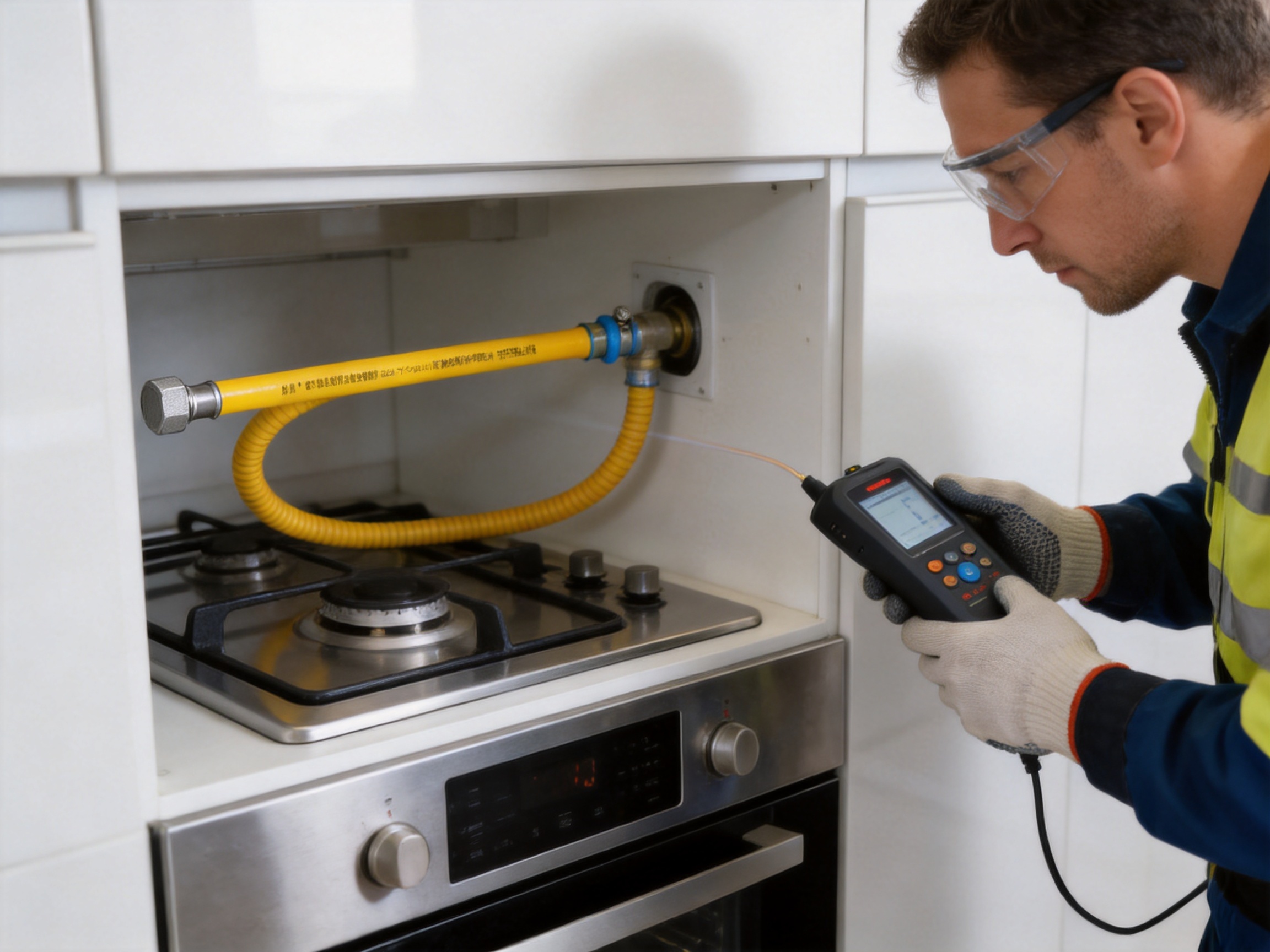
After installation, perform the required leak test using an approved method.
Keep the connection accessible for future inspection and replacement.
The hose should not be painted, drilled, stapled, clamped in a way that crushes the structure, or modified without written approval. If the appliance is moved, the hose should be inspected again. A hose that has been pulled, kinked, twisted, or stretched may require replacement even if no leak is immediately detected.
9. Maintenance and Service Life Management
Regular inspection is a simple way to protect the performance of a flexible gas connection. Inspection intervals should follow local regulations, equipment instructions, and site risk assessments. At minimum, users should look for visible damage, discoloration, coating deterioration, corrosion, deformation, loose fittings, and contact with hot or sharp surfaces.
The PVC coating should remain intact and free from deep cuts, splitting, or widespread cracking. The exposed connection areas should not show unusual corrosion or movement. If the hose has become unusually stiff, swollen, flattened, or kinked, it should be removed from service and evaluated by a qualified professional.
Cleaning should use methods compatible with the PVC coating, metal components, gasket, and rubber tube. Strong solvents, abrasive tools, and aggressive chemicals may damage the outer surface or accelerate material deterioration. When the appliance is cleaned or serviced, the hose should not be pulled or used as a handle.
Flexible gas hoses are service components and should not be assumed to last indefinitely. Replacement should be based on the applicable code, manufacturer guidance, inspection findings, and operating history. A hose exposed to unusual heat, chemicals, flooding, fire, impact, or mechanical abuse should be assessed immediately.
10. Applications for the ZLR-13
10.1 Residential Kitchens
The ZLR-13 can be considered for compatible domestic gas appliance connections where a flexible, protected hose is required. Its PVC coating may be useful in kitchen environments where cleaning, moisture, and limited cabinet space are common concerns. The available length range allows installers to select a size that avoids excessive slack.
10.2 Commercial Food Service
Commercial kitchens often place greater demands on connection components because equipment is used frequently, cleaning is intensive, and appliances may be repositioned during maintenance. The hose’s reinforced and coated construction can provide additional protection, subject to the required commercial certification, temperature limits, and local regulations.
10.3 Utility and Equipment Rooms
In utility areas, hoses may be exposed to humidity, dust, vibration, and contact with surrounding equipment. The multilayer construction can help protect the gas pathway while retaining the flexibility needed for equipment access. Routing and clearance remain essential, particularly where other services share the same space.
10.4 Appliance Manufacturing and OEM Supply
Original equipment manufacturers and equipment assemblers may benefit from a standardized hose configuration with defined dimensions and connection components. The manufacturer’s integrated production capabilities may also support private-label, OEM, or ODM discussions, subject to minimum order quantities, technical review, testing, and documentation.
11. Procurement Considerations for Distributors and Project Buyers
Distributors should evaluate more than the unit cost. Important questions include whether the supplier can maintain consistent dimensions, provide repeatable batches, support required packaging, issue inspection documentation, and respond to technical inquiries. Product availability and replacement compatibility are also important for long-term customer support.
Project buyers should provide complete application information when requesting a quotation. This may include gas type, nominal size, connection thread or flange details, required length, installation environment, temperature exposure, pressure requirements, regulatory market, expected order quantity, and packaging preferences.
Samples should be evaluated before large-scale purchase. The evaluation may include dimensional checks, fitting compatibility, visual inspection, bend behavior, coating condition, gasket fit, and documentation review. Where required, independent testing or witnessed inspection can be arranged according to the project quality plan.
| Purchasing factor | What to confirm | Why it matters |
|---|---|---|
| Size | DN10 and actual connection dimensions | Prevents mismatch with appliance and pipework |
| Length | Required length from 30 cm to 200 cm or an approved custom option | Reduces stretching, excess loops, and installation stress |
| Materials | Rubber grade, stainless steel grade, PVC formulation, gasket material | Supports compatibility and environmental durability |
| End fittings | G1/2 nut, flange connector, ferrules, clamps, and washer configuration | Ensures correct connection and sealing |
| Testing | Leak, tightness, dimensional, and material inspection records | Provides evidence of production quality |
| Compliance | Applicable certificates and market-specific approvals | Supports legal and technical acceptance |
| Packaging | Protection from bending, impact, moisture, and contamination | Maintains product condition during storage and transport |
| After-sales service | Technical support, replacement advice, and documentation | Reduces lifecycle risk for installers and end users |
12. Quality and Safety Advantages of a Single-Supplier Solution
A single-supplier solution can improve traceability. When the hose body and its connection components are supplied as one defined assembly, it is easier to identify the product model, production batch, inspection status, and replacement specification. This can simplify warehouse management and reduce the risk of combining incompatible parts.
Supplier integration can also support continuous improvement. If a customer reports an installation issue, the manufacturer can review the relevant tube, braid, coating, and fitting processes together. This is more efficient than investigating a chain of unrelated component suppliers.
Zhejiang Zhenlong Energy Equipment Technology Co., Ltd. emphasizes its research, design, production, and after-sales capabilities. The company’s stated technical resources, production lines, testing equipment, quality management experience, and industry participation provide a foundation for serving both standard product buyers and customers with specialized requirements.
However, responsibility is shared across the supply chain. The manufacturer must produce a conforming product, the distributor must store and handle it correctly, the installer must follow approved procedures, and the end user must operate and maintain the appliance safely. A high-quality hose cannot compensate for poor routing, incorrect fittings, unauthorized modification, or failure to perform leak checks.
13. Customization and OEM/ODM Potential
Gas appliance connection projects sometimes require variations in length, end fitting configuration, packaging, labeling, or product presentation. A manufacturer with metal forming, hose assembly, testing, and related fitting capabilities may be better positioned to review these requirements than a trading company that only resells finished goods.
Potential customization topics may include hose length, nut and connector combinations, gasket specifications, outer color, marking, packaging quantity, carton design, private labeling, and documentation. Any change affecting the gas pathway, pressure containment, heat resistance, or connection integrity should be treated as an engineering change and validated accordingly.
OEM and ODM buyers should provide drawings, performance targets, market requirements, sample references, and expected volumes. The supplier should then confirm feasibility, tooling needs, testing requirements, lead time, and approval status. A clear approval process helps ensure that a customized product remains traceable and suitable for its intended application.
14. Limitations and Responsible Product Selection
The ZLR-13 is designed for gas appliance connections, but no hose should be used outside its intended service conditions. The product should not automatically be selected for steam, high-temperature oil, aggressive chemicals, hydraulic systems, oxygen service, buried applications, or other duties without technical confirmation.
Nominal size alone is not sufficient for product selection. The designer or installer must confirm pressure, temperature, gas composition, connection type, bending radius, movement, exposure, regulatory approval, and service life expectations. The supplied product information identifies the principal materials and dimensions but does not state every performance parameter needed for a complete engineering decision.
Buyers should request the current technical datasheet and applicable conformity documentation before placing an order for a regulated project. They should also confirm whether the stated EU CE testing reports or other manufacturer credentials meet the requirements of the destination country. Local gas authorities, appliance manufacturers, and licensed installers may impose additional conditions.
15. Why the ZLR-13 Is a Practical Long-Term Choice
The central value of the ZLR-13 is its balanced construction. It is not dependent on one material to perform every function. The rubber tube provides flexibility and sealing, the stainless steel braid supplies reinforcement, the steel sleeve adds structural and impact protection, and the PVC coating improves external resistance and handling. The gasket, nut, flange connector, ferrules, and clamps complete the connection system.
This balance can deliver advantages in environments where a basic flexible tube is too exposed and a fully rigid connection is too inflexible. The product supports cleaner routing, easier appliance access, improved resistance to everyday wear, and a more controlled connection arrangement. Its standard DN10 configuration and length range also make it suitable for many common gas appliance connection requirements, provided that all technical and regulatory conditions are satisfied.
The product is further supported by a manufacturer with a broad energy equipment portfolio, a substantial factory footprint, multiple welding and forming lines, furnace production capability, material analysis equipment, flow tightness testing, and stated quality management experience. These capabilities help establish a foundation for consistent production and technical cooperation.
For distributors, installers, equipment manufacturers, and project purchasers, the ZLR-13 can therefore be evaluated as more than a coated hose. It is a multilayer engineered connection assembly supported by integrated manufacturing resources. When properly selected, installed, inspected, and replaced according to the applicable requirements, it can contribute to safer, cleaner, and more durable gas appliance installations.
16. Frequently Asked Questions
Q1: What is the primary use of the ZLR-13?
The ZLR-13 is designed for gas appliance connections. It is intended to provide a flexible connection between compatible gas equipment and fixed pipework or a gas outlet. The exact application must be confirmed against the appliance instructions, local code, connection dimensions, and product documentation.
Q2: What are the main layers of the hose?
The listed construction includes a rubber inner tube, stainless steel braided mesh, non-inductive steel sleeve, and PVC coating. End components include a flat gasket, G1/2 nut, flange connector, ferrules, a throat hoop, and stainless steel clamps.
Q3: What nominal size and length range are available?
The listed model has a nominal size of DN10, an approximate outside diameter of 16 millimeters, and a length range of 30 centimeters to 200 centimeters. Buyers should confirm the current production specification and connection configuration before ordering.
Q4: How does the PVC coating improve the hose?
The PVC coating forms an external protective layer that is intended to improve resistance to abrasion, weathering, and many common environmental exposures. It can also make the hose easier to clean and handle. It must still be protected from unsuitable heat, sharp edges, aggressive chemicals, and mechanical abuse.
Q5: Why is stainless steel used in the hose?
Stainless steel is used for the braided mesh and sleeve because it offers reinforcement, durability, formability, and improved resistance to corrosion compared with many ordinary steel alternatives. The exact performance depends on the material grade and operating environment.
Q6: Does the hose require a flat gasket?
The listed configuration includes a flat gasket. The gasket is intended to help create a tight seal and distribute contact pressure at the connection. It should be compatible with the fitting and gas service and should be replaced if damaged or reused contrary to the applicable installation instructions.
Q7: Can the hose be bent sharply to fit a cabinet?
No. The hose should be routed with smooth bends and without twisting, crushing, stretching, or sharp kinking. If the selected length or connection location requires a sharp bend, the installation should be redesigned or reviewed by a qualified professional.
Q8: Can the ZLR-13 replace rigid gas piping?
The hose is intended for gas appliance connections and should not automatically be treated as a replacement for fixed gas piping. A qualified designer or installer must determine where flexible connections are permitted and how they should interface with the permanent piping system.
Q9: What testing does the manufacturer report?
The manufacturer reports using metal material analysis direct-reading spectrometers and flow tightness testers. These resources support material verification and leak or tightness evaluation. Buyers may request applicable inspection records and test documentation for their order.
Q10: Does the manufacturer support OEM or ODM projects?
The company describes itself as integrating research, development, manufacturing, processing, and trade. This type of capability may support OEM or ODM discussions involving length, fittings, packaging, labeling, and other approved specifications. Custom designs should be technically reviewed and validated before production.
Q11: How should the hose be inspected?
Inspect the PVC coating, sleeve, connection fittings, gasket area, and routing. Look for cuts, cracks, corrosion, swelling, flattening, severe bending, exposed reinforcement, loose fittings, or contact with hot and sharp surfaces. Any suspected damage should be assessed by a qualified professional.
Q12: What information should be requested before purchase?
Request the current datasheet, working pressure and temperature information, gas compatibility, connection drawings, applicable certifications, inspection documentation, packaging details, and installation instructions. Confirm that the product is approved for the destination market and intended appliance.
17. References
1. Product information supplied for the PVC-Coated Corrosion-Resistant Stainless Steel Gas Hose ZLR-13, including model, dimensions, construction, and listed component description.
2. Manufacturer information supplied for Zhejiang Zhenlong Energy Equipment Technology Co., Ltd., including factory infrastructure, production lines, testing equipment, quality management, and certification statements.
3. General principles of flexible gas hose selection, installation, inspection, and maintenance as applied through commonly recognized gas appliance safety practices.
4. General engineering principles for rubber-lined, braided, coated, and mechanically retained flexible hose assemblies.
5. Applicable local gas installation codes, appliance manufacturer instructions, and product conformity requirements for the destination market.