 English
 中文简体
中文简体 Español
 عربى
عربى
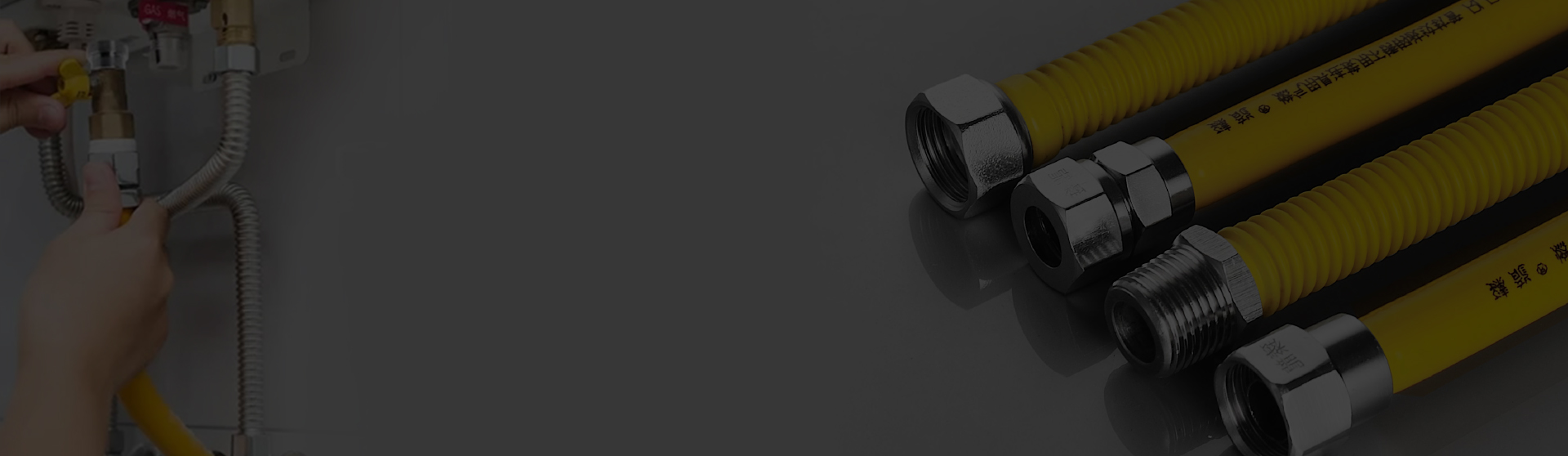

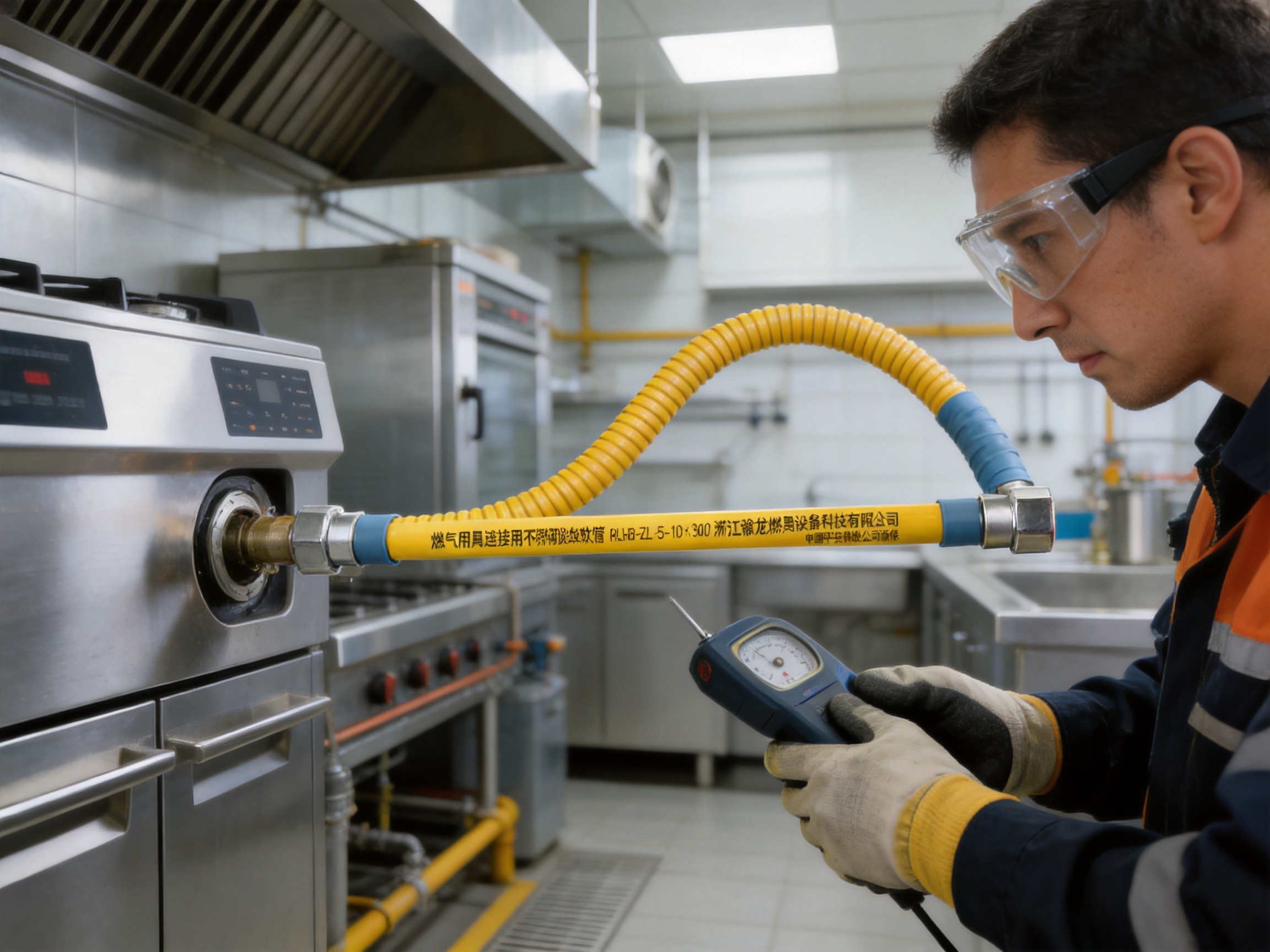
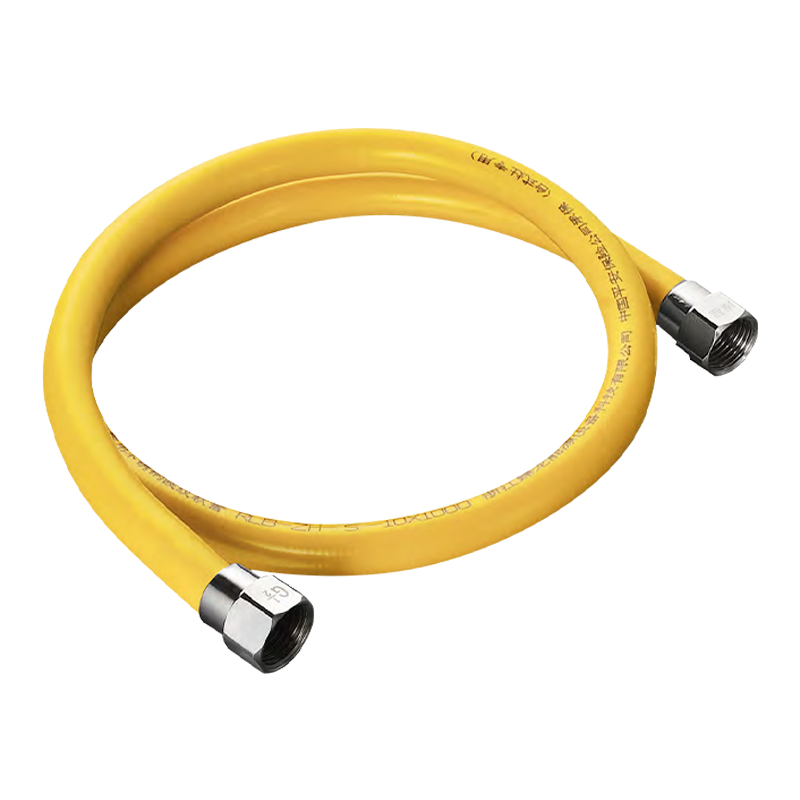
Modern gas, water and industrial piping systems require connection components that can combine flexibility, mechanical strength, corrosion resistance and reliable sealing. A hose may appear to be a relatively small part of a complete installation, but its performance can influence the safety, efficiency and service life of the entire pipeline. Rigid pipework can be difficult to align, while low-quality flexible hoses may deteriorate quickly when exposed to moisture, temperature changes, vibration, abrasion or chemical contaminants. The Stainless Steel Corrugated Gas Hose ZLR-05 is designed to address these practical challenges with a multilayer construction based on 304 stainless steel bellows, a protective PVC cover, stainless steel fastening components and flat sealing gaskets.
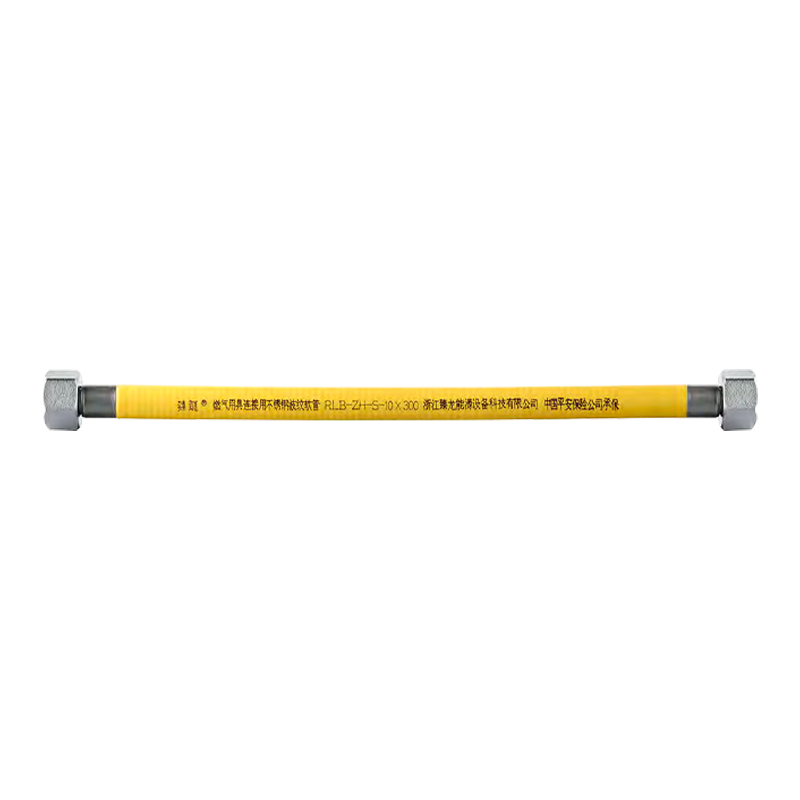
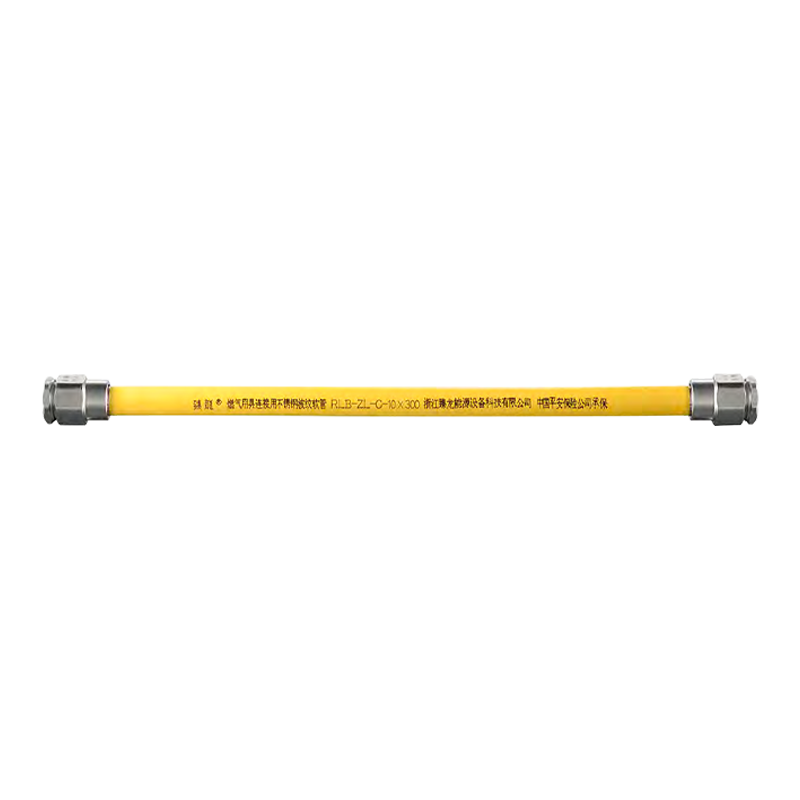
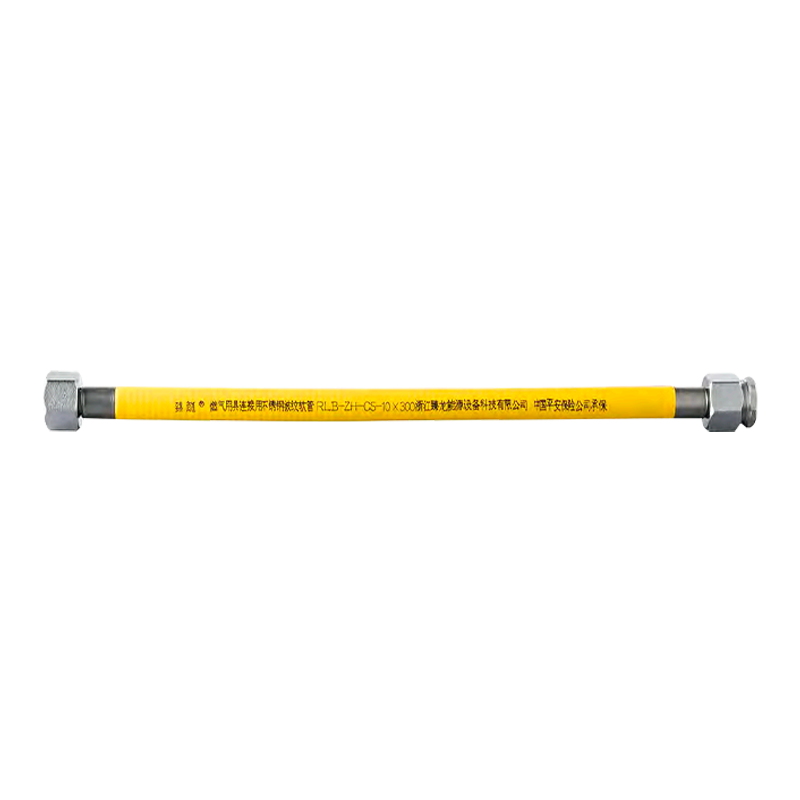
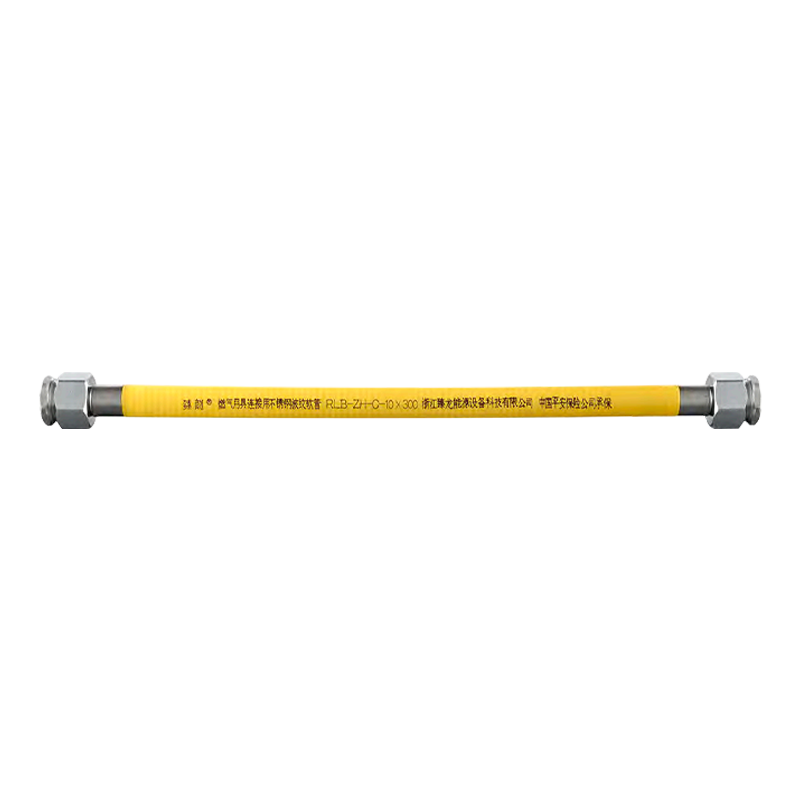
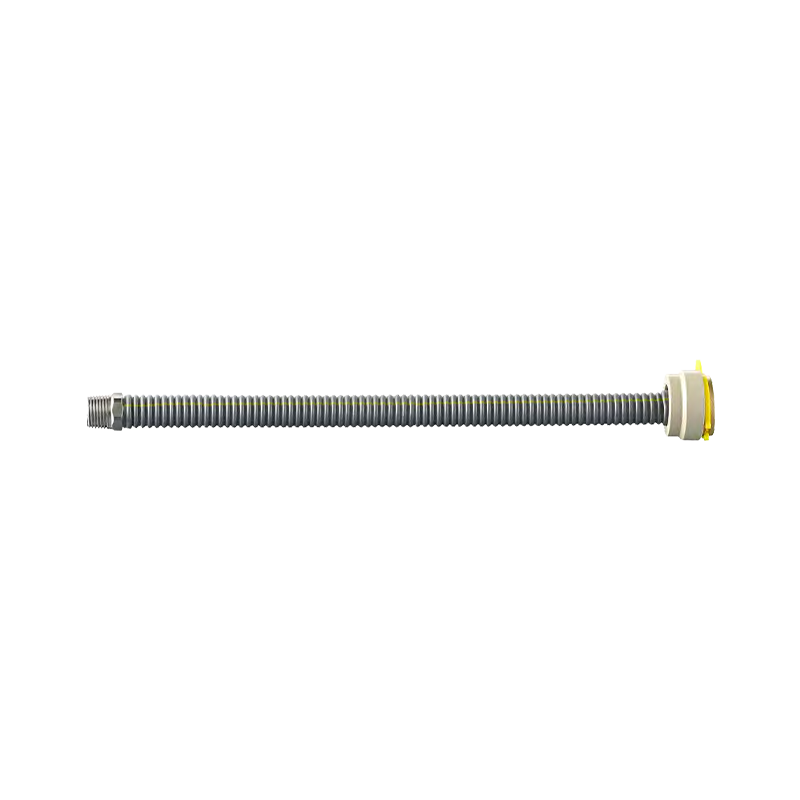
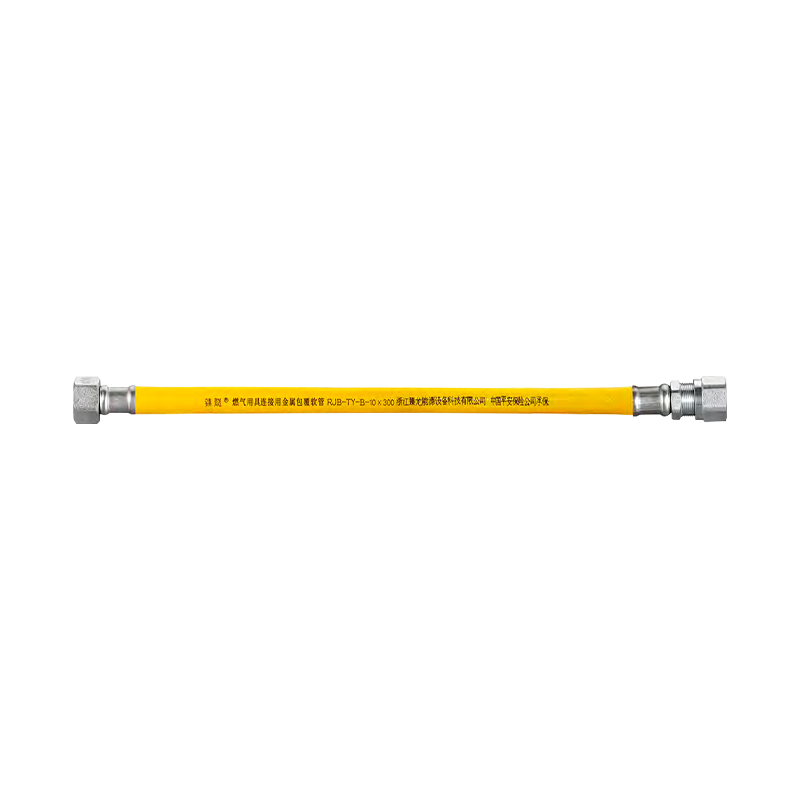
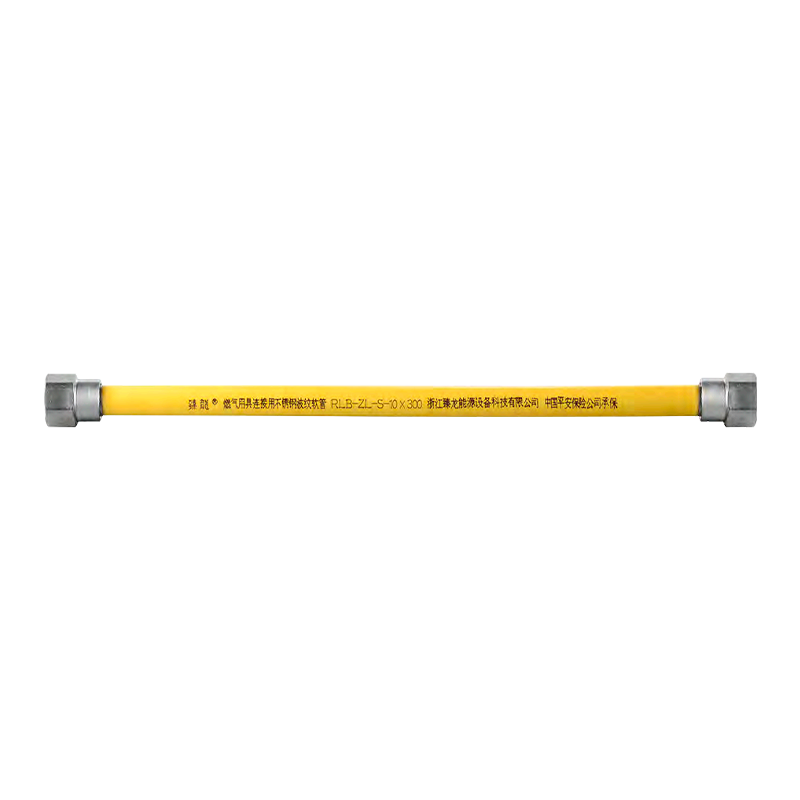
The ZLR-05 belongs to the category of stainless steel corrugated tubes for connecting gas appliances. It is configured for DN10 applications, has a listed outside diameter of 16 mm, and is available in lengths from 300 mm to 2,000 mm. Its standard connection configuration includes G1/2 nuts and flat washers, supported by a stainless steel sleeve and a PVC outer cover. This arrangement allows the hose to accommodate installation movement while maintaining a secure connection between the appliance and the supply line.
Compared with ordinary rubber hoses, unprotected metal tubes or flexible products made with lower-grade materials, the ZLR-05 offers a more balanced combination of durability and flexibility. Its corrugated stainless steel body can bend around limited installation obstacles, the PVC cover helps shield the metal from external conditions, and the connector assembly is designed to distribute sealing pressure more evenly. These characteristics make the hose suitable for selected residential, commercial and industrial connection tasks, subject to the applicable local codes, gas type, pressure rating and installation requirements.
Content
- 1 Product Overview
- 2 Why Corrugated Stainless Steel Construction Matters
- 3 Protective PVC Cover for Harsh Installation Environments
- 4 Reliable Sealing Through the Connector Assembly
- 5 Advantages Over Conventional Flexible Hoses
- 6 Applications in Gas, Water and Industrial Systems
- 7 Manufacturing Expertise and Process Control
- 8 Quality Assurance from Material to Finished Hose
- 9 Installation Guidance for Safe and Long-Term Performance
- 10 How the ZLR-05 Creates Value for OEM and Project Buyers
- 11 Competitive Position in the Metal Hose Market
- 12 Customization and Supply Support
- 13 Environmental and Lifecycle Considerations
- 14 Frequently Asked Questions
- 14.1 What is the main purpose of the ZLR-05?
- 14.2 What material is used for the corrugated bellows?
- 14.3 What are the available dimensions?
- 14.4 What type of connection does the hose use?
- 14.5 Can the hose be used outdoors?
- 14.6 Can it be used for water or chemical pipelines?
- 14.7 Does the corrugated body eliminate the need for proper support?
- 14.8 How should the hose be bent?
- 14.9 How is leakage checked after installation?
- 14.10 What manufacturing strengths support the product?
- 14.11 What documents should buyers request?
- 14.12 How can the service life of the hose be extended?
- 15 Conclusion
- 16 References
- 17 Product: Stainless steel corrugated gas hose corrosion-resistant ZLR-05
Product Overview
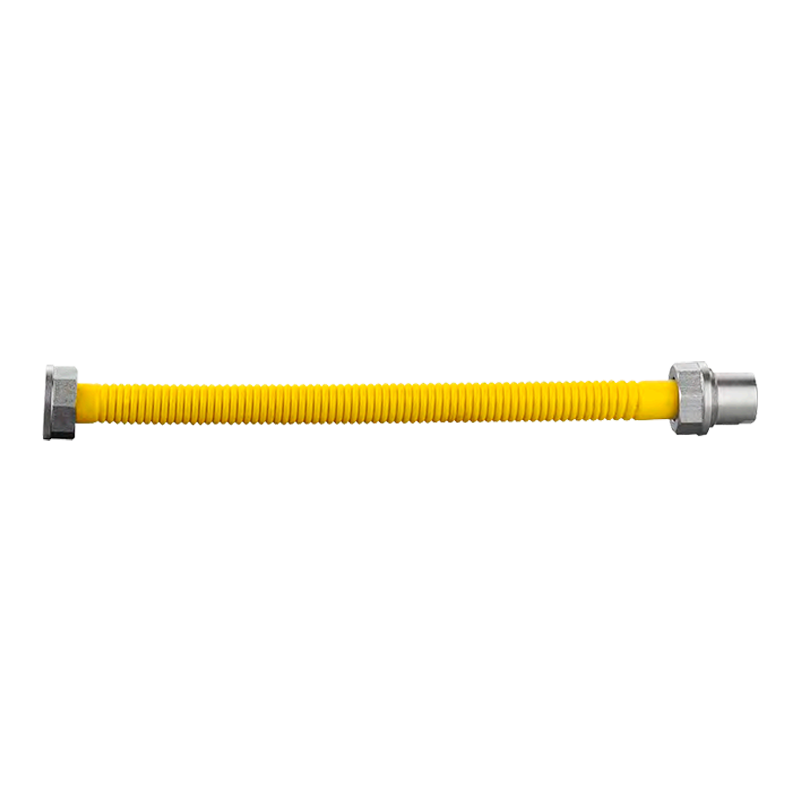
The Stainless Steel Corrugated Gas Hose ZLR-05 is manufactured around a 304 stainless steel bellows. The bellows structure consists of formed corrugations that allow controlled bending and movement along the hose axis. Unlike a smooth rigid tube, a corrugated tube can absorb limited misalignment and installation displacement without requiring the installer to force the pipe into position. Unlike many soft hoses, the metallic body provides a strong barrier against crushing, puncture and high-temperature exposure when correctly selected and installed.
The product is supplied with a PVC cover on the outside of the corrugated tube. This cover serves several practical purposes. It helps prevent direct contact between the stainless steel bellows and surrounding moisture, dust and abrasive surfaces. It also adds a visual and handling layer that can reduce surface scratching during transportation and installation. In environments where condensation, splashing water or occasional contact with contaminants is possible, the cover may help preserve the appearance and functional condition of the underlying metal structure.
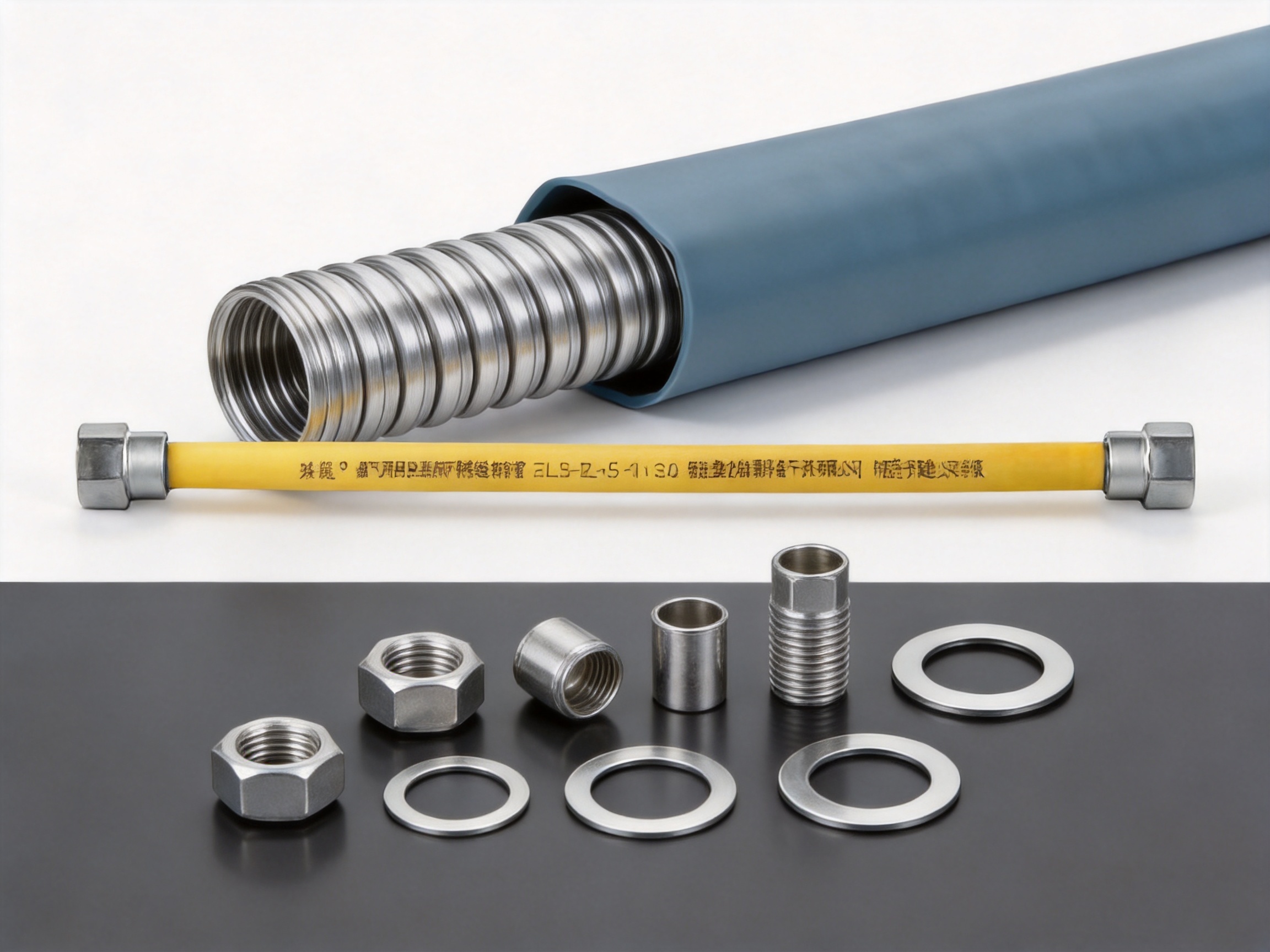
At each end, the ZLR-05 uses stainless steel nuts and a flat gasket arrangement. The G1/2 nut provides a familiar connection format for compatible equipment, while the flat washer or gasket creates a broader contact area between mating surfaces. A broad, properly compressed sealing surface can reduce localized stress and help produce a dependable joint. The stainless steel sleeve supports the terminal area and contributes to the mechanical stability of the connection.
The product is not simply a length of flexible tubing. It is an assembled connection system in which the bellows, outer cover, terminal sleeve, nut and gasket work together. Correct performance depends on the interaction of all these parts. The bellows must provide flexibility without excessive deformation, the sleeve must protect and support the end structure, the nut must maintain mechanical engagement, and the gasket must be compatible with the service medium and installation conditions.
| Item | Specification |
|---|---|
| Product model | ZLR-05 |
| Product type | Stainless steel corrugated tube for connecting gas appliances |
| Reference specification | RLB-ZL-S-10×300 |
| Nominal size | DN10 |
| Outside diameter | 16 mm |
| Connection | G1/2 nut |
| Bellows material | 304 stainless steel |
| Outer protection | PVC cover |
| Sealing component | Flat washer or flat gasket |
| Terminal support | Stainless steel sleeve |
| Available length | 300 mm to 2,000 mm |
| Typical application category | Gas appliance connection and selected water or chemical pipeline applications |
Why Corrugated Stainless Steel Construction Matters
The principal advantage of a corrugated metal hose is its ability to accommodate movement while retaining the basic strength of metal. Corrugations create a series of formed sections that can flex in a controlled manner. This makes the hose easier to route than a straight rigid pipe, particularly where the appliance connection is not perfectly aligned with the fixed supply pipe. The installer can use an appropriate curve instead of adding several rigid elbows or applying force to the appliance inlet.
Flexibility is also useful when equipment is moved slightly for inspection, cleaning or maintenance. A properly installed hose can accommodate limited movement without transmitting the full force of that movement to the threaded connection. This may reduce stress on the appliance inlet and adjoining pipework. However, the hose should never be treated as a substitute for a hinge, lifting device or unrestricted expansion joint. Its allowable bend radius, movement range and service conditions must be respected.
The corrugated profile also contributes to the hose’s ability to tolerate vibration. Gas appliances, pumps, burners and other equipment can generate small but repeated movements during operation. A rigid connection may transfer these movements directly into a threaded joint. The ZLR-05’s flexible metallic body can help isolate limited vibration when the hose is correctly supported and routed. This benefit is especially relevant in installations where equipment movement and fixed piping cannot be perfectly eliminated.
304 stainless steel is widely used for components that require a useful combination of corrosion resistance, formability and mechanical performance. It contains chromium and nickel that support the formation of a passive surface layer. This layer helps the metal resist many common atmospheric and moisture-related corrosion conditions. The material can also be formed into corrugations while maintaining the structural continuity needed for a flexible bellows.
Material selection should always be matched to the actual service. Stainless steel is not immune to every form of corrosion. Strong chlorides, highly aggressive chemicals, crevice conditions, external deposits and incompatible cleaning agents can affect stainless steel over time. The ZLR-05 should therefore be specified after considering the gas or liquid medium, temperature, pressure, surrounding atmosphere and applicable technical requirements. The product description identifies it as suitable for gas, water and selected chemical pipeline applications, but final chemical compatibility should be confirmed for each project.
Protective PVC Cover for Harsh Installation Environments
The outer PVC layer provides a second line of protection around the stainless steel bellows. A metal hose without an external cover can be exposed to repeated rubbing against brackets, cabinet edges, walls or other components. Even when the metal itself remains functional, surface damage can make the hose more vulnerable to contamination and localized deterioration. The PVC cover creates separation between the bellows and the surrounding installation environment.
Waterproofing and moisture resistance are important in kitchens, utility rooms, plant rooms, equipment cabinets and other areas where condensation or splashing may occur. The PVC layer helps limit direct exposure of the corrugated body to water. It can also reduce the accumulation of dust and dirt in the corrugation valleys, making the hose easier to inspect and clean. Where the hose passes through a busy service area, the cover may provide additional abrasion protection.
The cover also improves handling. Corrugated metal surfaces can have sharp or uneven profiles, particularly near formed areas and terminal components. A continuous outer covering provides a smoother surface for technicians to handle during installation. It may also help protect adjacent surfaces from incidental contact with the metal hose. This does not remove the need for careful routing, adequate clearance and protection from sharp edges, but it contributes to a more installer-friendly product.
Another benefit is visual identification. A covered hose is easier to distinguish from uncovered pipe components during installation and maintenance. Clear visual inspection remains necessary, but the protective layer can help technicians identify the flexible connection and recognize whether the cover has been cut, crushed, burned or otherwise damaged. Any significant damage to the cover should be assessed before the system is placed into service.
Stainless steel corrugated gas hose corrosion-resistant ZLR-05
Reliable Sealing Through the Connector Assembly
A flexible hose is only as reliable as its end connections. Leakage often occurs not because the tube body has failed, but because the joint was assembled with an unsuitable gasket, insufficient compression, damaged threads, misalignment or excessive tightening. The ZLR-05 addresses this risk with an integrated connector arrangement that includes a G1/2 stainless steel nut, a flat gasket or washer and a stainless steel sleeve.
The flat gasket increases the contact area between the hose connection and the mating surface. A larger contact area can distribute compressive force more evenly than a narrow sealing edge. This helps reduce stress concentration and supports a more stable seal when the mating surfaces are clean, compatible and properly aligned. The gasket also creates a defined sealing interface, allowing the connection to be tightened against the gasket rather than relying solely on metal-to-metal contact.
Stainless steel nuts offer mechanical stability and resistance to many common environmental conditions. They are suitable for applications where the connector may experience moisture, temperature variation and repeated maintenance activity. A strong nut helps maintain the clamping force required for the gasket to perform. The installer must still avoid over-tightening, because excessive torque can damage the gasket, distort the sealing surface or place unnecessary stress on the hose terminal.
The stainless steel sleeve supports the end of the assembly and helps protect the transition between the flexible bellows and the connector. This transition is important because the end of a corrugated hose is a point where bending forces can become concentrated. A properly manufactured sleeve and terminal structure can help maintain the intended geometry and improve the connection’s resistance to mechanical disturbance.
In practical installation, the mating threads should be clean and free of damage. The gasket should be correctly positioned and should not be reused if it has been compressed, cut, hardened or contaminated. The hose should be aligned naturally with the connection rather than twisted. After assembly, the joint should be checked using an approved leak-detection procedure appropriate to the service medium and local regulations. Open flames must never be used to test for gas leakage.
Advantages Over Conventional Flexible Hoses
Improved resistance to corrosion and heat
Many conventional flexible hoses use elastomeric materials as the primary pressure barrier. These materials can be practical and economical, but their service life may be affected by ultraviolet exposure, oils, solvents, heat, ozone, aging and mechanical abrasion. The ZLR-05 uses a 304 stainless steel bellows as its central flexible element, giving it a metal-based structure that is better suited to elevated temperatures and many demanding environments than ordinary unprotected rubber tubing.
The PVC cover does not replace the stainless steel pressure barrier; instead, it protects the metal from external conditions. This layered arrangement provides a useful balance. The metal bellows supplies structural strength and corrosion resistance, while the polymer cover contributes moisture and abrasion protection. Competitor products that provide only a thin rubber layer or an unprotected corrugated surface may not offer the same combination of environmental resistance and mechanical support.
Greater routing flexibility than rigid pipe
Rigid copper, steel or plastic pipe can deliver excellent service when installed correctly, but it requires precise cutting, bending, threading, joining and support. It can be difficult to align a fixed outlet with an appliance inlet, particularly in retrofit projects or confined spaces. The ZLR-05 can simplify the final connection because its corrugated body can follow a controlled route between the two points.
Reducing the number of elbows and intermediate joints can also simplify installation. Every additional joint represents another potential leakage point, another component to inspect and another operation that must be completed correctly. A flexible connection with factory-assembled ends can reduce on-site fabrication work. The result may be shorter installation time and more consistent assembly, especially when the required length is selected in advance.
Better mechanical protection than soft unsupported tubing
A soft tube may be easy to bend, but it can be vulnerable to crushing, kinking or accidental contact with tools and surrounding equipment. The ZLR-05’s corrugated stainless steel structure offers a stronger mechanical foundation. Its PVC cover adds another layer of protection against abrasion. Together, these features make it more appropriate for locations where the connection must withstand routine handling or moderate environmental stress.
Nevertheless, the hose should not be dragged, sharply bent, twisted or used to support the weight of an appliance. Mechanical protection is a design advantage, not a reason to ignore installation rules. Proper support and clearance remain essential to obtaining the expected service life.
More dependable sealing than improvised connections
Some low-cost connection arrangements rely on improvised washers, incompatible sealants or poorly matched threaded fittings. These methods can produce inconsistent results and may complicate future maintenance. The ZLR-05 is supplied with a defined connector configuration, including a flat gasket and stainless steel nut. This gives the installer a clear sealing method and reduces reliance on ad hoc components.
The use of a flat gasket is particularly useful where the connection is designed to seal across a face rather than through the thread itself. This distinction matters because thread engagement and sealing are separate functions in many fittings. Correctly understanding the connection type helps prevent the common mistake of applying excessive thread sealant or over-tightening the nut in an attempt to compensate for poor alignment.
Applications in Gas, Water and Industrial Systems
The primary application of the ZLR-05 is the connection of gas appliances. It can be considered for suitable domestic, commercial and light industrial equipment where the hose size, connector type, pressure rating, temperature range and certification requirements match the project. Potential examples include gas cooking equipment, heating appliances, utility equipment and other approved appliances with compatible G1/2 connection interfaces.
In residential installations, flexibility is valuable because kitchen and utility layouts often contain cabinets, walls and fixed service outlets that are not perfectly aligned. A hose available in lengths from 300 mm to 2,000 mm allows the designer or installer to select a size that provides sufficient reach without leaving excessive slack. The correct length should permit a natural curve and maintenance access while avoiding contact with hot surfaces, moving parts or sharp corners.
Commercial kitchens and food-service environments can create challenging conditions for connection components. Water, cleaning chemicals, grease, heat and frequent equipment movement may all be present. The stainless steel bellows and PVC cover can provide useful resistance in these conditions, but the installer must verify compatibility with the cleaning chemicals and operating temperatures used at the site. The hose should also be positioned so that it is accessible for regular inspection.
Water pipeline applications may include flexible connections to selected fixtures, equipment and plumbing assemblies. The corrosion-resistant stainless steel body can be beneficial in damp areas, while the corrugated structure can help accommodate alignment differences. When used for potable water or specialized water service, the product must meet the relevant material and hygiene requirements for that market. Suitability for gas service does not automatically establish suitability for every water application.
Industrial applications may include connections around machinery, process equipment, control cabinets, burners or utility systems. The hose can be useful where vibration, limited movement or constrained routing makes rigid pipework inconvenient. For chemical service, engineering review is particularly important. The compatibility of the 304 stainless steel, PVC cover, gasket and any other wetted or exposed material must be confirmed against the exact chemical concentration, temperature and pressure.
The following table summarizes common selection considerations rather than defining an automatic approval for any particular installation.
| Application condition | Relevant ZLR-05 feature | Selection and installation consideration |
|---|---|---|
| Limited alignment difference | Corrugated flexible body | Use a natural bend and avoid forcing the hose into a sharp curve |
| Moist or splash-prone environment | PVC outer cover and stainless steel bellows | Inspect the cover regularly and prevent water from being trapped at fittings |
| Routine equipment vibration | Flexible metallic structure | Provide suitable support and avoid transferring excessive movement to the joints |
| Gas appliance connection | G1/2 nut and flat gasket arrangement | Confirm appliance compatibility, pressure requirements and local approvals |
| Longer connection route | Available lengths up to 2,000 mm | Select the shortest practical length that allows safe routing and maintenance access |
| Industrial chemical environment | 304 stainless steel and PVC protection | Verify chemical compatibility, temperature, pressure and gasket performance before use |
Manufacturing Expertise and Process Control
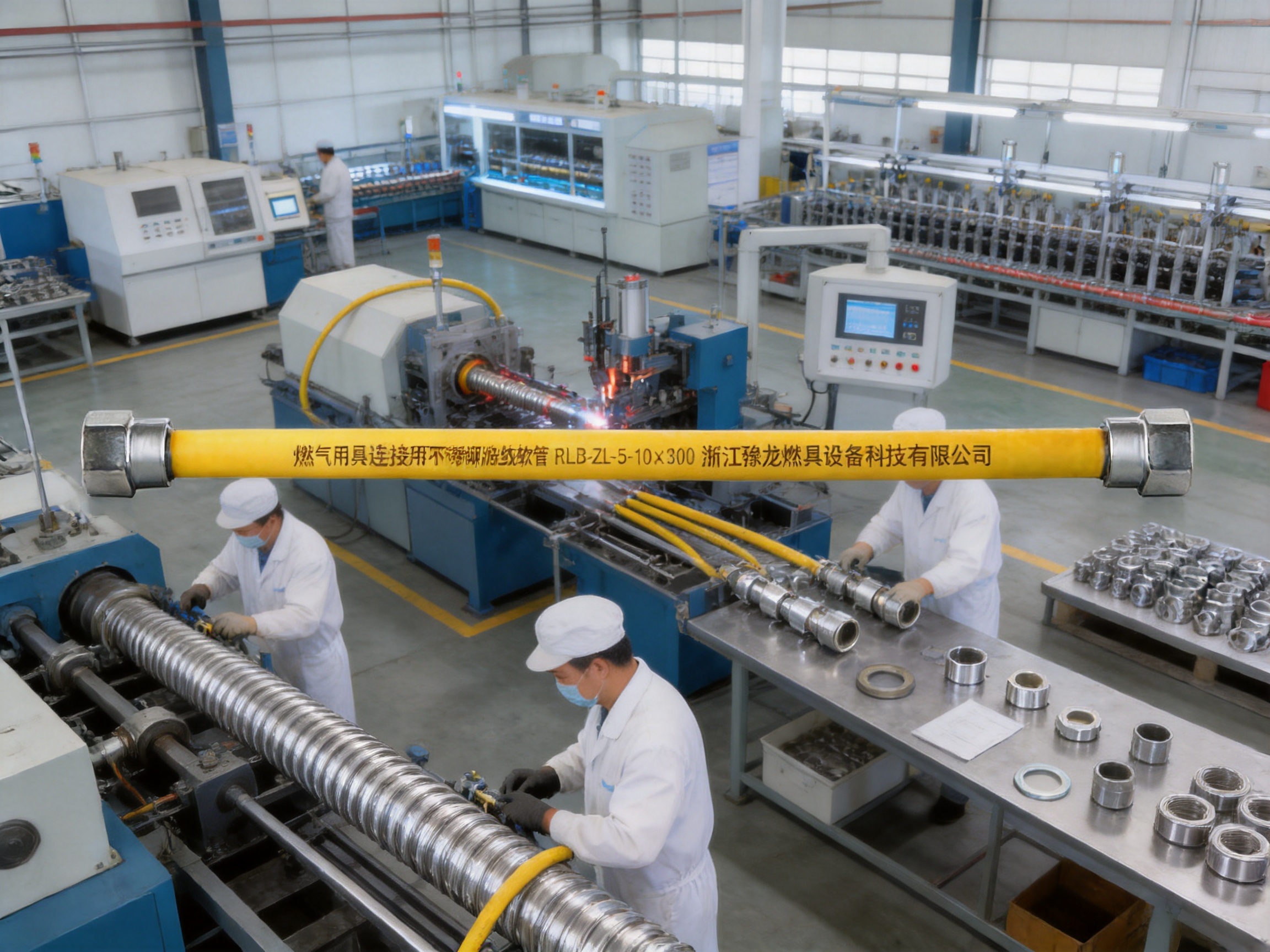
The quality of a corrugated metal hose depends heavily on manufacturing control. Forming a thin stainless steel tube into consistent corrugations requires controlled tooling, accurate dimensions and careful management of material behavior. If the corrugation geometry varies excessively, the hose may bend unevenly, experience localized stress or fail to provide consistent performance. If the terminal area is poorly formed, the connection may be difficult to seal or may not withstand normal handling.
The manufacturer behind the ZLR-05 integrates research and development, manufacturing and processing within its energy equipment operation. Its production capabilities include metal hose manufacturing, natural gas pipeline products, plumbing fittings, sanitary ware, valves, plastic products and hardware. This combination gives the company experience across both metallic and polymer components, which is valuable for a product that depends on the interaction of a stainless steel bellows, PVC cover and connector assembly.
The reported facility covers approximately 40 acres and includes a factory building of about 30,000 square meters. Such an industrial base supports organized production flow, material storage, component processing, assembly, inspection and order fulfillment. The company operates 30 welding and forming production lines, allowing it to handle different stages of metal hose and pipe fitting production with dedicated equipment and repeatable procedures.
Forming lines are important for producing consistent bellows geometry. During production, the stainless steel material must be shaped without creating unacceptable thinning, cracking or distortion. Controlled forming helps preserve the intended flexibility and structural strength. Welding capability is equally important for components and assemblies that require secure joining. Weld quality can influence pressure resistance, fatigue performance and leak tightness, so welding procedures and inspection practices are central to dependable hose manufacturing.
The company also reports two uninterrupted solid melting hydrogen furnace production lines. Furnace capability supports controlled processing of relevant metallic materials and components. Stable thermal conditions can contribute to material consistency, cleanliness and repeatability. For stainless steel products, control of heating and processing conditions is important because surface quality and material properties influence corrosion resistance and forming performance.
Manufacturing competence is further supported by testing equipment. The reported equipment includes metal material analysis direct-reading spectrometers and flow tightness testers. A direct-reading spectrometer can help verify the composition of incoming or processed metal materials. Material analysis is valuable because the alloy designation must correspond to the intended grade and because composition control supports consistent performance across production batches.
Flow tightness testing is directly relevant to hose assemblies. A product that looks correct externally may still contain an assembly defect, incomplete joint or sealing problem. Tightness testing provides a method for identifying leakage before shipment. When combined with dimensional inspection, visual checks and process records, it helps reduce the likelihood that defective products will reach the customer.
The manufacturer states that it implements an ISO9000:2008 quality management system. A quality management system provides a framework for document control, process management, inspection, corrective action and continual improvement. Certification or implementation alone does not guarantee that every individual product is suitable for every application, but a structured quality system is an important foundation for repeatable manufacturing and customer support.
The company also reports holding a special equipment manufacturing license for pressure pipelines in the People’s Republic of China and having EU CE certification testing reports. These credentials and reports should be reviewed against the specific ZLR-05 configuration, market and intended service before procurement. Buyers should request current documentation, applicable test results and product-specific compliance information when required by local law or project specifications.
Quality Assurance from Material to Finished Hose
Incoming material verification
Quality begins before forming or assembly. Stainless steel strip, tubing, nuts, sleeves, gaskets and PVC materials should be checked against purchasing specifications. Material identification, surface condition, dimensions and batch information should be recorded where appropriate. Metal analysis can help verify that the stainless steel used for the bellows corresponds to the required 304 grade.
Controlled bellows forming
The bellows-forming process should maintain consistent corrugation depth, pitch, diameter and end geometry. These dimensions affect flexibility, installation behavior and the distribution of stress during bending. Forming tools should be maintained and checked regularly. Production personnel should also monitor for visible defects such as cracks, wrinkles, sharp dents, incomplete corrugations or abnormal thinning.
Secure terminal assembly
The end connection must be assembled so that the sleeve, nut, gasket and bellows remain properly aligned. The terminal region should not be exposed to unnecessary twisting during assembly. Correct seating of the flat gasket is essential. A gasket that is offset, damaged or contaminated may create a leakage path even when the nut appears tight.
Cover application
The PVC cover should be applied evenly and should not contain cuts, holes, severe wrinkles or exposed areas that compromise its protective function. The cover must remain clear of the sealing interface and should not prevent the connector from being correctly installed. Dimensional consistency is important because a cover that is too loose may move excessively, while one that is too tight may place stress on the terminal area.
Leak and tightness testing
Finished assemblies should undergo appropriate tightness inspection. Testing conditions should reflect the product design and relevant technical requirements. A suitable test can identify leakage through the bellows, end assembly or gasket interface. Products that pass external appearance inspection but fail tightness testing should not be released until the cause is identified and corrected.
Traceability and documentation
For professional procurement, documentation is an important part of product value. Buyers may need model numbers, dimensional data, material information, test records, packaging details and installation guidance. Traceability helps connect finished products with raw material batches and production records. It also supports efficient investigation if a customer reports a problem after installation.
Installation Guidance for Safe and Long-Term Performance
Before installation, confirm that the selected ZLR-05 length, connection type and size match the equipment and pipeline. The DN10 specification and G1/2 nut must be compatible with the mating connection. Confirm the gas or liquid medium, working pressure, operating temperature and local code requirements. If the application involves a regulated gas installation, work should be performed by a qualified professional authorized under the relevant jurisdiction.
Choose a routing path that allows the hose to form a smooth curve. Avoid sharp bends, kinks and repeated back-and-forth flexing. The hose should not be twisted along its length because torsion can place additional stress on the bellows and end connections. If the connection requires the hose to rotate during tightening, use appropriate installation techniques to prevent the flexible body from being twisted.
Do not install the hose where it will contact open flames, unshielded burners, hot exhaust components, sharp sheet metal, moving machinery or abrasive surfaces. Maintain appropriate clearance from heat sources and use approved protection where the installation environment requires it. The PVC cover is designed to provide protection, but it should not be assumed to be a substitute for thermal shielding or mechanical guarding.
Keep the hose accessible for inspection. Avoid concealing the assembly in a location where a leak, cover defect or mechanical deformation cannot be detected. If the product is installed behind equipment, allow sufficient access for maintenance and replacement. The hose should not be used to support, suspend or align heavy equipment.
Clean the mating surfaces before fitting the gasket. Check that the gasket is the correct type and is free from cuts, cracks, dirt and deformation. Tighten the nut according to the fitting manufacturer’s instructions and applicable standards. Excessive force can damage the gasket or fitting, while insufficient force may result in leakage. Do not use tools in a way that twists the hose body.
After installation, conduct a suitable leak test. For gas systems, use an approved leak-detection fluid or instrument and follow the required commissioning procedure. Never test a gas connection with a flame. If leakage is found, shut off the supply, release pressure safely where applicable, inspect the gasket and connection surfaces, and correct the assembly before operation.
During service, inspect the hose periodically for corrosion, crushing, sharp bends, cover damage, exposed bellows, loose nuts, gasket deterioration and signs of movement. Any hose that has been exposed to fire, severe mechanical impact, chemical attack or abnormal pressure should be removed from service until it has been evaluated. Replacement intervals should follow local regulations, equipment manufacturer instructions and the actual severity of service.
How the ZLR-05 Creates Value for OEM and Project Buyers
For original equipment manufacturers, the ZLR-05 can provide a standardized connection component that simplifies product design and assembly. A defined model, nominal size, connector format and available length range make it easier to prepare bills of materials and installation instructions. Factory-assembled ends can also reduce the need for the OEM to perform additional hose fabrication in its own facility.
For distributors, the product offers a practical combination of high-demand characteristics: stainless steel construction, flexible routing, protective covering and common connection hardware. The 300 mm to 2,000 mm length range can support different appliance layouts and reduce the need to stock many unrelated product types. Clear specifications help distributors match the hose with appropriate customers and applications.
For engineering contractors, the main benefit is installation efficiency. A flexible metallic connection may reduce field cutting, threading and welding at the final appliance interface. Fewer on-site operations can support more predictable labor planning. It can also reduce the risk of dimensional errors associated with making a rigid connection in a confined space.
For end users, the value lies in dependable daily operation and easier maintenance. A corrosion-resistant, covered metal hose can be less vulnerable to common environmental stresses than an unprotected or aging soft hose. The product’s flexibility can also make it easier to access equipment for cleaning, inspection and servicing, provided the hose is installed with adequate slack and without excessive bending.
The manufacturer’s integrated industry and trade model can support communication between technical, production and customer-service teams. This is particularly useful for customized orders, private-label projects and applications requiring specific lengths, packaging or documentation. Its stated research and development, production and testing capabilities provide a foundation for adapting products to customer requirements while maintaining controlled manufacturing processes.
Competitive Position in the Metal Hose Market
The market includes several broad product categories: rubber gas hoses, plastic-covered hoses, unprotected corrugated tubes, braided metal hoses and rigid pipe assemblies. Each category has applications where it may be appropriate. The ZLR-05 is competitive because it combines characteristics that are often separated among different products.
Against ordinary rubber hoses, the ZLR-05 offers a stainless steel bellows with stronger resistance to heat and many corrosion conditions. Against rigid pipe, it offers easier routing and movement accommodation. Against unprotected metal bellows, its PVC cover adds moisture and abrasion protection. Against improvised or field-built assemblies, its factory-assembled gasket, nut and sleeve arrangement offers a more consistent starting point for installation.
The product also benefits from manufacturing depth. A supplier with metal forming, welding, thermal processing, material analysis and tightness testing capabilities can control more of the production chain than a trading company that only purchases finished assemblies. Integrated capabilities can improve communication, reduce dependence on multiple subcontractors and support more consistent quality control.
However, responsible product comparison must consider more than material names. Buyers should compare actual pressure ratings, temperature ratings, bend requirements, fatigue performance, connector dimensions, gasket materials, testing methods and certifications. A 304 stainless steel hose is not automatically superior in every chemical environment, and a PVC-covered hose is not automatically suitable for every temperature. The best choice is the product whose verified specifications match the application.
Customization and Supply Support
The standard ZLR-05 specification provides a clear reference for common requirements, but industrial customers may need variations. Potential project considerations include hose length, connector configuration, gasket material, cover color, packaging, labeling and documentation. Any modification should be reviewed by the manufacturer’s technical team to ensure that it does not compromise pressure resistance, sealing performance, bend capability or regulatory compliance.
Customization is most effective when the buyer supplies complete technical information. Useful data includes the working medium, maximum and minimum temperature, operating and test pressure, connection drawings, required length, installation movement, environmental exposure and applicable standards. Photographs or dimensional drawings of the existing installation can also help identify clearance and routing issues.
Packaging should protect the hose from crushing and deformation during storage and transportation. Long lengths should be coiled without exceeding the product’s allowable bending limits. Connectors should be protected from impact, and gaskets should be kept clean and dry. Product labels should identify the model and relevant batch information so that distributors and installers can maintain traceability through the supply chain.
Technical support should continue after shipment. Installation guidance, inspection recommendations and product documentation help customers use the hose correctly. If a customer reports a concern, information about the installation medium, pressure, temperature, routing, photographs and maintenance history can help determine whether the issue relates to product selection, installation or operating conditions.
Environmental and Lifecycle Considerations
Long service life is an important part of sustainable product performance. Replacing a failed connection requires new materials, labor, transportation and downtime. A hose designed for corrosion resistance, secure sealing and environmental protection may reduce unnecessary replacement when it is correctly selected and maintained. The stainless steel body is also a durable material that can retain value in recycling streams at the end of its useful life.
The PVC cover contributes to service life by protecting the metal from external abrasion and moisture. At the same time, users should consider the complete lifecycle of the product, including material selection, manufacturing energy, packaging and end-of-life handling. Local recycling facilities may treat stainless steel and PVC differently, so the assembly may need to be separated or managed according to regional waste procedures.
Responsible maintenance also supports environmental performance. Preventing leaks is important not only for safety but also for reducing the release of gas or liquid into the surrounding environment. Regular inspection of the gasket, nut, cover and bellows can identify deterioration before it becomes a major failure. Immediate replacement of damaged assemblies is preferable to continuing to operate a hose with uncertain integrity.
Frequently Asked Questions
What is the main purpose of the ZLR-05?
The ZLR-05 is a stainless steel corrugated hose designed primarily for connecting gas appliances. Its flexible bellows can accommodate limited alignment differences and movement, while the PVC cover, stainless steel connectors and flat gasket support environmental protection and sealing reliability.
What material is used for the corrugated bellows?
The product uses 304 stainless steel for the corrugated bellows. This material is selected for its combination of corrosion resistance, formability and mechanical performance. Its suitability should still be checked against the exact gas, water or chemical service conditions.
What are the available dimensions?
The listed product specification is DN10 with an outside diameter of 16 mm. The reference model is RLB-ZL-S-10×300, and available lengths range from 300 mm to 2,000 mm. Buyers should confirm the exact length and end configuration before ordering.
What type of connection does the hose use?
The standard description identifies a G1/2 nut connection with a flat washer or gasket. The mating equipment must have a compatible connection surface and thread arrangement. The gasket should be correctly positioned and should not be replaced with an unsuitable sealing material.
Can the hose be used outdoors?
The PVC cover provides waterproofing, moisture resistance and abrasion protection, which may be useful in demanding environments. Outdoor use should nevertheless be evaluated for ultraviolet exposure, temperature extremes, standing water, salt spray, chemicals and local installation rules. The project designer should confirm suitability before approving outdoor installation.
Can it be used for water or chemical pipelines?
The product description identifies gas, water and chemical pipelines as possible application categories. For water service, the required hygiene and material approvals must be confirmed. For chemical service, the compatibility of the 304 stainless steel, PVC cover and gasket with the exact chemical, concentration, temperature and pressure must be verified.
Does the corrugated body eliminate the need for proper support?
No. Flexibility does not mean that the hose can be left unsupported or used to carry equipment weight. The hose should be routed with suitable clearance, protected from excessive movement and supported according to the installation design. It should not be used as a structural member or lifting connection.
How should the hose be bent?
The hose should be bent gradually into a smooth curve and should not be kinked, sharply folded or twisted. The minimum bend radius and allowable movement should follow the manufacturer’s technical guidance and the requirements of the application. Repeated flexing beyond the design range can shorten service life.
How is leakage checked after installation?
Use an approved leak-detection fluid or suitable instrument in accordance with local regulations and the service procedure. Gas joints must never be checked with an open flame. If leakage is detected, isolate the supply and correct the connection before the system is operated.
What manufacturing strengths support the product?
The manufacturer reports 30 welding and forming production lines, two uninterrupted solid melting hydrogen furnace production lines, material analysis equipment, flow tightness testers and an ISO9000:2008 quality management system. These capabilities support material verification, controlled forming, assembly and finished-product inspection.
What documents should buyers request?
Depending on the market and application, buyers may request dimensional drawings, material information, pressure and temperature data, test reports, quality documentation, applicable certificates, installation instructions and batch traceability. Product-specific documentation should be reviewed rather than relying only on general company information.
How can the service life of the hose be extended?
Select the correct size and length, install a smooth routing curve, avoid twisting and sharp bends, keep the hose away from excessive heat and abrasion, inspect the cover and connectors regularly, and replace any assembly that shows damage, leakage or severe deformation. Correct selection and installation are as important as the hose’s material quality.
Conclusion
The Stainless Steel Corrugated Gas Hose ZLR-05 is designed to provide a dependable connection between gas appliances and compatible pipeline systems. Its 304 stainless steel bellows provide a flexible metallic pressure path with useful resistance to corrosion and elevated temperatures. The corrugated profile supports controlled movement and easier routing, while the PVC cover adds protection against moisture, abrasion and environmental contact.
The connector assembly strengthens the product’s practical value. G1/2 stainless steel nuts provide secure fastening, flat gaskets enlarge the sealing contact area, and stainless steel sleeves support the terminal structure. Together, these components create a more complete and installation-ready solution than a basic length of tubing or an improvised flexible connection.
Its competitive advantage is further supported by the manufacturer’s integrated production capabilities. Research and development, metal forming, welding, thermal processing, material analysis and flow tightness testing are combined within an established energy equipment manufacturing operation. Production lines, quality management procedures and reported pressure-pipeline and CE-related credentials provide a foundation for serving OEM, distributor and project customers.
As with every gas or industrial connection product, the ZLR-05 must be matched to the actual operating conditions and installed according to applicable technical requirements. When the correct medium, pressure, temperature, connection, length and environmental conditions are confirmed, the hose can offer a practical balance of flexibility, corrosion resistance, sealing reliability and long-term service support.
References
1. Product specification information for Stainless Steel Corrugated Gas Hose ZLR-05, including model, dimensions, materials, connection components and length range.
2. Manufacturer-provided company profile and manufacturing capability information for Zhejiang Zhenlong Energy Equipment Technology Co., Ltd.
3. General engineering principles for corrugated metal hose design, flexible connections, bend control and installation practices.
4. General technical guidance for stainless steel material selection, corrosion resistance and chemical compatibility assessment.
5. General quality-control principles covering material verification, welding inspection, dimensional checks and flow tightness testing.
6. Applicable local regulations and professional installation requirements for gas appliance connections, pressure pipelines and plumbing systems.