 English
 中文简体
中文简体 Español
 عربى
عربى
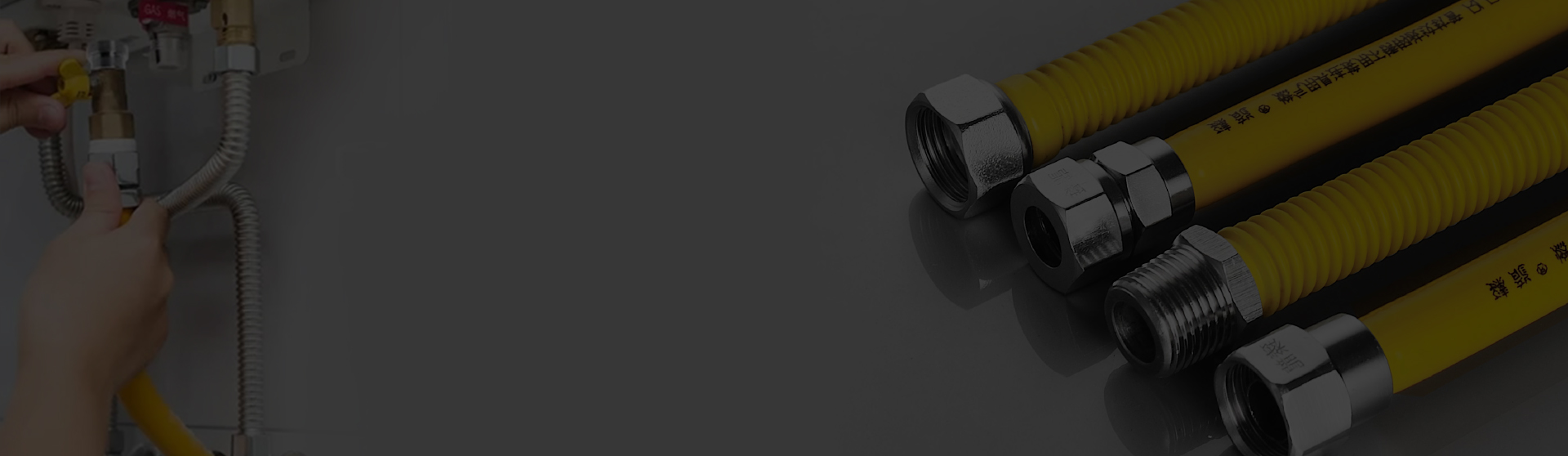

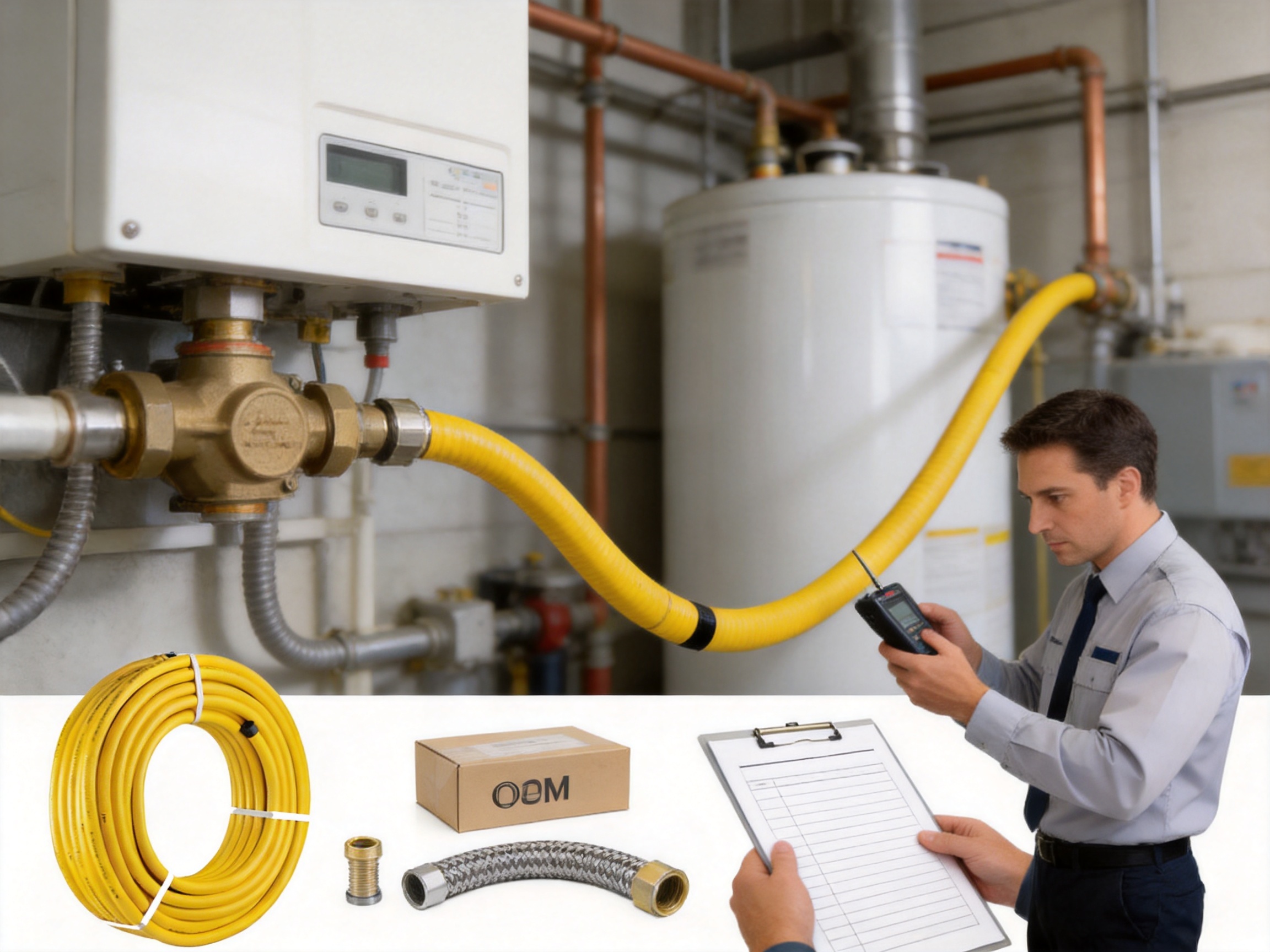
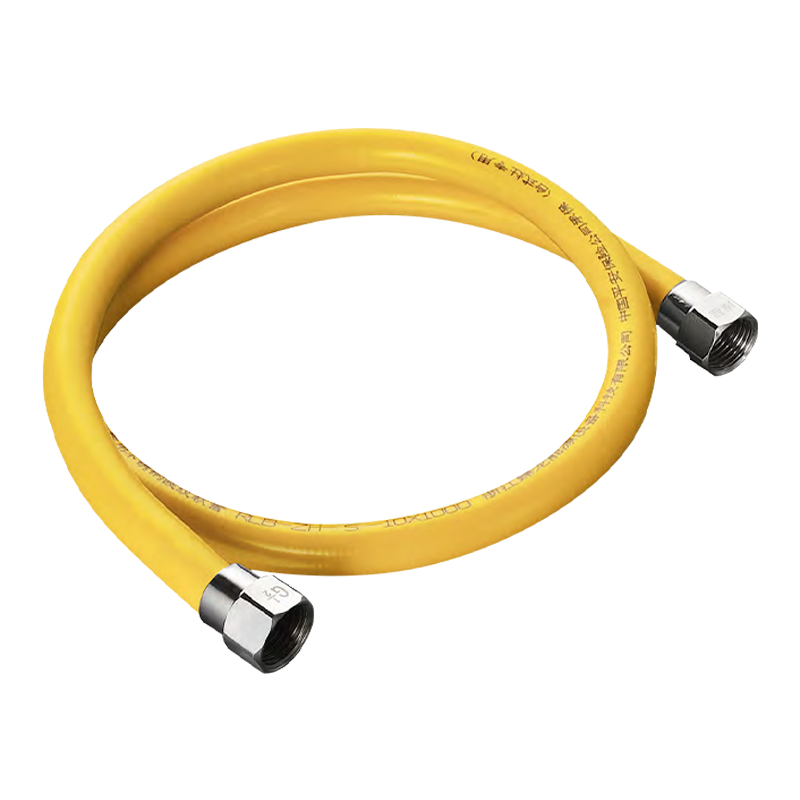
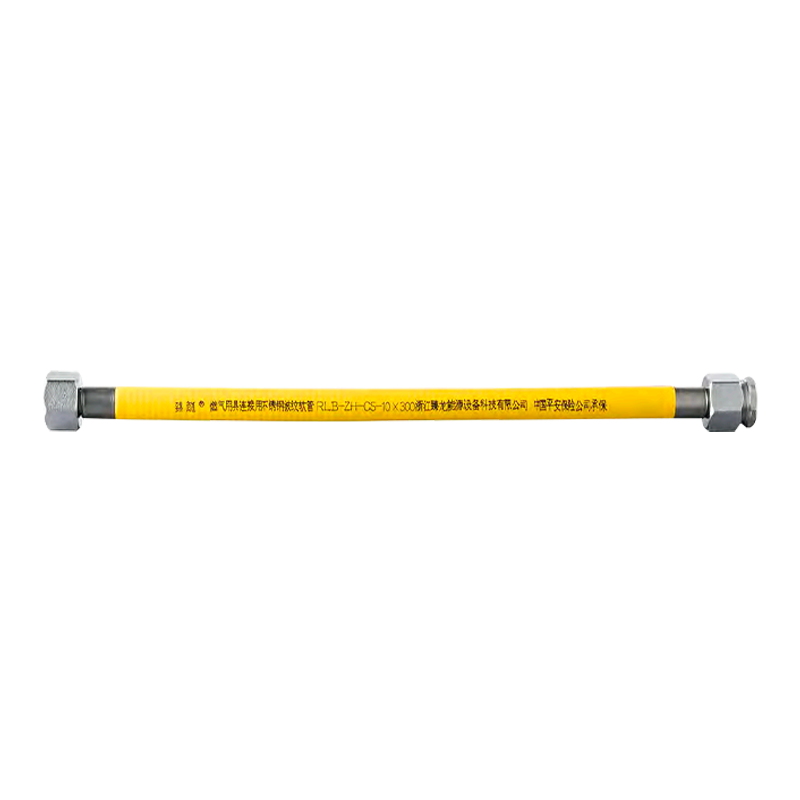
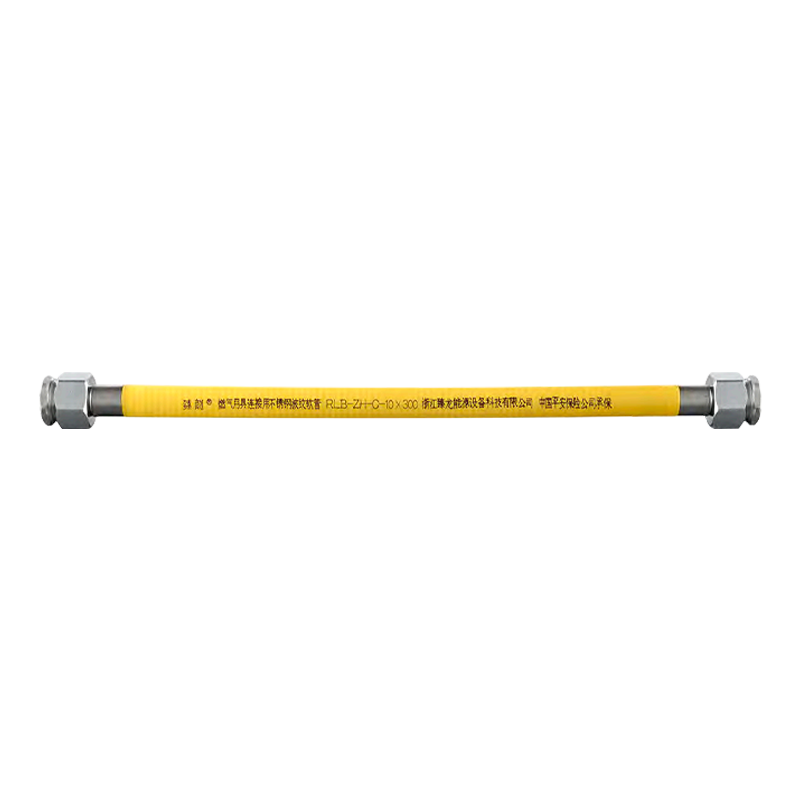
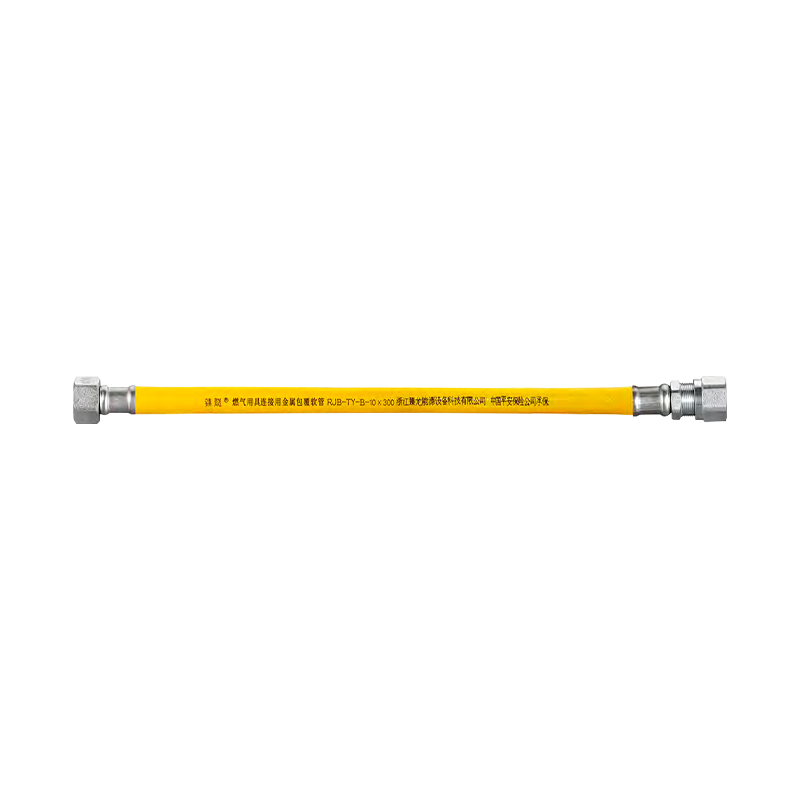
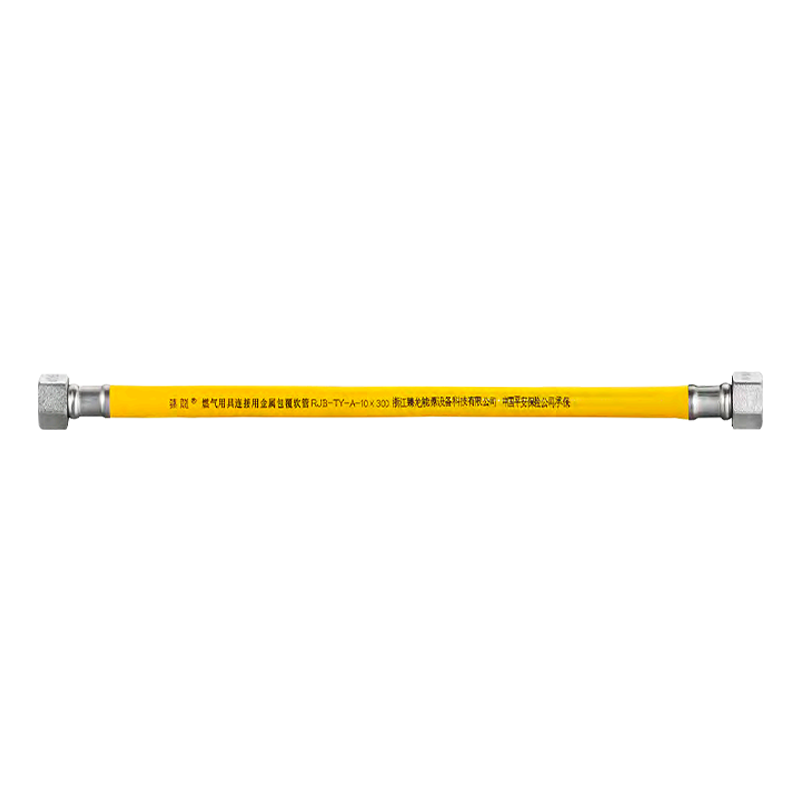
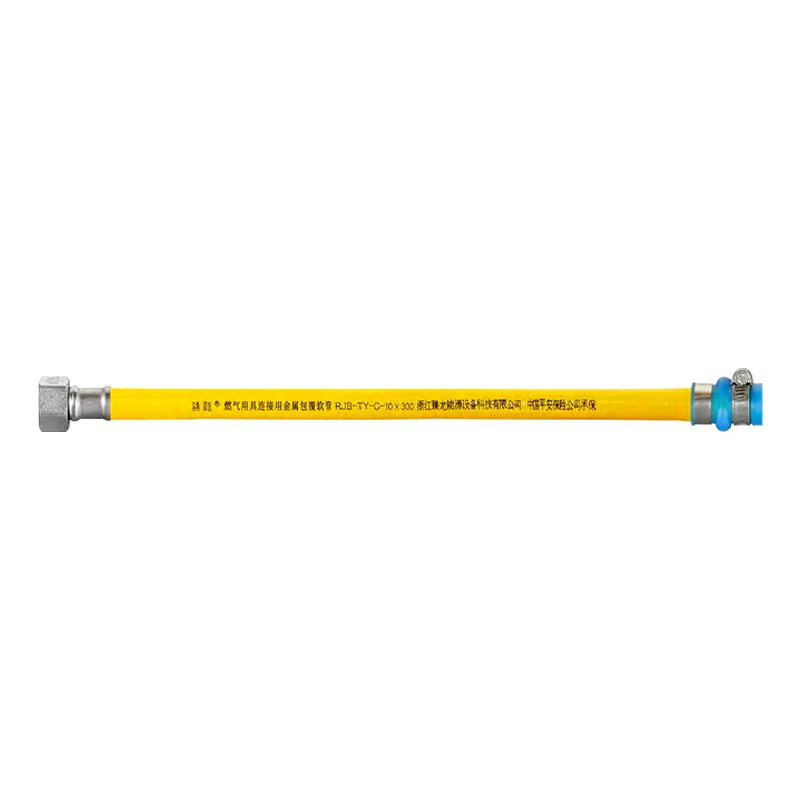
Stainless steel corrugated hose is an important component in modern gas, water, industrial, and energy equipment systems. It combines the flexibility of a hose with many of the durability, temperature-resistance, and pressure-handling benefits associated with metal piping. By using a corrugated stainless steel tube, the product can absorb movement, accommodate installation variations, reduce stress at connection points, and provide a dependable flow path in applications where rigid pipe alone may be unsuitable.
Unlike ordinary rubber hose, unreinforced plastic tubing, or thin-wall flexible products made from less resistant metals, stainless steel corrugated hose is designed for environments that require mechanical strength, corrosion resistance, dimensional stability, and long service life. It can be used for natural gas connections, plumbing systems, industrial equipment, heating installations, water distribution, sanitary applications, and selected process-fluid services. Its performance depends on the correct selection of material, corrugation geometry, wall thickness, braid construction, end fittings, and manufacturing quality.
Zhejiang Zhenlong Energy Equipment Technology Co., Ltd. is engaged in the research, development, manufacturing, and processing of energy equipment and related piping products. Its product range includes metal hoses, natural gas pipelines, plumbing fittings, sanitary ware, valves, plastic products, and hardware. The company integrates industrial manufacturing with trade and customer service, enabling it to support product development, production, quality control, and delivery within one organization.
This article examines the construction, operating principles, applications, advantages, manufacturing processes, quality systems, and selection considerations associated with stainless steel corrugated hose. It also explains how an experienced manufacturer can improve product consistency through specialized forming and welding equipment, controlled heat treatment, inspection systems, engineering support, and responsive after-sales service.
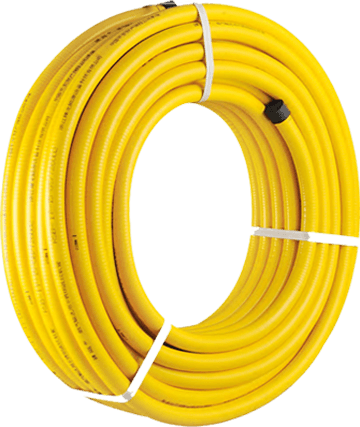
STAINLESS STEEL COREUCATEDHOSE -副本
Content
- 1 1. Understanding Stainless Steel Corrugated Hose
- 2 2. Advantages Compared with Conventional Flexible Piping
- 3 3. Applications in Gas, Water, and Industry
- 4 4. Manufacturing Process and Engineering Control
- 5 5. Advanced Production Capacity and Company Strengths
- 6 6. Quality Control and Performance Verification
- 7 7. Product Selection Guide
- 8 8. Installation and Maintenance Recommendations
- 9 9. Competitive Advantages of a Well-Engineered Product
- 10 10. OEM and ODM Production Opportunities
- 11 11. Environmental and Lifecycle Considerations
- 12 12. Why Manufacturing Expertise Matters
- 13 13. Frequently Asked Questions
- 13.1 Q1: What is a stainless steel corrugated hose used for?
- 13.2 Q2: Is stainless steel corrugated hose suitable for natural gas?
- 13.3 Q3: Does the stainless steel braid carry the pressure?
- 13.4 Q4: Can the hose be bent repeatedly?
- 13.5 Q5: Can stainless steel corrugated hose replace rigid pipe everywhere?
- 13.6 Q6: What information is needed for a customized hose quotation?
- 13.7 Q7: How can leakage be reduced?
- 13.8 Q8: What makes one stainless steel hose better than another?
- 13.9 Q9: Can the hose be supplied with different fittings?
- 13.10 Q10: What quality equipment is useful in production?
- 13.11 Q11: Is stainless steel corrugated hose corrosion-proof?
- 13.12 Q12: How should the hose be stored?
- 14 14. Conclusion
- 15 References
- 16 Product: STAINLESS STEEL COREUCATEDHOSE -副本
1. Understanding Stainless Steel Corrugated Hose
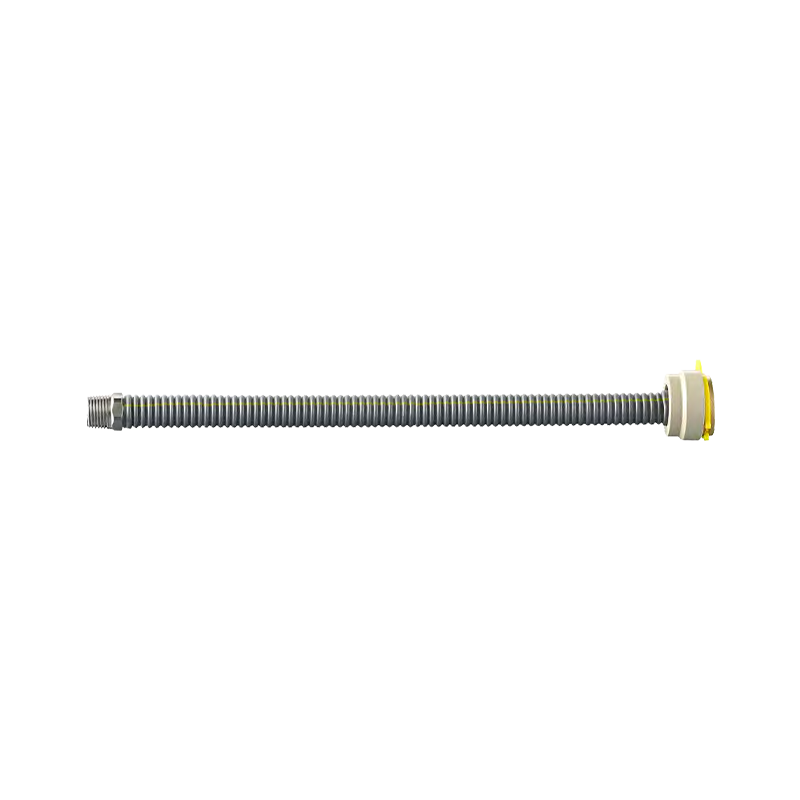
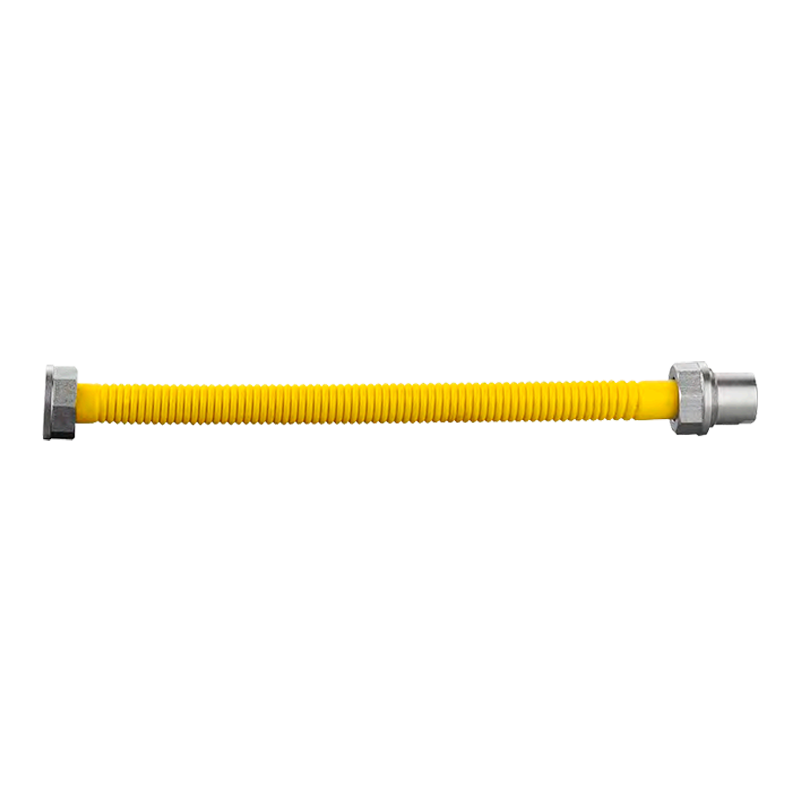
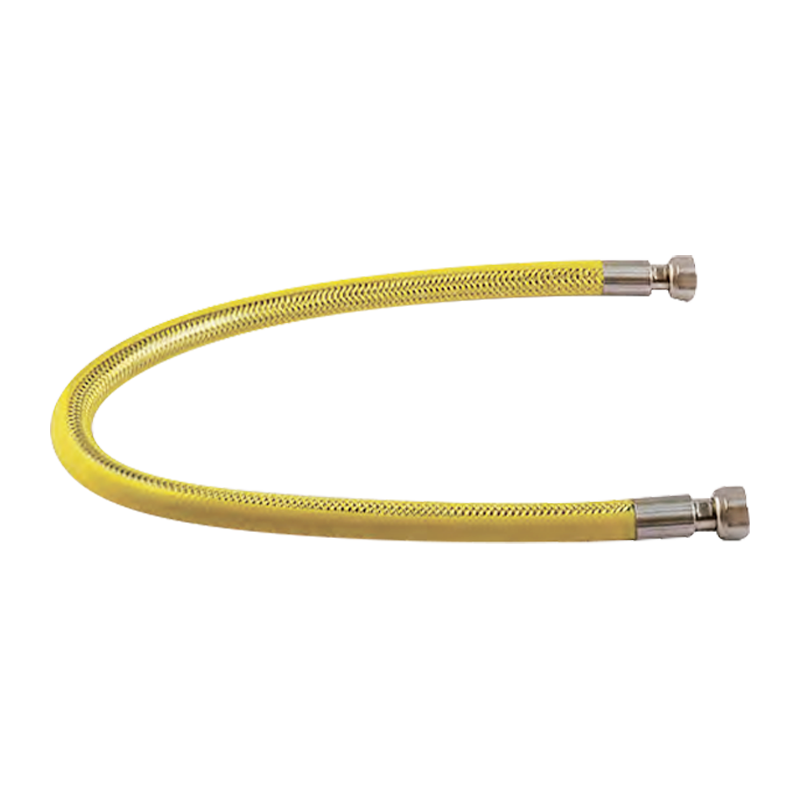
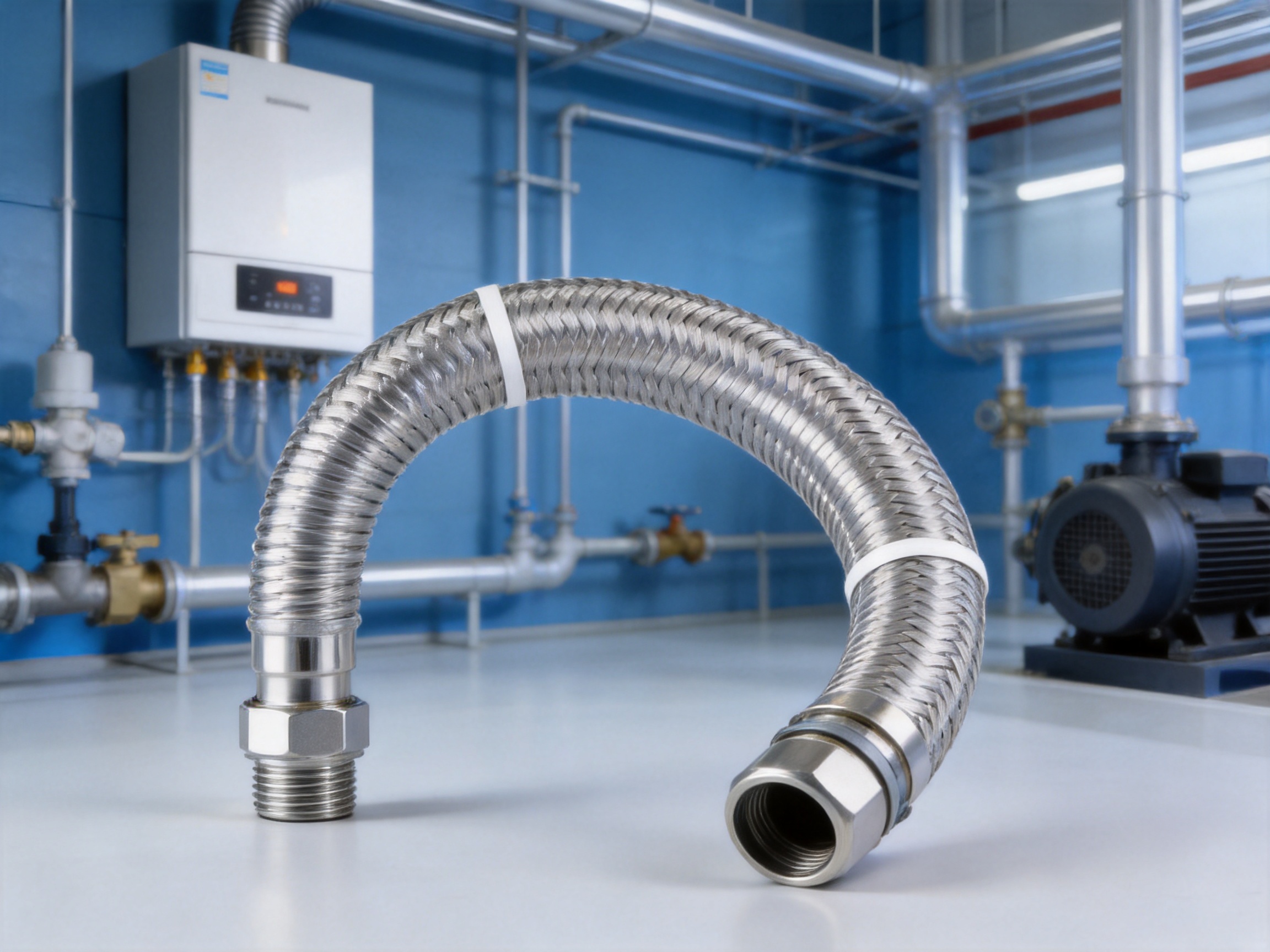
A stainless steel corrugated hose consists primarily of a flexible metal tube formed with a series of regular ridges and valleys. These corrugations allow the tube to bend and move without requiring the entire hose wall to stretch substantially. Depending on the design, the hose may also include an external stainless steel wire braid, protective covering, fittings, sleeves, or other components intended to improve pressure capability and installation reliability.
The corrugated tube is the pressure-containing and fluid-contacting part of the assembly. It is commonly produced from corrosion-resistant stainless steel suitable for the intended medium and service conditions. The external braid, when included, supports the tube and limits excessive elongation under internal pressure. End fittings connect the hose to equipment, valves, rigid pipes, regulators, manifolds, burners, water systems, or other components.
Corrugated geometry is central to product performance. A hose with an appropriate corrugation profile can provide repeated bending flexibility while maintaining a stable flow passage. The number of corrugations per unit length, ridge height, pitch, wall thickness, and tube diameter all influence flexibility, pressure capacity, fatigue resistance, and hydraulic behavior. These features must be balanced rather than optimized independently.
Stainless steel is selected because it provides a combination of corrosion resistance and mechanical performance that is difficult to achieve with many conventional flexible materials. It is resistant to moisture, many common atmospheric contaminants, and a wide range of mildly aggressive fluids. It also retains useful strength across a broad temperature range and does not depend on plasticizers that may evaporate, migrate, or harden over time.
1.1 Main Components
The basic components of a stainless steel corrugated hose assembly include the corrugated tube, braid, end fittings, and attachment or sealing elements. The corrugated tube provides flexibility and forms the main flow channel. The braid is typically made from stainless steel wire and is woven around the tube to improve pressure resistance and mechanical stability. Fittings may be manufactured from stainless steel, brass, or another compatible material depending on the application, connection method, and customer requirements.
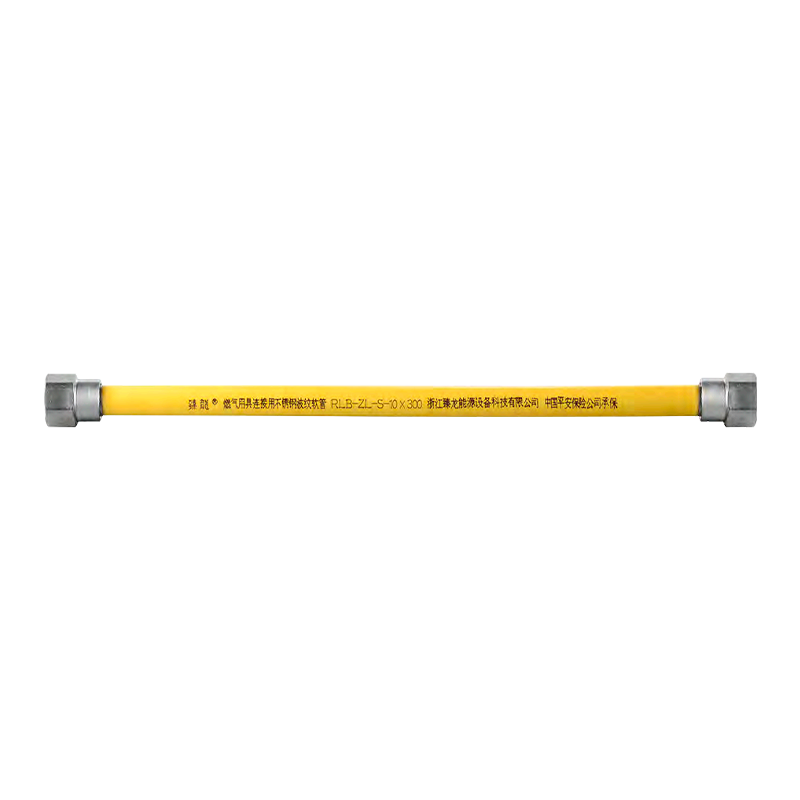
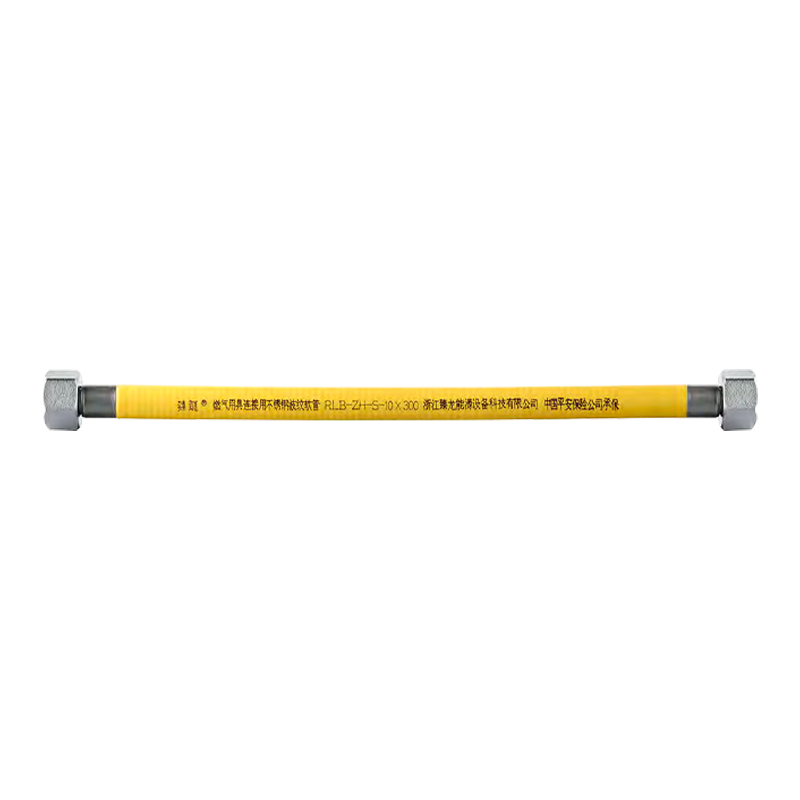
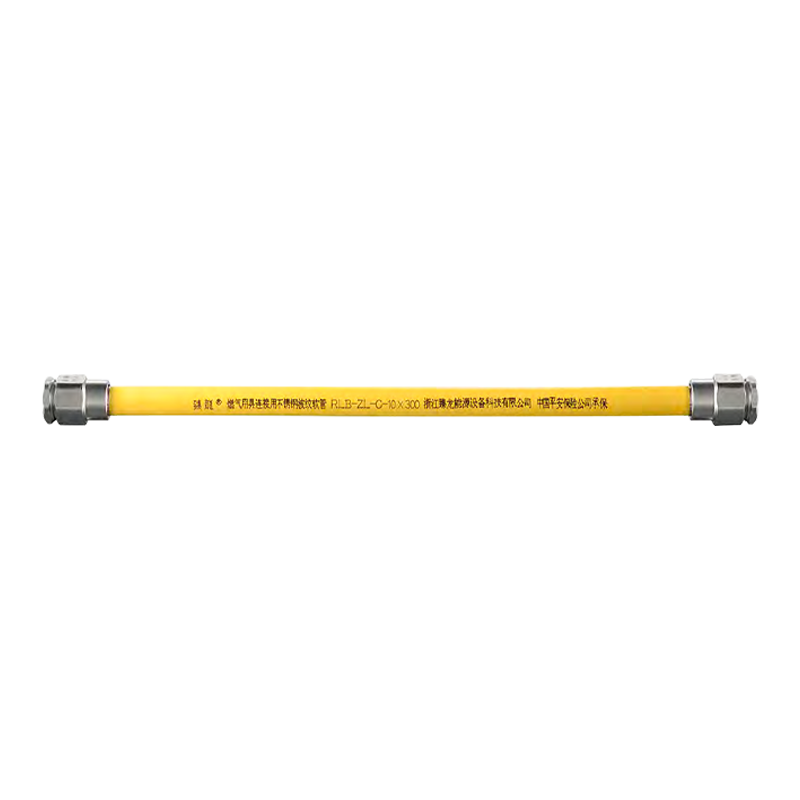
End fittings can include threaded connectors, union connections, flared ends, compression fittings, welded ends, quick-connect interfaces, or custom-designed configurations. The fitting must be compatible with the equipment and must provide a reliable seal under the expected pressure, temperature, vibration, and installation conditions. A well-made hose can still fail in service if the connection design is unsuitable or if the fitting is improperly installed.
Some applications require an additional protective layer. A protective sleeve can reduce abrasion, protect the hose from external contact, or improve appearance. In other applications, a special coating, insulation, or external guard may be used. The necessity of these additions depends on the installation environment rather than on the hose material alone.
1.2 How Corrugations Provide Flexibility
Rigid pipe transfers movement and thermal expansion directly to joints, supports, and connected equipment. A corrugated hose absorbs a portion of this movement through controlled deformation of its corrugations. When the hose is bent within its specified limits, the ridges change shape slightly and allow the centerline to move without forcing the tube into a sharp crease.
This flexibility is useful when equipment vibrates, when two connection points are not perfectly aligned, or when thermal expansion causes relative movement between components. It also simplifies installation in confined spaces. Instead of requiring several rigid elbows and additional joints, an appropriately selected hose can connect components along a more direct route.
Flexibility does not mean that the hose can be bent without limitation. Every corrugated hose has a minimum bend radius and a recommended installation method. Tight bending, repeated movement beyond the design range, twisting, or bending near the fitting can shorten service life. Proper routing and support are therefore essential to realize the product’s performance advantages.
2. Advantages Compared with Conventional Flexible Piping
Stainless steel corrugated hose competes with rubber hose, thermoplastic hose, braided polymer hose, copper tubing, and rigid metal pipe. Each material has a suitable field of use, but stainless steel corrugated hose offers a distinctive balance of flexibility, durability, cleanliness, and resistance to demanding conditions.
2.1 Corrosion Resistance
Corrosion resistance is one of the most important advantages of stainless steel corrugated hose. In water, gas, humid, or industrial environments, a poorly selected material may rust, become brittle, develop surface damage, or lose wall thickness. Stainless steel provides a protective oxide layer that helps resist corrosion and preserves the integrity of the tube when the material is properly selected and maintained.
This advantage is especially relevant in locations exposed to condensation, outdoor air, cleaning chemicals, splashing water, or high humidity. Stainless steel is also suitable for many sanitary and utility installations where cleanliness and resistance to surface deterioration are important. However, material selection must still consider chlorides, acids, alkaline substances, high-temperature fluids, and other specific chemical exposures.
2.2 Resistance to Heat and Temperature Variation
Many polymer hoses experience changes in flexibility, strength, or dimensional stability when exposed to heat or cold. Stainless steel corrugated hose is less vulnerable to these changes and can perform across a wider temperature range, provided that the tube, braid, fittings, seals, and connection method are all appropriate for the operating conditions.
The metal construction is valuable in heating equipment, hot-water service, industrial machinery, thermal systems, and other installations where temperature changes create expansion and contraction. The hose can accommodate movement more effectively than a rigid connection, reducing stress transmitted to equipment nozzles and pipe joints.
Temperature performance is not determined by the stainless steel tube alone. If the assembly includes elastomeric seals, polymer coverings, or non-metallic fitting components, those parts may establish the actual temperature limit. A responsible manufacturer should identify the permitted service range for the complete assembly rather than presenting only the theoretical temperature capability of the metal.
2.3 Mechanical Strength and Pressure Stability
A stainless steel corrugated tube is stronger and more resistant to crushing than many thin polymer alternatives. When reinforced with a stainless steel braid, it can provide improved resistance to internal pressure, external handling, and limited mechanical loading. The braid also helps control the hose’s change in length when pressure is applied.
The pressure rating depends on tube dimensions, corrugation design, braid coverage, wire diameter, fitting construction, welding quality, and testing standards. It is therefore inappropriate to assign one pressure rating to every stainless steel corrugated hose. Products should be selected according to the actual nominal diameter, length, construction, operating temperature, and connection arrangement.
2.4 Flexibility and Installation Efficiency
Flexible metal hose can reduce the amount of rigid pipe and the number of elbows required during installation. This can save space and make alignment easier, particularly around pumps, regulators, burners, valves, storage equipment, and machinery. It can also reduce the number of threaded or welded joints, which may lower the number of potential leakage points.
The flexibility of the hose is particularly useful when connecting equipment that must be removed for inspection or maintenance. A correctly designed assembly can simplify access without requiring extensive modification to the surrounding pipework. In renovation projects, flexible hose can also compensate for existing dimensional limitations more effectively than rigid tubing.
2.5 Resistance to Permeation and Aging
Some gases and chemicals can permeate polymer materials over time. Polymer hoses may also suffer from hardening, softening, swelling, cracking, or degradation caused by ultraviolet exposure, oils, ozone, temperature cycling, or cleaning agents. Stainless steel is not immune to every chemical condition, but it generally avoids many of the aging mechanisms associated with flexible polymer tubing.
This characteristic can contribute to stable performance over an extended service period. It is especially helpful in gas systems, industrial equipment, and installations where replacement access is difficult. Service life still depends on correct installation, fluid compatibility, pressure control, vibration management, and regular inspection.
2.6 Cleanliness and Appearance
Stainless steel surfaces can be cleaned effectively and do not shed particles in the same way as deteriorating rubber or plastic materials. This makes stainless steel corrugated hose attractive for selected sanitary, water, food-related, and equipment applications where a clean and stable flow path is needed.
The metallic appearance also provides a professional finish for exposed installations. When an external sleeve or protective covering is used, the assembly can be integrated into an architectural, commercial, or equipment environment while retaining its functional flexibility.
3. Applications in Gas, Water, and Industry
3.1 Natural Gas and Fuel Gas Systems
Stainless steel corrugated hose is widely associated with gas connection systems because it can provide a flexible metallic pathway between a gas supply line and an appliance, regulator, burner, or equipment assembly. Its resistance to aging, vibration, and moderate temperature variation makes it suitable for many gas-related installations when the product is manufactured and certified for that specific service.
Gas applications require particularly careful attention to leakage prevention. The hose, fittings, seals, welding areas, and connection threads must be manufactured to a consistent standard. Each assembly should be inspected for dimensional accuracy and tested for gas tightness. Installation must follow applicable local regulations, including requirements for length, protection, routing, support, and permitted connection types.
The hose should never be used as a substitute for proper system design. It should not be twisted during installation, stretched between connection points, exposed to uncontrolled heat, or placed where it may be cut or crushed. A suitable product with correctly matched end fittings can significantly improve installation reliability, but safe operation requires the entire gas system to be designed and inspected correctly.
3.2 Plumbing and Water Supply
In plumbing systems, corrugated stainless steel hose can be used for flexible connections to water heaters, faucets, sanitary equipment, pumps, storage tanks, valves, and other fixtures. It can accommodate minor movement and simplify connections in areas where rigid pipe would be difficult to route.
Water quality and chemistry should be considered when selecting the material. Ordinary potable water service may present relatively mild conditions, while high-chloride water, elevated temperature, or chemical cleaning systems may require a more carefully selected stainless steel grade and fitting material. The manufacturer should be informed of the fluid, temperature, pressure, and intended use before production.
For sanitary applications, surface cleanliness, internal condition, fitting design, and ease of drainage may be important. A product intended for ordinary utility water should not automatically be assumed to meet the requirements of a specialized hygienic process. Application-specific engineering remains essential.
3.3 Heating, Ventilation, and Energy Equipment
Heating and energy equipment often includes components that generate vibration, heat, or thermal expansion. A flexible metal hose can help isolate these effects and reduce stress on rigid pipe connections. It may be used around boilers, burners, water heaters, regulators, heat exchangers, and equipment modules, subject to the relevant specifications.
In these systems, hose length should be sufficient for the required movement but not excessive. An unnecessarily long hose may sag, rub against nearby surfaces, or create unsupported loops. A correctly sized assembly maintains a smooth route and avoids sharp bends while permitting the required equipment movement.
3.4 Industrial Machinery and Process Equipment
Industrial equipment frequently requires flexible connections for compressed gases, water, hydraulic support services, heating media, inert gases, or other process utilities. Corrugated metal hose can connect moving equipment, absorb vibration, and compensate for small alignment errors. Its metallic construction is useful where abrasion, heat, oil mist, or mechanical activity would challenge ordinary rubber or plastic tubing.
Industrial applications can be highly specialized. The hose may be exposed to cyclic movement, pulsating pressure, vacuum, chemical vapors, or a combination of conditions. The design should therefore account for movement frequency, stroke length, bend direction, pressure pulses, installation orientation, and expected service life. In some systems, a braided hose may need additional reinforcement or a custom fitting arrangement.
3.5 Sanitary Ware and Hardware Assemblies
Stainless steel corrugated hose can be incorporated into sanitary ware and hardware products where a flexible, clean-looking, and durable connection is desired. Common considerations include compact dimensions, connection convenience, corrosion resistance, and resistance to repeated maintenance activities.
The assembly should be compatible with the surrounding hardware. Galvanic corrosion may occur when dissimilar metals are placed in a conductive wet environment, so fitting selection and isolation methods should be reviewed where necessary. Sealing materials must also be suitable for the water quality and temperature.
4. Manufacturing Process and Engineering Control
The quality of stainless steel corrugated hose is strongly influenced by the manufacturing process. A reliable product requires more than forming a metal tube and attaching fittings. The raw material must be controlled, the tube must be formed consistently, welds must be sound, corrugations must be dimensionally stable, braiding must be uniform, and the final assembly must pass leakage and performance inspections.
4.1 Material Preparation and Traceability
Production begins with the selection and preparation of stainless steel strip, tube material, wire, fittings, and sealing components. Material specifications should match the intended application. Important characteristics include chemical composition, thickness, surface quality, mechanical properties, and compatibility with the operating medium.
Material identification and traceability help manufacturers connect finished products to their raw material batches and production records. This is valuable for quality investigations, repeat orders, engineering changes, and customer documentation. It also supports more consistent production when customers require specific material grades or dimensional tolerances.
4.2 Tube Forming and Welding
Stainless steel strip or tube stock is formed into the required tubular shape through controlled forming operations. Longitudinal welding may be used to create a continuous tube from strip material. The weld must have adequate penetration and continuity without excessive internal protrusion, cracking, porosity, or surface defects.
Welding conditions such as current, speed, shielding, alignment, and heat input affect the quality of the seam. Excessive heat can distort the material or damage corrosion resistance, while insufficient heat can create an incomplete joint. Controlled production equipment and trained operators are therefore important for achieving stable results.
After welding, the tube may undergo surface treatment, cleaning, sizing, or inspection before corrugation. The process should protect the tube from contamination and avoid introducing damage that could become more serious during later forming operations.
4.3 Corrugation Forming
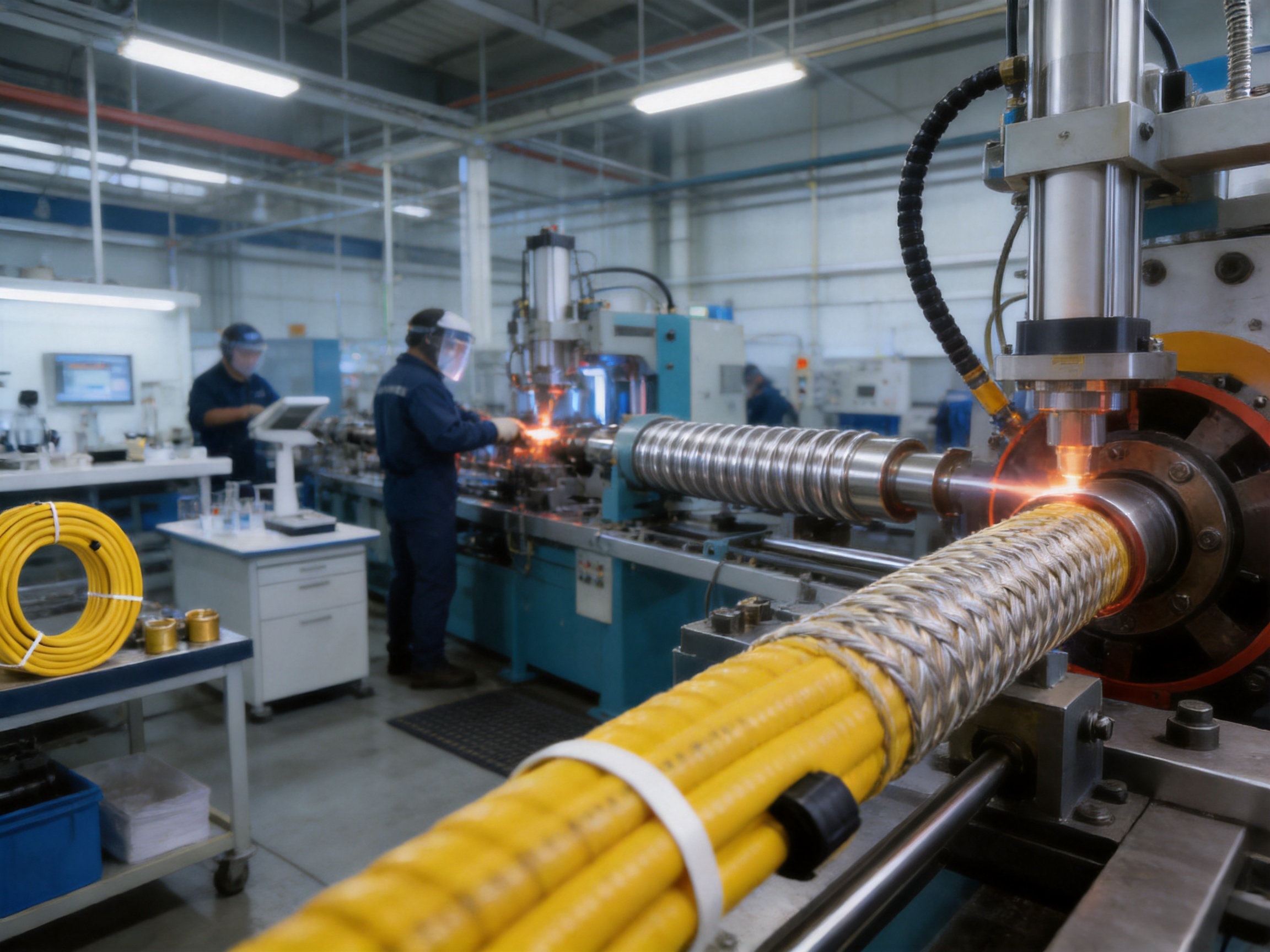
Corrugation is the process that gives the hose its characteristic flexibility. The tube is formed into a repeated profile using mechanical forming, hydraulic forming, or another controlled method. The forming equipment must maintain consistent pitch, height, diameter, and alignment along the entire hose length.
Uniform corrugations are important because local variations can create stress concentrations. If one section is too deep, too shallow, or irregularly spaced, bending may not be distributed evenly. That section may then experience higher cyclic stress during installation or service. Consistent geometry supports more predictable flexibility and fatigue performance.
Manufacturing equipment must be adjusted according to tube diameter, wall thickness, material condition, and required flexibility. Different applications may require different corrugation profiles. A hose for a compact appliance connection may prioritize flexibility and small bend radius, while an industrial hose may require greater pressure resistance and mechanical strength.
4.4 Braid Manufacturing and Application
For braided assemblies, stainless steel wire is woven over the corrugated tube. The braid angle, wire diameter, coverage, and number of carriers influence pressure performance and flexibility. Uniform braid tension is essential. Loose or uneven wires may reduce support, while excessive tension can restrict flexibility or damage the tube.
The braid must be properly secured near the end fittings. Termination is a critical area because pressure and bending forces are transferred from the flexible tube to the rigid connection. A well-designed termination distributes these forces and reduces the risk of wire unraveling, tube pullout, or localized damage.
4.5 Fitting Assembly
End fittings may be attached by welding, mechanical crimping, brazing, compression, or another approved method. The method depends on the product design, material combination, service conditions, and customer requirements. The fitting must be aligned with the hose axis and must not introduce unnecessary bending directly at the connection.
Welded fittings require control of heat input and joint preparation. Mechanically attached fittings require accurate dimensions and controlled assembly force. Sealed connections require suitable gaskets or elastomers and correct seating surfaces. Each method has its own inspection requirements, and the selected process should be validated before large-scale production.
4.6 Heat Treatment and Melting Technology
The manufacturer operates two uninterrupted solid melting hydrogen furnace production lines as part of its broader energy equipment manufacturing capabilities. Controlled furnace technology can support the production of stable metal materials and components by providing carefully managed heating conditions and a controlled processing atmosphere.
For stainless steel-related production, heat treatment and thermal processing must be managed to preserve material properties and surface quality. Improper heating can cause distortion, scaling, contamination, or changes in corrosion behavior. Stable furnace conditions, appropriate process parameters, and inspection after treatment contribute to repeatable product quality.
4.7 Cleaning, Finishing, and Protection
After forming and assembly, products may require cleaning to remove oil, metal particles, residues, or processing contaminants. Surface finishing may include brushing, polishing, passivation, or another treatment suited to the product. The objective is to provide a clean, stable surface without damaging the corrugations, welds, or fitting interfaces.
Finished products should be protected against impact and contamination during storage and transport. End caps, packaging materials, separators, and appropriate labeling can prevent thread damage, deformation, and exposure to dirt. Packaging is particularly important for long-distance shipments and for products supplied to customers that require immediate installation.
5. Advanced Production Capacity and Company Strengths
Zhejiang Zhenlong Energy Equipment Technology Co., Ltd. combines research, development, manufacturing, processing, and trade activities. This integrated structure allows the company to coordinate engineering decisions with production capabilities and customer requirements. Rather than treating the hose as an isolated commodity, the company can consider the complete connection system, including fittings, valves, pipelines, and related hardware.
The company is located in Yuyao, Ningbo, Zhejiang, and covers approximately 40 acres, with a factory building of about 30,000 square meters. Its production resources include 30 welding and forming production lines. This scale supports the manufacture of multiple product categories and provides flexibility for different hose diameters, fitting configurations, material requirements, and order volumes.
A broad production base can also support more effective scheduling. Standardized products can be produced efficiently, while customized products can be arranged through dedicated engineering and process controls. For customers operating across gas, water, and industrial markets, a manufacturer with several related product lines can simplify supplier management and reduce coordination between separate vendors.
The company maintains a strong research, development, design, and production team. This combination is valuable because stainless steel corrugated hose performance depends on the interaction between product geometry, materials, fittings, assembly methods, and installation conditions. Engineering personnel can help translate a customer’s requirements into a suitable construction rather than simply offering a standard hose with uncertain compatibility.
Company capabilities also include testing equipment such as metal material analysis direct-reading spectrometers and flow tightness testers. A direct-reading spectrometer can support analysis of metal composition, helping verify that incoming material is consistent with the specified grade. Flow tightness testing can identify leakage or sealing problems in finished hose assemblies and related products.
The company strictly implements the ISO9000:2008 quality management system according to the supplied company information. A quality management system provides a framework for documented procedures, inspection responsibilities, corrective actions, process control, and continual improvement. Certification or implementation alone does not guarantee that every product is suitable for every application, but a systematic quality process helps reduce variation and supports accountability.
The company also holds a Special Equipment Manufacturing License for pressure pipelines in the People’s Republic of China and has EU CE certification testing reports. These qualifications and reports demonstrate experience with regulated equipment and product conformity processes. Customers should still confirm that the specific hose model, application, and destination market are covered by the relevant documentation before placing an order.
Membership in the China Urban Gas Association further reflects the company’s involvement in the urban gas equipment sector. This industry connection can support awareness of gas-system requirements, application practices, and market needs. For international customers, technical documentation should be reviewed together with local codes and installation standards.
5.1 Integrated Industry and Trade Services
Integrated industry and trade operations can offer practical advantages to overseas customers. Product communication, technical clarification, quotation, production coordination, packaging, and after-sales support can be managed through a unified contact structure. This may reduce misunderstandings about specifications and shorten the time required to resolve production questions.
Customers seeking OEM or ODM production can discuss hose diameter, length, tube material, braid construction, fittings, marking, packaging, testing, and application requirements with the manufacturer. Customization is most successful when the customer provides complete information about medium, pressure, temperature, movement, connection type, installation environment, and relevant standards.
6. Quality Control and Performance Verification
Quality control should be applied throughout production rather than limited to final inspection. Incoming material inspection, process monitoring, dimensional checks, weld evaluation, fitting verification, and final leakage testing all contribute to product reliability.
6.1 Dimensional Inspection
Important dimensions include nominal inside diameter, outside diameter, wall thickness, corrugation pitch, corrugation height, hose length, braid coverage, fitting dimensions, thread specifications, and overall assembly alignment. Dimensional consistency supports interchangeability and helps the hose fit properly into the customer’s system.
Inspection tools should be selected according to the required accuracy. Visual checks can identify obvious defects, while gauges, calipers, micrometers, templates, and specialized fixtures can verify critical dimensions. Measurements should be recorded according to the manufacturer’s quality procedures, especially for customized or regulated products.
6.2 Weld and Surface Inspection
Welded areas should be examined for visible cracks, incomplete fusion, porosity, excessive oxidation, undercutting, deformation, and other defects. Depending on the application and applicable standard, additional non-destructive testing may be appropriate. The interior of the tube is also important because internal irregularities can affect flow, cleaning, or corrosion resistance.
Surface inspection should confirm that the hose is free from harmful scratches, deep dents, sharp edges, contamination, and damage caused by handling. Small marks that do not affect performance may be acceptable under a defined specification, but uncontrolled surface damage should not be ignored in a product intended for pressure or gas service.
6.3 Leak and Tightness Testing
Leak testing is fundamental for corrugated hose assemblies. A flow tightness tester or suitable pressure-decay, air-under-water, helium, hydrostatic, or other approved method may be used depending on the product and application. The test method must be appropriate for the service and must not damage the hose or contaminate it.
Testing should examine the entire assembly, including the corrugated tube, longitudinal weld, braid termination, fitting joint, sealing surface, and any valve or connector included in the product. A hose that passes a tube-only test may still leak at the fitting if the final assembly is not tested.
6.4 Pressure and Flexibility Evaluation
Where required, the manufacturer may perform pressure testing, burst testing, bend testing, cyclic movement testing, vibration testing, or thermal cycling. These tests help establish how the hose behaves under conditions that resemble actual use. Testing should be designed around the intended application rather than relying only on a generic test result.
For a hose installed near machinery, repeated movement may be more important than a one-time pressure test. For a gas appliance connection, gas tightness and fitting security may receive greater emphasis. For hot-water service, temperature cycling and seal compatibility may be critical. A technically sound manufacturer evaluates the relevant failure modes for each product category.
7. Product Selection Guide
Selecting the correct stainless steel corrugated hose requires more than choosing a diameter and length. The following factors should be reviewed before production or purchase.
| Selection Factor | Key Question | Why It Matters |
|---|---|---|
| Fluid or gas medium | What substance will pass through the hose? | Determines material compatibility, cleanliness, sealing, and safety requirements. |
| Operating pressure | What are the normal, maximum, and pulsating pressures? | Influences wall thickness, braid design, fittings, and testing. |
| Operating temperature | What temperatures occur during normal and abnormal operation? | Affects metal performance, seals, fittings, and service life. |
| Nominal diameter | What internal flow area is required? | Controls flow capacity and connection compatibility. |
| Hose length | What installed length is needed without excess slack? | Prevents stretching, sagging, rubbing, and unnecessary movement. |
| Bend radius | What is the smallest permitted bend during installation? | Protects corrugations from excessive stress and premature fatigue. |
| Movement | Will the hose experience vibration, thermal expansion, or repeated cycling? | Determines fatigue design, routing, support, and expected service life. |
| Connection type | Which threads, flanges, unions, or custom ends are required? | Ensures proper fit, sealing, and installation efficiency. |
| Environment | Will the hose face moisture, chemicals, abrasion, sunlight, or high heat? | May require a specific material, coating, sleeve, or protection method. |
| Applicable standards | Which national, regional, or industry rules apply? | Determines documentation, testing, labeling, and certification needs. |
7.1 Diameter and Flow Requirements
The hose diameter should provide adequate flow without creating excessive pressure loss. A smaller hose may be compact but could restrict flow, particularly in long assemblies or high-demand systems. A larger hose may improve flow but can increase cost, weight, and installation space. The internal diameter, not only the fitting’s external size, should be considered.
In gas applications, flow demand, inlet pressure, appliance capacity, and permitted pressure drop should be reviewed. In water systems, flow rate, pump performance, and connection size are important. In industrial systems, the medium’s viscosity and the presence of suspended particles may also affect the suitable diameter and internal configuration.
7.2 Length and Bend Radius
The hose should be long enough to connect the equipment without being placed under tension. It should not be pulled straight between two connection points if that causes axial loading. At the same time, excessive length can produce unsupported loops and contact with nearby objects.
During installation, bending should be gradual and should respect the manufacturer’s minimum bend radius. A hose should not be bent sharply against a fitting, twisted around its axis, or repeatedly flexed in a direction for which it was not designed. Where movement is expected, the hose should be routed so that bending occurs in a predictable plane.
7.3 Fittings and Sealing
Fitting selection must consider thread form, nominal size, material, pressure rating, sealing method, and installation tools. Threaded fittings may require a gasket, sealing washer, or approved thread sealant. Compression fittings depend on accurate tube dimensions and proper assembly. Welded or flanged ends may be selected for specialized industrial systems.
Mixing incompatible fittings or using the wrong sealing method can cause leakage, thread damage, or galvanic corrosion. Customers should provide drawings, samples, connection standards, or detailed descriptions when ordering customized products. Clear technical communication helps avoid costly rework.
8. Installation and Maintenance Recommendations
Even a high-quality hose can fail if installed incorrectly. Before installation, inspect the hose for dents, cuts, damaged threads, missing components, contamination, or deformation. Confirm that the length, diameter, fittings, and markings match the intended application.
Do not use the hose to correct major misalignment between fixed pipes. The hose can accommodate limited movement and installation variation, but it should not be forced into an unsuitable position. The connected equipment should be aligned as closely as practical before the hose is attached.
Do not twist the hose while tightening fittings. One end should be held securely while the connection is tightened using the proper tool on the fitting flats. Applying torque to the corrugated tube or braid may create hidden damage. After installation, the hose should be checked for smooth routing, adequate clearance, and compliance with the permitted bend radius.
The hose should be protected from sharp edges, severe abrasion, direct flame, uncontrolled heat, heavy objects, and chemical exposure outside its rated conditions. It should not be used as a support for other pipes or equipment. Where vibration is present, suitable clamps or supports may be required, but supports must not crush or restrict the corrugations.
Inspection intervals depend on the application. Gas connections, industrial machinery, outdoor installations, and systems exposed to vibration may require more frequent checks. Inspectors should look for corrosion, braid damage, flattened corrugations, unusual discoloration, leakage, loose fittings, abrasion, and changes in hose position.
If a hose has been exposed to fire, severe overpressure, chemical attack, crushing, or significant mechanical damage, it should be removed from service and evaluated by a qualified professional. Temporary repair with tape, wire, clamps, or sealant is not an acceptable substitute for replacing a damaged pressure hose.
9. Competitive Advantages of a Well-Engineered Product
The main competitive advantage of stainless steel corrugated hose is not simply that it is made from stainless steel. Many manufacturers can form a metal tube, but consistent performance requires control of the entire product system. Stable corrugation geometry, uniform welds, secure braid termination, accurate fittings, clean surfaces, reliable testing, and traceable production together determine whether a hose performs as expected.
Compared with ordinary polymer hoses, stainless steel corrugated hose can offer better resistance to heat, aging, external exposure, and permeation. Compared with rigid pipe, it provides easier installation and improved accommodation of vibration and movement. Compared with low-quality flexible metal products, a carefully controlled assembly can provide better dimensional consistency, more dependable fitting connections, and clearer documentation.
A manufacturer with multiple welding and forming lines can support repeat orders and maintain production flexibility. A factory with material analysis equipment can improve confidence in incoming metal quality. Flow tightness testing can reduce the risk of undetected leakage. A documented quality system can provide a structured approach to corrective action and process improvement.
Customization is another important advantage. Different customers may need different lengths, diameters, braid configurations, fitting types, surface treatments, labels, packing methods, or inspection documents. An OEM/ODM-oriented manufacturer can adapt product details to the customer’s equipment and market requirements, provided that the design remains technically safe and manufacturable.
Customer service is also part of product performance. Technical assistance before the order can prevent incorrect selection, while after-sales support can help address installation questions, documentation needs, and product feedback. A supplier that understands the complete application is more likely to provide a suitable solution than one that treats every order as an identical commodity.
10. OEM and ODM Production Opportunities
OEM and ODM customers may request stainless steel corrugated hose assemblies under their own product names, packaging, drawings, or equipment specifications. The manufacturing process can be adapted to support branded packaging, special labels, customized fittings, defined inspection plans, and product configurations designed for a particular appliance or system.
For a successful OEM project, the customer should provide technical information at the beginning of the development process. Useful information includes the fluid or gas, operating pressure, peak pressure, temperature range, required length, movement pattern, minimum bend radius, fitting drawings, material preferences, applicable standards, packaging requirements, and expected annual volume.
Prototype production can be used to verify installation fit, flow behavior, flexibility, connection torque, and compatibility with the customer’s equipment. After prototype approval, process documentation should define the approved materials, dimensions, welding parameters, forming settings, fitting method, testing requirements, and packaging. This helps maintain consistency during mass production.
For export orders, customers may also require certificates, inspection reports, test records, origin documents, labels, barcodes, or language-specific instructions. These requirements should be confirmed before production so that the final product and documentation are aligned with the destination market.
11. Environmental and Lifecycle Considerations
Product sustainability should be considered over the complete lifecycle. A hose that lasts longer and requires fewer replacements may reduce material consumption, installation labor, and service interruptions. Stainless steel is also a recyclable material, although recycling depends on local collection and processing systems.
Durability should not be confused with unlimited service life. Corrosive environments, repeated movement, high pressure, improper installation, and severe vibration can reduce the useful life of any hose. Correct selection and maintenance are therefore important environmental measures because they prevent early replacement and avoid unnecessary waste.
Packaging can also be optimized. Protective packaging should prevent damage without using excessive material. For high-volume orders, customers and manufacturers can review carton dimensions, separators, reusable pallets, and labeling systems to improve transport efficiency and reduce handling damage.
12. Why Manufacturing Expertise Matters
Corrugated hose production combines metal forming, welding, braiding, fitting technology, testing, and application engineering. Weakness in any one stage can affect the final result. A tube with excellent material composition may still fail if its weld is inconsistent. A strong braid may not compensate for an unsuitable fitting. A leak-free assembly may still have a short service life if it is designed with an incorrect bend radius.
Manufacturing expertise allows the producer to identify these interactions. Experienced engineers can evaluate whether the requested length is compatible with the movement pattern, whether the selected fitting can be assembled without damaging the tube, whether the braid provides adequate support, and whether the material is suitable for the medium.
Production scale also supports process learning. Repeated manufacture of metal hoses, pipelines, valves, fittings, and related hardware helps the company develop practical knowledge about forming behavior, welding, sealing, surface treatment, and inspection. This knowledge can be applied to both standard products and customized solutions.
The combination of equipment, personnel, testing, and quality management provides the foundation for reliable production. For customers, the value lies not only in the physical hose but also in the manufacturer’s ability to deliver repeatable products, technical communication, controlled lead times, and support throughout the product lifecycle.
13. Frequently Asked Questions
Q1: What is a stainless steel corrugated hose used for?
It is used to convey gases, water, and selected industrial fluids while accommodating movement, vibration, thermal expansion, and installation misalignment. Common applications include natural gas connections, plumbing fixtures, water heaters, valves, heating equipment, sanitary ware, industrial machinery, and energy equipment.
Q2: Is stainless steel corrugated hose suitable for natural gas?
It can be suitable when it is specifically designed, manufactured, tested, and certified for gas service. The product must have compatible materials and fittings, reliable gas-tight construction, and documentation appropriate for the installation market. Local regulations and qualified installation practices must always be followed.
Q3: Does the stainless steel braid carry the pressure?
The corrugated tube contains the fluid, while the braid supports the tube and helps control pressure-related movement. The complete assembly carries the pressure through the interaction of the tube, braid, fittings, and terminations. Pressure capacity should be confirmed from the manufacturer’s specification for the exact model.
Q4: Can the hose be bent repeatedly?
Some corrugated hose assemblies are designed for movement or cyclic service, but the permitted movement depends on the construction. Repeated bending must remain within the specified bend radius and movement range. A hose intended only for installation flexibility should not automatically be used as a dynamic hose.
Q5: Can stainless steel corrugated hose replace rigid pipe everywhere?
No. It is a flexible connection component, not a universal replacement for rigid piping. It should be selected according to pressure, temperature, flow, movement, support, code, and installation requirements. Long unsupported runs or systems requiring substantial structural support may still need rigid pipe.
Q6: What information is needed for a customized hose quotation?
The manufacturer normally needs the medium, nominal diameter, length, pressure, temperature, connection type, material preference, braid requirement, bend radius, movement conditions, applicable standards, packaging requirements, and order quantity. Drawings, samples, and photographs of the installation can also help clarify the design.
Q7: How can leakage be reduced?
Leakage risk can be reduced through suitable material selection, controlled welding, accurate fitting assembly, compatible seals, final assembly tightness testing, correct installation torque, and regular inspection. The hose should not be twisted, overstretched, crushed, or installed with mismatched fittings.
Q8: What makes one stainless steel hose better than another?
Important differences include material quality, wall thickness, corrugation consistency, weld integrity, braid coverage, fitting design, bend-radius performance, pressure rating, testing, traceability, certification, and technical support. A product’s suitability depends on the complete assembly and its intended service conditions.
Q9: Can the hose be supplied with different fittings?
Yes. Many hose assemblies can be produced with different threaded connectors, unions, compression ends, flanges, welded ends, or customer-specific fittings. The connection design should be confirmed through drawings or samples before production.
Q10: What quality equipment is useful in production?
Material analysis equipment helps verify metal composition, while dimensional gauges, welding controls, forming equipment, braid machinery, and flow tightness testers support process and final quality. The exact inspection plan should be based on the product design and application.
Q11: Is stainless steel corrugated hose corrosion-proof?
No material is completely corrosion-proof in every environment. Stainless steel offers strong resistance to many common conditions, but chlorides, acids, high temperatures, stagnant fluids, and contact with dissimilar metals may create risks. The stainless steel grade and surrounding materials should be selected for the actual environment.
Q12: How should the hose be stored?
It should be stored in a clean, dry location away from corrosive chemicals, sharp objects, excessive heat, and heavy loads. Fittings should be protected from impact and contamination, and the hose should not be stored in a sharply bent or twisted condition.
14. Conclusion
Stainless steel corrugated hose provides a practical solution for applications that require a flexible connection with durable metal construction. Its corrugated tube allows controlled bending and movement, while stainless steel offers corrosion resistance, temperature stability, mechanical strength, cleanliness, and resistance to many forms of aging. With appropriate braid reinforcement and correctly designed fittings, the assembly can perform reliably in gas, water, energy, plumbing, sanitary, and industrial systems.
The product’s advantages over conventional flexible and rigid alternatives depend on engineering quality. Consistent corrugation, sound welding, controlled braiding, accurate fitting assembly, compatible sealing, and complete leakage testing are essential. Correct installation and maintenance are equally important because even a well-manufactured hose can be damaged by twisting, overbending, abrasion, or unsuitable service conditions.
Zhejiang Zhenlong Energy Equipment Technology Co., Ltd. supports this product field through integrated research, development, manufacturing, processing, and trade capabilities. Its factory resources include a large production site, approximately 30 welding and forming lines, uninterrupted solid melting hydrogen furnace production lines, metal material analysis equipment, flow tightness testing equipment, and a documented quality management approach. Its experience in metal hoses, natural gas pipelines, plumbing fittings, valves, sanitary ware, plastic products, and hardware allows it to approach hose production as part of a broader piping and energy equipment system.
For customers seeking standard or customized products, the most effective purchasing process begins with a detailed review of application conditions. When medium, pressure, temperature, dimensions, movement, fittings, standards, and packaging are clearly defined, the manufacturer can provide a more accurate and dependable solution. Through appropriate design, controlled production, verification, and service support, stainless steel corrugated hose can contribute to safer, cleaner, and more efficient piping installations.
References
1. ISO 9000 Family of Quality Management System Standards, quality management principles and process-based control.
2. General Engineering Practice for Metallic Flexible Hoses, corrugated tube design, braid construction, and installation considerations.
3. Stainless Steel Material Selection Guidelines, corrosion resistance, alloy compatibility, and service-environment evaluation.
4. Industrial Piping Design Principles, pressure, temperature, flow, flexibility, support, and connection requirements.
5. Natural Gas Appliance Connection and Installation Practices, gas-tight assemblies, routing, inspection, and safety requirements.
6. Metallic Materials Testing Methods, chemical composition analysis, mechanical verification, and product traceability.
7. Pressure Equipment and Pipeline Conformity Assessment Principles, documentation, testing, manufacturing control, and certification considerations.
8. Industrial Hose Maintenance and Inspection Practices, bend radius, vibration control, leakage prevention, storage, and service evaluation.