 English
 中文简体
中文简体 Español
 عربى
عربى
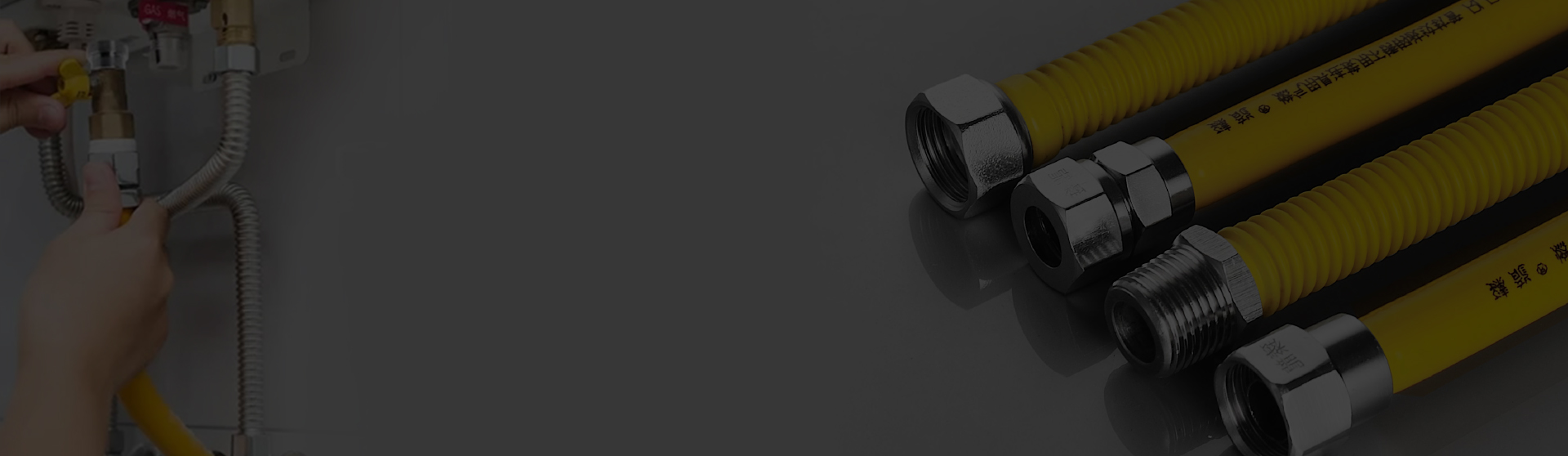

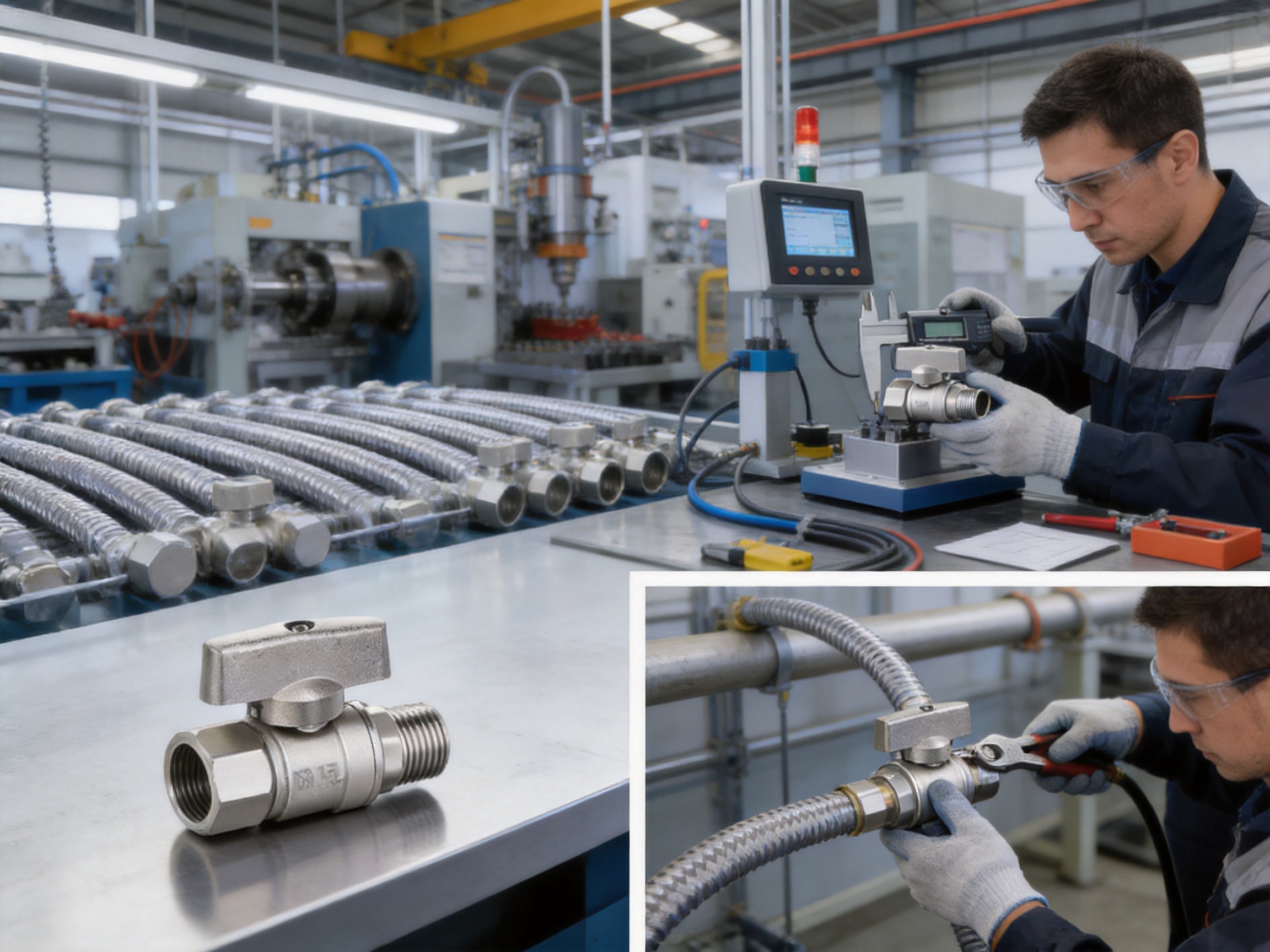
Modern gas, water, and industrial fluid systems require connection components that combine secure installation, precise flow control, mechanical durability, and long-term sealing performance. A ball valve with internal and external threads is designed to address these requirements in a compact and practical format. By combining a threaded connection arrangement with a quarter-turn ball valve mechanism, this product provides an efficient way to isolate, regulate, and maintain sections of a pipeline.
The Internal and External Thread Ball Valve is intended for applications involving gas transmission, water distribution, industrial hoses, and related pipe-fitting systems. Its threaded structure supports flexible installation, while its corrosion-resistant construction helps it perform under demanding environmental conditions. The valve is especially suitable for systems where dependable shutoff, convenient maintenance, and space-efficient assembly are important.
Unlike a basic straight connector or a simple stop fitting, this valve performs two functions in one component. It connects sections of a pipeline and provides direct control over the movement of gas or fluid. The result is a streamlined installation with fewer separate components, fewer potential leakage points, and improved accessibility for operators and maintenance personnel.
Content
- 1 Product Overview
- 2 How the Valve Works
- 3 Advantages of the Internal and External Thread Configuration
- 4 Material and Durability Considerations
- 5 Leak Prevention and Sealing Performance
- 6 Performance Benefits Compared with Basic Threaded Fittings
- 7 Applications in Gas Transmission Systems
- 8 Applications in Water and Plumbing Systems
- 9 Applications in Industrial Hose Assemblies
- 10 Manufacturing Strengths and Production Capabilities
- 11 Quality Management and Certification Experience
- 12 Research, Development, and Custom Production
- 13 Installation Guidance
- 14 Operation and Maintenance
- 15 Selection Considerations for Buyers
- 16 Why Manufacturing Quality Matters in Competitive Purchasing
- 17 Safety and Compliance
- 18 Q&A
- 18.1 What is an internal and external thread ball valve?
- 18.2 What is the listed model and size?
- 18.3 What are the main advantages of a ball valve?
- 18.4 Can this valve be used for natural gas?
- 18.5 Can it be used in water systems?
- 18.6 Is the valve suitable for industrial hoses?
- 18.7 Does the valve eliminate the need for thread sealant?
- 18.8 How does the product help prevent leakage?
- 18.9 What should be checked before ordering?
- 18.10 What manufacturing capabilities support this product?
- 18.11 Can the manufacturer support OEM or ODM production?
- 18.12 How should the valve be maintained?
- 19 Conclusion
- 20 References
- 21 Product: Internal and external thread ball valve
Product Overview
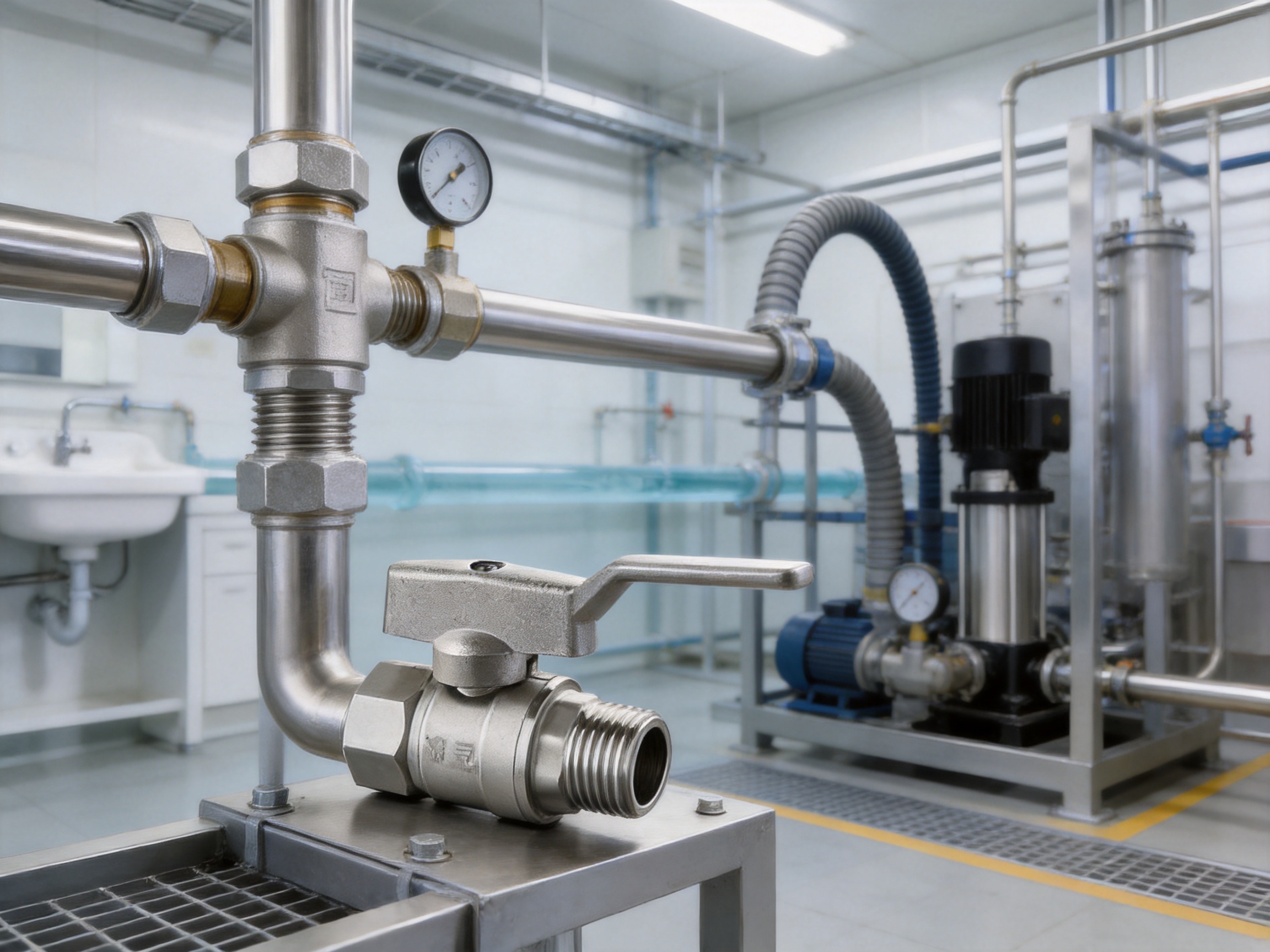
The valve uses a spherical internal closing element with a precisely formed passage. When the handle is turned to the open position, the passage aligns with the pipeline and permits flow. When the handle is rotated to the closed position, the solid surface of the ball blocks the passage and isolates the downstream section. This quarter-turn operating principle allows fast and clear control compared with multi-turn valve designs.
The internal and external thread configuration provides installation flexibility on both sides of the connection. Depending on the pipeline arrangement, the valve can be connected to compatible threaded fittings, hose assemblies, adapters, or pipe sections without requiring a complicated transition assembly. This makes the product useful in compact equipment layouts and replacement work where available space may be limited.
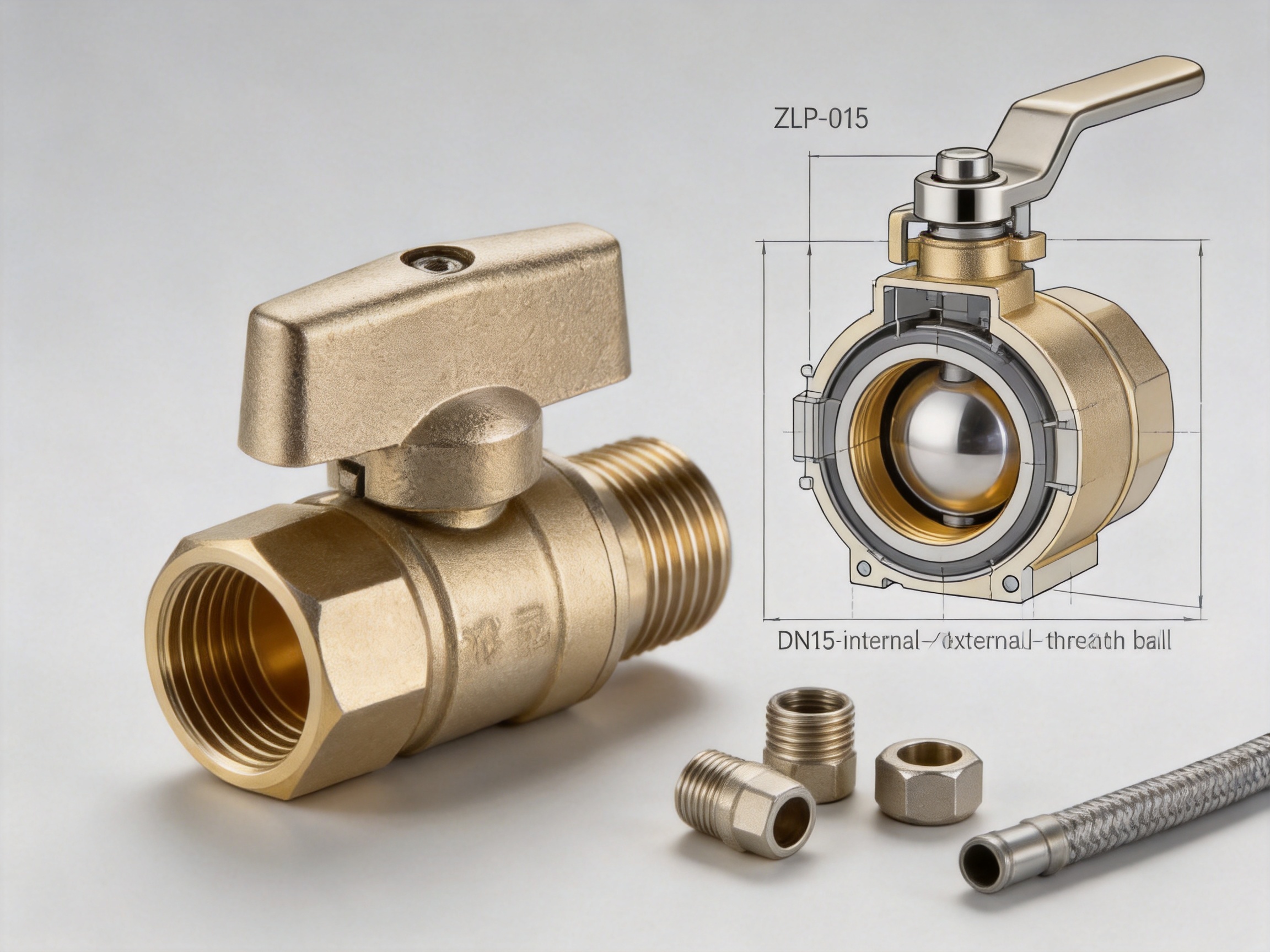
The supplied product specification identifies the valve as model ZLP-015, with a nominal size of DN15. The product information also describes it as a double external wire ball valve. In practical purchasing and engineering communication, the exact thread arrangement, thread standard, sealing method, pressure rating, and compatible accessories should be confirmed before installation. These details ensure that the valve matches the surrounding piping system and performs as intended.
| Item | Specification |
| Product name | Internal and External Thread Ball Valve |
| Product model | ZLP-015 |
| Nominal size | DN15 |
| Connection style | Threaded connection with internal and external thread flexibility |
| Valve type | Quarter-turn ball valve |
| Primary applications | Gas transmission, water systems, industrial hose assemblies, and fluid pipelines |
| Key performance objectives | Reliable shutoff, controlled flow, corrosion resistance, and convenient installation |
The compact DN15 format is suitable for many residential, commercial, light industrial, and equipment-level piping applications. It can be installed in branch lines, appliance connections, service points, equipment inlets, low-volume transmission systems, and hose-to-pipe transition assemblies where a dependable manual isolation point is required.
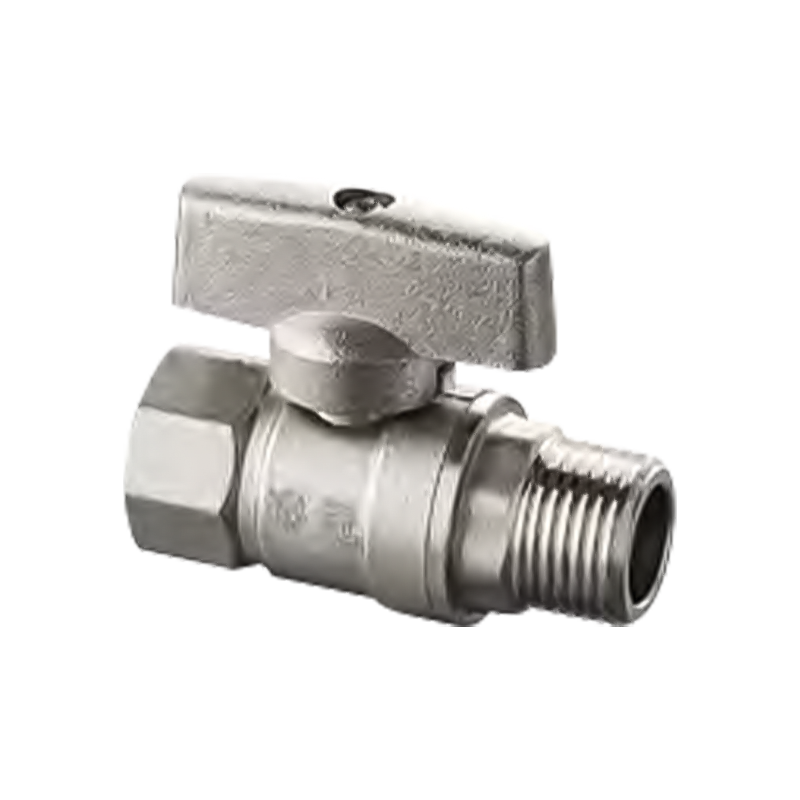
Internal and external thread ball valve
How the Valve Works
A ball valve controls flow through a spherical plug mounted inside the valve body. The ball contains a central bore. In the open position, the bore is aligned with the inlet and outlet ports, creating a relatively direct flow path. The handle is normally positioned in line with the pipeline to indicate that the valve is open. Turning the handle approximately 90 degrees rotates the ball so that the bore is perpendicular to the pipeline, stopping the flow.
This operating principle has several practical advantages. The valve can be opened or closed quickly, which is useful during maintenance, emergency isolation, equipment replacement, or abnormal operating conditions. The clear handle position provides a simple visual indication of the valve status. In addition, the full-bore or near-full-bore flow path can reduce unnecessary turbulence and pressure loss compared with more restrictive valve structures.
The sealing elements surrounding the ball are engineered to maintain contact with the spherical surface. When the valve is closed, the sealing surfaces help prevent fluid from passing through the valve. The quality of the ball surface, seat material, body machining, and assembly process all influence the final leak-prevention performance.
For gas systems, sealing reliability is particularly important because even a small leak may create safety, efficiency, and environmental concerns. For water and industrial fluid systems, leakage can cause pressure loss, equipment damage, corrosion, contamination, or unplanned downtime. A properly selected and correctly installed ball valve helps reduce these risks while making the system easier to operate.
Advantages of the Internal and External Thread Configuration
Flexible Installation
The most distinctive feature of this product is its thread arrangement. A valve with internal and external thread options can simplify connection planning in systems where the adjoining components do not share the same connection form. Instead of adding multiple adapters, installers may be able to connect the valve directly to a compatible pipe, fitting, hose end, or service component.
This flexibility is valuable during new construction and replacement work. Existing systems often contain a mixture of threaded fittings, rigid pipe, flexible hose, and specialized equipment connections. A versatile valve can reduce the need to redesign the entire assembly simply because of a connection mismatch at one point in the line.
Reduced Installation Complexity
Every additional fitting introduces another interface that must be sealed, aligned, tightened, and inspected. By supporting a practical connection arrangement in one valve body, the product can reduce the number of components required for a compact installation. Fewer components may also mean fewer possible leakage points and less time spent on assembly.
Reduced complexity does not eliminate the need for correct installation. Thread compatibility, thread condition, sealing materials, tightening torque, and alignment remain essential. However, a thoughtfully designed threaded valve gives installers more options and can make the overall layout cleaner and easier to understand.
Convenient Replacement and Maintenance
Isolation valves are often installed at locations where future servicing is expected. A threaded valve can generally be removed and replaced more easily than a permanently welded valve, provided that the surrounding system has been designed with suitable access and isolation provisions. The internal and external thread arrangement can further assist replacement when the valve is positioned between dissimilar connection types.
For maintenance teams, the quarter-turn handle also provides immediate access to shutoff control. This is particularly useful when servicing gas appliances, water equipment, pump components, hose assemblies, or small industrial machines. The ability to isolate a local section rather than shut down an entire system can improve operational efficiency.
Material and Durability Considerations
The product is described as being manufactured from high-quality, corrosion-resistant materials. Material selection is essential for a valve used in gas and fluid transmission because the component may be exposed to moisture, pressure fluctuations, temperature changes, chemical residues, and external environmental conditions.
Corrosion resistance helps preserve the body, threads, ball, stem, and other functional surfaces. When threaded surfaces corrode, assembly and removal become more difficult. When the ball or sealing surfaces deteriorate, the valve may no longer close reliably. A corrosion-resistant construction supports longer service life and helps maintain consistent operation over repeated use.
Material suitability must always be evaluated against the actual medium. Natural gas, treated water, untreated water, compressed air, oils, chemical fluids, and industrial process media may have different compatibility requirements. The valve should be selected according to the manufacturer’s technical documentation, the relevant application standards, operating pressure, operating temperature, and the chemical properties of the conveyed medium.
Durability is not determined by material alone. It also depends on forming accuracy, machining tolerances, thread quality, surface finish, seal design, assembly consistency, and inspection controls. A well-designed manufacturing process brings these factors together to produce a valve that operates smoothly and maintains a reliable seal.
Leak Prevention and Sealing Performance
Leak prevention is one of the most important reasons to use a high-quality ball valve. The valve must control both internal leakage through the closed ball and external leakage at the threaded connections, stem, body joints, and sealing interfaces. Each area requires suitable design and manufacturing control.
The ball and seat must be accurately matched. If the ball is uneven, scratched, poorly finished, or incorrectly positioned, the sealing surfaces may not contact evenly. Precision machining and inspection help ensure that the ball rotates smoothly while maintaining effective contact with the seats.
The valve stem also requires careful attention. The stem transfers the operator’s movement to the ball, and the stem seal must prevent fluid from escaping around the rotating shaft. A properly assembled stem and sealing arrangement can support repeated operation without excessive friction or premature leakage.
Threaded joints require compatible sealing practices. Depending on the thread type and system requirements, installers may use an approved thread sealant, sealing tape, gasket, or other specified sealing method. The correct sealing material must be compatible with the conveyed medium and operating conditions. Excessive sealant should be avoided because loose material may enter the flow path and interfere with downstream equipment.
After installation, the system should be tested according to the applicable project procedures. A pressure or leak test can help identify inadequate tightening, damaged threads, incorrect seals, or assembly errors before the system enters service. Testing is especially important in gas applications and any installation where leakage could create a safety hazard.
Performance Benefits Compared with Basic Threaded Fittings
A basic threaded fitting provides a connection, but it does not normally provide active flow isolation. If an installer uses only a connector, an additional valve must be placed elsewhere in the system. The internal and external thread ball valve combines connection and isolation functions, which can reduce assembly length and improve access to the control point.
Compared with a multi-turn valve, a quarter-turn ball valve offers faster operation. This can be a significant advantage during emergency response or routine maintenance. A clear open-and-closed position also reduces uncertainty for users who may not be familiar with more complex valve mechanisms.
Compared with some restrictive valve designs, the ball valve can provide a relatively direct flow path. This may support efficient transmission and help limit unnecessary pressure loss. The actual flow performance depends on the internal bore, valve size, medium, pressure, temperature, and system design, so technical data should be consulted for detailed calculations.
Compared with a permanently fixed connection, a threaded valve is more serviceable. It can be installed in modular assemblies and can be replaced without cutting and rewelding the pipeline. This is valuable for equipment manufacturers, maintenance contractors, distributors, and end users who require practical long-term serviceability.
Compared with lower-quality alternatives, a valve produced with controlled materials, accurate machining, disciplined assembly, and inspection can provide more consistent operation. Competitive advantage in this category is not based solely on appearance or low initial cost. It is based on dependable sealing, repeatable dimensions, stable thread quality, resistance to environmental conditions, and reliable performance over the expected service life.
Applications in Gas Transmission Systems
Gas transmission and distribution systems require components that support controlled flow and dependable isolation. The DN15 ball valve can be used in suitable low-volume or branch-line applications where the connection size, pressure rating, temperature rating, and gas compatibility meet project requirements.
Potential applications include appliance supply lines, service connections, equipment branches, gas hose assemblies, metering-related installations, and maintenance points. The valve can allow technicians to isolate a specific appliance or section without interrupting the entire building or process system, provided that the system is designed with appropriate safety controls.
In gas service, the valve should be installed by qualified personnel who understand local regulations and gas safety procedures. The surrounding piping must be properly supported, and the valve should not be used as a structural support for a hose or pipe. Threaded connections must be inspected carefully, and the completed assembly must undergo the required leak testing.
Gas systems may experience pressure fluctuations, vibration, thermal expansion, and repeated operation. The valve’s corrosion-resistant construction and precise sealing design help address these operating demands, but correct selection remains essential. Users should verify that the valve is approved or suitable for the intended gas, pressure class, installation environment, and regulatory requirements.
Applications in Water and Plumbing Systems
In water systems, a small threaded ball valve can serve as a convenient isolation point for fixtures, branches, appliances, pumps, filters, tanks, and service equipment. It may be used in potable water systems when the materials and certifications meet the applicable requirements for drinking-water contact.
The valve is useful in both new construction and retrofit work. During a retrofit, installers may encounter a mixture of existing pipework and flexible hose connections. The internal and external thread configuration can simplify the transition between these components. A compact valve may also fit into cabinets, service panels, equipment compartments, and other restricted spaces.
Water applications can expose components to humidity, mineral deposits, pressure surges, and temperature variation. Corrosion-resistant materials help protect the valve from external moisture and internal water exposure. Smooth operation can also make it easier for users to perform routine shutoff, especially when a fixture or appliance needs to be serviced.
For hot-water or high-temperature applications, the temperature capability of the seals and body must be confirmed. A valve suitable for ordinary cold water should not automatically be assumed to be suitable for steam, high-temperature water, or aggressive cleaning solutions.
Applications in Industrial Hose Assemblies
Industrial hoses are frequently connected to rigid pipe, process equipment, pumps, tanks, and distribution manifolds. A threaded ball valve can provide a practical isolation point near the hose end or equipment connection. This allows operators to stop the flow before removing a hose, replacing a coupling, or servicing downstream equipment.
In industrial environments, the valve may be exposed to vibration, movement, oil mist, cleaning agents, dust, and repeated handling. A strong body and reliable thread design can help the assembly withstand routine operating conditions. The quarter-turn mechanism also supports rapid response when a hose develops a problem or an equipment change is required.
Industrial users should evaluate the conveyed medium carefully. Some chemicals may attack elastomeric seals, metallic surfaces, or thread-sealing compounds. The pressure generated by pumps, compressors, or process equipment must also remain within the valve’s rated limits. Where the system experiences water hammer, pulsation, or severe vibration, additional engineering controls may be necessary.
The valve should be supported independently when used with a flexible hose. The hose must not place bending, torsion, or excessive weight on the valve body. Proper support improves the service life of both the valve and the hose assembly.
Manufacturing Strengths and Production Capabilities
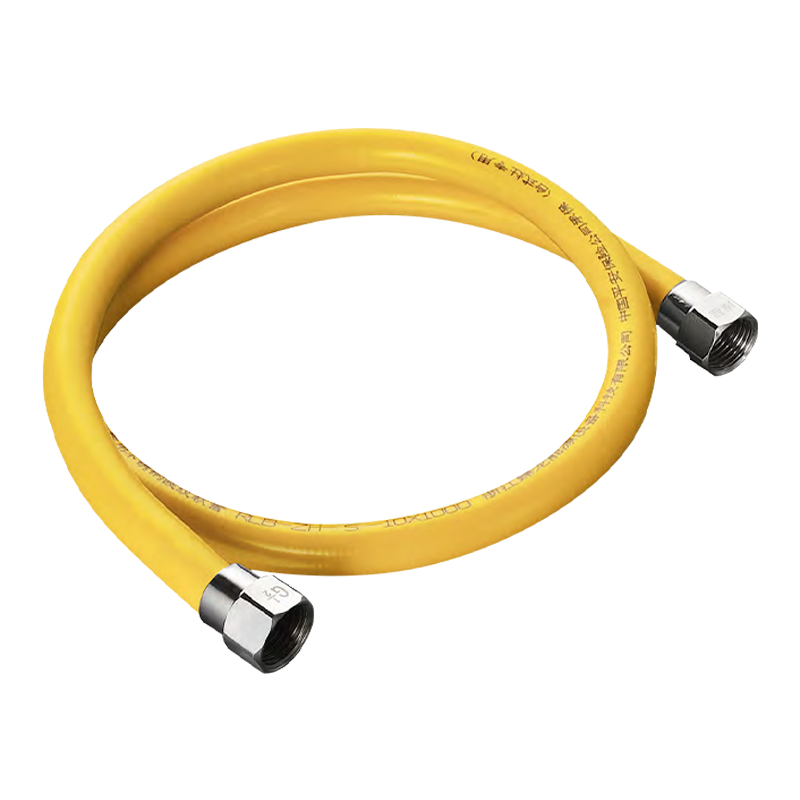
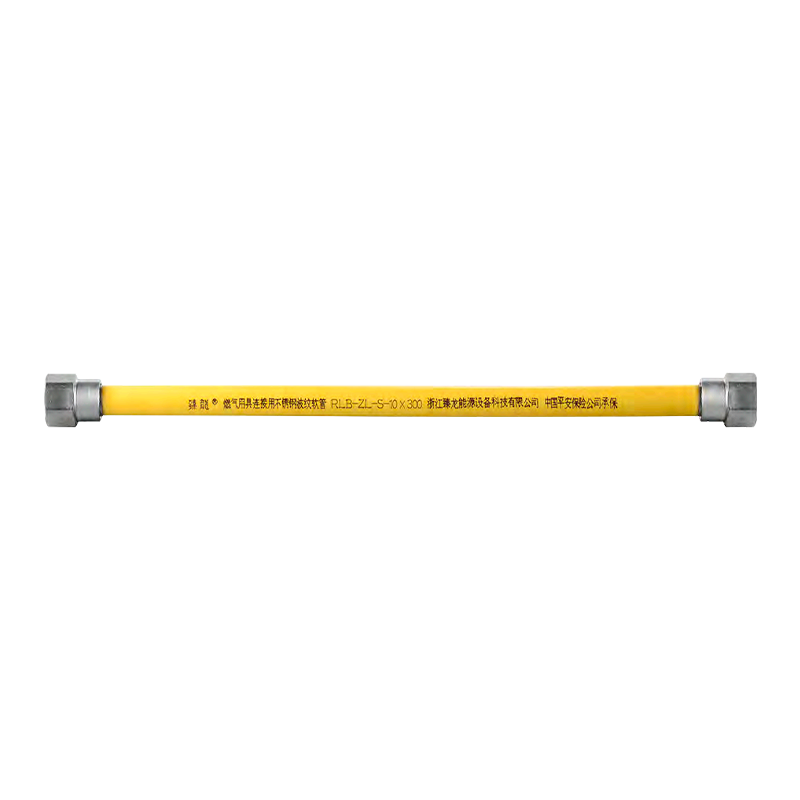
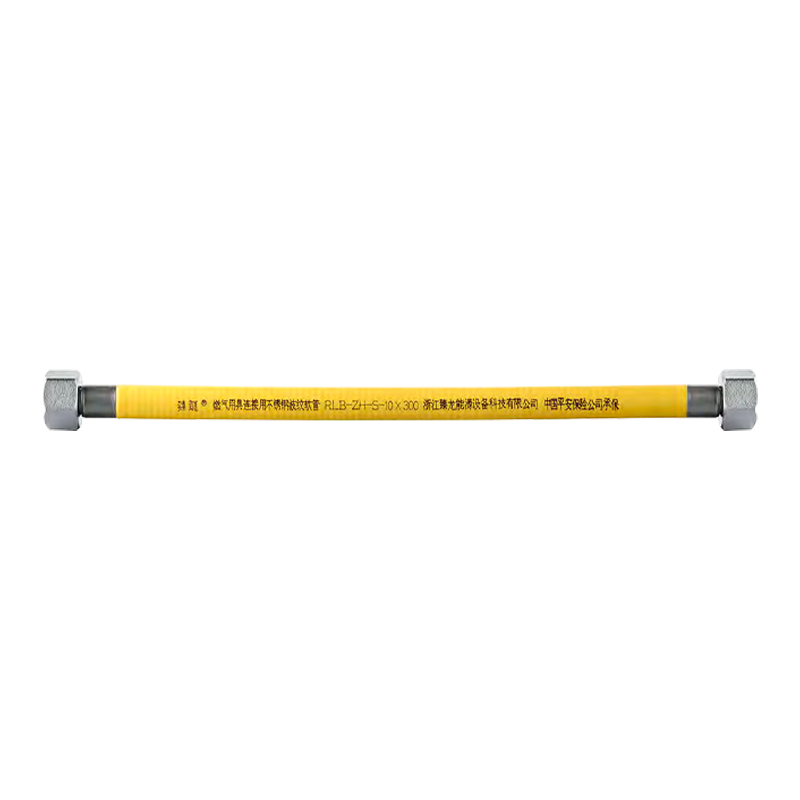
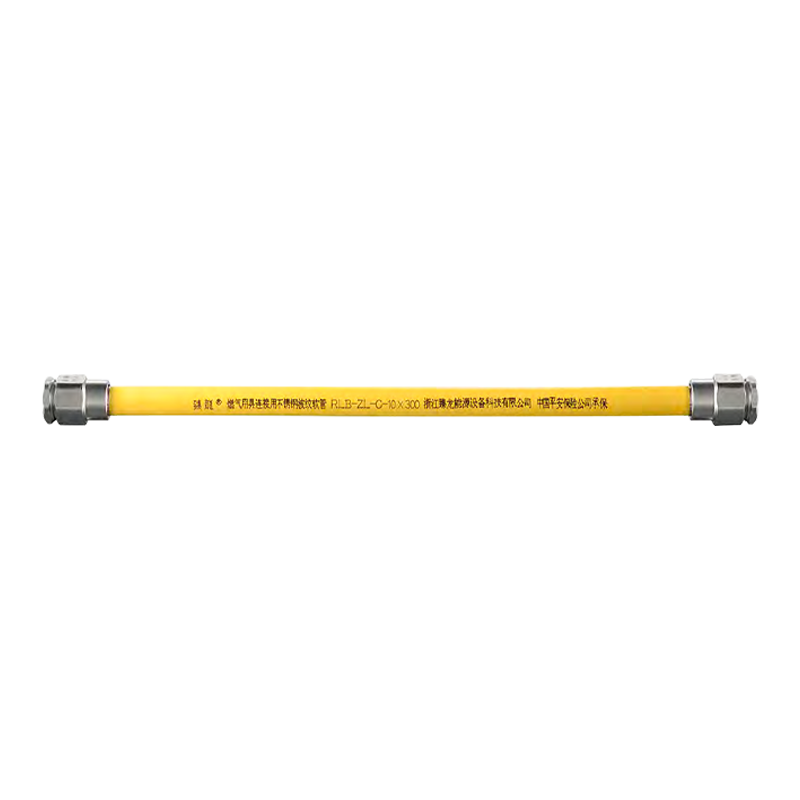
The product is manufactured by Zhejiang Zhenlong Energy Equipment Technology Co., Ltd., an energy equipment enterprise engaged in research, development, manufacturing, and processing. The company integrates industrial production with trade and supplies products for metal hoses, natural gas pipelines, plumbing fittings, sanitary ware, valves, plastic products, and hardware applications.
Its manufacturing base is located in Yuyao, Zhejiang, and covers approximately 40 acres with a factory building of around 30,000 square meters. This scale provides space for organized production, material handling, process control, equipment maintenance, inspection, packaging, and product development.
The company operates 30 welding and forming production lines. This production capacity is relevant to a broad product range that includes metal hoses, corrugated components, pipe fittings, and related energy equipment. Welding and forming capability can support the fabrication of precision components, assemblies, and connection products while helping maintain consistent production scheduling.
The facility also includes two uninterrupted solid melting hydrogen furnace production lines. Specialized furnace equipment can support controlled material processing and help improve consistency in components requiring stable metallurgical properties. In demanding pipe-fitting and valve applications, material uniformity is important because it contributes to strength, durability, corrosion resistance, and dimensional stability.
A manufacturer’s advantage is strengthened when production capability is supported by testing and analysis. The company has testing equipment including direct-reading spectrometers for metal material analysis and flow tightness testers. Material analysis equipment can help verify alloy composition and reduce the risk of using an unsuitable or inconsistent raw material. Flow tightness testing can help identify leakage and sealing problems during quality inspection.
These capabilities support a process-oriented approach to manufacturing. Instead of relying only on final visual inspection, a mature production system considers material verification, forming, machining, assembly, sealing, dimensional control, and leak testing as connected stages. This approach is particularly important for valves because small deviations in a thread, seat, ball, or seal can affect field performance.
Quality Management and Certification Experience
The company states that it implements the ISO9000:2008 quality management system. A quality management system provides a framework for documenting procedures, controlling processes, managing records, addressing nonconformities, and supporting continuous improvement. For customers, this type of system can make production more predictable and communication more structured.
The company also holds the People’s Republic of China Special Equipment Manufacturing License for pressure pipelines and has EU CE certification testing reports. These credentials and reports demonstrate experience with regulated equipment categories and international market requirements. The exact applicability of any certification to a particular valve model, pressure rating, or destination market should always be confirmed through the relevant technical documentation.
Membership in the China Urban Gas Association further reflects the company’s involvement in the urban gas equipment sector. Industry participation can help manufacturers remain aware of application needs, safety expectations, technical developments, and market trends affecting gas pipelines and fittings.
For buyers, manufacturing credentials are most valuable when combined with product-specific evidence. Important documentation may include material certificates, dimensional drawings, pressure and temperature data, leak-test records, applicable conformity documents, installation instructions, and quality inspection reports. These documents help engineering teams evaluate whether a valve is suitable for a particular project.
Research, Development, and Custom Production
Energy equipment products must often be adapted to different connection standards, installation environments, media, operating conditions, and customer packaging requirements. A manufacturer with research, design, and production capabilities can respond more effectively than a supplier that only distributes standard catalog products.
The company maintains a research, development, design, and production team. This integrated structure can support improvements in valve geometry, connection design, sealing performance, material selection, manufacturing efficiency, and product consistency. It can also assist customers who require custom specifications or coordinated product families.
Custom production may involve adjustments to thread specifications, handle style, body marking, packaging, material grade, seal selection, surface treatment, or dimensional configuration. Any proposed modification should be reviewed through engineering validation and performance testing. A change that appears minor, such as a different seal material or thread standard, can significantly affect application suitability.
OEM and ODM customers may benefit from a supplier capable of coordinating design, tooling, production, inspection, and delivery. This can reduce communication gaps between separate design and manufacturing organizations. It can also help ensure that the final product matches the customer’s assembly requirements and branding or distribution plans, subject to applicable agreements and regulatory obligations.
For large-volume projects, production planning is equally important. Stable manufacturing lines, organized material supply, documented processes, and inspection equipment can help support repeat orders. Buyers should discuss minimum order quantities, lead times, sampling procedures, inspection standards, packaging, and after-sales support before placing a production order.
Installation Guidance
Before installation, confirm the valve size, thread type, pressure rating, temperature range, medium compatibility, and flow direction requirements. Inspect the valve and adjoining components for damage, contamination, burrs, or deformed threads. Damaged parts should not be forced together because excessive tightening may create further damage or distort the sealing surfaces.
Ensure that the pipeline is depressurized and safely isolated before installing or replacing the valve. In gas systems, remove ignition sources and follow the applicable ventilation, purging, and gas-testing procedures. In industrial systems, account for residual pressure, stored energy, hot surfaces, and hazardous media.
Align the valve with the pipe or fitting before tightening. Threaded components should engage smoothly by hand for the initial turns. If the connection starts at an angle or requires excessive force, stop and inspect the thread alignment. Cross-threading can damage both the valve and the mating fitting and may result in leakage.
Use only a compatible sealing method and apply it according to the manufacturer’s instructions. Do not use the valve handle as a lever for tightening. Excessive force on the handle can damage the stem or internal mechanism. Use suitable tools on the designated body or fitting surfaces, while preventing the valve from twisting within the pipeline.
After installation, operate the handle slowly to verify smooth movement. The handle should reach the open and closed positions without unusual resistance. Perform the required pressure or leak test before placing the system into normal operation. Inspect the threaded joints, body, stem area, and downstream connections during testing.
Operation and Maintenance
The valve is designed for simple manual operation, but regular attention can help maintain its performance. The handle should be moved through its full operating range periodically when permitted by the system design. Infrequent operation can allow deposits, corrosion, or seal adhesion to increase operating resistance.
Operators should never force a stuck valve. Excessive force may bend the handle, damage the stem, or disturb the internal seats. If the valve does not operate normally, isolate and depressurize the system before investigating the cause.
Keep the valve exterior clean and free from corrosive deposits. In outdoor or humid installations, inspect the body and threaded areas for signs of corrosion. Check for visible leakage, unusual odor in gas applications, pressure loss, handle looseness, and changes in operating torque.
A valve that shows persistent leakage should be removed from service or repaired according to approved procedures. Field disassembly should only be performed when the product design, spare parts, tools, and technical instructions support it. In safety-critical gas applications, replacement by a qualified professional may be preferable to unauthorized repair.
Selection Considerations for Buyers
Although DN15 is a common compact size, the correct valve cannot be selected by size alone. Buyers should first identify the medium, nominal pressure, maximum and minimum temperature, expected flow rate, connection standard, installation orientation, and operating frequency.
For gas service, confirm the intended gas type and all relevant regulatory requirements. For water service, verify whether potable-water approval is required. For industrial hose applications, review chemical compatibility, pressure pulsation, vibration, and the mechanical loads applied by the hose.
Connection standards must be checked carefully. Internal and external threads may be available in different thread forms and dimensions. A visually similar thread is not necessarily compatible. The buyer should request detailed thread information and confirm the mating components before ordering.
Sealing materials deserve equal attention. Different elastomers and plastics have different temperature and chemical resistance properties. A seal suitable for ordinary water may not be suitable for oil, fuel gas, solvents, or high-temperature fluids. The manufacturer or engineering team should confirm the correct material for the application.
Project buyers should also evaluate supply capability. Questions may include production capacity, quality inspection procedures, sample availability, documentation, packaging protection, delivery schedules, customization support, and after-sales service. A dependable product supplier should be able to discuss both technical performance and commercial execution.
Why Manufacturing Quality Matters in Competitive Purchasing
Valve purchasing decisions are sometimes based primarily on unit price. However, a lower purchase price may not represent a lower total cost if the valve causes leakage, installation delays, premature replacement, or system downtime. Manufacturing consistency can have a direct impact on the total cost of ownership.
Accurate threads reduce installation problems. Consistent body dimensions improve interchangeability. Properly finished balls and seats support reliable shutoff. Verified materials reduce the risk of corrosion or incompatibility. Leak testing helps detect defective assemblies before shipment. These factors can make a product more valuable even when its initial price is not the lowest available.
The combination of production lines, material analysis equipment, flow tightness testing, quality management practices, and engineering experience provides a stronger foundation than uncontrolled or purely price-driven production. Customers purchasing valves for gas, water, or industrial systems generally benefit from suppliers that treat traceability, testing, and process control as essential parts of product quality.
The company’s integrated industry-and-trade structure may also simplify communication for overseas customers. A single organization can coordinate product inquiries, technical discussions, manufacturing, inspection, documentation, packaging, and delivery. This can be particularly useful for distributors and OEM customers managing multiple product categories.
Safety and Compliance
Ball valves used in pressure systems must be installed and operated within their approved limits. The product description emphasizes high-pressure and extreme-temperature capability, but the actual limits must be confirmed in the product’s technical data. Application conditions should never exceed the rated pressure, temperature, or material compatibility range.
Gas-related installations require special care. The valve should be used only where permitted by local codes and project specifications. Installation, testing, commissioning, and maintenance should be completed by qualified personnel. Any suspected gas leak requires immediate attention under the applicable emergency procedure.
Industrial users should consider the consequences of valve failure. If an uncontrolled release could cause fire, toxic exposure, environmental damage, or equipment failure, the system may require additional isolation, pressure relief, monitoring, or emergency shutdown measures. A manual ball valve can be an important component, but it should be evaluated as part of the complete safety system.
Compliance documents should be reviewed for the specific model and configuration being purchased. Reports or certifications associated with a product family may not automatically cover every size, material, seal, or connection variation. Proper document review helps ensure that the selected valve matches the project’s legal and technical requirements.
Q&A
What is an internal and external thread ball valve?
It is a quarter-turn valve that combines a ball-based flow-control mechanism with a threaded connection arrangement. The internal and external thread configuration provides flexibility when connecting the valve to compatible pipes, fittings, hoses, or equipment connections.
What is the listed model and size?
The supplied product information lists model ZLP-015 and nominal size DN15. The specification also refers to the product as a double external wire ball valve. Buyers should confirm the exact thread configuration and standard with the technical supplier before installation.
What are the main advantages of a ball valve?
The main advantages include rapid quarter-turn operation, clear open-and-closed positioning, reliable isolation, a compact structure, and a relatively direct flow path. These characteristics make ball valves suitable for gas, water, and many industrial fluid applications when the material and rating are appropriate.
Can this valve be used for natural gas?
The product is designed for gas and fluid transmission applications, but the specific suitability for natural gas must be confirmed against the valve’s pressure rating, seal material, certifications, thread standard, and local installation requirements. Gas installation and testing should be performed by qualified personnel.
Can it be used in water systems?
It can be suitable for compatible water applications, including certain plumbing and equipment isolation points. For potable water, hot water, or chemically treated water, confirm material compatibility and any required drinking-water approvals before use.
Is the valve suitable for industrial hoses?
It may be used in compatible industrial hose assemblies as an isolation or connection component. The hose should be independently supported so that bending, vibration, torsion, or weight does not overload the valve. Medium compatibility and pressure conditions must be checked in advance.
Does the valve eliminate the need for thread sealant?
Not necessarily. The correct sealing method depends on the thread design and the system application. Use the sealing tape, compound, gasket, or other method specified for the product and conveyed medium. Thread compatibility should be confirmed before assembly.
How does the product help prevent leakage?
Leak prevention is supported by the precision relationship between the ball and seats, the stem sealing arrangement, the valve body construction, and properly sealed threaded connections. Correct installation, compatible materials, and post-installation testing are also essential.
What should be checked before ordering?
Confirm the nominal size, thread type and standard, medium, pressure, temperature, seal material, required certifications, installation environment, quantity, packaging, and delivery schedule. For custom projects, provide drawings or technical requirements for review.
What manufacturing capabilities support this product?
The manufacturer operates welding and forming production lines, specialized furnace lines, metal material analysis equipment, and flow tightness testing equipment. It also maintains research, design, production, quality management, and customer service capabilities.
Can the manufacturer support OEM or ODM production?
The company is described as a China OEM/ODM manufacturer and provides custom production for metal hoses, corrugated hoses, pipe fittings, and related precision-engineered products. Custom valve requirements should be evaluated through a technical review before production.
How should the valve be maintained?
Inspect the valve periodically for leakage, corrosion, handle damage, and unusual operating resistance. Operate it periodically when permitted by the system. Never force a stuck valve, and always isolate and depressurize the system before maintenance.
Conclusion
The Internal and External Thread Ball Valve offers a practical combination of connection flexibility and dependable flow isolation. Its threaded design can simplify installation between compatible components, while the quarter-turn ball mechanism supports fast operation and clear control. The compact DN15 model is suitable for a range of gas, water, plumbing, equipment, and industrial hose applications when selected according to the required technical conditions.
Its competitive value comes from more than the basic valve concept. Corrosion-resistant materials, precision engineering, reliable sealing, flexible connection options, and service-friendly construction can help reduce installation complexity and long-term maintenance concerns. These advantages are reinforced by the manufacturer’s production infrastructure, material analysis capability, flow tightness testing, quality management practices, regulated equipment experience, and research and development resources.
For distributors, contractors, equipment manufacturers, and project buyers, the product provides a foundation for safe and efficient pipeline assemblies. The best results depend on confirming thread compatibility, pressure and temperature limits, medium suitability, regulatory requirements, and installation procedures. With proper selection and professional installation, this ball valve can contribute to reliable performance in modern gas and fluid transmission systems.
References
1. Product specification for Internal and External Thread Ball Valve, model ZLP-015, DN15.
2. Manufacturer information concerning metal hoses, corrugated hoses, natural gas pipelines, plumbing fittings, valves, and industrial energy equipment.
3. Manufacturer-provided information regarding welding and forming production lines, hydrogen furnace production lines, material analysis equipment, and flow tightness testing.
4. General engineering principles for manually operated quarter-turn ball valves and threaded pipeline connections.
5. General installation and maintenance practices for gas, water, and industrial fluid piping systems.
6. Quality management principles associated with ISO9000:2008 implementation.
7. General considerations for pressure pipeline equipment, leak testing, material compatibility, and safe valve installation.