 English
 中文简体
中文简体 Español
 عربى
عربى

Modern gas transmission systems depend on reliable components that can control pressure, preserve flow continuity, and prevent leakage under demanding operating conditions. Even a small fitting can influence the safety and efficiency of an entire pipeline network. The Air Release Male Fitting is engineered for this purpose. Designed for stainless steel corrugated hose connections and gas transmission applications, it provides a practical method for automatically releasing trapped air while maintaining a secure and durable connection between pipeline components.
Although gas pipelines are designed primarily to transport gas rather than liquid, air and other unwanted gases can still become trapped during installation, maintenance, pressure changes, equipment replacement, or irregular flow conditions. Trapped air may create localized pressure fluctuations, flow instability, vibration, and inaccurate system behavior. In systems that combine flexible metal hoses, rigid pipes, valves, meters, regulators, and terminal appliances, the ability to manage accumulated air is an important part of maintaining dependable service.
The Air Release Male Fitting addresses this requirement with a compact structure, a male-threaded connection, high-precision sealing, and materials selected for resistance to corrosion, pressure variation, and temperature changes. Its design is intended to support both industrial and residential gas applications, where dependable performance and installation convenience are equally important.
Manufactured by Zhejiang Zhenlong Energy Equipment Technology Co., Ltd., the fitting benefits from an established production system focused on metal hoses, corrugated hoses, gas pipelines, plumbing fittings, valves, sanitary ware, plastic products, and hardware. The manufacturer combines research and development, engineering, processing, testing, and customer service, allowing the product to be developed as part of a complete pipeline component solution rather than as an isolated hardware item.
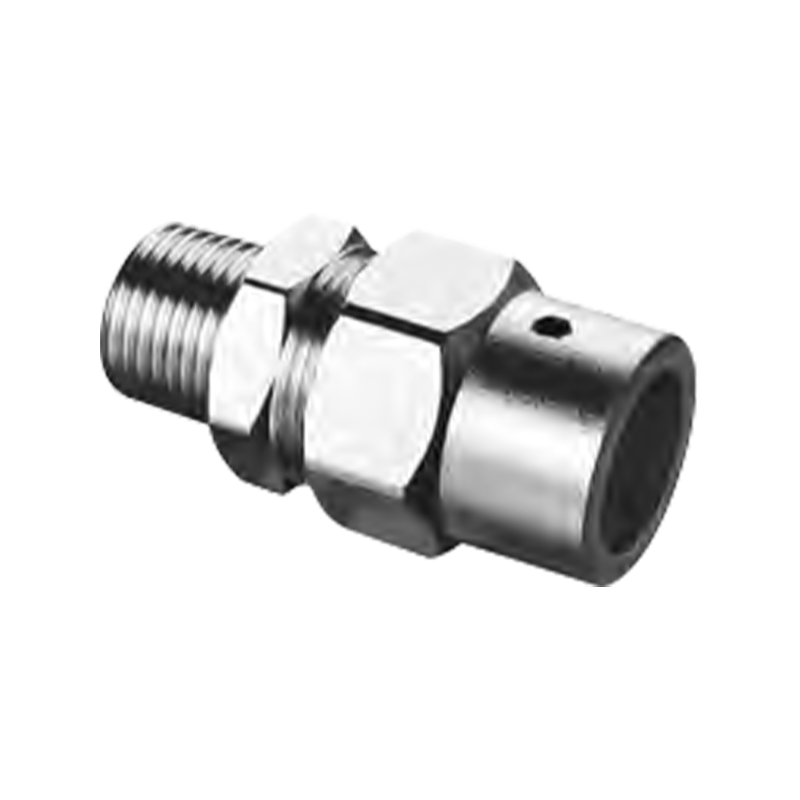
Air Release Male Fitting
Content
- 1 Product Overview
- 2 Why Air Management Matters in Gas Pipelines
- 3 Core Design Features
- 4 Advantages Compared with Less Specialized Alternatives
- 5 Product Specifications
- 6 Manufacturing Strengths Behind the Product
- 7 Testing and Quality Control
- 8 Application Areas
- 9 Installation Considerations
- 10 Maintenance and Service Recommendations
- 11 Why Manufacturer Integration Matters
- 12 Selection Guide for Buyers
- 13 Company Manufacturing and Service Profile
- 14 Q&A
- 14.1 What is the primary purpose of the Air Release Male Fitting?
- 14.2 Where can this fitting be used?
- 14.3 What sizes are available?
- 14.4 What does the male-threaded design mean?
- 14.5 Why is stainless steel suitable for this product?
- 14.6 How does the product help improve gas system safety?
- 14.7 Can it be installed in an existing pipeline?
- 14.8 Does the fitting eliminate the need for pipeline inspection?
- 14.9 What manufacturing capabilities support this product?
- 14.10 What quality certifications or qualifications are associated with the manufacturer?
- 14.11 Can customized versions be requested?
- 14.12 What should buyers confirm before ordering?
- 15 Conclusion
- 16 References
- 17 Product: Air Release Male Fitting
Product Overview
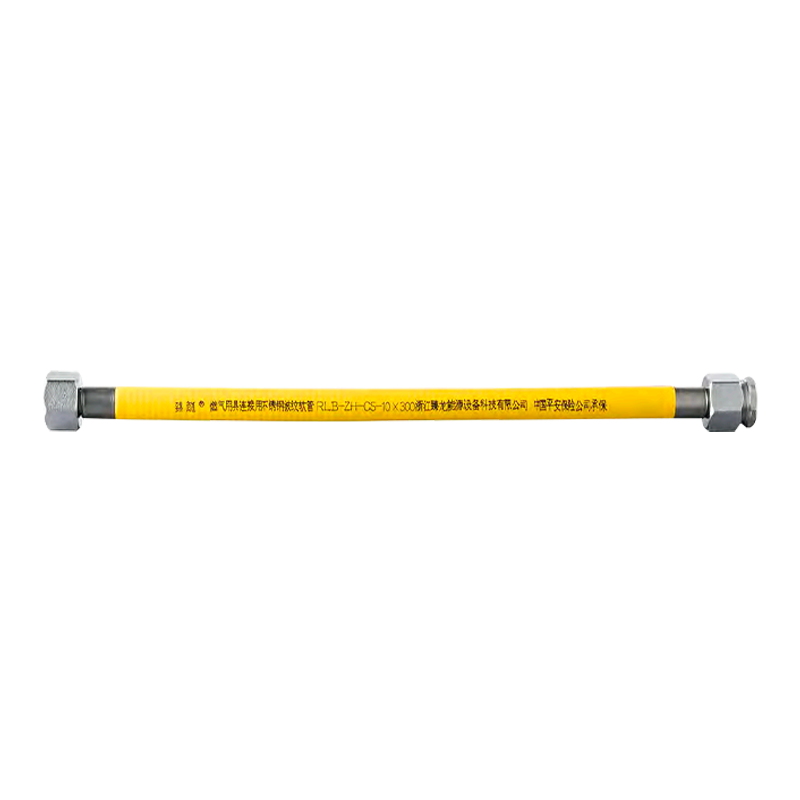
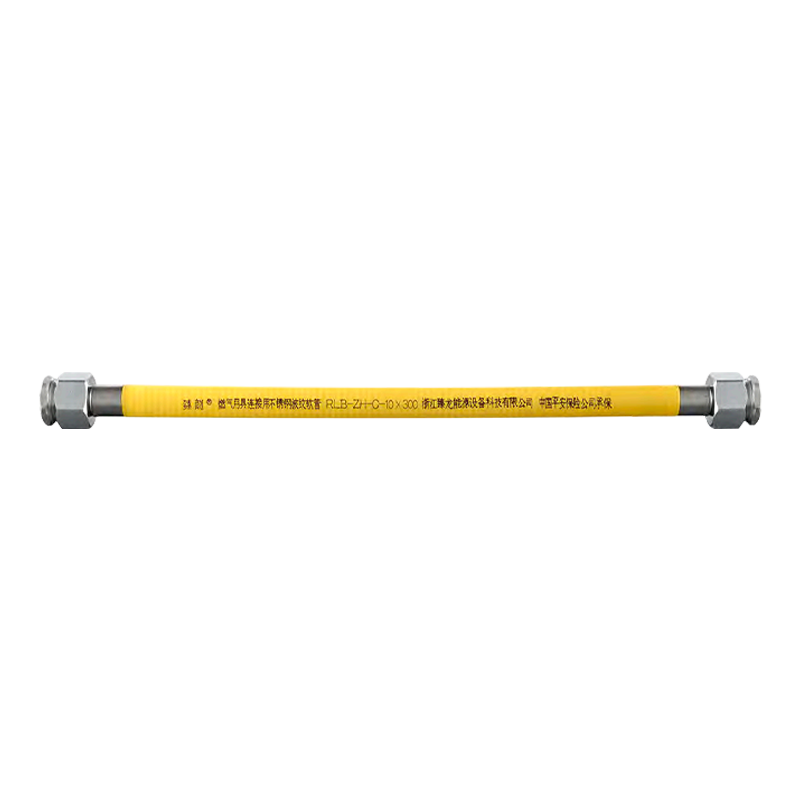
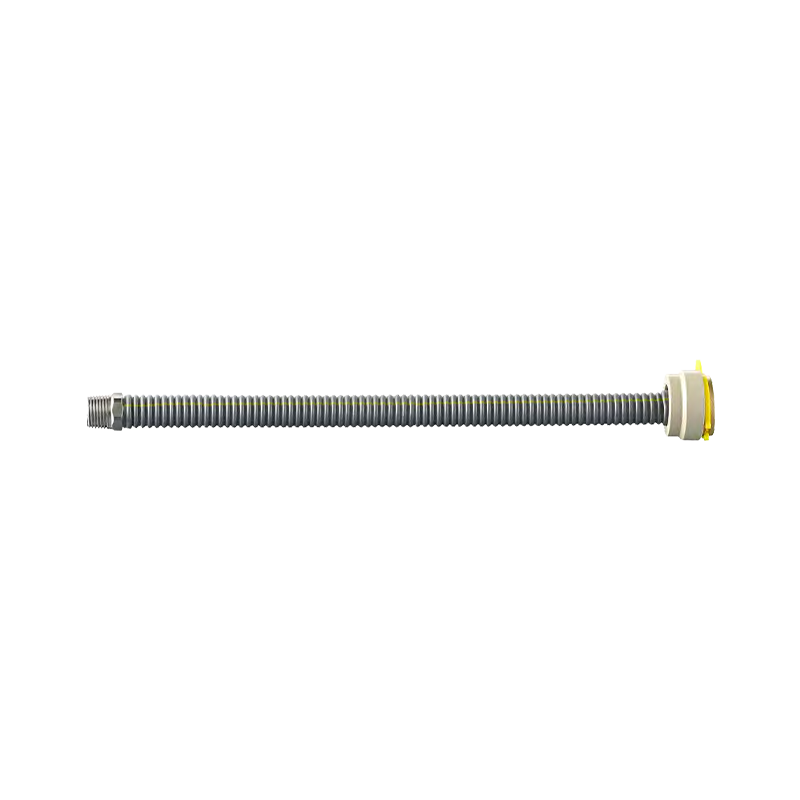
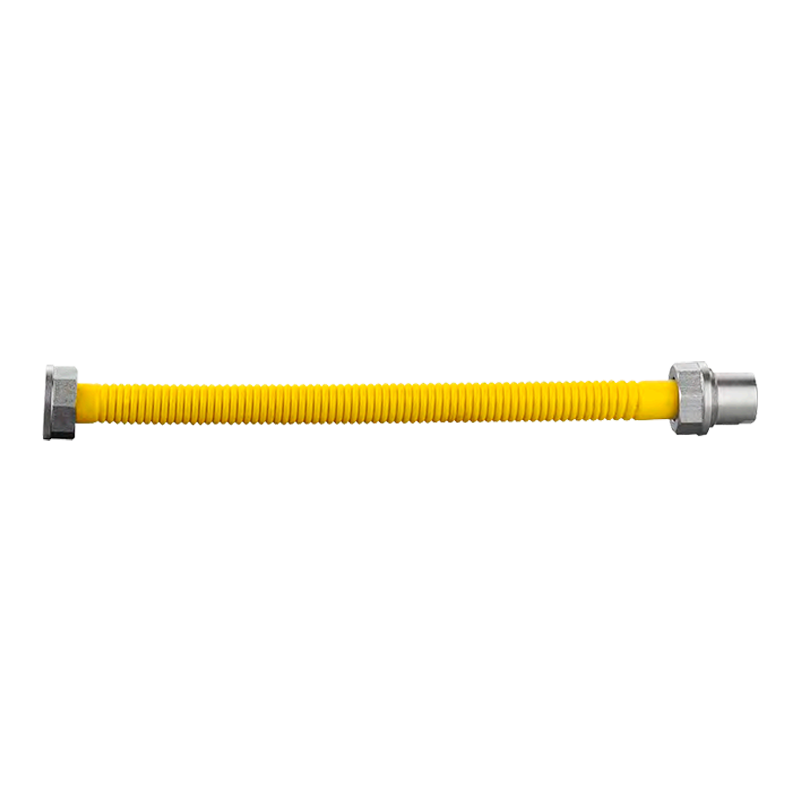
The Air Release Male Fitting, identified by model number RBG-IS13X13-GB/T 26002 and product numbering ZLP-008, is a male wire fitting intended for gas transmission systems. Available specifications include DN13, DN15, and DN20. These sizes allow users to select a suitable configuration for different pipeline layouts and connection requirements.
The term “male fitting” refers to the externally threaded connection at the fitting end. This structure makes it possible to connect the component to a compatible female-threaded port, valve body, adapter, manifold, or other pipeline element. Male-threaded fittings are widely used because they simplify component replacement and provide a familiar connection method for installers and maintenance personnel.
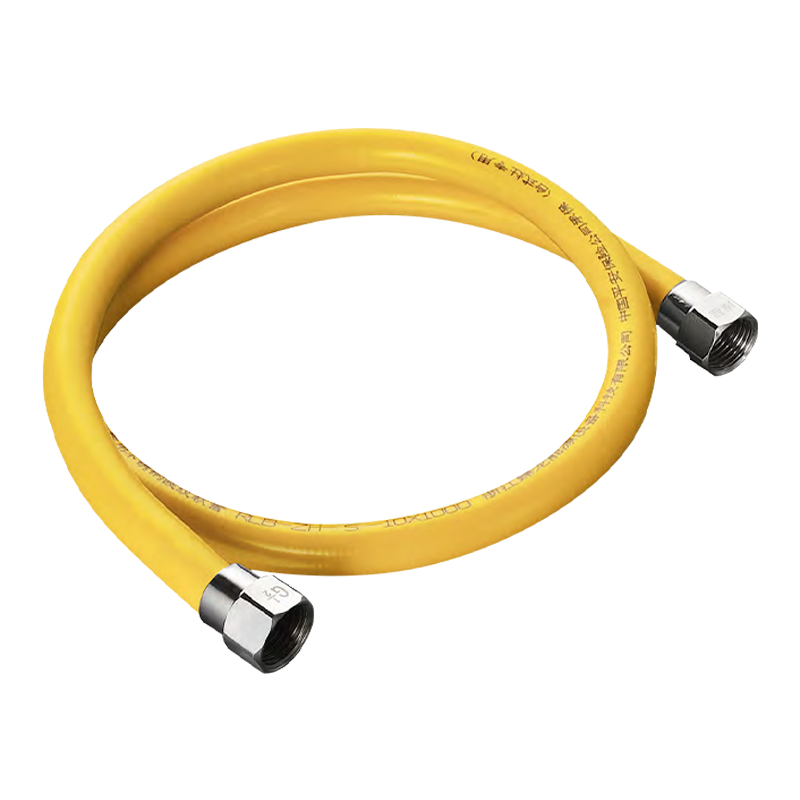
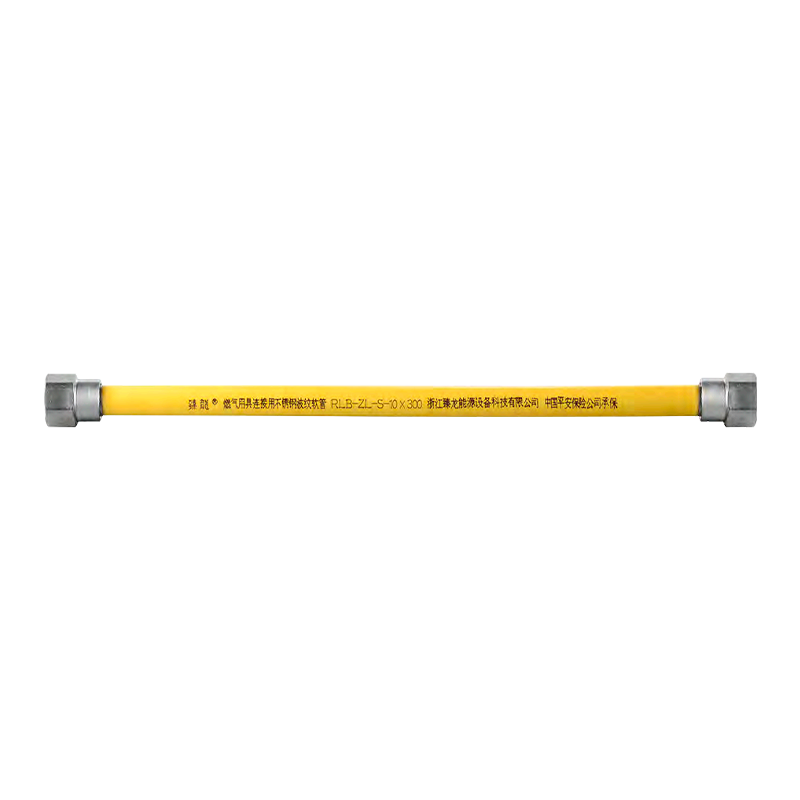
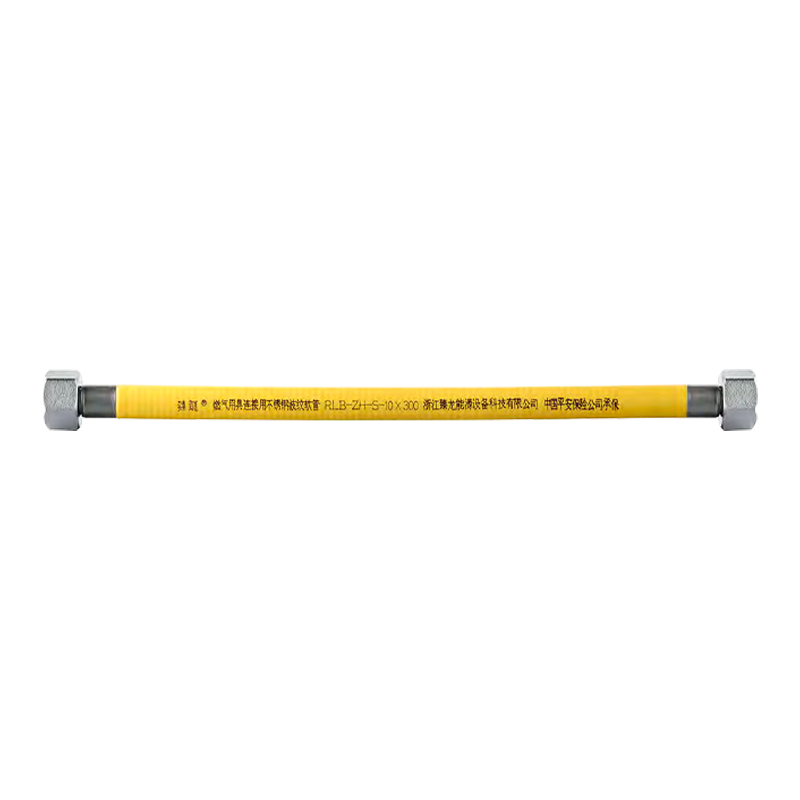
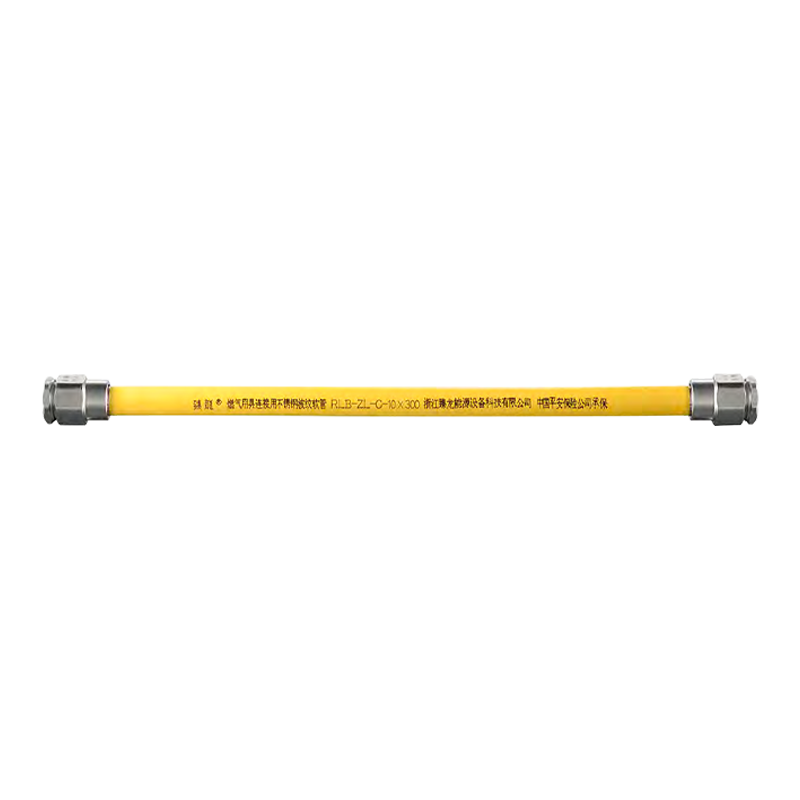
The fitting is categorized as a stainless steel corrugated hose fitting for gas transmission. This classification reflects its intended relationship with flexible metal hose assemblies and gas pipeline equipment. Corrugated hoses can absorb movement, vibration, thermal expansion, and minor misalignment. However, the hose must be connected to the rest of the system through a fitting that can withstand mechanical loads and maintain sealing performance. The Air Release Male Fitting is designed to perform this connection function while also supporting the controlled release of accumulated air.
Its operating purpose is not simply to connect two pipeline components. The fitting is specifically designed to help remove trapped air from a gas transmission network. By automatically venting accumulated air, it helps reduce the possibility of airlocks, unstable pressure behavior, and flow disruptions. Stable gas flow contributes to better performance from downstream equipment, including regulators, meters, burners, valves, and industrial gas-consuming machinery.
Why Air Management Matters in Gas Pipelines
Pipeline systems are affected by more than the nominal flow of gas. Installation geometry, elevation changes, bends, branch connections, pressure cycling, and maintenance activity can all influence how air collects within a system. In newly installed pipelines, air may remain in the network after pressure testing, flushing, assembly, or equipment replacement. During operation, pressure changes can also cause air pockets to move or collect in sections of the pipeline where flow velocity is low.
When trapped air is not managed, the pipeline may experience irregular pressure behavior. A pocket of air can compress and expand as operating conditions change. This can create a delayed response to valve adjustments and may cause sudden changes in flow. In systems with multiple connected components, these fluctuations can affect equipment located far from the original air pocket.
Air accumulation can also contribute to airlocks. An airlock occurs when trapped air interferes with the intended movement of gas through a section of the system. The result may be reduced flow, temporary blockage, inconsistent supply, or difficulty restoring normal operation after maintenance. In a residential application, such a problem may affect appliance performance. In an industrial installation, the consequences may include production interruptions, unstable combustion, or reduced process efficiency.
An automatic air release fitting provides a passive or self-acting method for addressing this type of problem. Instead of requiring an operator to manually identify and vent every potential accumulation point, the fitting can release unwanted air when operating conditions require it. This reduces dependence on frequent manual intervention and can make system operation more consistent.
Air release capability is especially valuable in complex pipeline layouts. Long gas transmission lines, vertical sections, elevated pipe runs, equipment rooms, and systems with multiple branches may contain locations where air can gather. A fitting installed at an appropriate point can help maintain stable operation and reduce the risk that trapped air will remain unnoticed.
Core Design Features
Automatic Air Release
The principal function of the fitting is the automatic removal of accumulated air. This feature supports continuity of gas delivery by reducing the presence of unwanted air pockets in the pipeline. Automatic operation can be particularly useful in systems where access is limited or where manual venting would require repeated inspection.
Automatic air release also supports operational convenience. Once properly installed, the fitting can perform its intended function as part of the pipeline assembly. Operators do not need to rely solely on periodic manual opening and closing of a vent point. This can reduce routine maintenance effort and help improve the responsiveness of the pipeline to changing conditions.
Male-Threaded Connection
The male-threaded connection is designed for straightforward integration with compatible female-threaded components. This arrangement is familiar to pipeline installers and allows the fitting to be incorporated into existing systems without requiring a specialized connection method.
A threaded connection can also simplify replacement and service operations. If a fitting must be inspected or replaced, technicians can work with standard installation tools and established procedures. The connection method is suitable for new construction as well as upgrades to existing gas transmission assemblies, provided that thread compatibility, sealing method, pressure rating, and applicable installation standards are confirmed.
High-Precision Sealing Structure
Leak prevention is a central requirement for any gas pipeline fitting. The Air Release Male Fitting uses a high-precision sealing structure designed to minimize the risk of leakage at the connection and operating interfaces. A reliable seal helps protect the surrounding environment, preserve system pressure, and maintain the intended flow path.
Precision sealing depends on the interaction of multiple factors, including dimensional accuracy, surface quality, thread consistency, sealing components, assembly torque, and installation technique. The product’s manufacturing process is therefore important because the quality of the final seal begins with control of raw materials and continues through forming, machining, assembly, inspection, and testing.
Corrosion-Resistant Construction
Gas distribution networks may be exposed to humidity, condensation, temperature variation, installation contaminants, and other environmental influences. Corrosion can weaken a fitting, damage threads, impair sealing surfaces, and shorten service life. The Air Release Male Fitting is constructed from high-strength, corrosion-resistant materials to support long-term use in challenging pipeline environments.
Stainless steel is widely valued in gas and fluid handling applications because it provides a strong combination of mechanical strength, corrosion resistance, cleanliness, and dimensional stability. Its resistance to deterioration helps the fitting maintain its functional properties over extended service periods. The selected material must still be matched to the gas composition, ambient conditions, pressure, temperature, and relevant technical requirements of each application.
Compact Pipeline Integration
A fitting used in a pipeline often needs to provide several functions without occupying excessive space. The Air Release Male Fitting has a compact connection-oriented design that allows it to be integrated into pipeline assemblies, equipment skids, gas cabinets, branch lines, and flexible hose systems.
Compact construction can simplify layout planning and reduce interference with adjacent valves, supports, insulation, and protective covers. It can also be helpful in residential equipment spaces and industrial installations where access is restricted. A compact fitting is not automatically suitable for every application, but it can provide a practical advantage when the available installation area is limited.
Advantages Compared with Less Specialized Alternatives
Many basic threaded connectors can join two pipeline components, but not every connector is designed to address trapped air, pressure instability, and gas system safety at the same time. The Air Release Male Fitting is differentiated by its combination of connection function and air management capability.
A standard connector may provide a physical joint without actively supporting air removal. If trapped air becomes a recurring problem, the operator may need to install additional venting equipment or develop a manual maintenance procedure. A dedicated air release fitting can reduce the number of separate components required and may help simplify the overall pipeline arrangement.
Compared with fittings made from ordinary materials, a corrosion-resistant stainless steel construction can provide stronger protection against environmental deterioration. This is especially relevant in humid equipment rooms, outdoor distribution areas, utility spaces, industrial plants, and locations where condensation may occur. Long-term material stability can help reduce replacement frequency and protect the reliability of the sealing interface.
Compared with low-precision fittings, a high-precision sealing structure offers a stronger foundation for leakage control. Gas leakage is not only a product-loss issue; it may also create safety hazards, environmental concerns, and operational interruptions. A fitting manufactured with close attention to dimensional control and sealing quality can support safer pipeline operation.
Compared with fittings designed for only one narrow installation format, the available DN13, DN15, and DN20 specifications provide greater flexibility. Users can select a size that corresponds to the pipe or hose assembly while maintaining the same general product concept. This simplifies product selection for projects containing several related connection sizes.
The fitting also offers an advantage in retrofit projects. Existing systems often contain a mixture of rigid pipes, flexible hoses, valves, regulators, and older connectors. A male-threaded air release fitting can be integrated into compatible existing interfaces without requiring the entire pipeline to be redesigned. Before installation, however, users should verify thread standards, dimensions, pressure requirements, gas compatibility, and local regulations.
Product Specifications
| Item | Specification |
| Product name | Air Release Male Wire Fitting |
| Product number | ZLP-008 |
| Model number | RBG-IS13X13-GB/T 26002 |
| Available nominal sizes | DN13, DN15, and DN20 |
| Application category | Stainless steel corrugated hose fittings for gas transmission |
| Connection type | Male-threaded connection |
| Primary function | Automatic release of accumulated air |
| Key performance priorities | Leakage control, corrosion resistance, pressure stability, and installation flexibility |
The table provides the principal product information available for the Air Release Male Fitting. Project engineers should request detailed technical drawings, thread dimensions, material grades, pressure and temperature limits, seal material information, inspection records, and applicable certifications before final selection for a specific installation.
Manufacturing Strengths Behind the Product
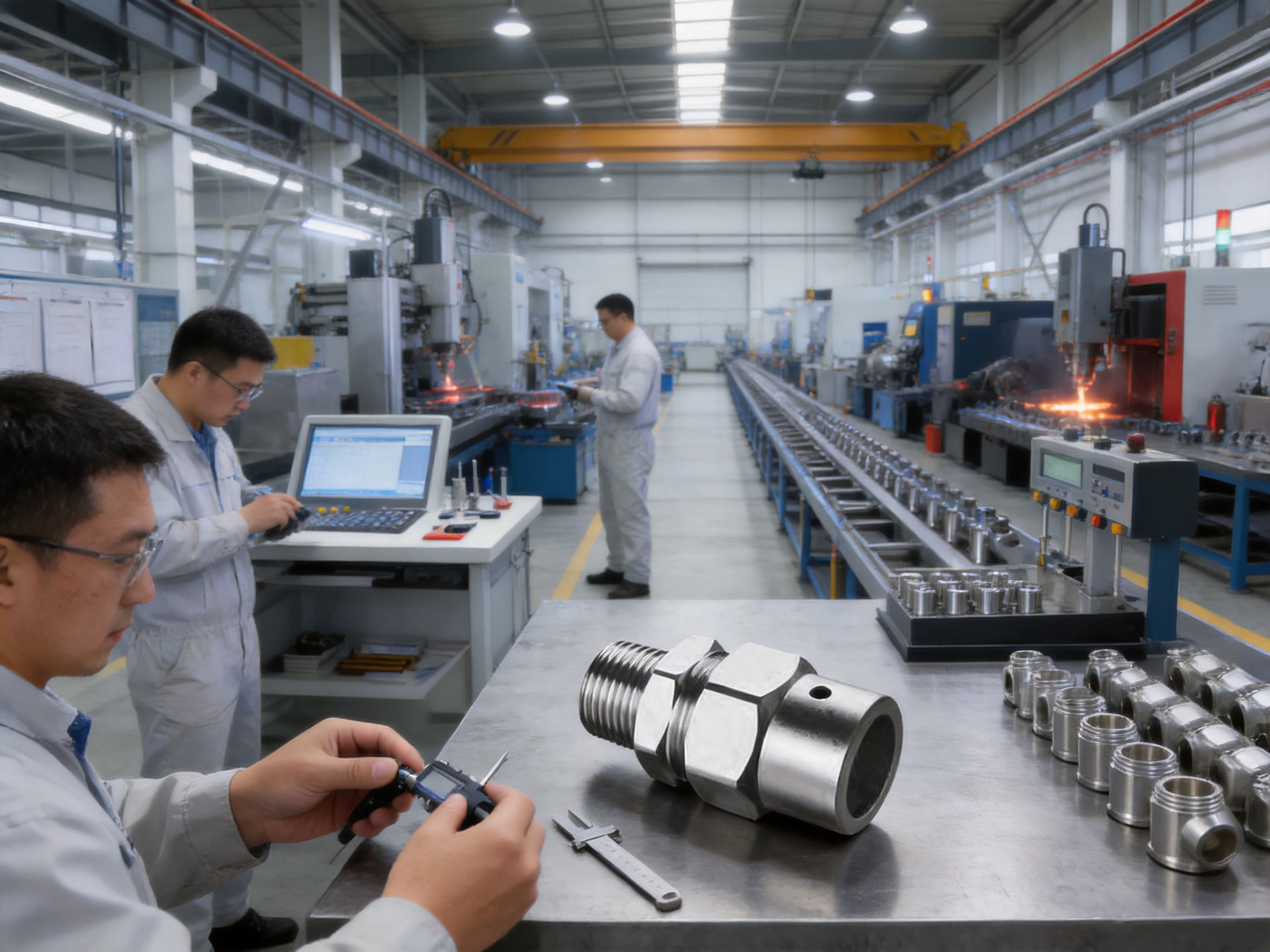
The performance of a precision pipeline fitting depends heavily on manufacturing consistency. A fitting can have an appropriate concept and a suitable material, but its real-world reliability is determined by how accurately that concept is produced. Zhejiang Zhenlong Energy Equipment Technology Co., Ltd. has developed an integrated manufacturing structure covering research, development, processing, production, testing, and trade.
The company operates a factory covering approximately 40 acres, with a factory building of about 30,000 square meters. This scale provides space for organized production lines, material handling, quality inspection, equipment maintenance, warehousing, and product development. A dedicated manufacturing environment supports more consistent workflow control than a fragmented production model in which key processes are distributed among unrelated suppliers.
The company has 30 welding and forming production lines. Welding and forming are essential processes in the manufacture of metal hoses, corrugated hose assemblies, pipeline components, and related fittings. Production capacity across multiple lines can support different product types, specifications, and order volumes while allowing the manufacturer to maintain a structured production schedule.
Forming accuracy is especially important for components that must connect with threaded parts or sealing elements. Inaccurate forming can create dimensional variation, misalignment, uneven stress distribution, or assembly difficulty. Controlled forming processes help maintain repeatability from one production batch to another.
Welding quality is equally important in metal hose and pipeline component manufacturing. Welded areas may experience pressure, vibration, thermal cycling, and mechanical movement during service. The company’s welding production capability supports the manufacture of products requiring stable and repeatable joints. Process parameters, operator skill, equipment condition, material preparation, and inspection all contribute to final welding performance.
The company also operates two uninterrupted solid melting hydrogen furnace production lines. Furnace production supports controlled processing of metallic materials and contributes to the company’s ability to manage important stages of material preparation. Stable furnace operation can help improve production continuity, reduce interruptions, and support consistent material properties when the process is properly controlled.
For a fitting used in gas transmission, material consistency is critical. Variations in alloy composition, hardness, heat treatment, or surface condition can influence machinability, sealing behavior, corrosion resistance, and service life. In-house or closely controlled material processing gives the manufacturer a stronger foundation for maintaining product consistency.
Testing and Quality Control
Quality control for gas pipeline fittings must extend beyond visual inspection. A component may appear acceptable while still containing dimensional deviations, material inconsistencies, or sealing defects that could affect service performance. The manufacturer uses testing equipment including metal material analysis direct-reading spectrometers and flow tightness testers.
A direct-reading spectrometer can be used to analyze metallic material composition. Confirming the composition of incoming or processed material helps ensure that the material corresponds to the intended specification. This is important for stainless steel components because alloy composition influences corrosion resistance, strength, weldability, and compatibility with the intended operating environment.
Flow tightness testing is directly relevant to gas fittings. The purpose of this type of testing is to identify leakage or inadequate sealing under defined test conditions. By incorporating tightness testing into quality control, the manufacturer can evaluate whether the completed product maintains the required barrier against gas escape.
Testing also supports process improvement. When inspection results are recorded and analyzed, the manufacturer can identify trends related to machining, forming, welding, assembly, sealing, or material handling. Corrective action can then be applied to equipment settings, worker procedures, incoming material controls, or final inspection criteria.
The company strictly implements an ISO9000:2008 quality management system. A quality management system provides a structured framework for documentation, process control, responsibility assignment, inspection, corrective action, and continuous improvement. Although product suitability must always be confirmed against current project requirements and applicable standards, a formal quality system demonstrates the manufacturer’s commitment to repeatable production rather than relying only on final product sorting.
The company also holds a Special Equipment Manufacturing License for pressure pipelines in the People’s Republic of China and has EU CE certification testing reports. These credentials and reports indicate experience with regulated pressure-related products and international market requirements. Buyers should request current documentation and verify that the specific product, material, size, and application are covered by the relevant certification or approval.
Application Areas
Residential Gas Systems
Residential gas systems require compact, dependable, and easy-to-maintain components. The Air Release Male Fitting can be considered for compatible household gas pipeline assemblies, appliance connections, and service systems where automatic air management and secure threaded integration are required.
In residential applications, safety is particularly important because gas equipment is often installed near living spaces. A reliable sealing structure and corrosion-resistant construction can help support safe operation. Installation must be performed by qualified personnel, and local gas codes, pressure requirements, ventilation provisions, and inspection procedures must be followed.
Industrial Gas Distribution
Industrial facilities may contain long pipe runs, multiple branches, elevated sections, gas-consuming equipment, pressure regulators, and automated valves. These systems are more likely to experience complex flow behavior and maintenance-related air entry. A dedicated air release fitting can help address accumulated air in suitable locations and support more stable gas delivery.
Industrial systems also place greater demands on materials and mechanical durability. Temperature changes, vibration, chemical exposure, and continuous operation may affect ordinary fittings. Stainless steel construction offers a strong material platform for demanding environments, subject to confirmation of the actual gas composition and service conditions.
Corrugated Hose Assemblies
Stainless steel corrugated hoses are used where flexibility, movement absorption, or vibration isolation is required. They may connect stationary pipeline sections to equipment that moves slightly during operation or experiences thermal expansion. The fitting provides the interface between the flexible hose and the fixed pipeline or equipment connection.
A corrugated hose assembly is only as reliable as its weakest element. The hose, braid, welded joint, fitting, seal, and threaded connection must be suitable for the same pressure, temperature, and gas service. Using a fitting specifically categorized for corrugated hose gas transmission helps maintain compatibility within the assembly design.
Pipeline Retrofit and Maintenance
Older gas systems may require targeted improvements rather than complete replacement. If a pipeline experiences recurring flow instability or trapped-air problems, an air release fitting may provide a practical upgrade option at a suitable location. The male-threaded connection can simplify retrofit work when the existing system includes compatible female-threaded ports or adapters.
Maintenance teams should evaluate the entire installation before retrofitting. The evaluation should include pipe routing, pressure conditions, existing leak points, support spacing, vibration, thread condition, access for service, and the location where air is most likely to accumulate. Installing the fitting without addressing broader system design problems may not provide the desired result.
Installation Considerations
Correct installation is essential for realizing the product’s advantages. The fitting should be selected according to the required nominal size, connection standard, pressure range, temperature range, gas composition, and installation environment. DN13, DN15, and DN20 options should not be treated as interchangeable without confirming the actual dimensions and system requirements.
Before installation, technicians should inspect the fitting, pipe, hose, and mating port for damage, contamination, burrs, distorted threads, or corrosion. Sealing surfaces should be clean and free from particles that could prevent uniform contact. Any sealing compound or sealing tape must be compatible with the gas service and used according to approved procedures.
Thread engagement should be checked carefully. Cross-threading, excessive force, insufficient engagement, or incorrect tools can damage the fitting and compromise the seal. The connection should be tightened using a suitable method and torque practice. Over-tightening may deform sealing components or damage threads, while under-tightening may allow leakage or loosening during vibration.
The fitting should be installed in an orientation that supports its air release function. The ideal location depends on pipeline geometry, elevation, expected air accumulation points, and the manufacturer’s technical instructions. A fitting placed in an unsuitable orientation or at a location where air cannot collect may not provide the expected benefit.
After installation, the completed assembly should be inspected and tested by qualified personnel. Testing should follow the applicable gas system code, site procedure, and regulatory requirements. Leak detection must be performed using approved methods. Open flames must never be used to search for gas leakage.
Support and alignment are also important. The fitting should not be forced to compensate for an incorrectly aligned pipe or hose. Excessive side loading, bending stress, or unsupported hose weight can transfer mechanical forces to the threaded connection. Proper supports, clamps, and flexible allowances should be used to protect the fitting and the surrounding assembly.
Maintenance and Service Recommendations
A maintenance program should reflect the operating environment and the importance of the gas system. Periodic inspection can identify corrosion, mechanical damage, unusual vibration, contamination, thread deterioration, or signs of leakage before these conditions become serious.
Operators should observe whether the pipeline maintains stable pressure and flow. Repeated pressure fluctuation, unexpected flow reduction, unusual noise, or poor appliance performance may indicate trapped air, a restricted line, a damaged valve, or another system problem. The air release fitting should be considered as part of the overall diagnostic process rather than as the only possible cause.
Inspection frequency should be increased in environments with high humidity, salt exposure, chemical vapors, extreme temperature variation, or continuous vibration. Stainless steel provides corrosion resistance, but no material is immune to every environment. Surface deposits should be removed using methods that do not damage the material or sealing surfaces.
If the fitting must be removed, the pipeline should be isolated, depressurized, and made safe according to the site’s approved procedure. Replacement parts should match the required size, thread, material, and service rating. Reusing damaged sealing components or installing an unverified substitute may reduce system reliability.
Maintenance records should include inspection dates, test results, replacement details, operating observations, and any corrective actions. Good documentation helps identify recurring problems and supports future equipment selection. It also provides evidence that the pipeline is being managed systematically.
Why Manufacturer Integration Matters
Choosing a manufacturer with capabilities across metal hoses, corrugated hoses, fittings, valves, and gas pipeline products can provide practical benefits. Different pipeline components must work together mechanically and functionally. A manufacturer familiar with the complete assembly is better positioned to understand compatibility issues involving materials, dimensions, welding, forming, sealing, and pressure service.
Zhejiang Zhenlong Energy Equipment Technology Co., Ltd. integrates industry and trade while maintaining production capabilities for several related product categories. Its product range includes metal hoses, natural gas pipelines, plumbing fittings, sanitary ware, valves, plastic products, and hardware. This breadth allows the company to serve customers seeking multiple components from one supply source.
Integrated manufacturing can improve communication between product development and production. When engineering personnel understand the capabilities and limitations of the factory equipment, designs can be optimized for repeatable manufacture. Feedback from testing and customer use can also be returned to the development process more efficiently.
The company’s research and development, design, and production teams support custom production and precision engineering pipe solutions. Customization may involve dimensions, connection arrangements, material requirements, packaging, labeling, or project-specific documentation. Any custom design should be reviewed against technical standards and safety requirements before production.
Pre-sales and after-sales service are also important for gas pipeline products. Product selection often requires clarification of operating conditions, installation environment, connection standards, and certification requirements. After delivery, customers may need support with installation information, inspection documentation, replacement parts, or technical questions. A manufacturer that provides service throughout the product life cycle can reduce uncertainty for distributors, contractors, and end users.
Selection Guide for Buyers
Before purchasing the Air Release Male Fitting, buyers should define the operating conditions of the intended system. Important information includes the gas type, working pressure, maximum and minimum temperature, nominal pipe size, thread standard, installation orientation, environmental exposure, expected vibration, and required certification.
The selected DN size should correspond to the system design rather than being chosen only by visual comparison. DN13, DN15, and DN20 may serve different pipe or hose dimensions. A dimensional drawing should be reviewed to confirm overall length, thread dimensions, connection depth, sealing arrangement, and clearance requirements.
Buyers should also determine whether the fitting will be installed in a new pipeline or a retrofit project. New installations allow the air release point to be included during pipeline design. Retrofit projects may require adapters or modifications to existing connections. The condition of the existing pipe and thread should be assessed before ordering.
For export and regulated projects, documentation may be as important as the physical product. Buyers may request material certificates, inspection reports, tightness test records, quality system information, certification testing reports, technical drawings, packaging details, and traceability records. The required documentation depends on the destination market and application.
Purchasing departments should clarify minimum order quantities, production lead times, sample availability, packaging, shipping protection, warranty terms, and replacement procedures. These commercial details influence total project cost and supply reliability, especially when fittings are needed for large pipeline projects or recurring maintenance programs.
Company Manufacturing and Service Profile
Zhejiang Zhenlong Energy Equipment Technology Co., Ltd. is located in Yuyao, Ningbo, Zhejiang, at No. 369 Shunyu West Road, Yangming Street, Yuyao City, Zhejiang. The company focuses on energy equipment research, development, manufacturing, and processing. Its factory infrastructure and production resources support both standard product manufacturing and customized engineering requirements.
The company’s production portfolio reflects experience with products used in gas, water, plumbing, and industrial connection systems. Its capabilities include metal hoses, corrugated hoses, natural gas pipelines, plumbing fittings, sanitary ware, valves, plastic products, and hardware. This product diversity gives the manufacturer practical knowledge of different connection technologies and application environments.
Quality management is supported by an ISO9000:2008 system, while material analysis, flow tightness testing, welding, forming, and furnace production contribute to process control. The company’s special equipment manufacturing license for pressure pipelines and EU CE certification testing reports further demonstrate its experience with controlled and regulated product categories.
Its membership in the China Urban Gas Association connects the company with an industry environment focused on urban gas development and related technical concerns. For customers, industry participation may provide additional evidence that the manufacturer understands the practical requirements of gas infrastructure, although each product must still be evaluated on its own documented technical merits.
By combining factory production with technical support and customer service, the company aims to provide more than a single fitting. It offers a supply relationship for customers requiring safe pipe fittings, metal hose assemblies, corrugated hose products, and related pipeline components.
Q&A
What is the primary purpose of the Air Release Male Fitting?
Its primary purpose is to automatically release accumulated air from a gas transmission pipeline. This helps reduce airlocks, pressure fluctuations, and flow disruptions while supporting stable gas delivery.
Where can this fitting be used?
It is intended for compatible gas transmission systems, stainless steel corrugated hose assemblies, industrial gas distribution networks, residential gas applications, pipeline retrofits, and related equipment connections. Suitability must be confirmed against the gas type, pressure, temperature, connection standard, and local regulations.
What sizes are available?
The listed specifications are DN13, DN15, and DN20. Users should confirm the detailed dimensions and thread compatibility before placing an order or beginning installation.
What does the male-threaded design mean?
A male-threaded design has external threads that connect to a compatible female-threaded port or adapter. This connection style is common in pipeline systems and can simplify installation, replacement, and maintenance.
Why is stainless steel suitable for this product?
Stainless steel offers high mechanical strength and corrosion resistance, which are valuable in gas transmission environments exposed to humidity, condensation, temperature variation, and long-term service. The precise material grade should be confirmed for the particular gas and operating conditions.
How does the product help improve gas system safety?
It supports safety by combining automatic air release with a high-precision sealing structure and corrosion-resistant construction. These features can help reduce unstable flow and leakage risk when the fitting is correctly selected, installed, inspected, and maintained.
Can it be installed in an existing pipeline?
It may be suitable for retrofit installation when the existing pipeline has a compatible connection or can safely accept an appropriate adapter. The system must be depressurized and evaluated by qualified personnel before modification.
Does the fitting eliminate the need for pipeline inspection?
No. The fitting supports air management but does not replace professional installation, leak testing, pressure checks, routine inspection, or maintenance. The entire gas system must be evaluated according to applicable standards and site procedures.
What manufacturing capabilities support this product?
The manufacturer operates welding and forming production lines, uninterrupted solid melting hydrogen furnace production lines, material analysis equipment, and flow tightness testing equipment. These resources support material verification, forming consistency, welding production, and leakage control.
What quality certifications or qualifications are associated with the manufacturer?
The company states that it implements an ISO9000:2008 quality management system, holds a Special Equipment Manufacturing License for pressure pipelines in the People’s Republic of China, and has EU CE certification testing reports. Buyers should request current documentation relevant to the exact product and market.
Can customized versions be requested?
The company provides custom production and precision engineering pipe solutions. Custom requests may involve size, connection, material, packaging, or documentation. Each customized design should be reviewed for technical feasibility, compliance, and safety before production.
What should buyers confirm before ordering?
Buyers should confirm the gas medium, pressure, temperature, nominal size, thread standard, installation orientation, material requirement, certification needs, quantity, delivery schedule, inspection documents, and packaging requirements. These details help ensure that the selected fitting is appropriate for the intended system.
Conclusion
The Air Release Male Fitting is designed to address an important but sometimes overlooked requirement in gas transmission systems: the controlled removal of trapped air. Its automatic air release function helps support stable gas delivery, while its male-threaded connection provides practical integration with compatible pipeline components. High-precision sealing contributes to leakage control, and corrosion-resistant construction supports durability in demanding service environments.
The product’s value is strengthened by its compatibility with stainless steel corrugated hose systems and its availability in DN13, DN15, and DN20 specifications. Compared with basic connectors that only join pipeline components, this fitting combines connection, air management, and safety-oriented design in one specialized product.
Manufacturing capability is a central part of the product story. The producer operates a substantial factory, multiple welding and forming lines, solid melting hydrogen furnace lines, material analysis equipment, and flow tightness testing equipment. Its quality management system, pressure pipeline manufacturing license, CE certification testing reports, industry experience, and integrated product portfolio provide a strong foundation for serving gas pipeline, industrial hose, and plumbing customers.
For the best results, users should select the fitting according to the complete operating environment and install it through qualified procedures. Correct sizing, thread compatibility, orientation, sealing practice, leak testing, support, and maintenance are all necessary to achieve reliable performance. When these factors are properly managed, the Air Release Male Fitting can contribute to safer, more stable, and more efficient gas transmission systems.
References
1. ISO 9000 Quality Management Systems: Fundamentals and Vocabulary.
2. ISO 9001 Quality Management Systems: Requirements.
3. General technical literature on stainless steel materials, corrosion resistance, and metallic pipeline components.
4. General engineering guidance on gas pipeline design, pressure control, leak testing, and maintenance.
5. General technical guidance for corrugated metal hose assemblies and threaded pipe fittings.
6. Product information for Air Release Male Fitting, model RBG-IS13X13-GB/T 26002, product number ZLP-008.
7. Manufacturer information concerning metal hoses, corrugated hoses, pipe fittings, pressure pipeline manufacturing, material analysis, and flow tightness testing.