 English
 中文简体
中文简体 Español
 عربى
عربى

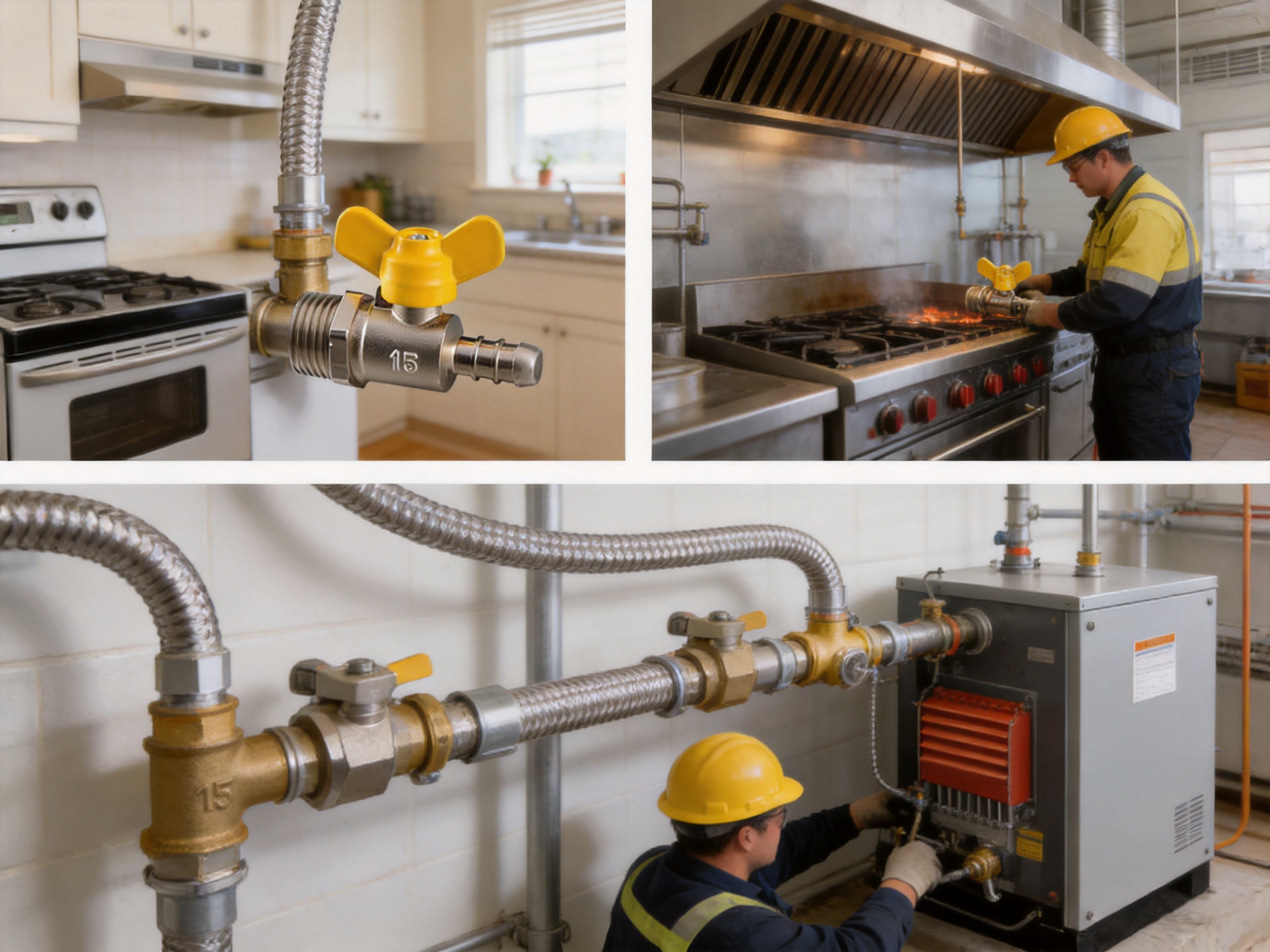
Gas distribution systems require components that combine accurate flow control, dependable sealing, mechanical strength, and long-term resistance to demanding operating conditions. A valve may be relatively compact compared with a pipeline or hose assembly, but its performance directly influences the safety, efficiency, and service life of the complete installation. The Gas Single Nozzle Valve is designed for this essential role, providing a practical control solution for gas transmission systems, residential gas applications, commercial installations, and selected industrial environments.
Developed for use with stainless steel corrugated hose fittings for gas transmission, the Gas Single Nozzle Valve features a single-nozzle configuration that supports efficient installation and secure connection. Its structure is intended to simplify the connection process while maintaining a reliable seal. By combining a robust body, corrosion-resistant materials, pressure-capable construction, and a straightforward operating concept, the valve offers a balanced solution for users who need consistent performance without unnecessary complexity.
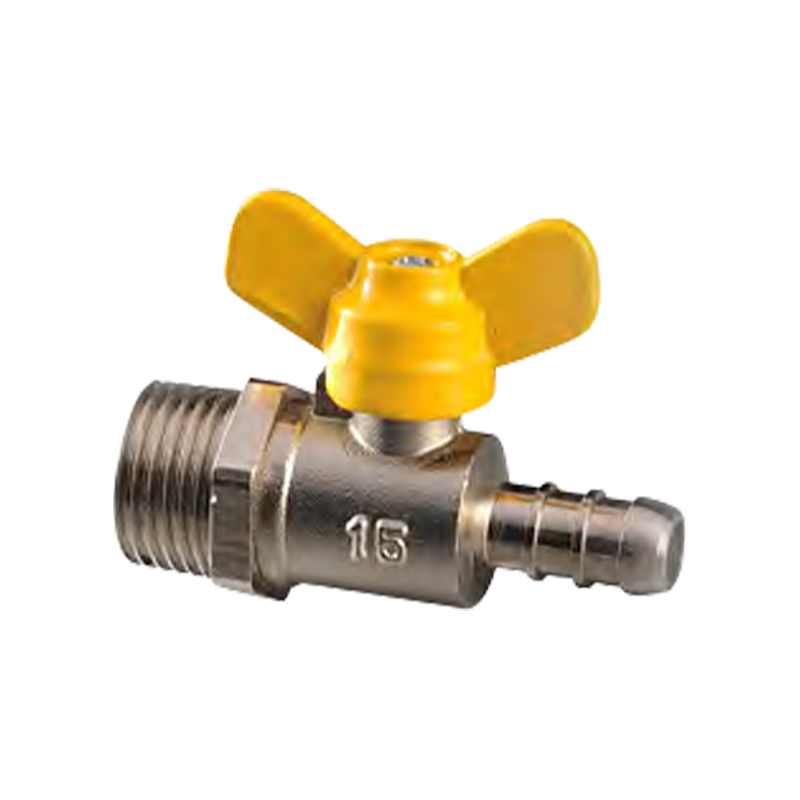
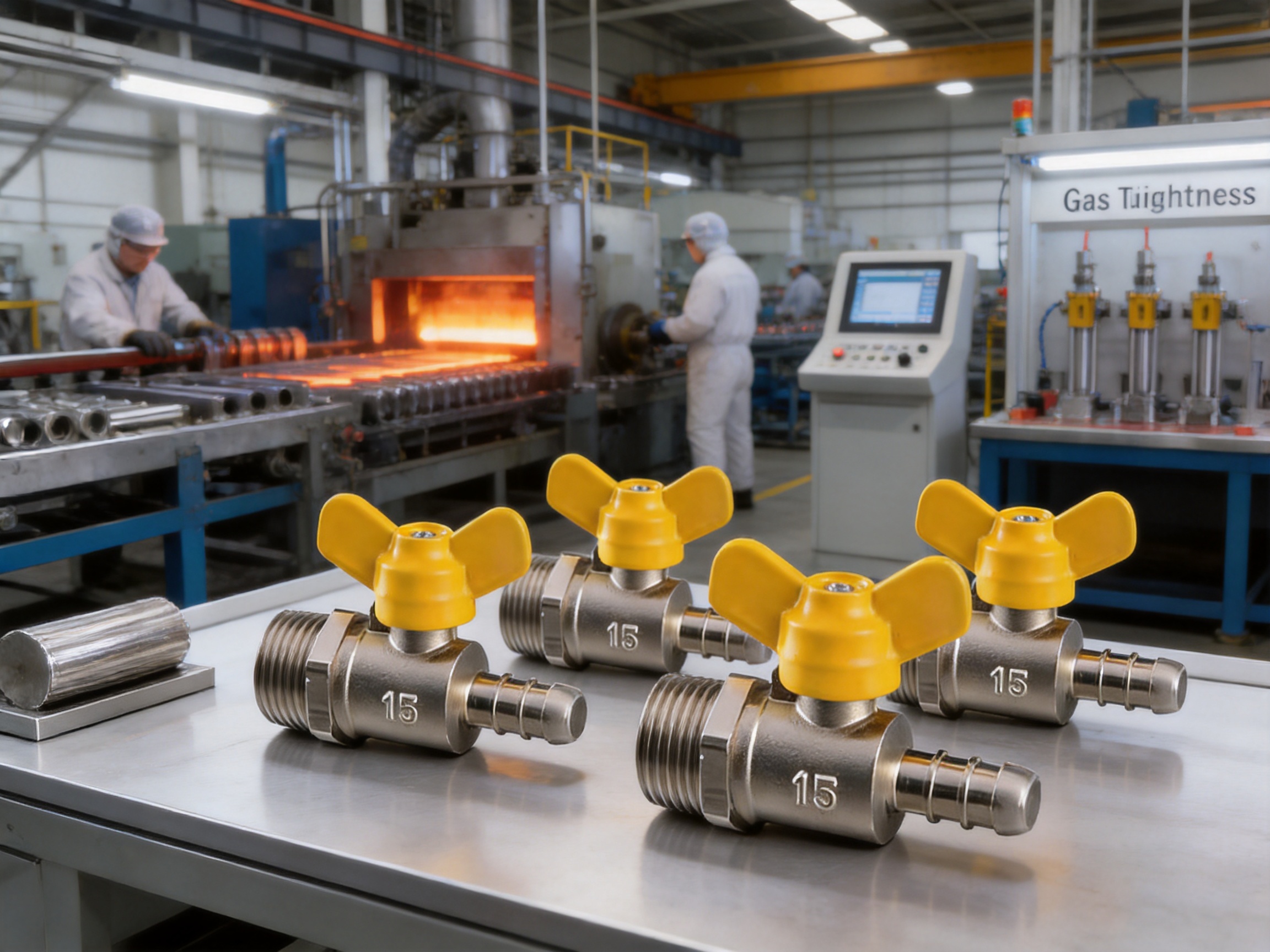
The product is identified as model ZLP-017 and is supplied in DN15 specification. It is also described as a single spout front valve. This configuration makes it suitable for gas piping assemblies in which the connection must be compact, accessible, and dependable. The valve can be incorporated into systems using gas pipes, corrugated metal hoses, connectors, and related fittings, allowing installers and equipment manufacturers to create organized and serviceable gas transmission arrangements.
Gas single nozzle valve
Content
- 1 1. The Role of a Single Nozzle Valve in Gas Distribution
- 2 2. Product Overview and Key Specification
- 3 3. Construction Designed for Secure Gas Transfer
- 4 4. Advantages of the Single-Nozzle Configuration
- 5 5. Comparison with Less Specialized Valve Solutions
- 6 6. Manufacturing Strengths Behind the Product
- 7 7. Inspection, Testing, and Quality Management
- 8 8. Application Areas
- 9 9. Installation and Operating Considerations
- 10 10. Advantages for OEM and ODM Customers
- 11 11. Supply Chain and Service Benefits
- 12 12. Product Selection Checklist
- 13 13. Why Manufacturing Integration Matters
- 14 14. Sustainability and Long-Term Value
- 15 15. Safety Responsibilities
- 16 16. Frequently Asked Questions
- 16.1 Q1: What is the Gas Single Nozzle Valve used for?
- 16.2 Q2: What is the model and size of the product?
- 16.3 Q3: Why choose a single-nozzle design?
- 16.4 Q4: Can the valve be used with a stainless steel corrugated gas hose?
- 16.5 Q5: Is the valve suitable for high-pressure applications?
- 16.6 Q6: What materials are used in the valve?
- 16.7 Q7: How does the manufacturer control material quality?
- 16.8 Q8: How is leak tightness evaluated?
- 16.9 Q9: Is the product suitable for OEM or ODM supply?
- 16.10 Q10: Does the company manufacture other related products?
- 16.11 Q11: How should the valve be installed?
- 16.12 Q12: Can the valve be used in any gas system because it is DN15?
- 16.13 Q13: What makes the product different from a generic valve?
- 16.14 Q14: How should the valve be maintained?
- 17 17. Conclusion
- 18 References
- 19 Product: Gas single nozzle valve
1. The Role of a Single Nozzle Valve in Gas Distribution
Gas distribution systems are designed to transfer fuel from a supply source to appliances, equipment, burners, regulators, or other points of use. During this process, the system must maintain controlled flow and stable pressure while preventing leakage. A valve is one of the principal components responsible for isolating, regulating, or directing gas within the network. Even a minor weakness in the valve body, thread, sealing interface, or operating mechanism can compromise system performance.
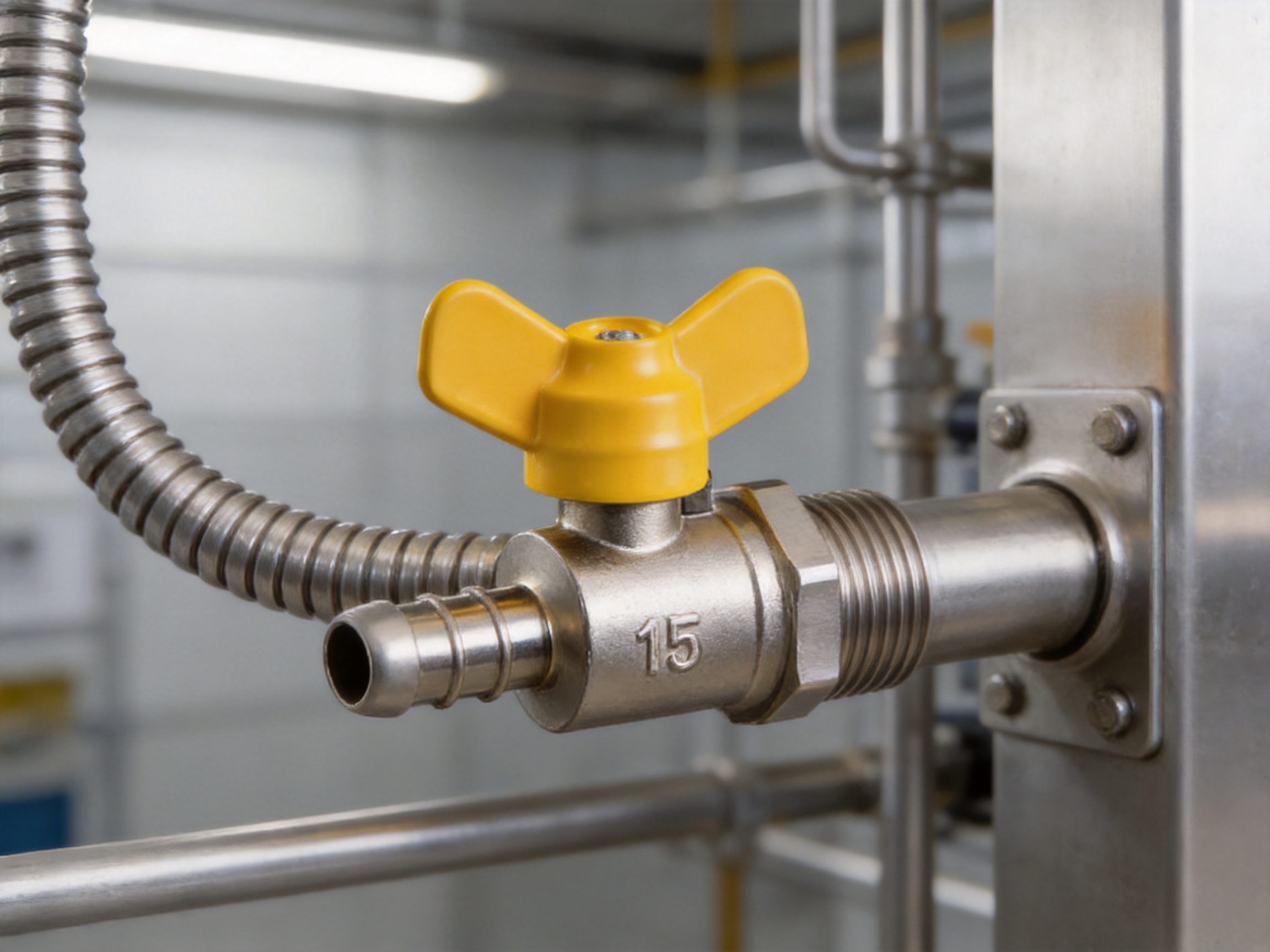
The Gas Single Nozzle Valve is designed to support precise flow control in gas distribution systems. Its single-nozzle construction provides a direct connection path and avoids the additional structural complexity associated with multi-nozzle designs. This simplified arrangement can be beneficial when the installation requires one primary outlet or connection point. It also helps installers maintain a clean layout in confined spaces, cabinet assemblies, wall-mounted systems, and equipment connection areas.
In practical applications, the valve may be installed between a gas supply pipe and a flexible metal hose, or between a fixed pipeline and a gas-consuming appliance. Its function may include opening or closing the gas path, supporting local isolation during maintenance, and contributing to secure pressure-controlled delivery. The exact operating procedure should always follow the requirements of the complete gas system and applicable installation standards.
A well-designed valve must achieve more than simple on-and-off operation. It must preserve the integrity of the gas path under pressure, resist environmental deterioration, provide repeatable sealing, and remain mechanically stable over time. These requirements explain why the selection of materials, manufacturing precision, welding quality, forming processes, and final inspection procedures are important when evaluating gas valves.
2. Product Overview and Key Specification
The Gas Single Nozzle Valve is a compact gas control fitting intended for use in gas transmission assemblies. Its single front spout provides a defined connection point, while the valve body is engineered to deliver a secure and durable gas path. The product is manufactured for DN15 systems, a common nominal size for compact gas piping applications and appliance connections.
| Item | Specification |
|---|---|
| Product name | Gas Single Nozzle Valve |
| Product description | Single spout front valve |
| Model | ZLP-017 |
| Nominal size | DN15 |
| Application category | Stainless steel corrugated hose fittings for gas transmission |
| Primary function | Gas flow control, isolation, and secure connection |
| Suitable system areas | Residential, commercial, and selected industrial gas installations |
The DN15 specification provides a compact format for gas connection systems where space, accessibility, and installation convenience are important. While the nominal size identifies the intended connection class, final compatibility must be confirmed against the mating pipe, hose, thread, sealing method, pressure rating, gas type, and local regulations. Proper engineering verification is particularly important when the valve is installed in a complete system containing components from different manufacturers.
The product’s single-nozzle design is one of its most notable practical features. A single connection route reduces the number of potential interfaces and can make the assembly easier to understand during installation and maintenance. Fewer connection points may also reduce the opportunities for incorrect assembly, provided that the valve is installed with appropriate tools and procedures.
3. Construction Designed for Secure Gas Transfer
Gas systems place strict demands on connection security. Unlike many general-purpose fluid applications, gas transmission requires constant attention to leak prevention, material compatibility, pressure stability, and installation quality. The Gas Single Nozzle Valve is engineered with high-quality materials and a robust structure intended to provide a dependable barrier between the gas passage and the surrounding environment.
The valve body forms the primary pressure-containing component. Its strength must be sufficient to withstand the expected pressure conditions without distortion or loss of sealing performance. A stable body also helps preserve dimensional accuracy at the connection interfaces. This is particularly important for threaded or mechanically joined systems, where even small deviations can affect the contact between mating parts.
The sealing arrangement is another critical part of the construction. The product is designed to support tight connections and reduce the risk of leakage at the valve interface. A properly designed sealing surface distributes contact pressure consistently and helps the connection remain secure during normal temperature changes, vibration, and repeated operation. The final sealing performance, however, depends on correct installation, suitable sealing materials, and compliance with the requirements of the complete system.
The single-nozzle layout contributes to a direct and relatively simple gas path. In comparison with more complex assemblies, a direct path can support easier inspection and cleaning. It may also reduce turbulence and unnecessary changes in direction within a compact connection arrangement. The actual flow behavior depends on internal geometry, gas pressure, flow demand, and the other components connected to the valve.
The product is also designed for resistance to corrosion and wear. Gas installations may be exposed to humidity, condensation, cleaning chemicals, temperature variation, and atmospheric contaminants. A corrosion-resistant construction helps preserve the valve’s external appearance and functional integrity over an extended service period. Wear resistance is useful where the valve is operated repeatedly or exposed to mechanical contact during maintenance.
4. Advantages of the Single-Nozzle Configuration
4.1 Simplified Installation
A single-nozzle valve has a clear connection purpose: one defined outlet or inlet route is provided for the gas assembly. This can make installation more straightforward than configurations requiring several outlets, branches, or adapters. Installers can position the valve, connect the corresponding pipe or hose, and verify the sealing interface without managing unnecessary secondary ports.
Simplified installation is especially valuable in compact spaces. Gas appliances, cabinets, wall channels, and equipment panels often leave limited room for tools and hands. A compact front-valve arrangement can help reduce congestion and create a more orderly installation. A cleaner layout also makes later inspection easier because the primary connection and shutoff location are more visible.
4.2 Reduced Connection Complexity
Every additional connector, adapter, or branch in a gas assembly introduces another interface that must be correctly aligned and sealed. The single-nozzle design reduces connection complexity by focusing the valve around one principal nozzle. This does not eliminate the need for careful workmanship, but it can reduce the number of components required for a basic connection.
A lower component count may provide practical advantages in purchasing, inventory management, installation planning, and maintenance. For equipment manufacturers, a standardized single-nozzle valve can help simplify bill-of-materials planning. For installers, it can reduce the time required to identify the correct connection path and verify the completed assembly.
4.3 Secure Sealing Performance
The valve is designed to enhance sealing capability through a robust connection structure. Tight sealing is essential in gas systems because the objective is not merely to maintain pressure but also to prevent gas from escaping into occupied or enclosed areas. The valve’s body and nozzle are engineered to support a stable connection when paired with compatible components and installed correctly.
Compared with low-quality fittings that may have inconsistent dimensions, rough surfaces, or weak body construction, a precision-produced valve can provide more predictable assembly results. Consistency is particularly important for professional installers and original equipment manufacturers who must reproduce the same connection quality across many units.
4.4 Resistance to Corrosion and Wear
Corrosion can weaken metal components, damage sealing areas, and make future maintenance difficult. Wear can affect moving or contacting surfaces, particularly when a valve is repeatedly operated or exposed to vibration. The Gas Single Nozzle Valve is designed with resistance to these common forms of deterioration in mind.
This resistance supports a longer service life and helps the valve remain dependable in varied residential and industrial environments. It also contributes to lower maintenance demands, although the valve should still be included in routine inspection programs. Any sign of surface damage, leakage, deformation, or abnormal operation should be addressed according to the applicable safety procedure.
4.5 Reliable Performance in Pressure Environments
The product is designed to withstand high-pressure environments while maintaining functional performance. A pressure-capable valve must have a stable body, sound joints, accurate interfaces, and suitable internal components. Manufacturing quality is therefore as important as the basic design concept.
Pressure performance should always be considered in relation to the complete product specification and the actual application. Users should verify the operating pressure, temperature range, gas medium, connection standard, and relevant certification requirements before installation. The valve should never be used beyond its approved conditions.
5. Comparison with Less Specialized Valve Solutions
When selecting gas fittings, buyers may encounter general-purpose valves, low-cost unbranded products, multi-port fittings, or components intended for water and non-gas applications. These alternatives may appear similar externally, but visual similarity does not guarantee suitability for gas transmission. Gas service requires appropriate materials, sealing performance, dimensional control, and safety evaluation.
The Gas Single Nozzle Valve offers several advantages over generic alternatives. First, it is specifically positioned for gas distribution and stainless steel corrugated hose fitting applications. This application focus encourages attention to leak prevention, connection security, and pressure stability. A general-purpose valve designed primarily for water may not provide the same gas-specific performance or compatibility.
Second, the single-nozzle construction can be more efficient than a multi-port valve when only one connection is required. A multi-port component may create unused openings, additional seals, or a larger installation footprint. Using a product that matches the actual system configuration can reduce unnecessary complexity and help improve serviceability.
Third, the product is manufactured by a company with dedicated capabilities in metal hose, pipe fitting, valve, and energy equipment production. This integrated product background can be valuable because the manufacturer understands how valves interact with corrugated hoses, gas pipelines, plumbing fittings, and other connection components. Such experience supports more informed product development and manufacturing control.
Fourth, the valve is supported by industrial production resources rather than being treated as an isolated trading item. The manufacturer operates forming and welding production lines, material analysis equipment, flow tightness testing equipment, and quality management procedures. These capabilities help create a more controlled path from raw material selection to finished product inspection.
Cost is also an important factor, but the lowest initial price does not always represent the lowest total cost. A valve with inconsistent dimensions, poor sealing, or inadequate corrosion resistance may increase installation time, replacement frequency, and service risk. A more carefully manufactured product can provide value through predictable installation, durable performance, and reduced likelihood of premature failure.
6. Manufacturing Strengths Behind the Product
The Gas Single Nozzle Valve is produced by Zhejiang Zhenlong Energy Equipment Technology Co., Ltd., a manufacturer engaged in the research, development, manufacturing, and processing of energy equipment. The company integrates industry and trade and produces metal hoses, natural gas pipelines, plumbing fittings, sanitary ware, valves, plastic products, and hardware.
This broad manufacturing scope gives the company experience across several connected product categories. Gas valves, metal hoses, corrugated pipes, and pipeline fittings must often work together as part of a complete system. Knowledge of these related products can improve the design of connection interfaces and help the manufacturer understand the installation challenges faced by contractors, equipment makers, and distributors.
The company is located in Yuyao, Ningbo, Zhejiang, and operates a manufacturing facility covering approximately 40 acres with a factory building of about 30,000 square meters. This industrial scale provides room for production organization, material handling, process control, testing, warehousing, and product development.
The reported production infrastructure includes 30 welding and forming production lines. Welding and forming are highly relevant to the manufacture of metal hoses, pipe components, valve parts, and related fittings. Forming processes influence the shape, dimensions, and repeatability of components, while welding quality affects structural integrity and resistance to leakage.
A substantial number of production lines can also support flexible scheduling and higher-volume manufacturing. This is useful for customers who require repeat orders, private-label production, OEM supply, or ODM development. Production capacity does not replace quality control, but it allows the manufacturer to organize specialized processes and respond to different product requirements more effectively.
The company also operates two uninterrupted solid melting hydrogen furnace production lines. Furnace processes influence the quality and consistency of metal materials used in manufacturing. Controlled melting and heating can support improved material uniformity and help reduce variations that might affect forming, welding, corrosion resistance, or mechanical performance.
Material quality is especially important for gas fittings. The metal must be compatible with the intended environment and capable of maintaining its shape and strength during forming, assembly, pressure exposure, and temperature variation. Direct control or close supervision of material-related processes can strengthen traceability and help the manufacturer maintain more consistent production results.
7. Inspection, Testing, and Quality Management
A valve intended for gas service should be evaluated through more than visual inspection. The manufacturer reports access to testing equipment including metal material analysis direct reading spectrometers and flow tightness testers. These tools address two important aspects of product quality: material verification and leak-related performance.
A metal material analysis spectrometer can be used to identify or verify the composition of an alloy. Material analysis supports incoming inspection and process control by helping confirm that the selected metal corresponds to the intended product requirements. Correct material composition may influence strength, corrosion resistance, weldability, forming behavior, and service life.
Flow tightness testing is directly relevant to gas valves and fittings. The purpose of a tightness test is to detect leakage through the valve body, connection area, closure mechanism, or other potential paths. Testing helps identify products that may not meet the required sealing performance before they are delivered to customers.
The company states that it strictly implements the ISO9000:2008 quality management system. A quality management system provides a framework for organizing documents, responsibilities, process controls, inspection methods, corrective actions, and continual improvement. Effective implementation can help ensure that manufacturing results depend on controlled procedures rather than individual effort alone.
The company also holds a Special Equipment Manufacturing License for pressure pipelines issued by the People’s Republic of China and has EU CE certification testing reports. These credentials and reports demonstrate attention to regulated manufacturing and market compliance. Customers should review the specific scope, validity, product coverage, and application conditions of any certification or testing document before using it as the basis for a project approval.
For international customers, documentation is an important part of supplier evaluation. Product drawings, material information, dimensional data, inspection records, pressure and tightness test results, packaging specifications, and certification documents can help confirm whether the valve is appropriate for a particular market. A capable manufacturer should be able to communicate technical information clearly and support the customer’s evaluation process.
8. Application Areas
8.1 Residential Gas Systems
Residential gas systems require compact, dependable, and accessible components. The DN15 single-nozzle valve can be used in suitable household gas connection arrangements, including assemblies associated with gas appliances and flexible metal hose systems. Its compact structure can help installers maintain an organized connection near a cooker, heater, boiler, or other approved gas appliance.
Residential installation places particular emphasis on leak prevention and ease of inspection. A clearly positioned valve can support local isolation when an appliance requires maintenance or replacement. The final installation must be completed by qualified personnel and must comply with local gas codes, appliance instructions, and inspection requirements.
8.2 Commercial Buildings
Restaurants, catering facilities, hotels, retail premises, and other commercial buildings may use multiple gas appliances and branch connections. In such settings, component consistency is valuable. A standardized single-nozzle valve can help contractors create repeatable connection arrangements and simplify stocking for maintenance teams.
Commercial installations may also experience more frequent operation, cleaning, vibration, and temperature changes than ordinary residential systems. The product’s intended resistance to corrosion and wear can be beneficial in these environments, provided that the operating conditions remain within the specified limits.
8.3 Industrial Equipment
Industrial gas equipment can include burners, heating systems, process machinery, laboratory equipment, and energy-related assemblies. In these applications, valves and fittings must be selected based on pressure, temperature, gas composition, flow requirements, operating cycles, and safety controls.
The Gas Single Nozzle Valve may be considered for appropriate industrial connection points where its DN15 size and performance characteristics meet the design requirements. Engineers should evaluate the complete assembly rather than selecting the valve solely by nominal size. System calculations, risk assessment, and applicable industrial standards remain essential.
8.4 Corrugated Hose Assemblies
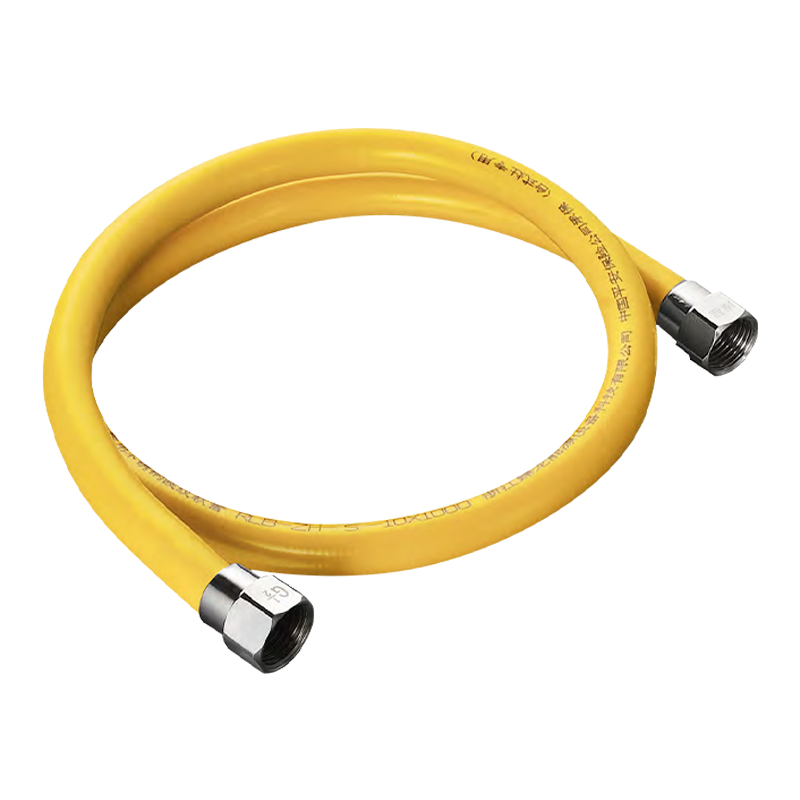
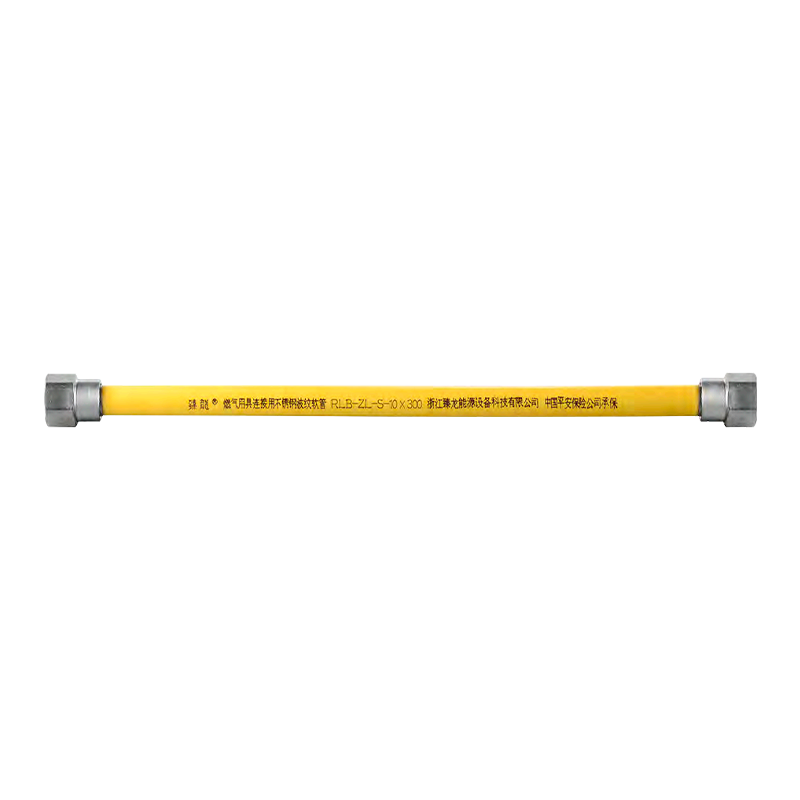
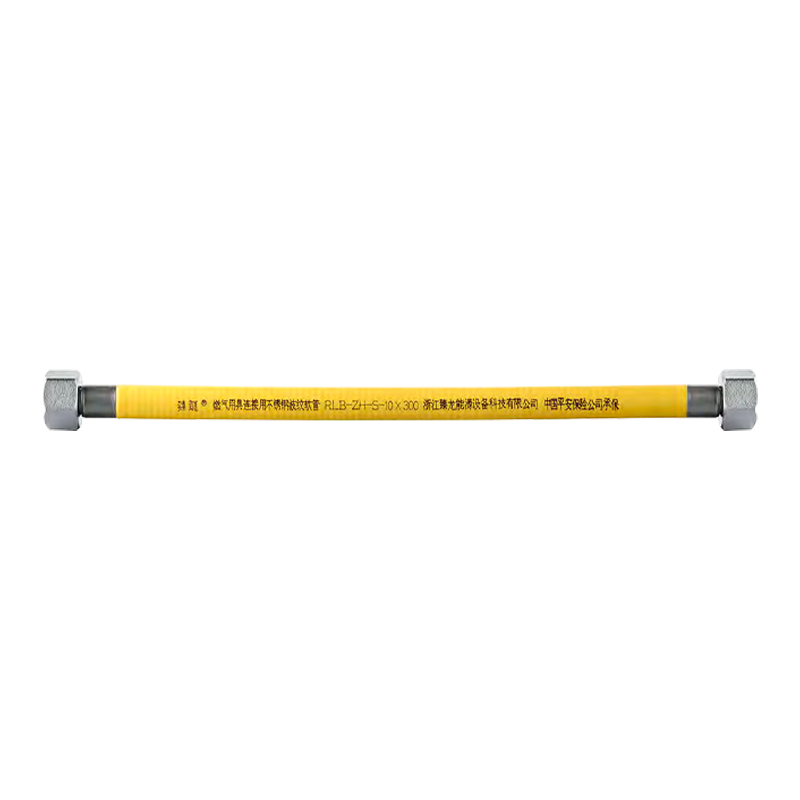
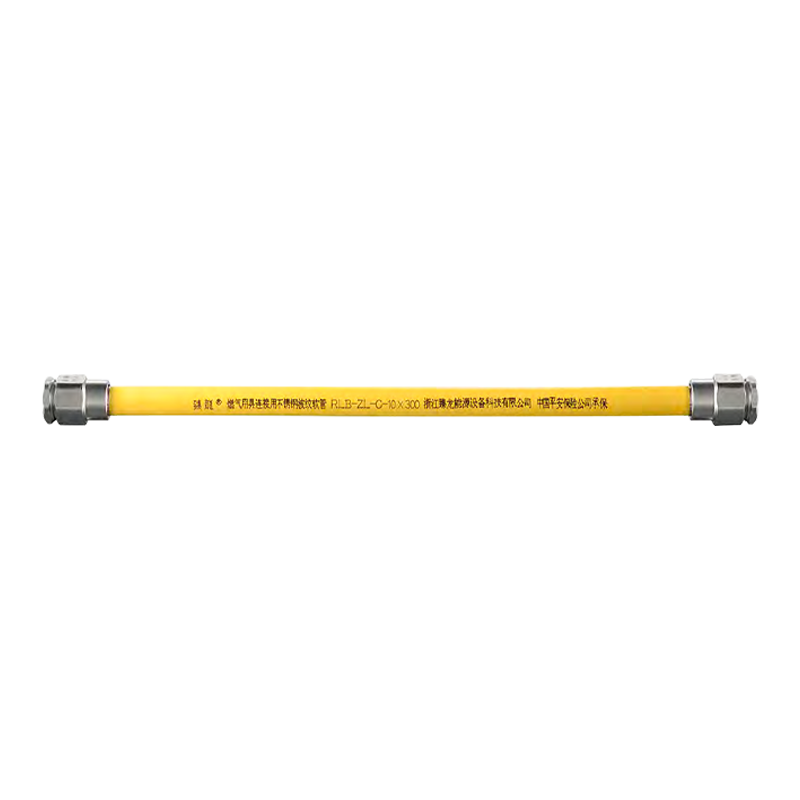
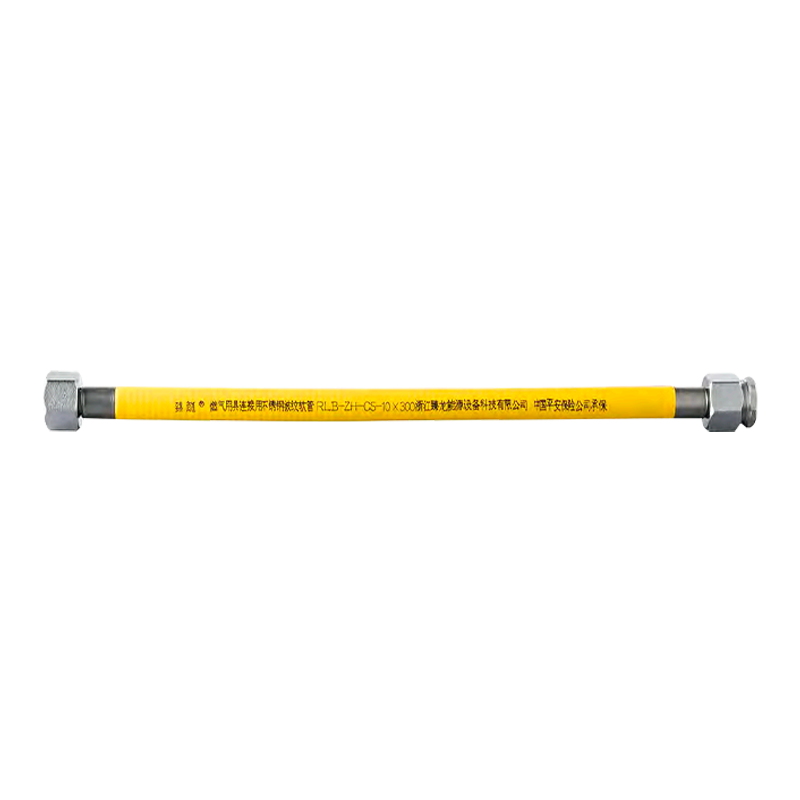
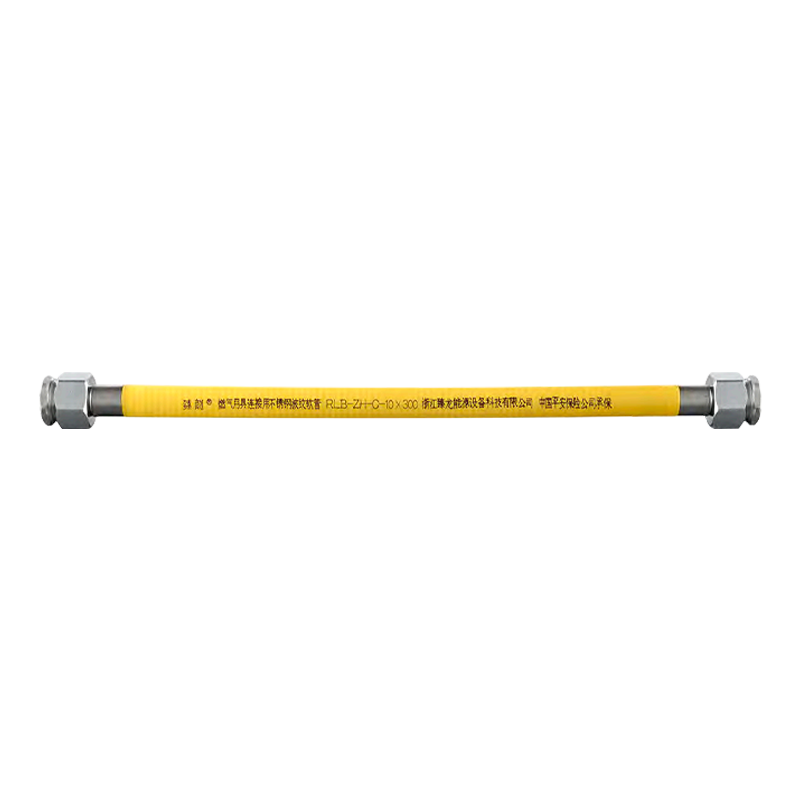
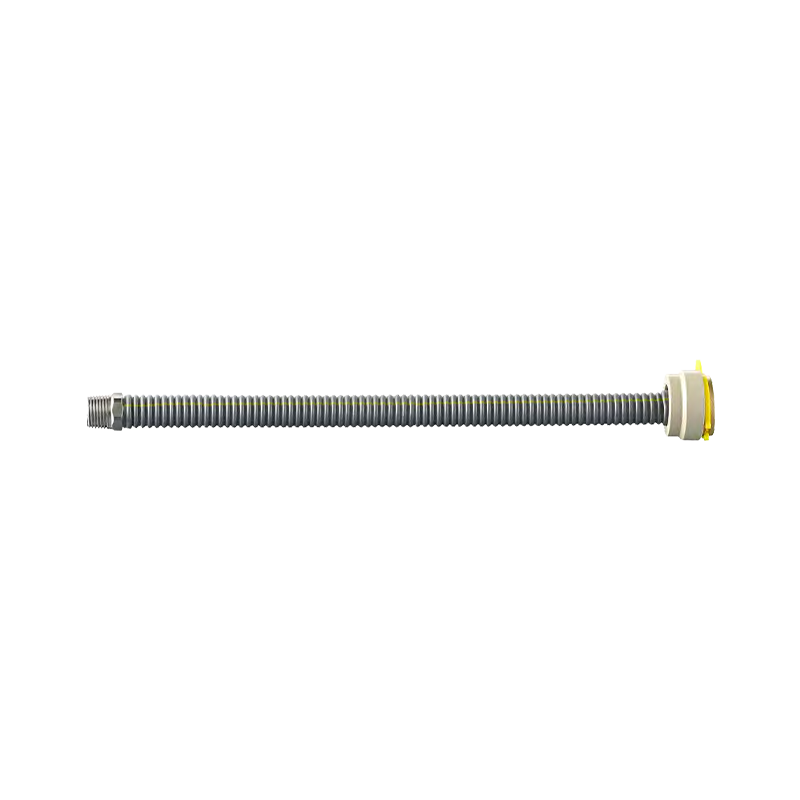
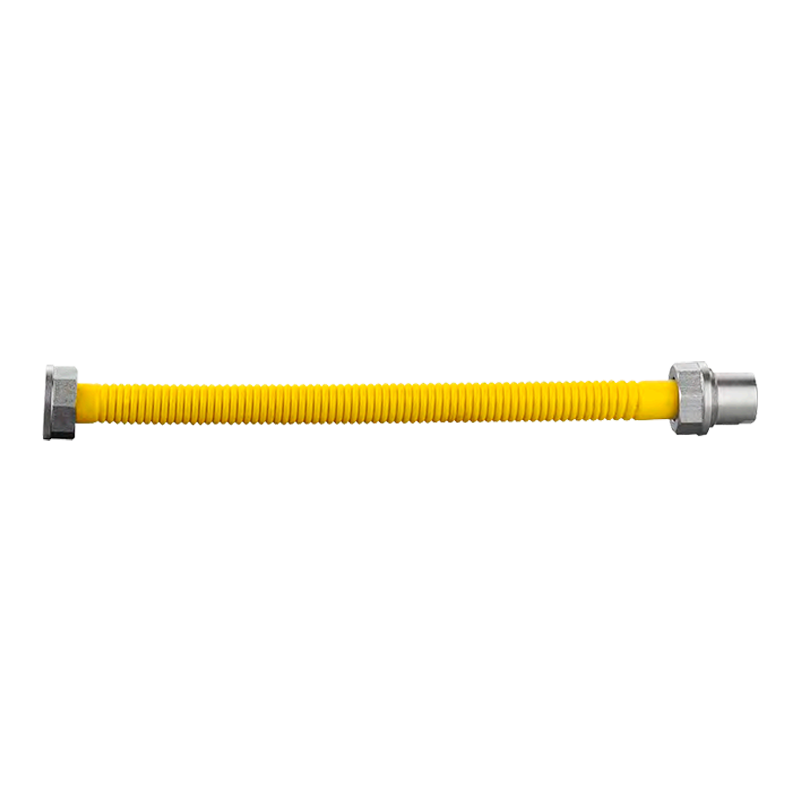
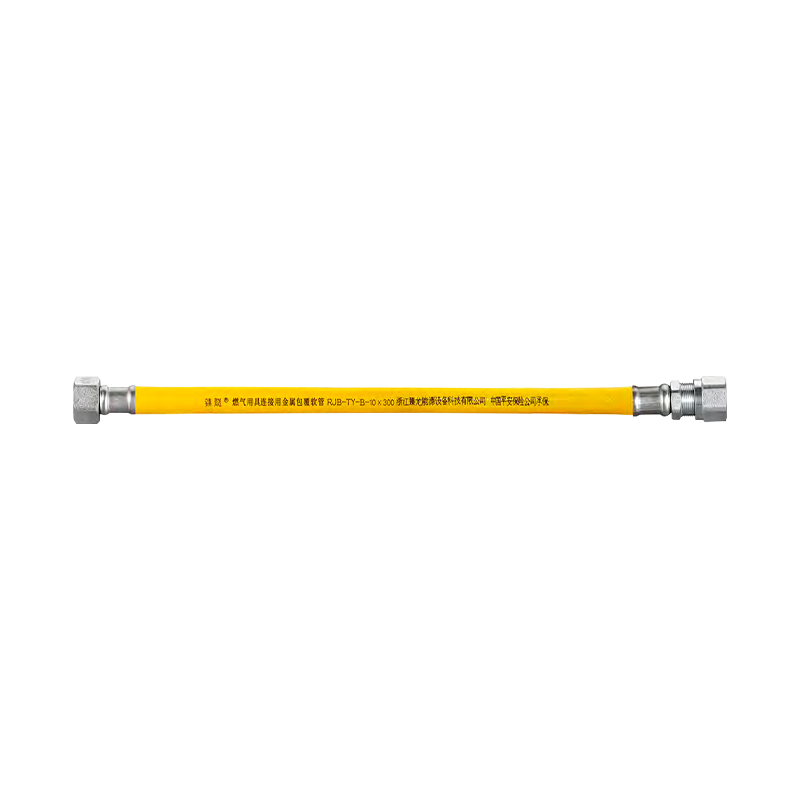
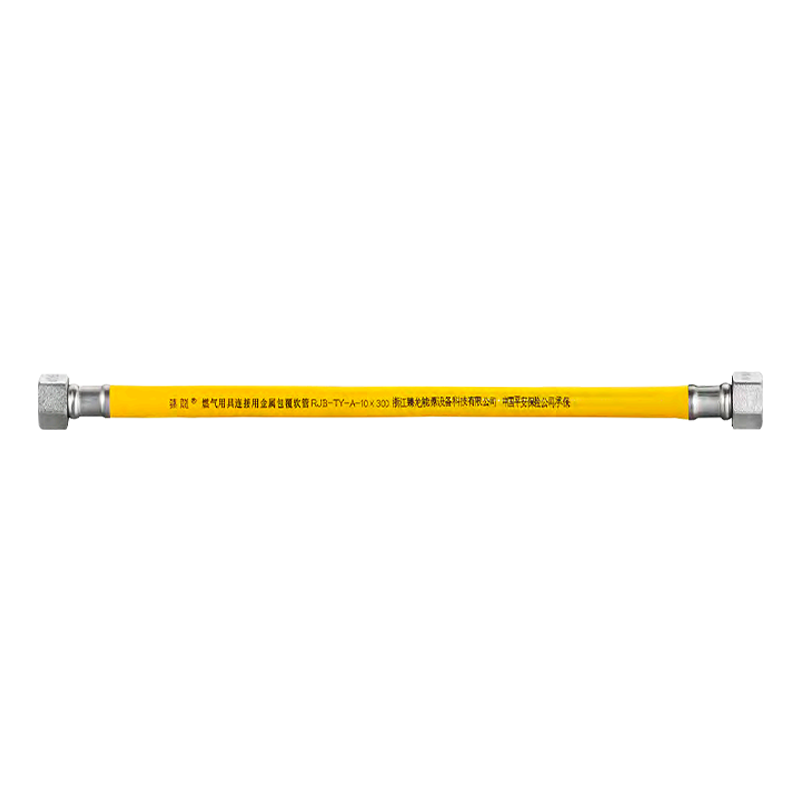
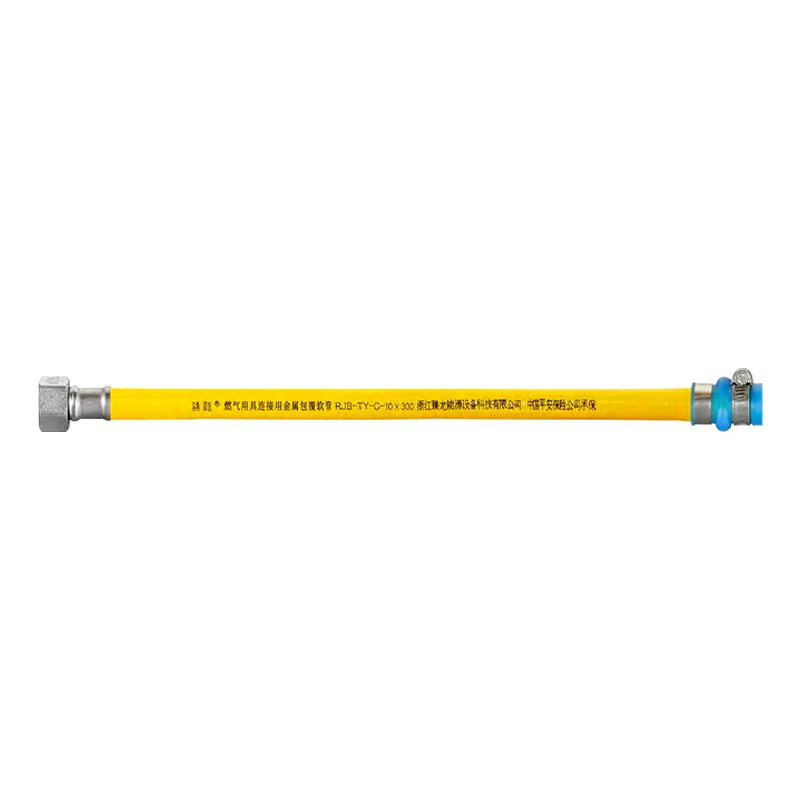
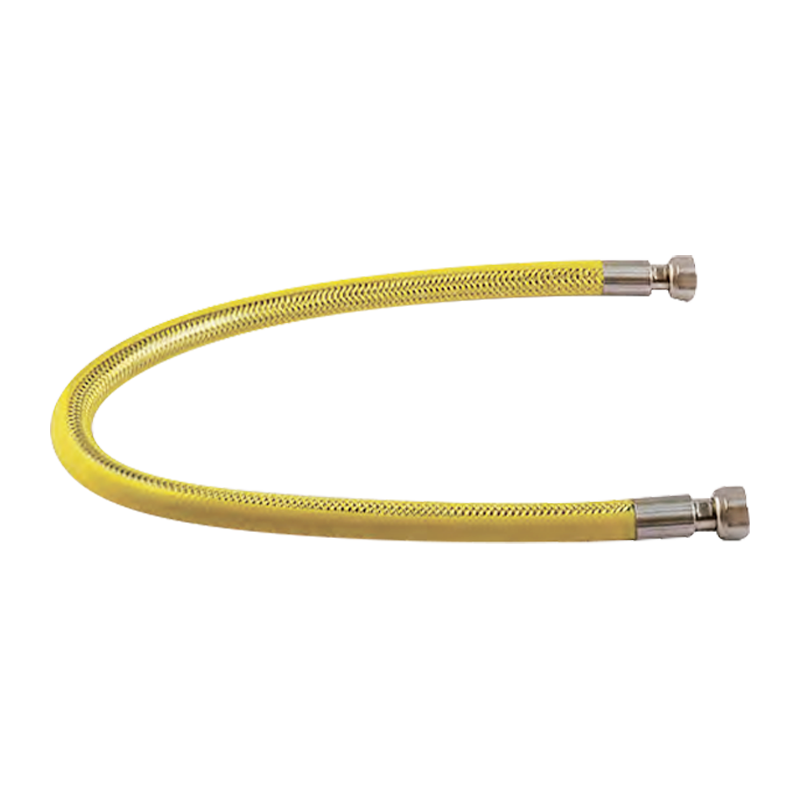
Stainless steel corrugated hoses are used where flexibility is required between fixed pipework and movable or vibration-prone equipment. The Gas Single Nozzle Valve can serve as a connection component in such assemblies. The valve and hose must have compatible connection dimensions, sealing methods, pressure ratings, and material requirements.
When combined correctly, a flexible hose and a secure valve can provide both installation flexibility and local control. The hose should not be twisted, sharply bent, stretched, or used as a support for the connected appliance. Proper routing and strain relief are necessary to protect the hose and valve from unnecessary mechanical stress.
9. Installation and Operating Considerations
Although the Gas Single Nozzle Valve is designed to simplify installation, safe performance depends on correct assembly. Before installation, the user should verify the model, nominal size, connection type, gas compatibility, pressure rating, and condition of the product. The valve should not be installed if it has visible damage, contamination, deformation, or evidence of improper handling.
The mating pipe or hose should be clean, correctly aligned, and free from burrs or damage. Excessive force should not be applied to the valve body during tightening. Tools should be used on the designated surfaces whenever possible, rather than on delicate operating or sealing areas. Over-tightening can deform components or damage threads, while under-tightening can lead to leakage or mechanical instability.
Any thread sealant or gasket must be compatible with the gas medium, connection design, and applicable regulations. Sealants should not be applied in a way that allows material to enter the internal gas passage. If the connection uses a specific sealing washer, cone, or face seal, the correct component should be used and replaced when required.
After installation, the completed assembly should be inspected and tested using an approved leak-detection method. Open flames must never be used to search for gas leaks. The system should be placed into service only after qualified personnel have confirmed that the connection is secure and that the installation meets the required safety conditions.
During operation, the valve should be opened and closed according to the manufacturer’s instructions and the requirements of the connected equipment. Unnecessary repeated operation should be avoided if the valve is intended primarily for isolation. If unusual stiffness, vibration, odor, noise, pressure fluctuation, or visible corrosion is observed, the system should be checked by qualified service personnel.
Maintenance should include periodic visual inspection, examination of connection areas, verification of support and alignment, and appropriate tightness checks. Inspection frequency depends on the environment, operating cycle, gas type, installation standard, and risk level. A valve that has been exposed to fire, severe impact, flooding, chemical attack, or unauthorized modification should be evaluated before reuse.
10. Advantages for OEM and ODM Customers
Manufacturers of gas appliances, flexible hose assemblies, heating equipment, plumbing products, and energy systems often need reliable component suppliers. The Gas Single Nozzle Valve can be suitable for OEM and ODM cooperation where customers require a defined model, repeatable dimensions, and integration with broader product assemblies.
The supplier’s experience in metal hoses, corrugated pipelines, valves, fittings, and hardware creates a foundation for coordinated development. Customers may be able to discuss connection requirements, packaging, labeling, production quantities, inspection procedures, and product documentation with a manufacturer familiar with adjacent components.
For OEM applications, repeatability is essential. A valve must maintain consistent dimensions and functional performance from one production batch to another. Stable welding and forming processes, material analysis, and tightness testing can contribute to this repeatability. Consistent packaging and identification can also help customers manage assembly lines and after-sales service.
For ODM projects, the manufacturer’s research and development capability may support modifications to connection structure, appearance, marking, packaging, or application-specific requirements. Any design change should be reviewed through engineering evaluation and validation testing. Gas-related modifications should never be made solely for appearance or cost without confirming their effect on pressure containment and leakage performance.
11. Supply Chain and Service Benefits
A supplier that combines manufacturing and trade operations can offer practical advantages during procurement. Customers may receive support with product selection, order coordination, technical communication, packaging, and logistics. This integrated approach can be useful for importers, distributors, project contractors, and equipment manufacturers that purchase multiple related products.
The company’s product range includes metal hoses, natural gas pipelines, plumbing fittings, sanitary ware, valves, plastic products, and hardware. This breadth may allow customers to consolidate sourcing for compatible components. Consolidation can reduce communication overhead and make it easier to coordinate product dimensions, delivery schedules, and quality expectations.
Pre-sales service is important when a customer must confirm whether a DN15 valve is suitable for a particular hose or pipe assembly. Technical discussions may include the gas medium, working pressure, temperature, connection standard, installation orientation, flow requirement, environment, certification needs, and expected service life.
After-sales support is equally important. If questions arise during installation or operation, timely communication can help identify whether the issue relates to product selection, assembly technique, system design, or operating conditions. A supplier that maintains technical records and understands its manufacturing processes is better positioned to provide meaningful assistance.
12. Product Selection Checklist
Before purchasing the Gas Single Nozzle Valve, buyers should compare the product requirements with the planned installation. The following checklist can help organize the evaluation:
| Evaluation point | Questions to confirm |
|---|---|
| Nominal size | Does DN15 match the connected pipe, hose, appliance, and system design? |
| Gas medium | Is the valve compatible with the intended gas and operating environment? |
| Pressure | Does the allowable working pressure exceed the system requirement? |
| Temperature | Can the valve operate safely across the expected temperature range? |
| Connection method | Do the nozzle, threads, seals, and mating components match correctly? |
| Installation space | Is there sufficient room for alignment, tightening, operation, and inspection? |
| Testing | Are material, tightness, and relevant compliance documents available? |
| Application standards | Does the product satisfy local gas installation and safety requirements? |
| Supply requirements | Are quantity, packaging, markings, lead time, and support suitable? |
This checklist does not replace professional engineering review. It is a practical starting point for reducing purchasing errors and ensuring that the valve is assessed as part of a complete gas system.
13. Why Manufacturing Integration Matters
The performance of a gas valve depends on the interaction of design, materials, production, inspection, and installation. A strong design cannot compensate for uncontrolled material quality, and advanced equipment cannot compensate for an unsuitable application. The best results come from an integrated approach in which each stage supports the next.
A manufacturer experienced in both hoses and fittings can consider how components behave together. For example, hose flexibility may create movement at the valve connection, while vibration may transfer forces into the fitting. Understanding these interactions can lead to better recommendations for alignment, support, connection design, and product selection.
Integration also supports faster problem solving. If a customer reports a connection issue, a manufacturer with knowledge of the valve, hose, fitting, and forming process can investigate the complete assembly rather than examining one component in isolation. This broader perspective can help distinguish between a dimensional issue, a sealing problem, installation error, or unsuitable system condition.
In addition, manufacturing integration supports product consistency. Shared quality procedures, common inspection resources, and coordinated process management can help reduce variation among related products. For customers managing a large project or a long-term distribution program, consistency can be as important as individual product performance.
14. Sustainability and Long-Term Value
Durable gas components contribute to long-term value by reducing the need for frequent replacement. A valve that resists corrosion, wear, and pressure-related deterioration can remain functional for a longer period when correctly installed and maintained. Longer service life may reduce material consumption, labor requirements, packaging waste, and interruption to the connected system.
Manufacturing efficiency can also influence sustainability. Organized production lines, controlled furnace processes, material analysis, and systematic testing can help reduce defective output and unnecessary rework. The environmental benefits depend on the specific production controls and operating practices, but quality-focused manufacturing generally supports more efficient use of resources.
Customers should evaluate sustainability together with safety and performance. A product should not be selected solely because it is inexpensive or lightweight. The more responsible choice is a component that meets the technical requirements, provides reliable service, and can be managed appropriately at the end of its useful life.
15. Safety Responsibilities
Gas is a highly useful energy source, but leaks can create serious hazards. The Gas Single Nozzle Valve is designed to support safe gas transfer, but no single component can guarantee the safety of an entire installation. System design, component compatibility, professional installation, pressure control, ventilation, inspection, and user behavior all influence safety.
Only trained and authorized personnel should install or service gas piping and valves where required by local regulations. The valve should be used only within its rated conditions and for its intended purpose. Unauthorized drilling, machining, welding, modification, or disassembly may compromise pressure containment and sealing performance.
If a gas odor is detected, users should follow the emergency procedure required in their location. They should avoid ignition sources, avoid operating electrical switches if unsafe to do so, evacuate the area when necessary, and contact the appropriate gas service or emergency authority. The valve should not be treated as a substitute for a complete leak-detection and emergency-response system.
16. Frequently Asked Questions
Q1: What is the Gas Single Nozzle Valve used for?
The valve is used for gas flow control, isolation, and secure connection in gas distribution assemblies. It is particularly associated with stainless steel corrugated hose fittings for gas transmission and can be considered for suitable residential, commercial, and industrial applications.
Q2: What is the model and size of the product?
The product model is ZLP-017, and its listed nominal size is DN15. Buyers should confirm the actual connection dimensions and mating standard before ordering or installation.
Q3: Why choose a single-nozzle design?
A single-nozzle design provides one clear connection route, which can simplify installation, reduce unnecessary connection points, and support a compact layout. It is suitable when the system requires one principal outlet or inlet rather than multiple branches.
Q4: Can the valve be used with a stainless steel corrugated gas hose?
It is intended for use in connection systems involving stainless steel corrugated hose fittings for gas transmission. Compatibility must still be verified by checking the hose end connection, sealing method, pressure rating, gas type, and relevant installation requirements.
Q5: Is the valve suitable for high-pressure applications?
The valve is designed to withstand high-pressure environments, but the exact allowable pressure must be confirmed from the applicable product documentation. The operating pressure of the valve must be higher than the actual system requirement, including any foreseeable pressure variation.
Q6: What materials are used in the valve?
The supplied product information describes the valve as being made with high-quality, corrosion-resistant materials but does not specify a complete material grade. Customers requiring a particular alloy or material certificate should request confirmation before purchase.
Q7: How does the manufacturer control material quality?
The manufacturer reports the use of metal material analysis direct reading spectrometers. Such equipment can support verification of alloy composition and help maintain consistency between incoming materials and production requirements.
Q8: How is leak tightness evaluated?
The manufacturer reports the use of flow tightness testers. These testers support inspection for leakage through the valve and its connection areas. The specific test pressure, duration, acceptance criteria, and test standard should be confirmed for the relevant order or project.
Q9: Is the product suitable for OEM or ODM supply?
The manufacturer provides OEM/ODM production capabilities for metal hoses, corrugated hoses, pipe fittings, valves, and related products. Customers should discuss drawings, quantities, markings, packaging, testing, certification, and any proposed modifications before beginning a customized project.
Yes. Its product scope includes metal hoses, natural gas pipelines, plumbing fittings, sanitary ware, valves, plastic products, and hardware. This broader range may support coordinated sourcing of related gas and plumbing components.
Q11: How should the valve be installed?
The valve should be installed by qualified personnel using compatible pipes, hoses, sealing elements, and tools. The assembly must be correctly aligned and tightened without excessive force. After installation, an approved leak test should be completed before the system is placed into service.
Q12: Can the valve be used in any gas system because it is DN15?
No. DN15 identifies the nominal size but does not alone confirm suitability. The user must also verify gas compatibility, pressure, temperature, connection type, flow demand, certification, installation position, and local regulations.
Q13: What makes the product different from a generic valve?
The product is specifically developed for gas transmission connection applications and is supported by manufacturing capabilities in valves, metal hoses, corrugated pipelines, and pipe fittings. Its single-nozzle design, corrosion resistance, sealing focus, and reported inspection resources provide advantages over unsuitable or poorly controlled general-purpose alternatives.
Q14: How should the valve be maintained?
Maintenance should include regular visual inspection, checking for leakage, corrosion, deformation, abnormal operation, and stress at the connected hose or pipe. Inspection frequency should be based on the application and local requirements. Damaged or modified valves should be evaluated by qualified personnel before continued use.
17. Conclusion
The Gas Single Nozzle Valve is a practical component for gas distribution systems that require compact design, controlled flow, reliable sealing, and durable service. Its ZLP-017 model and DN15 specification provide a clearly defined solution for suitable gas pipe, corrugated hose, and appliance connection assemblies.
The product’s principal advantages include a simplified single-nozzle configuration, reduced connection complexity, secure sealing capability, resistance to corrosion and wear, and construction intended for pressure-related service. These features can help installers create cleaner, more accessible, and more dependable gas connections when the valve is correctly matched to the rest of the system.
Its value is further supported by the manufacturer’s broader capabilities in energy equipment, metal hoses, corrugated pipelines, valves, plumbing fittings, and hardware. With 30 welding and forming production lines, two uninterrupted solid melting hydrogen furnace production lines, material analysis equipment, flow tightness testers, quality management procedures, and relevant manufacturing credentials, the company has established an industrial foundation for consistent production and technical support.
For distributors, contractors, equipment manufacturers, and project engineers, the valve can offer a useful combination of design simplicity and manufacturing depth. The best results will be achieved when customers verify the complete technical requirements, use qualified installation personnel, perform approved leakage testing, and follow all applicable gas safety standards.
As gas systems continue to demand safer, more efficient, and more serviceable connection solutions, a well-manufactured single-nozzle valve remains an important component. The Gas Single Nozzle Valve is designed to meet that need by combining practical connection geometry, robust construction, controlled manufacturing, and application-oriented support.
References
1. Product specification sheet for Gas Single Nozzle Valve, model ZLP-017, DN15.
2. Manufacturer-provided information on metal hoses, corrugated hoses, gas pipelines, valves, and pipe fittings.
3. Manufacturer-provided information on welding, forming, furnace, material analysis, and flow tightness testing capabilities.
4. ISO 9000 family of standards, Quality Management Systems—Fundamentals and Vocabulary.
5. General technical principles for gas piping, valve installation, pressure containment, and leak testing.
6. General guidance for stainless steel corrugated hose assemblies used in gas transmission applications.
7. General safety practices for the design, installation, inspection, and maintenance of gas distribution systems.